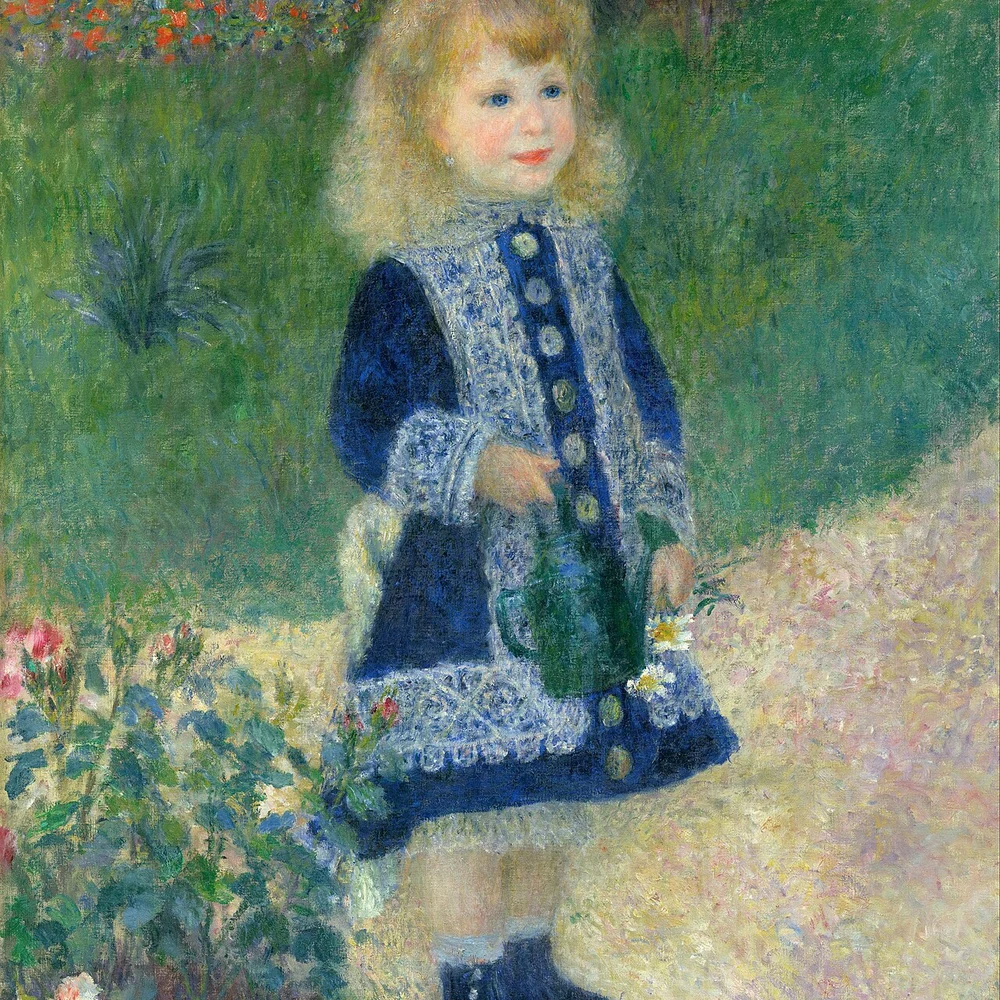
“You know that ‘Art Talk’ show you pitched to PBS? Are you sure? We’re critics. Can we tell people how to fix their art? We drink the milk—we’re not the cow. They’ll start us a new network: Wannabe BS.”
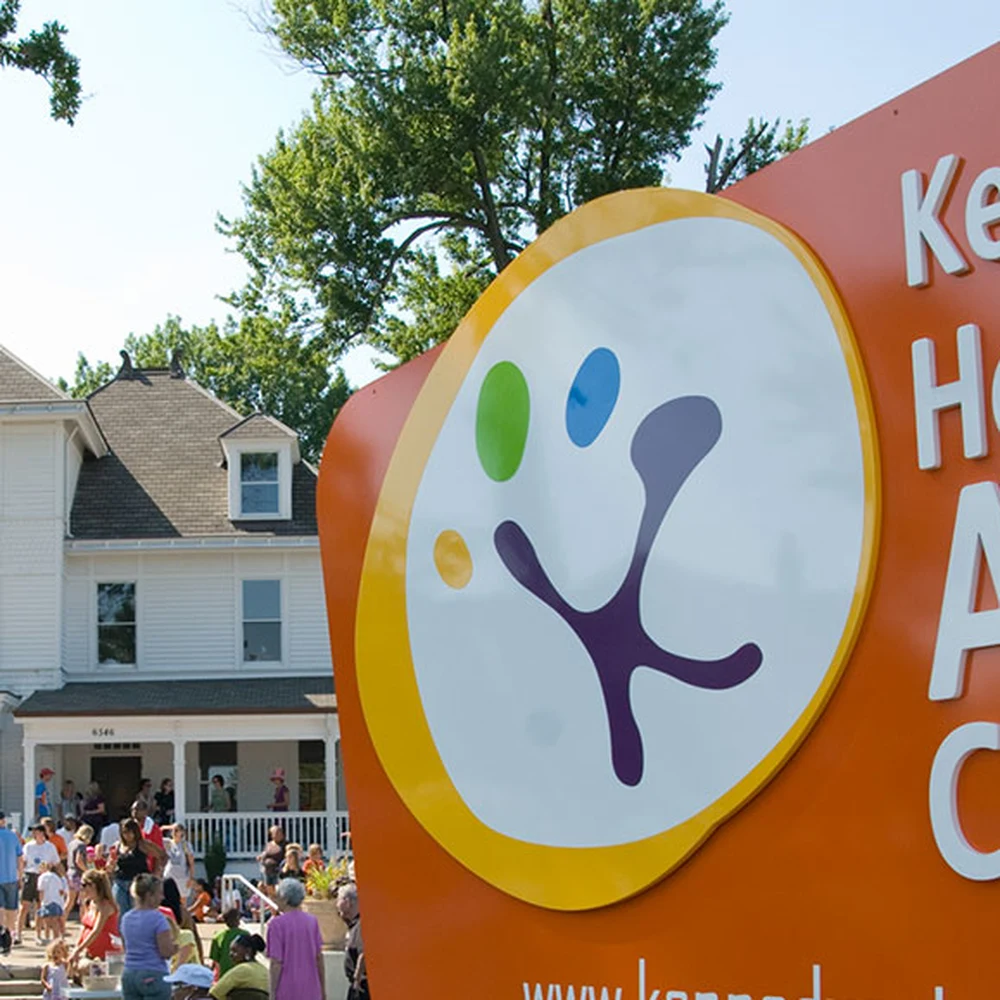
A fanciful, decorated pig welcomes visitors to the Kennedy Heights Arts Center on Montgomery Road. A 19th century white building owned by Kennedy Heights’ former mayor Lewis Kennedy, the Center strives to be the anchor of an increasingly vibrant, diverse, inclusive and creative community.
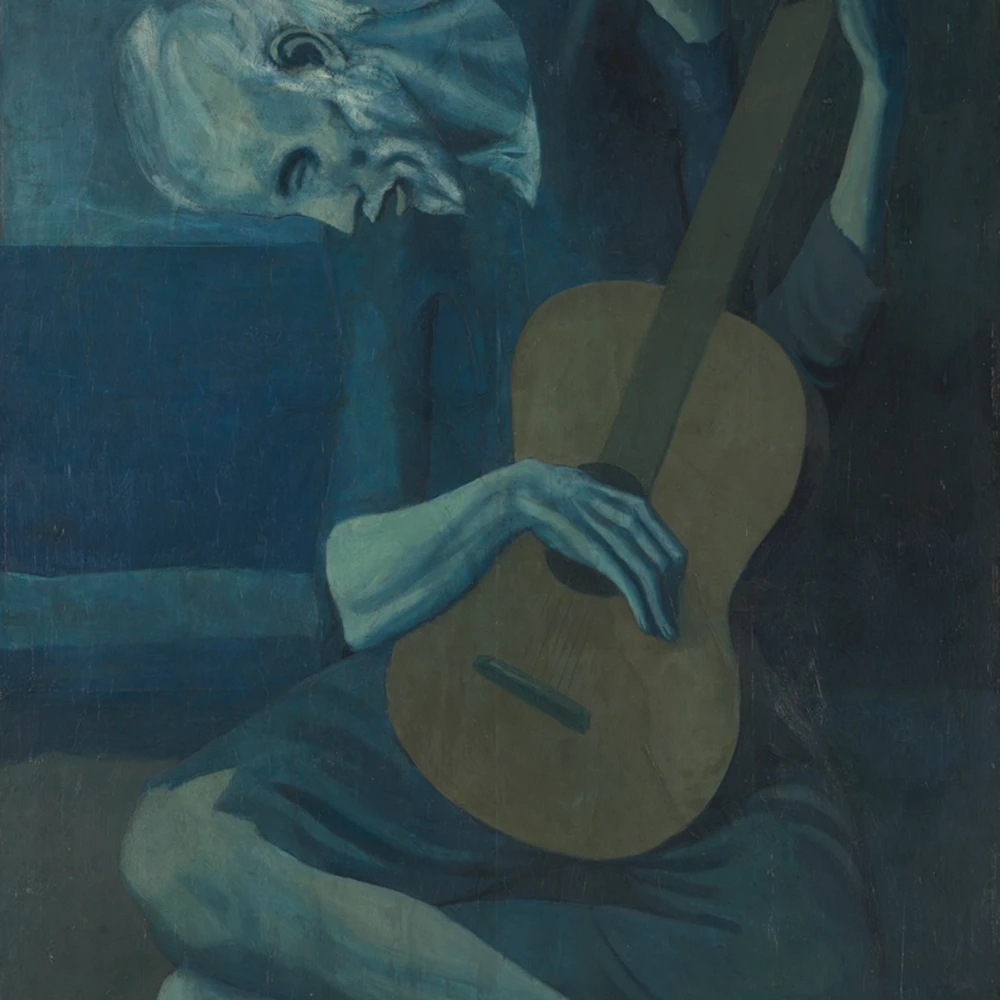
Questions flood the mind after seeing a stunning exhibition by an artist whose name is part of the cultural and popular vernacular. In this first of a two-part analysis, questions arise. What does Picasso mean to the art world now, in 2013? How and when did the United States enter into dialog with the European avante garde, as it was called at the cusp of the 20th century, and with Picasso a leading force of this avante garde?
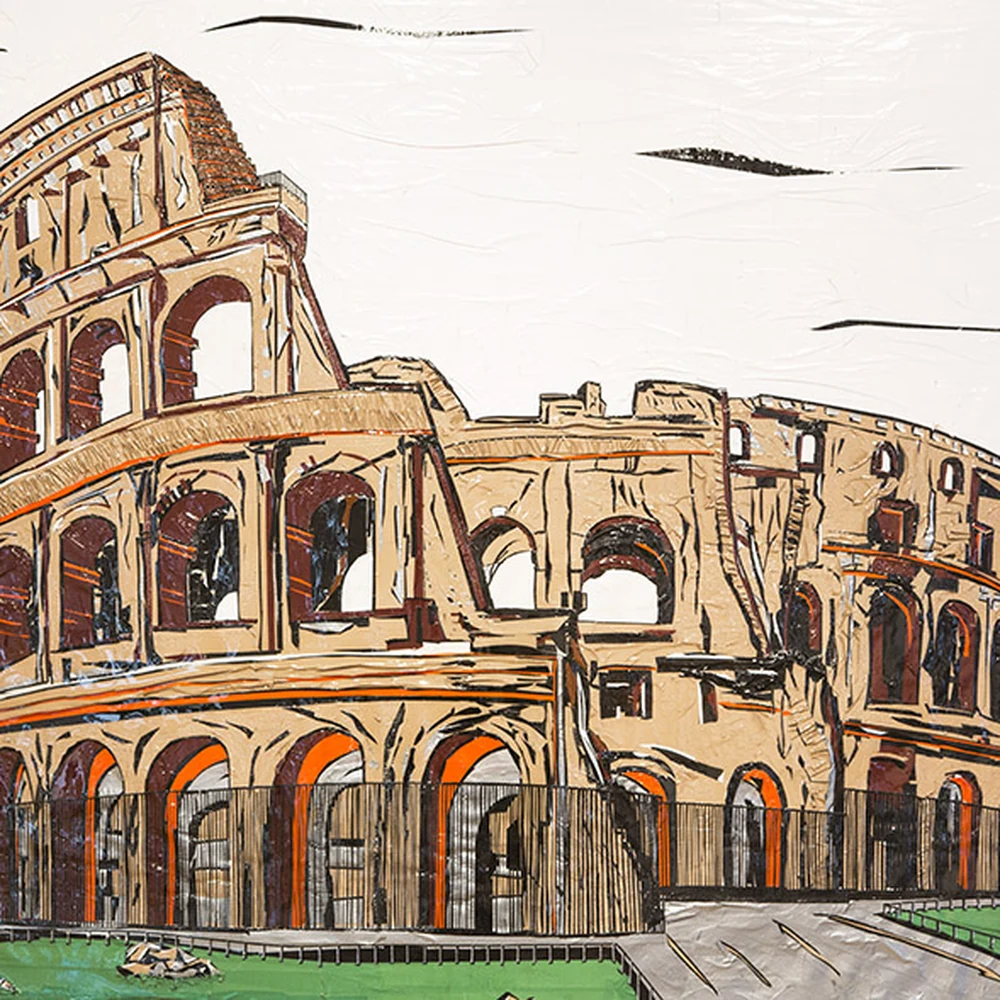
Duct tape drawings are an interesting concept: taking a material originally created for sealing the joins of metal ductwork, and using the different colors available to cut shapes and collage them into an image. Of course, the production of an array of different colored duct tape is a more recent addition to the brand in response to the popularization of many different uses with the product.
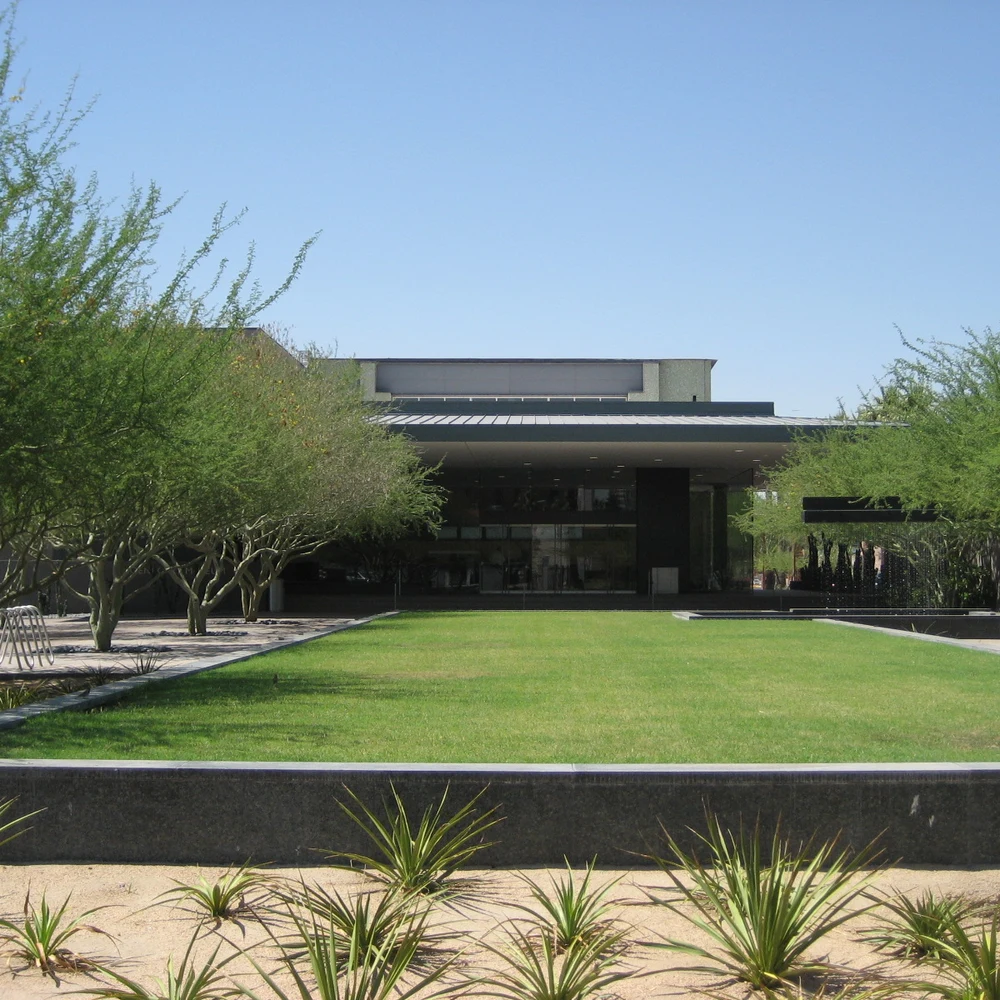
The entrance lobby and hallways of the Phoenix Art Museum were hung with hundreds (thousands?) of black paper (?) moths. Clustered, scattered, clinging to the walls and skylights, tenuously resting on architectural supports, there was a breathless emotion in their presence. Dianne and Bruce Halle, like many collectors in our time, have honed in on a particular area from which to gather their very contemporary art.
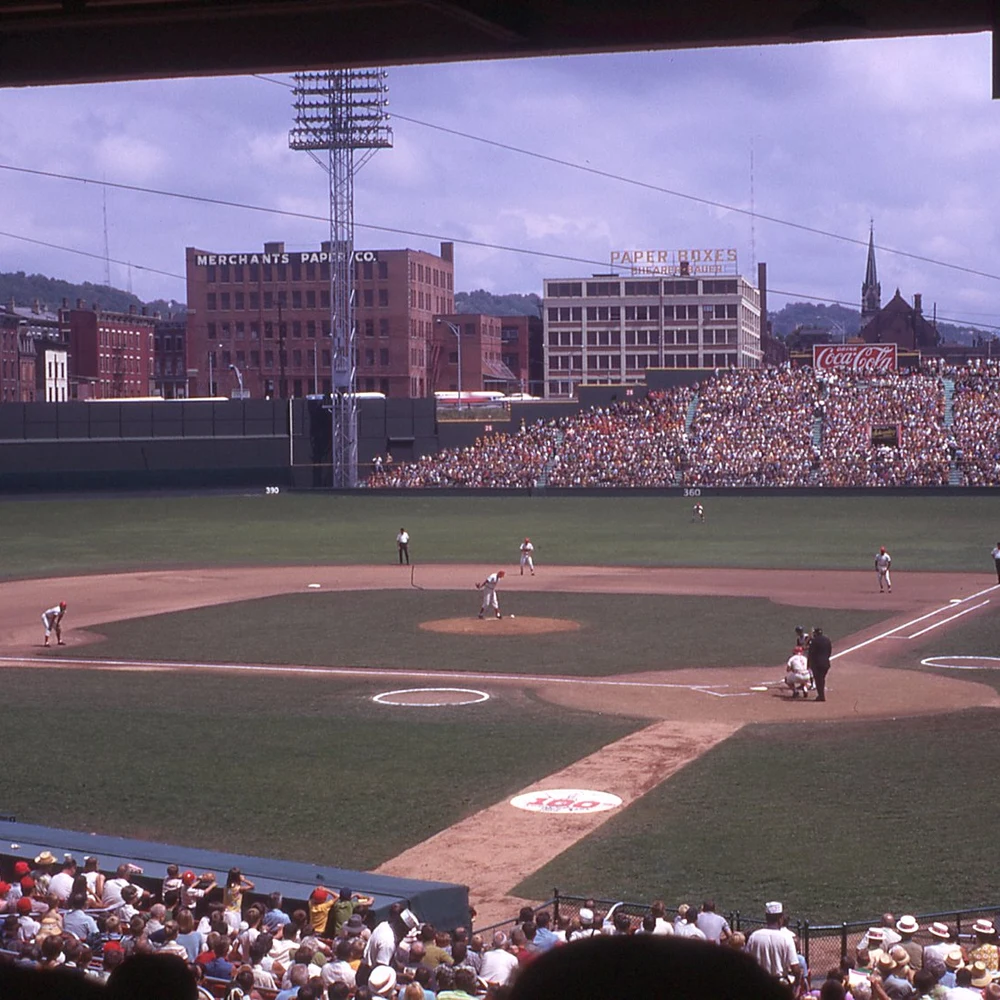
In his storied career, Gordon Baer has photographed the Beatles, Pete Rose, Larry Flynt and numerous other recognizable, iconic subjects. But, it is Baer’s photographs of the unknowns that are the heart of his great body of work.
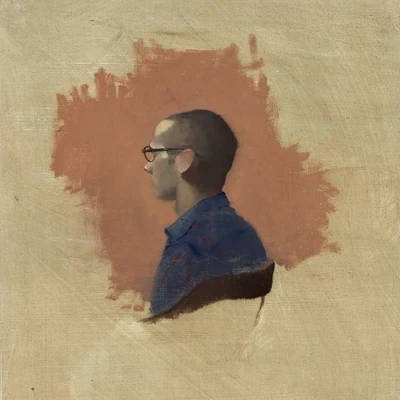
Tyler Wilkinson, Manifest Gallery’s first Artist-in-Residence, greets visitors to his studio at the rear of the gallery during every opening, an act of hospitality he clearly enjoys aside from its requirement for his year-long role. Tall and slim, Wilkinson has a ready smile, extremely short dark hair, dark eyes behind round, black-rimmed glasses, and an air of pleasure at being where he is.
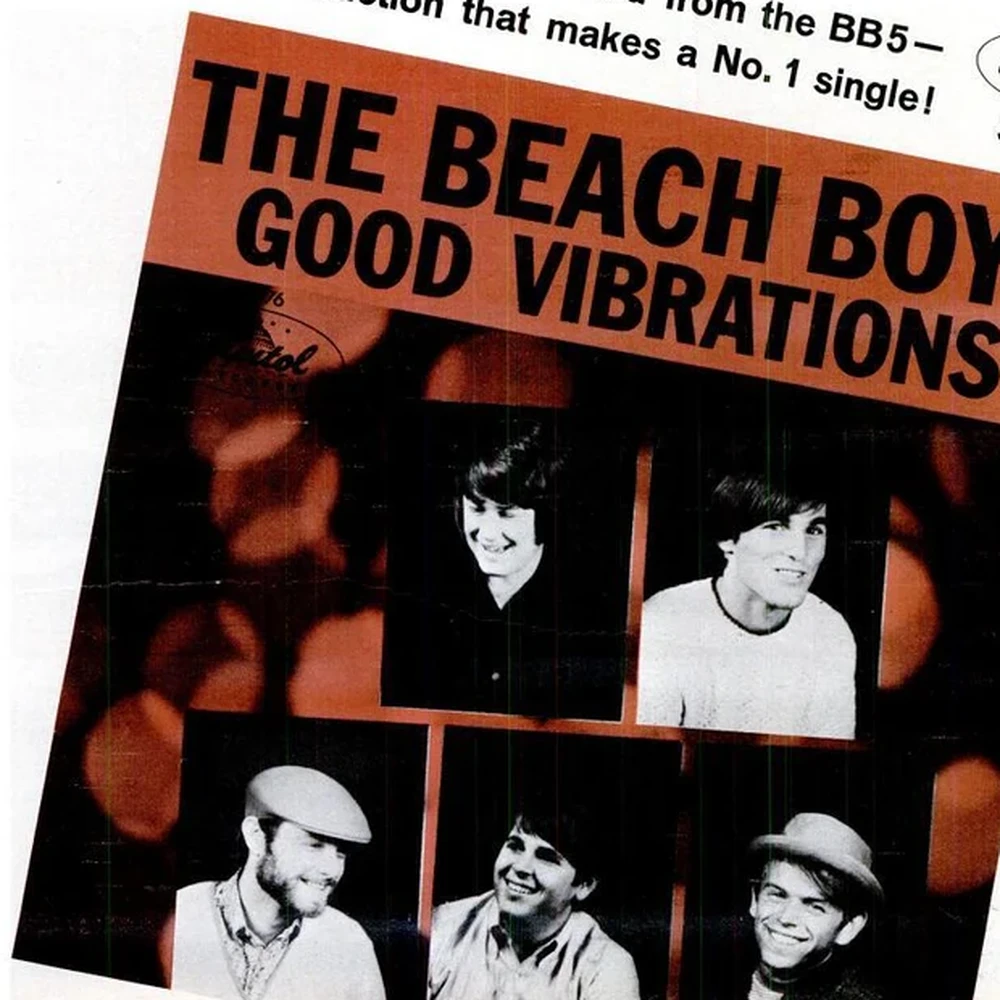
Third Party Gallery’s one-night-only “HIT PARADE: The Anatomy of a Cover Song” March 13, 2013, was designed as a gallery installation and a take-away compilation CD of The Beach Boys’ 1966 smash hit “Good Vibrations.” Liner notes were very nicely done, with both a general introduction and a description of each artist’s contribution, the details of which made for fascinating reading on their own.
