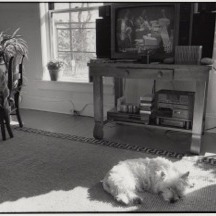
Though I have photographed since 1970, by way of a serious approach, I do not consider myself to be a photographer. I do not have an identity as a photographer, rather, as a conceptual artist, I use photography as a tool to achieve the original idea for the body of work being produced, which is always serial in nature, with hundreds, and sometimes thousands of images being produced within the theme, or body of work.
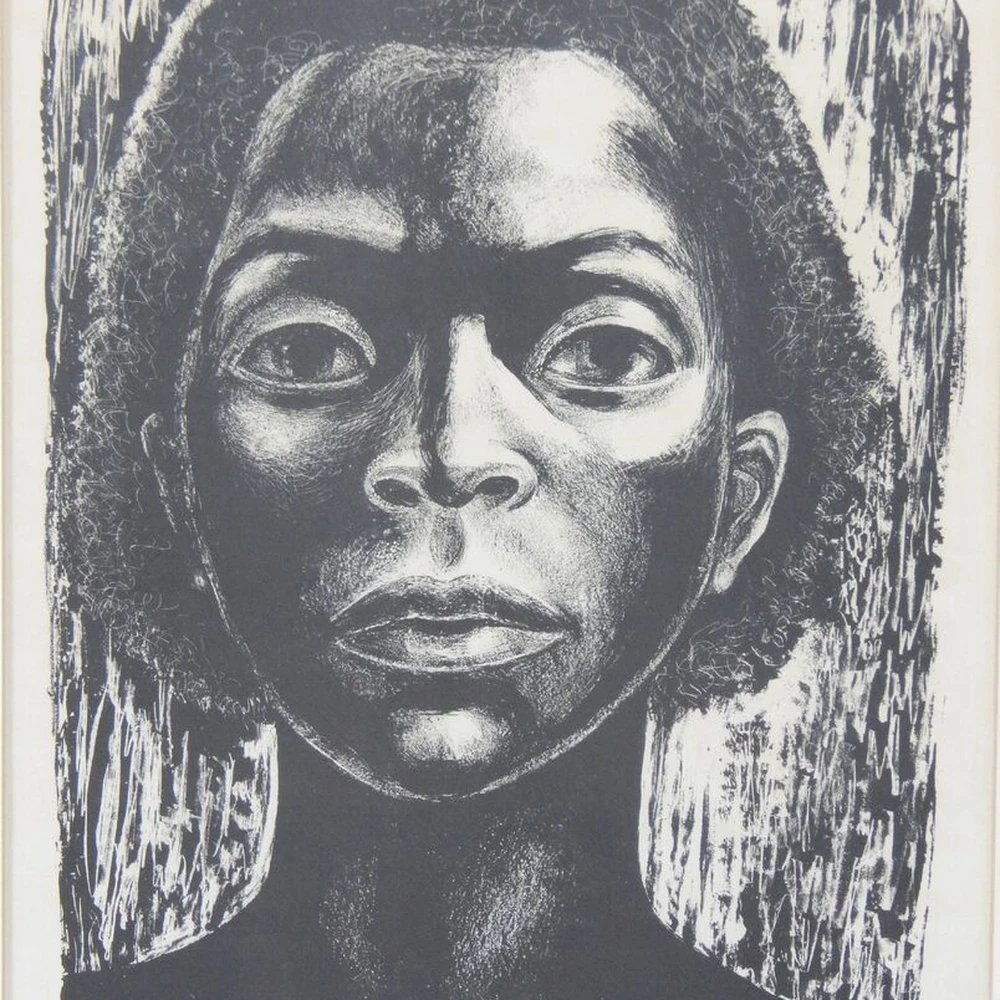
Only when we recognize the historical patterns of isolation and accept the responsibility of supporting those artists who express themselves in a universal language of form will black American artists be seen as major contributors to the art of this century. – David C. Driskell
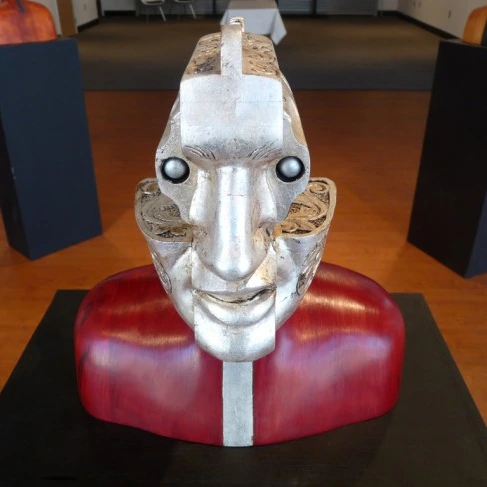
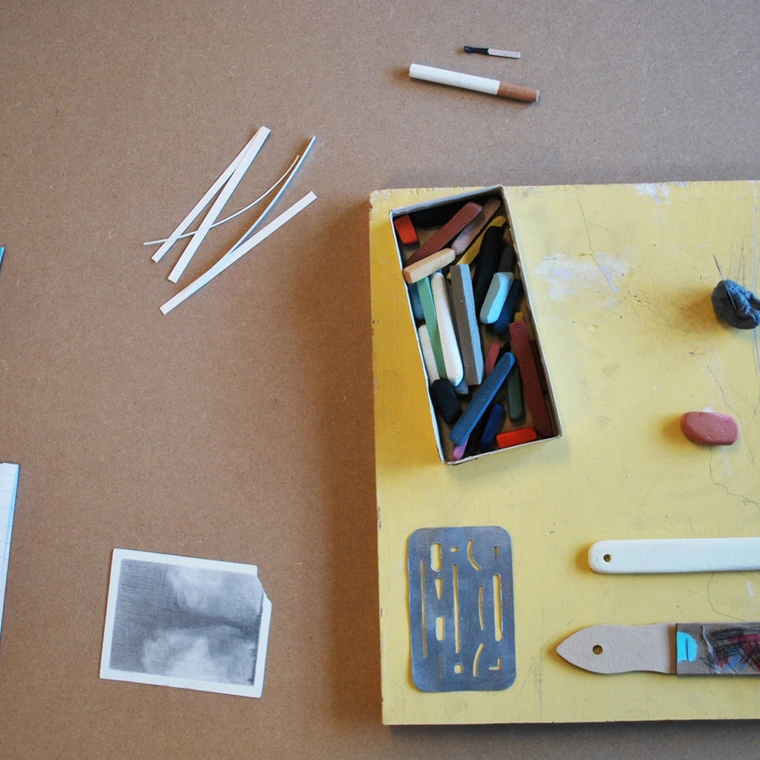
The concept for “Confluence: Partnership and Creativity” was cooked up over dinner by potter Pam Korte and her husband, poet Richard Hague, and ceramic sculptor Terri Kern and her husband, graphic artist and letterpress printer David Umbenhour. Why not show the work of couples, to show how their personal relationships affect their art?
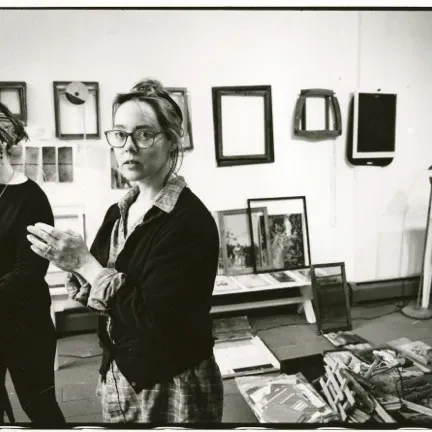
When I arrived by car at YADDO, the artist/writer’s retreat in Saratoga Springs, NY, the 400-acre estate that borders the picturesque and famous Saratoga Racetrack, over a foot of snow had fallen. The estate, which makes up the famed colony, had a quiet that would occasionally be interrupted by the wind making its way through giant, ancient trees that peppered the property.
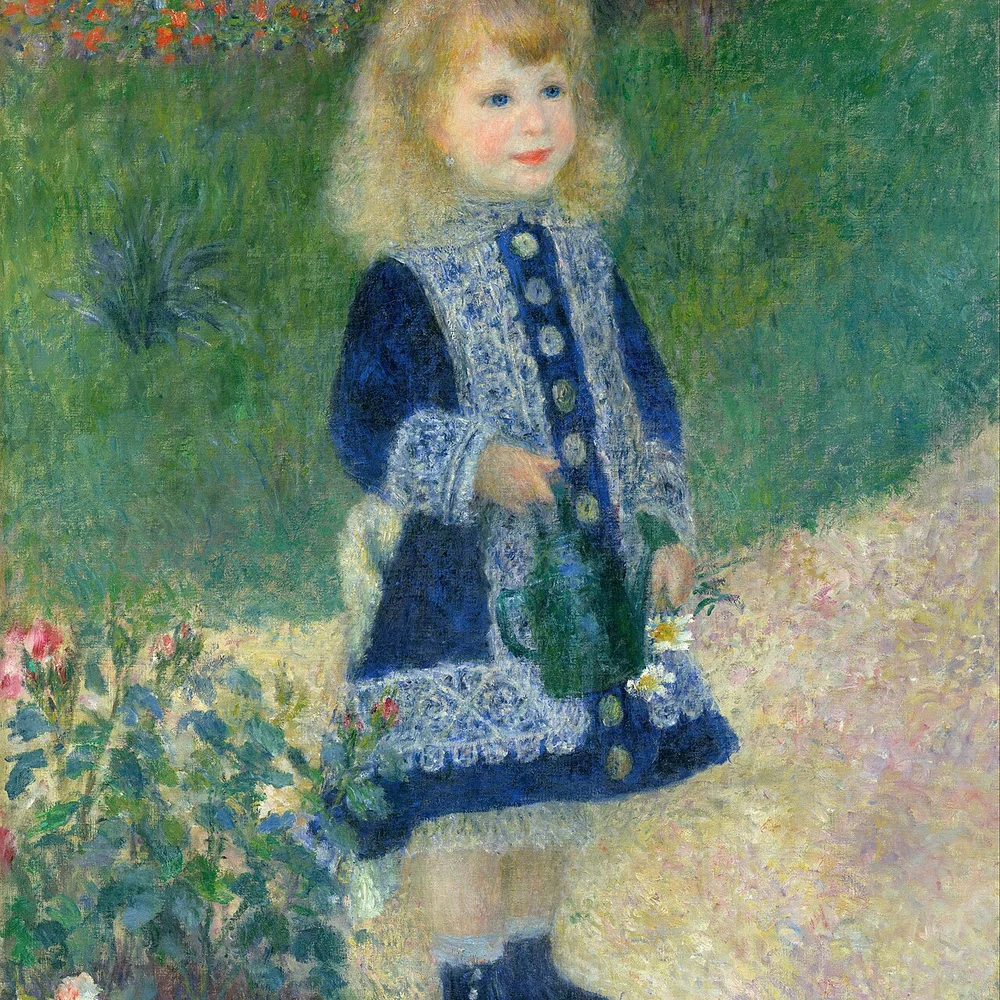
“You know that ‘Art Talk’ show you pitched to PBS? Are you sure? We’re critics. Can we tell people how to fix their art? We drink the milk—we’re not the cow. They’ll start us a new network: Wannabe BS.”

A fanciful, decorated pig welcomes visitors to the Kennedy Heights Arts Center on Montgomery Road. A 19th century white building owned by Kennedy Heights’ former mayor Lewis Kennedy, the Center strives to be the anchor of an increasingly vibrant, diverse, inclusive and creative community.
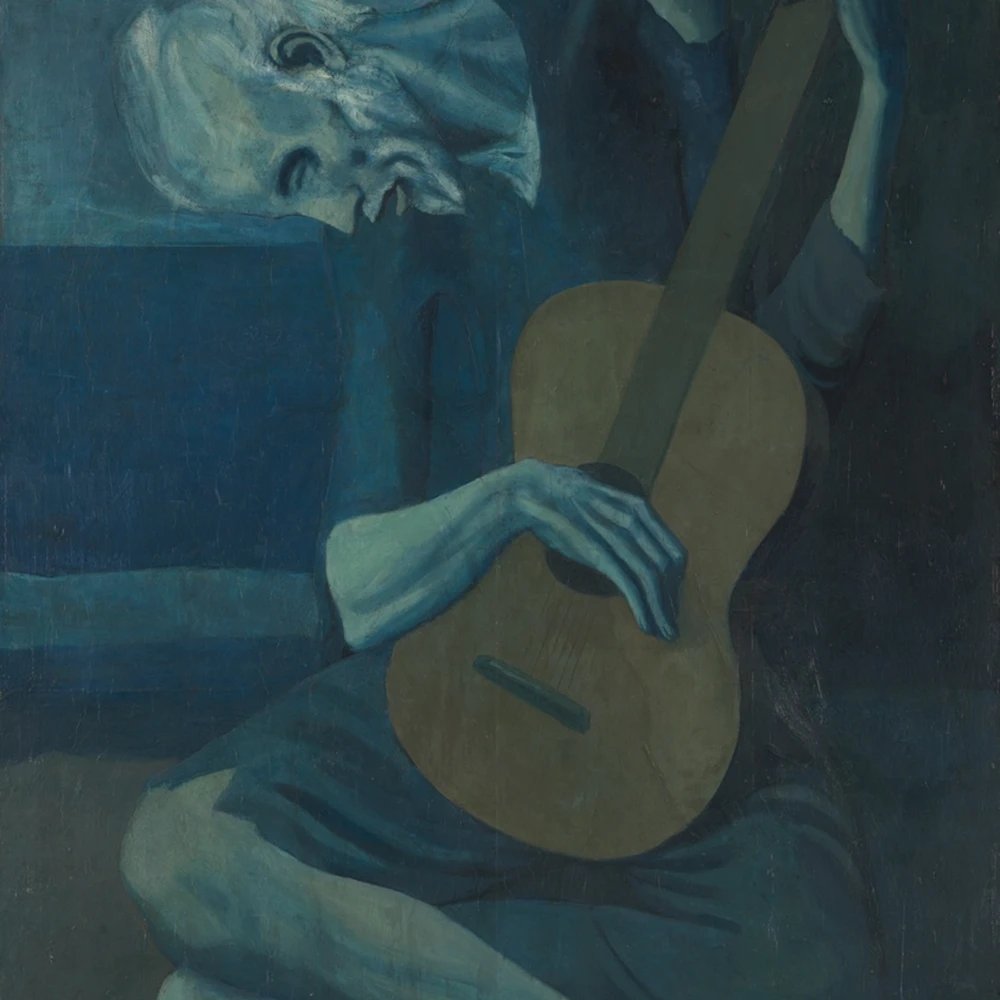
Questions flood the mind after seeing a stunning exhibition by an artist whose name is part of the cultural and popular vernacular. In this first of a two-part analysis, questions arise. What does Picasso mean to the art world now, in 2013? How and when did the United States enter into dialog with the European avante garde, as it was called at the cusp of the 20th century, and with Picasso a leading force of this avante garde?
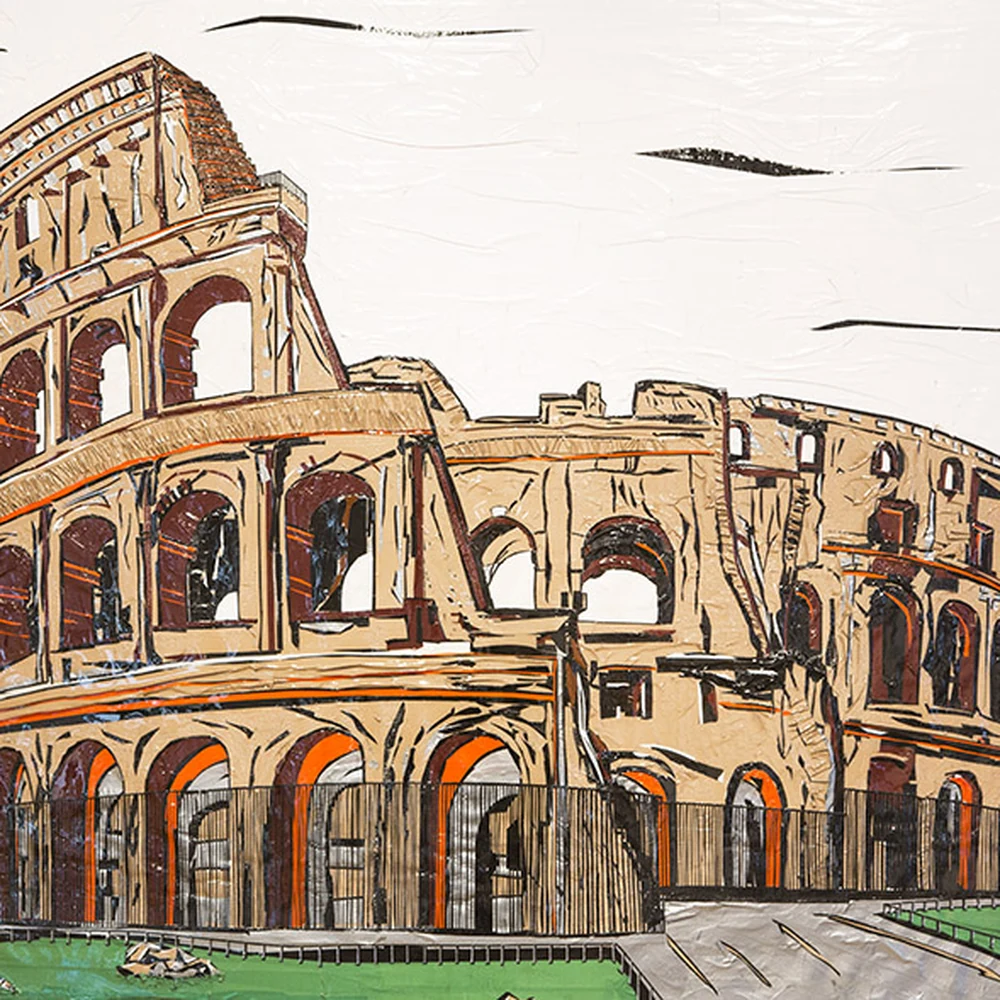
Duct tape drawings are an interesting concept: taking a material originally created for sealing the joins of metal ductwork, and using the different colors available to cut shapes and collage them into an image. Of course, the production of an array of different colored duct tape is a more recent addition to the brand in response to the popularization of many different uses with the product.
