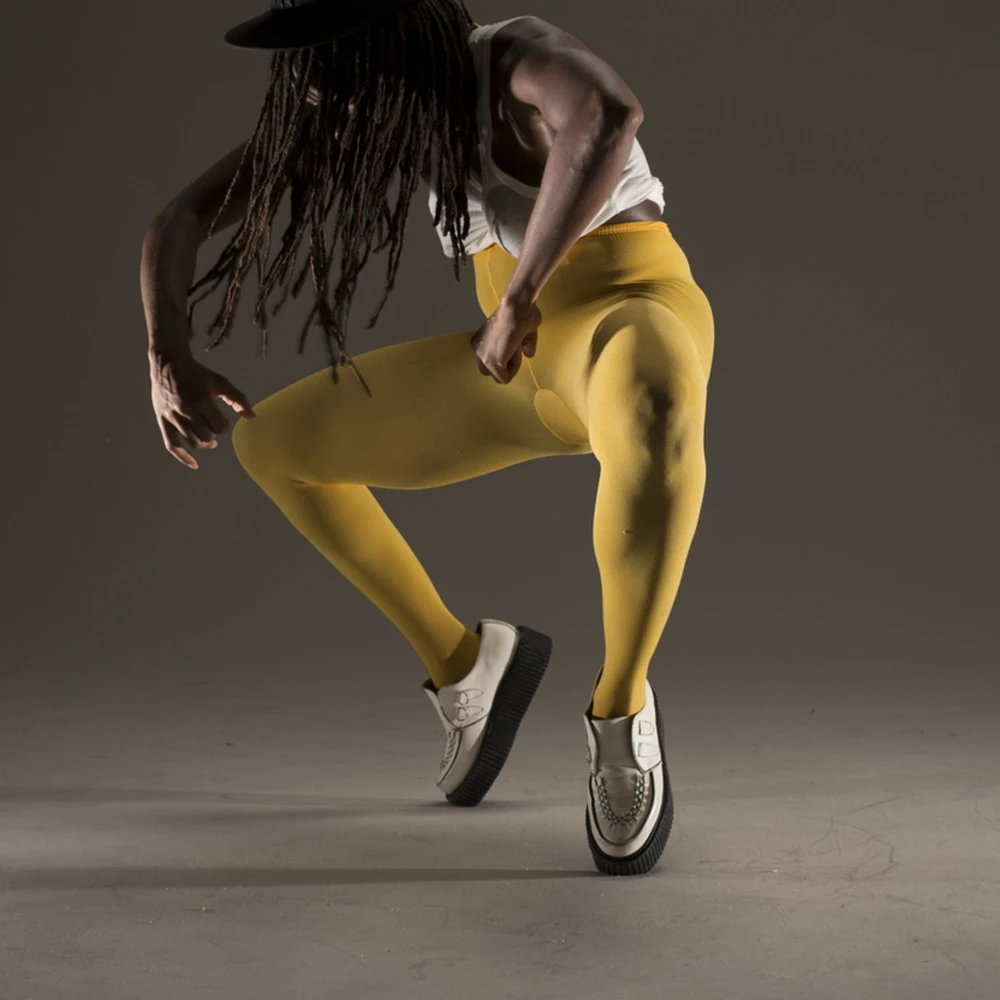
Black Hoodie. Back Turned. Hands reaching in pockets. That’s all Dana Michel did at the beginning of her performance piece. She didn’t sashay out, say a word, or turn around. Yet this simple combination seemed to symbolize more than just a casual introduction.
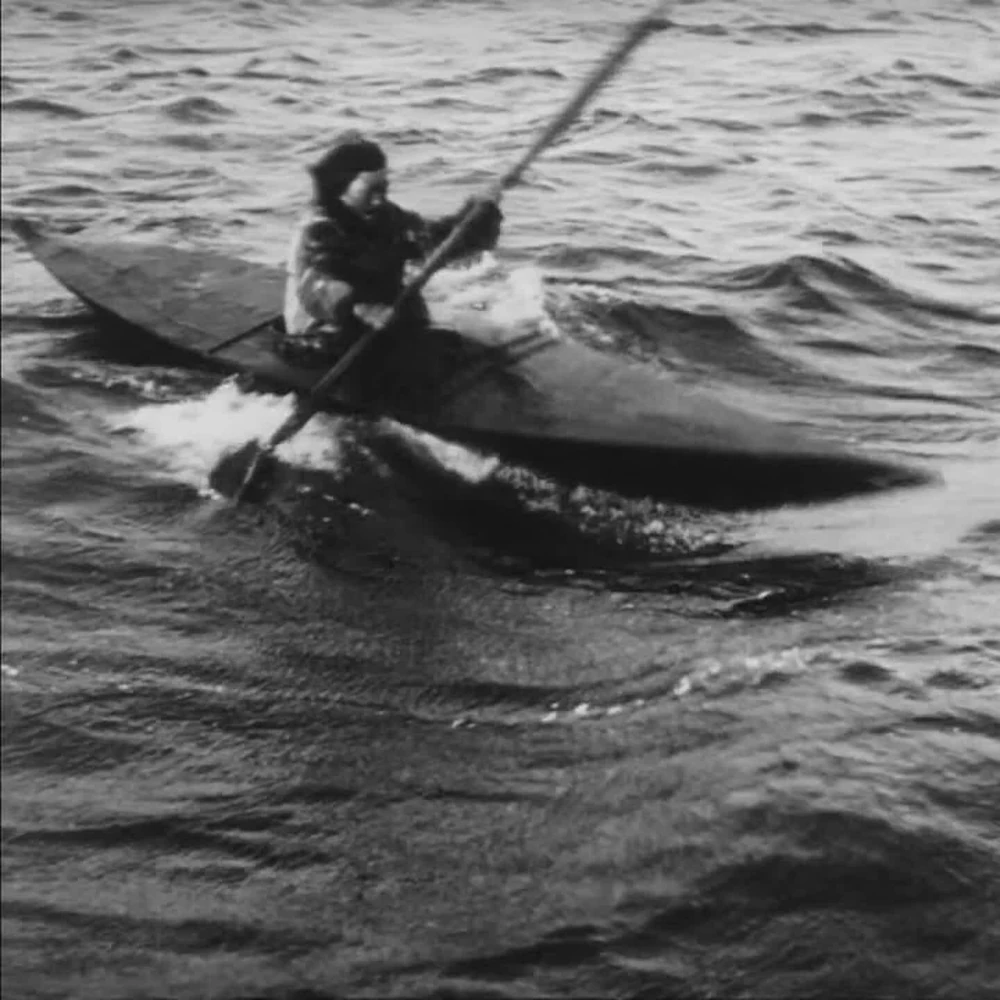
The Woodward Theater started as a movie house and this February it lit up again with the black and white flicker of Film. The cold light of ‘Nanook of the North’ seemed to produce an uncanny feeling of familiarity, as if this space remembered its calling as a silver screen instead of a punk rock stage (or as the venue for the 2015 Art Academy of Cincinnati graduation).
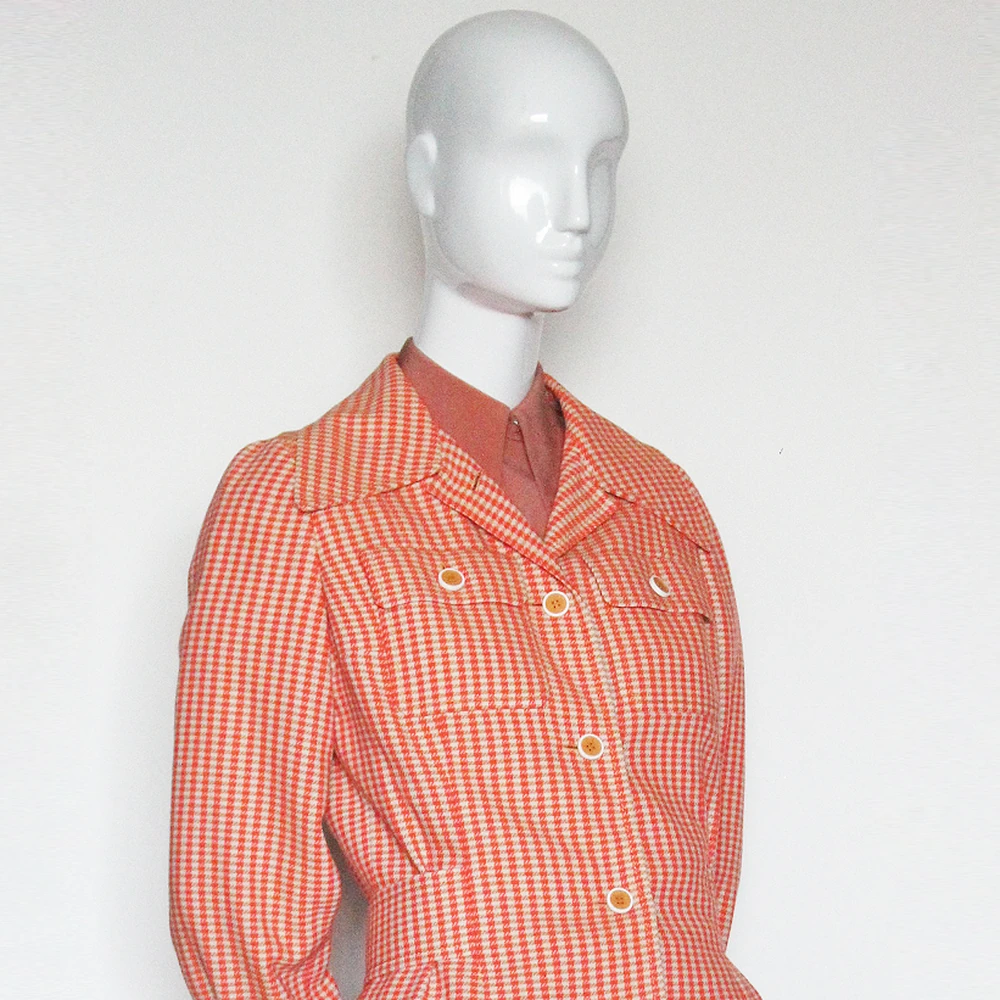
In what is now known as The Battle of Versailles, five American designers took on five French designers in a runway show originally organized to help raise funds for the iconic palace. Everyone was there, and truth be told, it was well assumed that French designers Marc Bohan of Christian Dior, Yves Saint Laurent, Hubert de Givenchy, Emanuel Ungaro, and Pierre Cardin would outshine their American counterparts immeasureably.
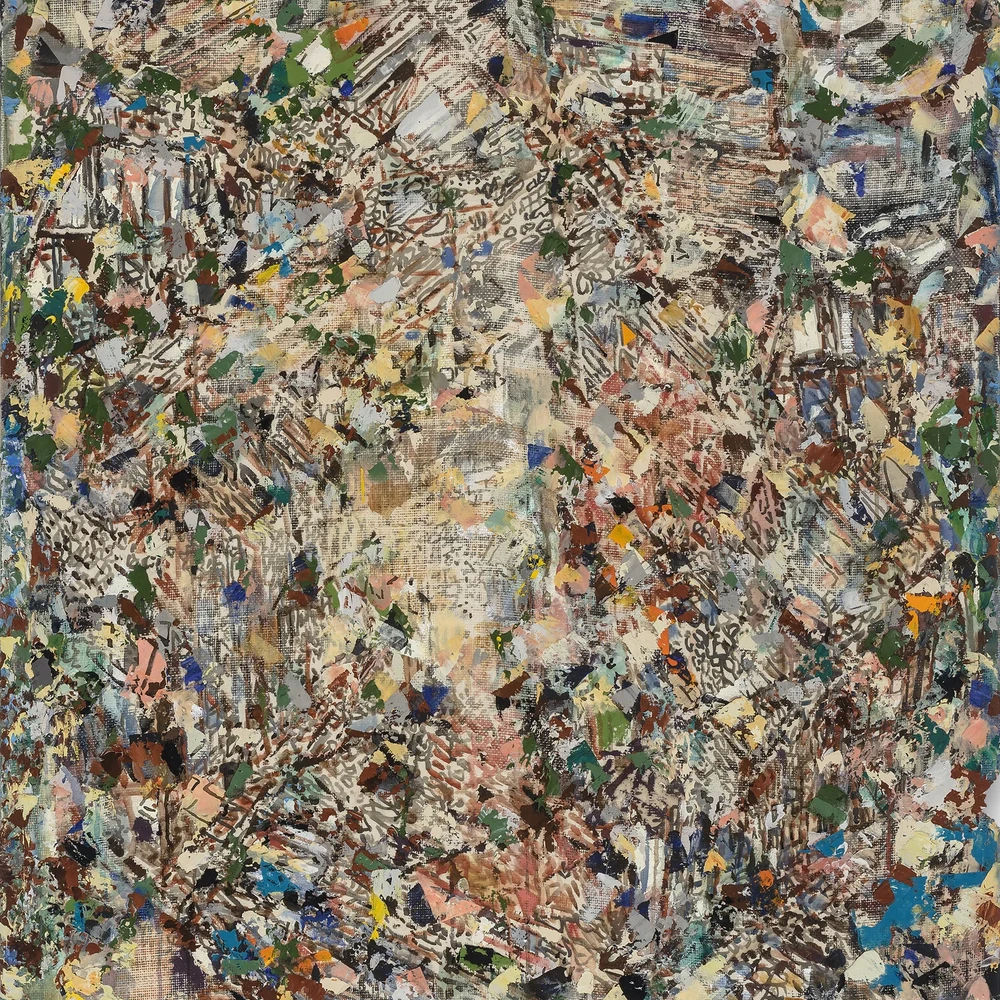
In the early part of last century abstraction began considering something as simple as the power of multiple intersecting lines. The clarity of the grid evolved to become, in Rosalind Krauss’ words, “modern art’s will to silence, its hostility to literature, to narrative, to discourse.”
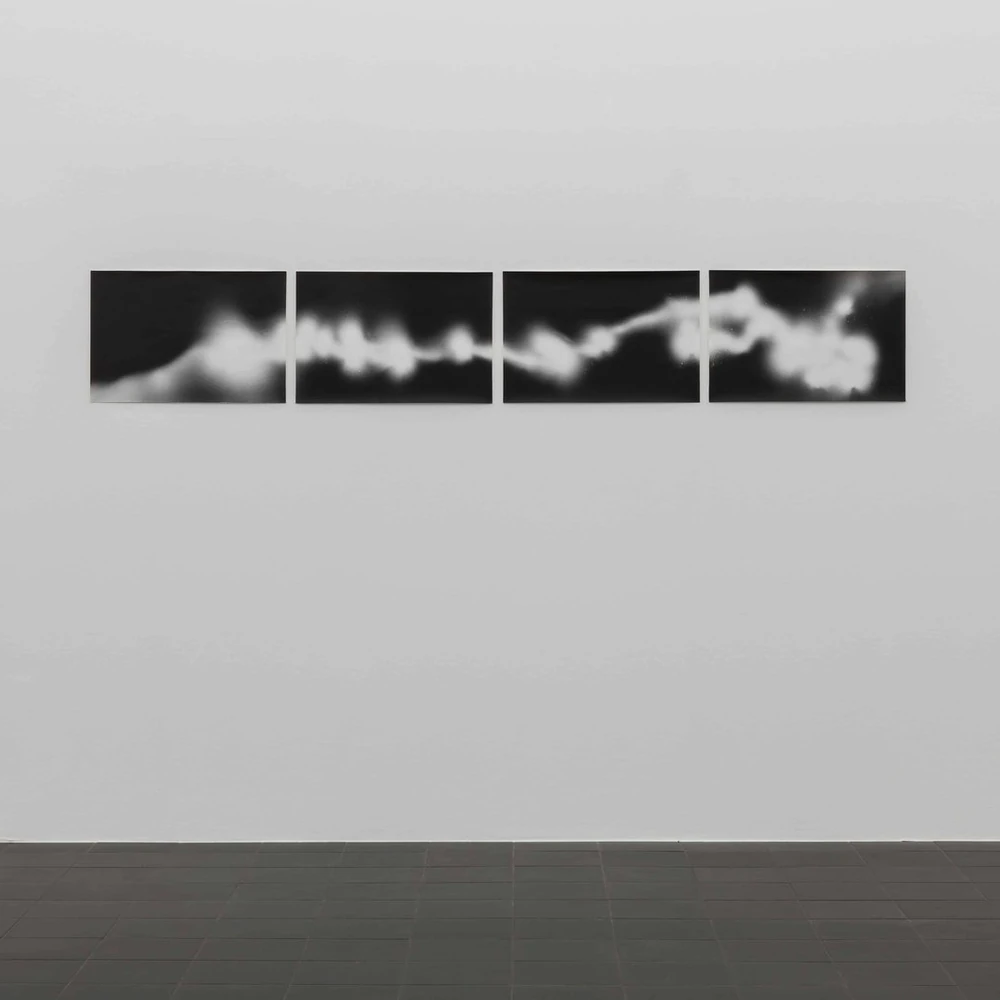
Because we are so exposed to and distracted by images in our lives, we become desensitized to one of photography’s chief purposes: to observe. Jochen Lempert’s photography, now on display at the Cincinnati Art Museum in Field Guide: Photographs by Jochen Lempert, presents a captivating retrospective of the artist and biologist’s art, and one that, though at times disjointed, ultimately strives to convince its viewers to reconsider the way we see the world.
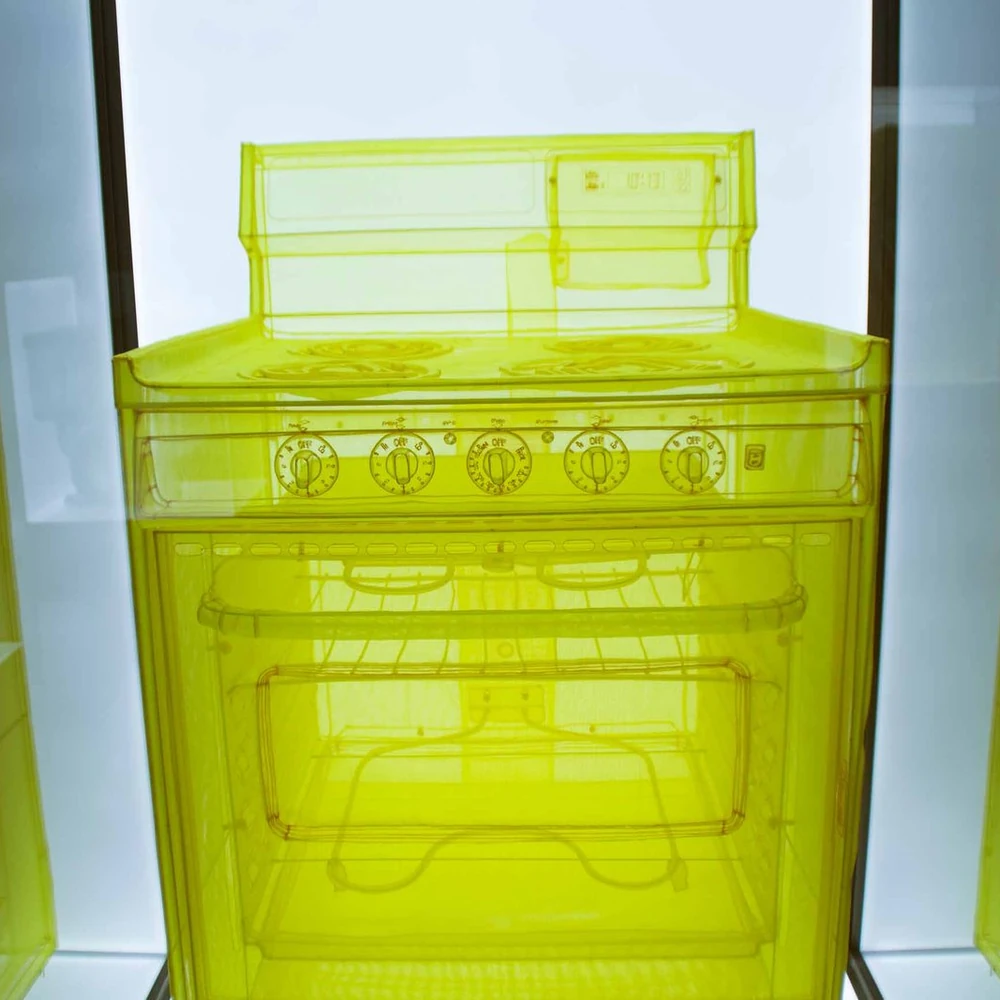
The distinction between public and private is moot. The proliferation of artist run gallery-apartments have given rise to private spheres opening into public displays. Social media is a landscape where individuals share the intimacies of daily life.
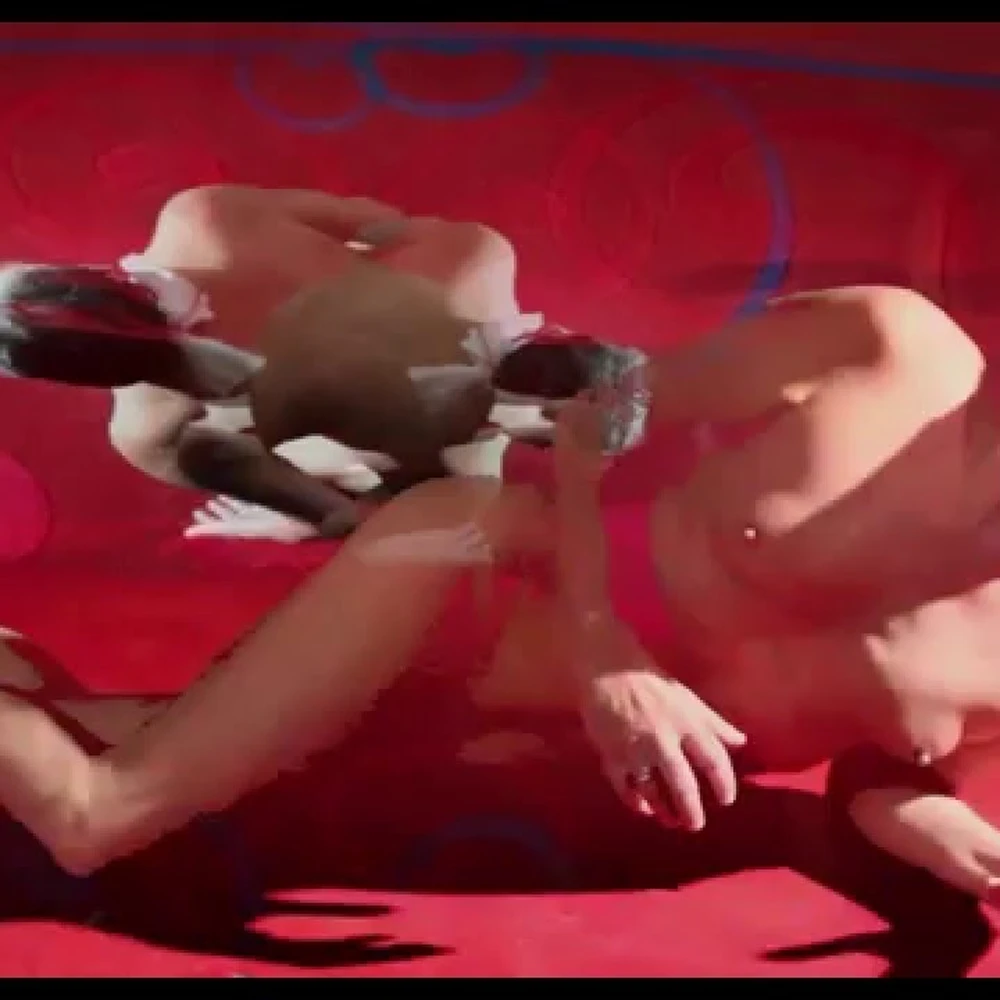
I have been involved in the arts as a collector/artist and model since I was five. For me Art of all sorts is a passion, one to be embraced and enjoyed. I was Co-Founder and Director of Katz and Dawgs the Gallery from 1986-1990. It was an experimental art gallery.
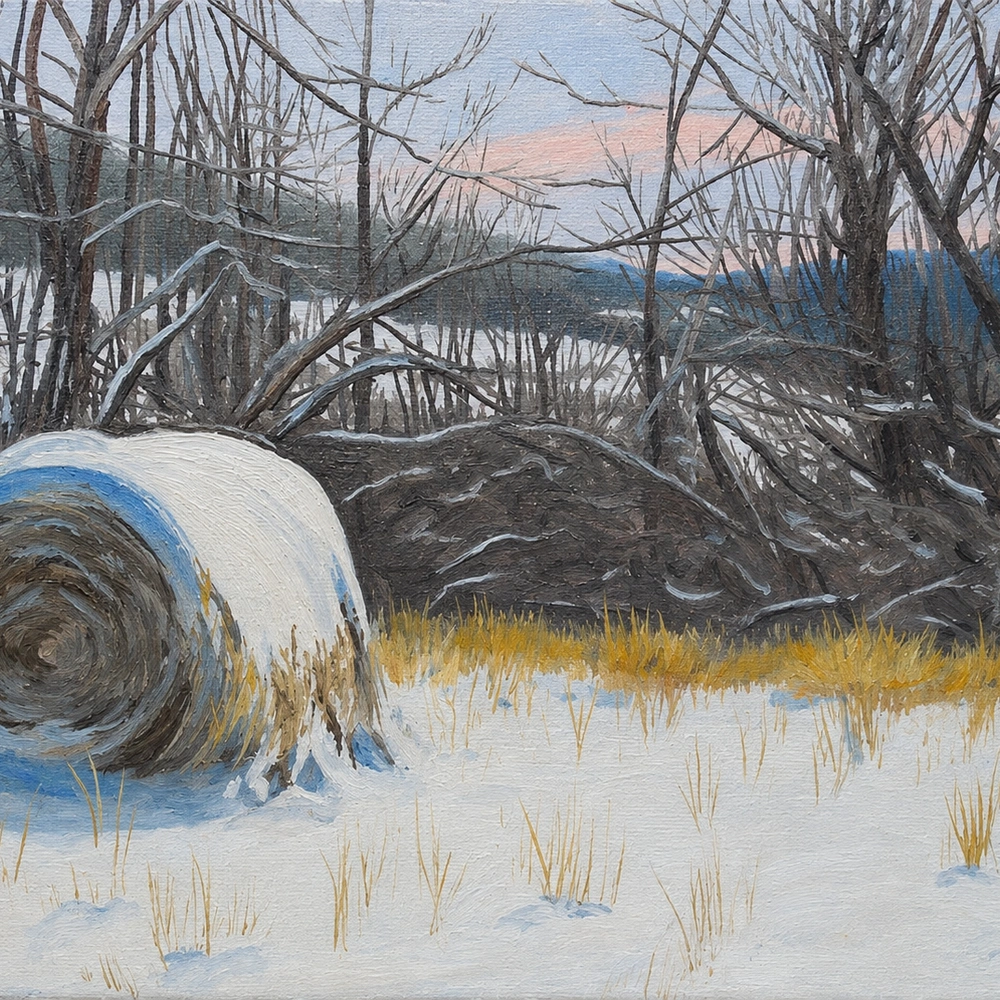
The works chosen for this landscape exhibit represent one artist’s efforts at the easel on a Tuesday, any given week of his sabbatical year. Kevin Muente’s successful descriptive representations are on the spot plein aire paintings which were not additionally edited in the studio.
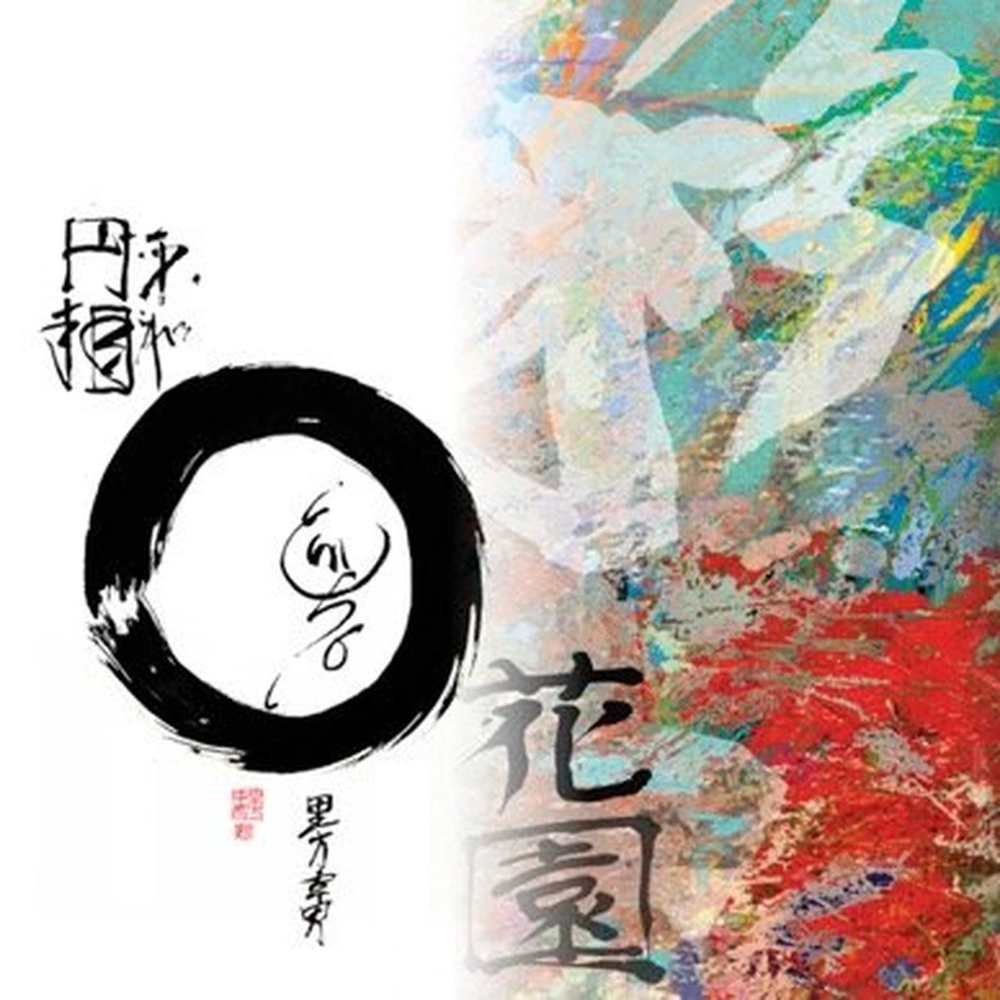
Frank Satogata’s studio is deep in the Brazee Street complex of artists’ work spaces, down one hall and then another, up stairs and along another hall before a knock on a door brings this pleasant, smiling man to open it and a little flurry results as his companion Elle, a West Highland terrier, is equally hospitable to incoming guests.
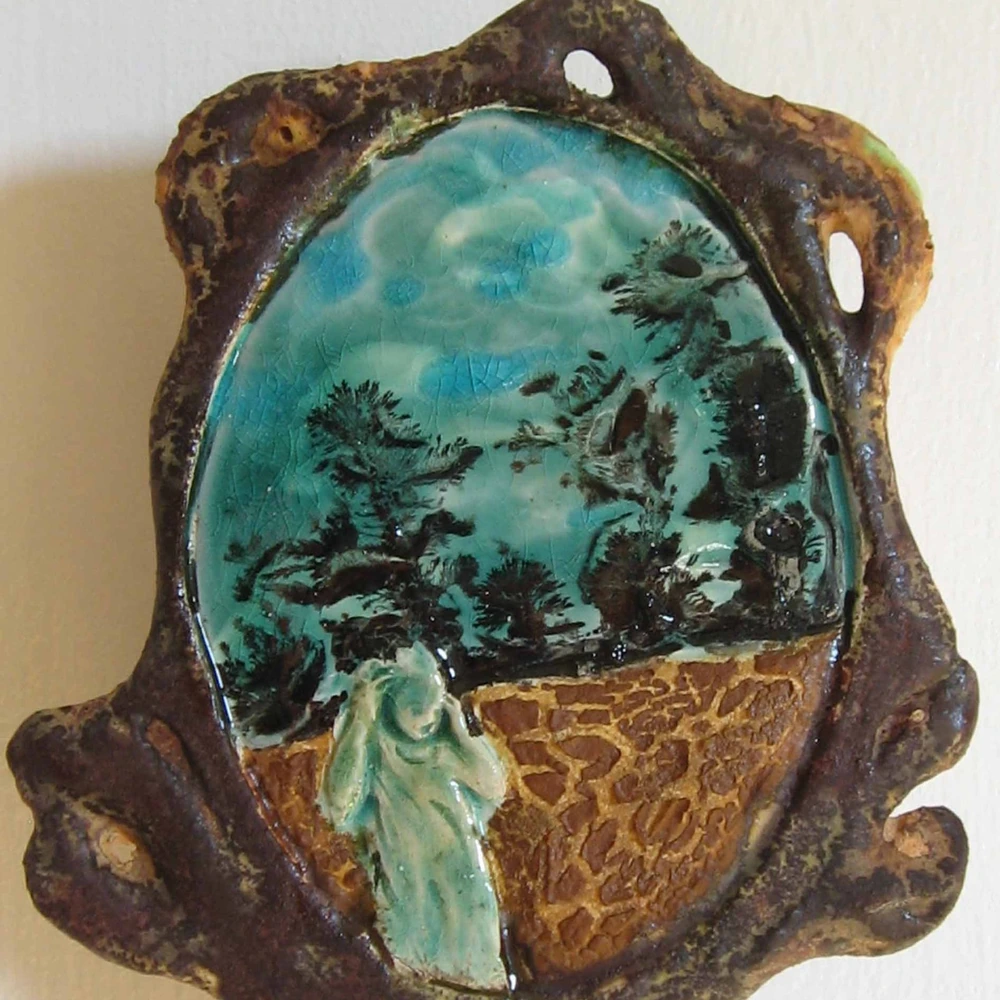
The thesis of “Vestiges” is set out on the announcement card: “. . . Brenda Tarbell, Cheryl Pannabecker, and Carrie Pate explore the natural world and relationships, bringing to the surface the unnoticed, hidden, or unexpressed.”
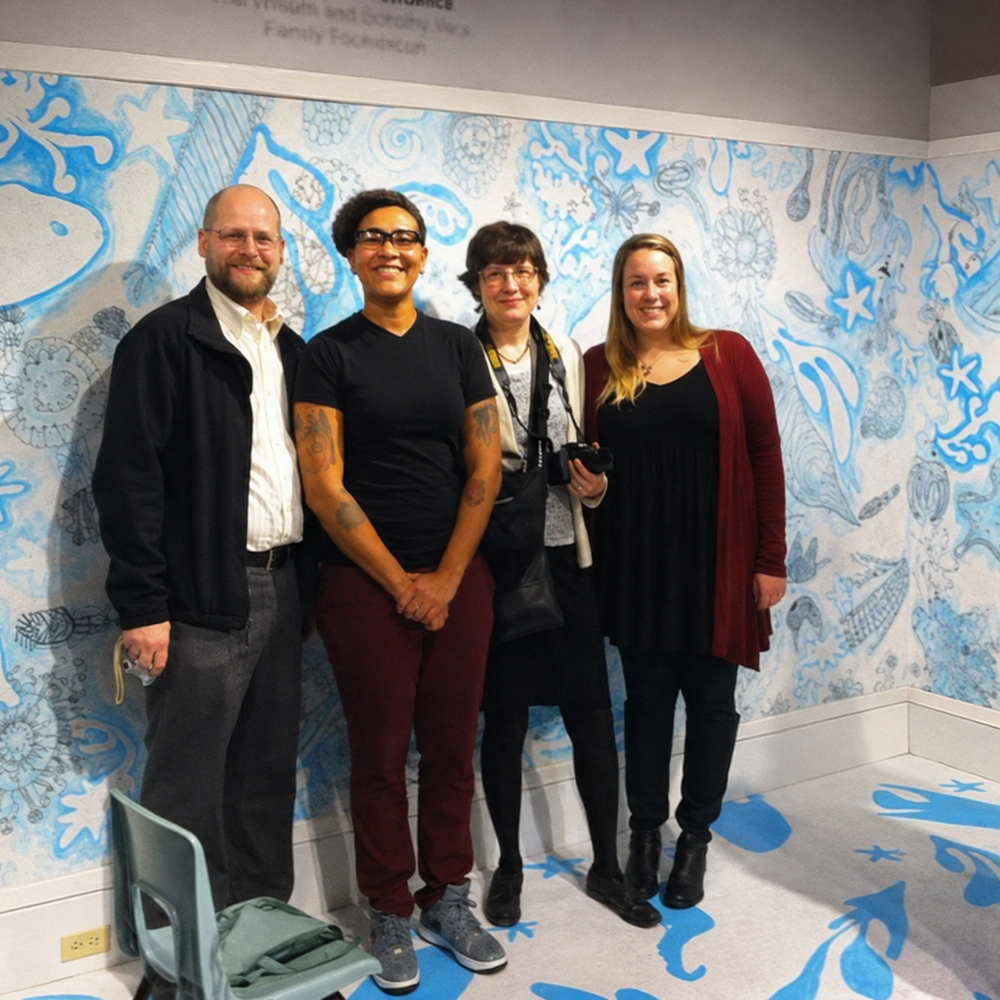
Kate Kern is a visual artist who works primarily in drawing, although her work ranges from making artist books to installations, as well as an occasional curatorial endeavor. In 2013, she curated “Wounded Home” at the Lloyd Library and Museum, and was also a featured artist in the print collection Cincinnati Portfolio IV by Clay Street Press.
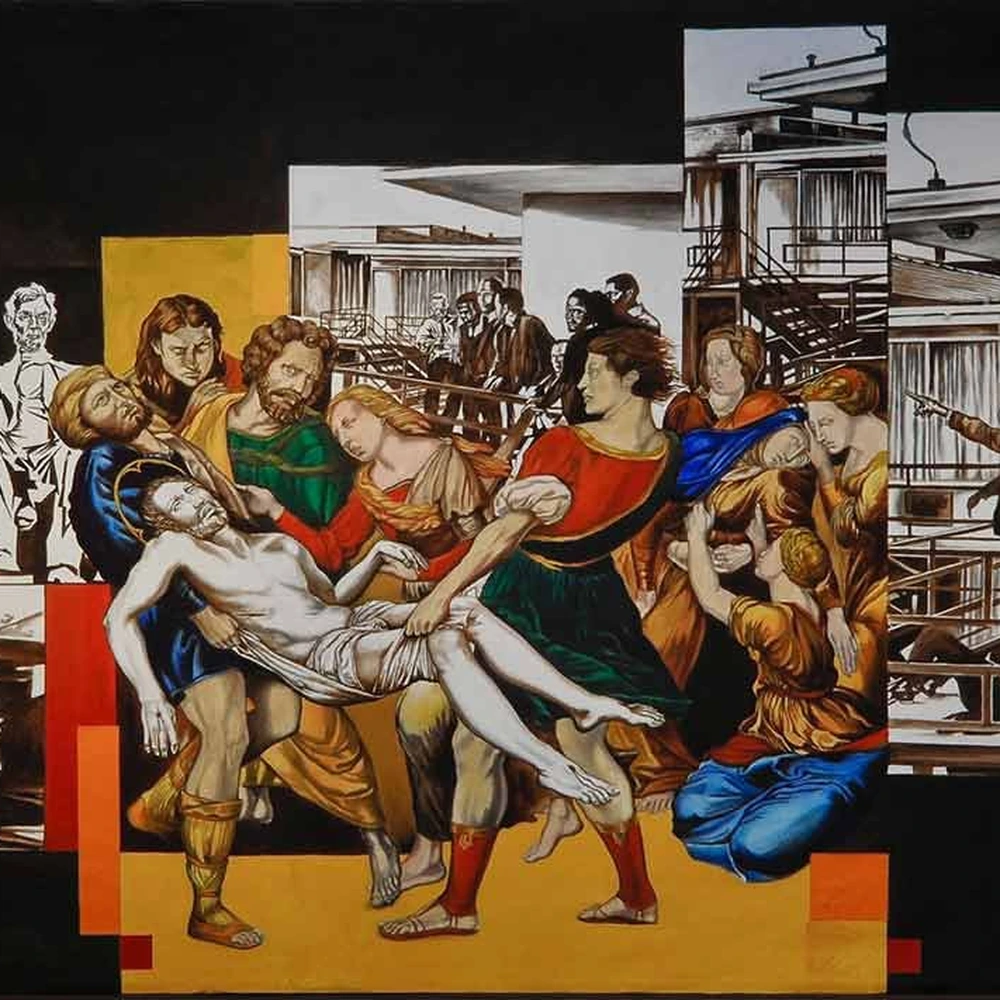
Jimi Jones, ever the graphic designer, is in the billboard business as evidenced by his current show at the Springfield Museum of Art. Jones views his role as an artist who explores and celebrates the African American cultural production as well as being a storyteller in an historical context.
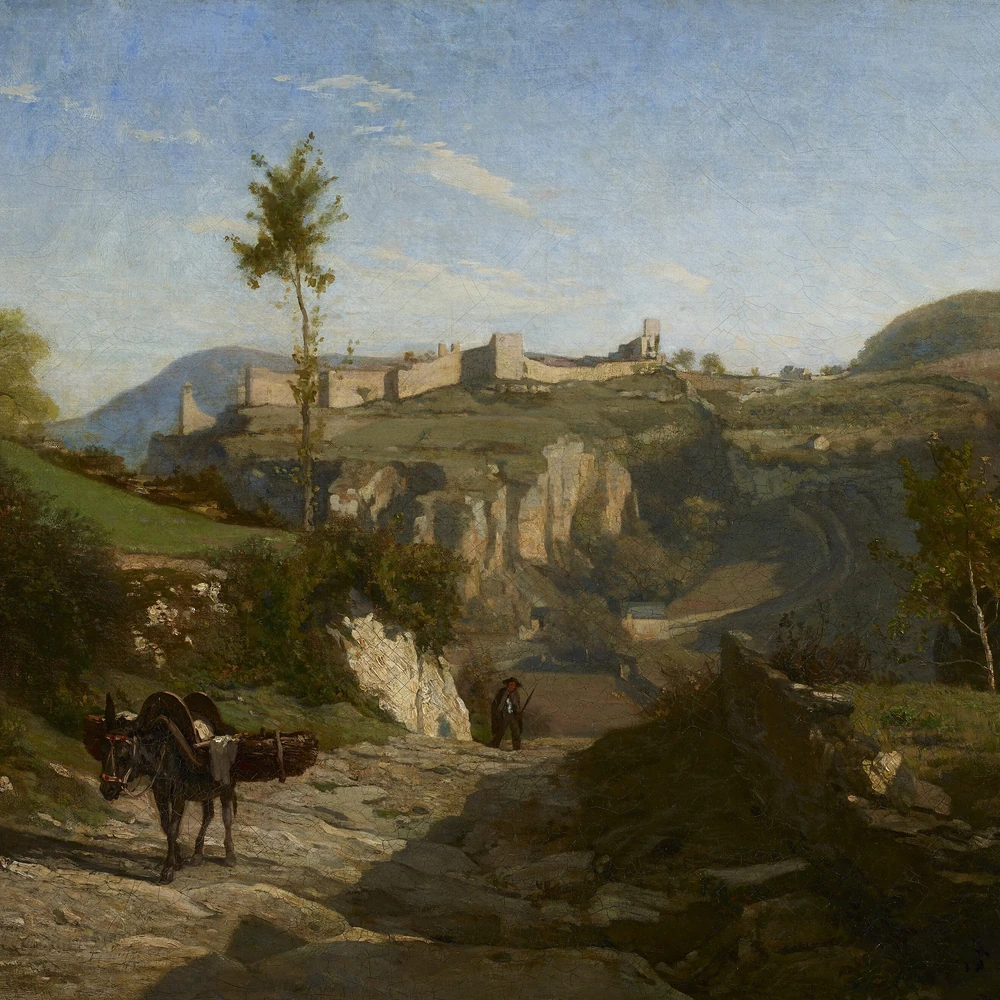
How newly-founded must an American art museum be not to be awash in paintings by the painters of the Barbizon School, either on display or, perhaps more likely these days, in storage? The works of Corot, Rousseau, Millet, Daubigny, and a number of artists loosely allied with them represent an important but frequently not fully sketched-out bridge between Romanticism and Modernisms of various sorts, but especially Impressionism.
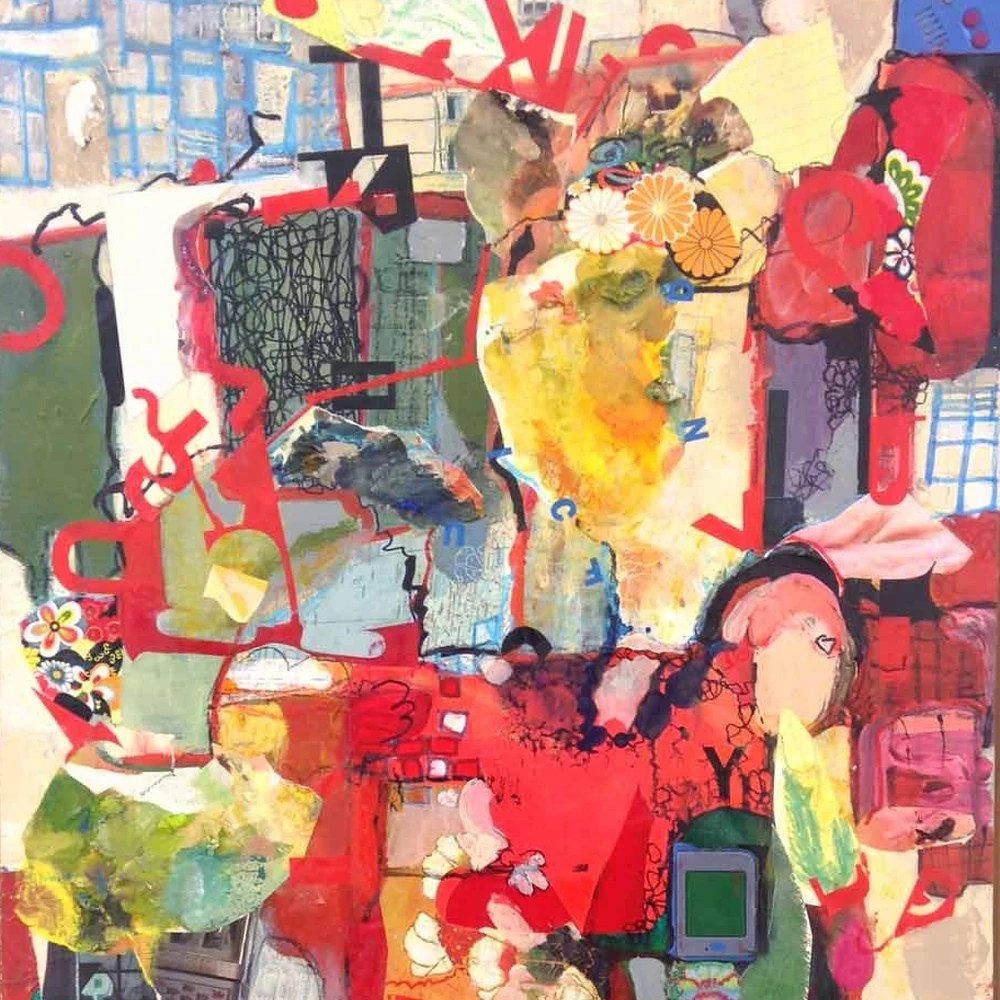
Looking at a body of work is like looking at a person. As the acquaintance (or viewer) you are given clues about the person but without context, you’re shown their present with no sense of the past, and it’s up to you to piece it all together into one sum of a human. Kim Rae Taylor, the artist at hand, presents us with this very experience in her oeuvre Happy Limbo of Suspended Metaphors.
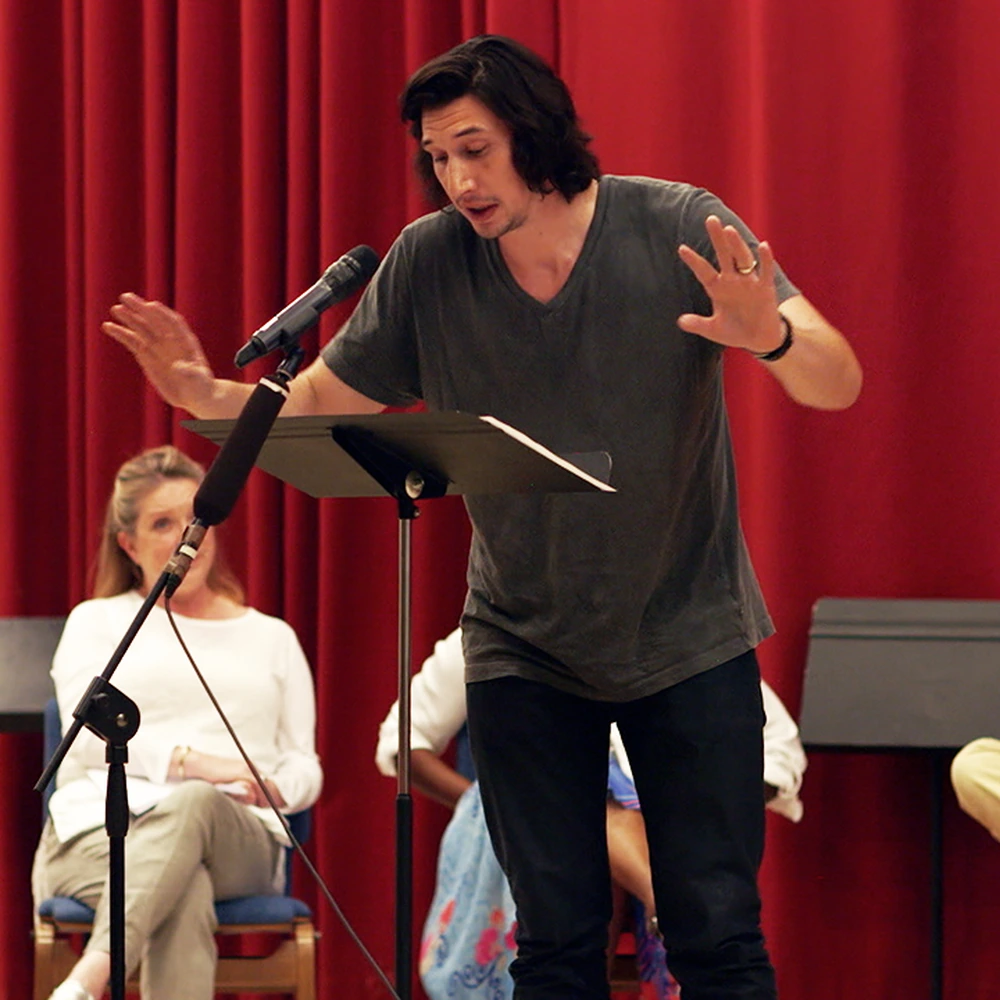
December of 2015 Vice News (a rapidly emerging online media outlet for the “connected generation”) premiered an intriguing documentary entitled, “Adam Driver Brings Monologues to the Military: Arts in the Armed Forces”.
February issue of Aeqai has just posted. It reflects the very wide range of exhibitions currently on display throughout the region; we’ve got nearly 25 reviews and profiles this month, and it looks like next month’s going to be a big one, as well.
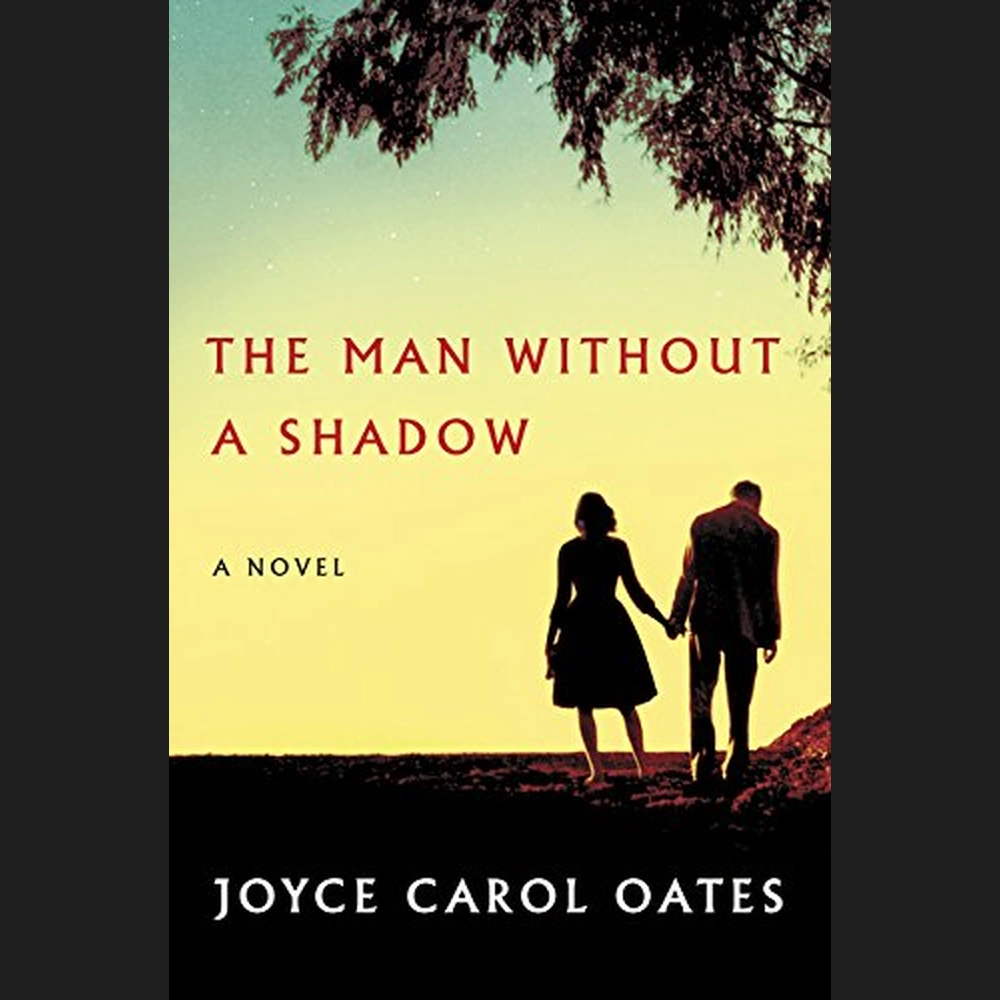
Acknowledging as a starting point that Joyce Carol Oates is never dull, never less than fascinating, and one of America’s greatest writers with one of the most fertile imaginations on earth, this maestra returns with her fascinating The Man Without a Shadow. As background, Oates was, in the past few years, widowed and remarried, and her current husband is a neuroscientist.
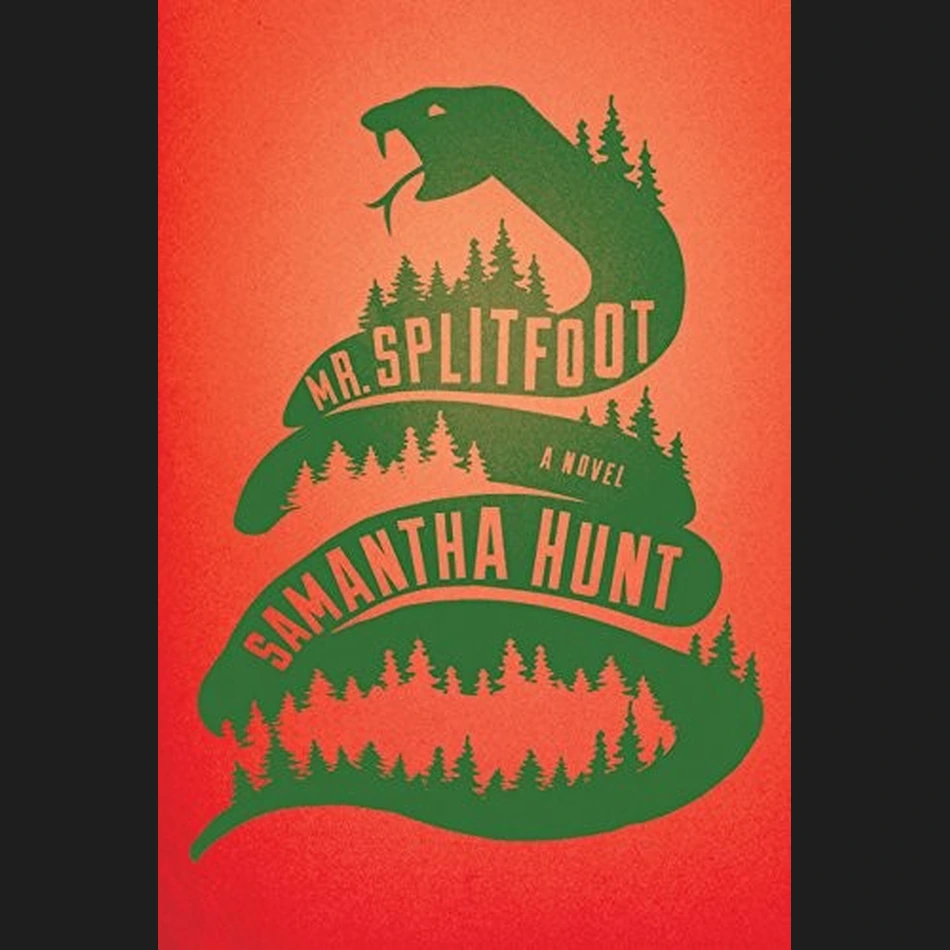
So the State of New York, which refused to help pay for any of the cleanup, helped to create a double disaster, environmental and employment. Most tanneries closed, as they couldn’t possibly absorb the cost of the cleanup; all sorts of dyes and chemicals had been dumped into the waters across Northern New York.
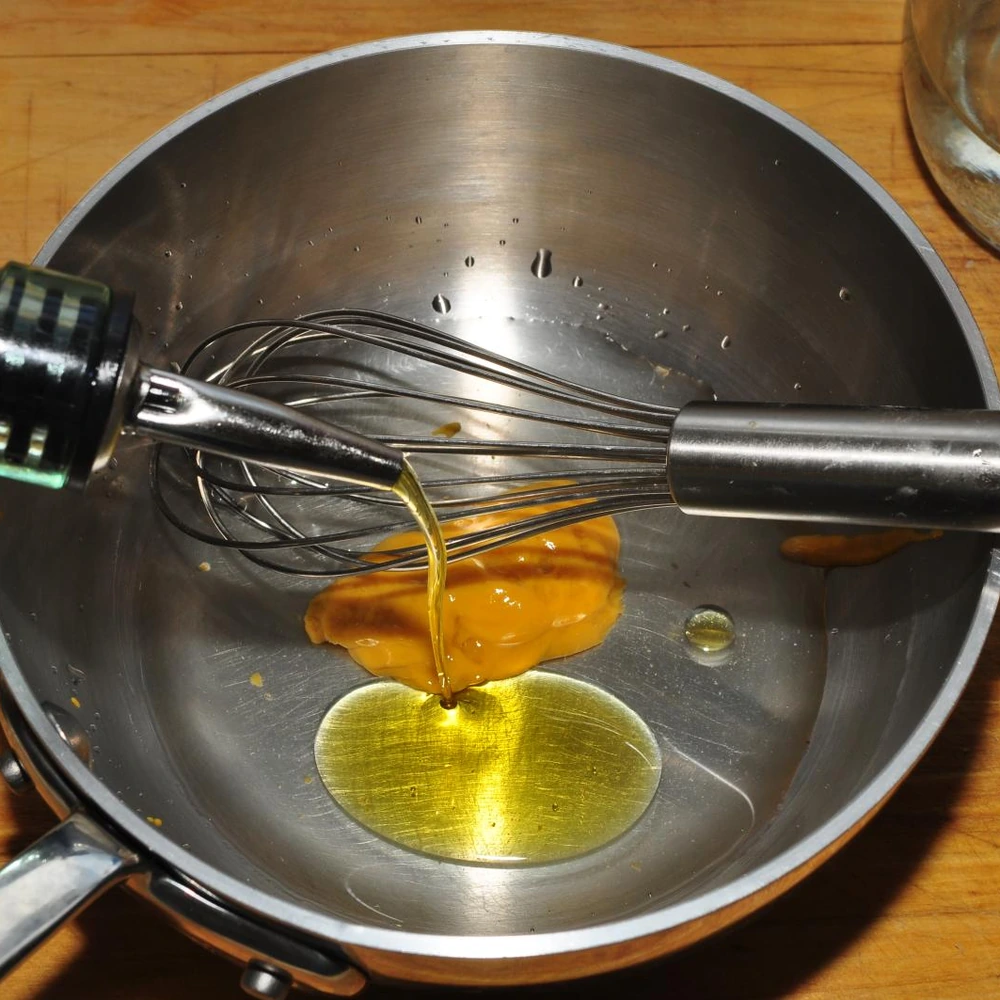
Three poems by Maxwell Redder: “Vinaigrette,” about the stained rings a coffee mug leaves on a desk and a dressing that separates into layers; “Winter Wait,” about a city easing out of winter; and “Makeup,” about the many ways to make up.
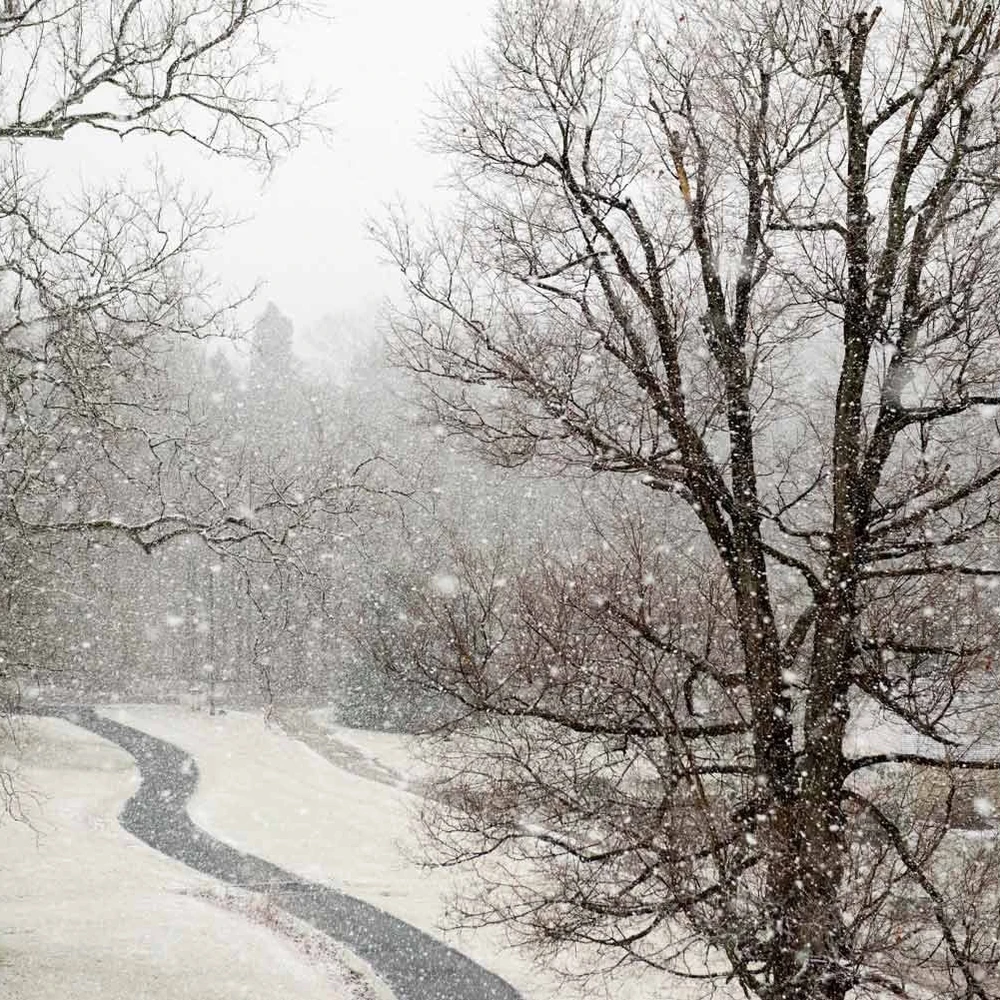
A photograph always depicts a subject. Most photography begins and stops with the idea of a “capture”: the goal is to achieve a literal representation of the subject. It doesn’t even have to be a subject the photographer actually saw, as countless tree cams will attest.

In 2007, Kristin Lucas began her ongoing “Refresh” series, in which she decides to legally change her name. But, it’s only a “refresh,” in the same way one would refresh a page on an internet browser: she was Kristin Sue Lucas, and she became Kristin Sue Lucas.
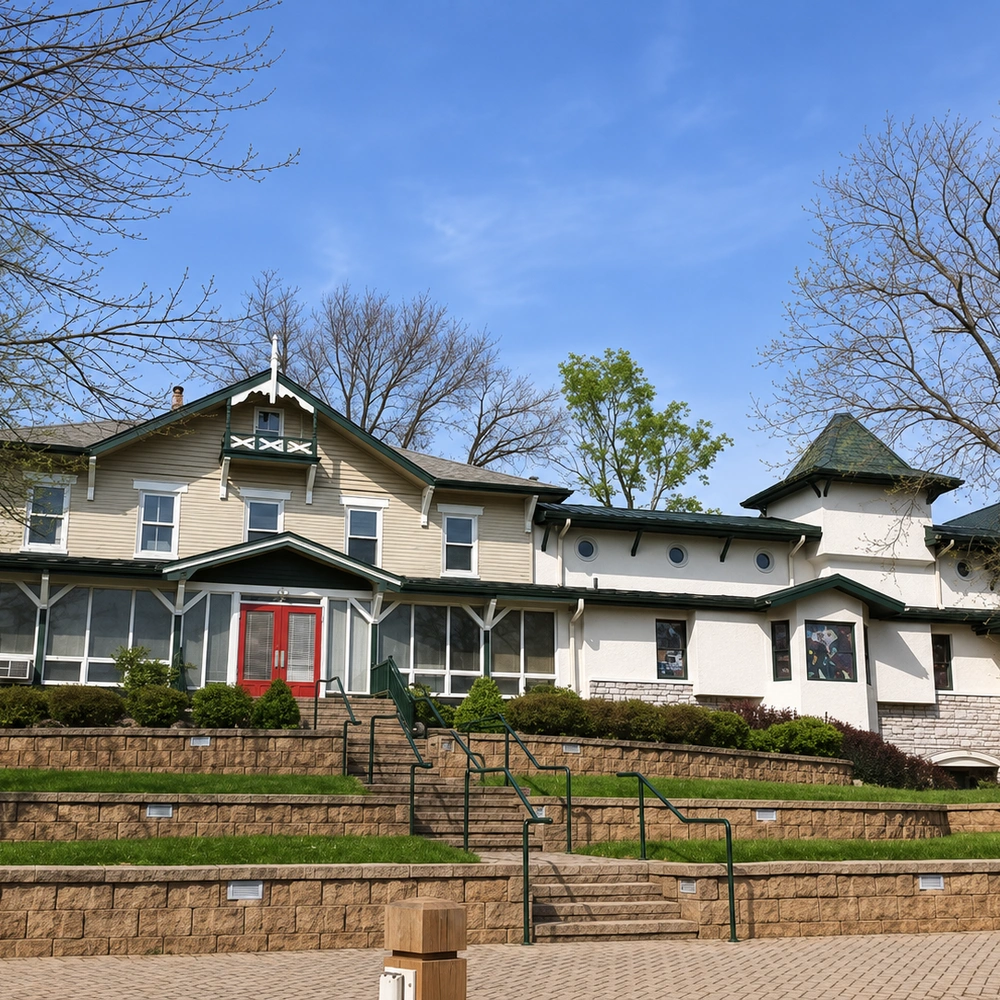
Where can you see a mastodon jawbone from 10,000 B.C. and a streetcar built in 1892 in one location? The Behringer-Crawford Museum in Covington, Kentucky offers 450 million years of Northern Kentucky history and culture viewed through the lens of transportation – rivers, roads, rails and runways. Ongoing creative, innovative and family programs are also available.
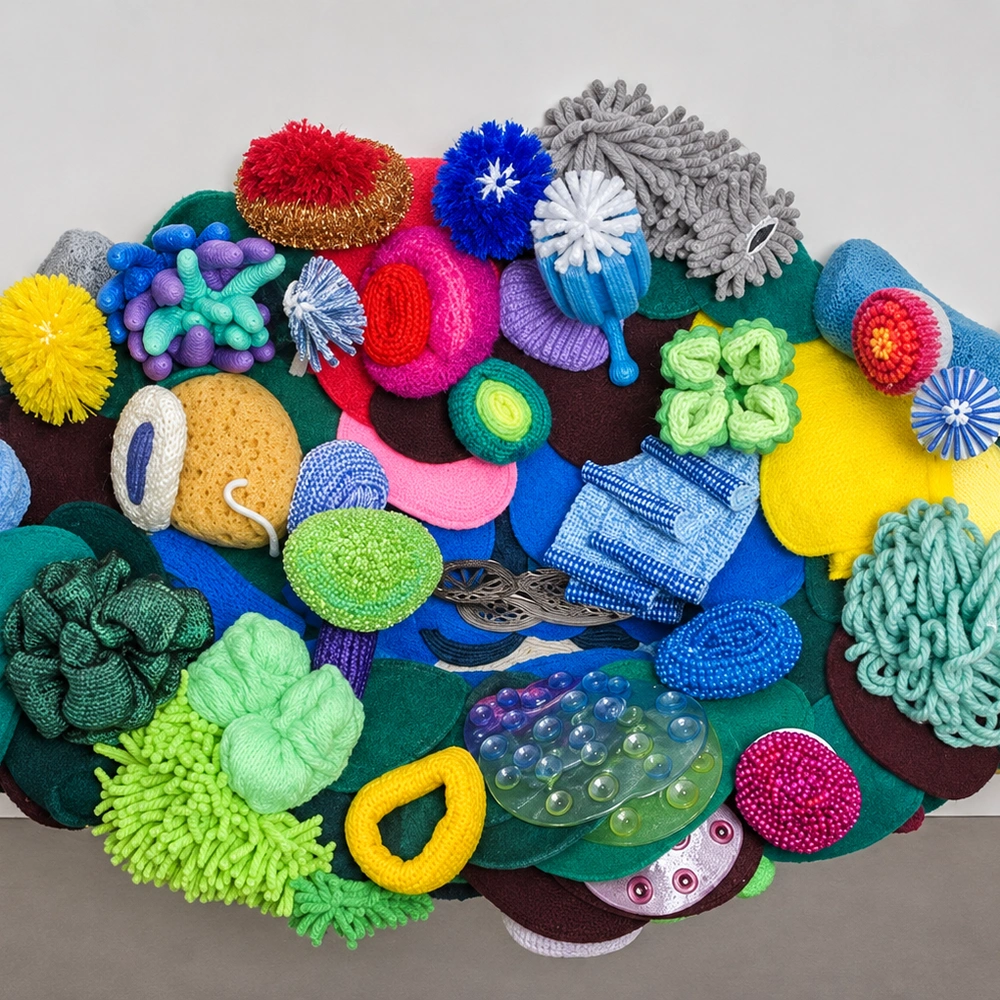
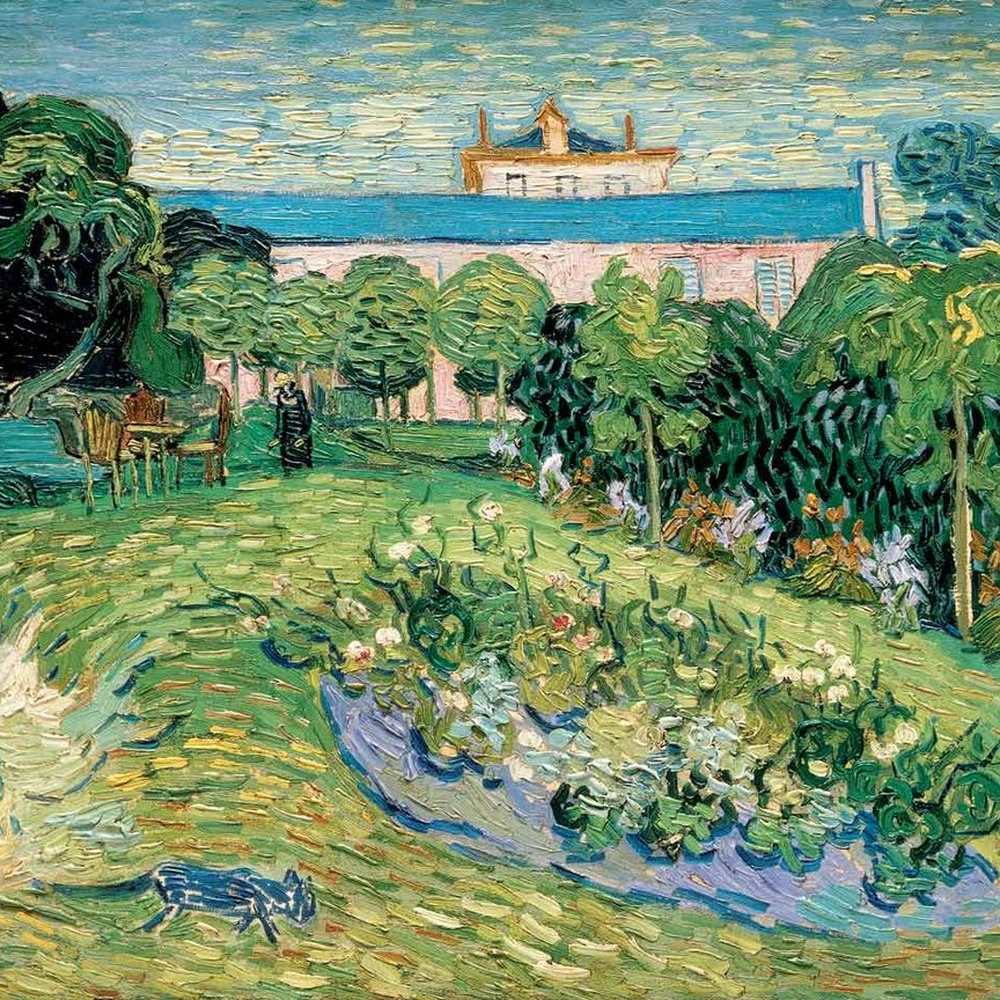
During the 19th century, landscape painting was a popular form of expression for artists to celebrate mankind’s dominion over nature. Pastoral scenes of manicured lawns, tamed gardens and ripe harvests depicted a peaceful, almost perfect world where man and nature thrived in harmonious union.
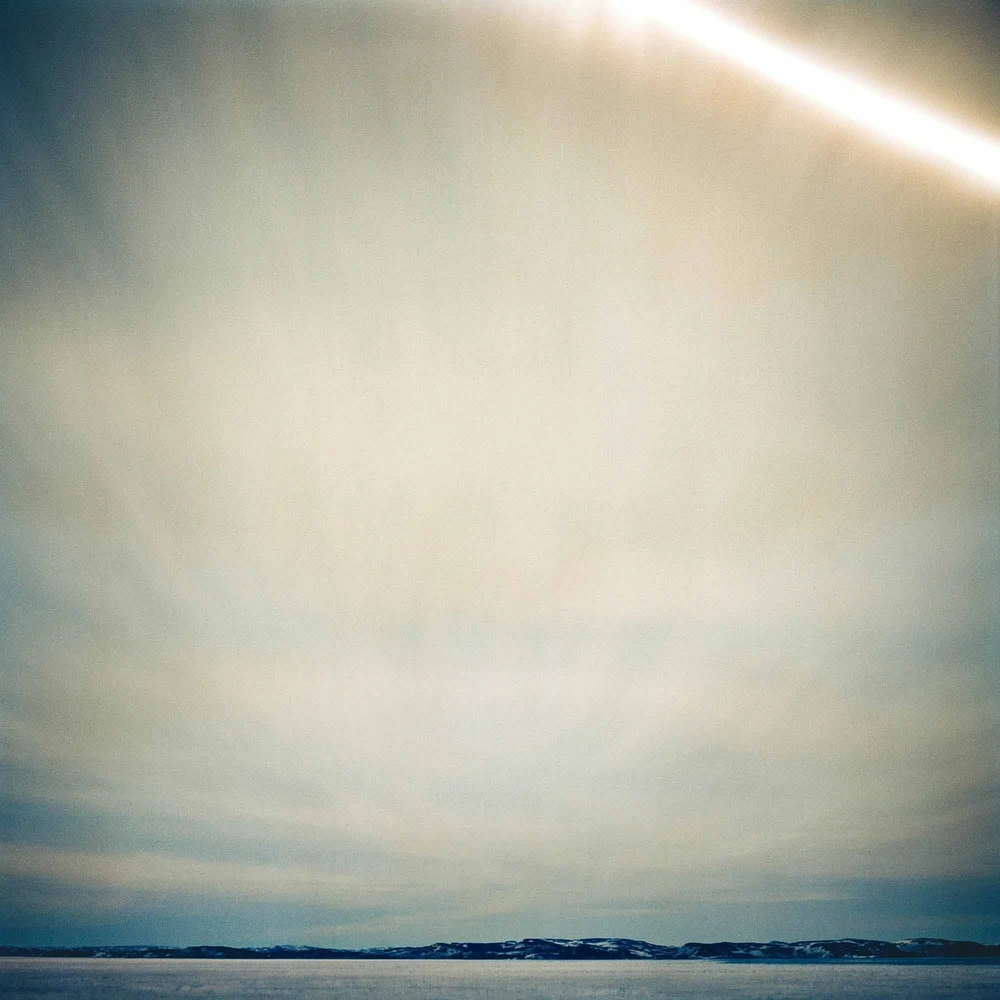
The Great North of Canada is composed of an infinite and inaccessible number of desert spaces. The smallness of Self within the infinitely great is a call to introspection. The serenity and silence of the place reveal a disturbing and giddy emptiness. Within this space, there is a presence called solitude. Experiencing solitude in an unreachable space, experiencing space with the strictest solitude.
