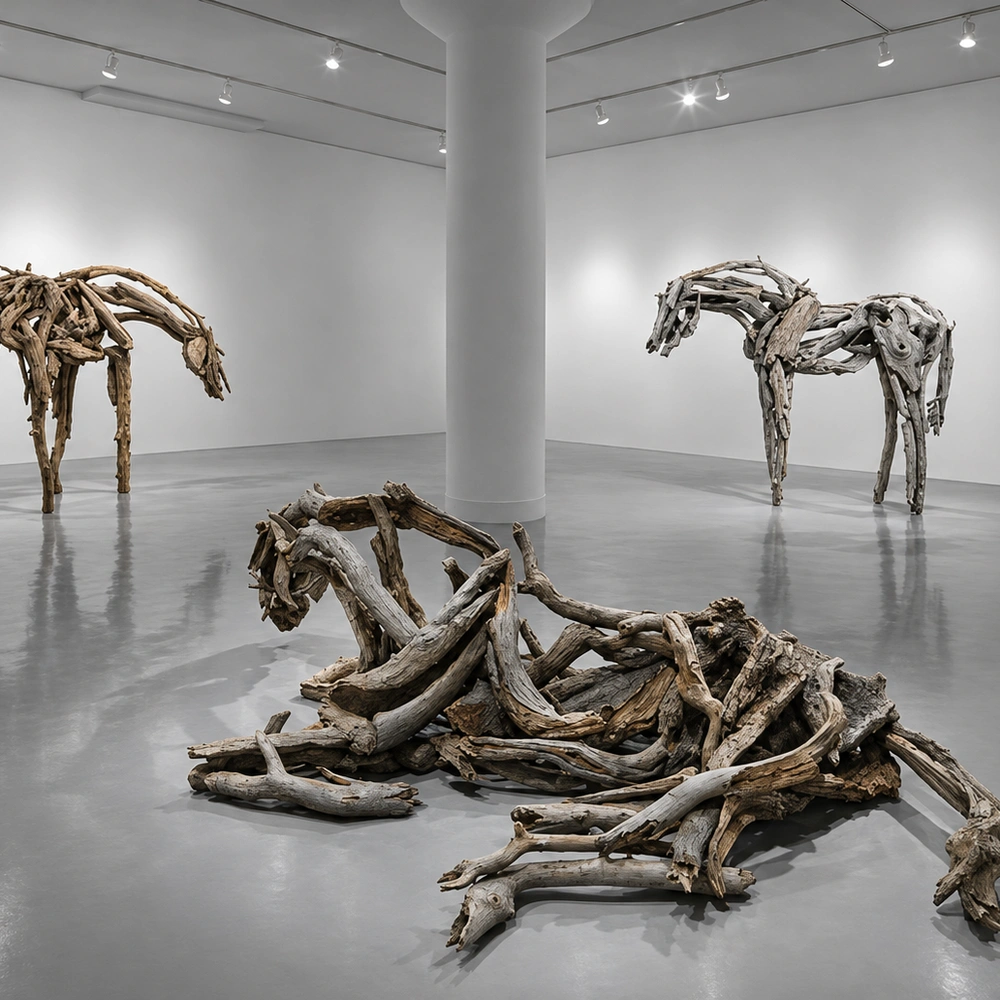
Deborah Butterfield’s sculptures are not like the sculptures of the civilized and perfectly groomed horses standing beneath important men that adorn public places. They’re just themselves, seemingly contemplating their own existence with a serenity that belies their power.
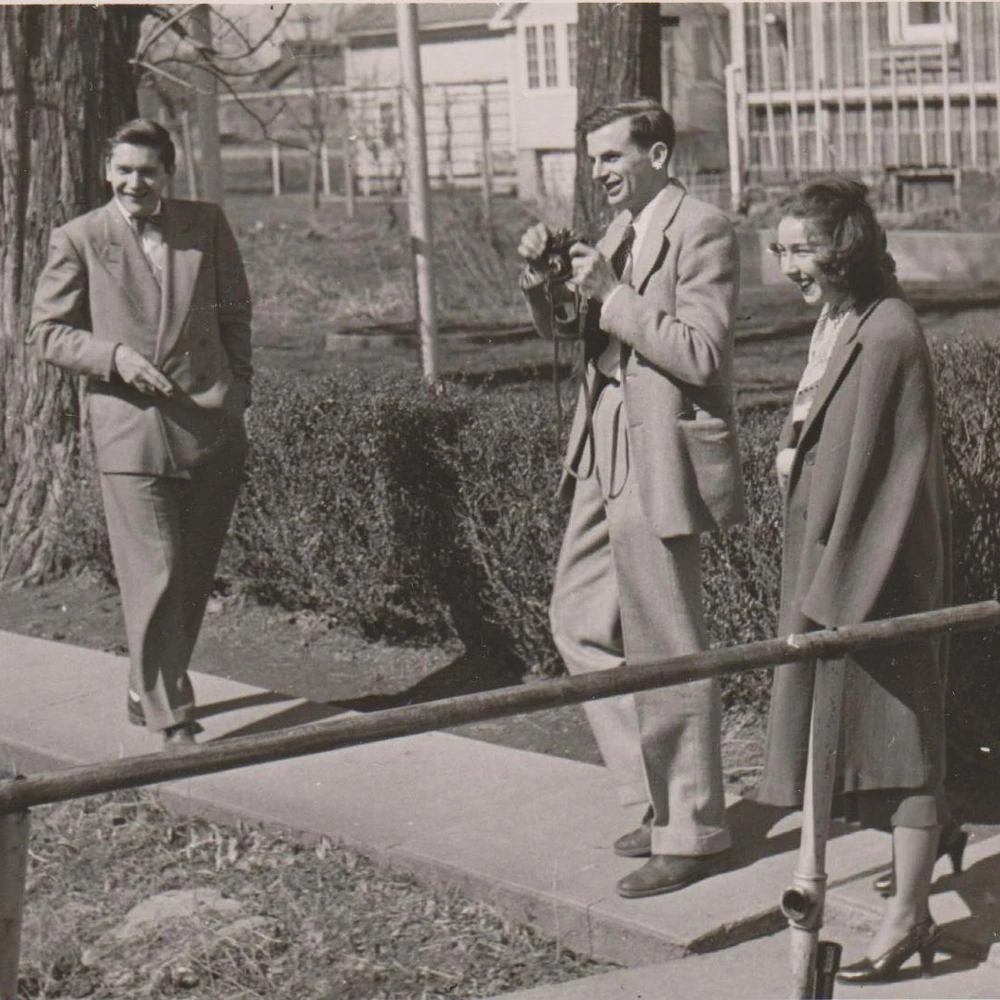
For those who are not familiar with Flannery O’Connor’s fiction—a mix of Catholicism, horror and humor: the things that dark satire is made of—Thunder-Sky, Inc., Gallery’s current exhibition, entitled, “The Meanest of Them Sparkled: Visual Artists Respond to Flannery O’Connor’s Fictional Universe,” is the place to introduce oneself to the author, both as a woman and as an artist.
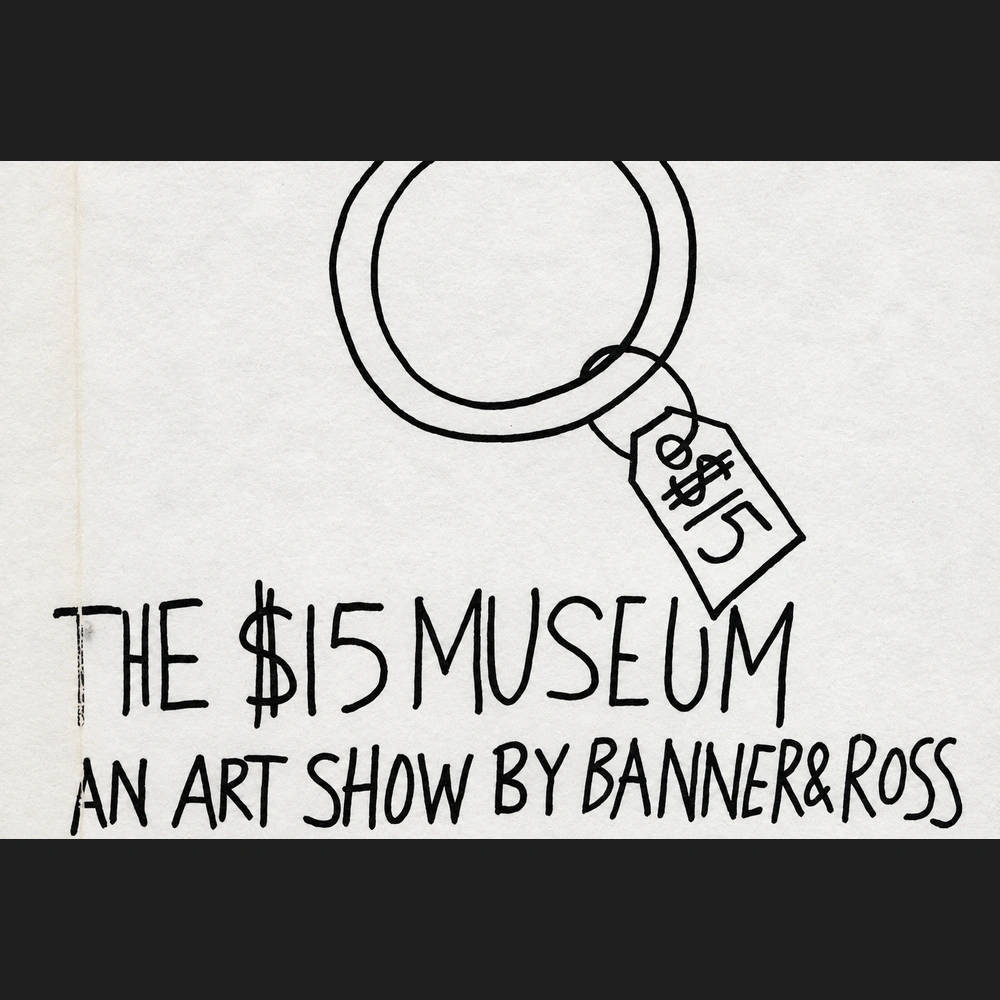
Almost 25 years ago, Bill Ross and I had our first two-person art show in Indianapolis, Indiana at 431 Gallery. We were both 24 years old. The title was “The Fifteen Dollar Museum” and was a manifesto of sorts, an accidental action plan for the rest of our lives.
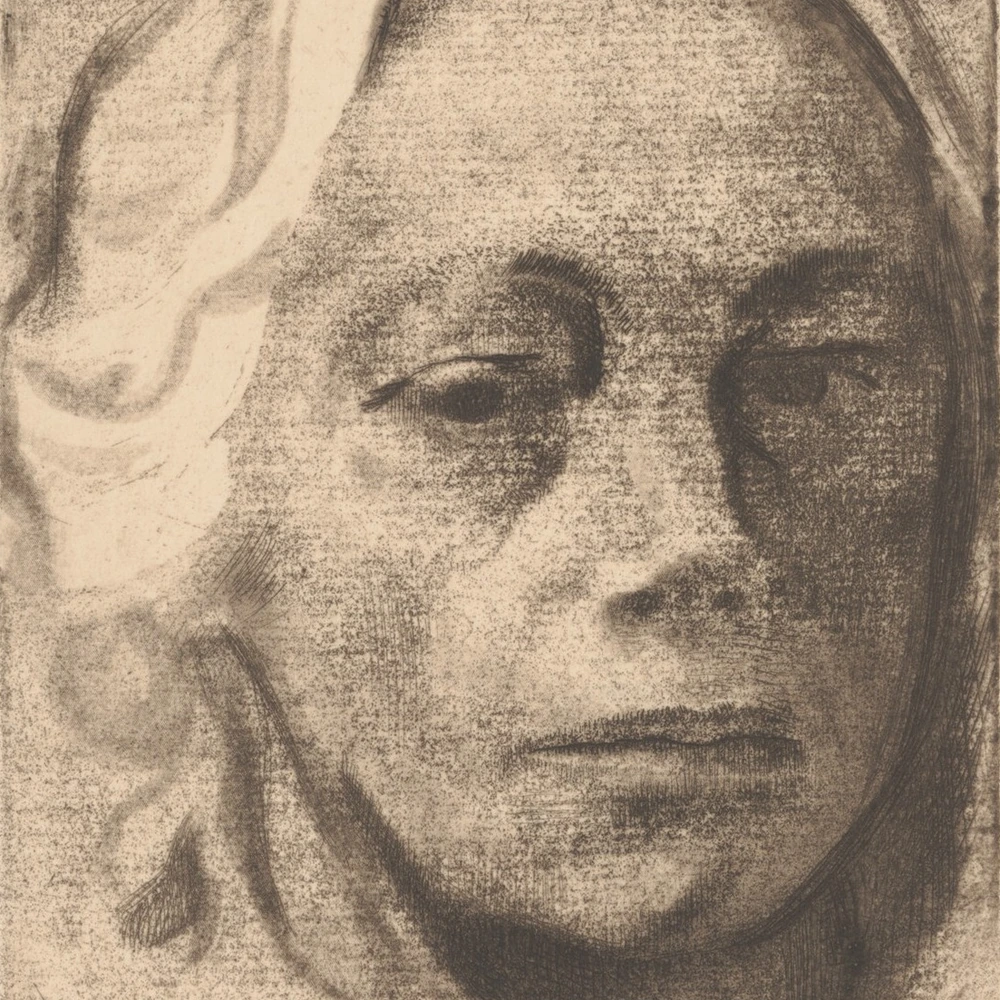
In spite of sailing scenes, landscapes, and portraits, it’s not possible to miss the sharp tang of cynicism in German Expressionism. Like all movements in art, it was initially founded on defeating the traditional bourgeois tastes of the majority.
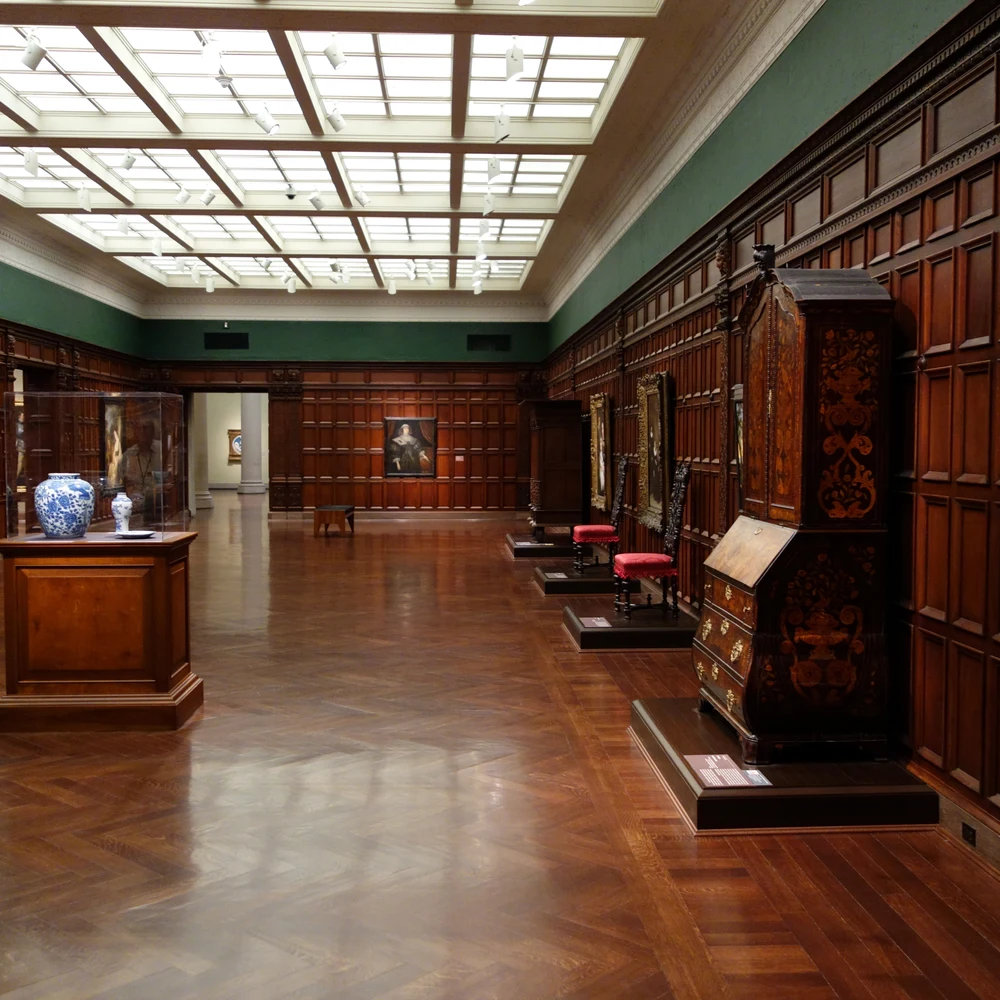
We have been hearing for several decades now that the arts have to compete with all entertainment. Since the advent of the “24/7” work schedule, wherein everyone is supposed to be available all the time, made significantly worse by the advent of technology, people who work have less and less available free time.
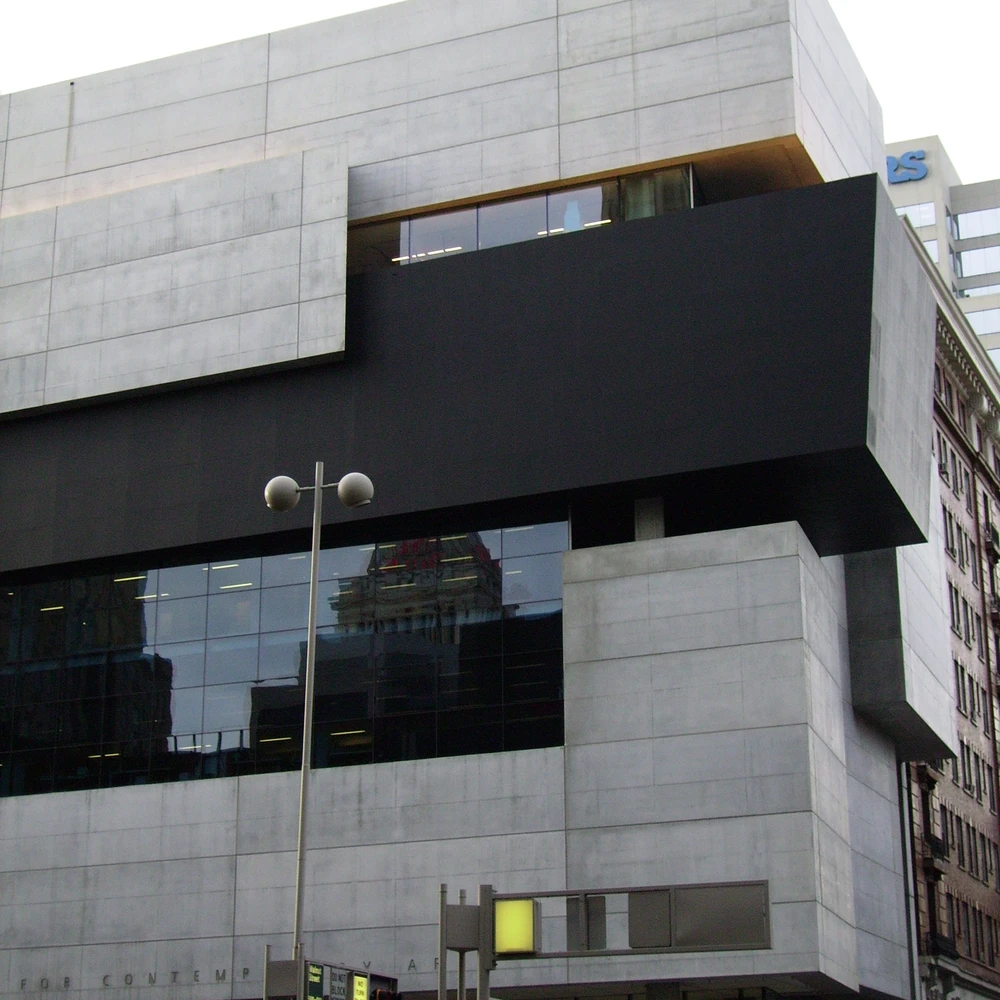
It started me collecting contemporary art. During my college years I had taken Art 101, and had also seen an exhibit in New York City, at the then Museum of Non-Objective Art, of all Kandinski’s, which opened my eyes to abstract art. In 1946, when I returned home to Cincinnati, The Cincinnati Contemporary Arts Center was already in existence.
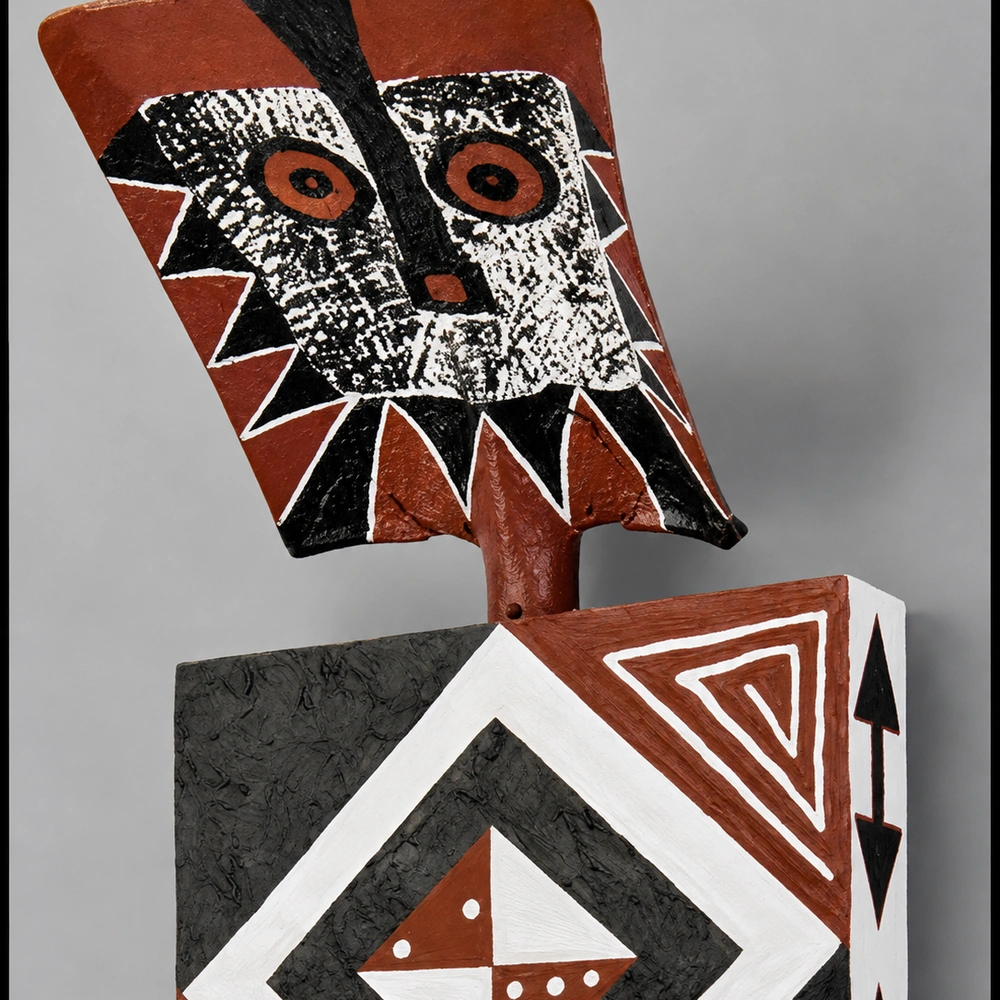
A frequent traveler with her retired husband Fred, Straus has visited West Africa several times. As a result, her art reflects tribal influences in color, design and texture.
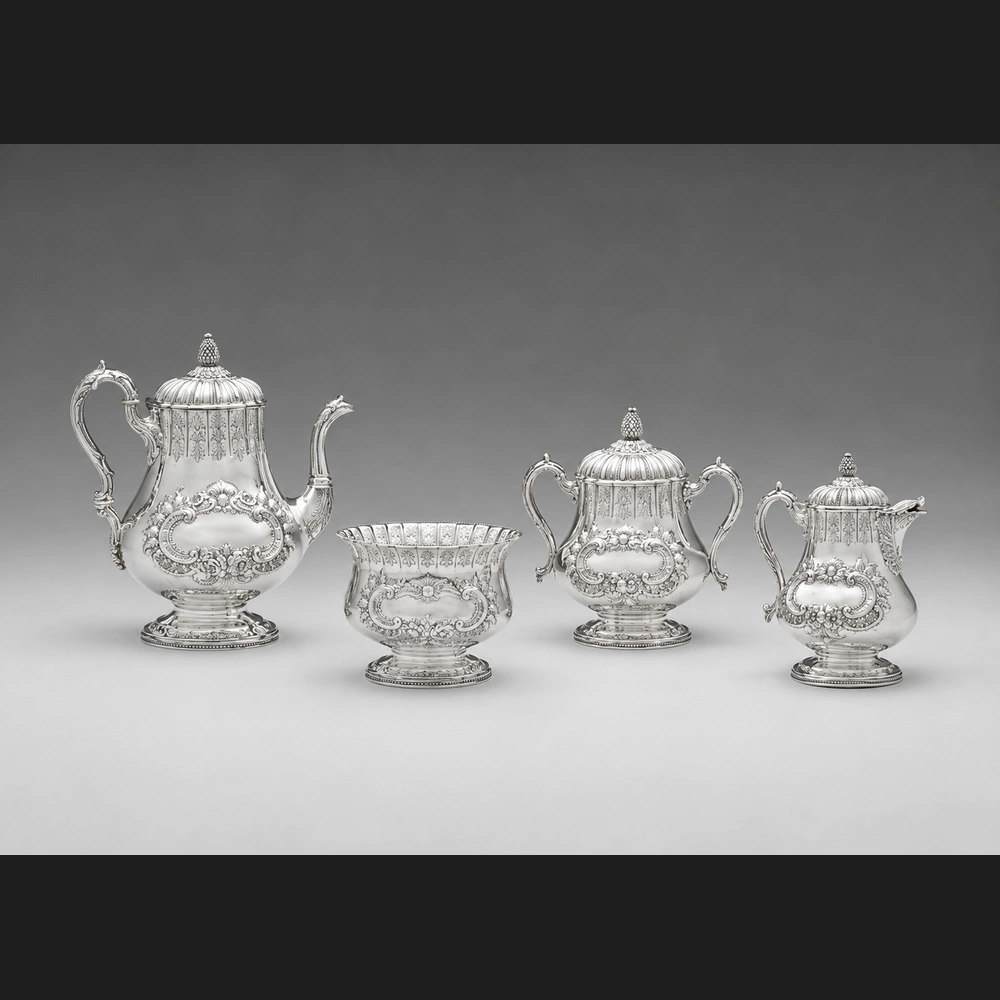
It was a dark and mysterious gallery, relieved only by spotlighted display cases of historic silver. Shining back at visitors with the liquid reflections of fine silver, a story of a mighty city’s beginning unfolded via the items its leading citizens chose to ornament their tables and their lives.
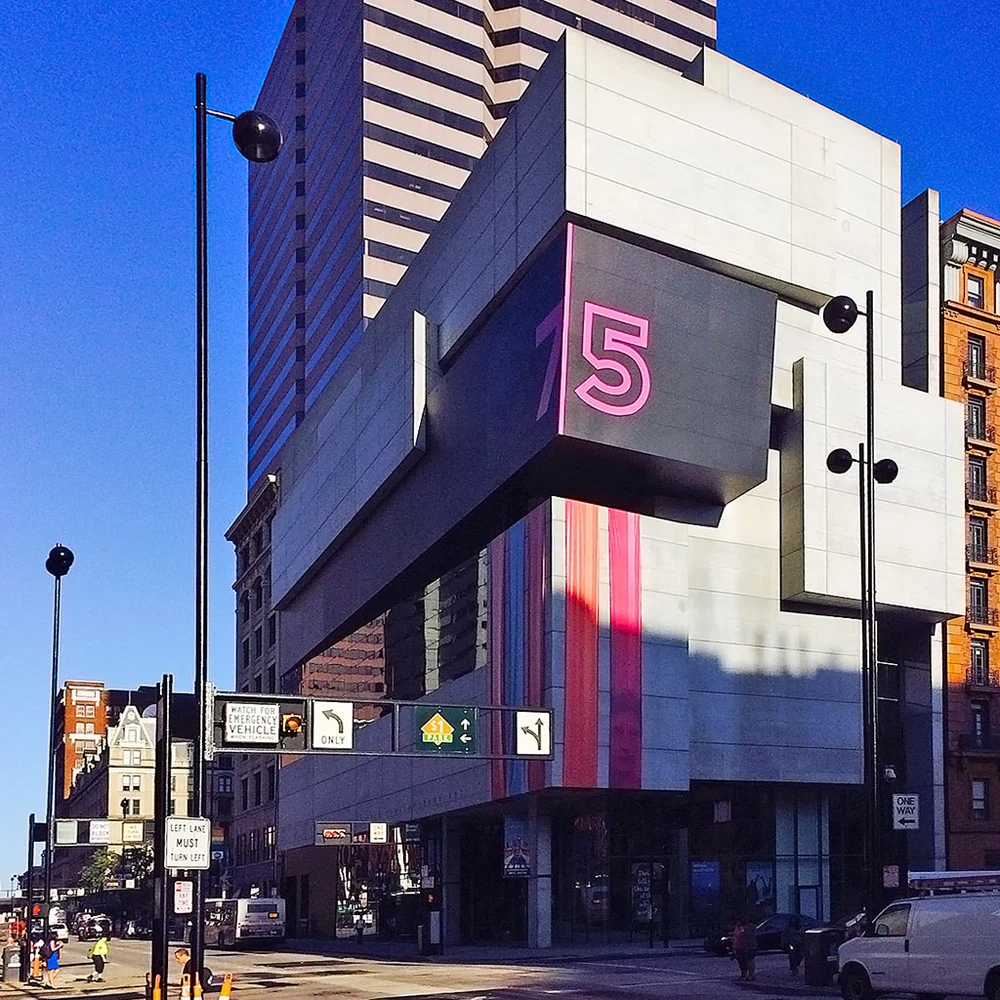
Lois Rosenthal’s recent and untimely death gives pause to all of us as we think about her contributions to the arts and towards our increasingly unknown future with those same arts here. I have always thought of Lois, to use the language of business, as an entrepreneur, rather than a manager.
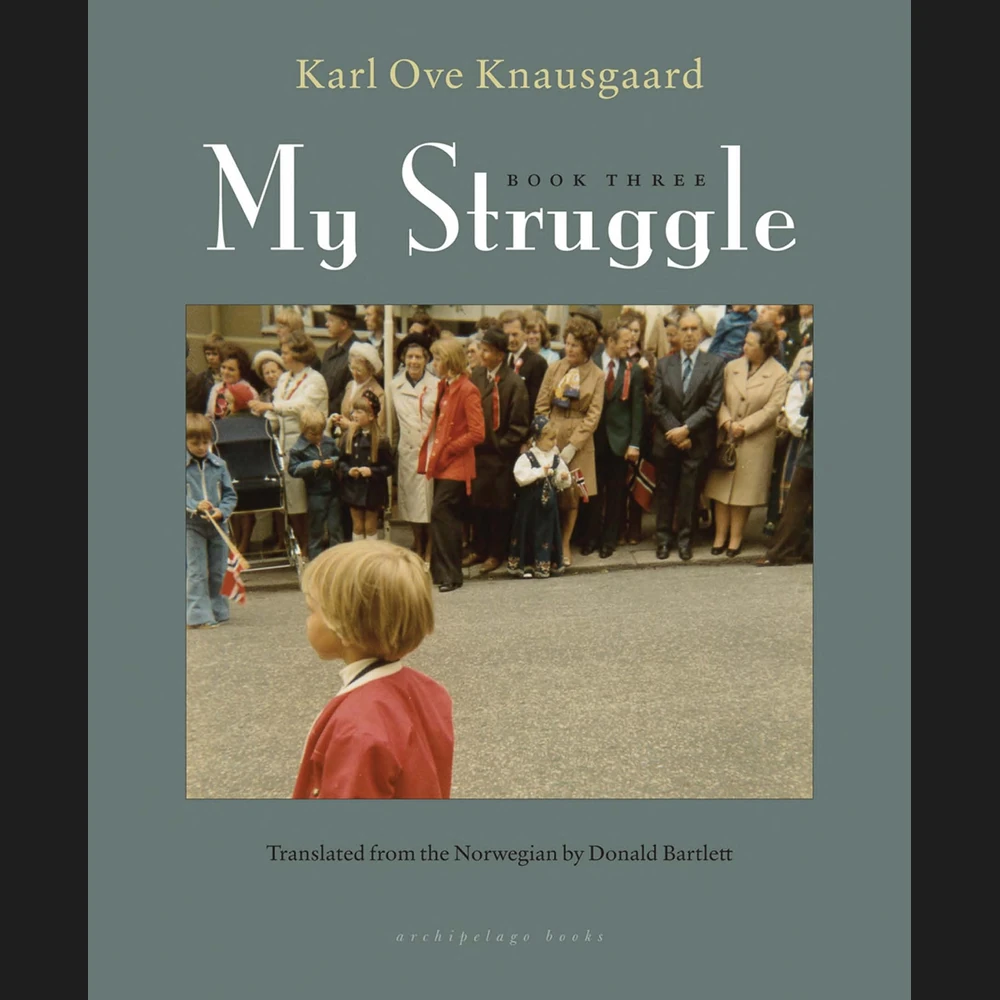
Book 3 of Karl Ove Knausgaard’s six volume novel/autobiography/memoir has just been published. These novels have been widely praised all over the world for their use of a different model of what constitutes fiction, or the novel itself. I went a bought Book 1 and Book 2, to see what the hype is about.
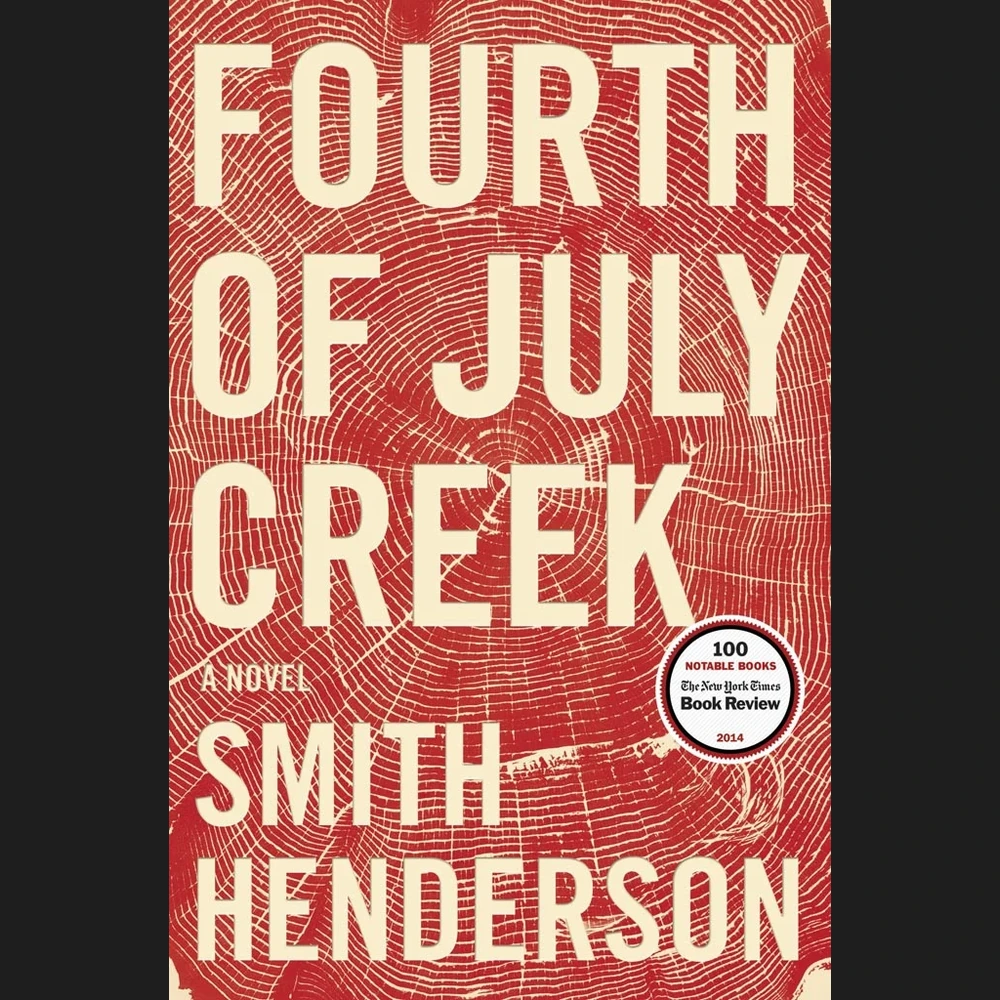
A very pleasant surprise is in store if you read Fourth of July Creek by Smith Henderson. This nearly epic novel is the author’s first, and he exhibits a maturity in his thinking, his writing, in the complexities of his plot, his delineation of character, and his extraordinary empathy for his people.
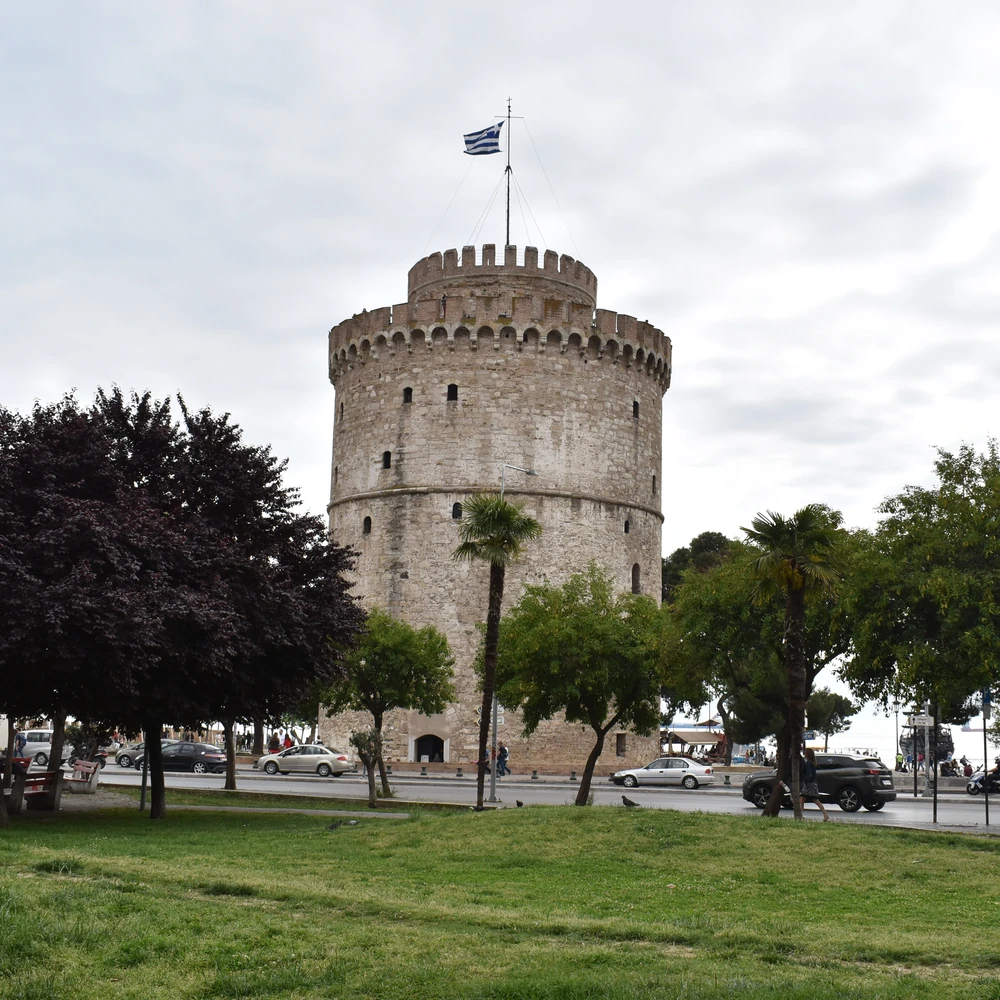
In April and May of this year, during my second art research trip to Greece, I had many long discussions about art and politics with my good friend, fellow artist and professor Xenis Sachinis.
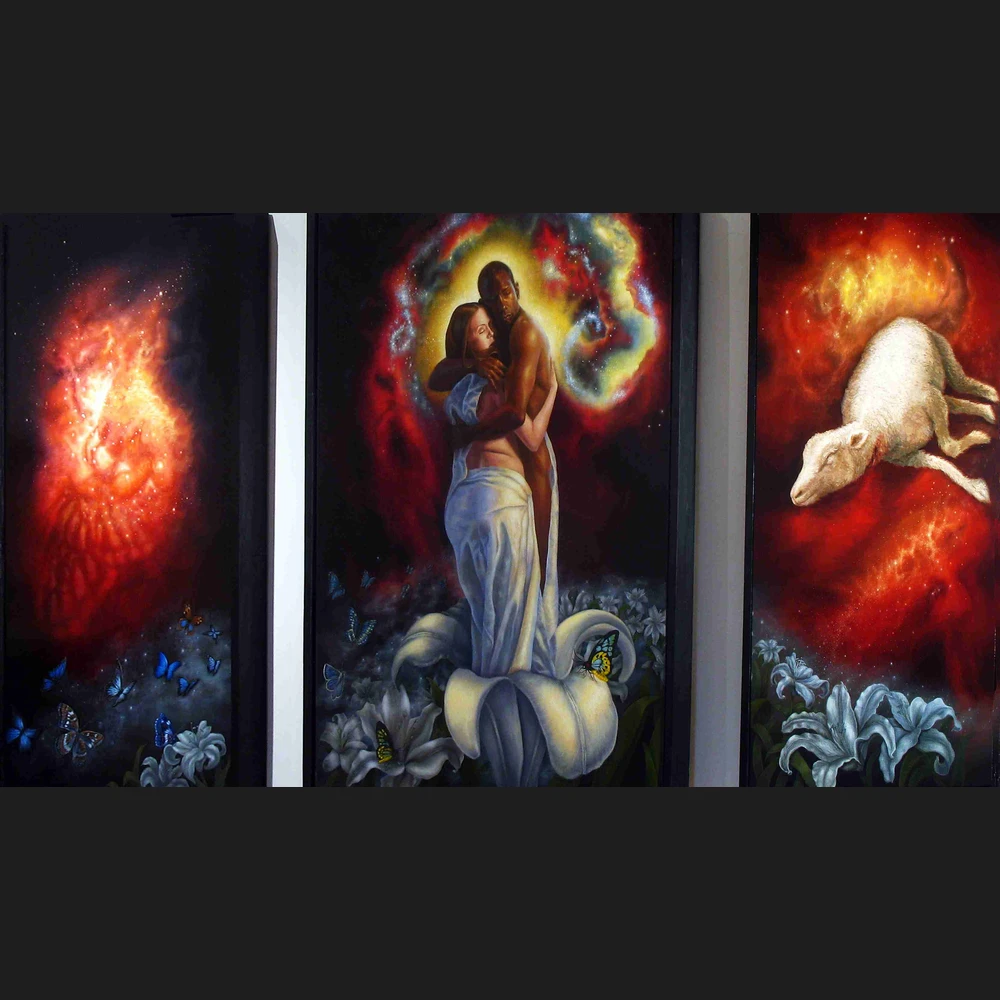
Alison Shepard is a well-established artist and musician, born and raised in Cincinnati where she currently lives with her husband, Evan Hildebrandt, also an artist and director of Bromwell’s gallery. Shepard received her BFA from Northern Kentucky University and her MFA in printmaking from Miami University, Oxford, Ohio. She also studied Printmaking abroad at the Joan Miro Foundation in Palma de Mallorca, Spain.
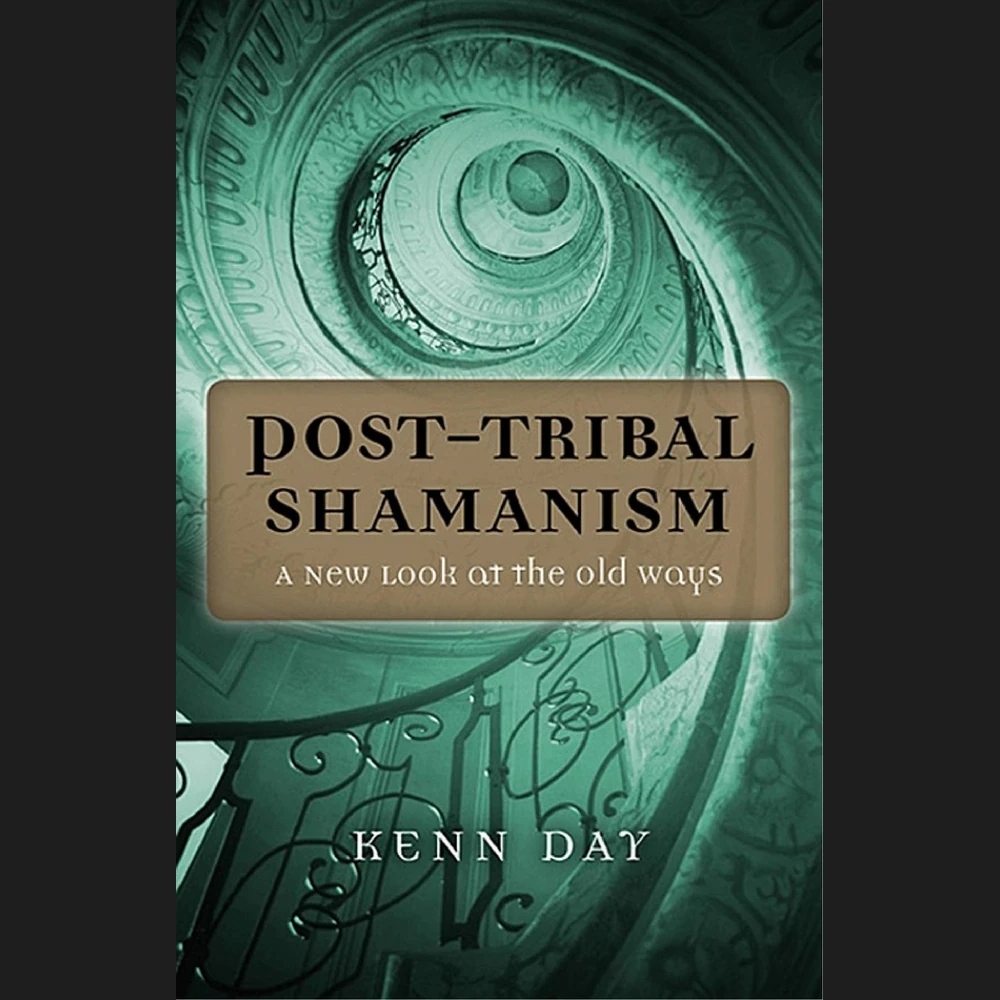
The Age of Aquarius, better known as the 60’s, brought a vital return to what became known as New Age spirituality, and its subsets in fields like medicine. As a chronic pain patient myself, I learned 28 years ago, when my “pain of undetermined origin” began, that the answers I was looking for were not necessarily going to be found in Western medical techniques and traditions.
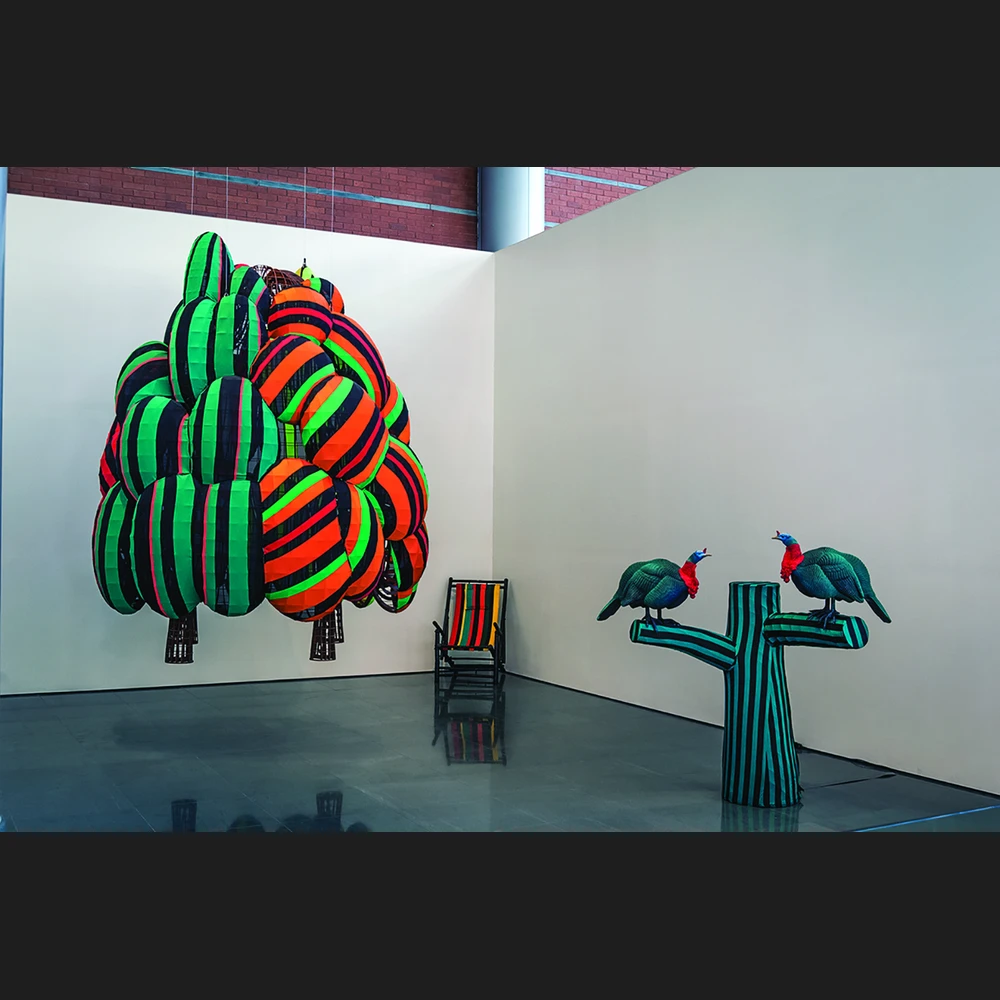
Although it goes against my grain in a visual arts review to start with the verbiage surrounding an exhibition, it seems to be the best way to approach “American Primitives: Todd Slaughter” at the Alice F. and Harris K. Weston Art Gallery (his second there, the first being in 1996-1997). I was searching for something to explain the title but I can’t say I found it despite the abundance of verbiage.
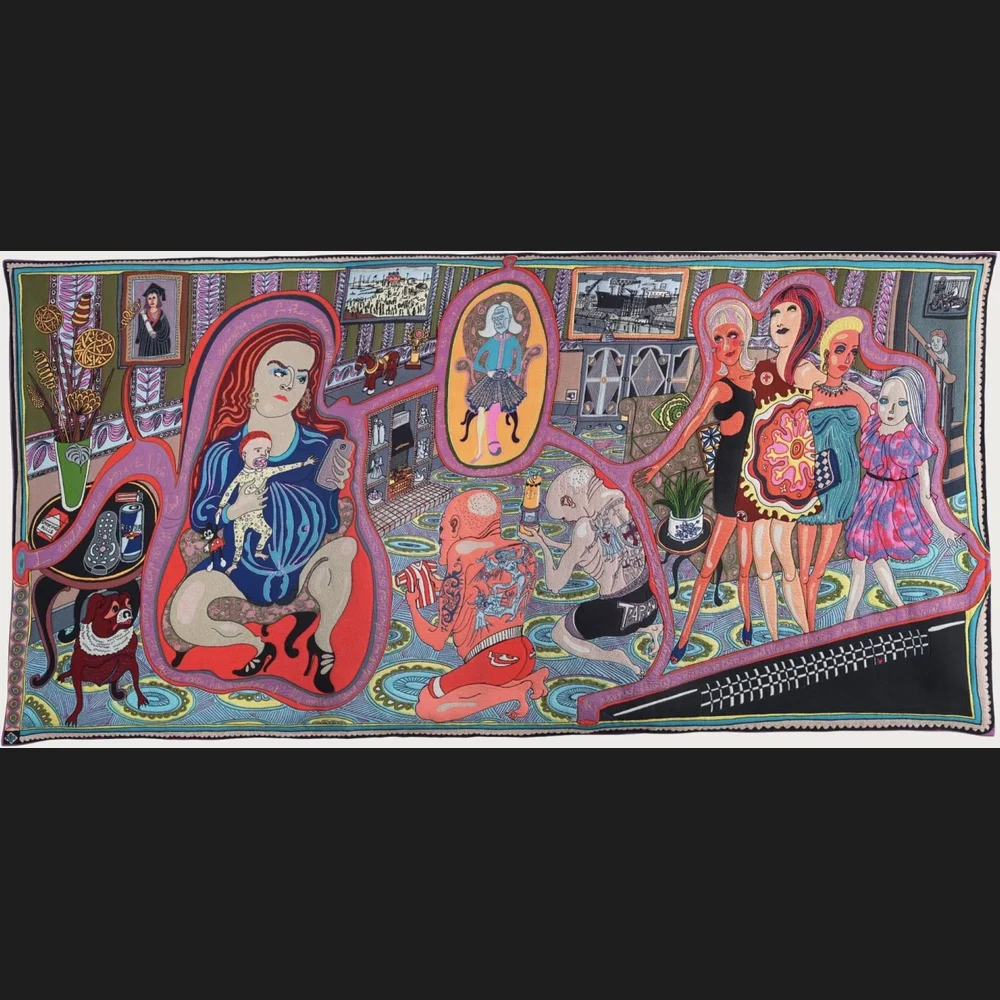
In London, this time, we went to the source. The art-shows-open-to-the-public source, that is. The source itself is unlikely. It’s The Foundling Hospital, established two hundred and seventy-five years ago to care for unwanted babies but not long after also becoming England’s first public art gallery.
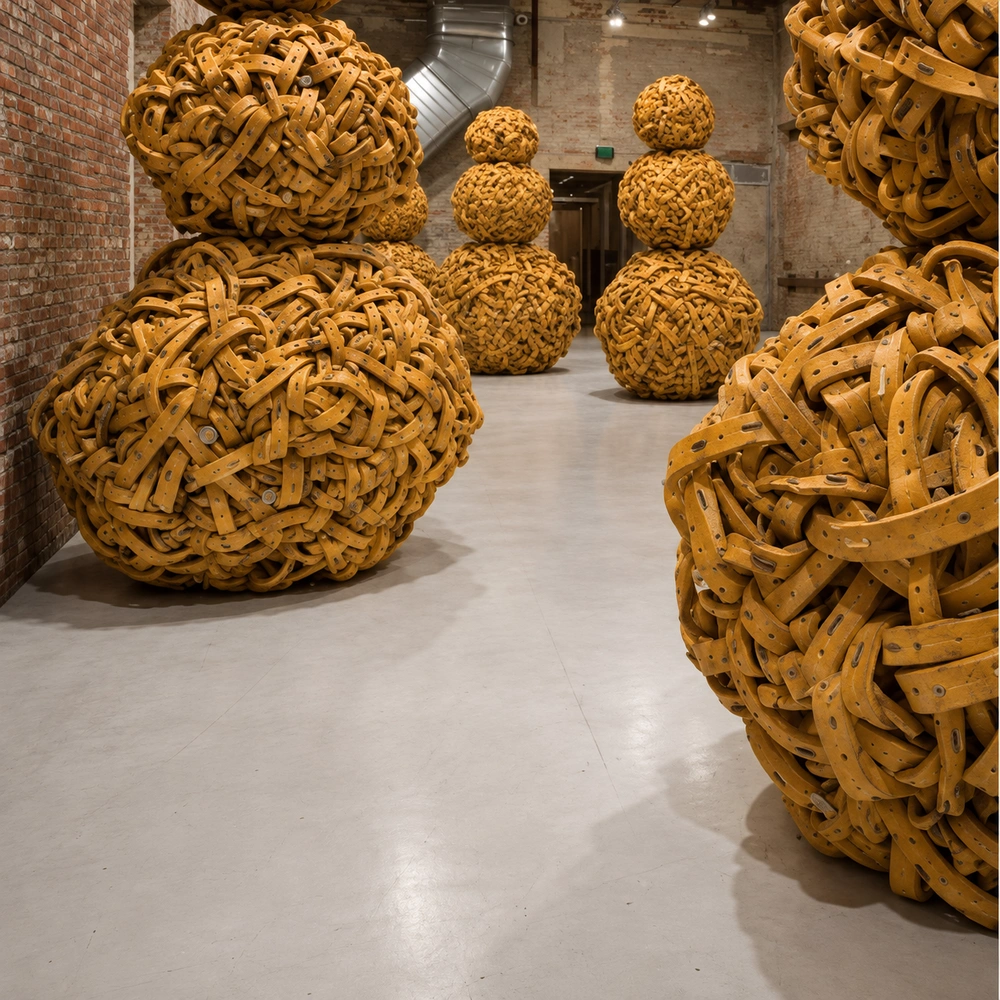
In fall of 2009, I sat on my bed in a small apartment surfing the web with the fervor only a student soon-to-be graduate has. I wanted an internship—preferably an affordable one (a tall order in today’s arts economy, to be sure)—at a decidedly Really Cool Place.
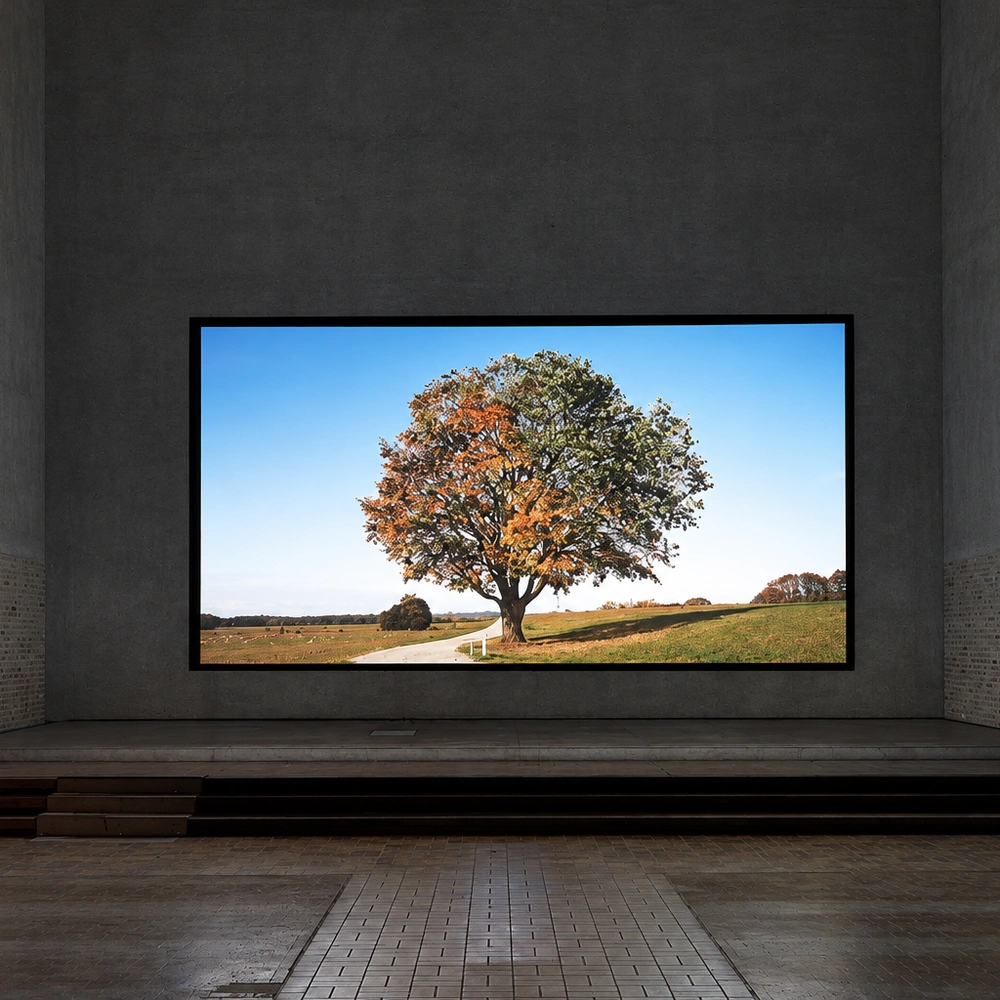
A dip into the waters of sculptural history reveals a spectrum of works ranging from the equestrian statue of Marcus Aurelius (erected somewhere between 176 and 180 AD) to Dieter Roth’s 1972 biodegradable rabbit (excreted probably that same year). What defines sculpture as sculpture is ever evolving, and right there, swaying between dry land and the middle of the sea, we find Michael Sailstorfer’s work.
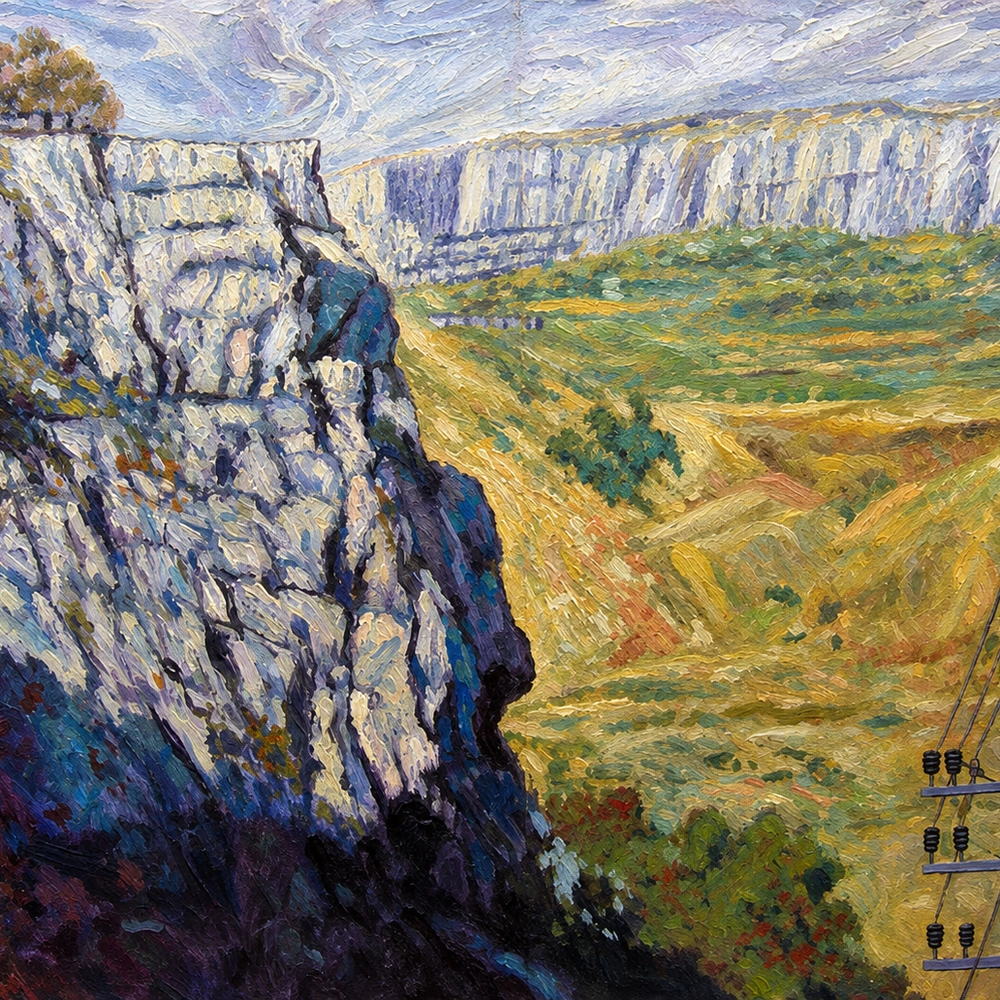
I returned from a visit to Lebanon in March 2014 with my head, eyes and emotions all over board, triggered in all directions, confused but at the same time fulfilled and satisfied. Lebanon was a chaotic whirlwind of energy, creativity, contrasts, contradictions, peaceful and agitated moments, fears of violence, restful encounters.
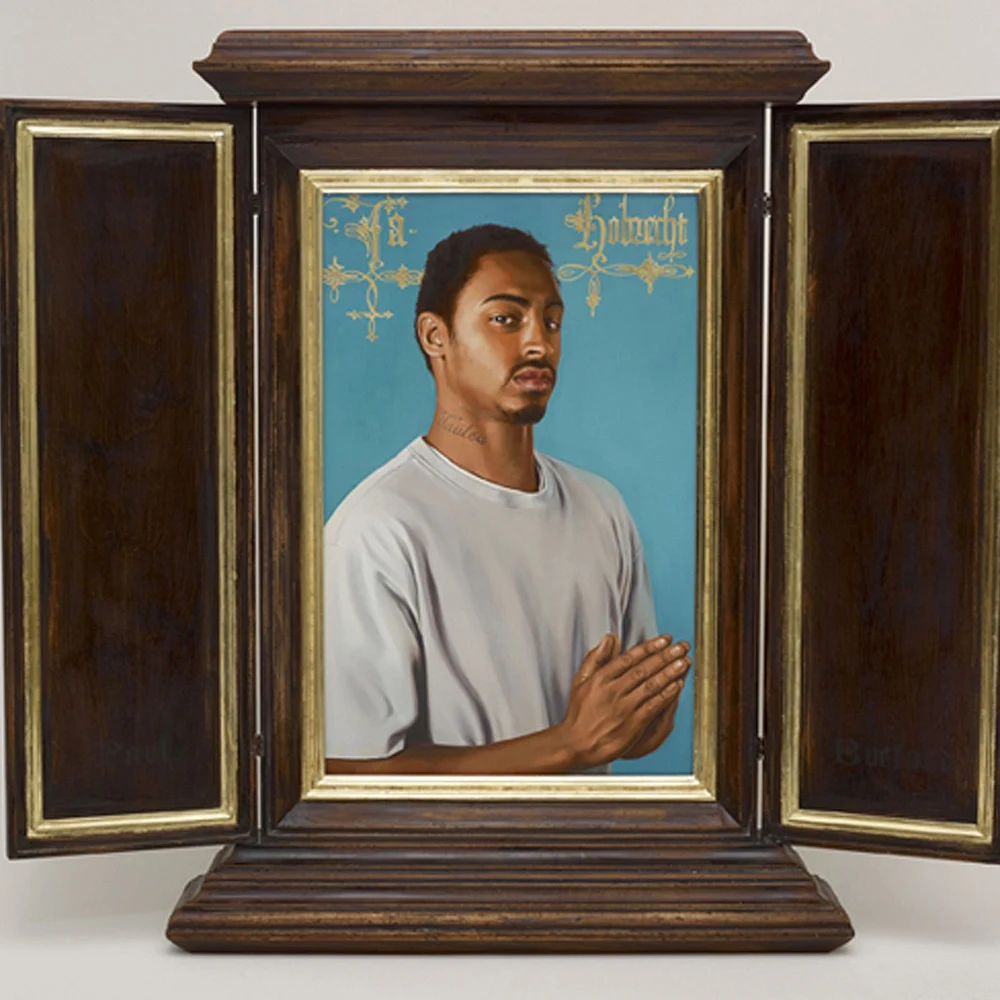
It’s been nearly a decade since Kehinde Wiley graced the cover of Art in America (2005) and since, he has become one of the most collected contemporary painters in America. This high profile artist made his mark re-imagining the African American figure in grand/large scale paintings.
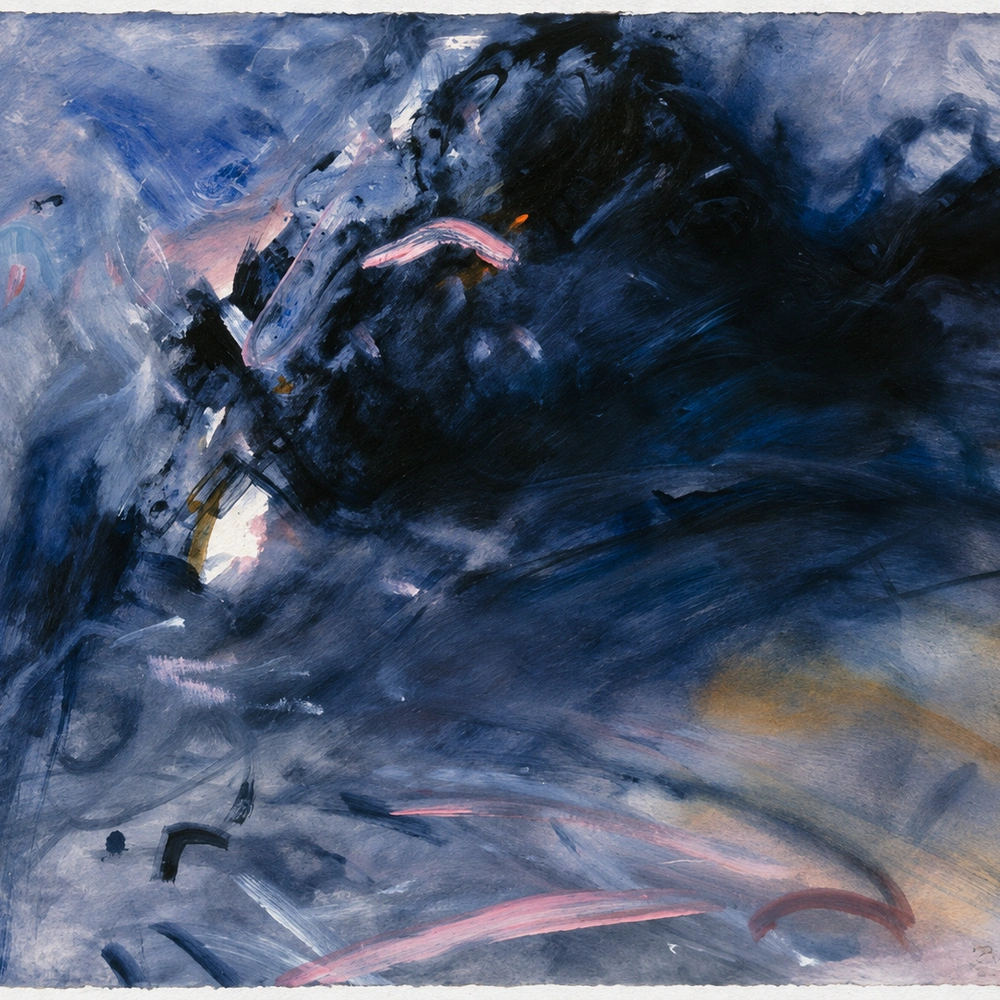
A variety of work made by women artists born abroad are featured in this exhibit, expressing their diverse styles in a variety of mediums and formats. Selected from eight different national backgrounds, these artists live in the Cincinnati area. Their roots run deep in their respective homelands, however, and their art enriches our community. This review will select several works for discussion.
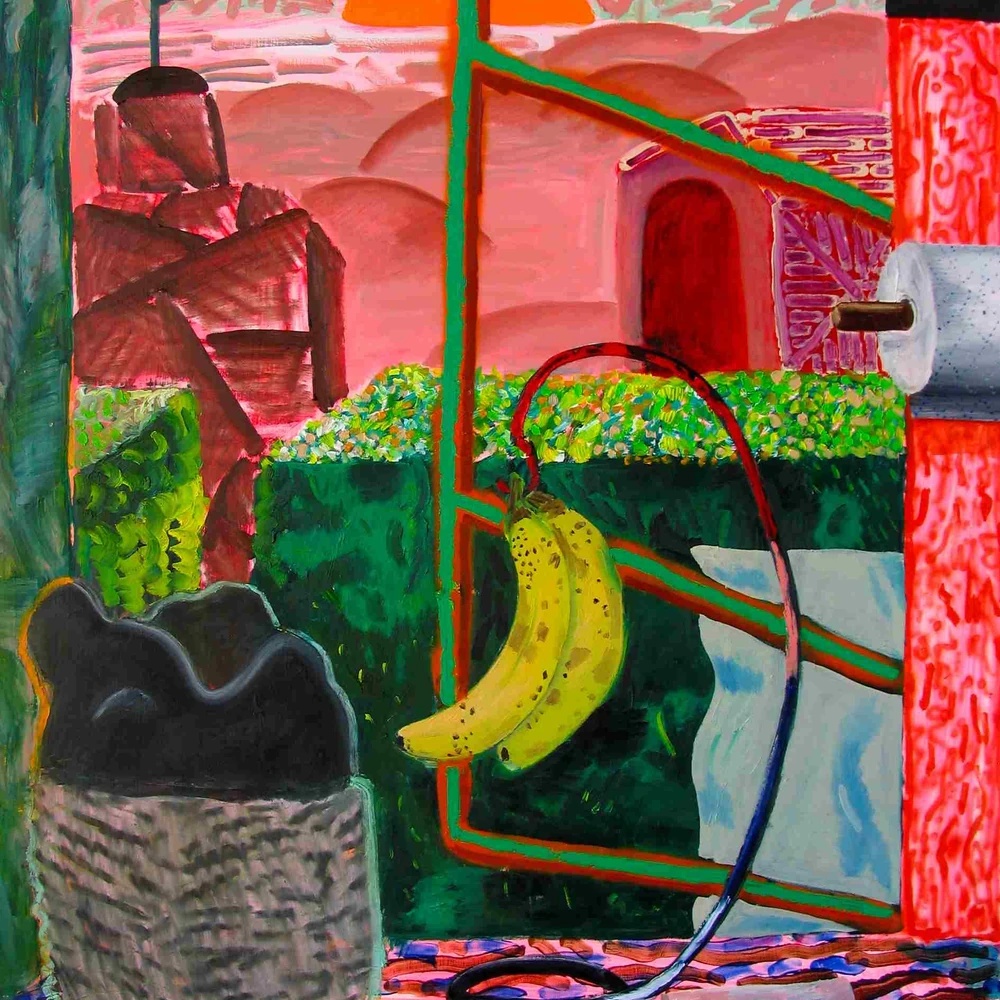
The current display at Lexington’s most venerable of exhibition spaces, Institute 193, is the work of Atlanta native Shara Hughes. Hughes, a driving force of the Atlanta scene when she lived there, decamped to Brooklyn this year, where she currently lives and operates a studio. The show at ‘193’ (as the locals refer to the space) is entitled Midnight Snacks.
