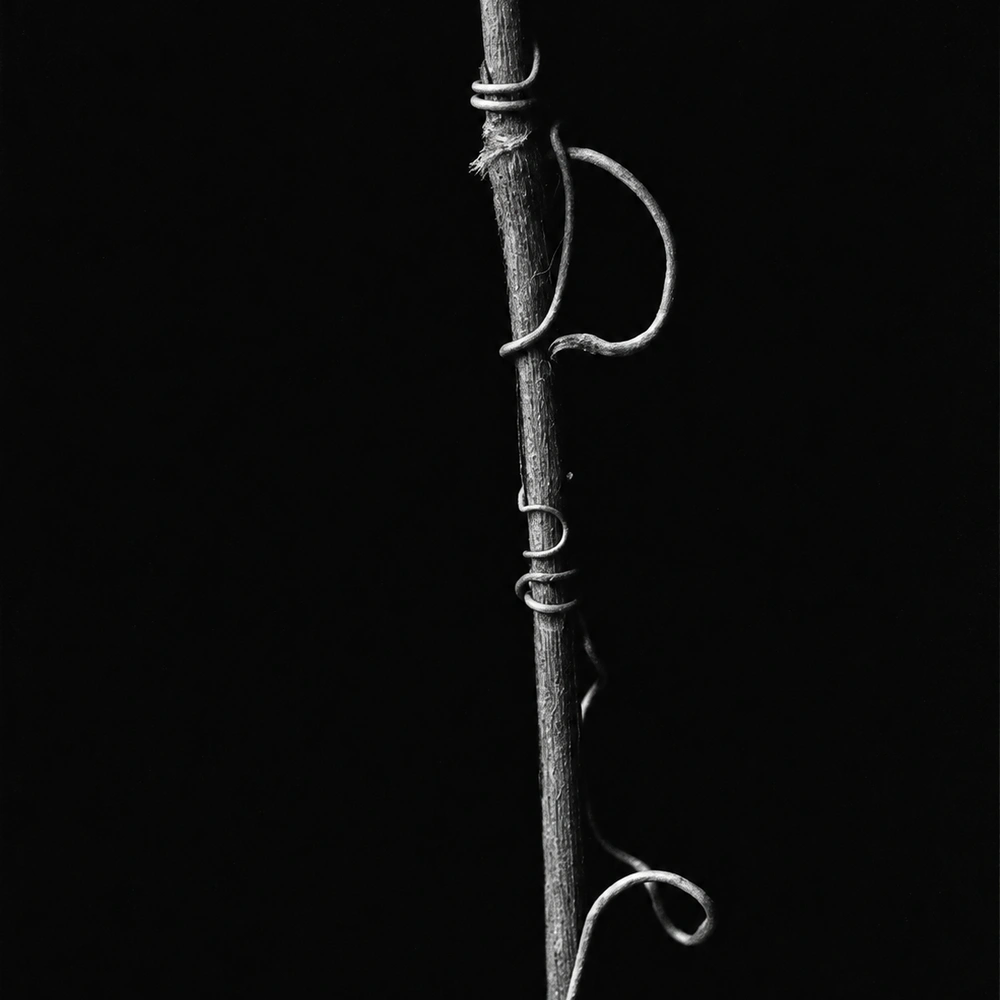
Area photographer Kent Krugh, who has become Aeqai’s photography editor, and will be selecting photographers’ work from the region, nationally, and internationally and offering our readers photo essays of the work he selects for us.
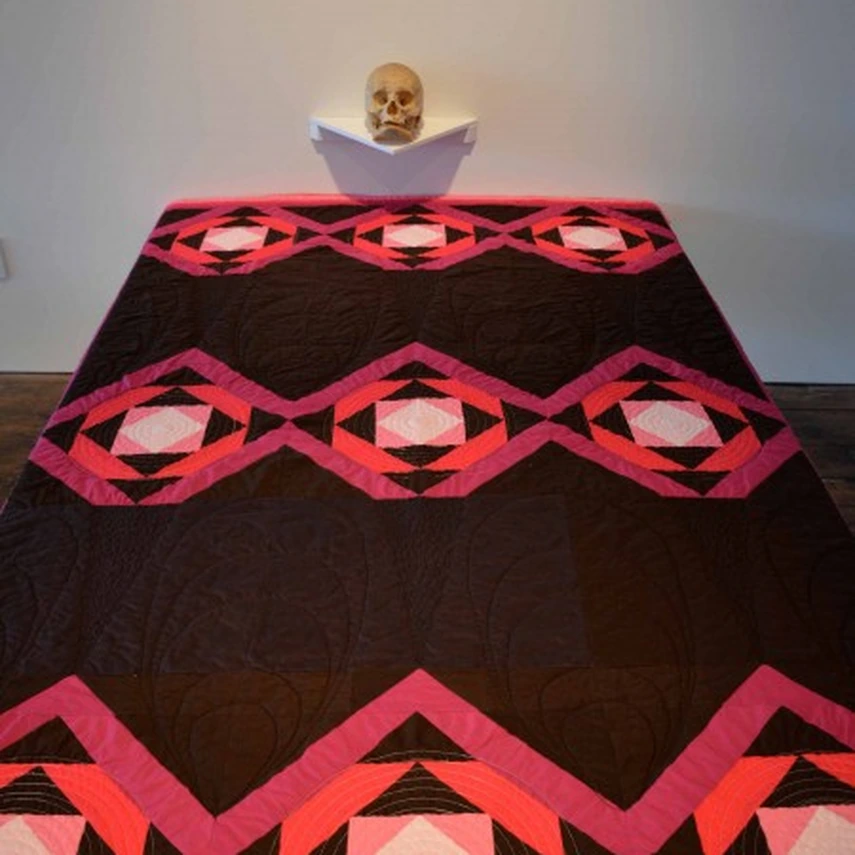
I want death. These are the words I uttered aloud to artist Joel McDonald during the opening of his first solo exhibition Obby Obby at Zephyr Gallery in Louisville, KY. The death I was addressing was not of the physical, but the material piece titled Die: Tunnel, which consists of a make shift bed atop with a brown and pink color schemed quilt sewn in a modernized Rambler block pattern.
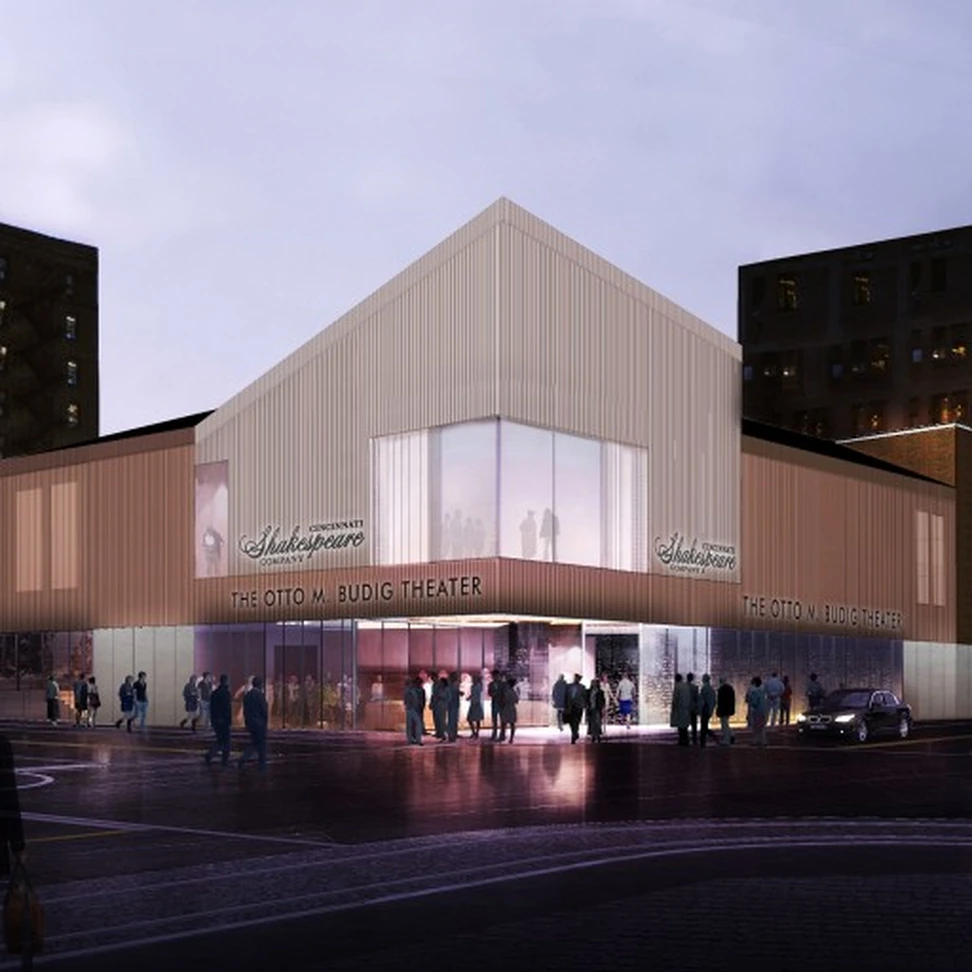
In the September 2015 issue of Aeqai, I discussed Cincinnati’s cultural building boom, as evidenced by the renovations and expansions at Christ Church, Cincinnati Union Terminal, and Music Hall. Now we are seeing additional major building projects for performing arts programming in Downtown Cincinnati and in Downtown Middletown.
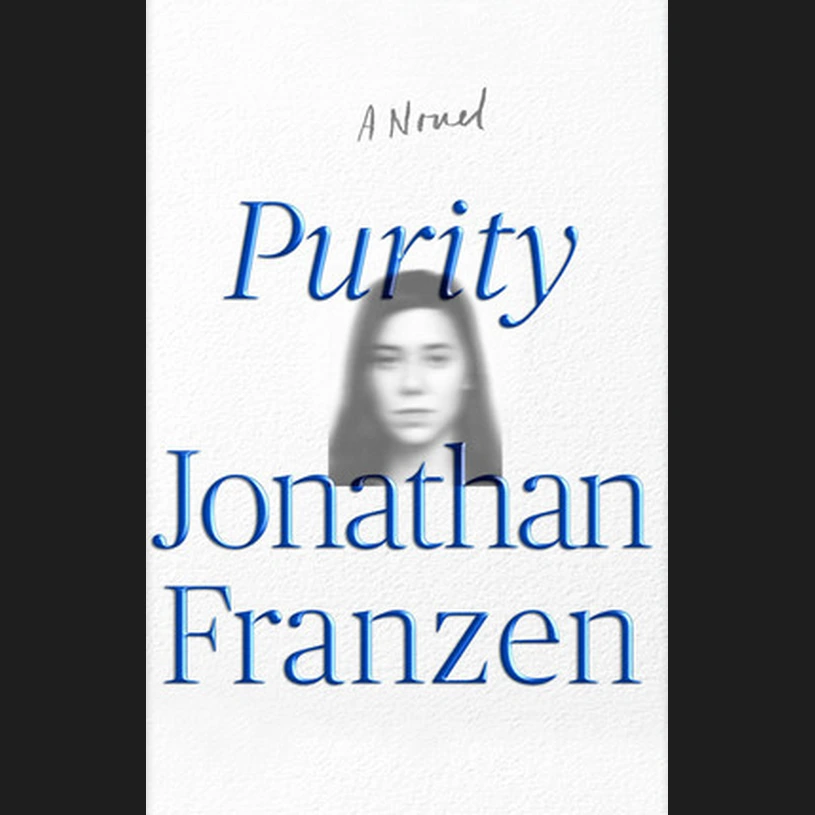
Jonathan Franzen’s one of those hugely praised younger writers; sometimes I think his writing and ideas are superb, sometimes not; I often wonder about the wild adulation given to him (and also to Michael Chabon).
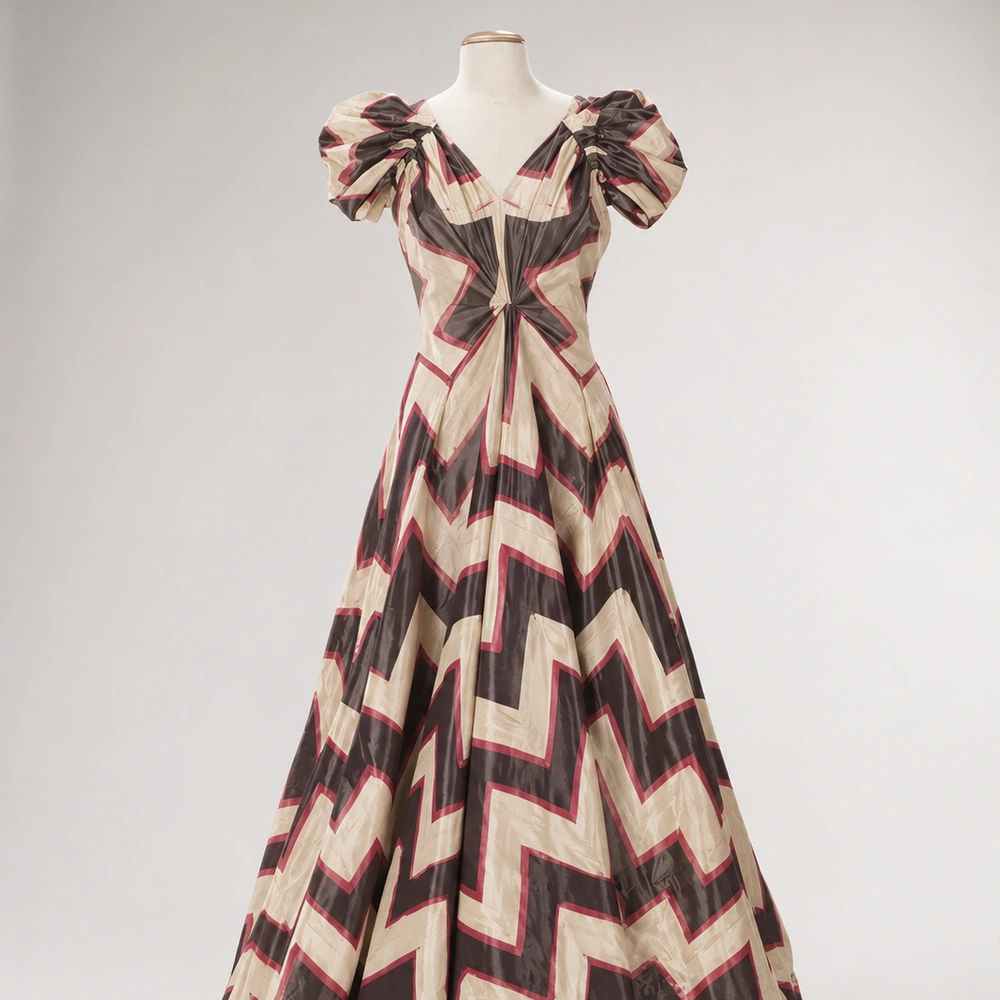
While in the past AEQAI’s fashion focus has been on the international runways of fashion’s luxury giants, this month we are staying decidedly close to home at the Cincinnati Art Museum, up the hill on Eden Park Drive.
Two poems by Louis Zoellar Bickett, dated November 5 and November 11, 2015. One is a late-night scene beside a partner who keeps the household running; the other recalls a Bible class and a nun’s shaking finger.
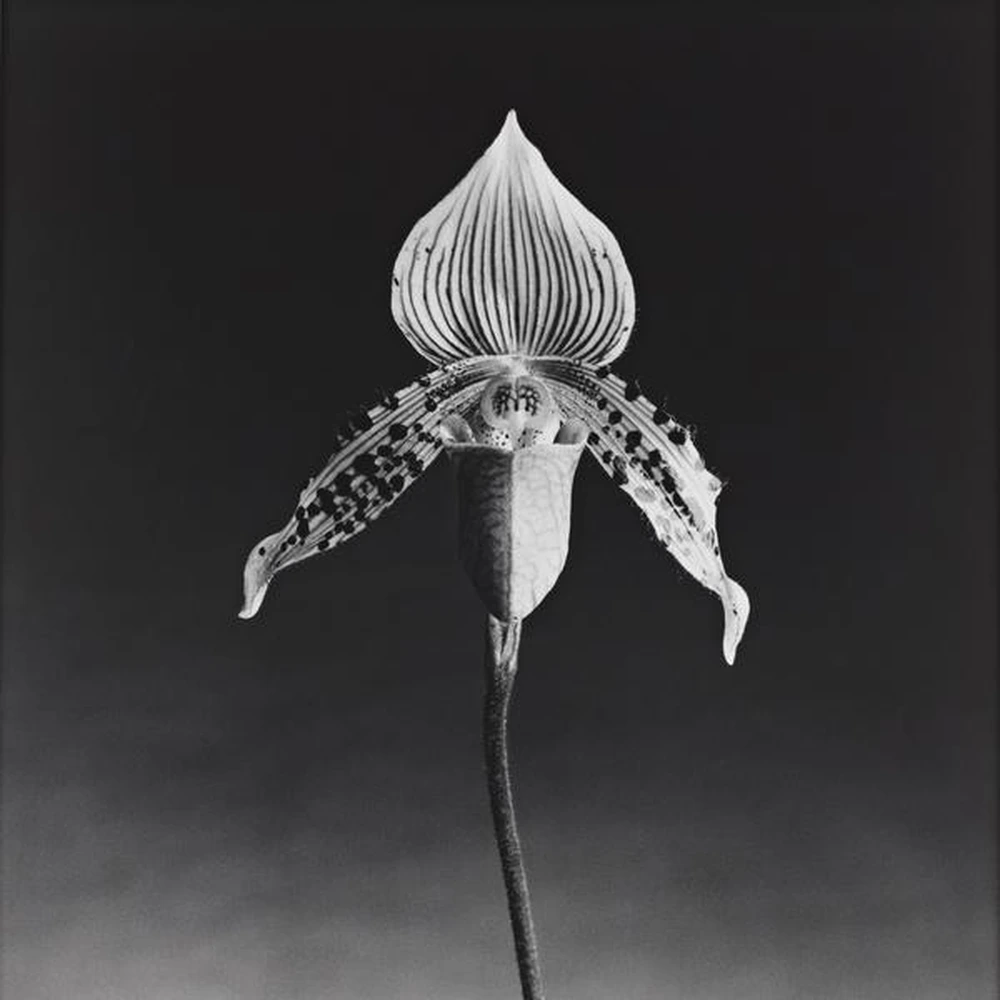
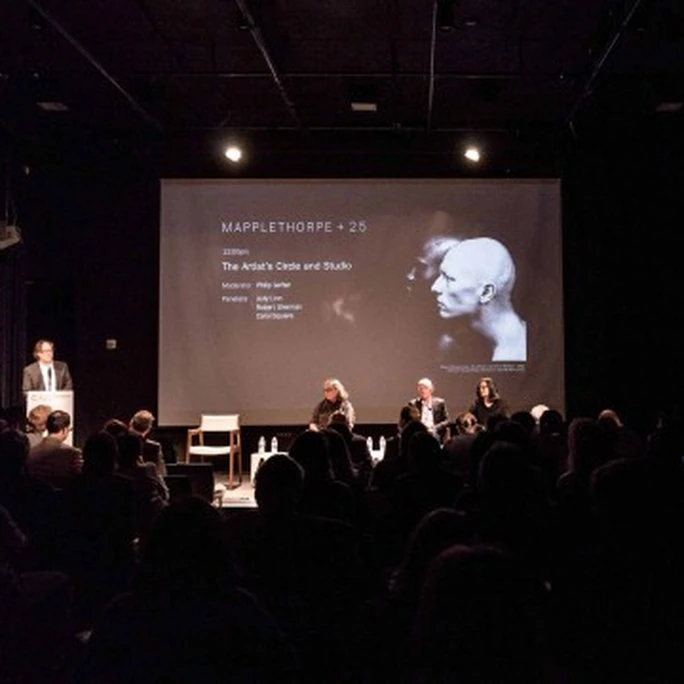
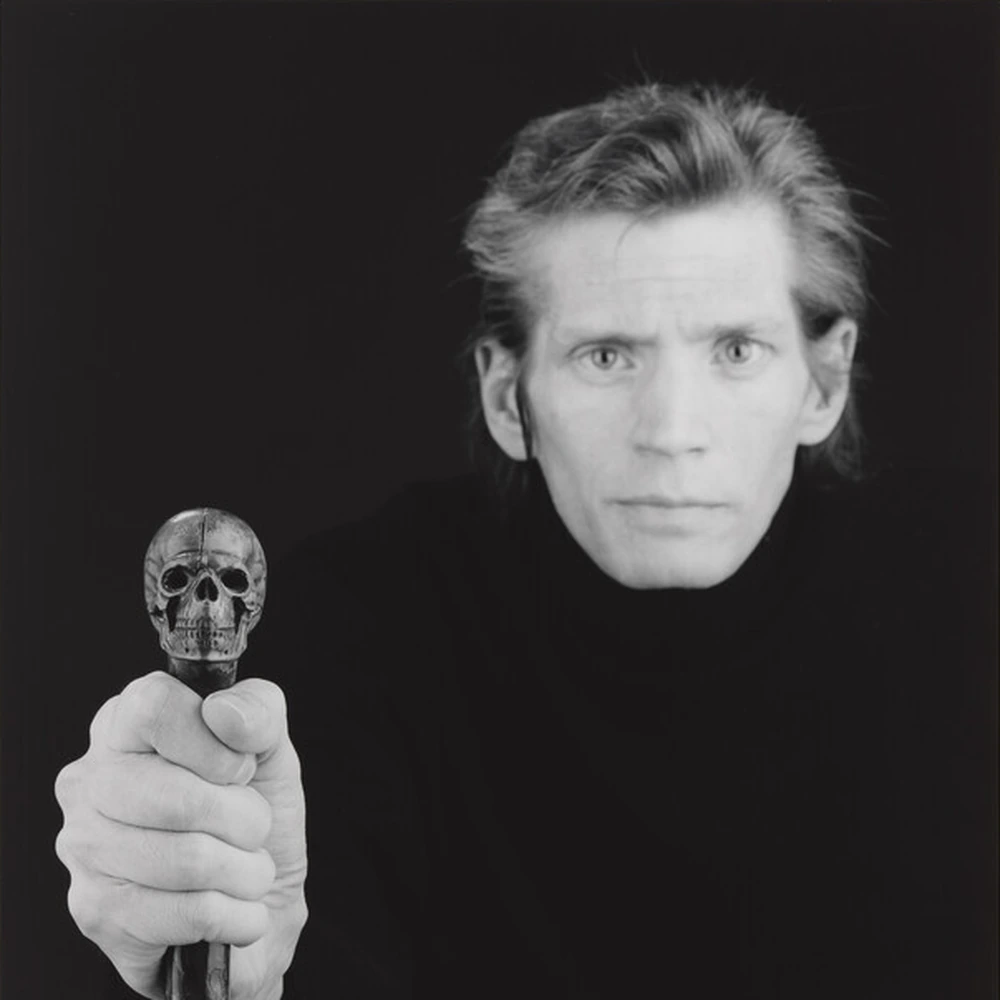
Robert Mapplethorpe was an aesthete’s aesthete, trying with each photograph he took to capture a kind of formal blissfulness that shreds philosophy, politics, conjecture, and any other form of bull-shit standing in the way of that “perfect moment” when what you see is exactly and horrifyingly and gleefully what you get, devoid of values, faith, hope, charity, whatever.
Three poems by Maxwell Redder: “Brink,” about a man who introduces the narrator to people and things that shape a life, until the narrator ends contact; “Prey Hunt,” a hawk circling a woman in a pink dress at dusk; and “Painting Cement,” about painted squares covering artwork on highway walls.
On Friday evening, October 23, FotoFocus invited about one hundred people to dinner and to a kick off lecture by Italian curator/critic/thinker/museum professional Germano Celant, widely regarded as one of the first and finest independent curators in the world.
The November issue of Aeqai, which is filled with reviews and profiles, has just posted. It’s an exceptional issue, reflecting smart art, artists, and ideas about culture competing for our attention.
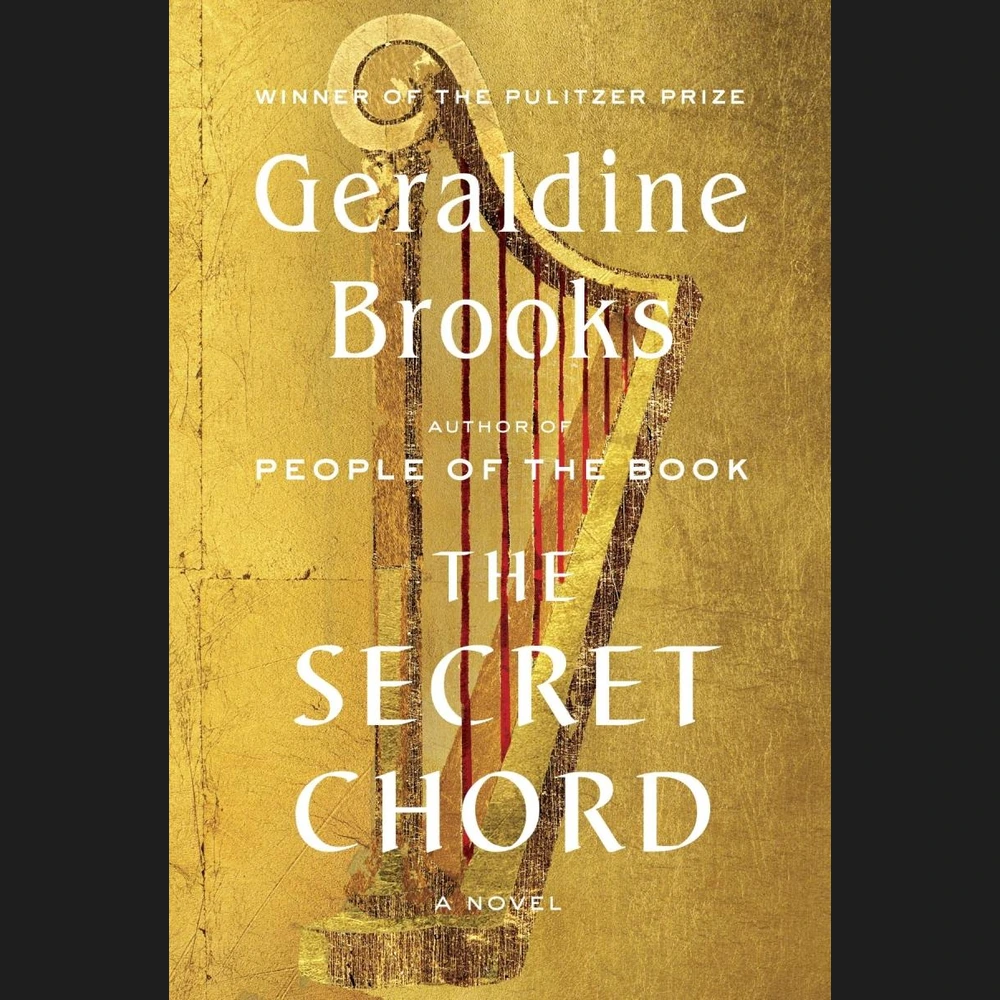
The phenomenally gifted Geraldine Brooks has returned with her newest novel, The Secret Chord, and, like The People of The Book before it, it’s both magnificent, historically accurate, and often very moving. Her prose is as close to poetry, or prose poetry, as we are likely to see this year.
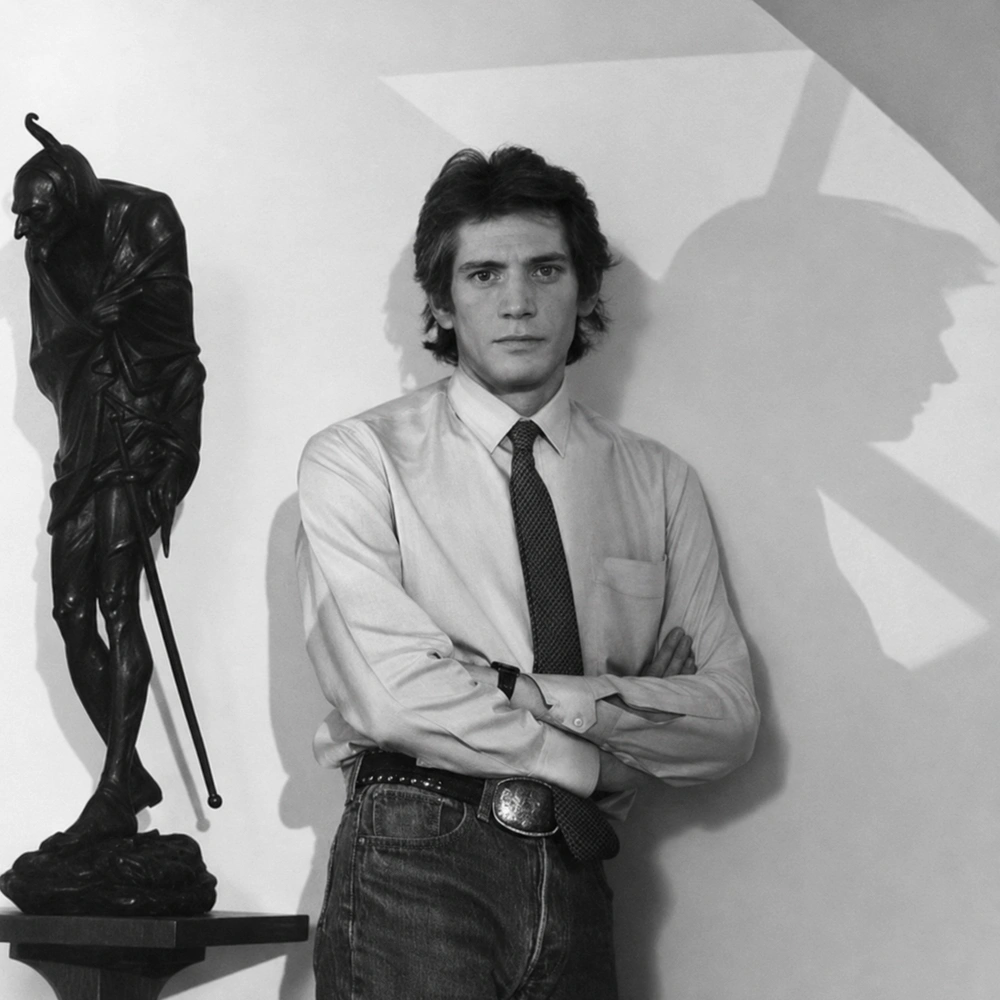
There are the obvious questions about Robert Mapplethorpe’s polarizing 1990 exhibit at the CAC, which, along with a more traditional retrospective, enveloped images of flowers, portraits of black men and S&M in three portfolios titled X, Y, and Z.
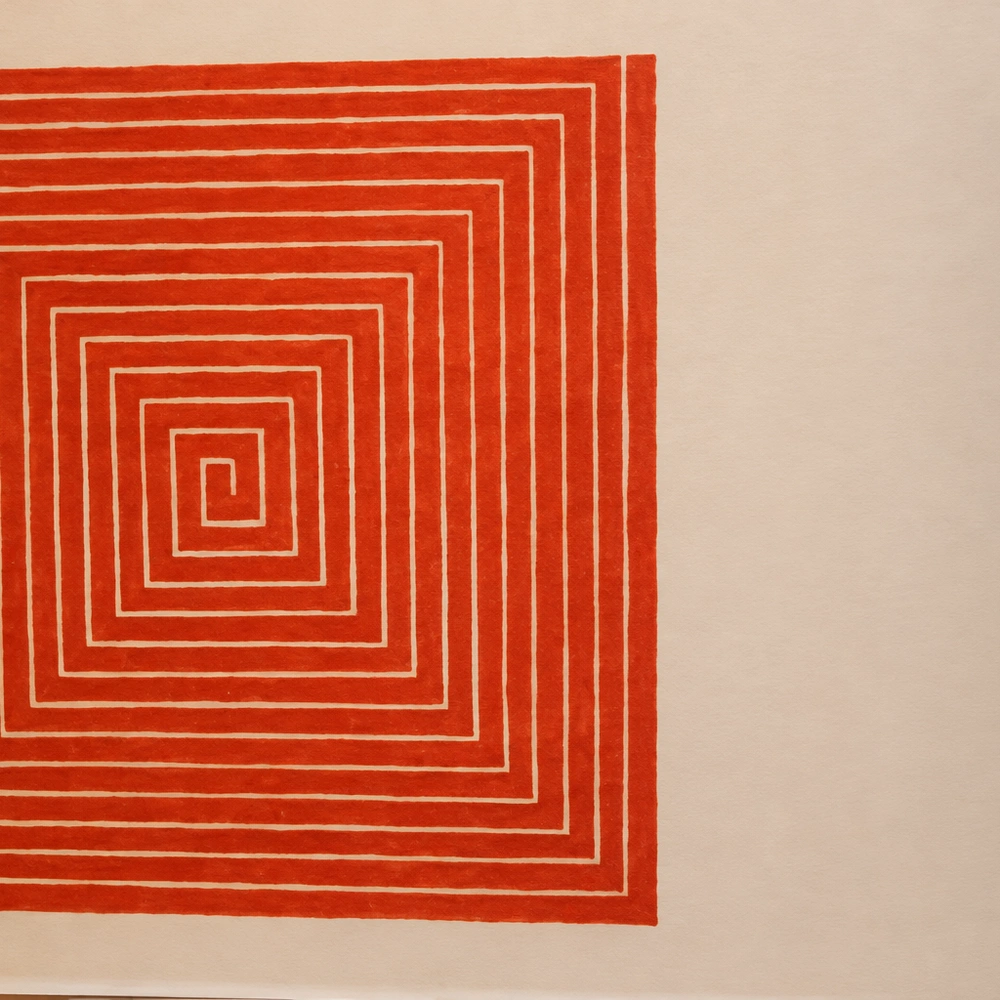
Collectors are a rare and wonderful breed. Through them art gains a purpose, functioning as a separate world wherein personal affairs of the heart are gathered together, for no other reason than that the gatherers cannot resist them.
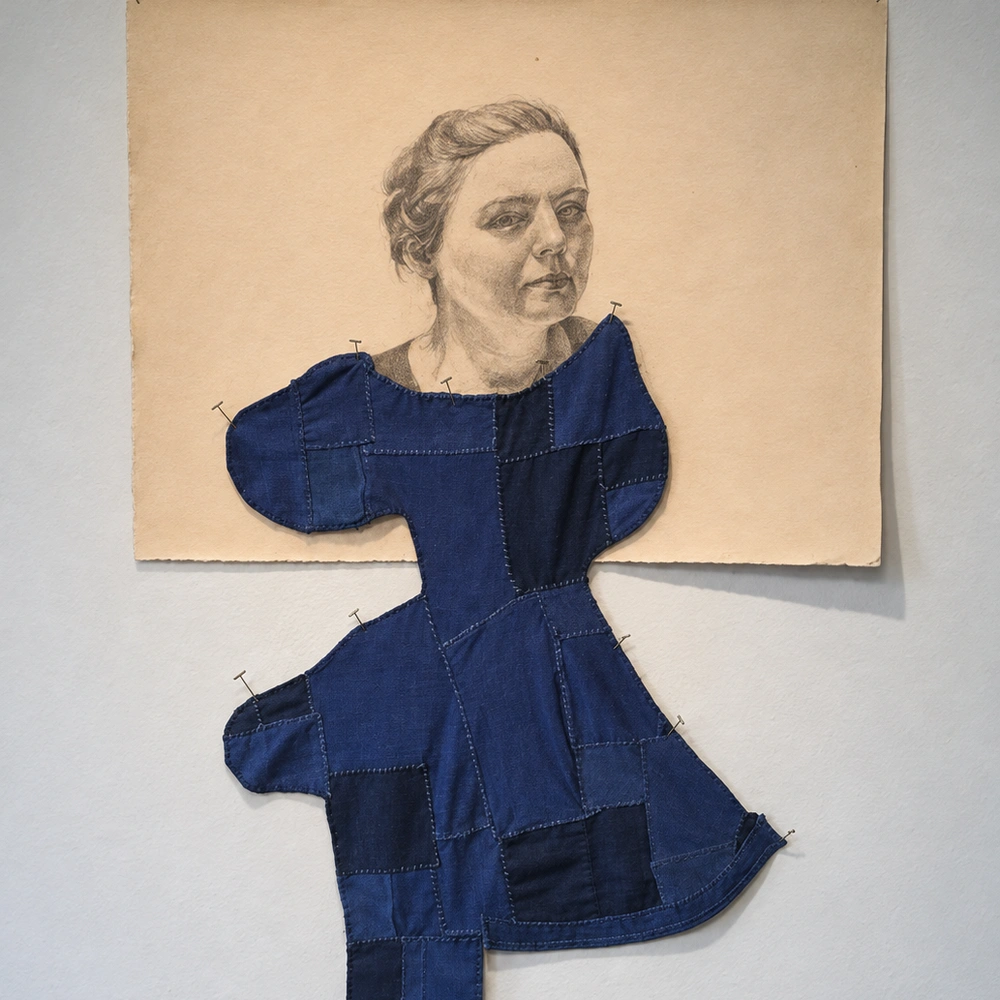
On the basis of some of the works, “Surface” may be described as a portrait show with an agenda beyond the business of likeness. Colleen Kelsey exhibits 2 works showcased in the front room.
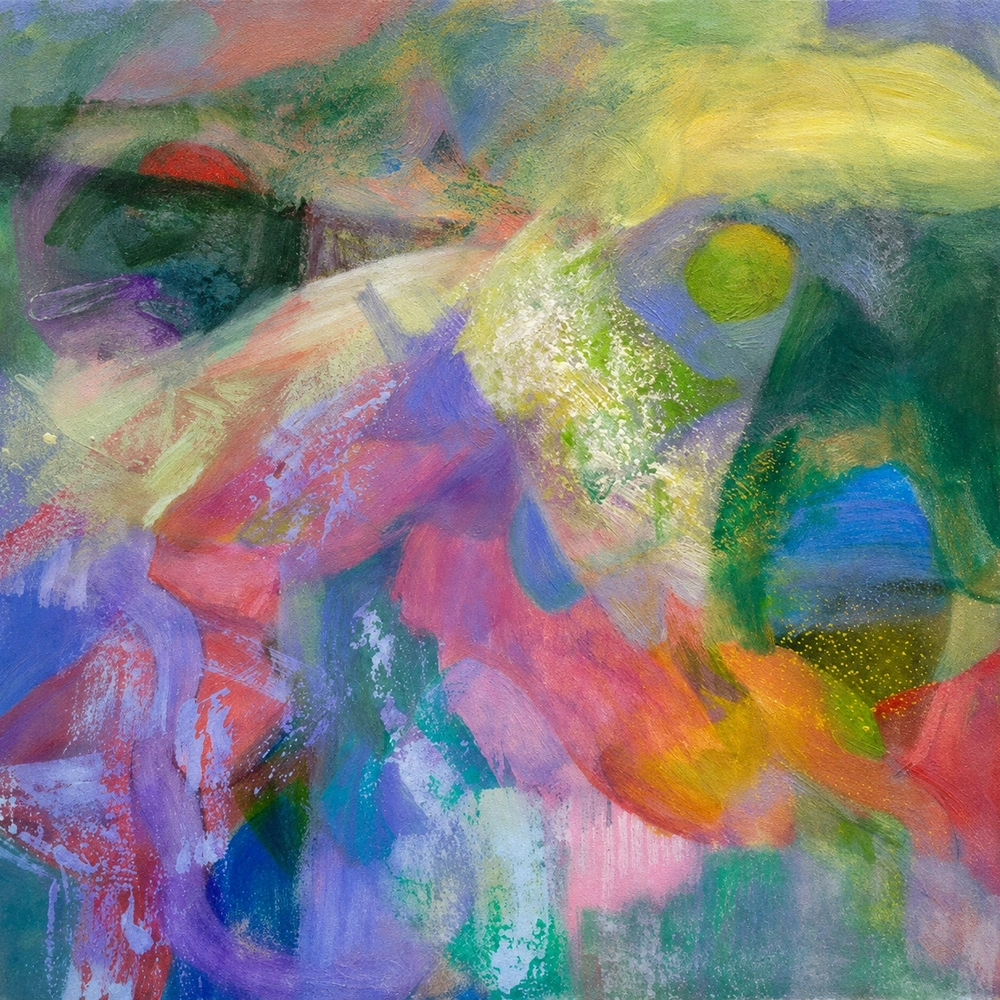
Susan Schuler’s paintings in the exhibition Havana at Malton Gallery in Hyde Park/Oakley speak for themselves, which is fortunate as the background information I asked for consisted of a statement by the artist relating to an earlier show, and when I requested a press release on this exhibition I was told they no longer do them, that no one pays attention to them.
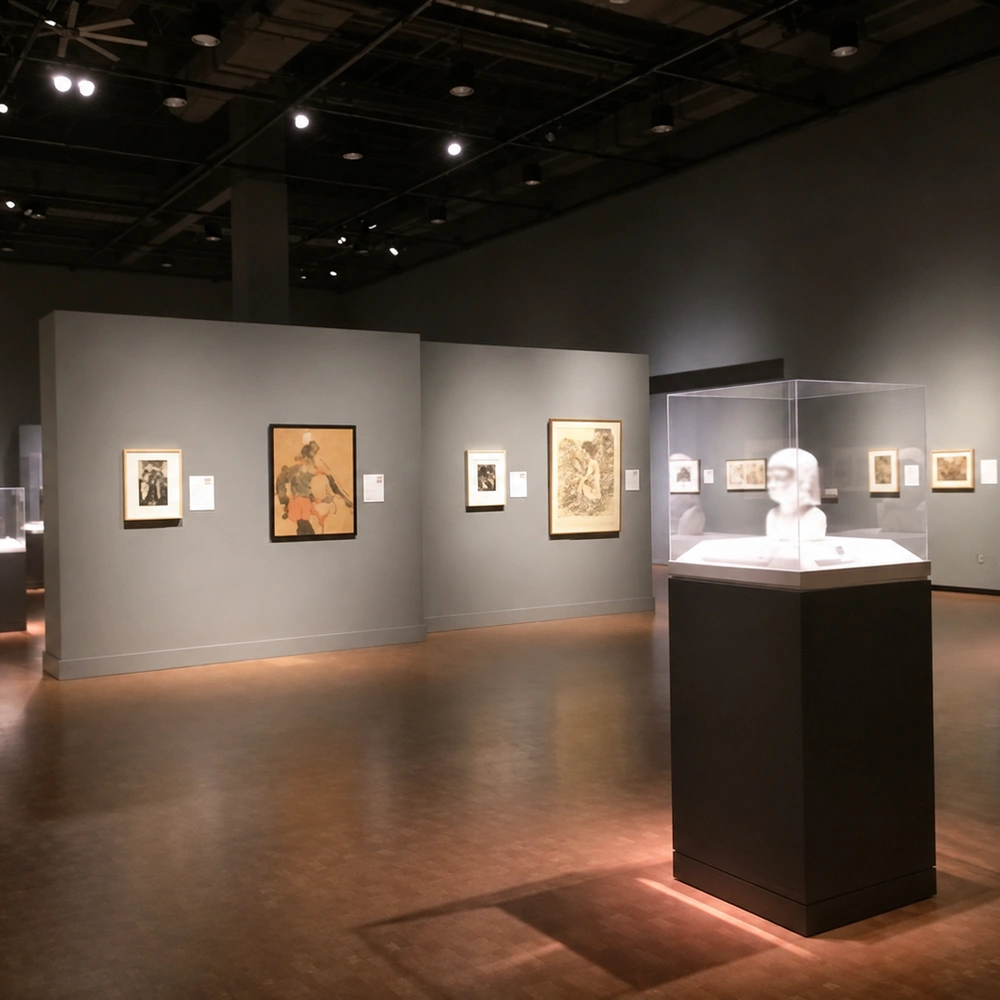
Making Their Mark: Illinois Women Artists, 1940-1960 opened October 17 and is on view until January 17, 2016 at the International Features Gallery of the Peoria Riverfront Museum in Peoria, Illinois. With this exhibition, the museum is contributing to the necessary scholarship on women artists.
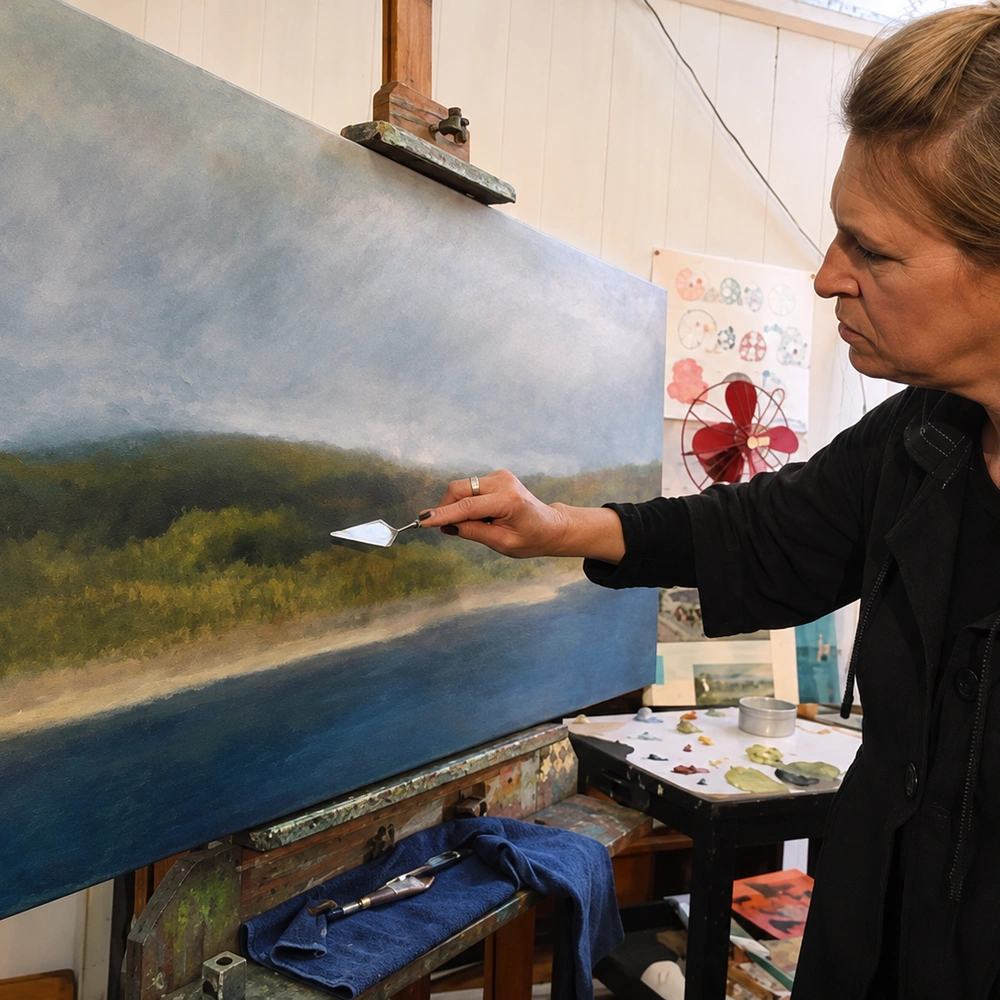
Born in Albany, New York, Lisa Molyneux attended The State University of New York at Geneseo and received a B.A. in theater and art. Her interest in art originated from two uncles who were artists: one, who was a watercolorist, and the other, a graphic artist.
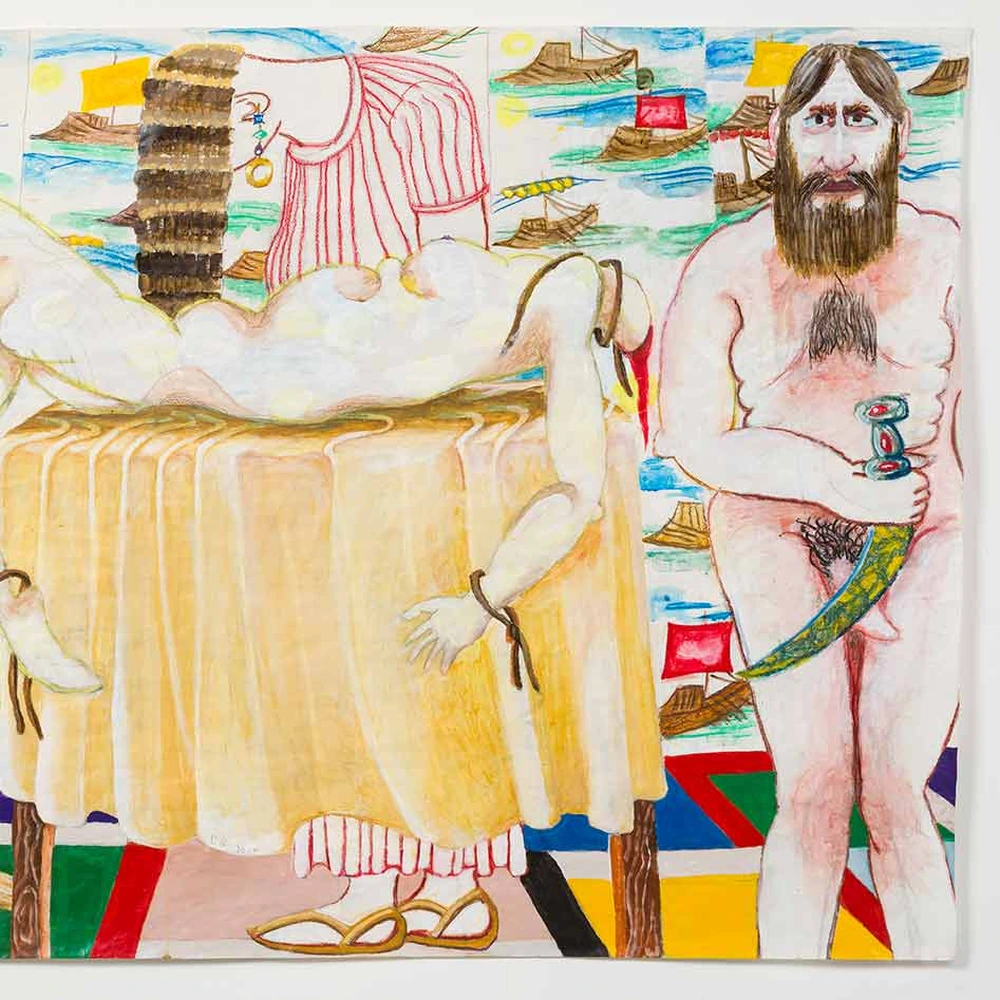
Charles Garabedian has long embodied a non-conformist approach to his practice. The “Bad” Painting movement of the late 1970’s is perhaps the only definitive genre with which he’s been aptly associated.
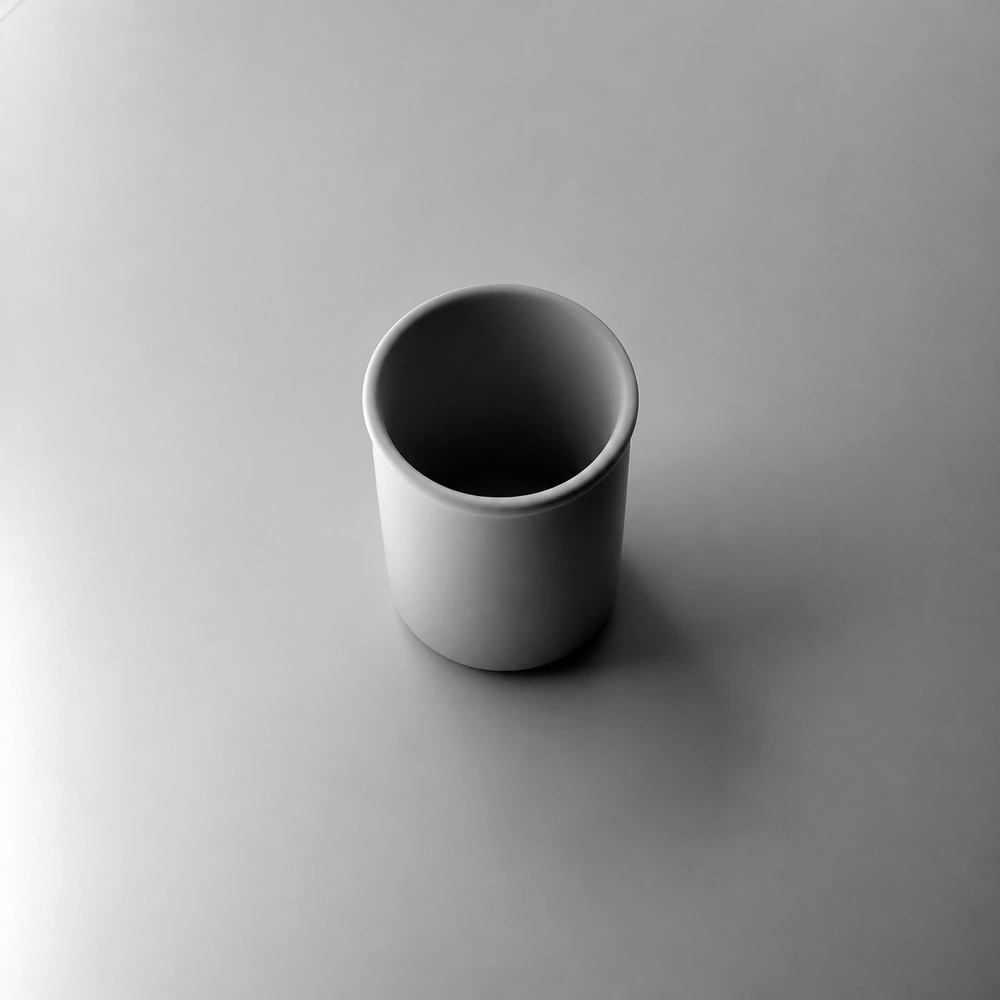
What could be blander than the ubiquitous white cup? A trusty denizen of kitchen cupboards, bedside tables, and office desks, this basic container is everywhere to be seen, yet barely observed in the bustle of everyday life.
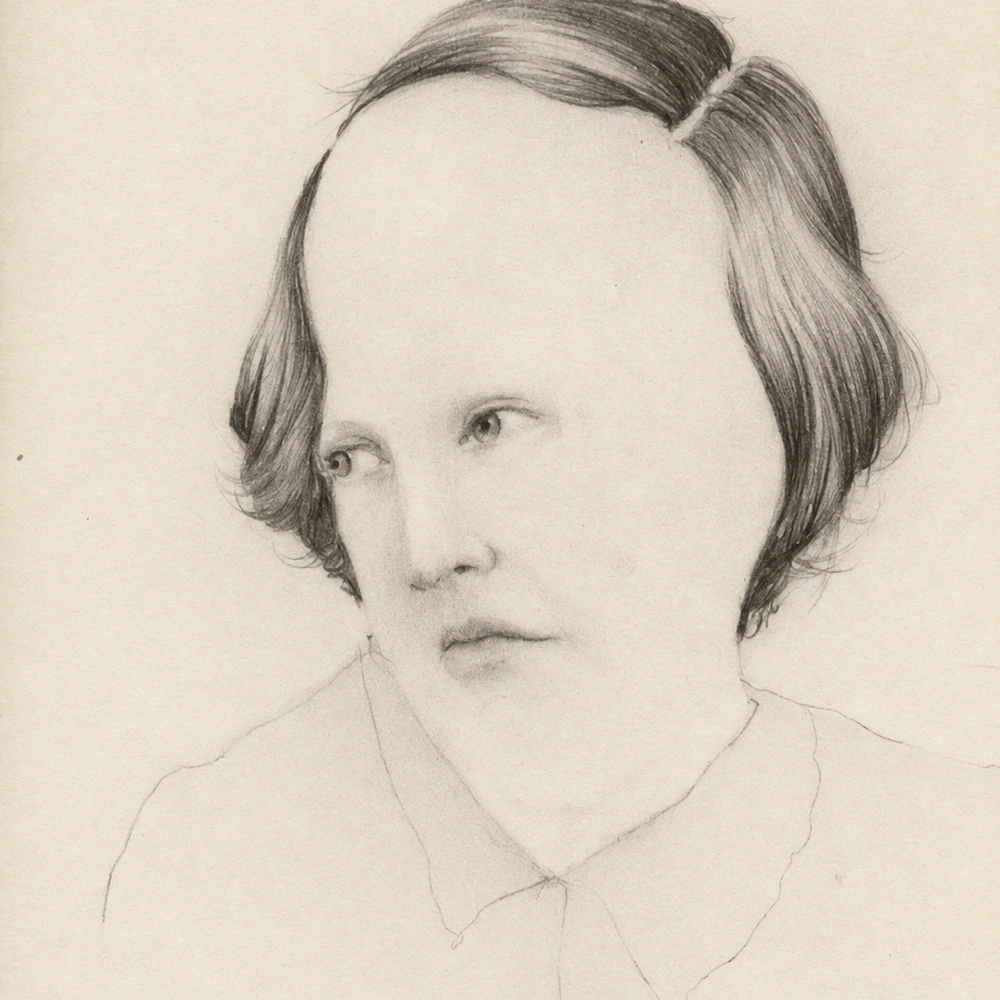
This profile of Aris Moore is part of an ongoing series of interviews with figurative artists across the United States who have appeared on Figure50.com, a web project operated by local artists James Oberschlake and Kim Rae Taylor. Aeqai will be posting select interviews by Oberschlake and Taylor as part of a regular, if occasional, series throughout the year, and is Aeqai’s newest regular feature.
Though the idea of automatons had been present in mythology for centuries, the term “robot” wasn’t introduced to the public until R.U.R. (Rossum’s Universal Robots), written by Karel Čapek, debuted at Prague’s National Theater in 1921. His play popularized the term, but Karel credits his brother Josef, a noted Czech painter, with its invention.
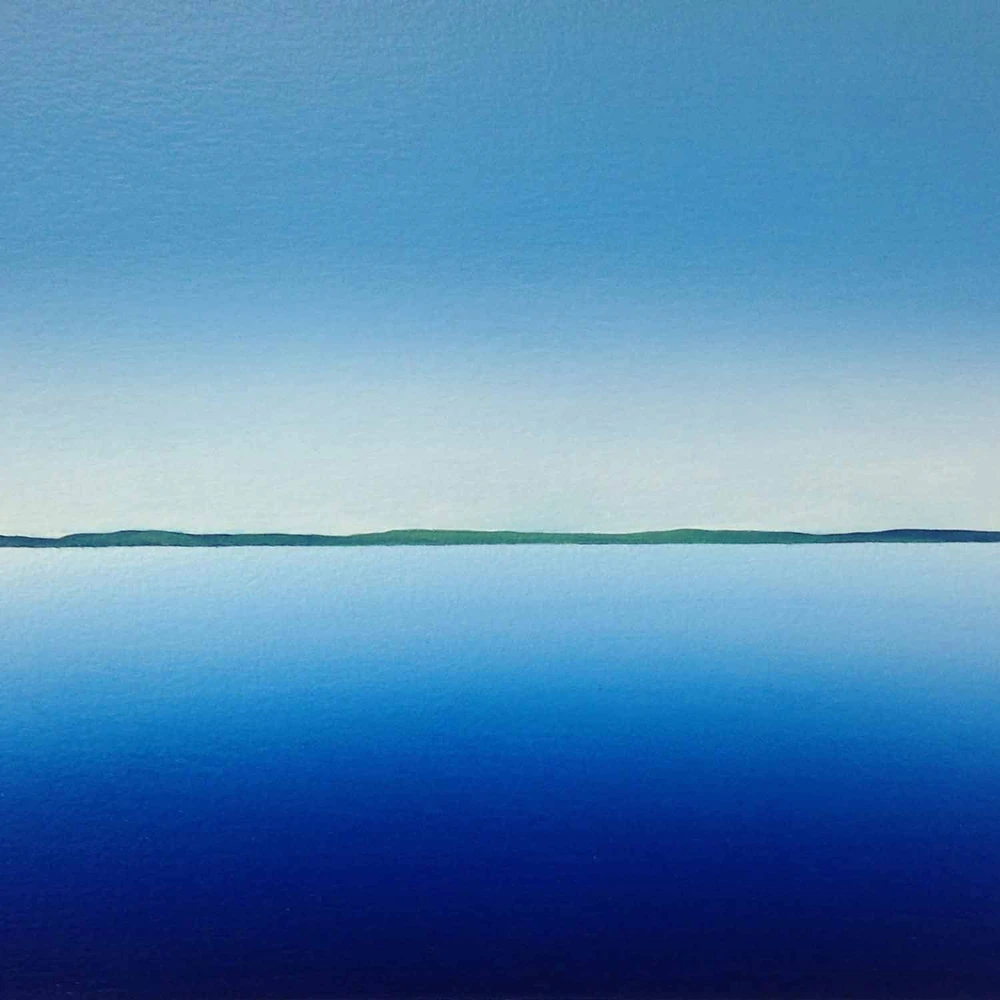
Kevin T. Kelly’s studio is deep in the Essex Studios building in Walnut Hills; he met me at the Essex Street door to lead me through multiple corridors to his space where the north wall is all window and the clutter all has meaning. Any studio is cluttered if real work goes on there, and the north light is a benign presence.
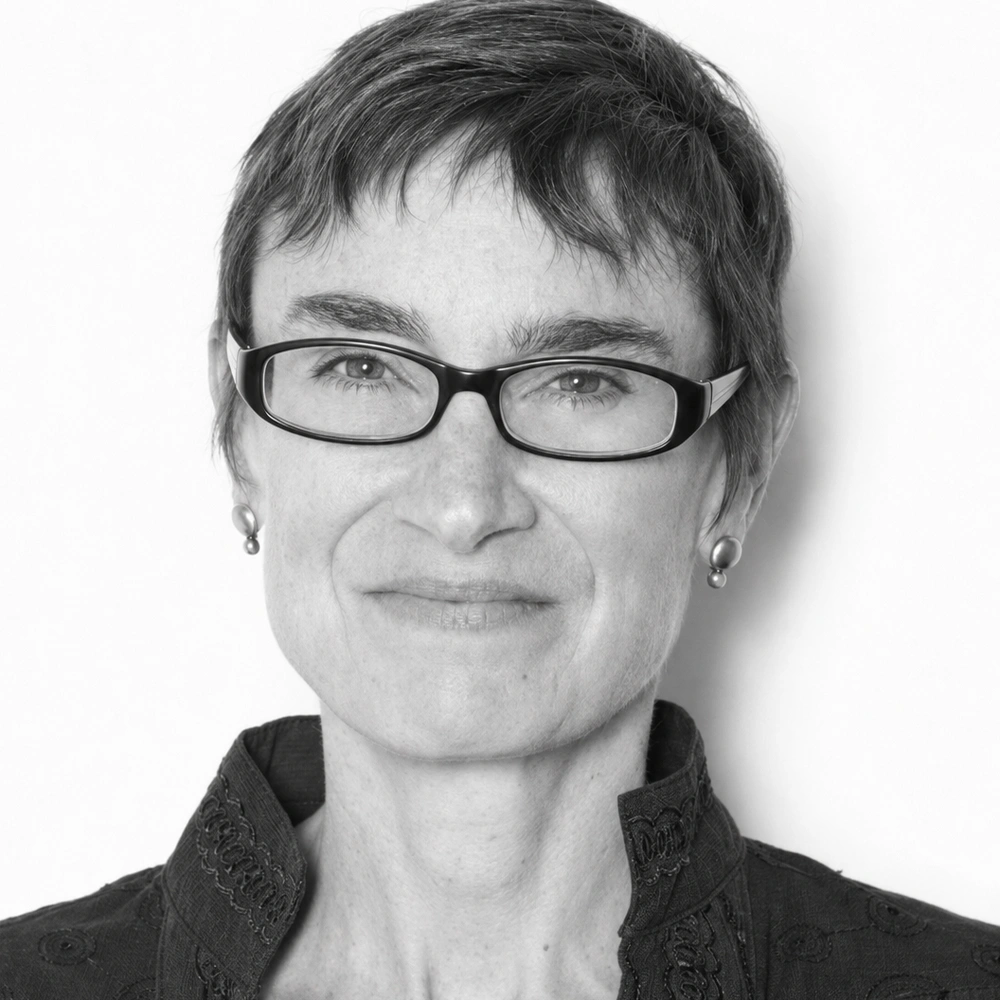
Kate Bonansinga is Director of the School of Art at the College of Design, Art, Architecture and Planning at the University of Cincinnati. After growing up in Cincinnati, she left to attend college at the University of Michigan and the University of Illinois at Champagne-Urbana.
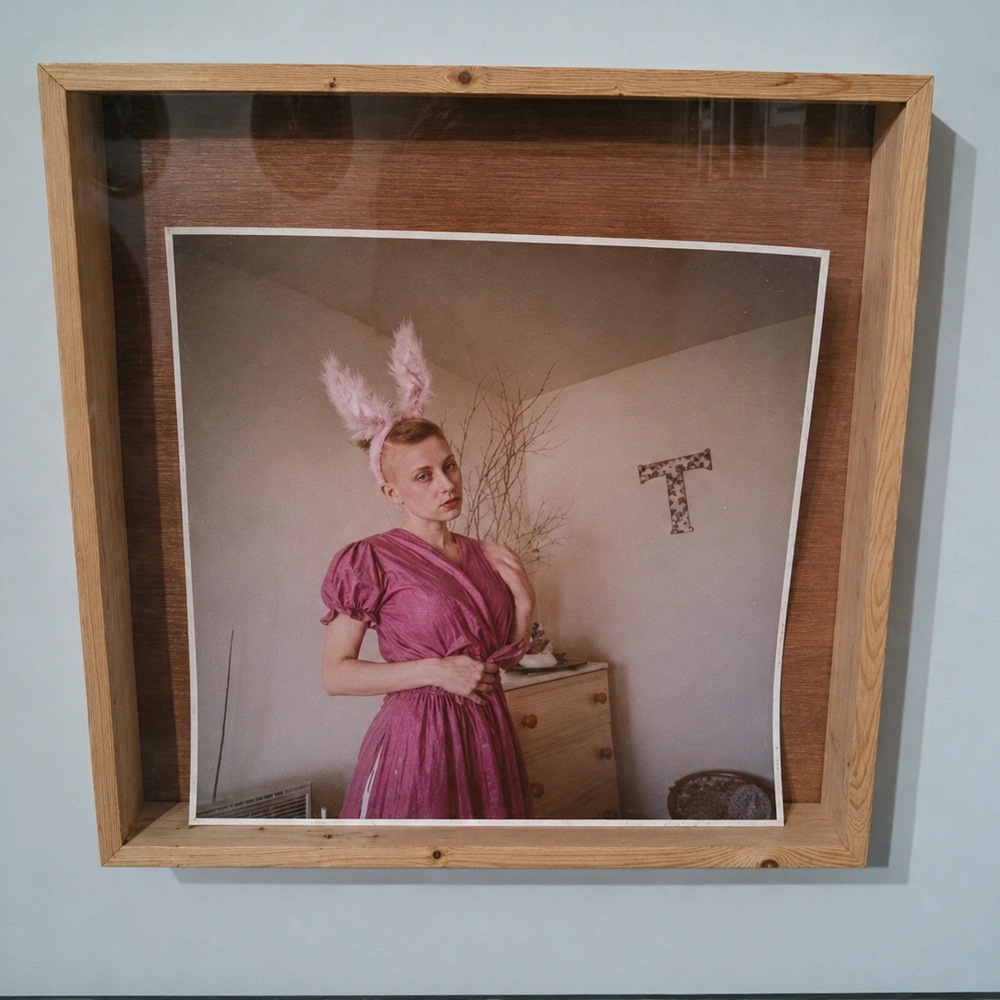
I mean, sure. I’ll go to a photography exhibit with my friend, who happens to also have been my wedding photographer. In a time when everyone’s a smartphone-photographer and Instagram is everyone’s personal gallery, it’ll be refreshing to see a fresh take. Tableaux devoid of people I know. Carefully considered execution of previously unrecognized stories. You know—what’s commonly called “art.”
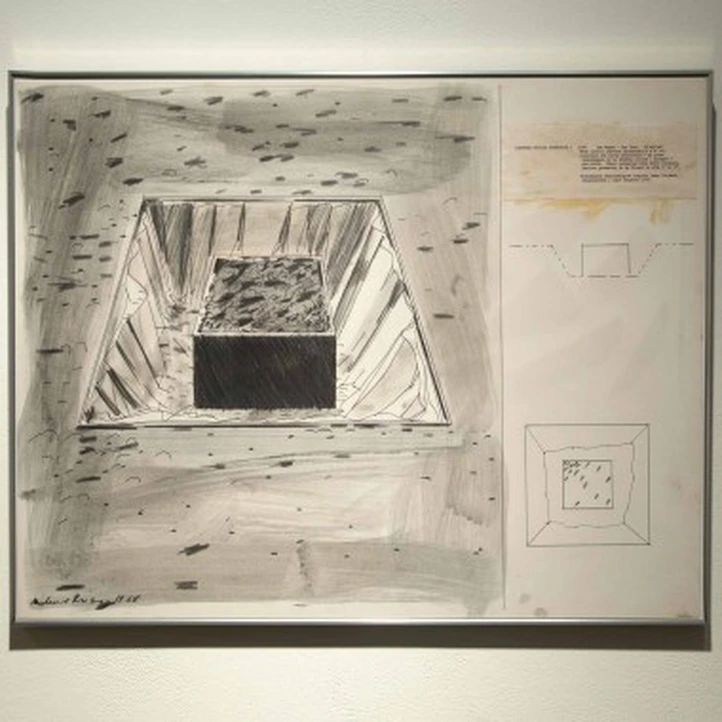
The exhibition “Selections from the Michael Lowe Collection” at the Art Academy of Cincinnati focused on the local collector and private dealer’s collection of Minimal, post-Minimal, and Conceptual art, with works dating from 1965 to 1987. The exhibition transported me back to my years in New York.