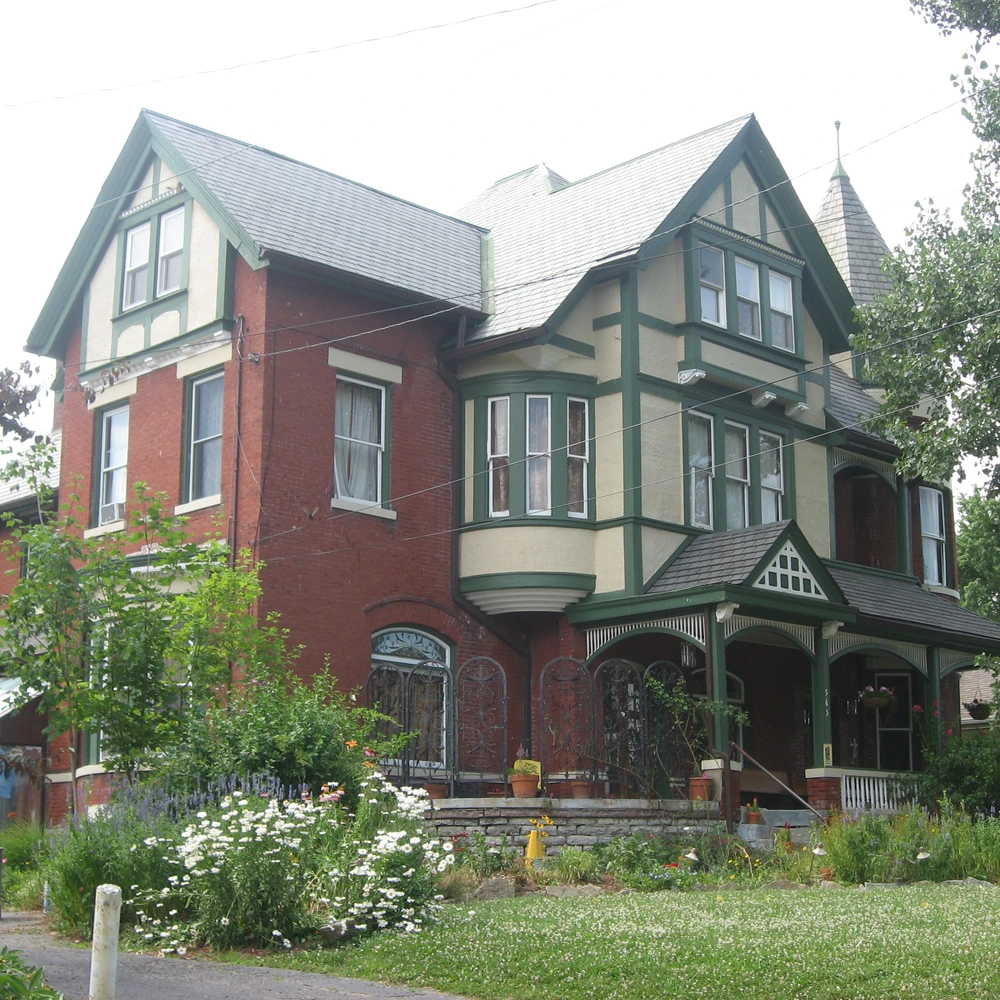
The Flats Gallery is easy to miss. Located on a nondescript corner in East Price Hill, the Mount St. Joseph-owned gallery is currently hosting “Elder High School Alumni: Art & Design.” The exhibit shows off some of Elder High School’s most successful graduates, including big names like cartoonist Jim Borgman.
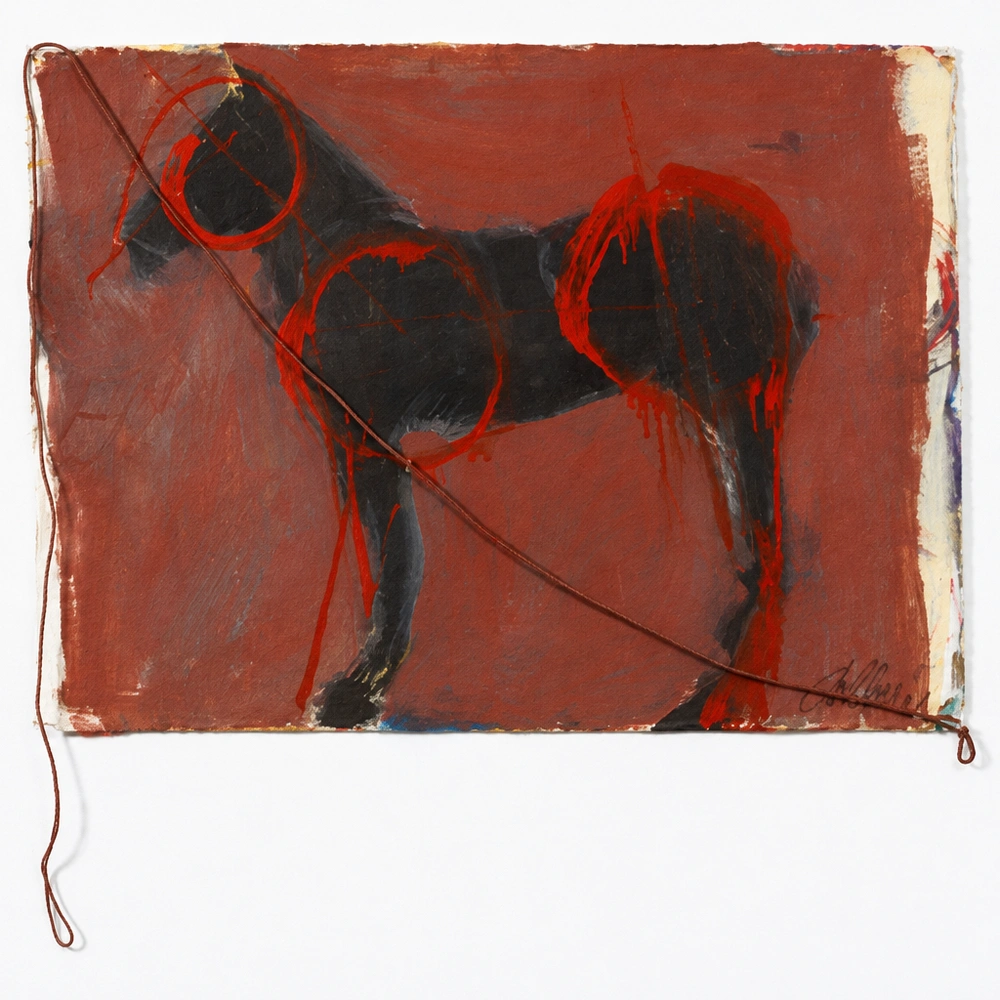
One feels the unlocking of something amidst Barbara Ahlbrand’s paintings. Energy, chaos, tranquility. The atmosphere in the gallery at the Clifton Cultural Arts Center, where a new retrospective of her work titled Encompass: encircle: embrace is being displayed, is simultaneously serene and chaotic.
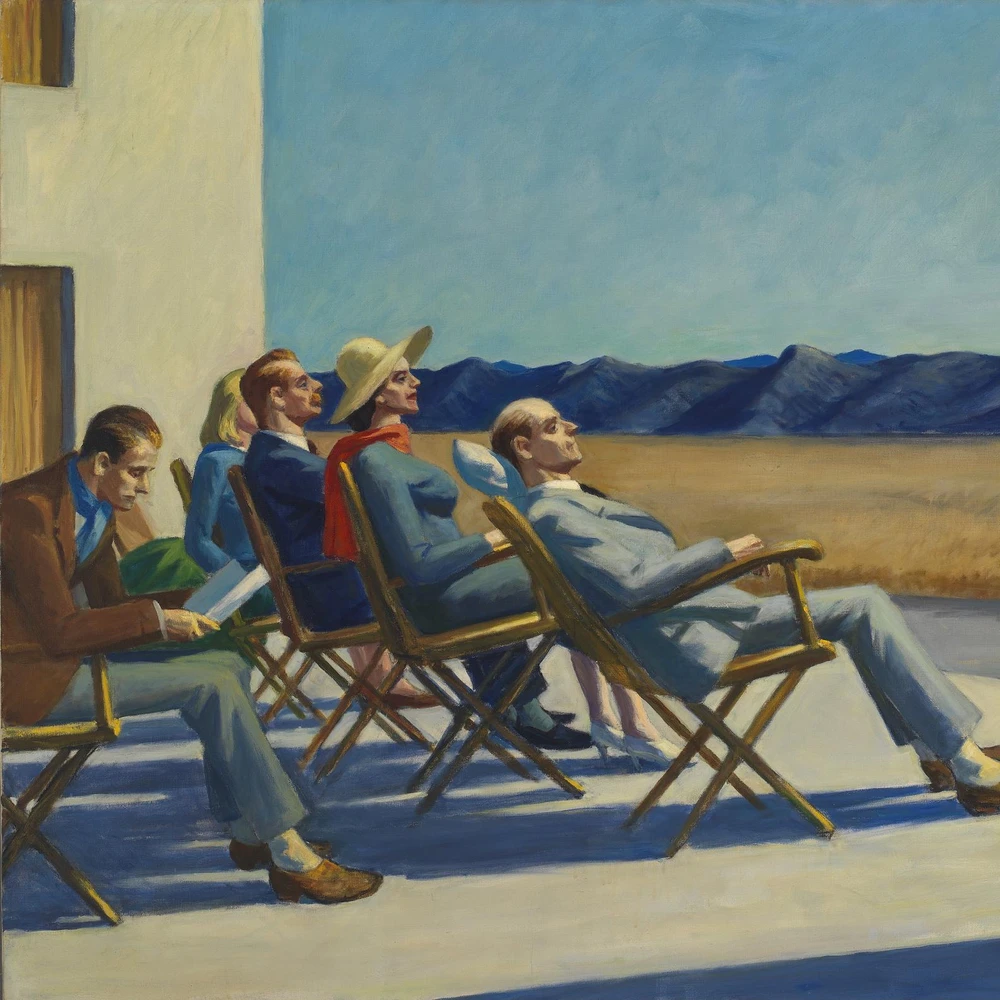
We lived in The District – Washington, D.C. (District of Columbia) – when our youngest child went off to kindergarten. I went right down to the Smithsonian and said “I volunteer.”
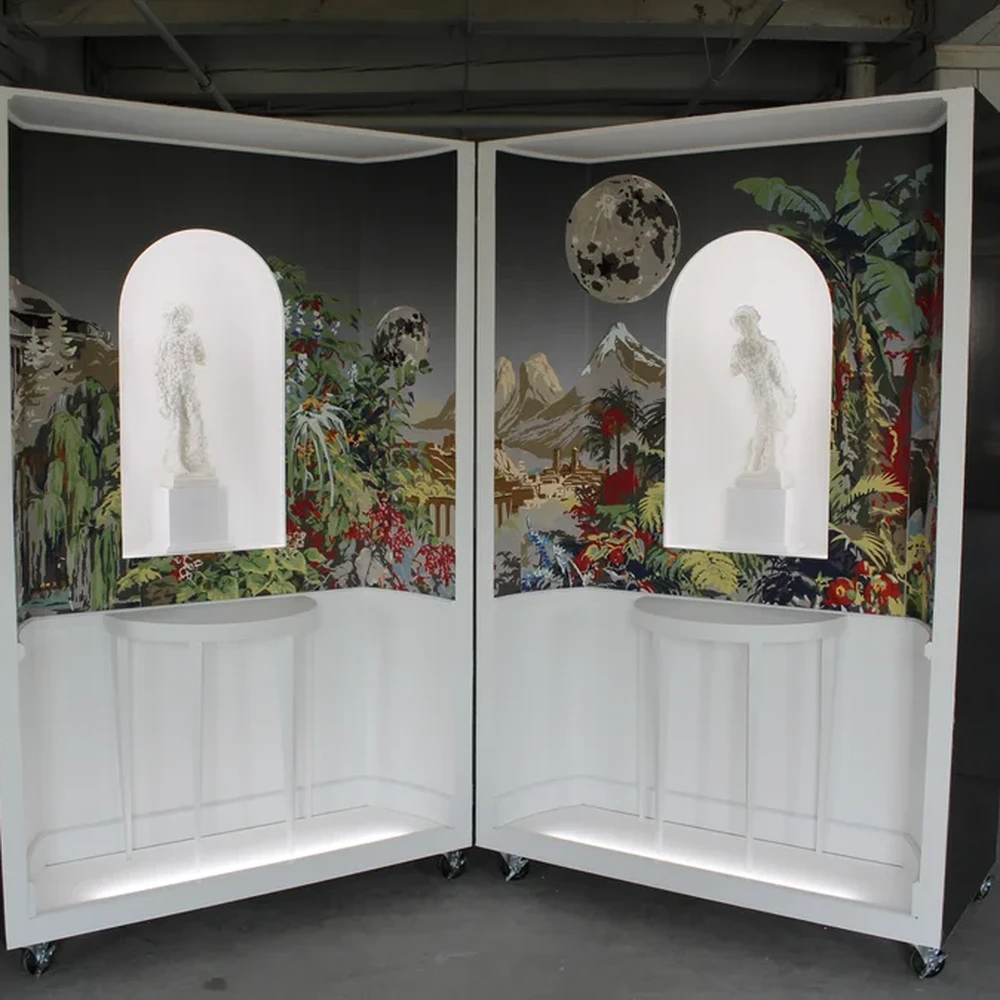
Katie Parker and Guy Michael Davis live a life that’s an intriguing combination of postmodern and ancient. Even as they work daily to innovate with ceramics and multi-media decorative arts, they also revel in the timeworn techniques of firing clay in kilns and conjuring new glazes to suit their vision.
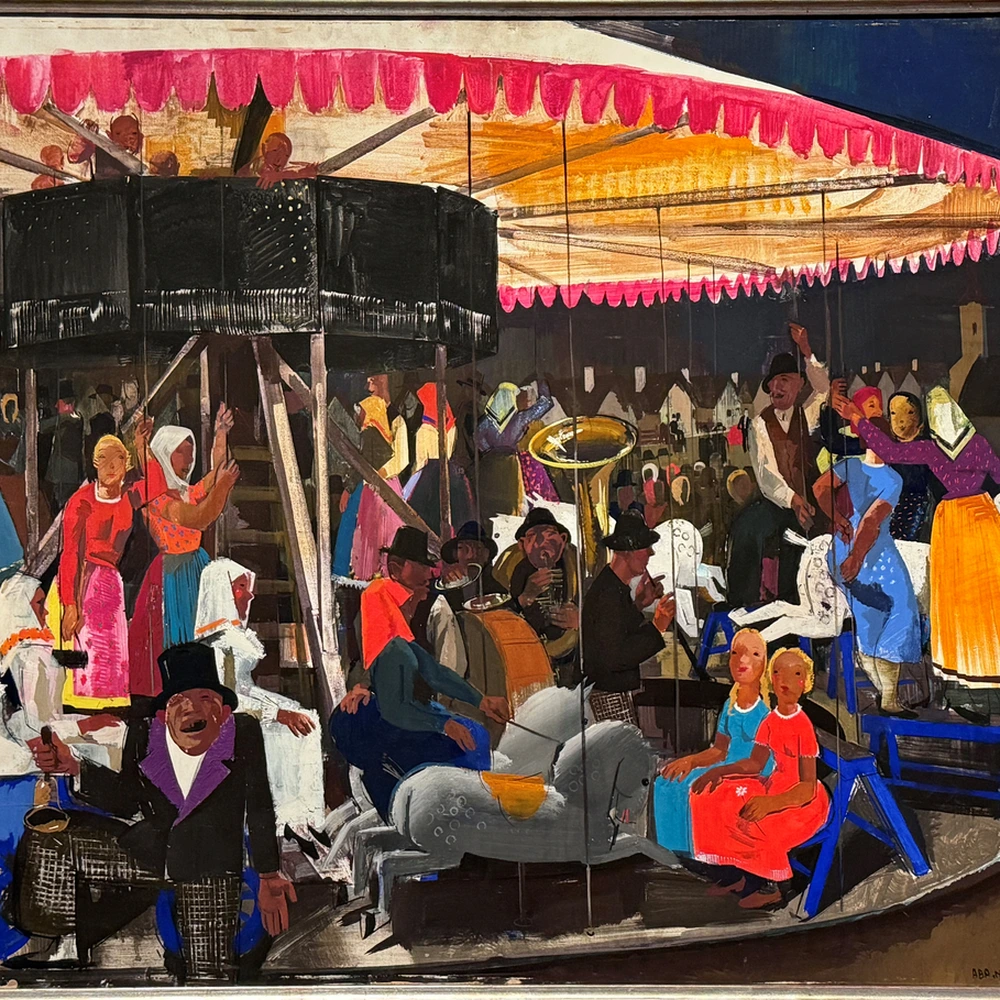
Four poems by Huck Fairman: an early morning carousel, a railway signal light in a northern forest, a letter to someone who has shut the door, and a black sonnet about despair and art.
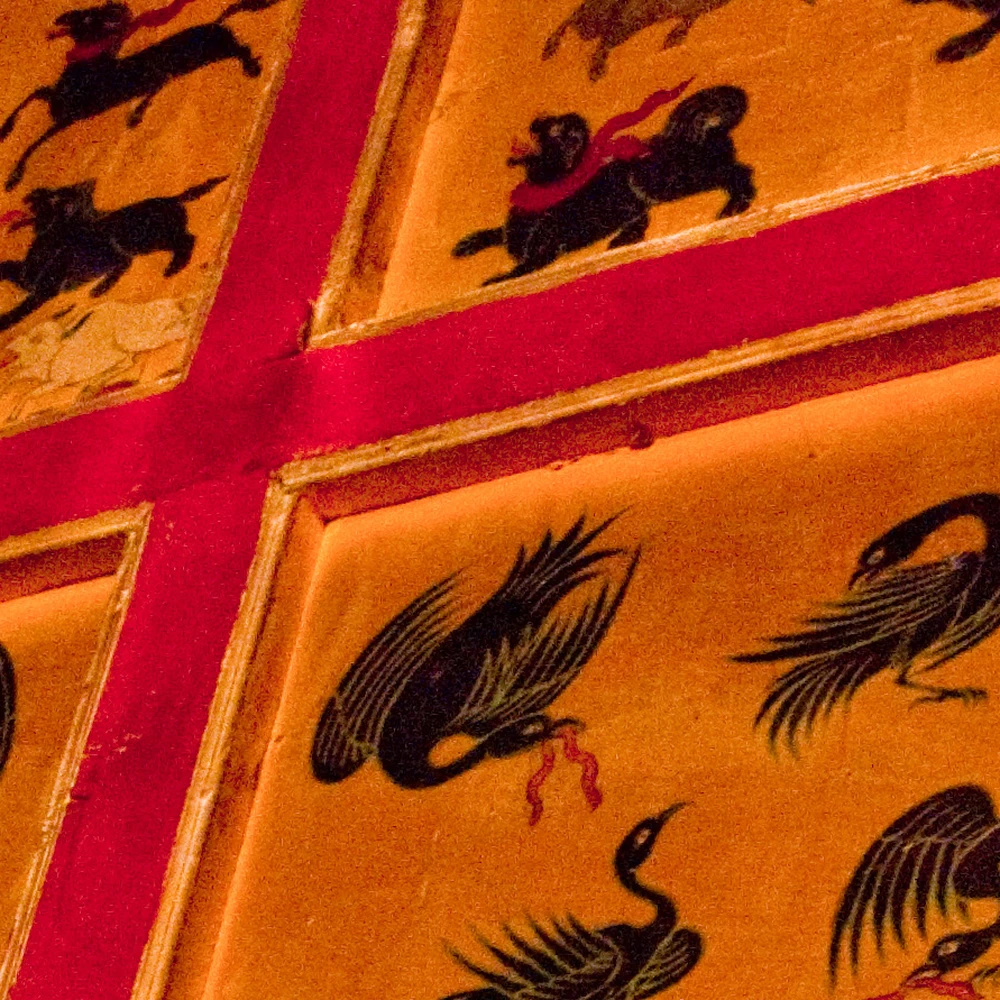
Three new poems by Maxwell Redder: “Gold & Yolk,” on watching Myles die and the winter sky that breaks open afterward; “Framing on Liberty,” on the MDF dust that drifts through a workplace; and “There is Humor,” a run of short observations on art, death and the city.
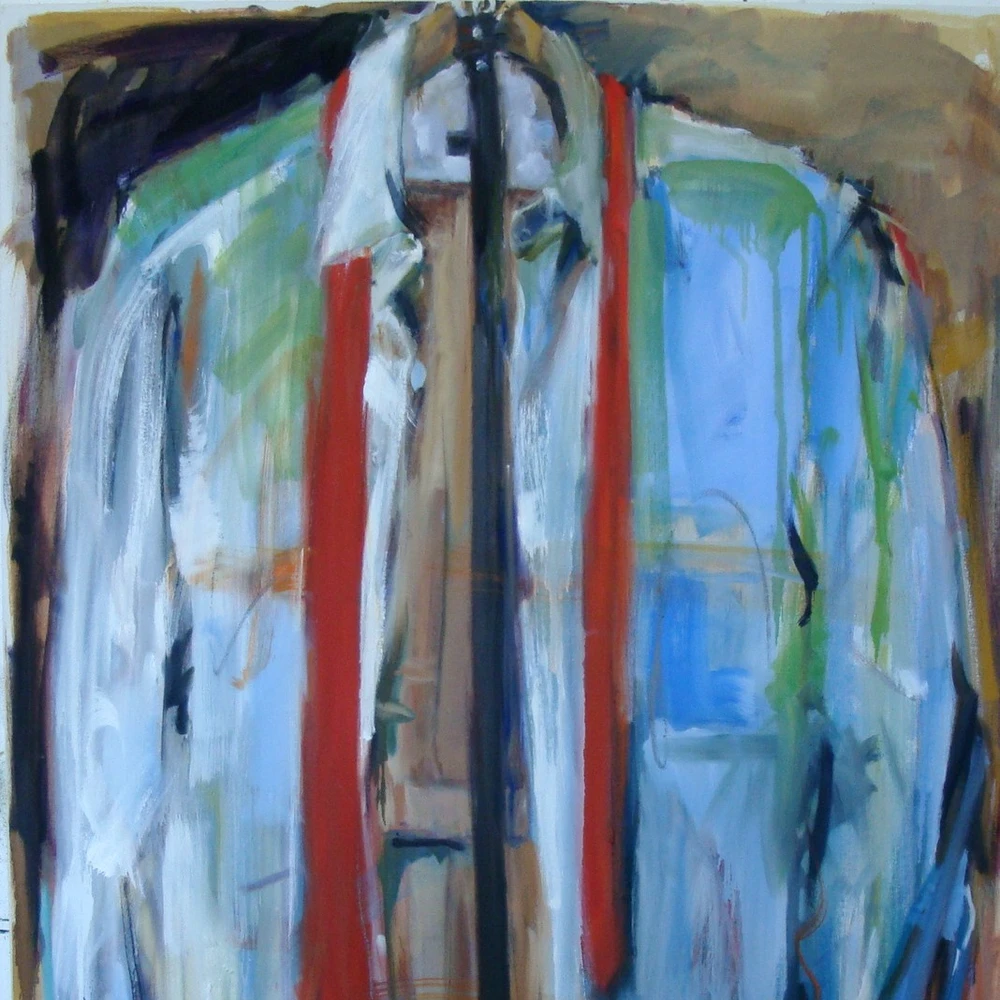
At 74, Barb Ahlbrand is still painting and exhibiting. She won Best of Show with the painting “Shirt 2” at the Golden Ticket Artists Exhibition at Clifton Cultural Arts Center in 2014. The prize includes a solo show, entitled “:encompass: encircle: embrace:” on display from March 20 to April 23, 2015 at the center.
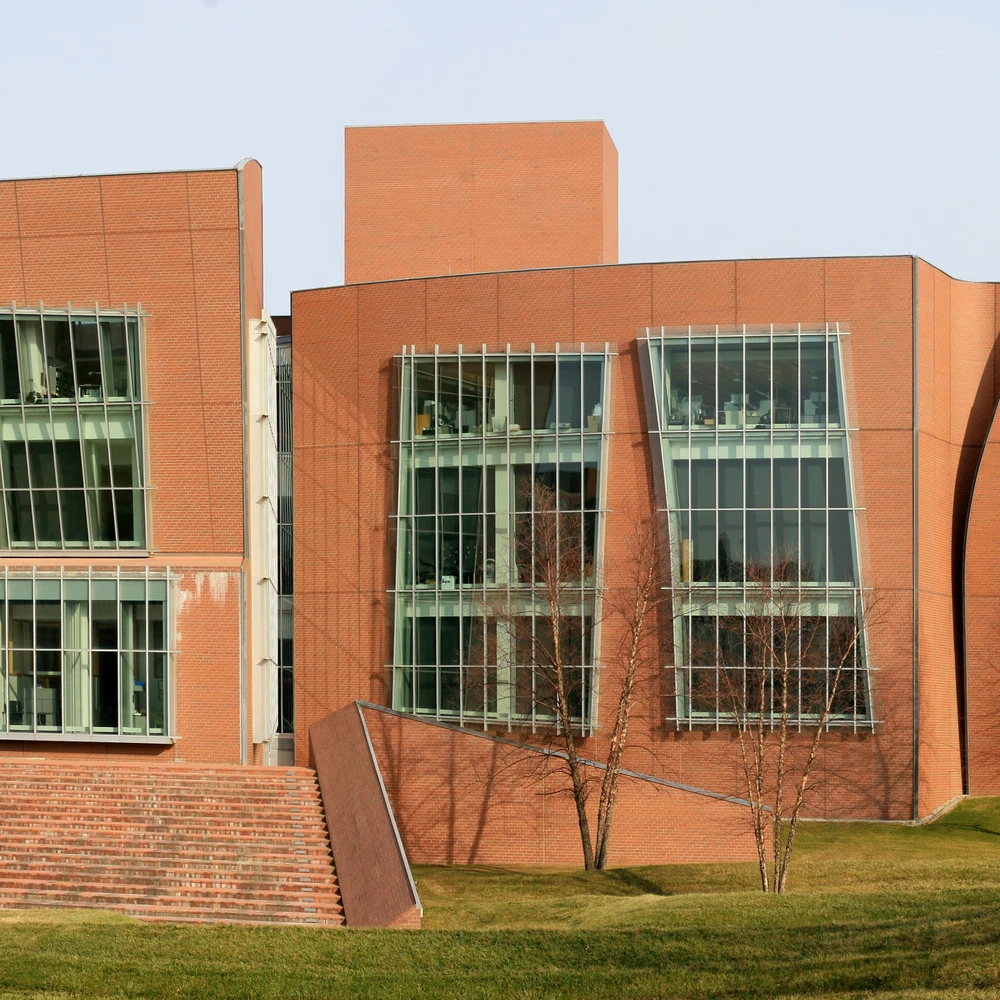
April has brought us better weather, and an ongoing plethora of first-rate exhibitions in the visual arts, as well as more new galleries, increasingly on the west side of town. The April aeqai is now posted, and here’s an overview of what’s in it.
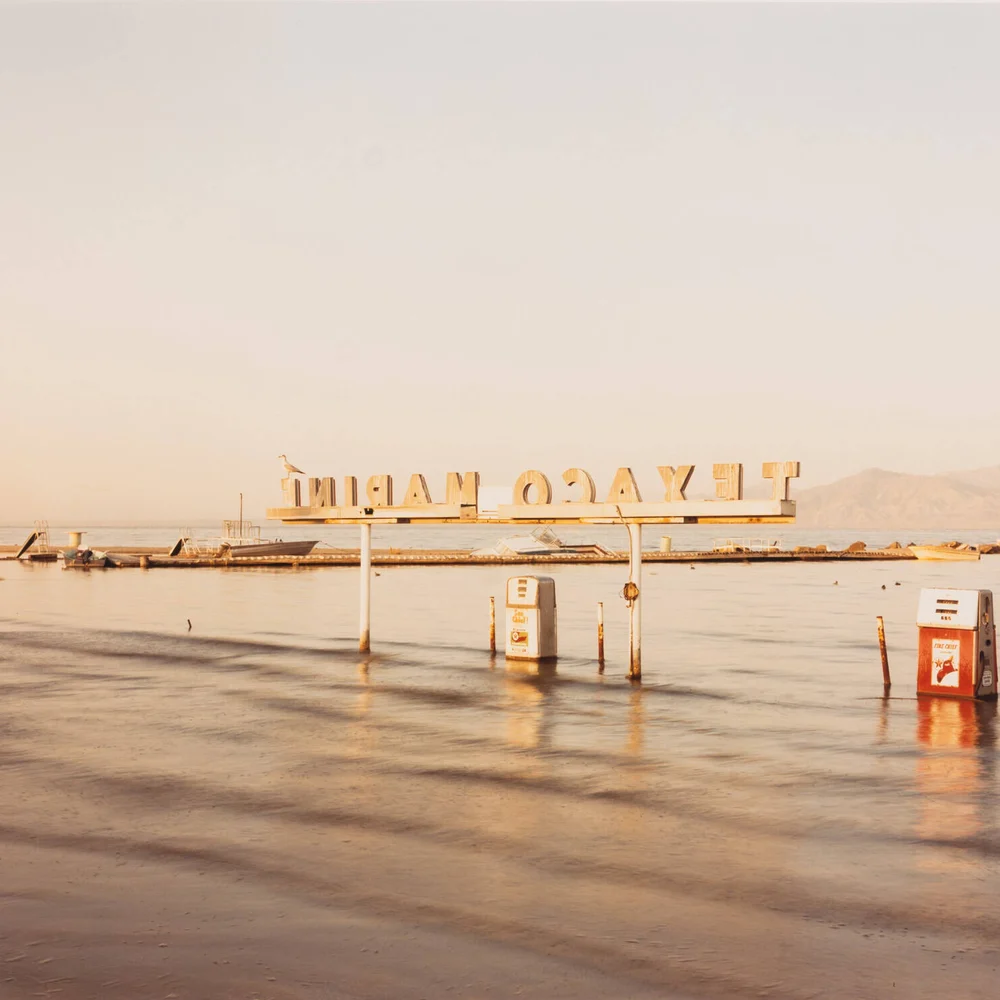
The art of photography changed forever in 1975, the year that William Jenkins curated “New Topographics: Photographs of a Man-Altered Landscape” at the International Museum of Photography in New York. The exhibit brought together eight artists who challenged the meaning of landscape photography priorly defined by the architects of photography as an art form—lensmen like Ansel Adams and Edward Weston.
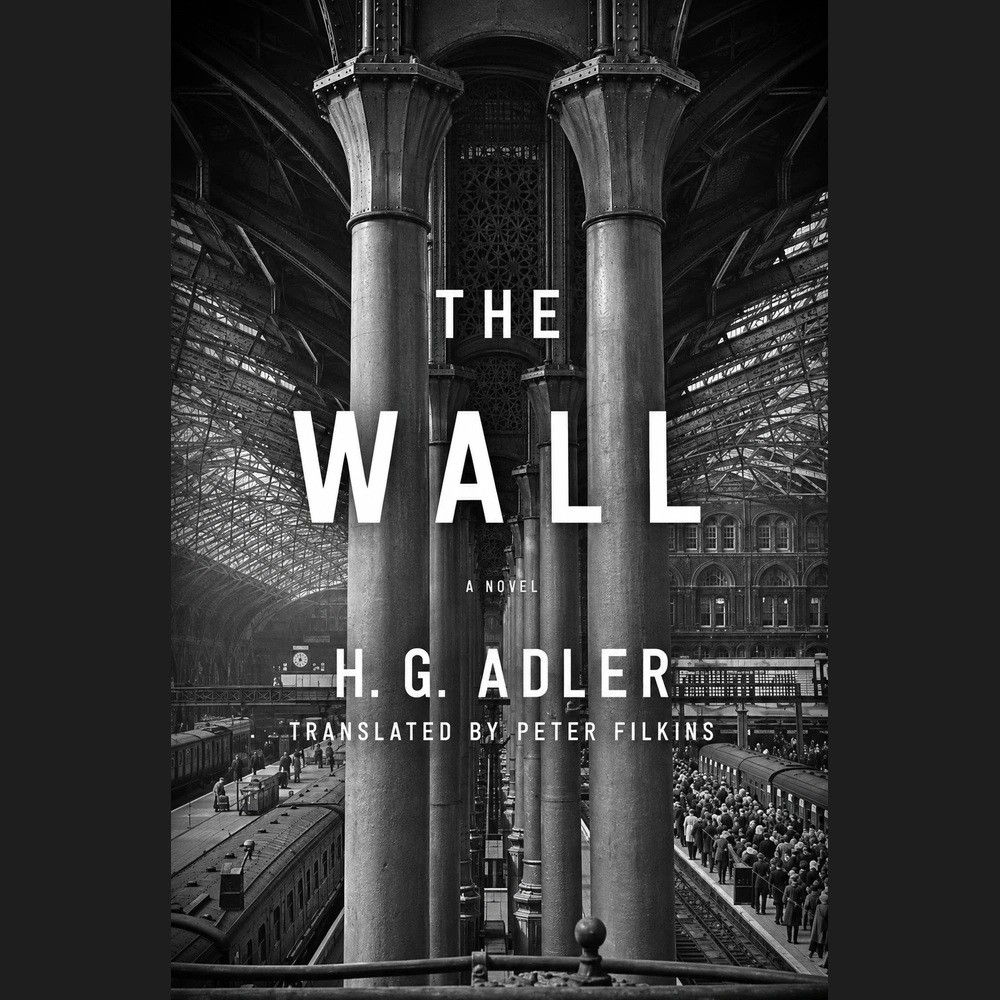
Little known in America, H.G. Adler is becoming one of the towering figures of modernist literature, and deservedly so. The third novel of his Holocaust trilogy, The Wall, was recently published in America. The reviewers who have written about this novel can only be said to be awestruck by it, and I’ve joined the ranks of Adler admirers.
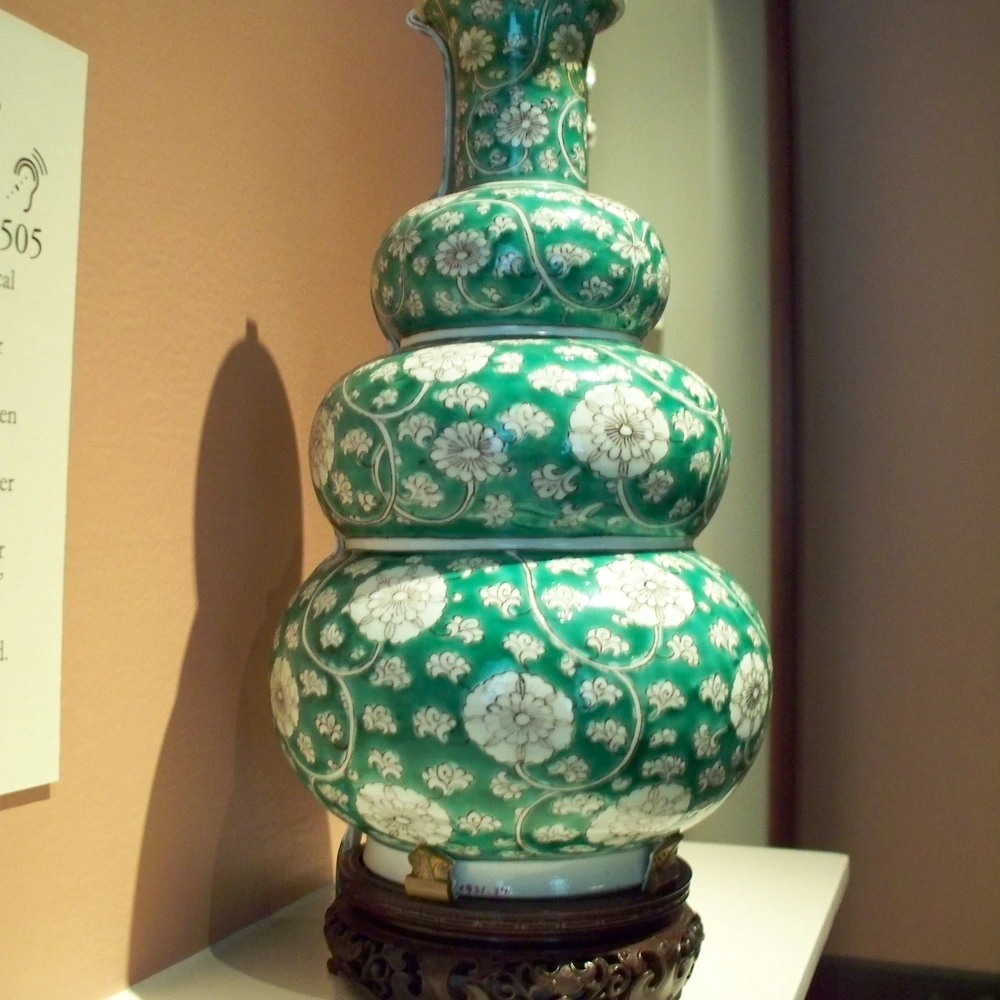
Surprisingly, there are solid connections between Jingdezhen, China and Cincinnati, Ohio. Taft Museum of Art, home of the Charles Phelps Taft family, now lists some 200 pieces of Kang Xi porcelain from this Chinese city, once boasting a million residents, all of whom were employed in some manner in the production of this most excellent form of pottery during the 17th and 18th century reigns of the Qing dynasty.
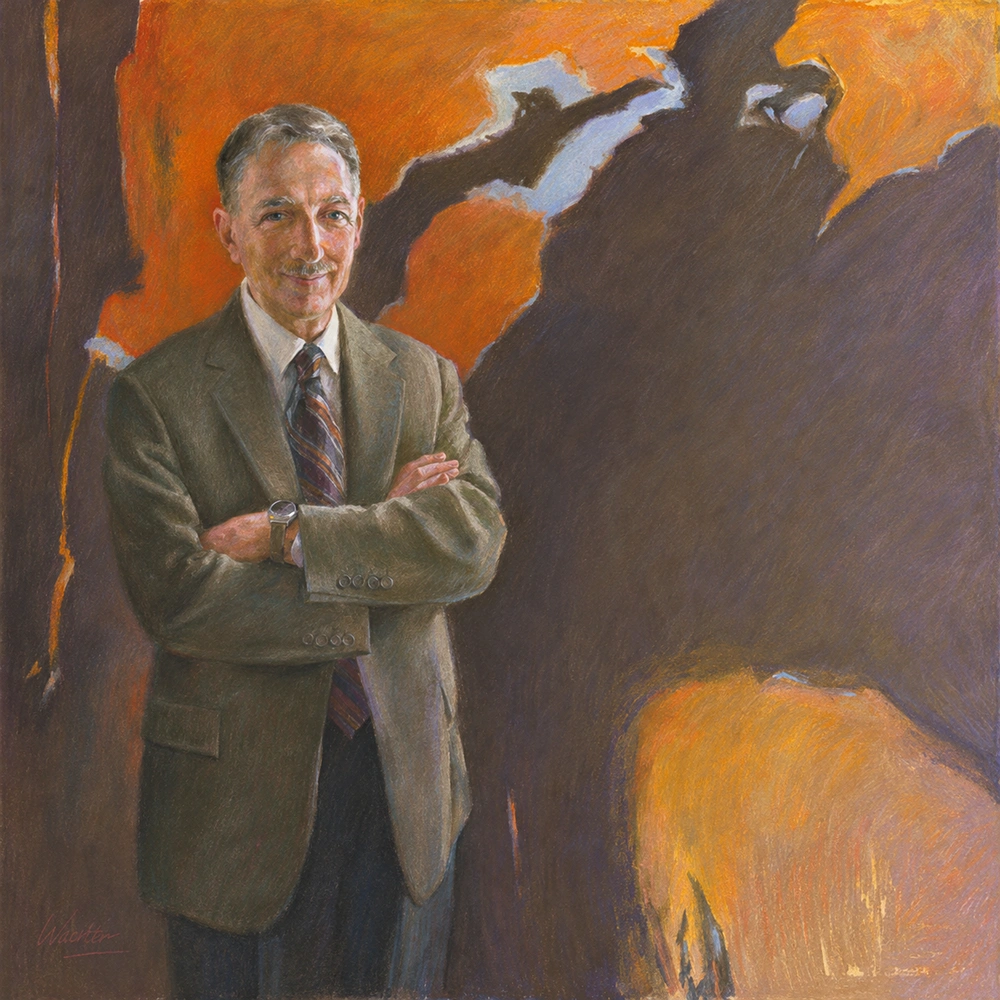
My recent visit to the Butler Institute of American Art included viewing the work of Ohio pastelist Judith Carducci. Carducci’s prize winning work is recognized for her good grounding in solid draughtsmanship and spot on sense of color, both attributes a product of years of drawing from life.
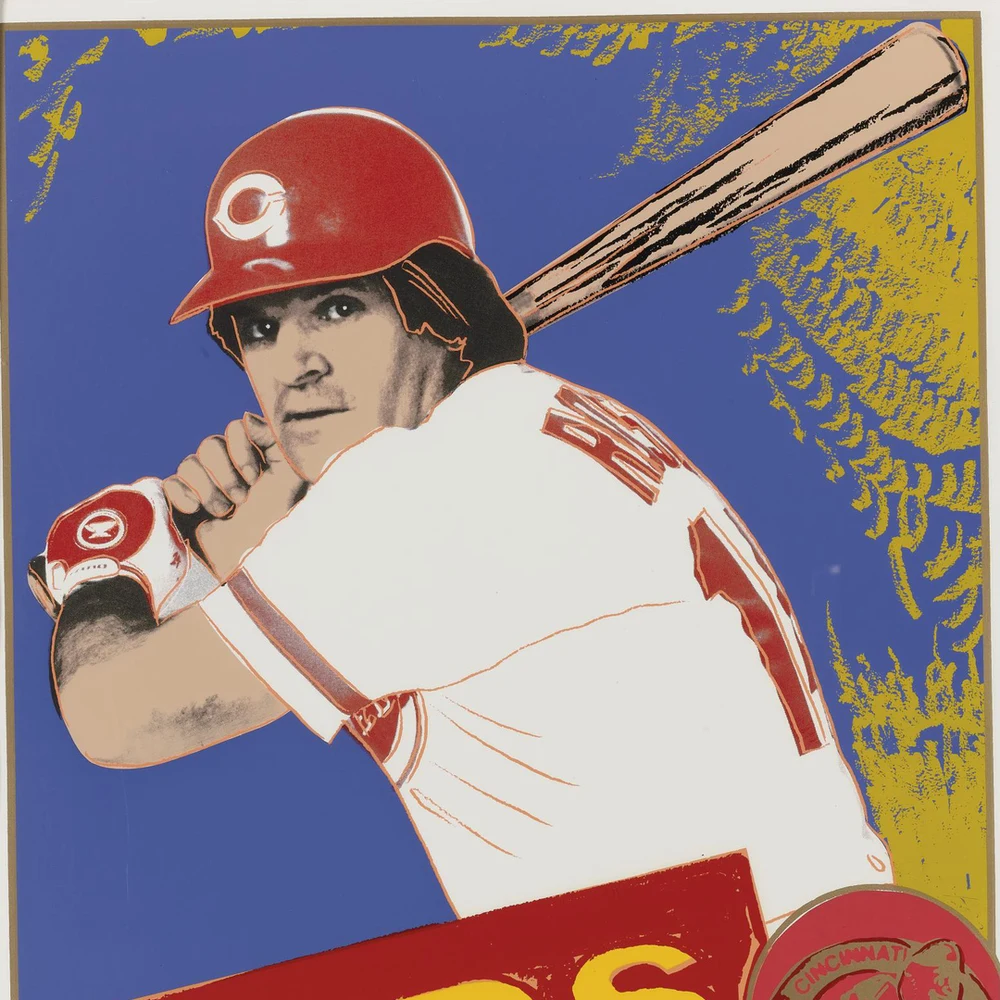
Andy Warhol didn’t know who Pete Rose was, and Rose didn’t know who Warhol was. They never met. Warhol chose the photo on which he based his now Cincinnati-famous screen-print from a selection of newspaper shots sent to him, because Rose couldn’t (or maybe wouldn’t) make it to New York City to pose for a Polaroid. When Warhol heard that Rose was a “switch hitter,” he giggled. Nothing better than a Warhol giggle.
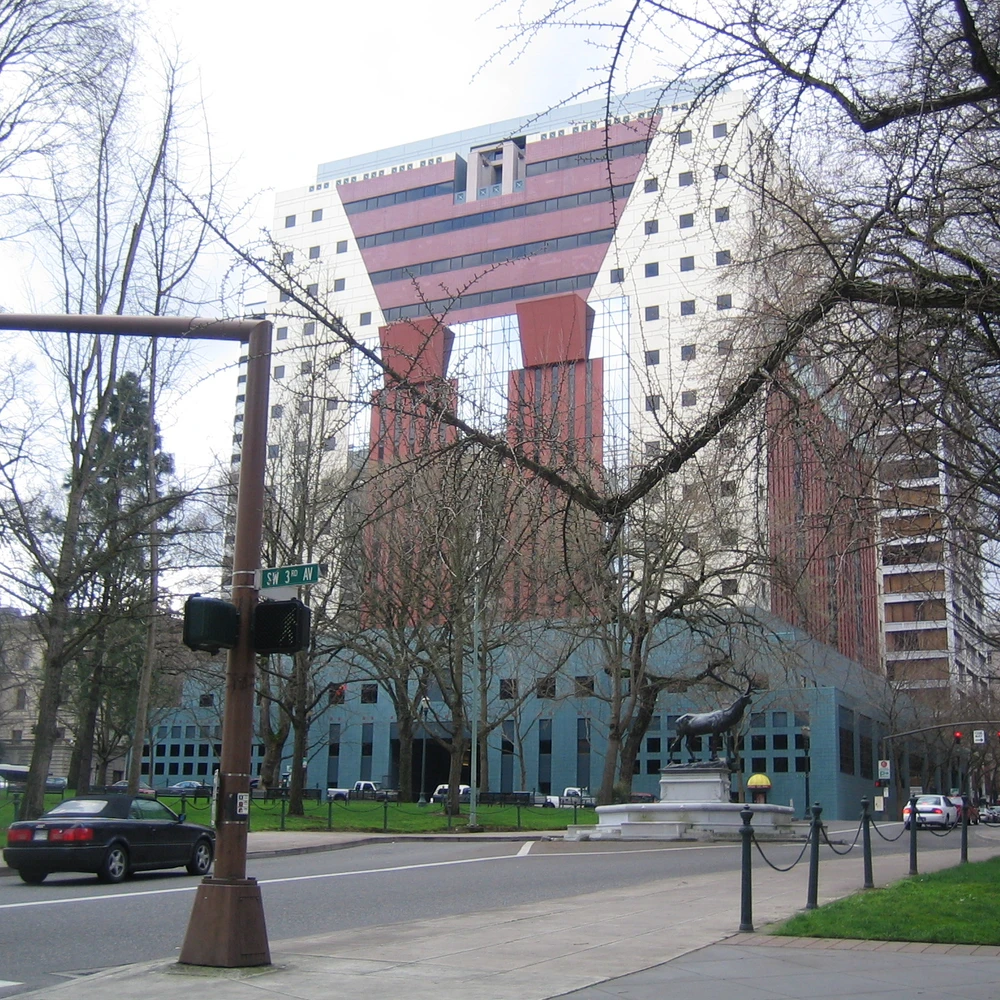
Michael Graves, the most celebrated graduate of the University of Cincinnati School of Architecture, died at his home in Princeton, New Jersey, March 12, 2015. Graves, who was 80, became widely known as a visionary architectural designer in the 1980s. His so-called Post Modernism style, along with Philip Johnson’s, electrified the public and started a shift away from the then-established tradition of International Modernism.
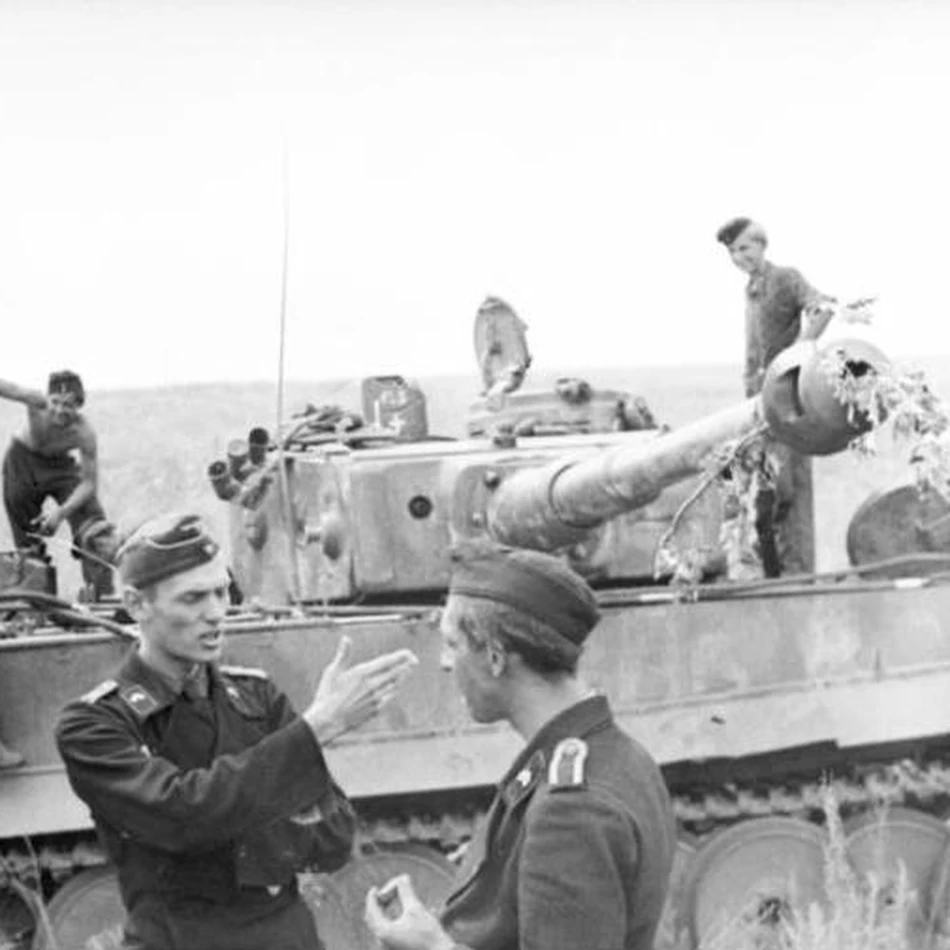
Albert Webb, born in Barbourville, Kentucky, spent his youth in the rural community of Rockholds. The son of a Vietnam Veteran and of a devoted mother, he received a strong patriotic upbringing.
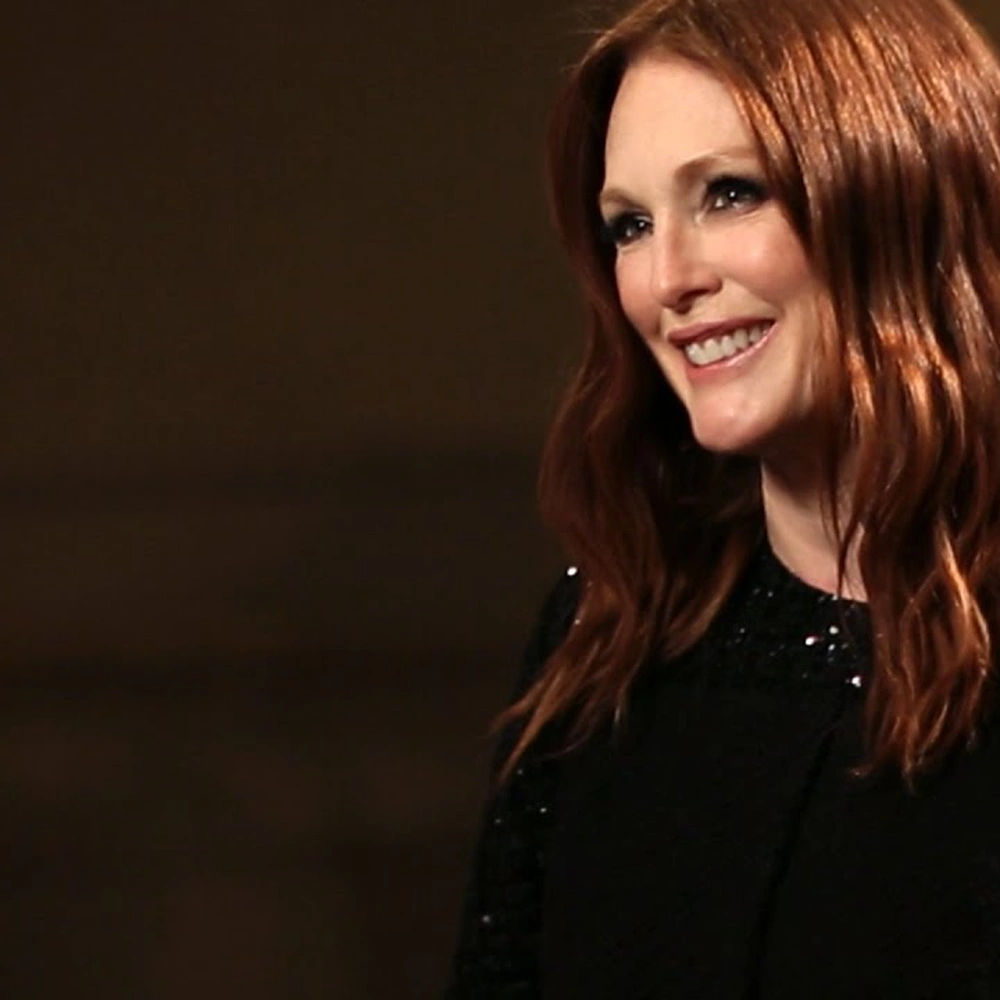
Karl Lagerfeld, head designer and creative director of the House of Chanel, serves as ringmaster in a circus of fashion shows and presentations which occur annually like clockwork. These include haute couture, ready-to-wear, and a myriad of other new product unveilings, all of which come with the territory of being a luxury fashion brand in the 21st century.
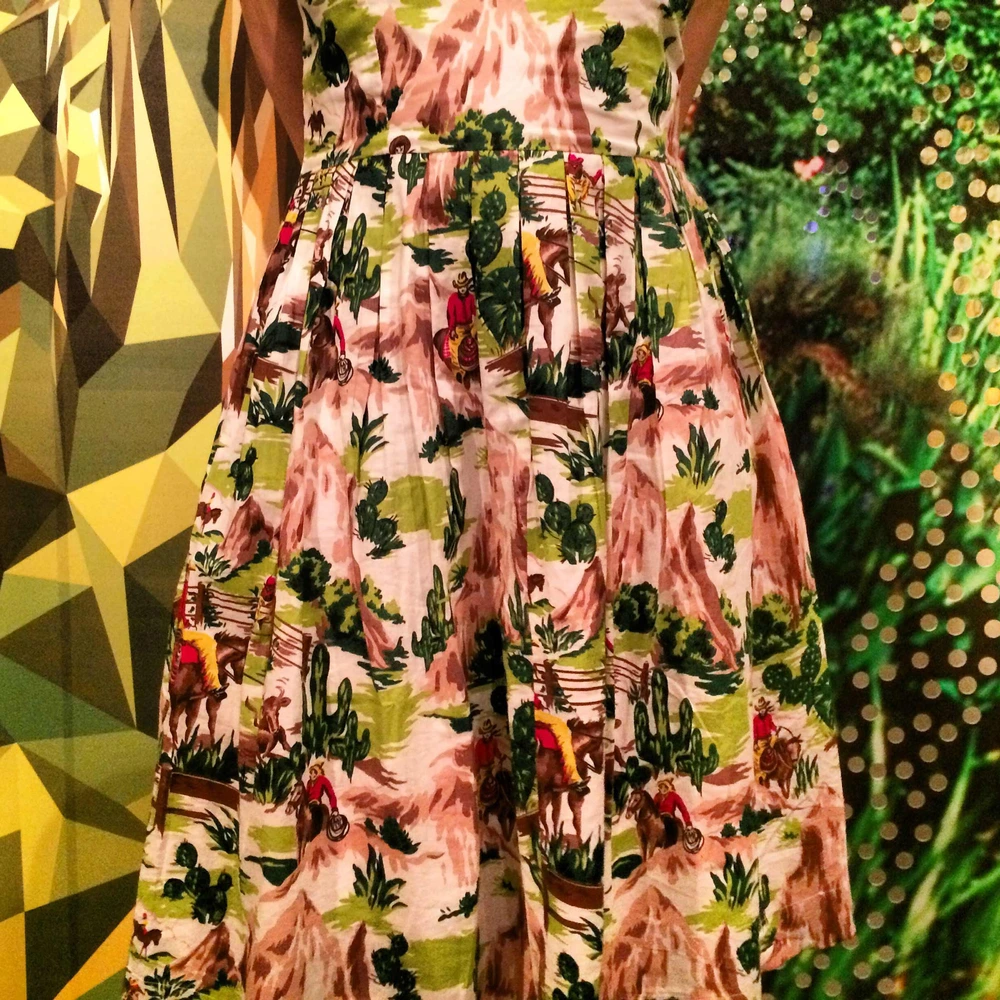
Looking past the light, and gazing deeply into the photography to discern the eyes, mouth, nose, and lips behind and was unable to bring the artist identity into focus. Albano Afonso choose to use light, not to highlight a strong jaw or sharp nose, but to blur the line of reality just enough to venture into the line between dream and reality that define surrealism.
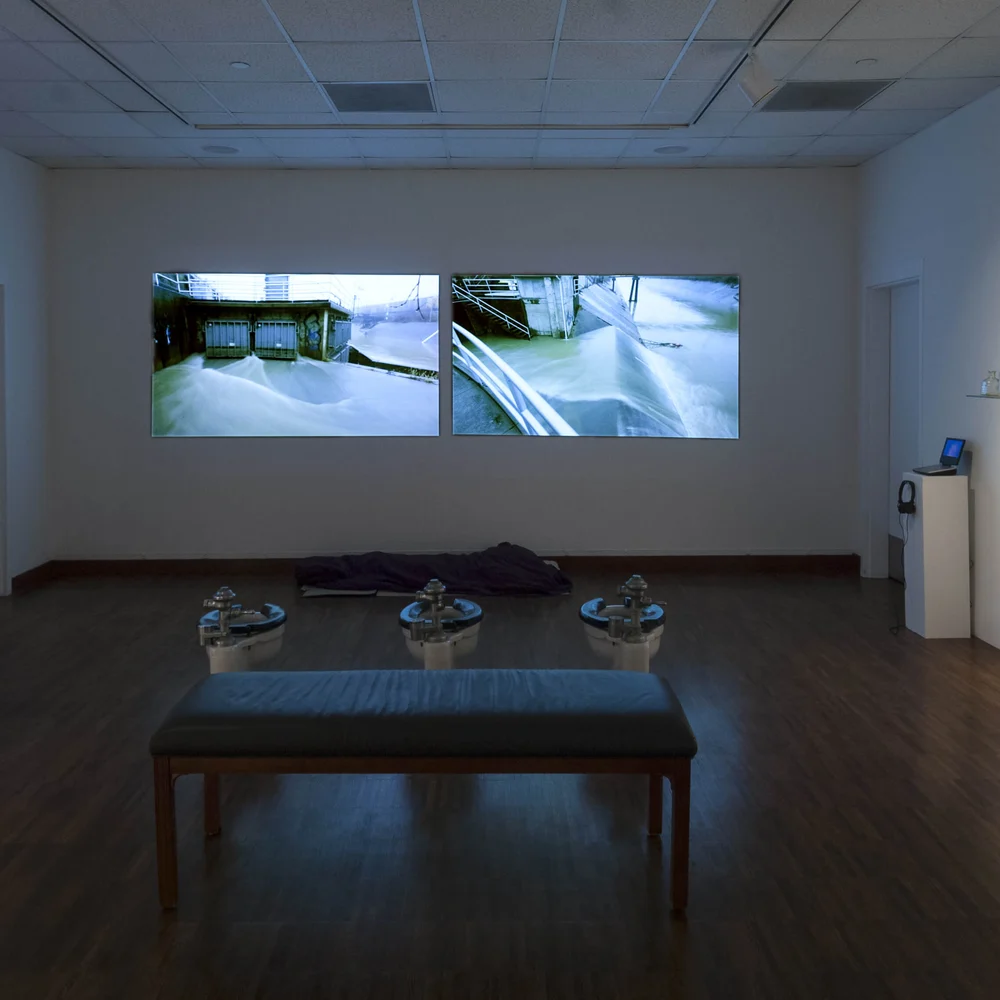
Christopher Hoeting is an artist and Cincinnati native who has curated several exhibitions here, including two shipping container-based shows in public spaces. He recently co-curated the exhibition “The Weight of Water: too shallow for diving” with Pittsburgh artist Carolyn Speranza at the Weston Gallery.
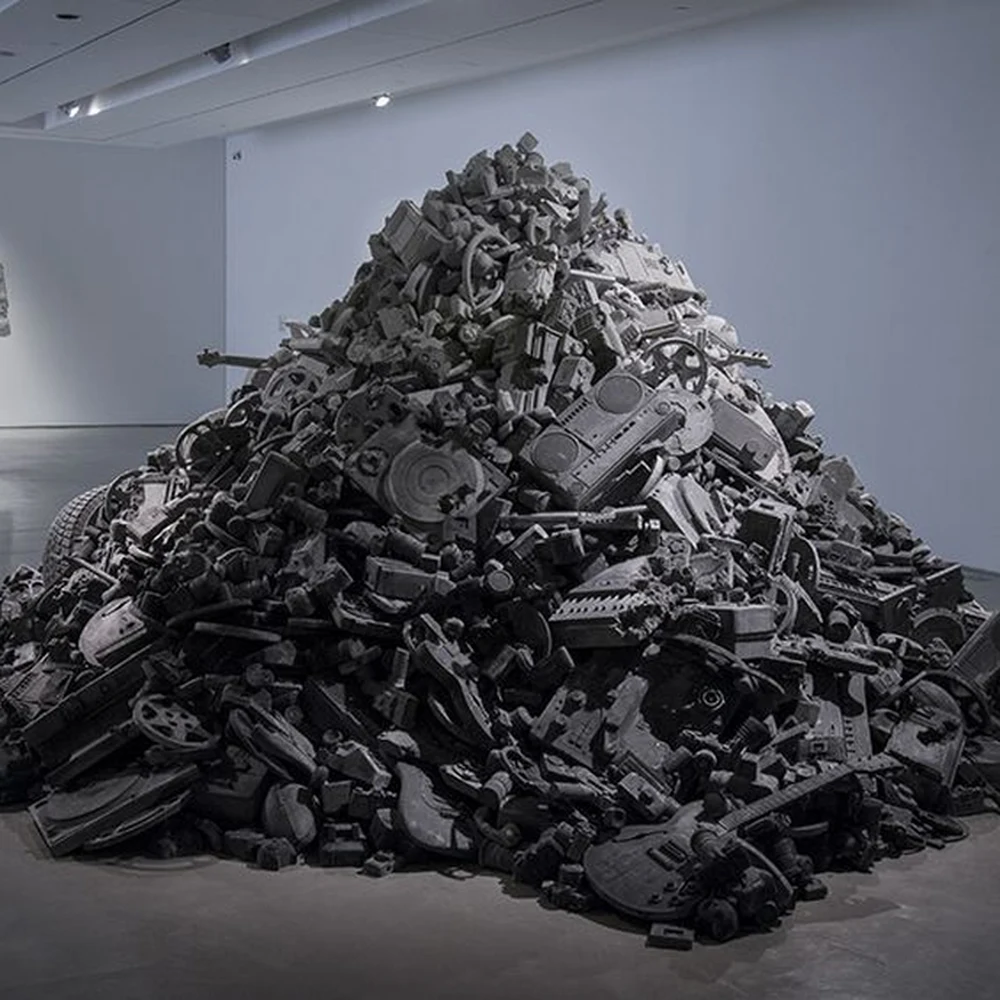
We are shaped by the events of our childhood and Daniel Arsham is no exception. During his youth in Miami, the house in which he lived came under attack from environmental forces and he watched as his home shuffled and shattered right before his very eyes.
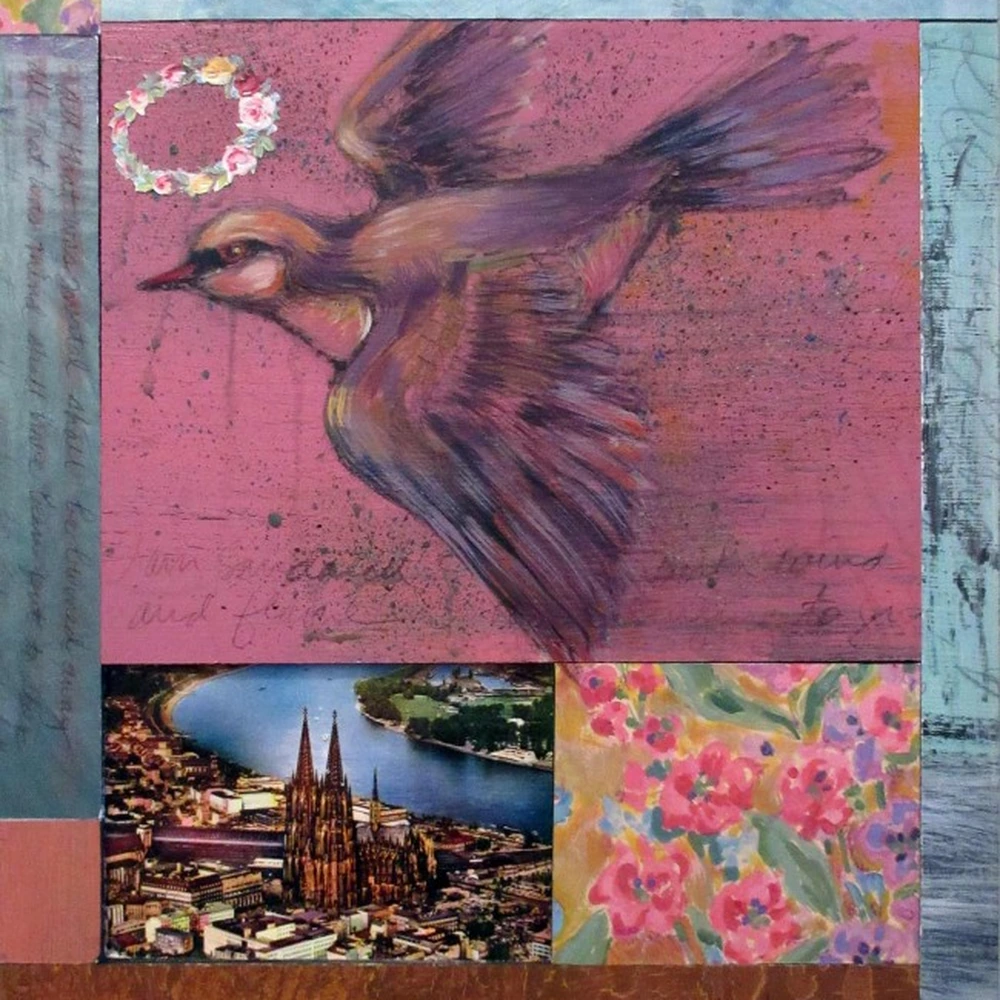
In addition to being an activist, artist, U. C. professor, director of the VA’s Pathology and Laboratory Medicine Service, and writing a monthly column for Aeqai (“Art for a Better World”), Saad Ghosn has found time to curate nearly 200 exhibitions. Many of them reflect his dedication to social activism and justice, and sometimes what the artist wishes to communicate overpowers the aesthetic content.
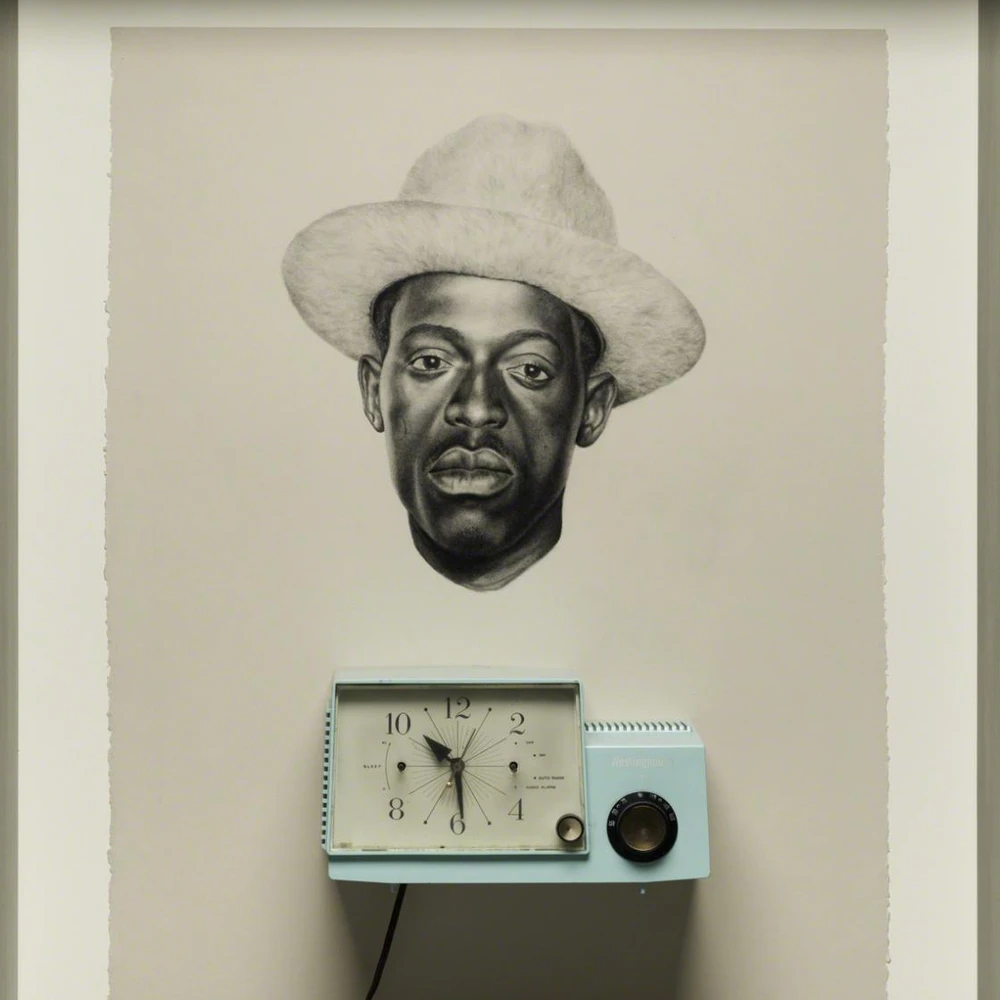
Going to Savannah during the off-season felt like walking on the beach during low tide; something was missing. All the lawns were still perfectly kept, the architectural gems were on display, and the restaurants served up warm dishes daily but without the numerous tourists who flock during the summer. The city felt smaller, private, and strangely more serious.
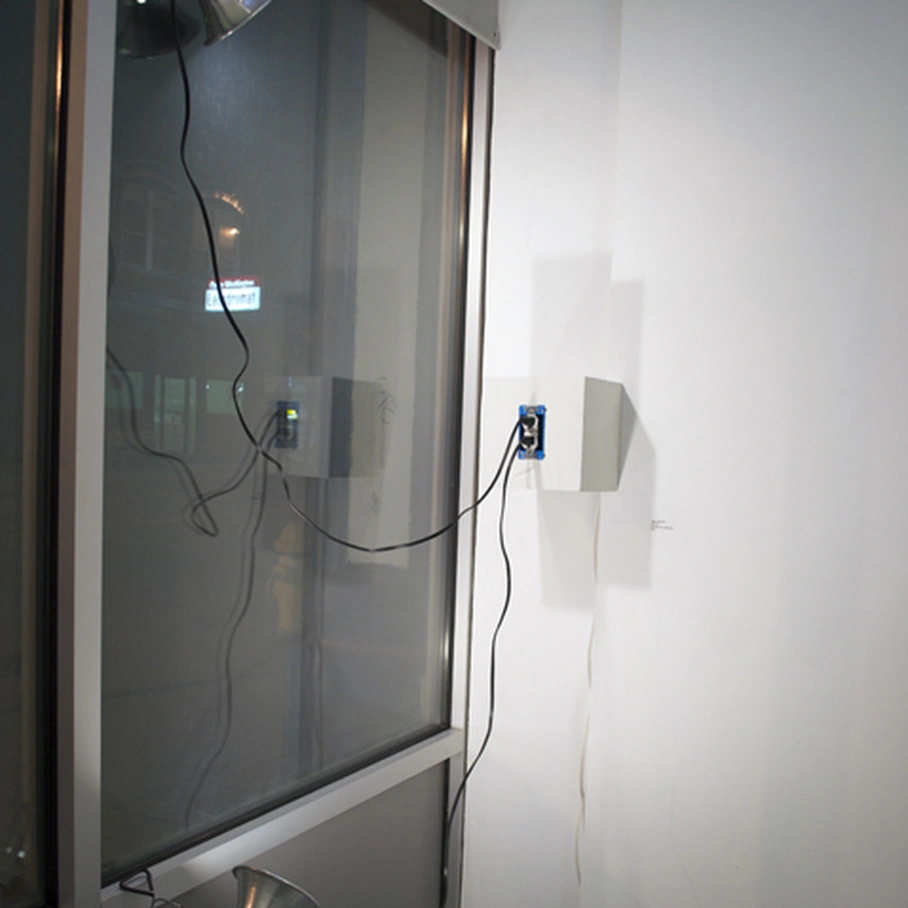
Entering a new space is always an interesting experience. Whether it is a friend’s home or public building, you are faced with the task of conjuring up conclusions about that person or place based off of the physical elements around you – the interior structure, the smell, the reverberation in the wood as you walk across the floor.
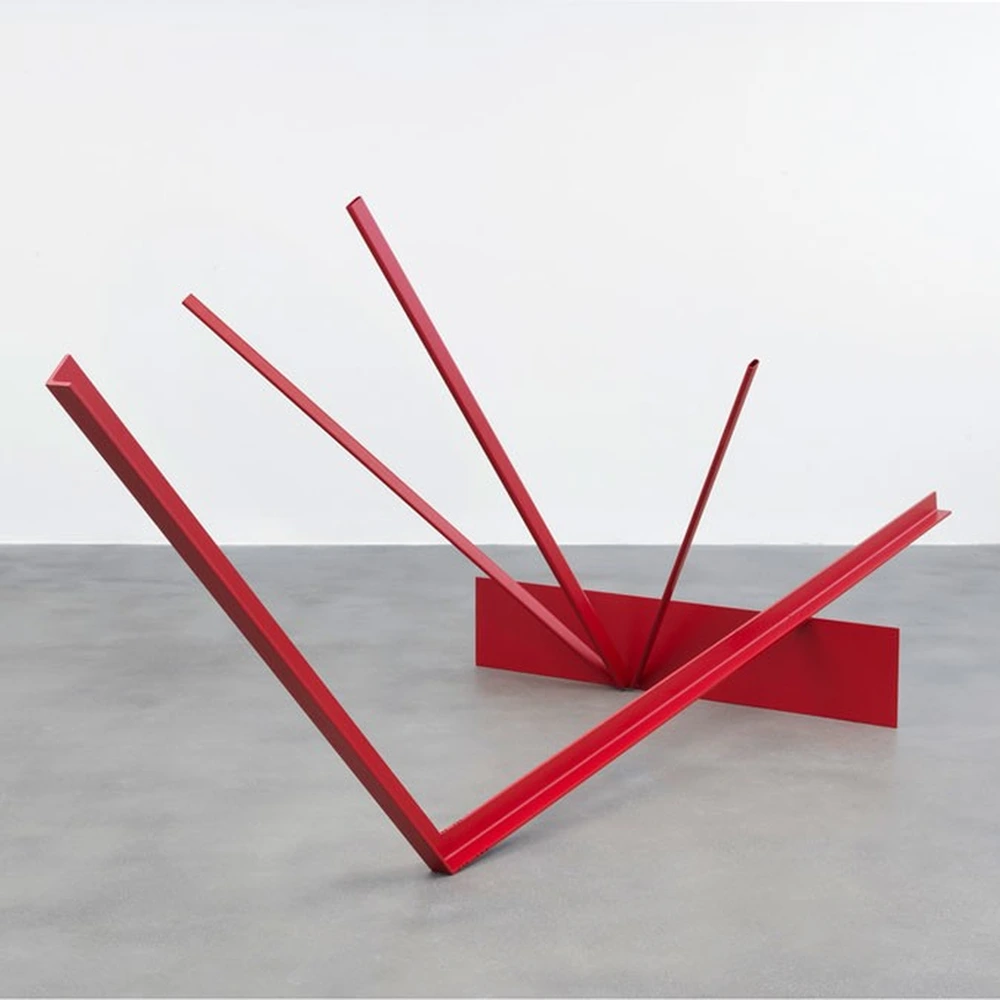
Now on view at Gagosian Beverly Hills is a select collection of fourteen early works by one of Britain’s most influential practitioners of modern sculpture, the late Sir Anthony Caro. Not only does the gallery’s abundance of natural light beautifully illuminate the artist’s early works, but its truly expansive and open floor plan allow viewers to interact with the spaces in which Caro’s pieces are set as the artist intended.
