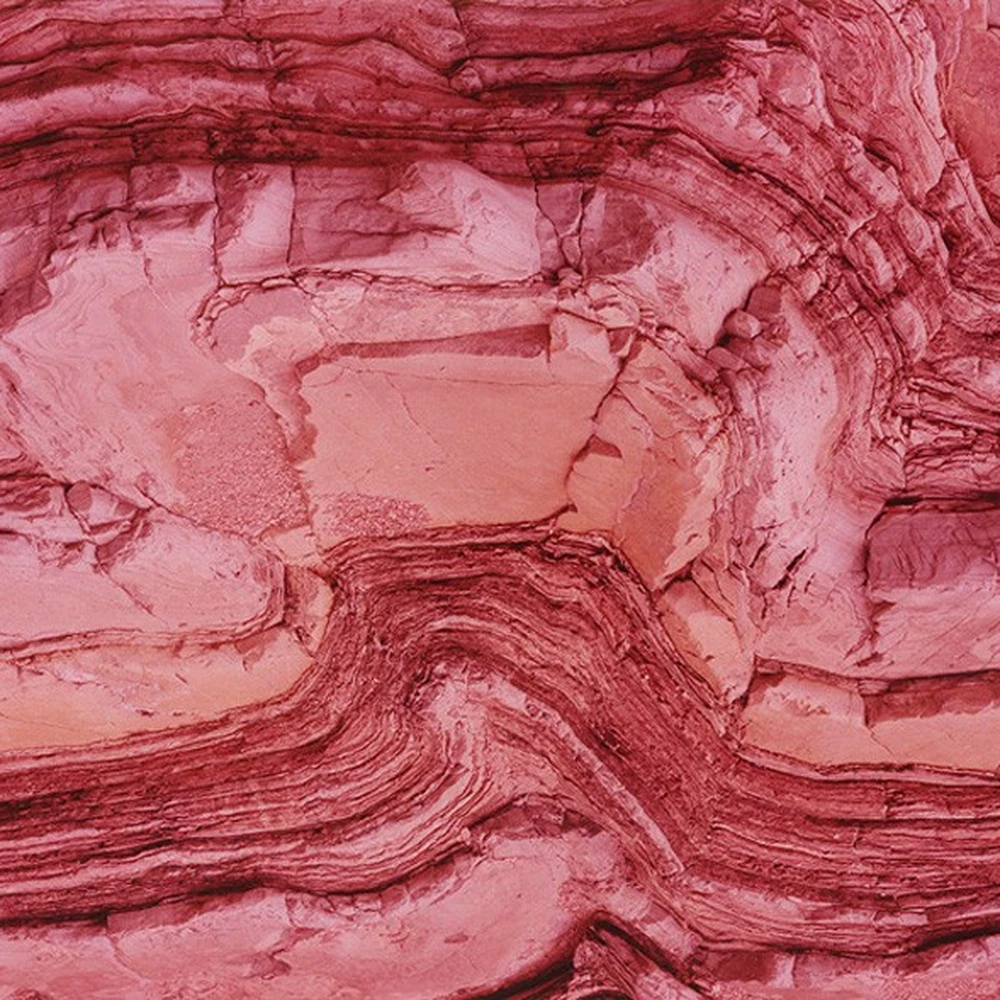
Western Romance aims to create a dialogue between David Benjamin Sherry’s photographs of vast landscapes saturated with synthetic color and the tradition of Western landscape photography. The subjects appear at first glance to be similar, but intentions are different. Sherry’s photographs are more about color and light than capturing the grandness of the western frontier.
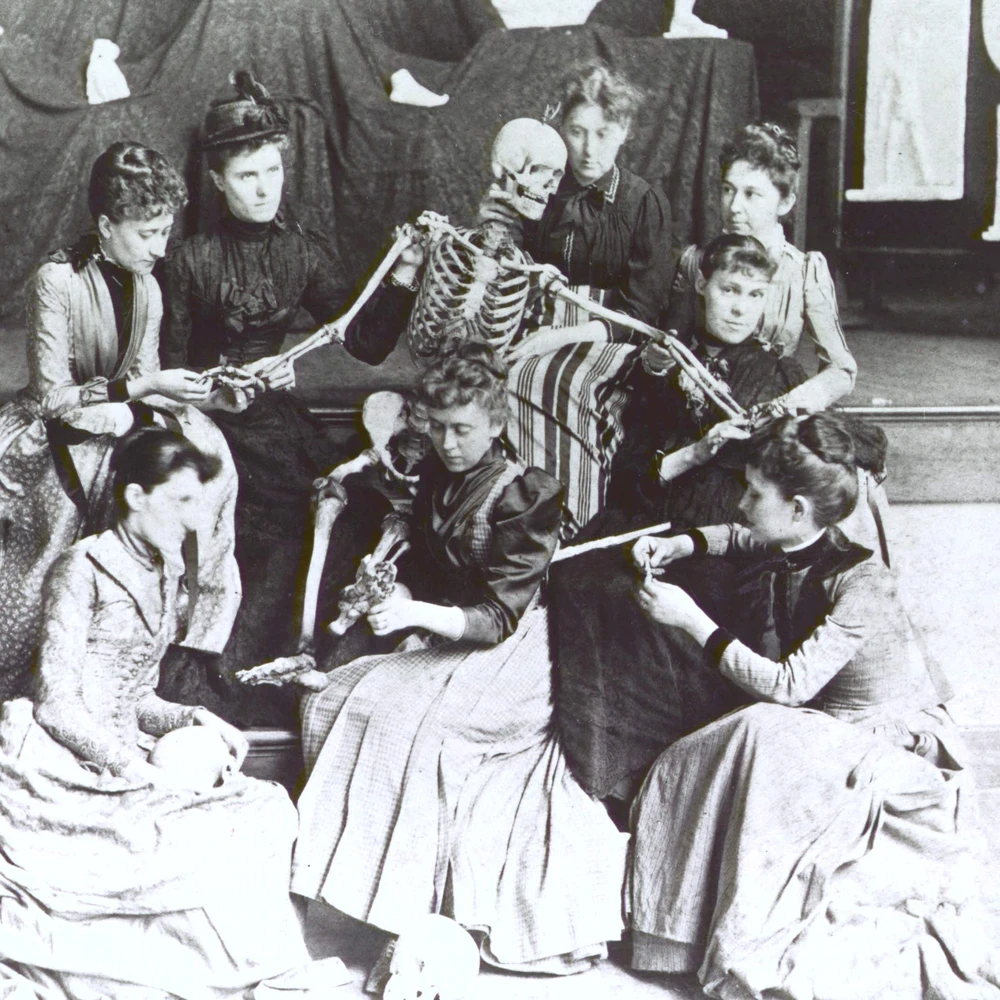
Since FotoFocus continues to have a very strong educational component to everything it presents, and since we are all curious at how younger Americans view their environment artistically, AEQAI decided to ask one student, Emily Kamholtz, a senior at The Art Academy of Cincinnati, to share some of her work with our readers, and they are posted here.
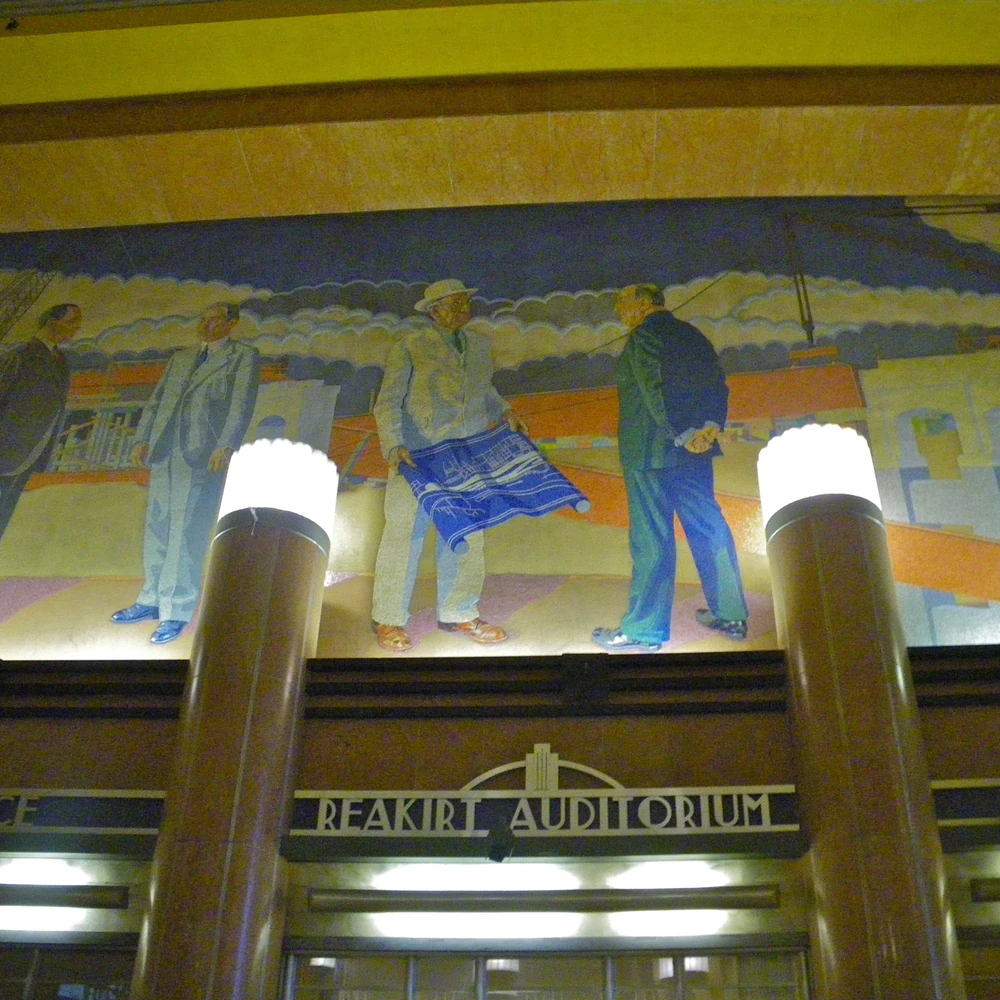
October has been a month full of activities in the visual arts. FotoFocus, the biennial celebration of photography and lens-based art, is still in swing, and it brought an exceptionally high level of exhibitions, lectures, and other adjunct programming to Greater Cincinnati. Mayor Cranley also declared October to be Mural Month, in order to bring our attention to saving the original Union Terminal murals a second time.
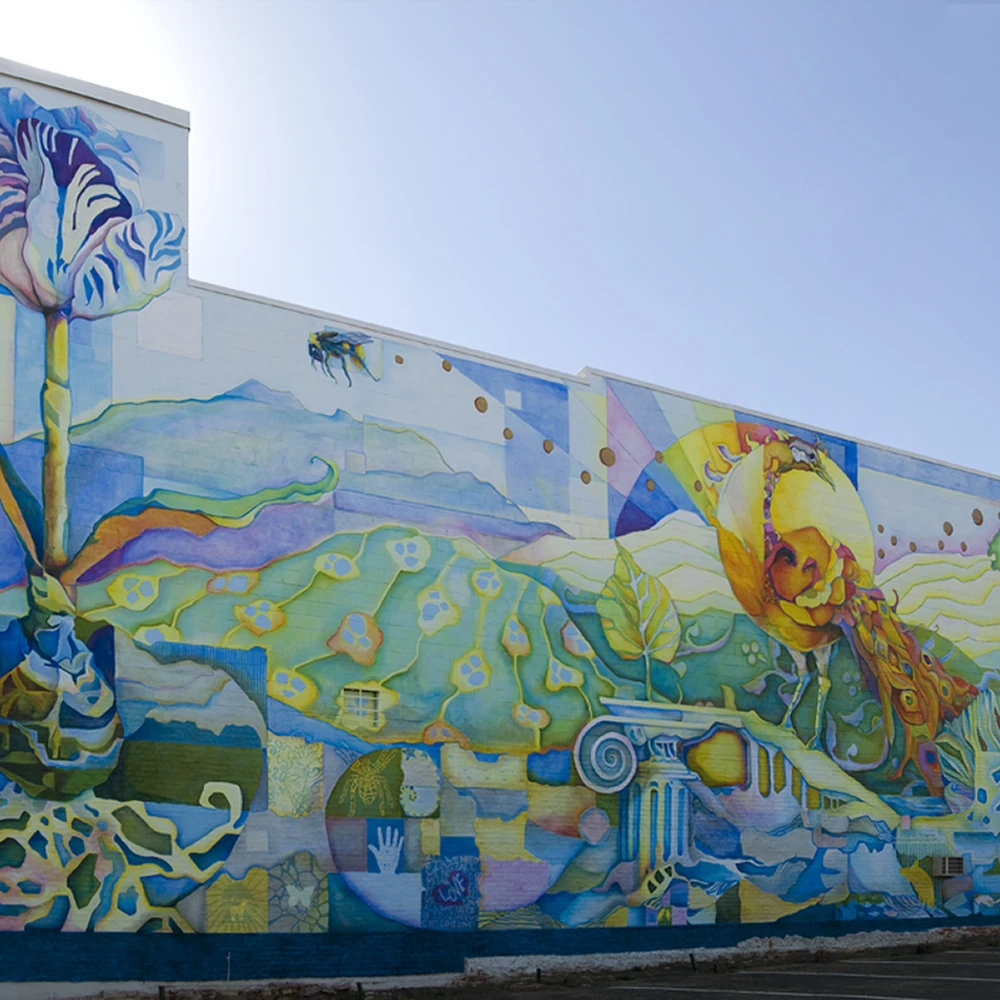
Covington is an ‘unapologetically authentic’ place. It’s an island unto itself. No label, declarative statement, or stereotype quite fits the business owners and residents who live here. What can be said is what unites them: their belief in community, their value placed on the arts and creativity, and their passion and pride for the city.
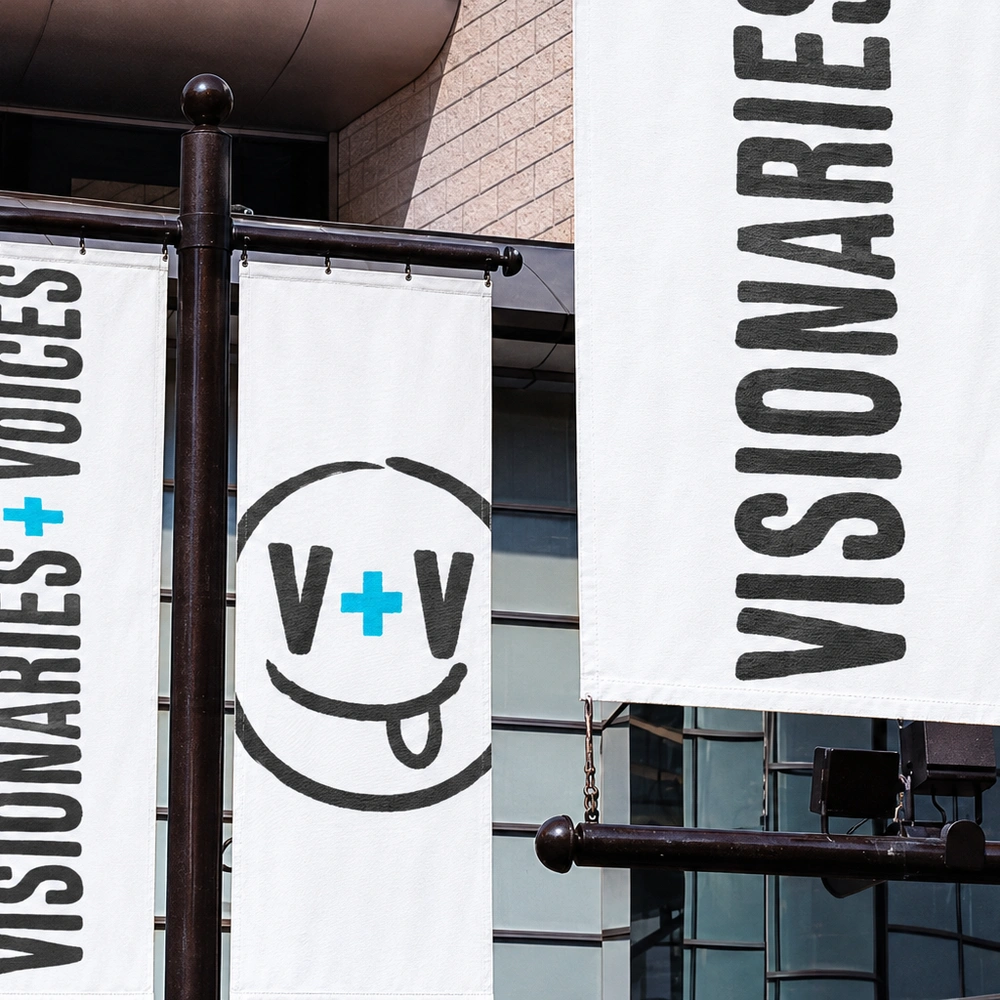
“Envelope,” the show currently up at the Visionaries + Voices (V+V) Gallery in Northside (through November 14, 2014), is a beautiful display of twittering, delicate art from all over the world created solely for the purpose of being mailed back and forth.
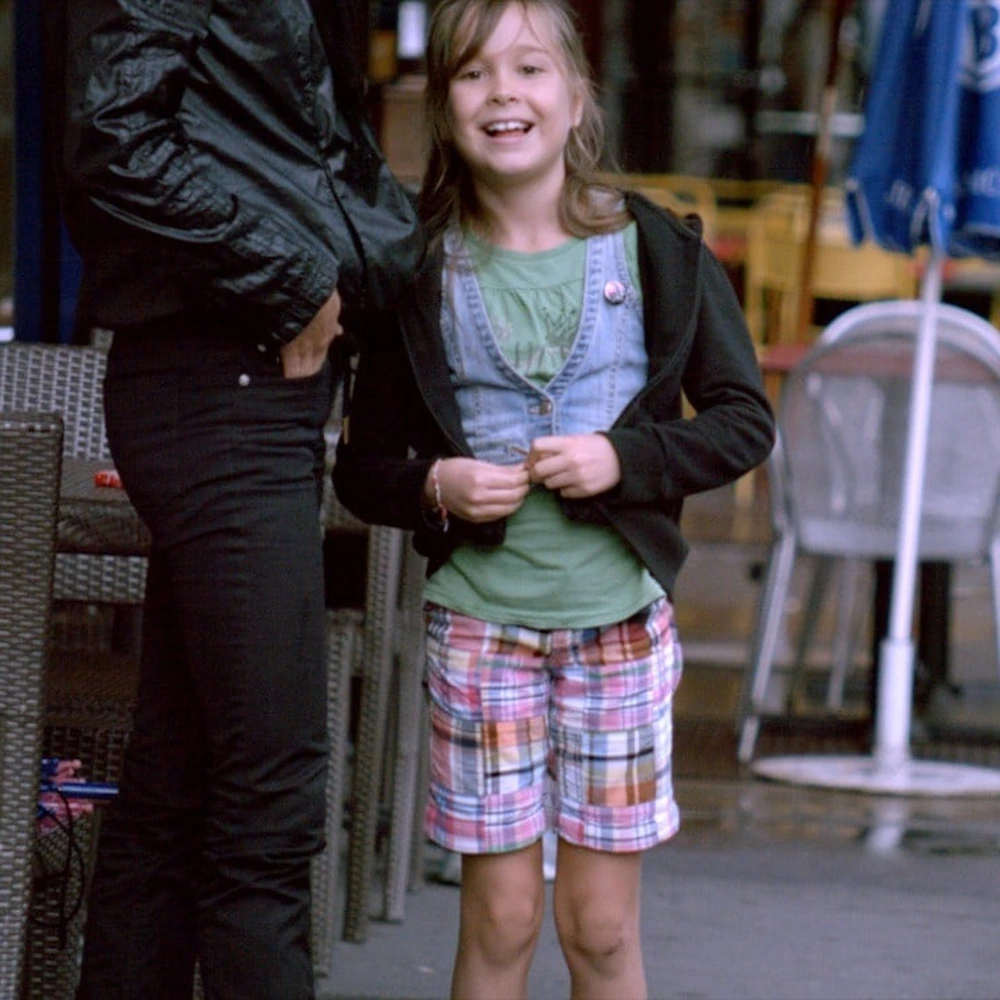
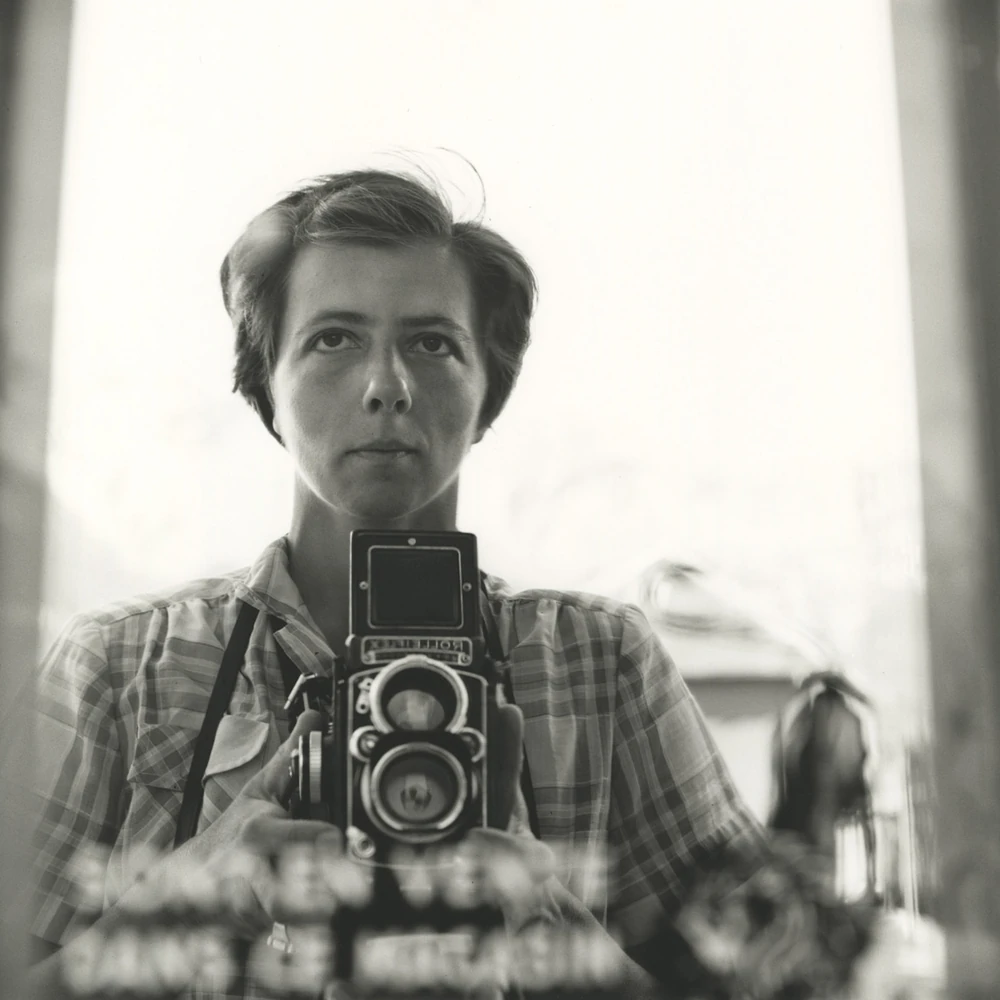
Street photography was a movement initially made possible by cameras that were small, film that was fast, and hands that were steady. It refreshed photography as an art form by opening up an almost unlimited source of unscripted narrative.
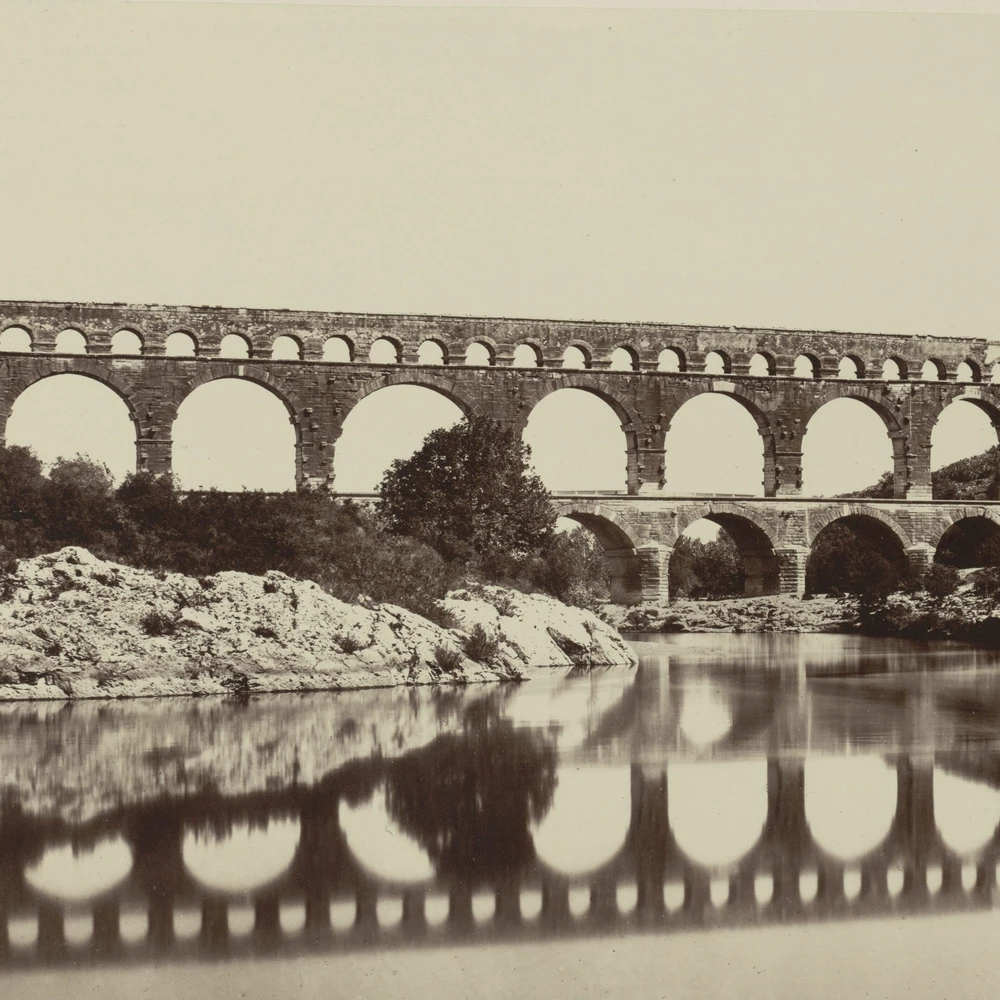
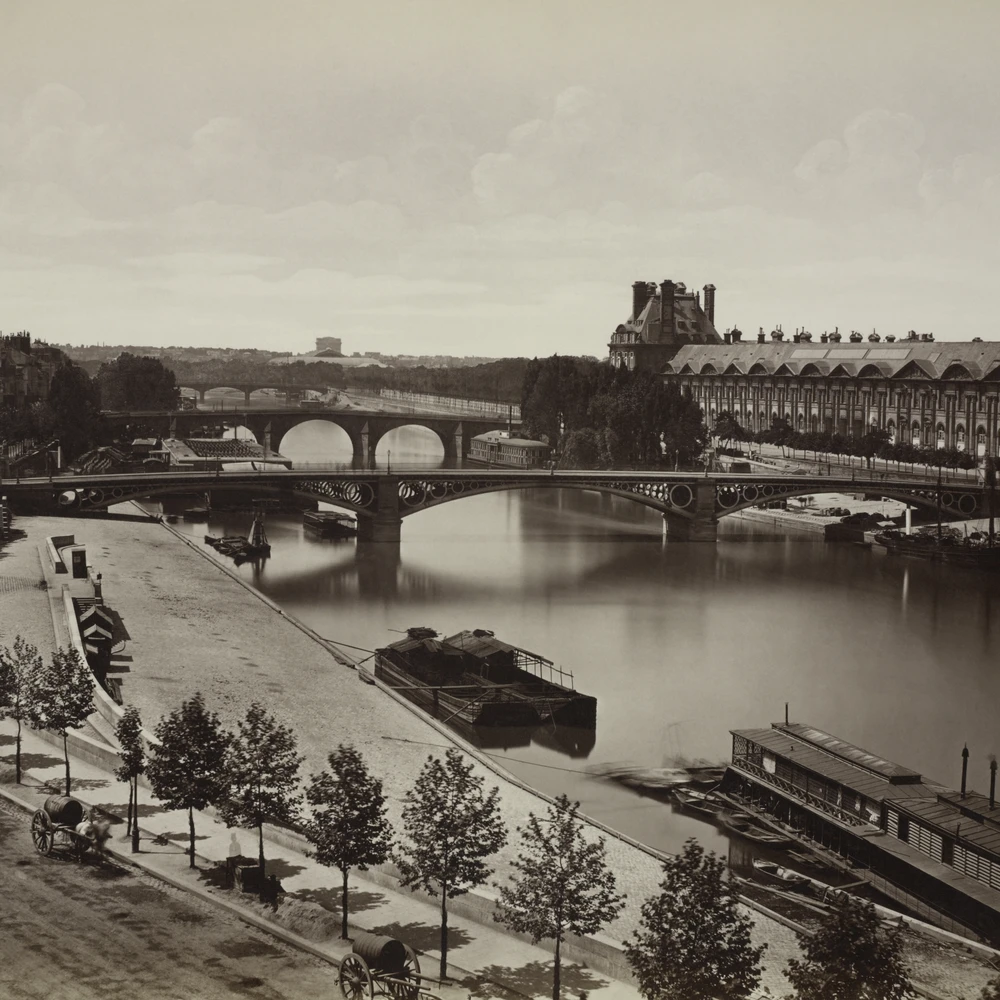
In 1838 the Prussian-born Édouard Baldus (1813-1889) arrived in Paris with an eye to becoming a painter but met with little success. Instead his “eye” along with a lens led him to create what Malcolm Daniel of The Metropolitan Museum of Art’s department of photographs called “the model for (architectural) photographic representation in genres that barely existed before him.”
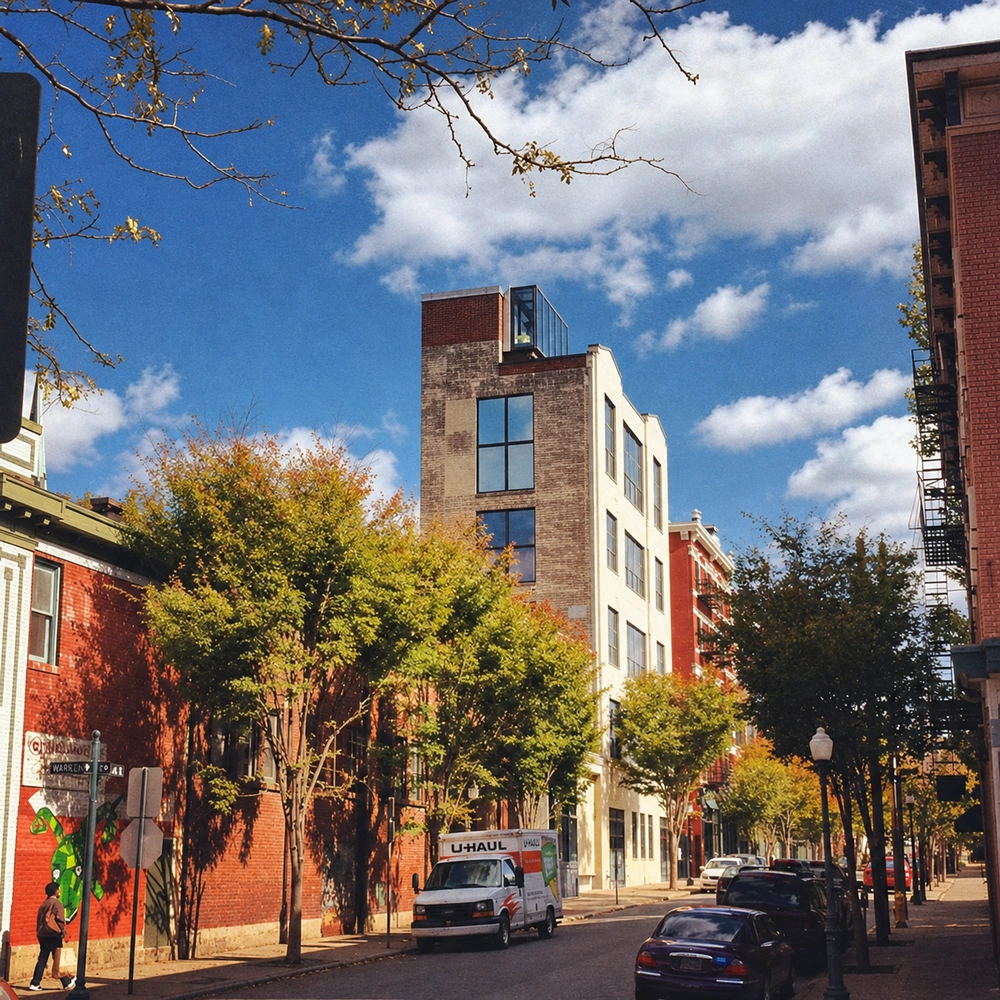
Stills is one of six “featured” exhibitions created for the October 2012 FotoFocus Biennial. it was curated by San Francisco publisher and collector Nion McEvoy and FotoFocus artistic director Kevin Moore. The pair brought together works by American and European photographers who use analogue or digital still photography.
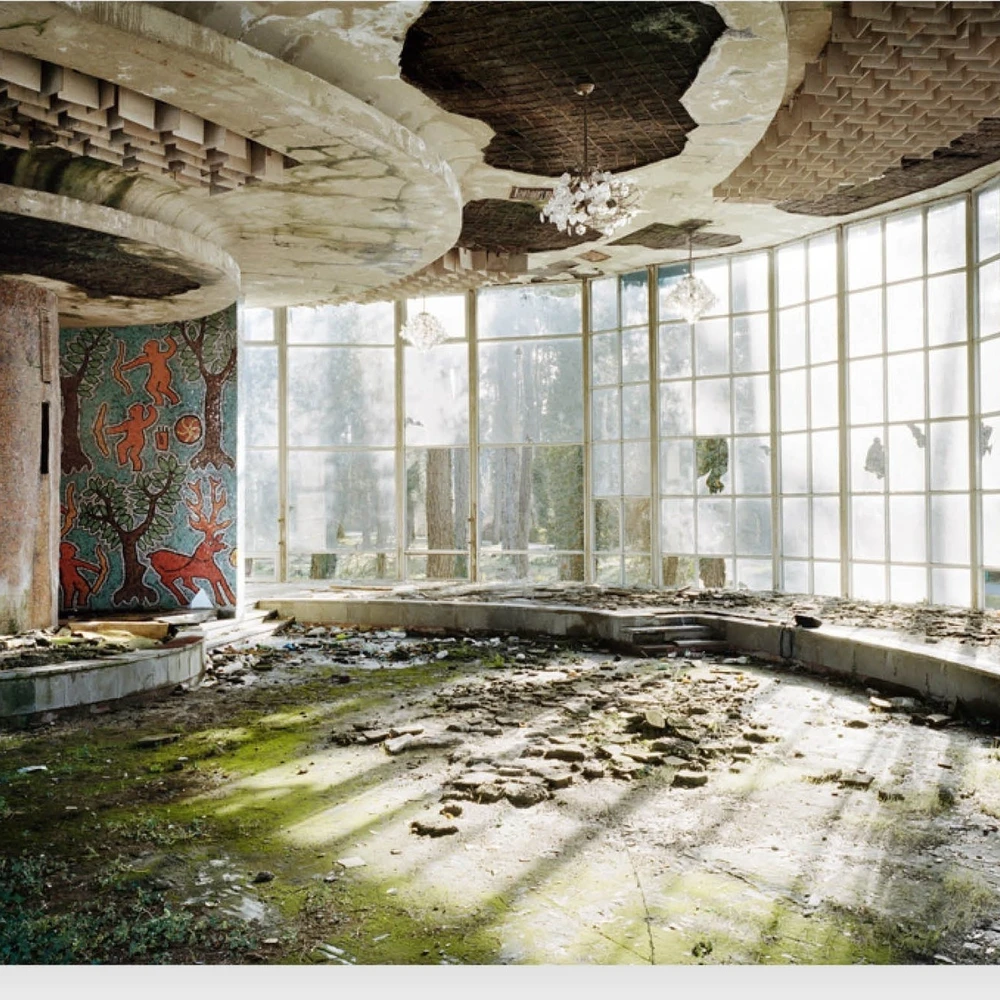
FotoFocus gifts our region a chance to view 50+ exhibitions of photographic and lens-based art every two years. Some have been curated by FotoFocus (2014’s Biennial by Kevin Moore) and all have been vetted and supported by the organization.
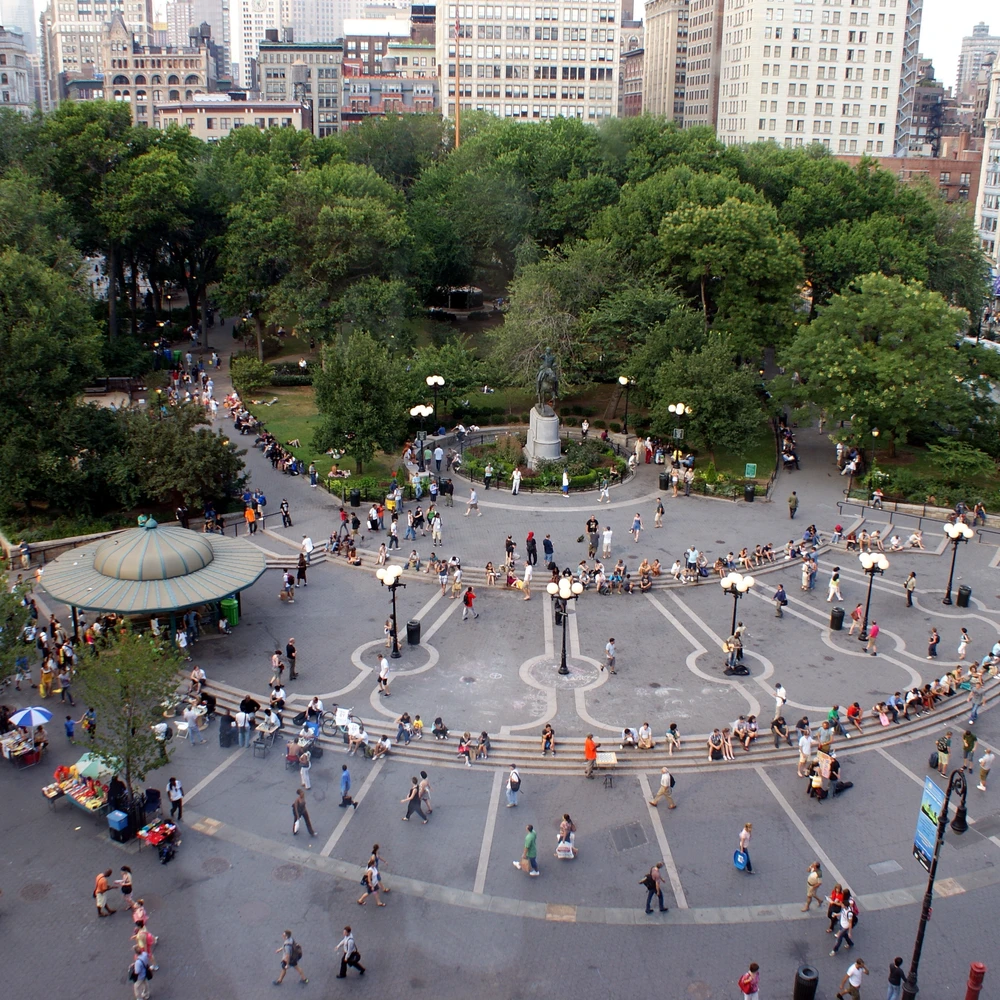
There is an old yiddish saying that goes something like “No-one knows whose shoe pinches except the person who is walking in them”. As a child I heard this phrase and conjured up images of my all-white KED sneakers that always gave me blisters, but I heard this phrase again while leaving Brooklyn and the words took on a whole new meaning.
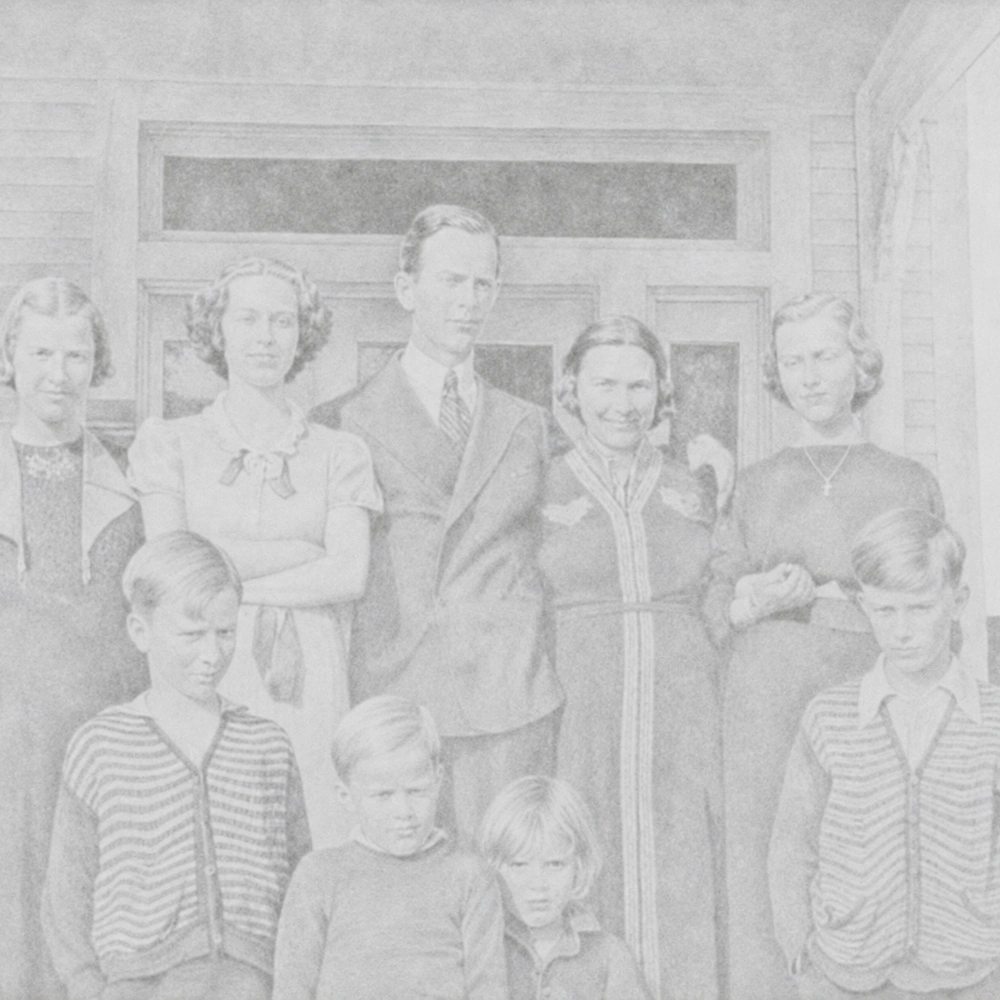
Walnut Hills artist Constance McClure sometimes subconsciously sketches in the air when she’s deep in conversation. Drawing always came naturally, but by now it’s automatic. She’s been creating art – starting with drawing, and moving on to painting, metalpoint and frescoes – each of her eight decades on earth.
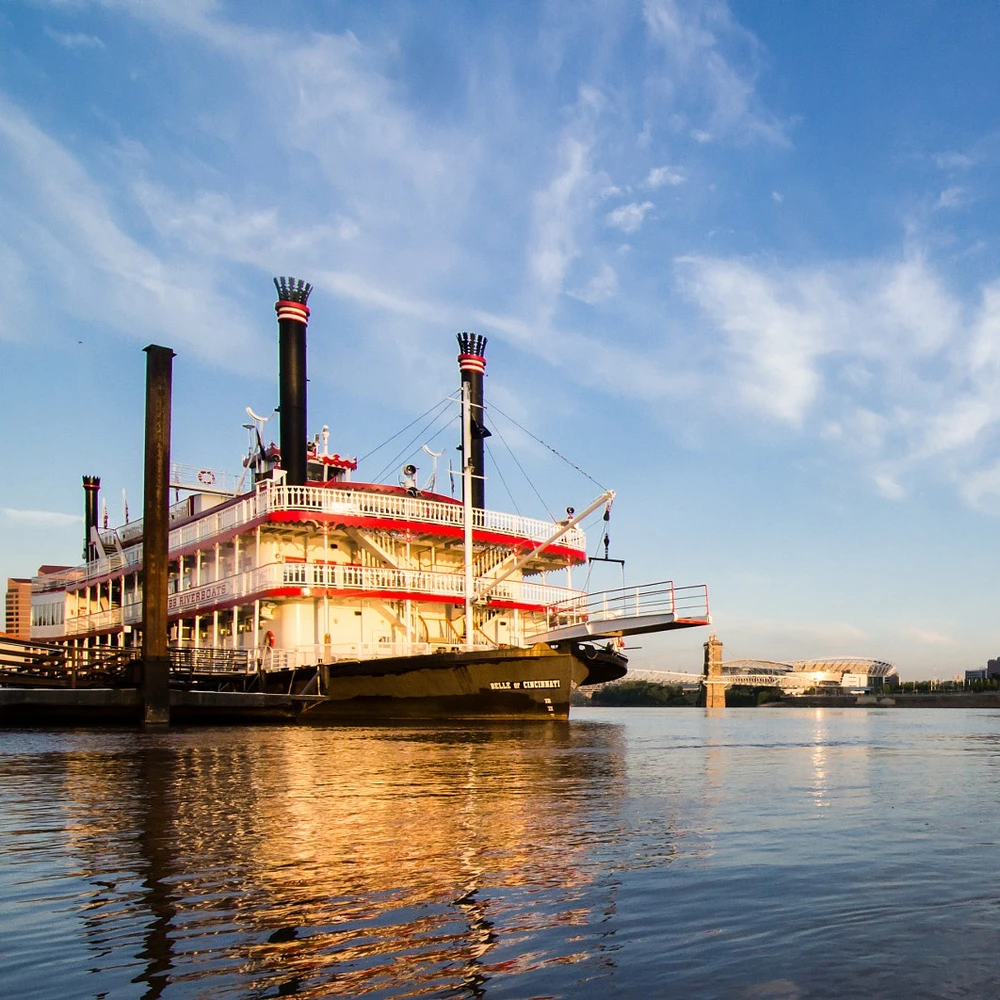
All of us who have read the Cincinnati Enquirer down the years know Michael Keating’s photographs. They are both smart and subjective, they are on the note, they tell us more than print sometimes can. But we don’t know them as they can be seen at the Kennedy Heights Arts Center in Cincinnati: Shadow and Light, the five-decade retrospective of the former photo- journalist’s work, on view through November 15.
The day after I called Cal to set up a time to visit his studio and home, I ran into him at the opening of the Taft Museum’s excellent FotoFocus show, “Paris Night and Day”. He handed me an eyeball. OK, it was cheap plastic with red capillaries and round like a marble. Unintended though it may have been, I took it as a Cal-ism. Was it his way of saying to “look”, use your eyes, absorb?
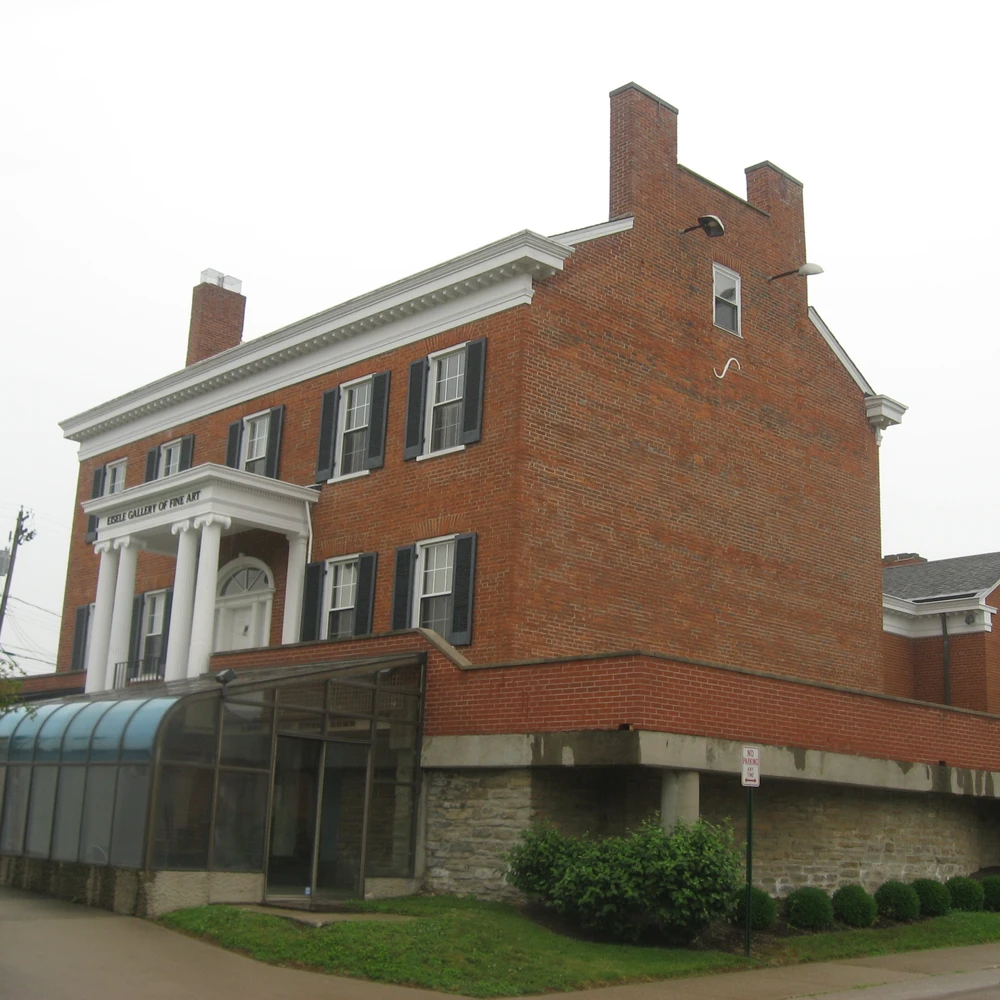
The only truly important qualification in realism is the attempt to reach perfection. Traditional art includes rendering, color perspective and the classic application of oil paint. Oil Painters of America, Eastern Regional was recently exhibited at Eisele Gallery of Fine Art in Fairfax, showcasing fine traditional art.
An unexpected and rewarding photography exhibition in this photo-saturated fall, mounted by Dan Wheeler, the son of the artist (himself a serious photographer), is in a spot you are not likely to run across by chance.
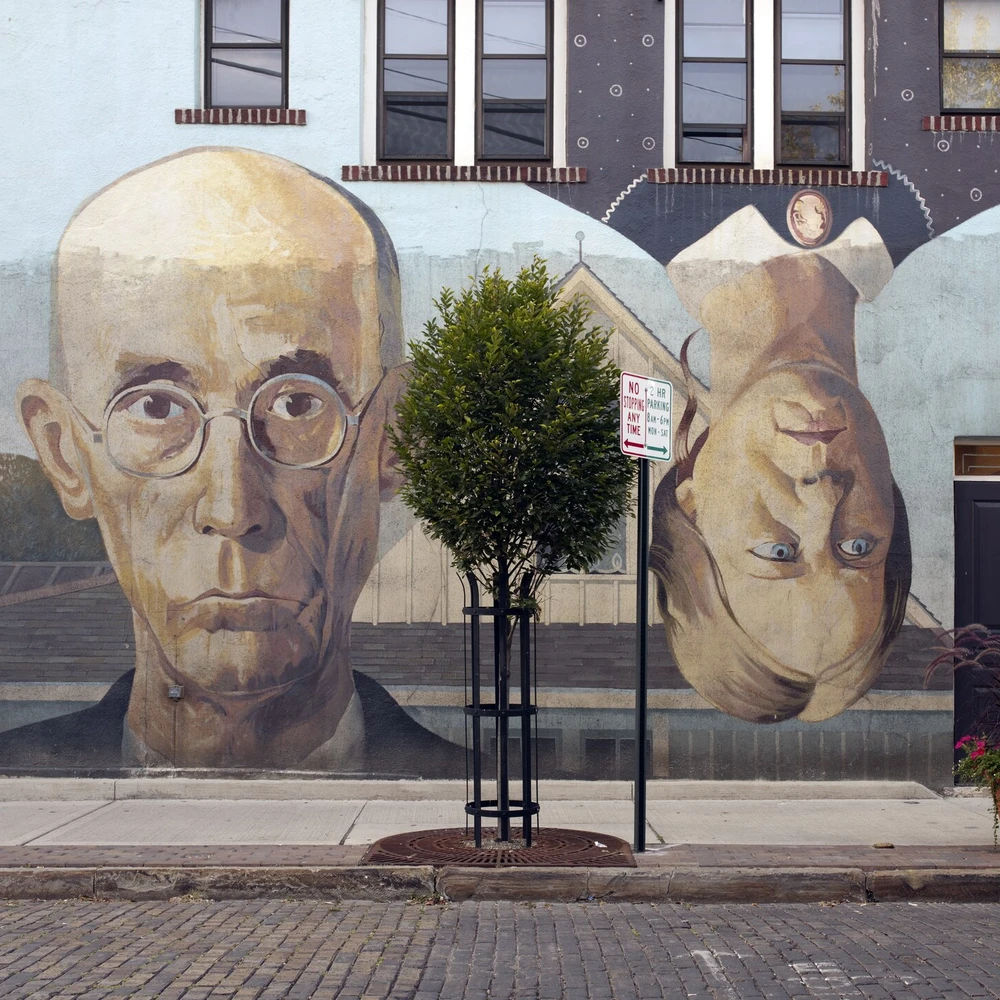
In Columbus Ohio we have an area of the city called the Short North, just north of downtown. Thirty years ago this area was filled with drugs, crime and lots of vacant buildings. The bones of a community existed just beyond High Street. Some people were restoring older, once grand houses, but along High Street it was scary.
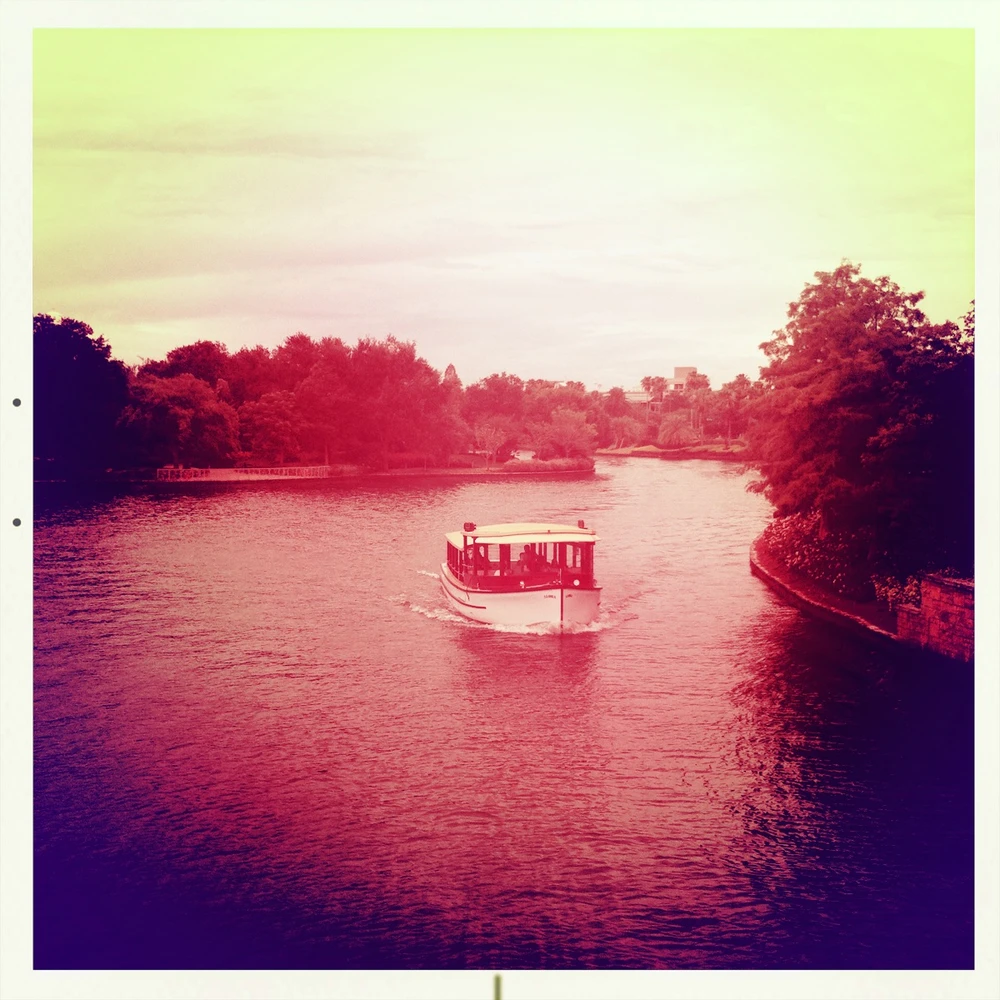
The mushrooming phenomenon of phone and pad picture making has been undeniably outstripping the traditional handheld point and shoot camera as evidenced by the millions of images uploaded to social media and the documented downturn in sales of traditional camera equipment.
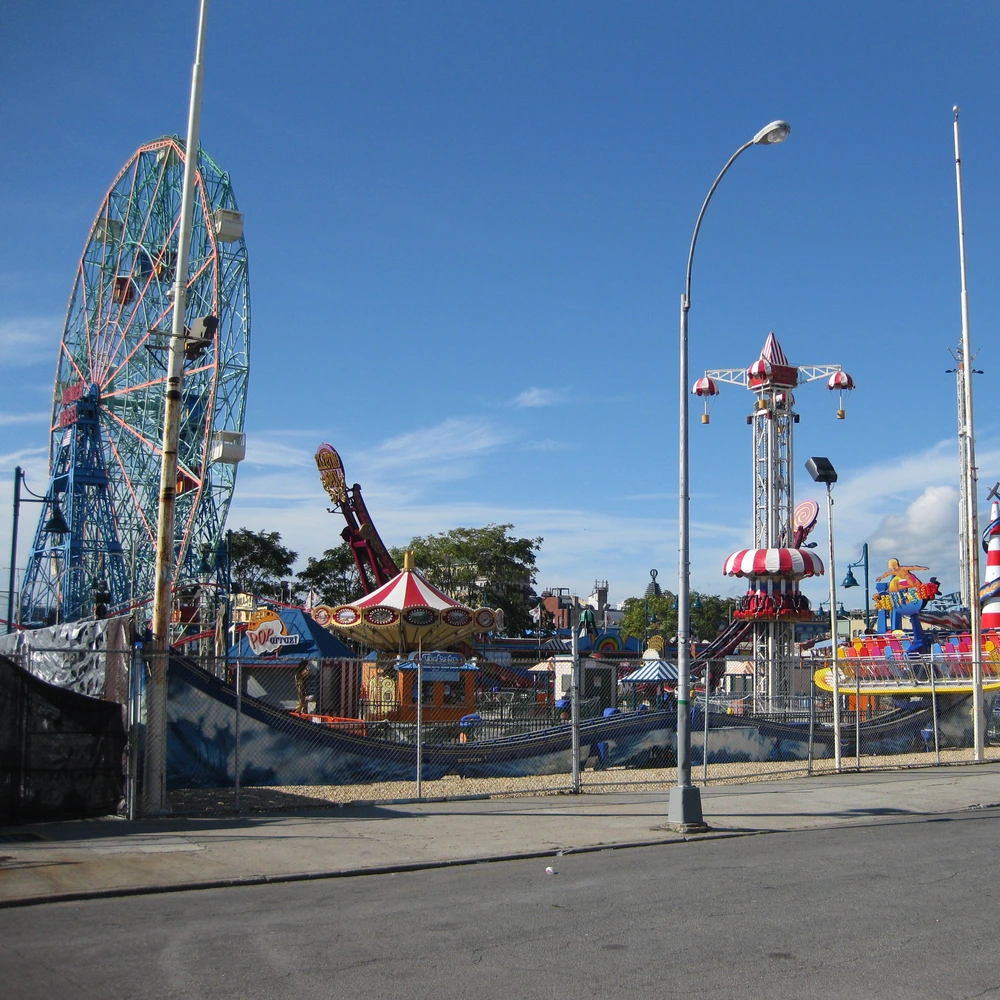
AEQAI has been looking for over a year for a group of photographs that we offer as our own contribution to FotoFocus. Both the amount and quality of photographs we saw from regional, national, and international photographers has been unbelievably strong, consistent with the high quality of work exhibited during FotoFocus 2014 here.
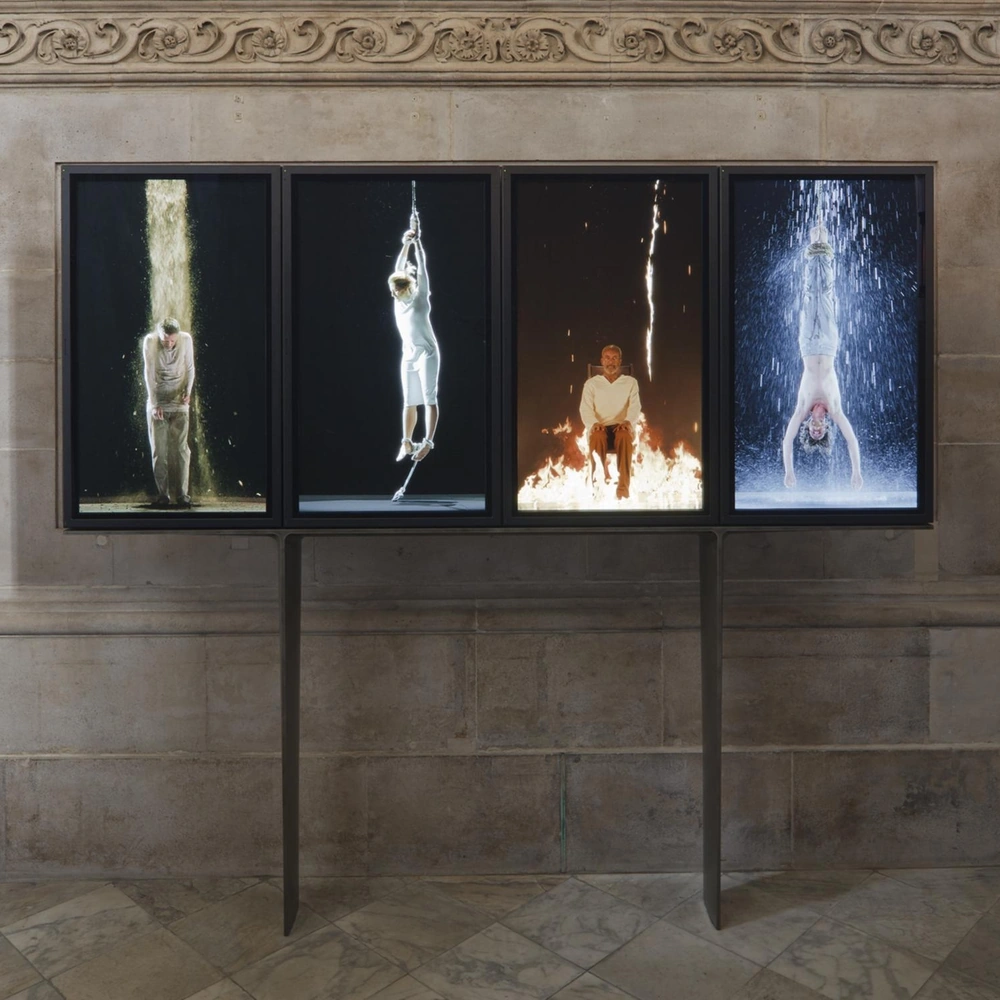
Letter from the Midwest differs from my previous “Letters.” It is a quick romp through parts of the Midwest where there have been interesting exhibitions. While “there is good art everywhere” to quote myself, we can’t get everywhere, so I hope this snapshot gives you an impression of some of the exhibitions, or it inspires you to make a trip to Chicago or Indianapolis where I am highlighting several venues.
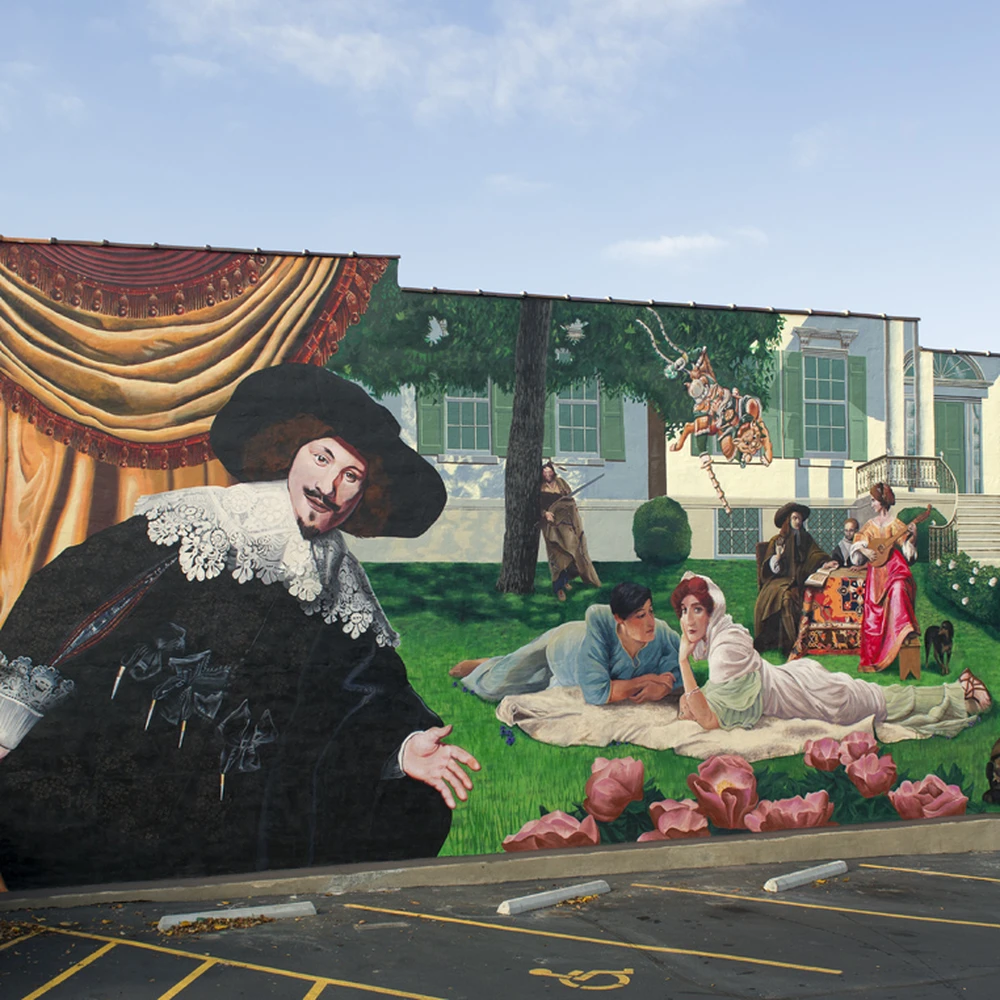
Scott Donaldson graduated in 1982 with an MFA degree in Theater Arts from the University of Minnesota. Until 1990 he worked professionally as a set designer, also as a scene painter for 5 years with the Kalamazoo Civic Players.
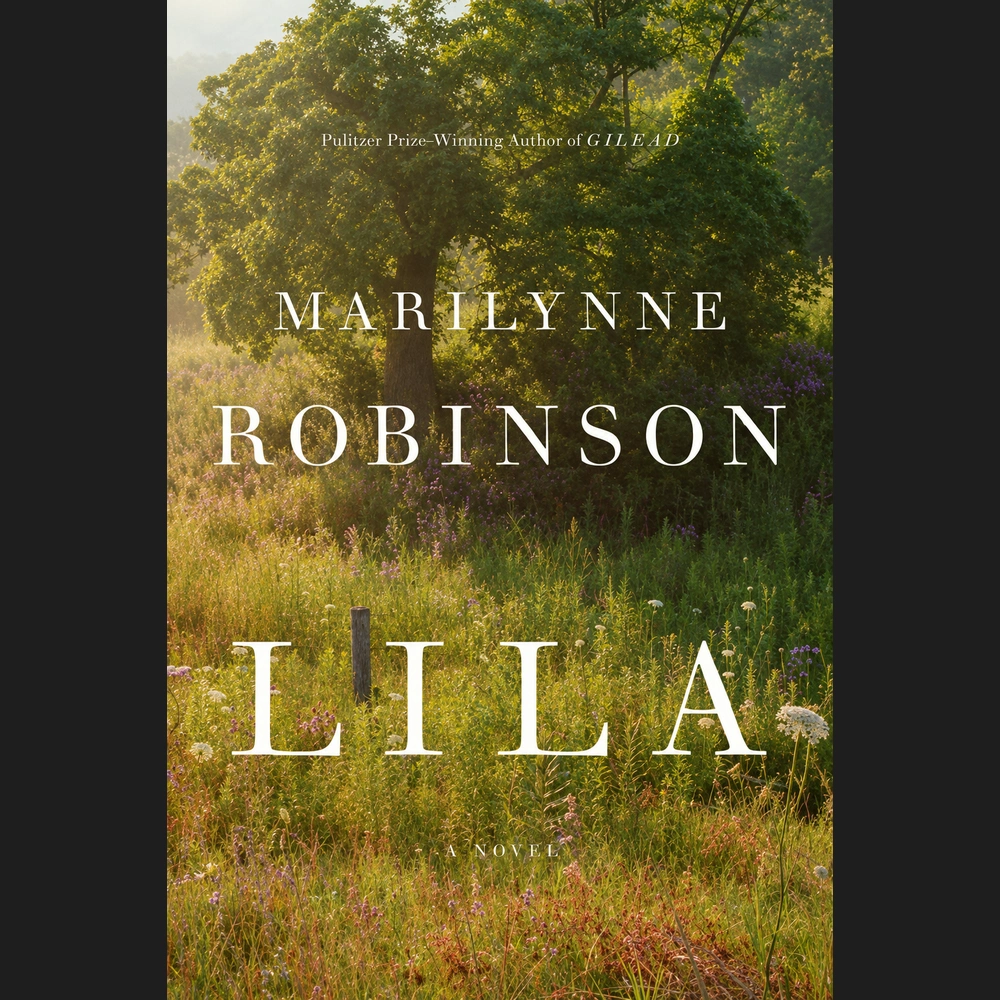
If you haven’t read or encountered the great mind of writer /theologian/philosopher Marilynne Robinson, I urge you to read her new novel, Lila, which is the third in a trilogy, though entirely possible to read without the first two. Lila actually takes place before the other two novels, Gilead (which won The Pulitzer Prize in Literature) and Home, which I think was slightly underrated.
The month of October has offered Greater Cincinnatians a plethora of superior art exhibitions, as well as lectures, discussions and other adjunct programming as part of the second biennial FotoFocus.
1989 was a watershed year for the art of photography in Cincinnati. Kristin Spangenberg published her catalogue Photographic Treasures from the Cincinnati Art Museum, which recorded the results of her having been given funding to purchase one hundred photographs to give the Museum’s existing but scattershot photographic holdings some shape and a sure anchor in excellence.
Born in India and now living and working in Cincinnati, Radha Lakshmi is the first artist-in-residence at gallery One One and Brazee Street Studios. Founder and Director Sandy Gross and Leah Busch, creative director and gallery coordinator, had long discussed instituting an artist-in-residence program.
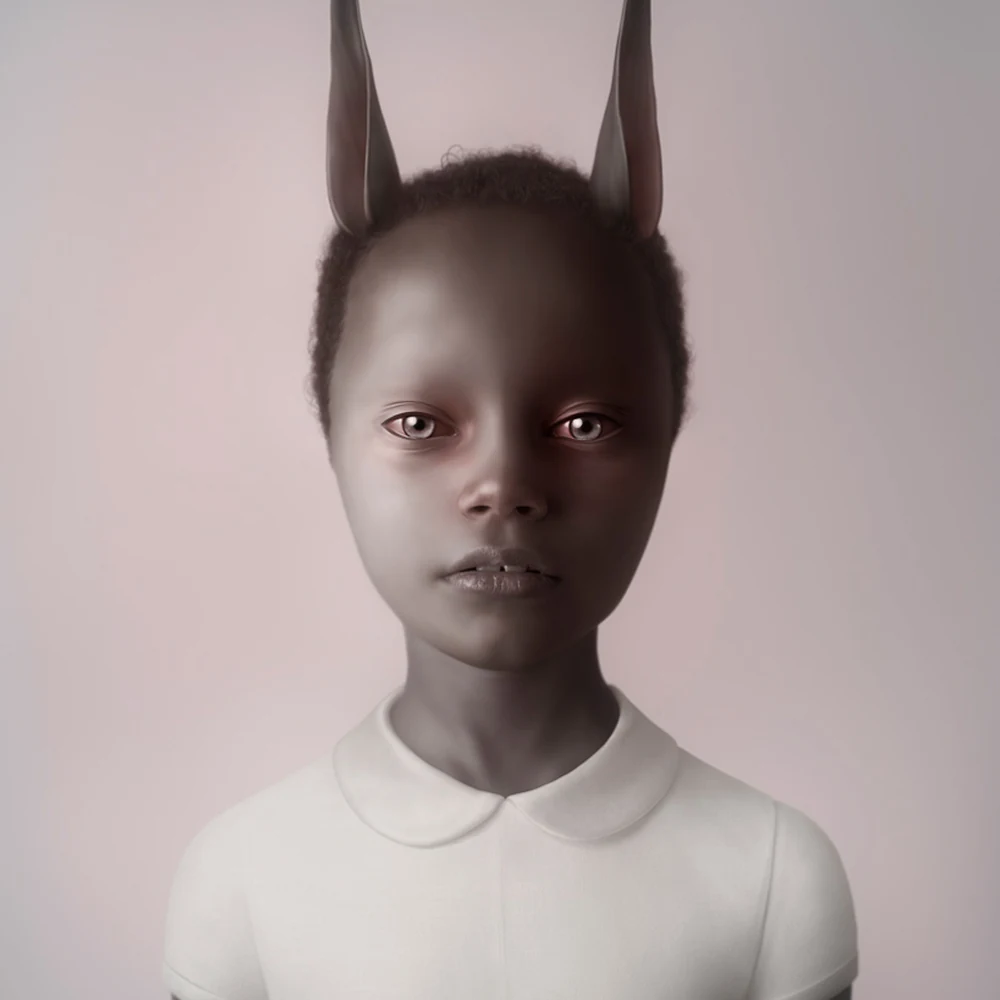
A new frontier has been created at Cincinnati’s 21c Museum Hotel. In both the lobby level and second floor galleries, contemporary artists have represented a world in which nature has both run amok and made perfect, symbiotic, evolutionary sense of our post-post-modern, trans-everything world.
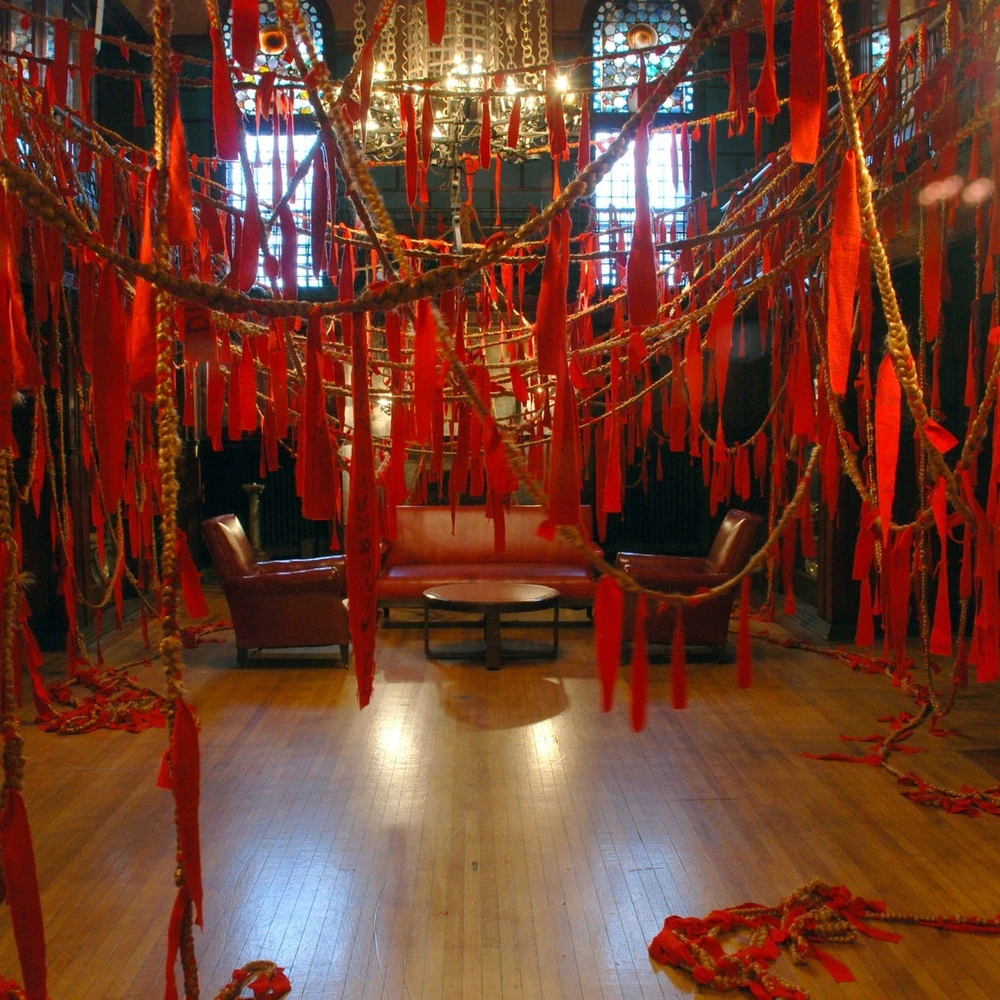
Museums tend to be places where the public congregates to ruminate over the reminders of past people, places, and objects. Somewhere between holy awe at the importance of the items around you and an unspoken fear that with a single misstep you may knock over one of these priceless pieces, there is a certain feeling of connection you have when walking through the quiet, dark halls of a traditional museum.
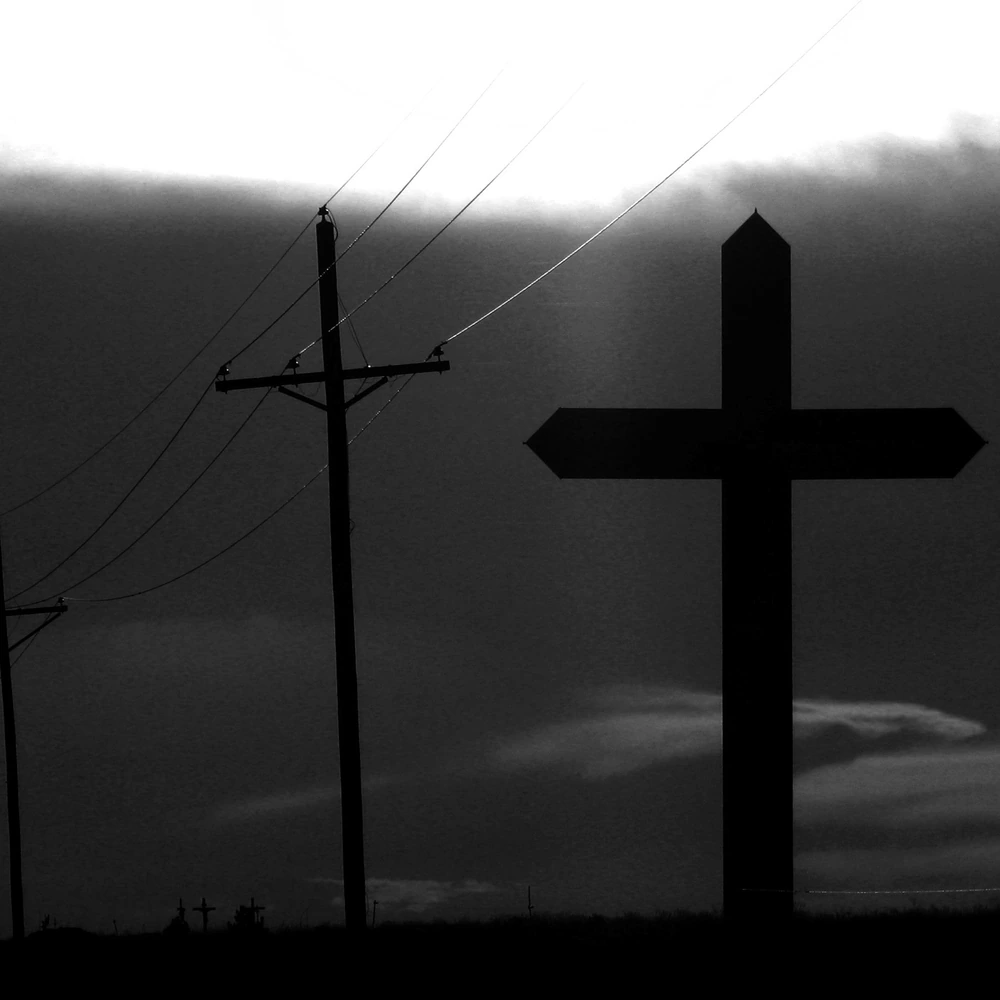
Intellect and wit are a potent pair, and Taiyo Onorato and Nico Krebs have both. An exquisite composite of their work, The One-Eyed Thief, showcases the vast expanse of photography as a medium. Onorato and Krebs weigh our value system as a culture through our relationship to imagery. They reckon with a medium that has fallen subject to the hands of innumerable users and even more technologies.
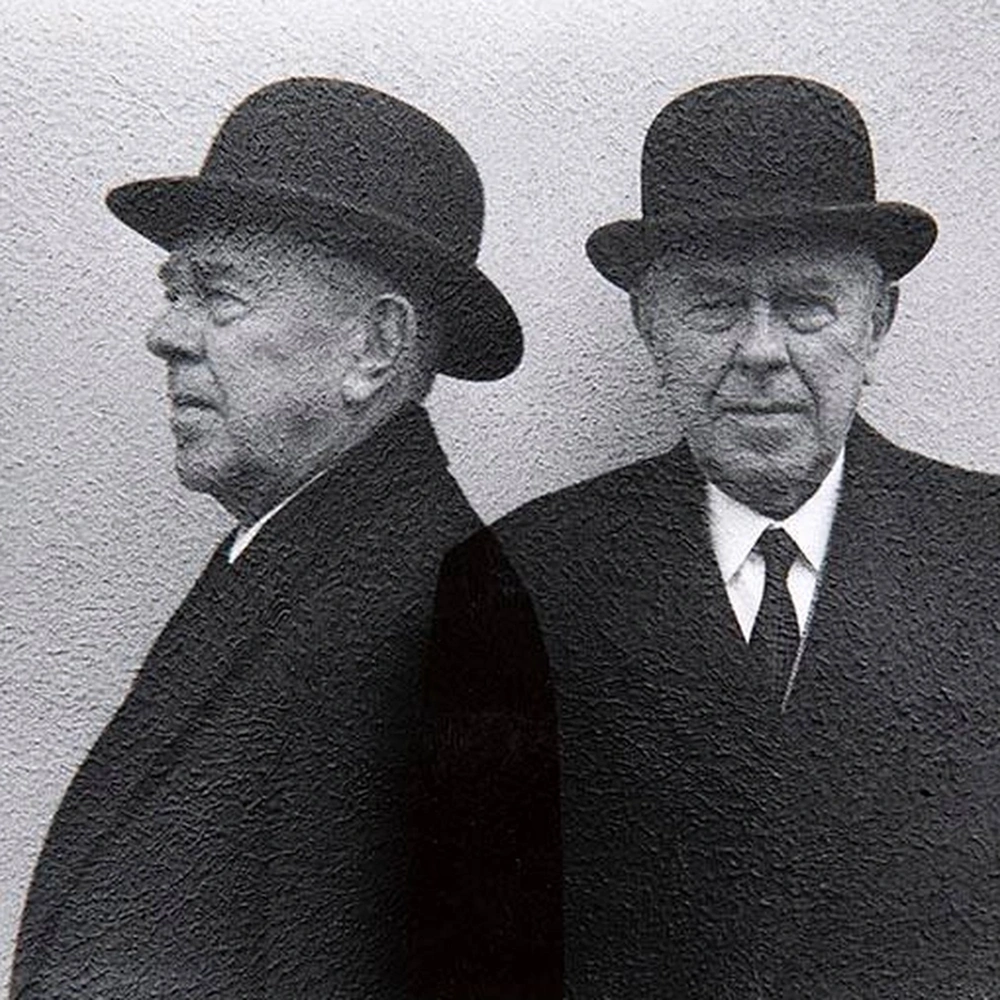
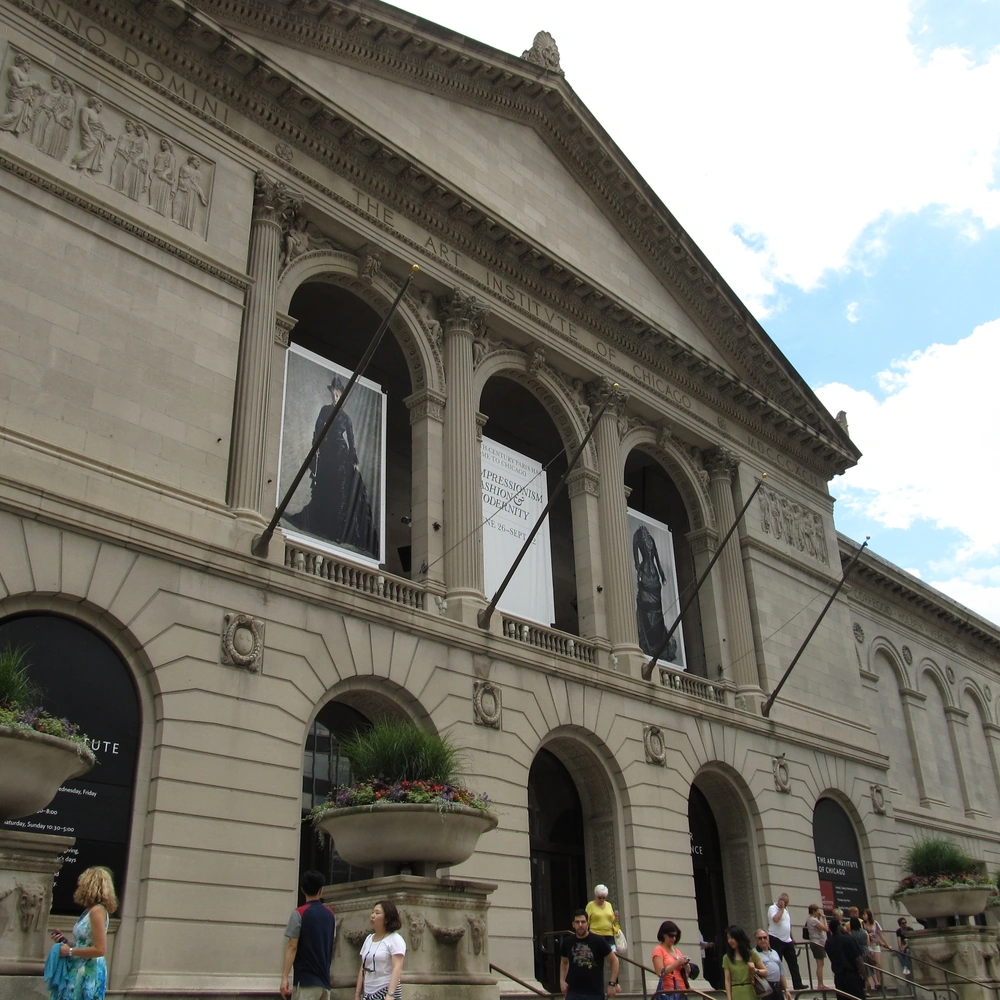
Why a new exhibition on Magritte? “René Magritte: The Mystery of the Ordinary, 1926-1938,” is the Art Institute of Chicago’s season blockbuster. This stunning exhibition is the first that zeroes in on Magritte’s most inventive and experimental years, showing us his seminal experiments of 1926-27 on through 1938. I was bowled over.
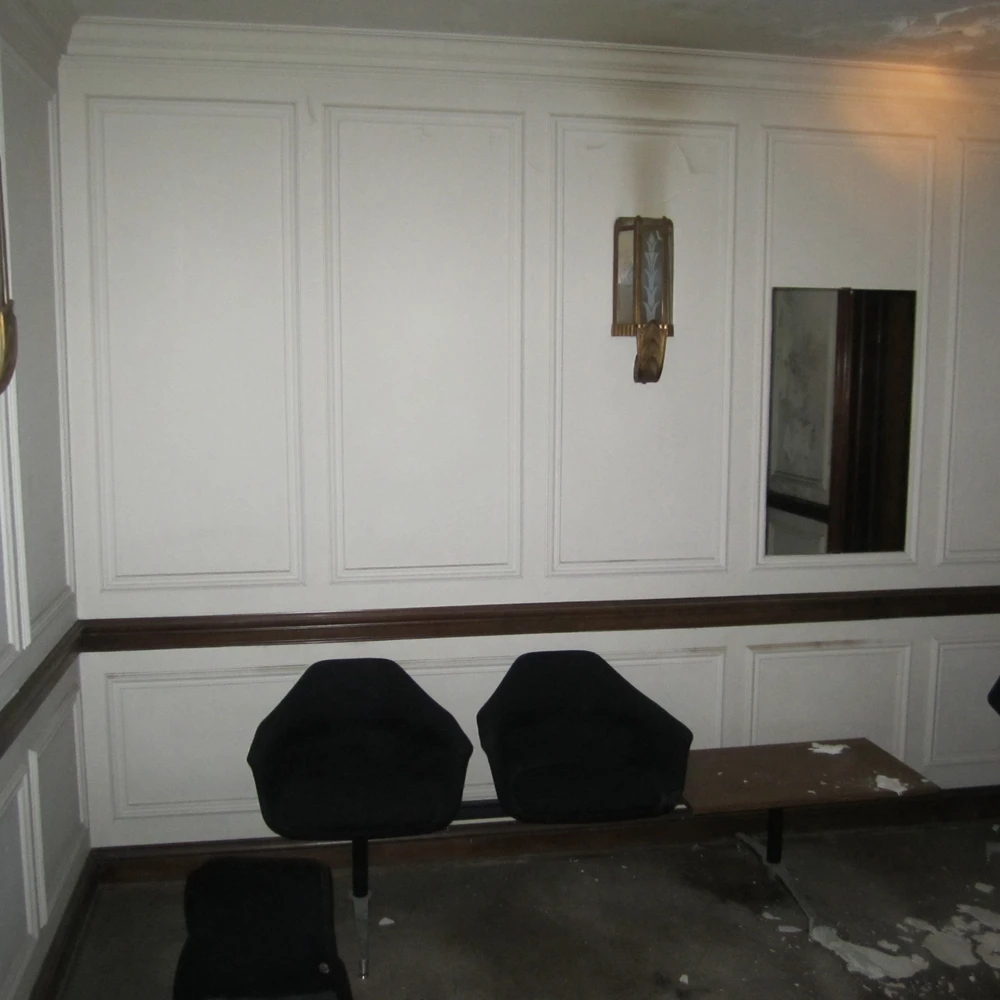
The spirit of Daniel Burnham hovers over Fourth Street in Downtown Cincinnati. The famous Chicago architect and his associates created four commercial office buildings in Cincinnati’s financial district in the early twentieth century.
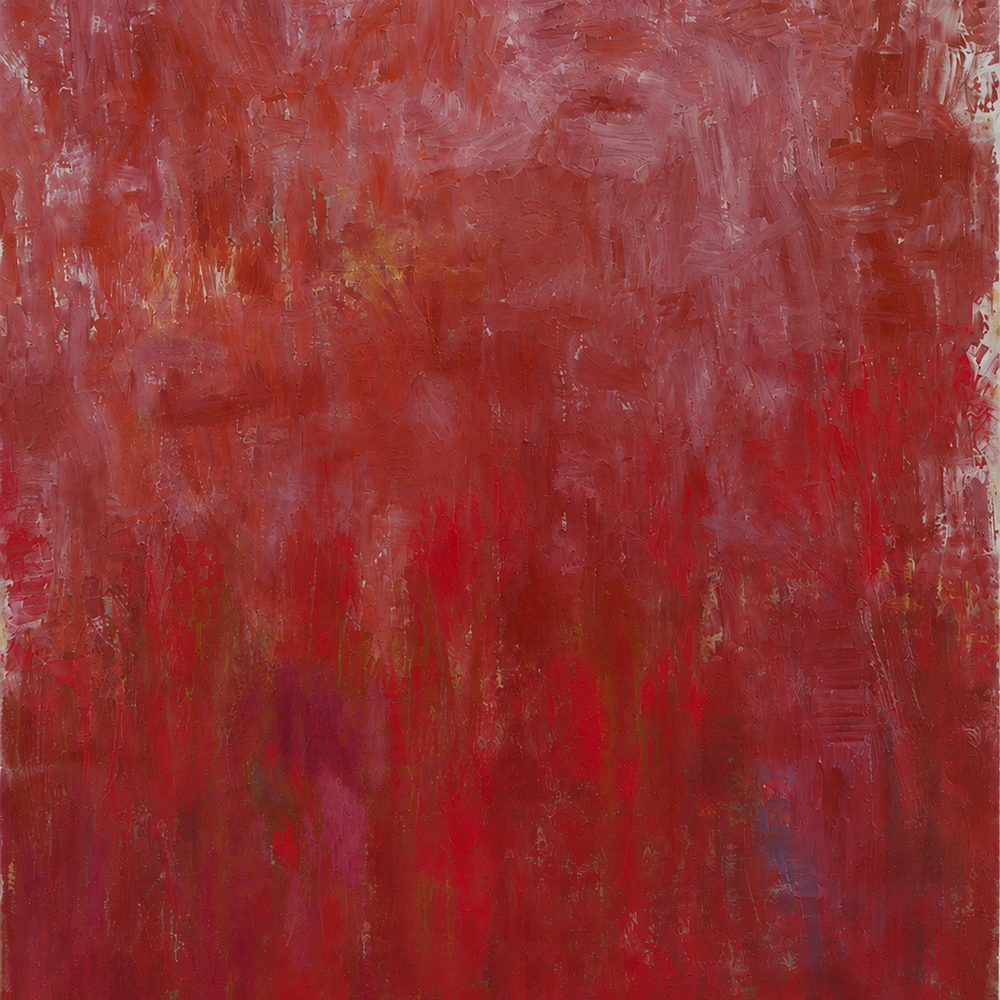
Le Brun’s paintings have always treaded diverse stylistic ground. They’ve explored classical literature, Wagnerian music, poetry and history through quintessentially romantic “subjects” like, forests, knights, adventurers, horses and gallivants. Whatever the subject, with Le Brun’s work we find ourselves in that misty area where what is represented is not actually portrayed.
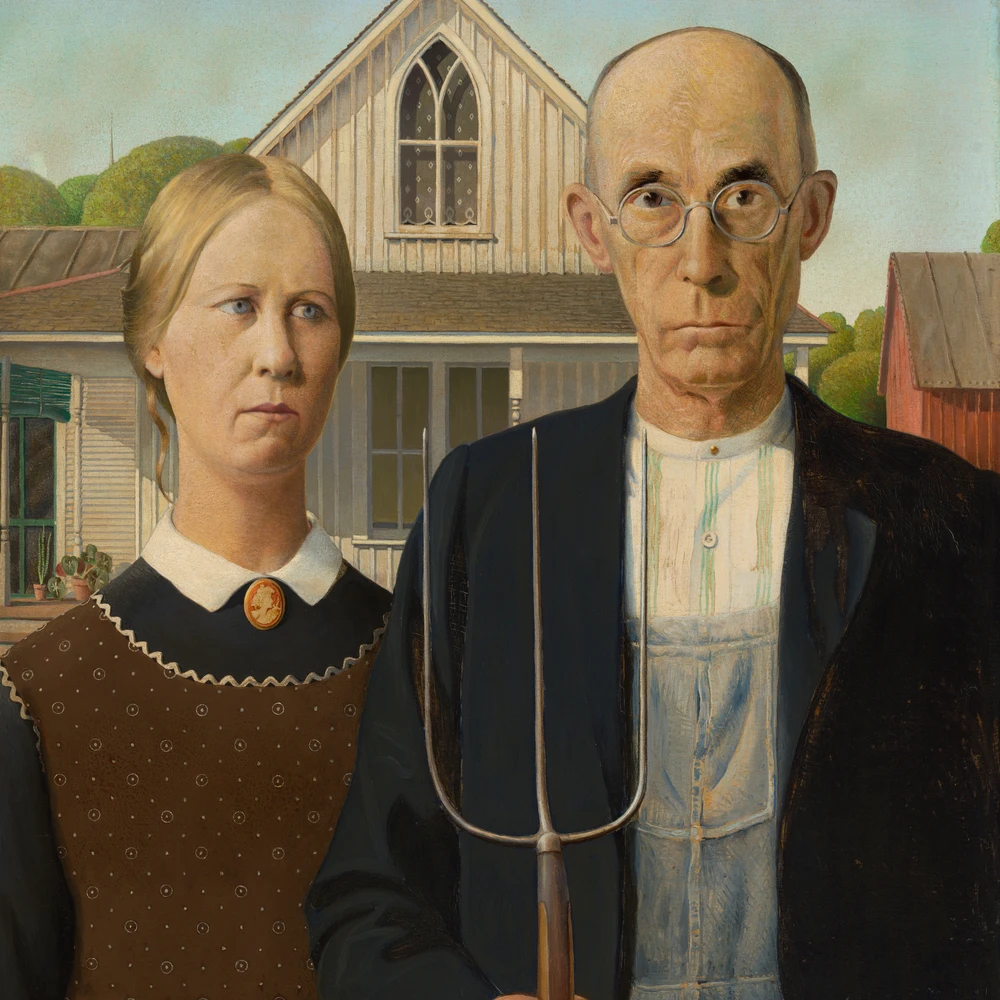
The painting at the center of “Conversations around American Gothic,” the new exhibit at Cincinnati Art Museum (up through November 16, 2014), is a classic, yet has a whispered, cautious meanness that allows it to be both poetically absurd and ironically iconic.
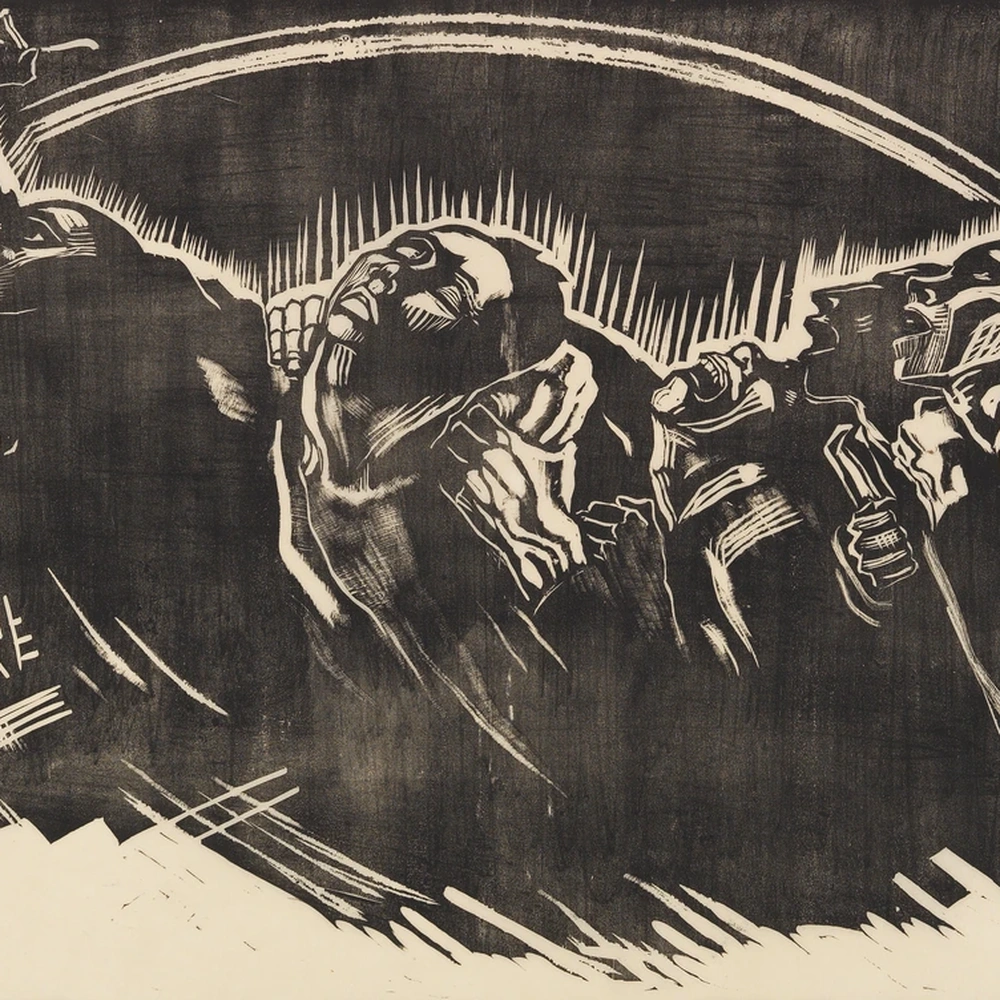
Far from warm fuzzy art, (no sunset fields here), Jack Arthur Wood, Jr. has hung a scary, shocking, and ferocious show called “This is the Worst” at Clay Street Gallery; the kind of scary that draws people to horror shows, and macabre stories. Add to this a whopping big dollop of fine art and you have a real crowd-pleaser.
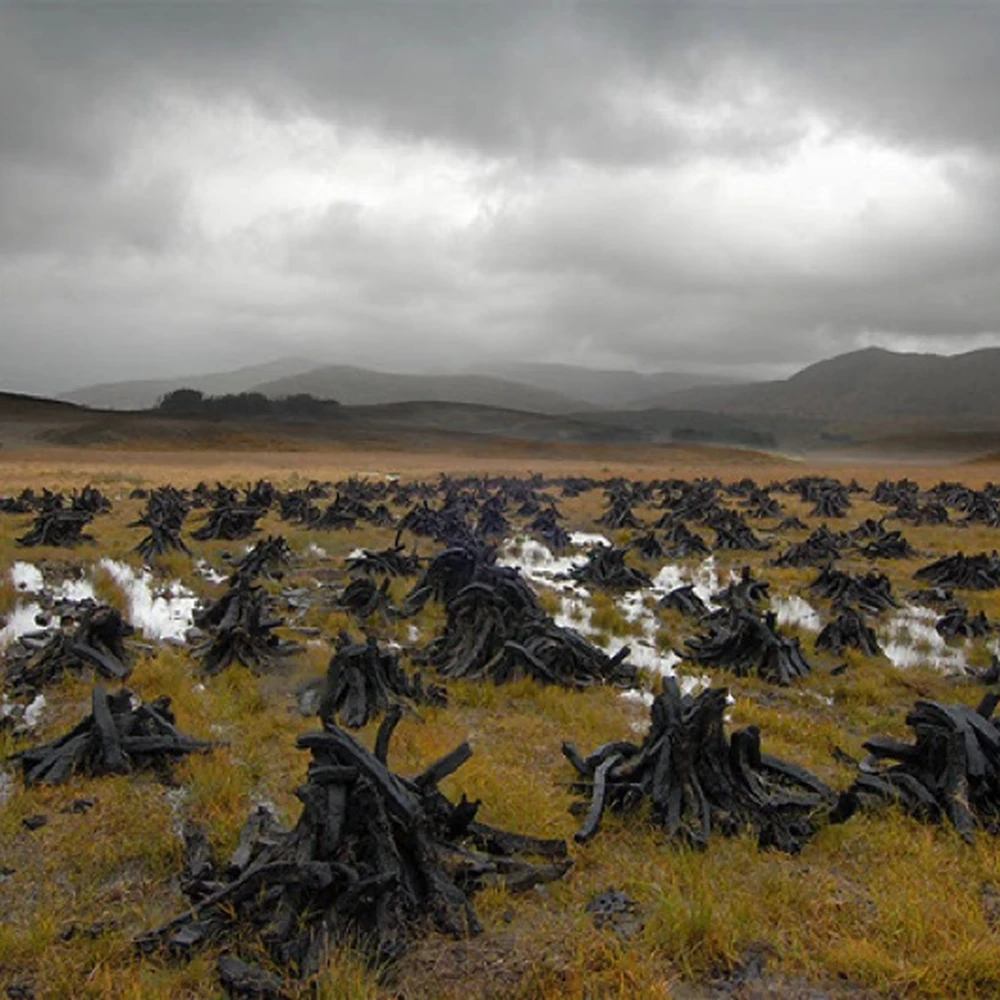
Having gotten lost finding Ash Street to see a six person private exhibition curated by Mary Heider, I finally arrived at 506 Ash Street on this beautiful, sunny, cloudless Saturday afternoon in the seventies, just about everyone was saying how hard it was to find their way here—and what an unexpected pleasure it was once I got there.
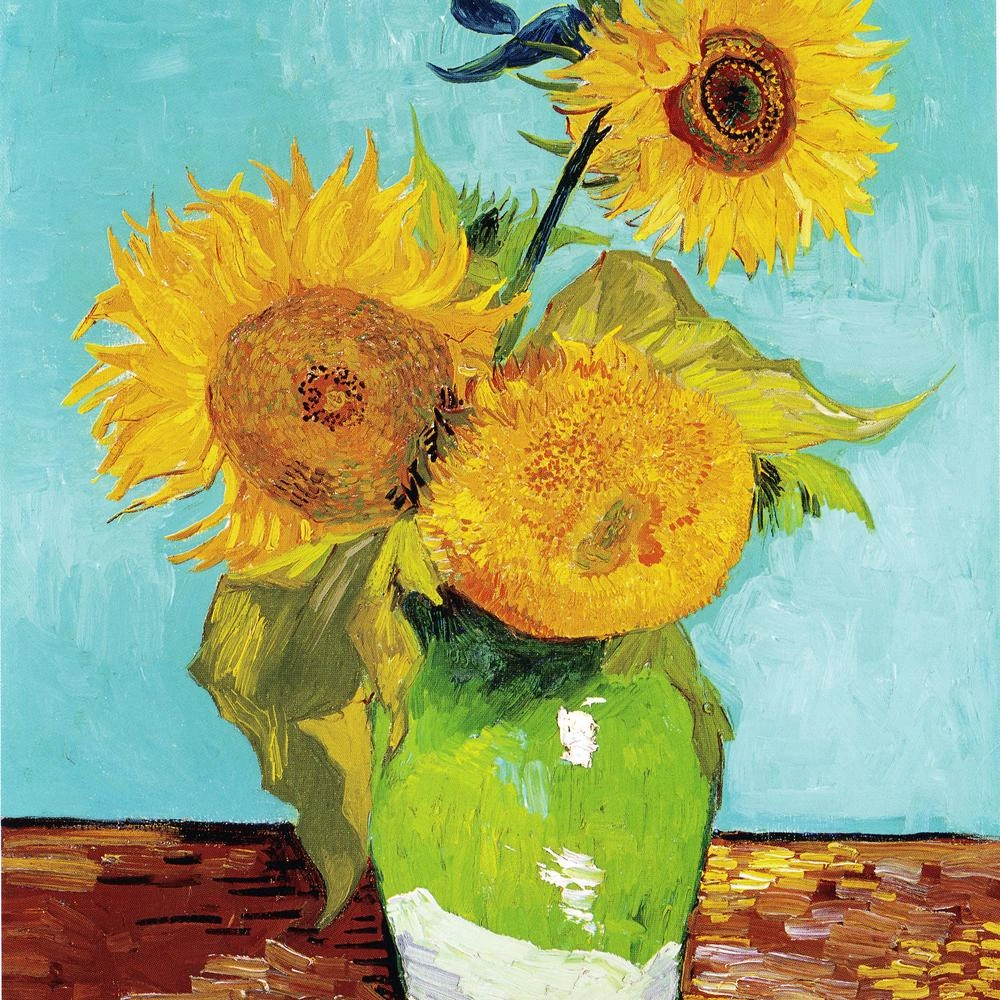
Cody Gunningham has had a show of new paintings up at the Richard Butz Gallery on Main Street in Over the Rhine for the last month. The show continues until October 26. Cody is a recent Art Academy graduate who transitioned from work in illustration to work in painting.
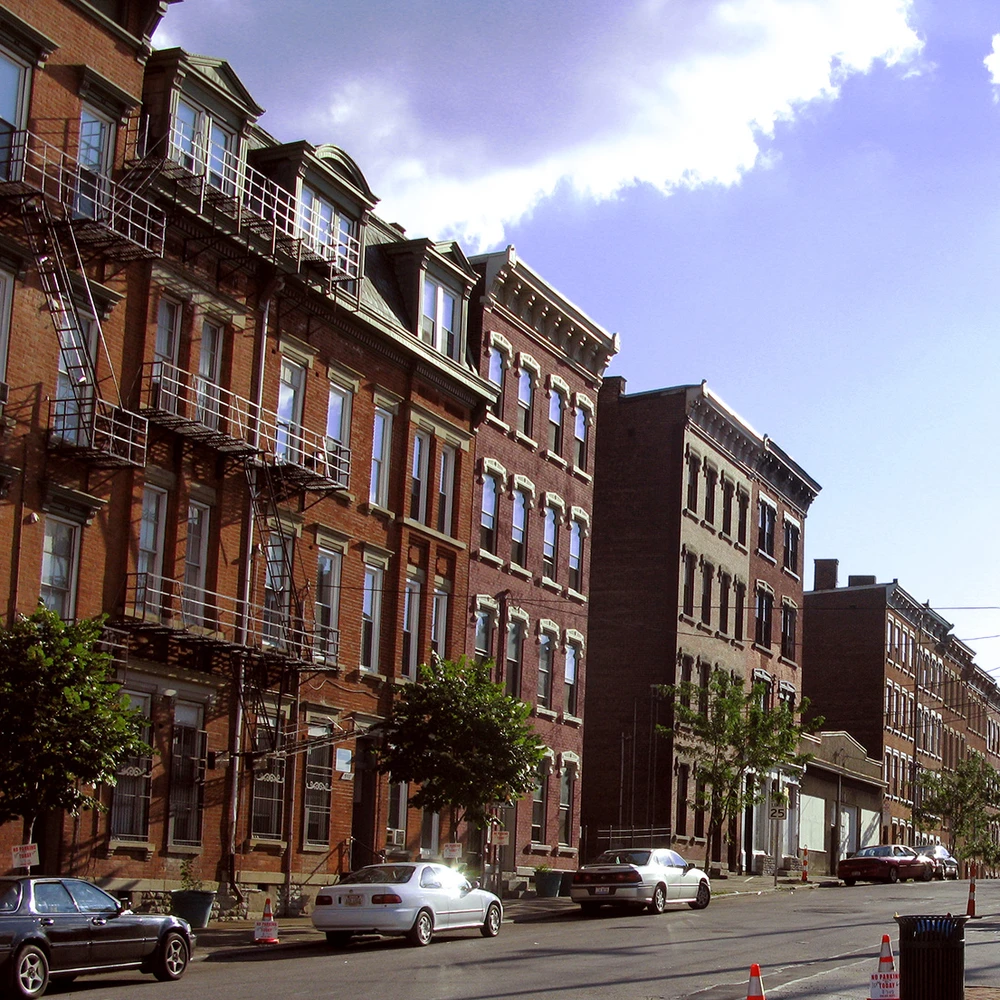
It is ironic that painter Donna Talerico’s maiden name is Artis. Although she doesn’t use it professionally, she ended up pursuing a successful career as an artist after many years as a fashion illustrator.
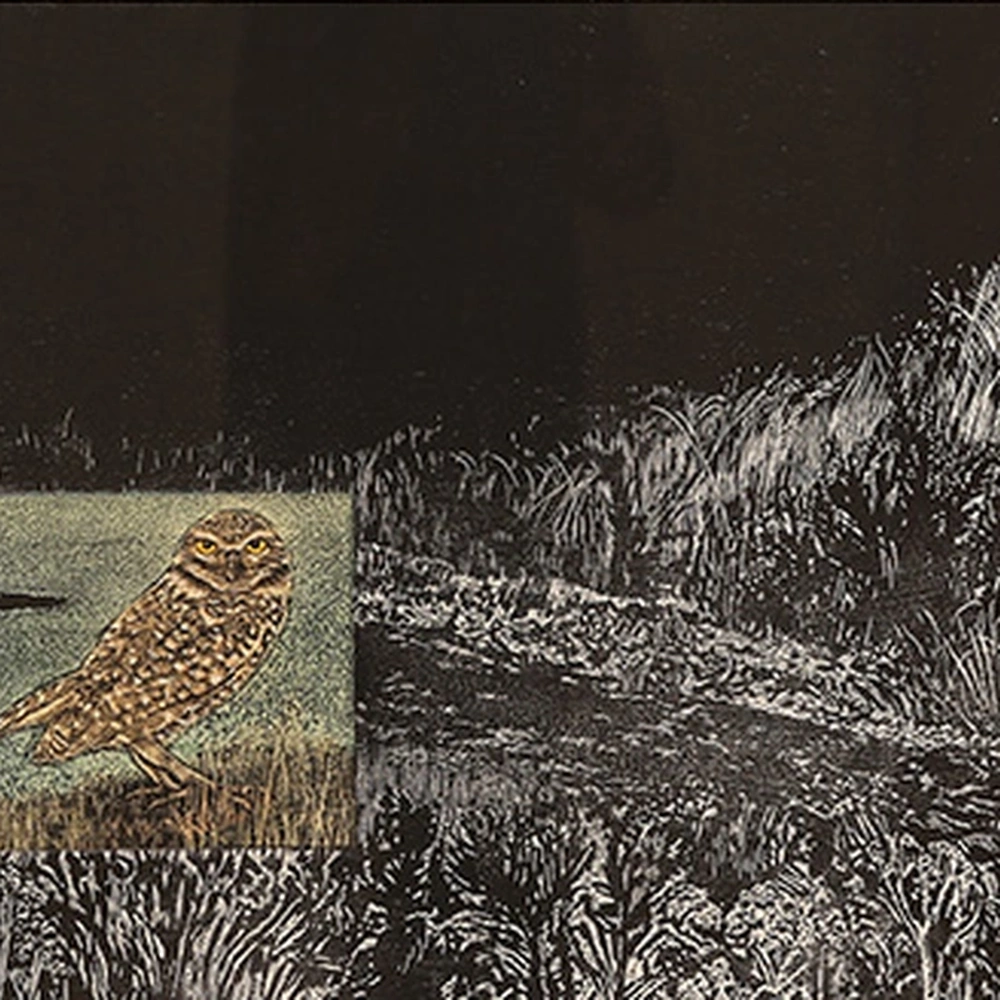
Suzanne Michele Chouteau is Professor of Art at Xavier University in Cincinnati, Ohio. She teaches a variety of courses including printmaking, art history and a summer course in Rome. Chouteau received her BA in Art from Saint Ambrose University, Davenport, IA, and MA and MFA degrees in Printmaking from The University of Iowa in Iowa City.
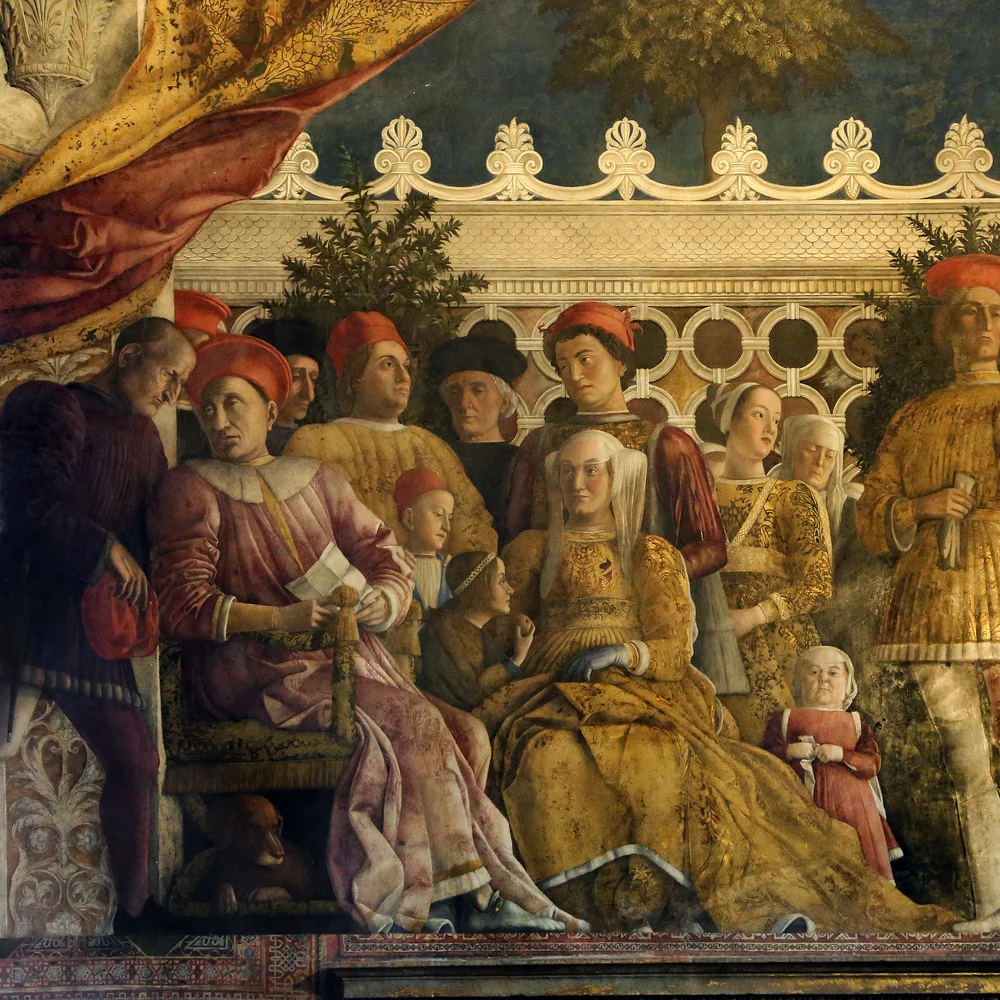
I am in Mantua (well, Mantova to the home folks), having dinner under a groined and painted ceiling in a square room with remnants of frescoes on the wall. I have spent the day in palaces, specifically the palazzo the Gonzango family called home and the other one, the Palazzo del Te, where they hung out to go horseback riding and kept their Titians.
The September ÆQAI has just posted. We apologize that it’s a couple of days late, but we had a lot of writers out of town, a very sick webmaster, and I moved in the middle of the last week of September. But we think that it’s an exceptional issue, and hope that you, too, find it to be.
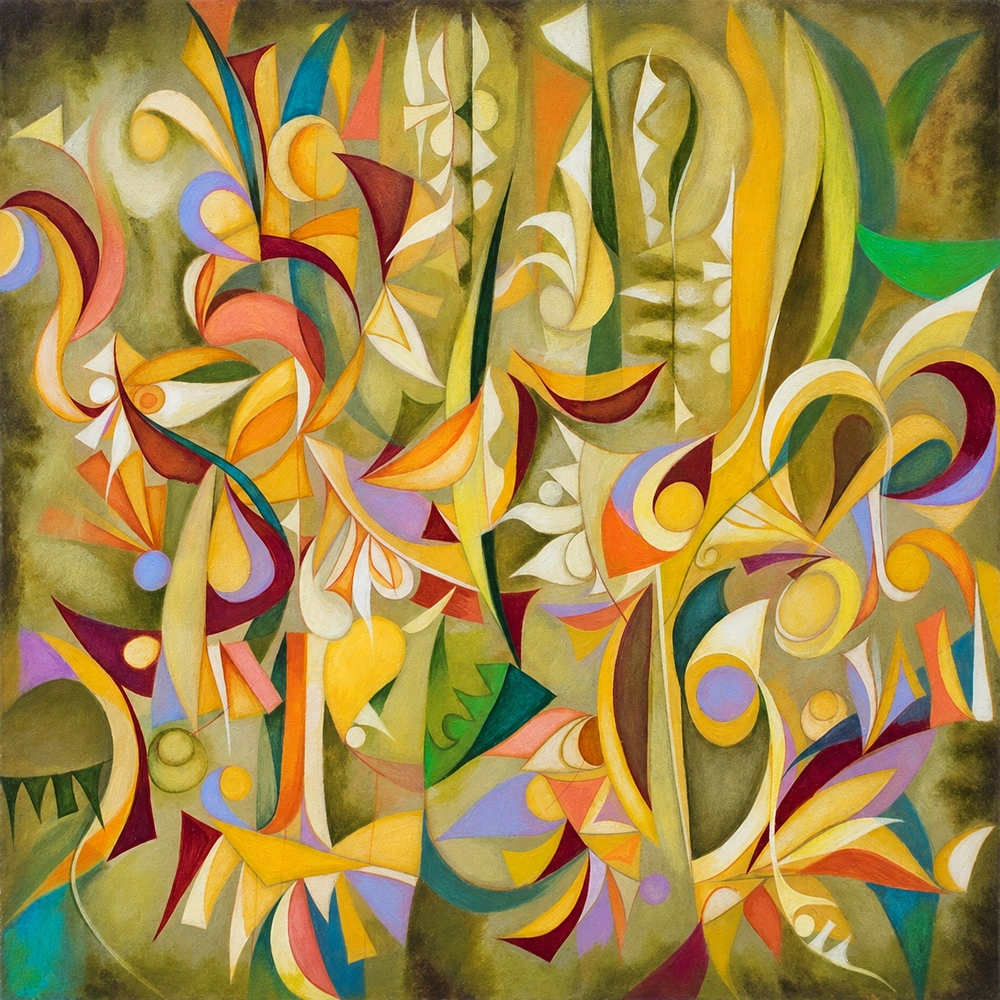
It is not every day that I am able to watch an artist sell a painting (Golden Mist) right before my eyes, but that is exactly what happened to Cedric Michael Cox after his talk for “Planting the Seed,” a faculty exhibition at Kennedy Heights Arts Center, Saturday, September 12, 2014. Cedric’s natural demeanor is a large part of his success, both as a musical artist and as a visual artist. He is a people person.
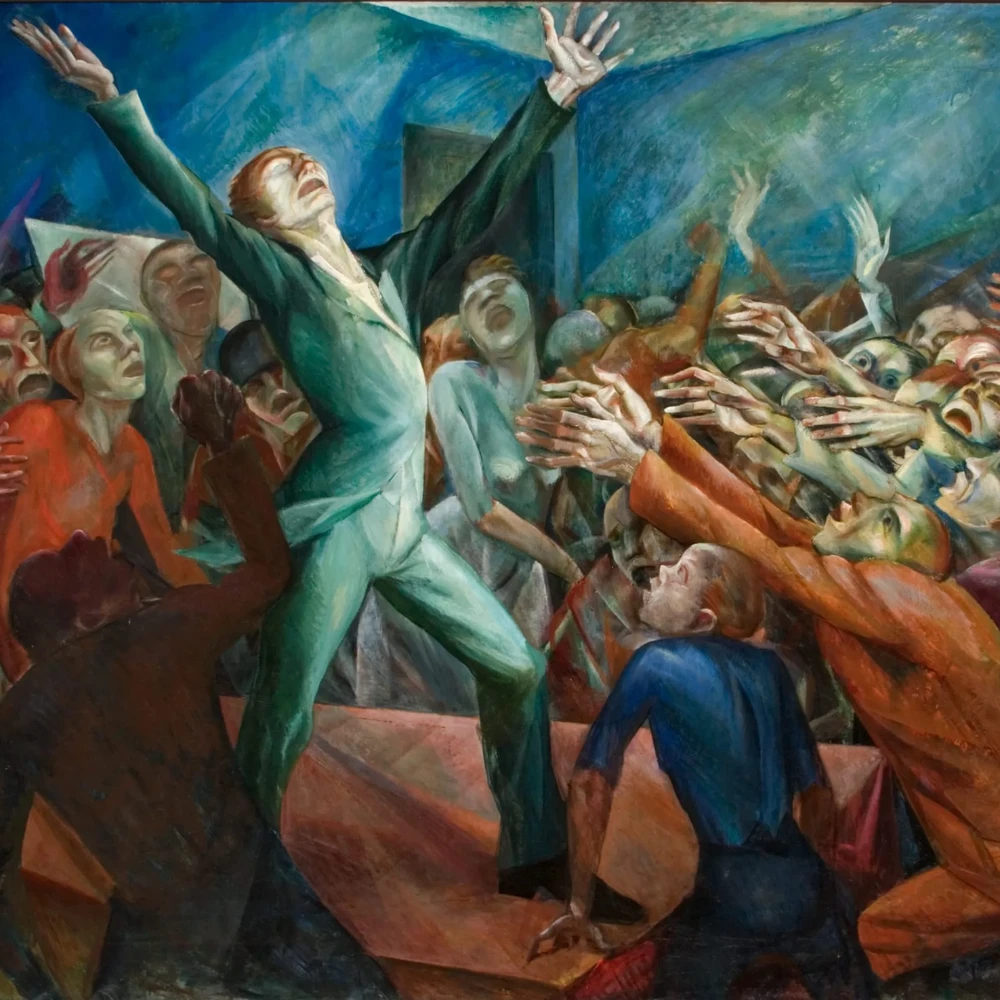
When I found out I would be traveling back to Los Angeles for the first time in 2 years I knew exactly where I wanted to go, and within an hour of landing at LAX I had arrived at my own personal mecca, The Los Angeles County Museum of Art.
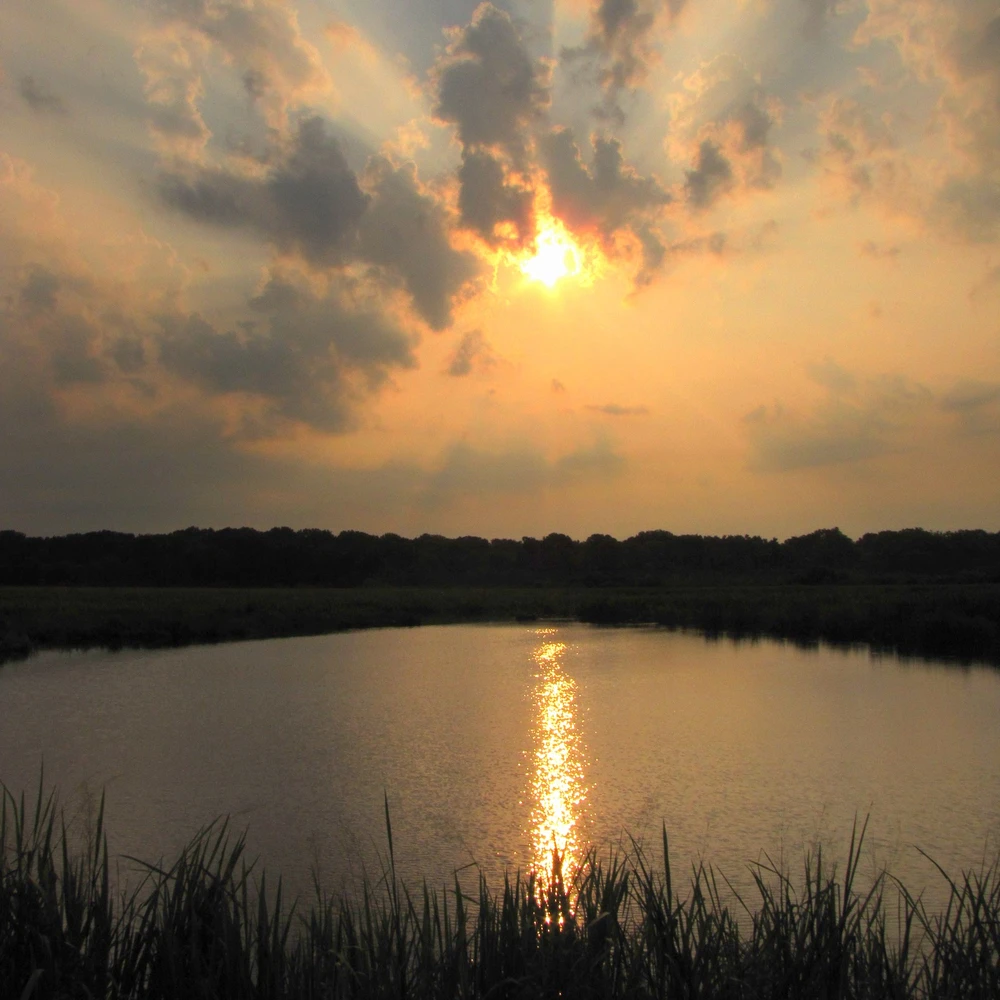
Gregory Michael Stewart, a poet and golf course greenskeeper in Savannah, Georgia, shares “Down River,” a short poem about an early morning commute, with golden clouds low overhead and the smell of marshland.
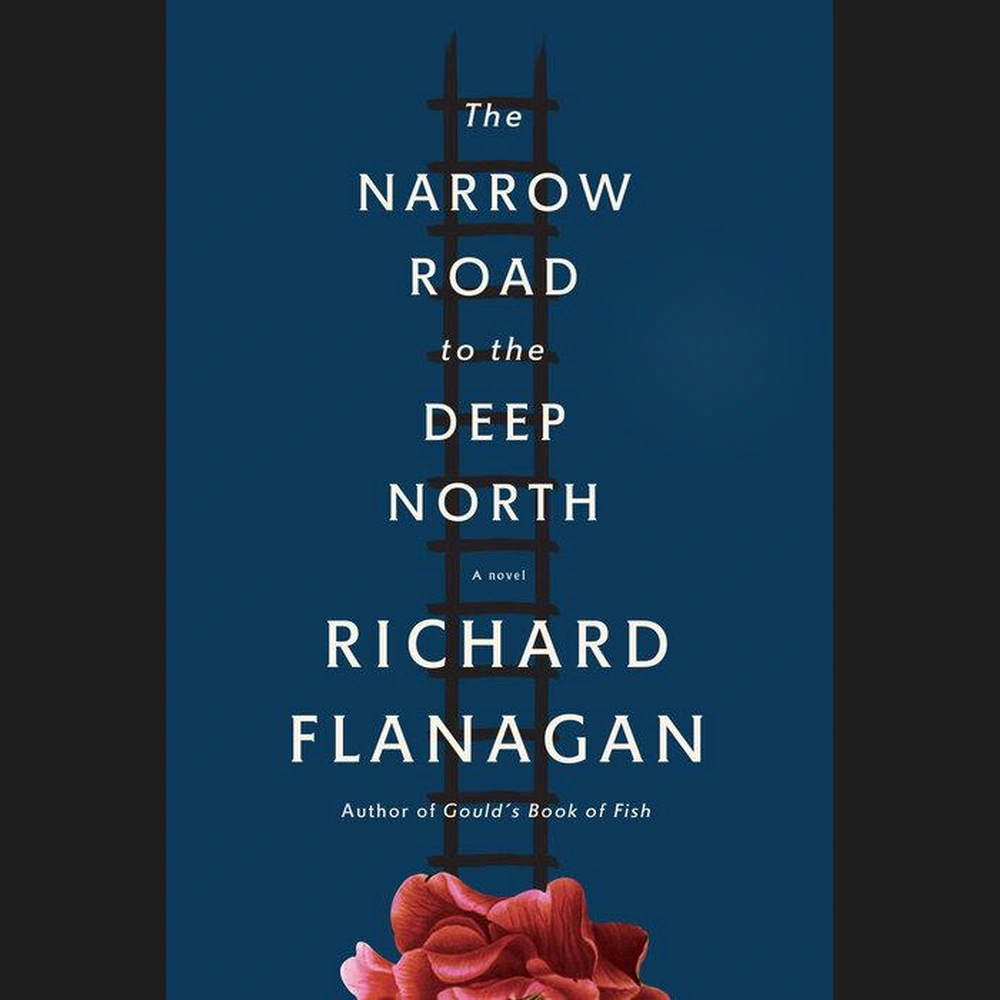
Tasmanian writer Richard Flanagan’s new novel The Narrow Road to the Deep North is highly likely to win this year’s Man Booker Prize in literature. The Booker Prize (which was recently spoofed in Edward St. Aubyn’s newest novel to great affect) is probably the most important literary award in the world, including the Nobel Prize.
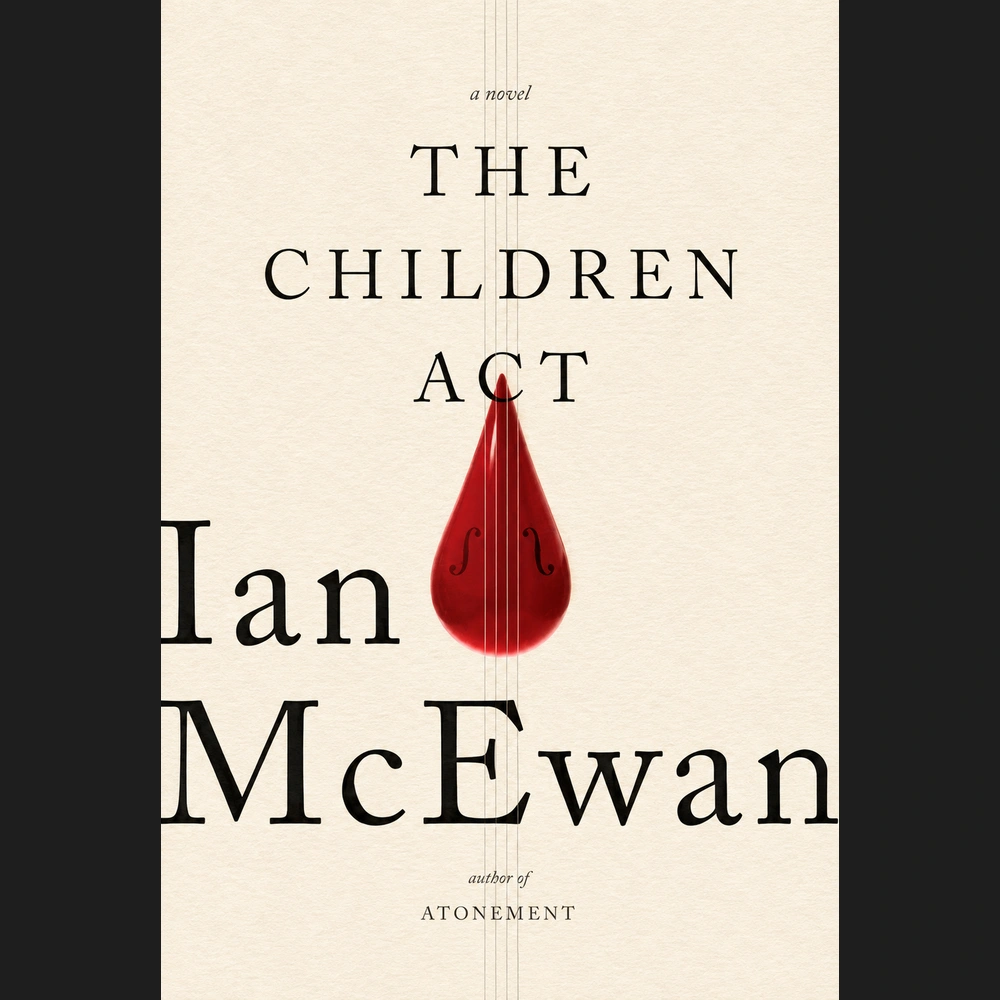
We have learned to expect both excellence and brilliance from English writer Ian McEwan. His new novel, The Children Act, may possibly be his finest book yet, although I am not certain that such a remark is even necessary since so many of them are superior.
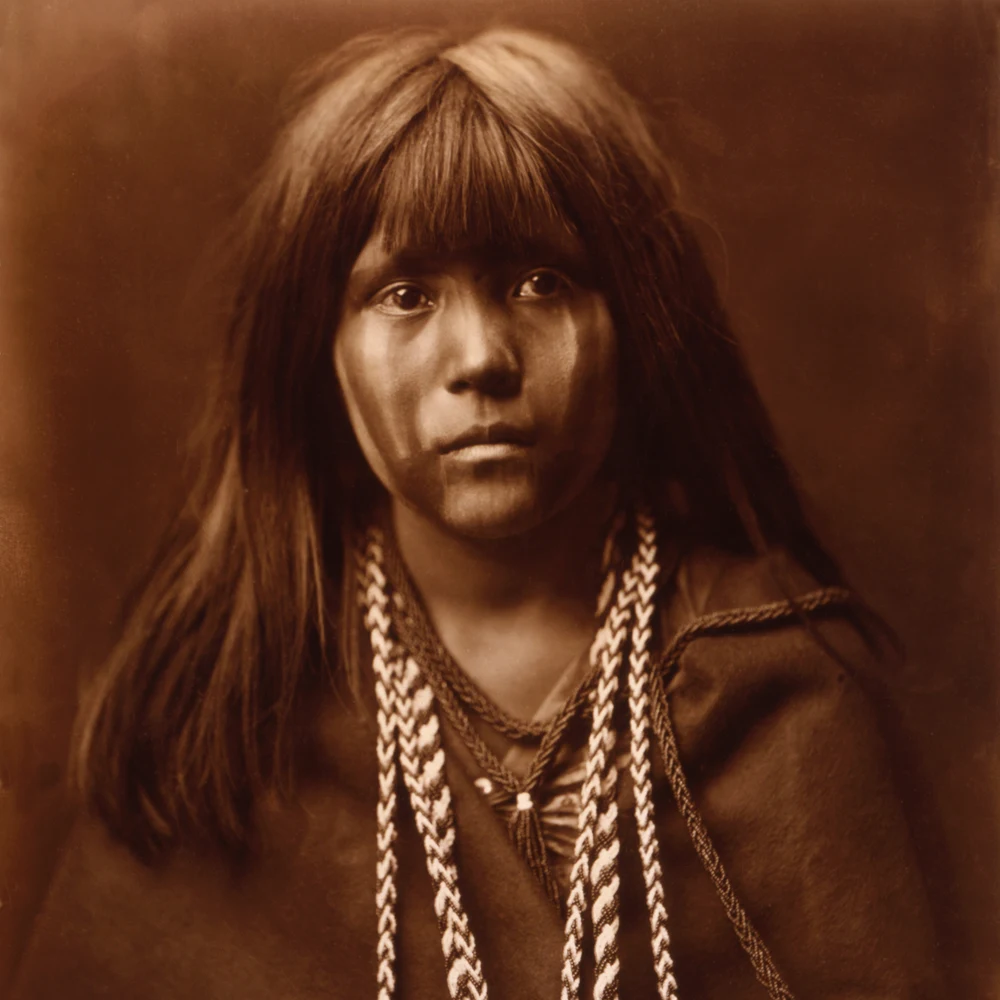
The enthusiasm for the new Fall season in the visual arts is very high. We are seeing more creative exhibition venues, as well as our regular museums, galleries, non-profits, and even restaurants that display art.
