Intellect and wit are a potent pair, and Taiyo Onorato and Nico Krebs have both.
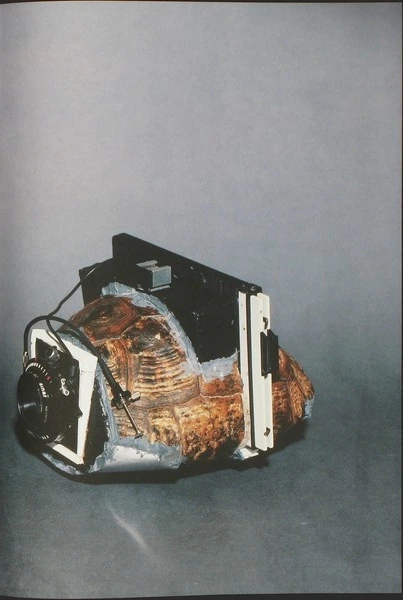
An exquisite composite of their work, The One-Eyed Thief, showcases the vast expanse of photography as a medium. Onorato and Krebs weigh our value system as a culture through our relationship to imagery. They reckon with a medium that has fallen subject to the hands of innumerable users and even more technologies. They indulge in tired theories, divisive philosophies, and photographic sentiment.
On Photography
Photography exists on many different levels. There is the retired businessman who has taken up nature photography and attends classes at the local arboretum. There is the educated Master of Photography who exhibits his existentialist photographs internationally on the floors (not walls, too conventional) of galleries. There is the mom who has recently purchased a two thousand dollar DSLR and has now opened her own wedding/family portrait/senior photo/holiday/anything-you-can-think-of photography business. And then there is the iPhone. So when you hear someone say that they “do photography” you can never really know what that means; you can only predict your own visceral response, which is a sinking stomach and a widening eye.
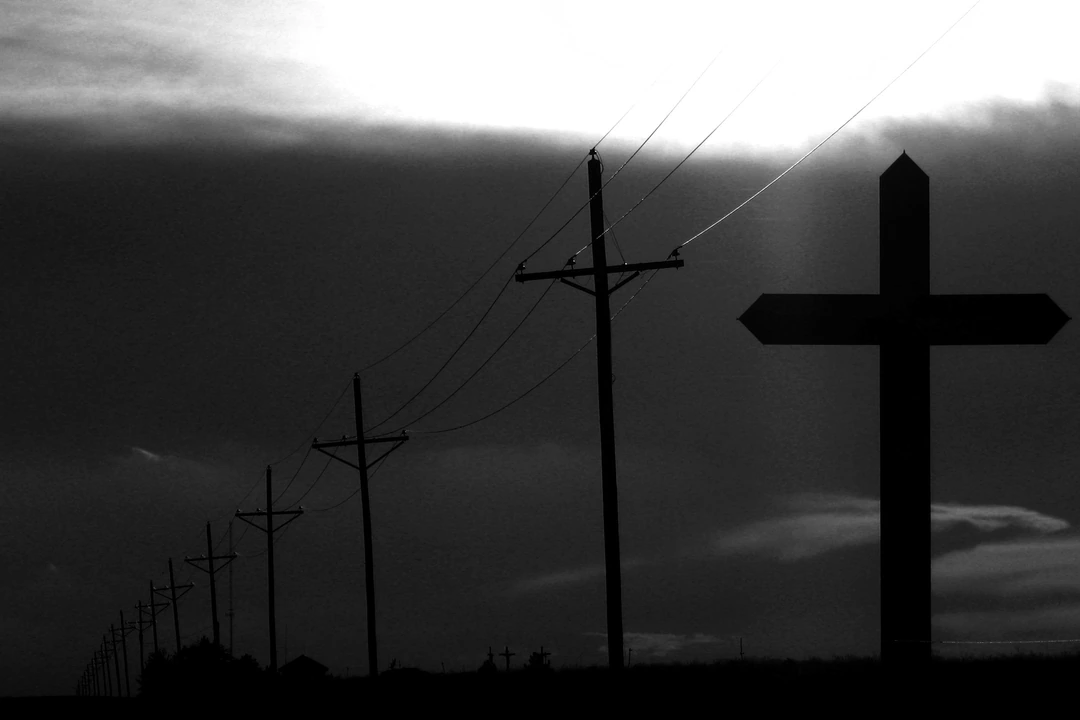
True of each of these personae is a sense of valor, valor for harnessing the power of the camera, for capturing a unique moment in time, for creating such a composition. A perfect display of this very valiance is Onorato and Kreb’s photographic series: The Great Unreal. At times reminiscent of actual documentary photography, and at others resembling early 1900’s surrealist imagery, Onorato and Krebs utilize both (and more) faculties to talk about these photographic phenomena, specifically in the context of a road trip.
Travel in general has a funny effect on people. Take a trip to even a state away and suddenly everything you see is far more interesting, the sky is a little brighter, trash on the ground is just a little more curious, people are in rare form. The lens through which you see everything around you is completely different as if you have just entered into a kind of a religious experience. Your senses are heightened and your creativity has piqued. And perhaps that is what compels this sort of heroic and obsessive documentation that we see so frequently in travel. Landscapes, diners, hotels, advertisements, everything that has been as it was before you arrived has now become your conquered subject.
On The Photograph
Or perhaps it is due in part to our propensity to personify images. This mentality is best reflected in the way we speak about photographs: “This is my mom” versus “This is a photograph of my mom.” Onorato and Krebs position the viewer to perceive the photograph for what it is: a photograph.
They derail the perceived authenticity of the photograph by exposing its variables. In its oddity, in its elusiveness; we know that what we are looking at is a photograph of a car. We realize the human element, both in picture taking and the picture editing. We recognize the strangeness of the subject matter and can deduce its existence. Aside from its conceptual success, the image itself is stunning.
On The Photographer
The photographer, if it ever was a sacred term, has since lost some of its veneration. With ever increasing access to growing technologies and shared forums (the world wide web) the exclusivity of photography as medium has been compromised.
The camera no longer deems anyone a photographer, and it certainly does not deem the product art; the camera is merely a tool. Onorato and Krebs speak to this notion in a variety of ways, and at times, more pungently than others.