
Watching the American Alex Honnold perched on the skyscraper tower in Taipei—508 meters high—immediately carried me to the image of King Kong. With one difference: the latter has an intellectual author, the filmmaker Merian C. Cooper, who directed the original 1933 film alongside Ernest B. Schoedsack for RKO Radio Pictures...
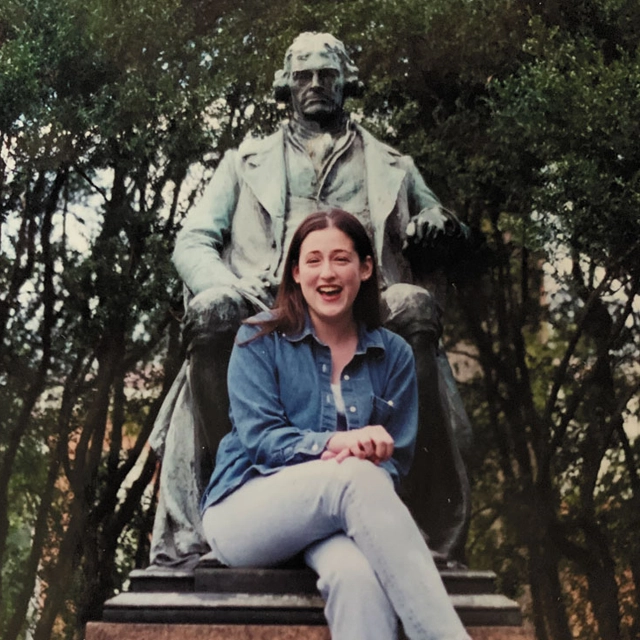
The Clark Art Institute is widely regarded as one of the most prestigious cultural institutions in the United States. Located in Williamstown, Massachusetts, it has been devoted to the study and exhibition of art since 1955. The Institute uniquely combines a museum of the highest caliber with a leading research center—the Research and Academic Program—positioning it as an international point of reference for art historians, curators, and scholars...
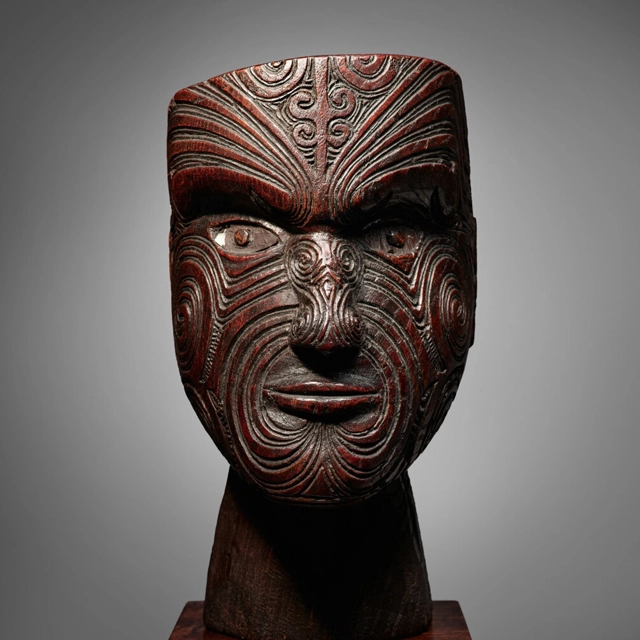
It is generally understood that national museums ought to be the natural custodians of their cultural memory.
Spaces where the history of national art is presented in an ordered and intelligible form. Where foundational images can still be contemplated. Yet, primarily for reasons of funding, an increasing number of state institutions...

Perhaps since the beginning of time, yet within the landscape of contemporary visual culture, polemic, interpellation, and reply operate as devices of symbolic production that act directly upon the processes of meaning and the circulation of images. These controversies, or provocations—beyond merely situating themselves within a context that already shapes the imago—become structuring agents that reconfigure spaces of reading, disarticulate iconographic hierarchies, and redefine interpretive frameworks.
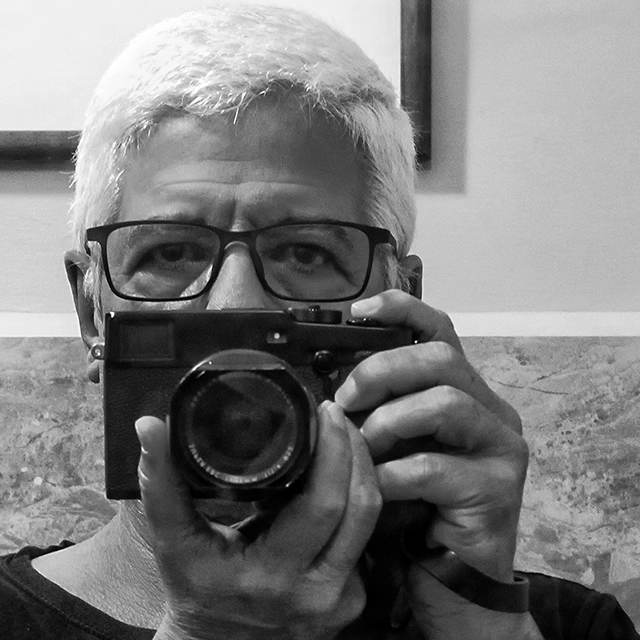
There are cities that return the gaze: they do not yield docilely to the frame, but rather address those who contemplate them. They demand a way of seeing that does not reduce, that does not foreclose. Havana, in this Dossier conceived by the Cuban photographer Pedro Abascal, appears as an entity that observes, folds, and tenses; it refuses to become a mere stage or backdrop.
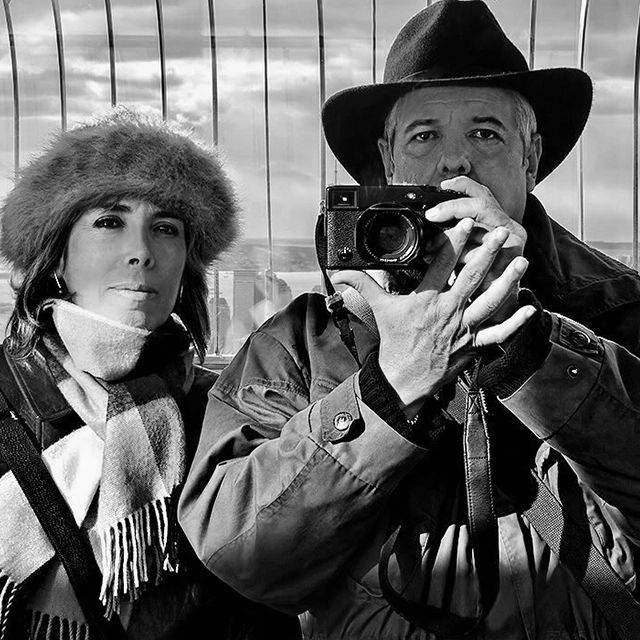
I have known Pedro since 2004, perhaps even earlier, from the time I began attending the exhibitions held in the dozens of galleries and institutions of Old Havana. I do not remember how we became friends; it seems we were so before we had properly met. Pedro is one of the great Cuban photographers of the past decades. Some of his photographs would make Cartier-Bresson raise an eyebrow.
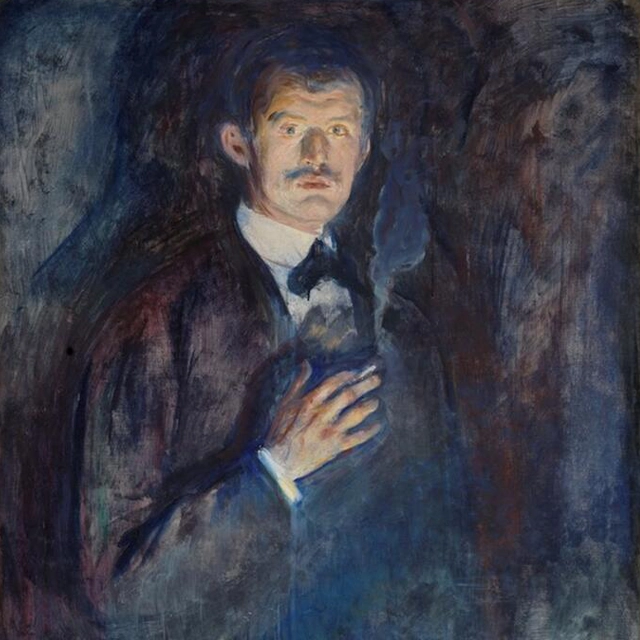
Edvard Munch was one of the most finely tuned loudspeakers of his time’s spirit—the Zeitgeist. Dostoyevsky had been one before him, and Kafka would be another later on. He belonged to that rare class of human beings God seems to have assembled in haste—leaving the skull half-finished, the sutures open, the nerves exposed—those daemons of History chosen to transmit its message to humanity.
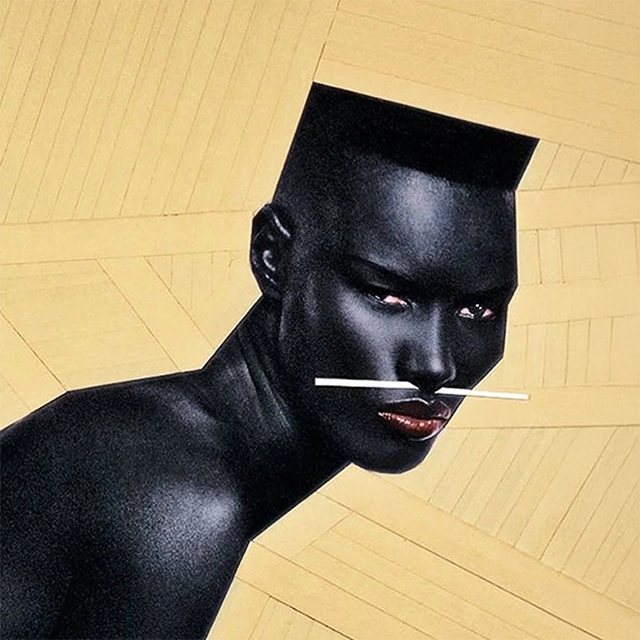
Netflix aired the final episode of Stranger Things on December 31, 2025. It coincided with the closing of an unusual and demoralizing year. A masterstroke. We will remember forever the day the Upside Down arc was sealed, Vecna definitively defeated, and Eleven’s story brought to a close—at every level: her power, and her life in the physical realm. The group of friends disperses as an active unit. Each takes a different path. And, above all, one of the warmest windows onto the extraordinary 1980s was shut.
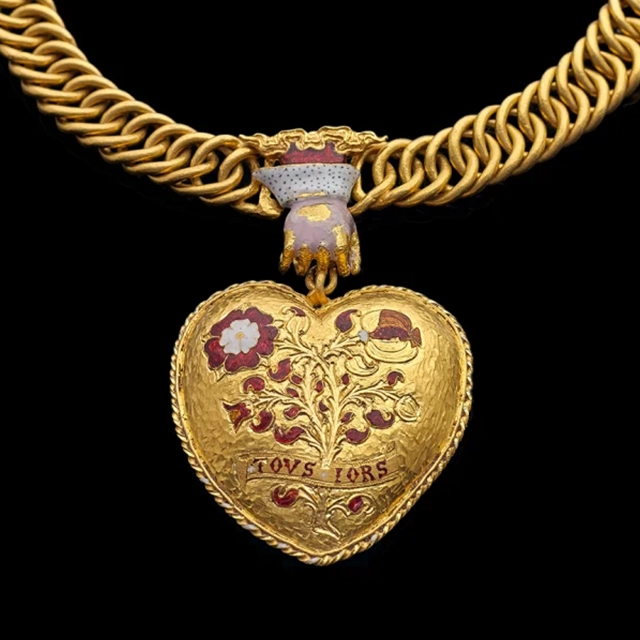
The British Museum has launched a campaign to secure the Tudor Heart, an ostentatious gold pendant linked to Henry VIII and Catherine of Aragon. Its aim is to prevent the object from falling into private hands and vanishing from public view.
Discovered in Warwickshire in 2019 by a metal-detecting enthusiast, the piece was automatically placed under the provisions of the Treasure Act of 1996.

It is cold in Harbin, a city located in China’s northeastern reaches. It is the capital of Heilongjiang Province, on the banks of the Songhua River. Winters here are long and severe. Nearly three quarters of its territory borders the far—and frozen—Russian Far East.
One of the qualities I most admire in the Chinese people is their practical intelligence. They perform small miracles with whatever lies at hand...

My interest in Asia does not arise from fascination, but from the recognition of a cultural sediment that resists superficial readings. China and Japan have been fundamental references in this process, both in the realm of visual arts and in that of symbolic management. Their literature and philosophy have not lost their capacity to converse with contemporaneity—not as untouchable corpora, but as tools for living thought, applicable to politics, ethics, cultural architecture, and aesthetics.
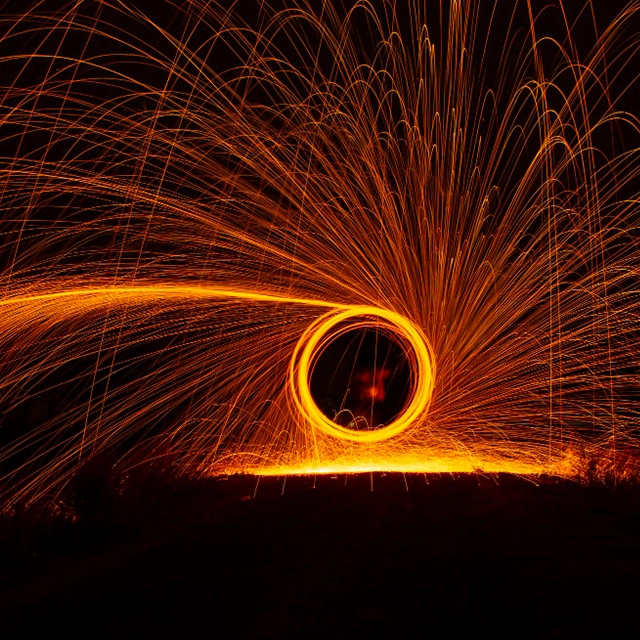
Why share an image that, from an aesthetic standpoint, I find unpleasant? Of all possible complementary color pairings, this is probably the only one I would never use in a design or in a work of artistic intent. Together—yellow-gold and cold violet—they vibrate in an unbearable way, imposing a visual rhetoric saturated with meaning. Perhaps because, over centuries, they have been associated with institutions now perceived as decadent, with a solemnity that fails to justify itself.
It is not the same to watch a cyclone from the window of your house as from an orbital station. They are two entirely different spectacles. When I was a child, it filled me with tremendous excitement. I had eyes only for its ravaging gusts. I did not notice my father sweating as he nailed boards over the windows. That is the distortion produced by perspective. From the distance established by innocence, catastrophe becomes nothing more than a majestic spectacle.


