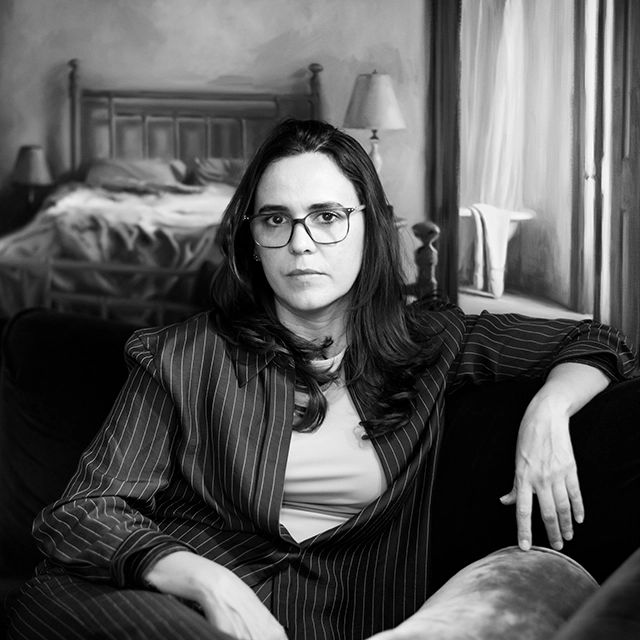
I have known for several days. We waited for the foundation’s official publication, where it is formally announced that Leticia Sánchez Toledo has been awarded once again. This time, by the Elizabeth Greenshields Foundation.
As many know, Leticia is a figurative visual artist who works primarily in oil on canvas. Through its decision, the foundation supports one of the projects she currently has in development.
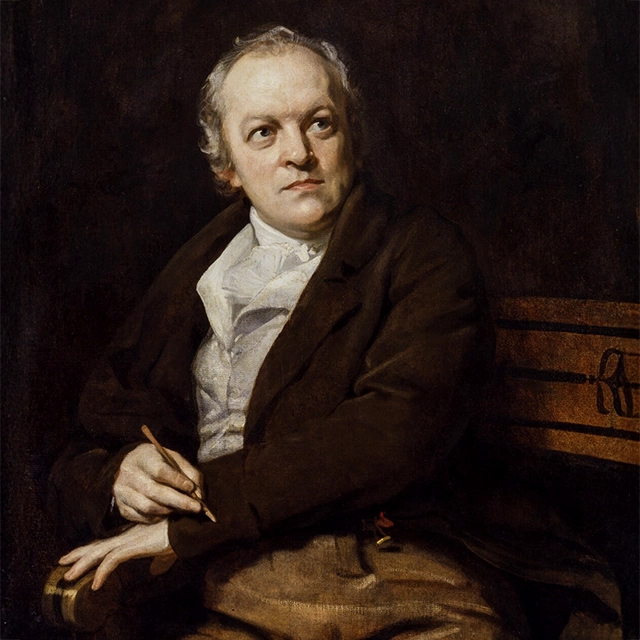
There is something bitterly ironic, and in some way unjust, in the posthumous fate of William Blake. An extraordinary poet and engraver, he spent his life defending imagination as a sacred faculty, denouncing slavery, and dreaming of a spiritual Jerusalem on earth. He has nevertheless ended up recast, in the contemporary imagination, as a numen, or tutelary spirit, of evil. His name and his images appear tattooed on the skin of serial killers, whispered into the ears of victims in television series...
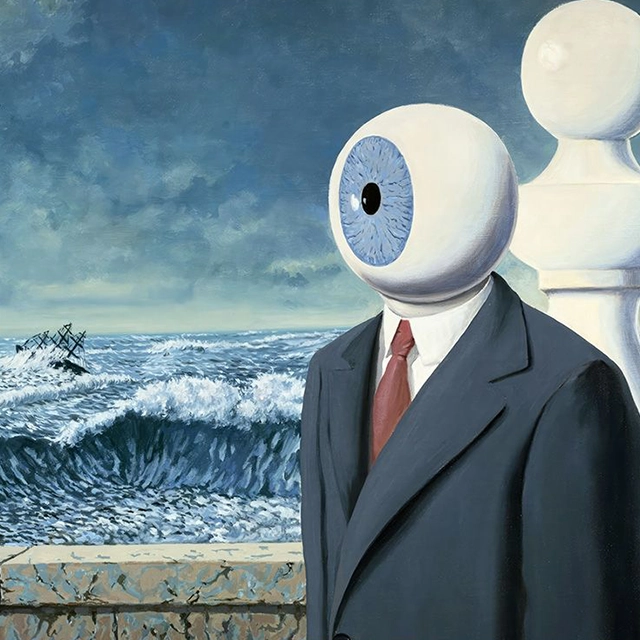
The auction house Sotheby's has just secured a credit line of up to one hundred million dollars from the private capital firm KKR, offering as collateral the commissions its clients still owe it on auction purchases. It is a form of financing worth attending to, because it discloses where in the cycle one of the two houses that have set the pulse of the global art market for decades now finds itself. When a company begins to collateralise its receivables in order to access immediate liquidity...
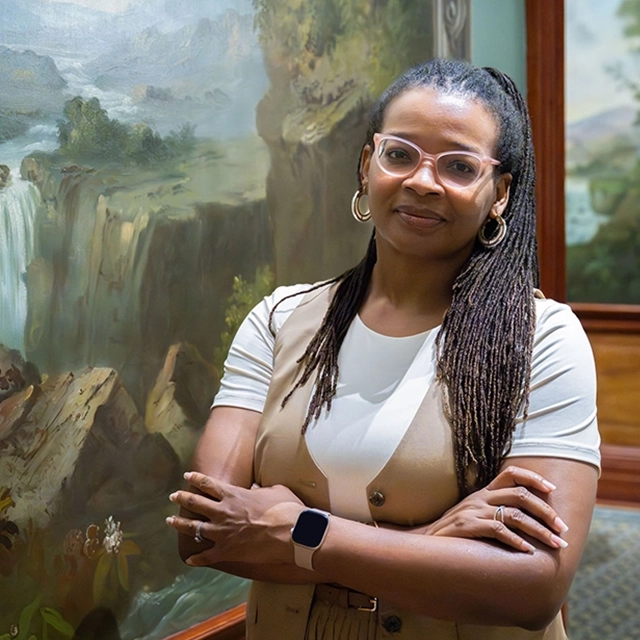
Art historiography in the American Midwest often relies on preservation institutions that consolidate particular versions of the past. This year, the Taft Museum of Art subjects its founding narrative to review through the integration of “domestic” aesthetics into the historical texture that defines it.
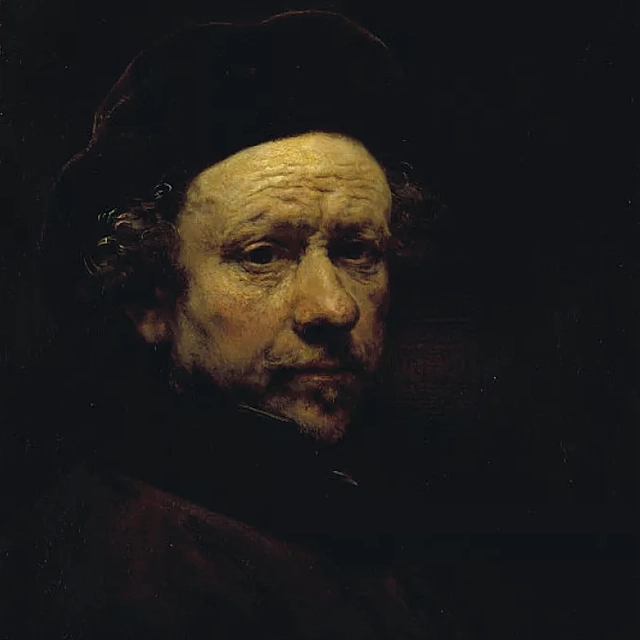
I have yet to visit the exhibition Rembrandt: Masterpieces in Black and White. Prints from the Rembrandt House Museum, which opened on February 7 in the Fifth Third Gallery at the Taft Museum. Almost every day I find myself thinking I should go. Opportunities like this are not common, especially when dealing with a major figure of Dutch art.
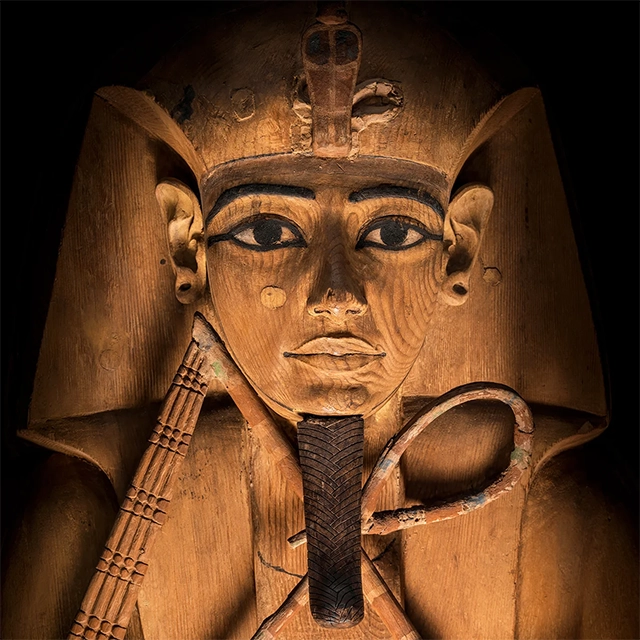
I have a couple of friends named Ramses. I met them in Cuba, and both ended up in Spain. I’m not sure if they are still there, probably. But what continues to strike me is not the trajectory. How is it that I have two friends with the name of a pharaoh? How is this possible?
I tend to think it has to do with Ramses II—the pharaoh who ruled Pi-Ramesses (Nile Delta) between 1279 and 1213 BC. Western civilization had little awareness of his existence until the early seventeenth century.
According to multiple sources, Art Attack Cincinnati emerges in the early 2020s, within a broader moment of cultural reactivation following the pandemic. It can be understood as a punctual exhibition format that enables the direct sale of artworks. It has no fixed venue and unfolds across informal sites in the city, with recurring presence in places such as Braxton Brewing Co. Cincinnati.
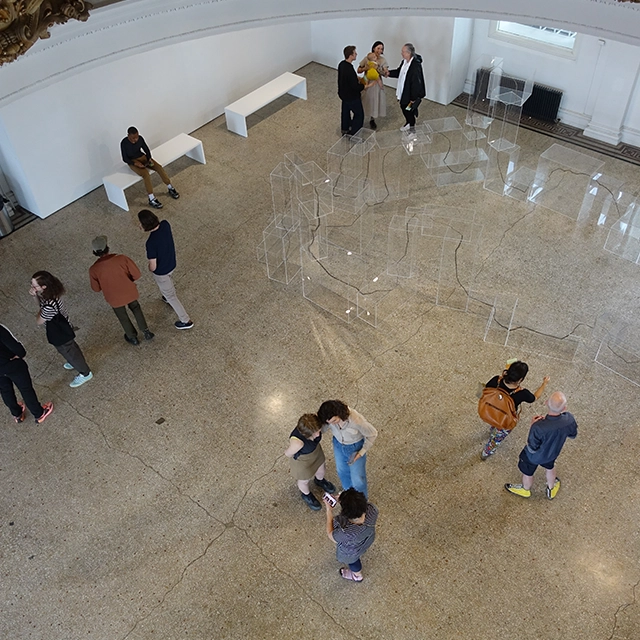
Presented by The Annex Gallery, The Body Isn’t a Battery That Discharges Upon Death unfolds as an exploration of what time gradually dissipates—traces and residues—and of what still resists, its resonances.
The brochure—printed austerely in black and white on tinted stock—sets out, with clarity, the exhibition’s aesthetic and conceptual framework...
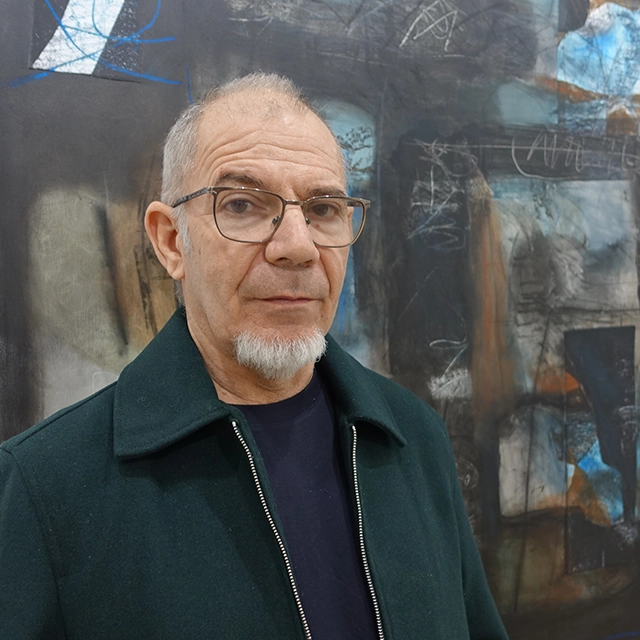
Rigoberto Mena is an artist with a solid career spanning more than three decades. I consider him the most important Cuban abstract artist working today, and I am not willing, in the presence of such a figure, to write a definitive text without having this exhibition before me. Above all because this is not just another show. Here, as in a previous one held in North Carolina, something has shifted in ways that matter.


