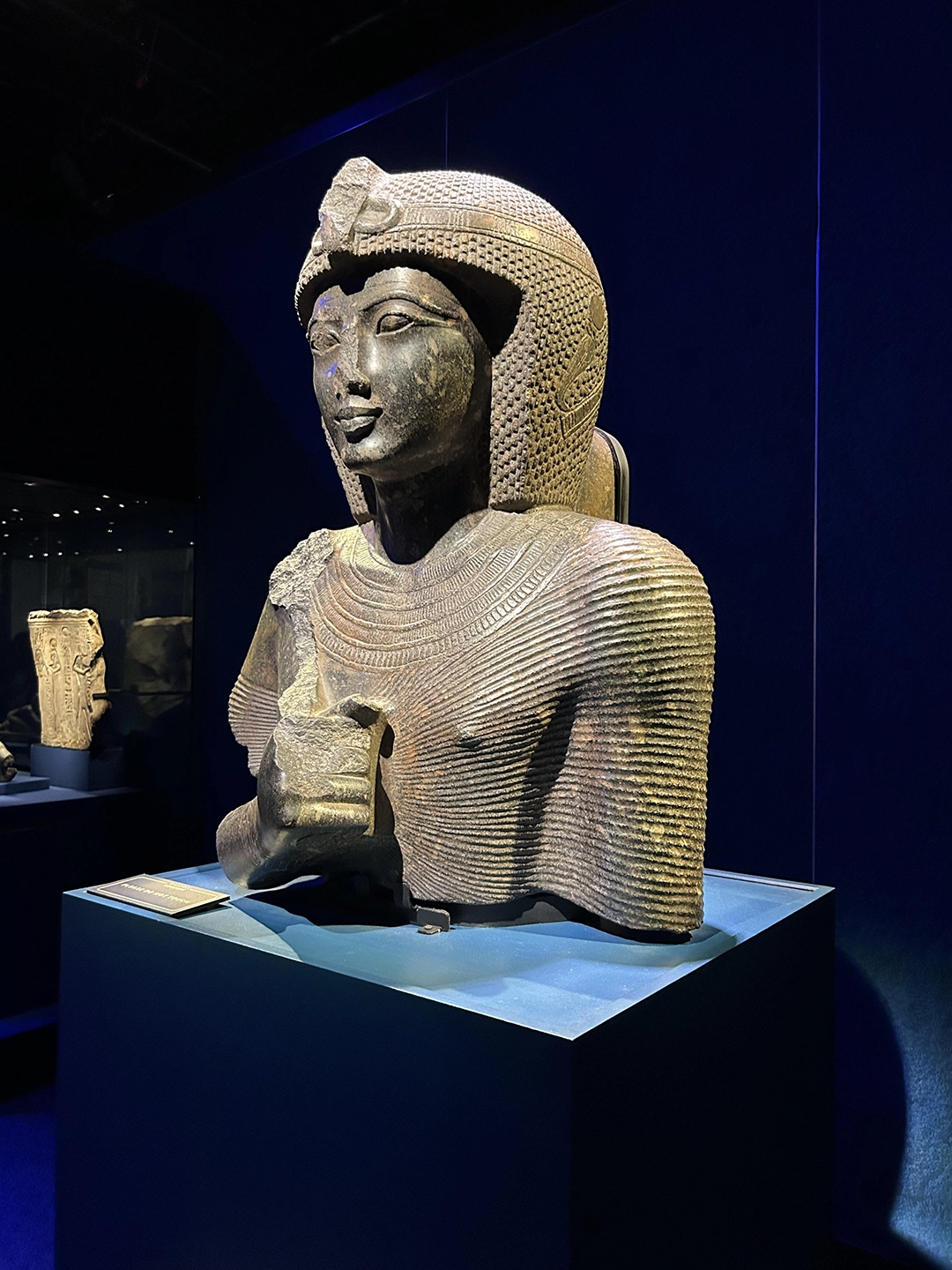
Bust of Ramses II on view at Ramses and the Pharaohs’ Gold
I have a couple of friends named Ramses. I met them in Cuba, and both ended up in Spain. I’m not sure if they are still there, probably. But what continues to strike me is not the trajectory. How is it that I have two friends with the name of a pharaoh? How is this possible?
I tend to think it has to do with Ramses II—the pharaoh who ruled Pi-Ramesses (Nile Delta) between 1279 and 1213 BC. Western civilization had little awareness of his existence until the early seventeenth century.
When Napoleon invaded Egypt in 1798, he did not travel with infantry and cannons alone. He brought astronomers, engineers, archaeologists, and draftsmen. During the two years they remained there, they set about documenting temples, reliefs, and hieroglyphs. The result was the monumental Description de l’Égypte.
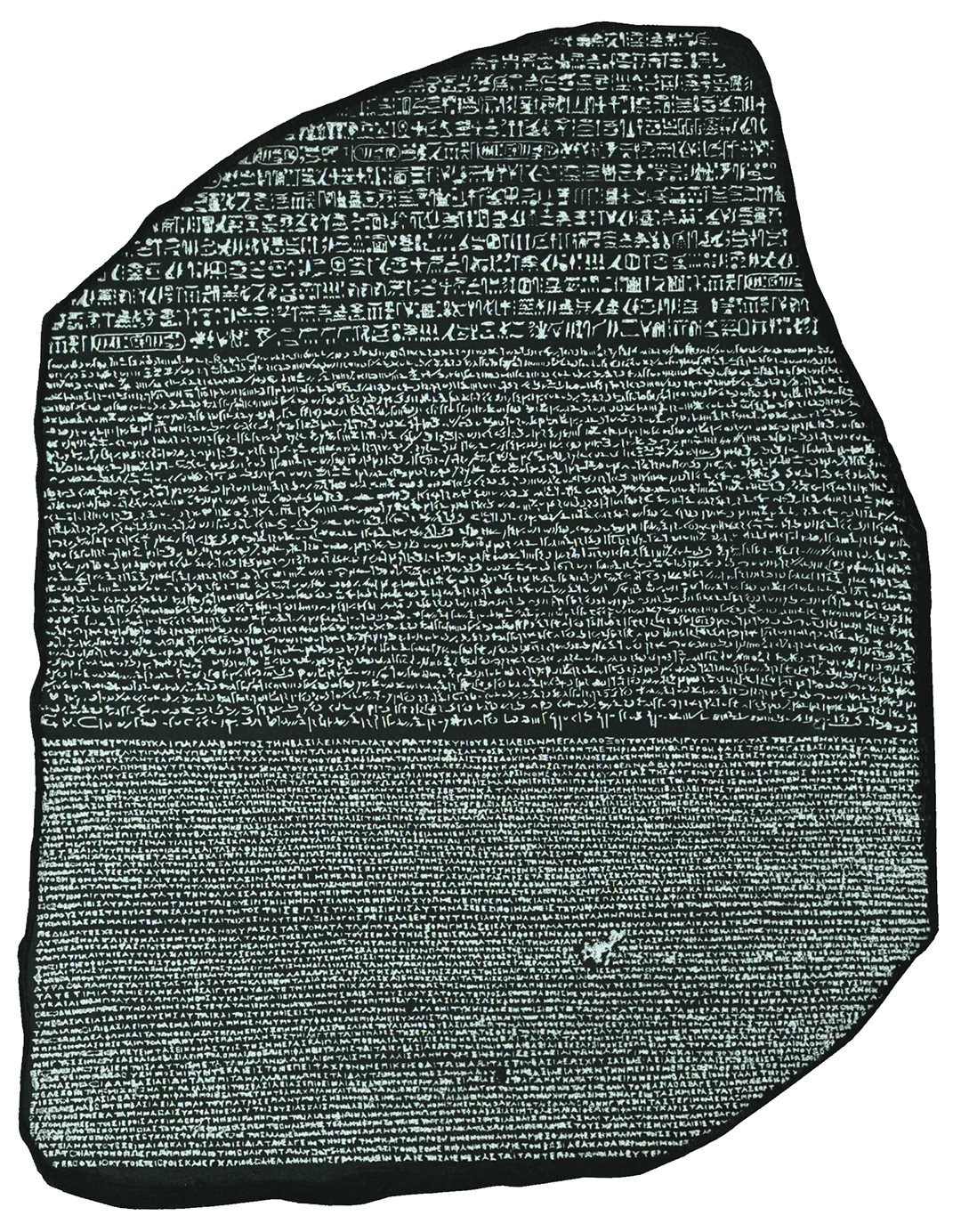
Europe fell into a sweeping fascination with Egyptian civilization. In cultivated circles, modern Egyptology emerged, while in the streets Egyptomaniacs multiplied. The most decisive moment was still to come. Pierre-François Bouchard discovered the Rosetta Stone in 1799 while working on the reconstruction of Fort Julien. Twenty years later, hieroglyphs were finally deciphered by Jean-François Champollion.
The scripts began to be read, and Ramses II became widely known. He turned into an object of study and moved from being a shadowy figure of Nile-bound fabulation to a historical presence—concrete, monumental. Pay attention to that last adjective. There is a lateral connection between Ramses II and Napoleon. The latter saw himself as an heir to great empires and found in Egypt a clear symbolic stage of power. Ramses II was subsequently reinterpreted and recast as an archetype of authority, one that could sustain imperial narratives. Napoleon left the desert with the certainty that whatever is monumentalized acquires permanence.
In practical terms, Ramses had no difficulty filling his surroundings with statues, monuments, and inscriptions of every kind. He promoted an unrelenting campaign of political propaganda to carve out an image resistant to erosion. Like certain contemporary politicians, he displayed a singular ability to amplify and project power, influence, and to exercise total control over the historical narrative. This is why, unlike Akhenaten—a zealot who imposed a radical religious reform centered almost exclusively on the cult of Aten—Ramses was seen as dominant, yet stable and traditional.
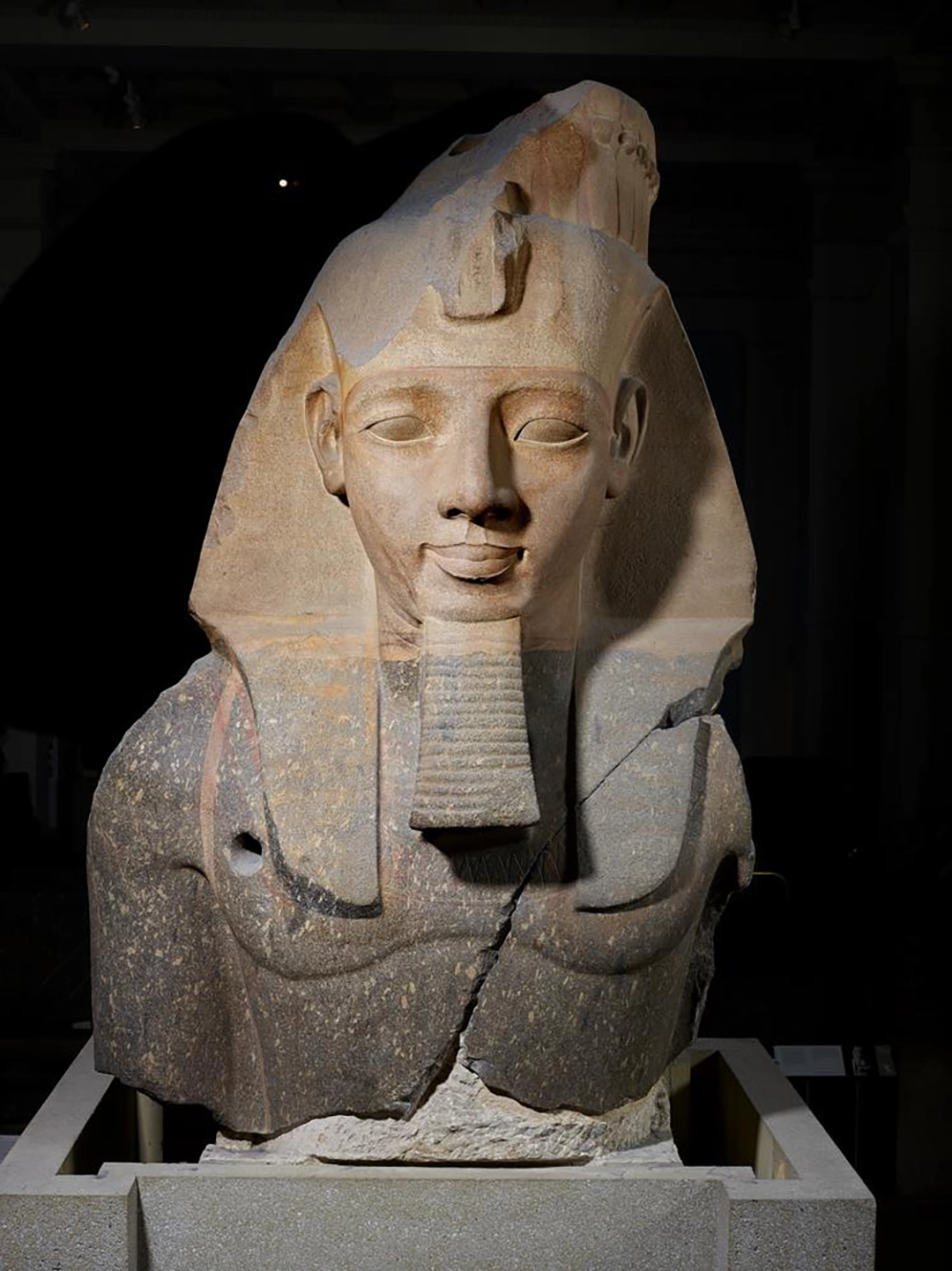
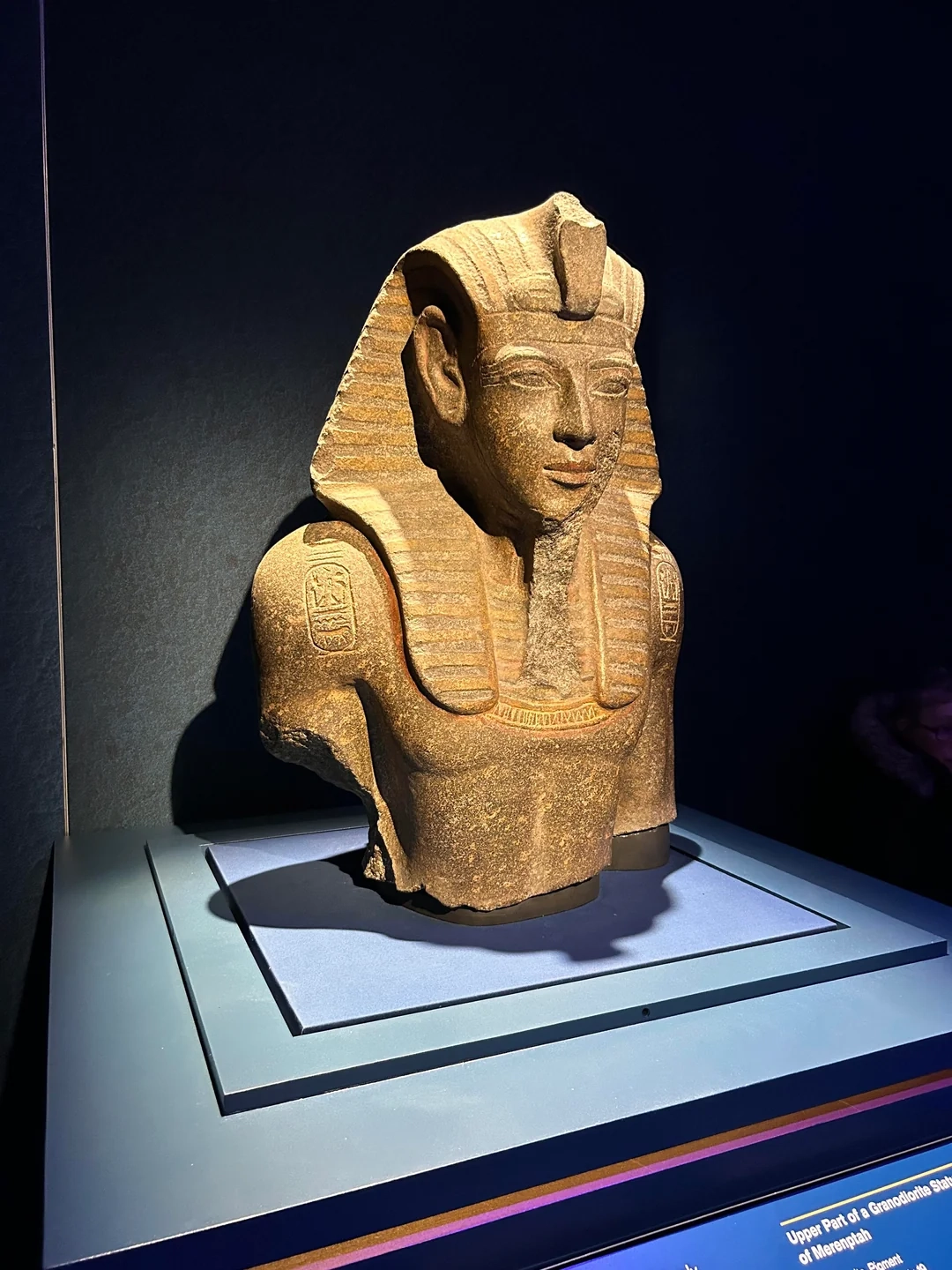
Percy Bysshe Shelley likely never saw the statue in person. He drew on an account by the explorer Giovanni Battista Belzoni, as well as on circulating descriptions of these ruins. | The Younger Memnon. Head and upper body of pink/grey granite monumental statue of Ramses II (one of a pair placed before the door of the Ramesseum) wearing nemes head-cloth and circlet of uraei (about half now lost), the sculptor has exploited the bichrome nature of the stone to emphasise the division between body and face; the dorsal pillar is inscribed with vertical registers of hieroglyphs - giving the name and titles of the king and part of a dedication to Amun-Ra; in 1817 it was noted that there were traces of colour upon the statue and it may have, therefore, been painted red in antiquity.
Ramses also inspired the poem Ozymandias, written in 1818 by Shelley. The poet was struck by the colossal statue known as the Younger Memnon, brought from Egypt to London and now part of the collection of the British Museum. The elegy does not dwell on historical accuracy but on the embodiment of absolute power and its inevitable decay. The well-known line “Look on my works, ye Mighty, and despair” stands in stark contrast to the image of a ruined statue, lost in the sands of the desert.
Today, Ramses does not sit at the top of any top five of great pharaohs. He does not compete with Tutankhamun, whose tomb was discovered intact at a time when everything could already be photographed and curiosity magazines were printed by the millions. Nor with Akhenaten, whose disruptive character continues to attract attention. He is more or less placed alongside Cleopatra, Nefertiti, and Khufu—the one of the tourist pyramid.
I return to the question. If I know several Ramses, unnumbered, why do I not know a single Akhenaten, a Khufu, a Cleopatra?
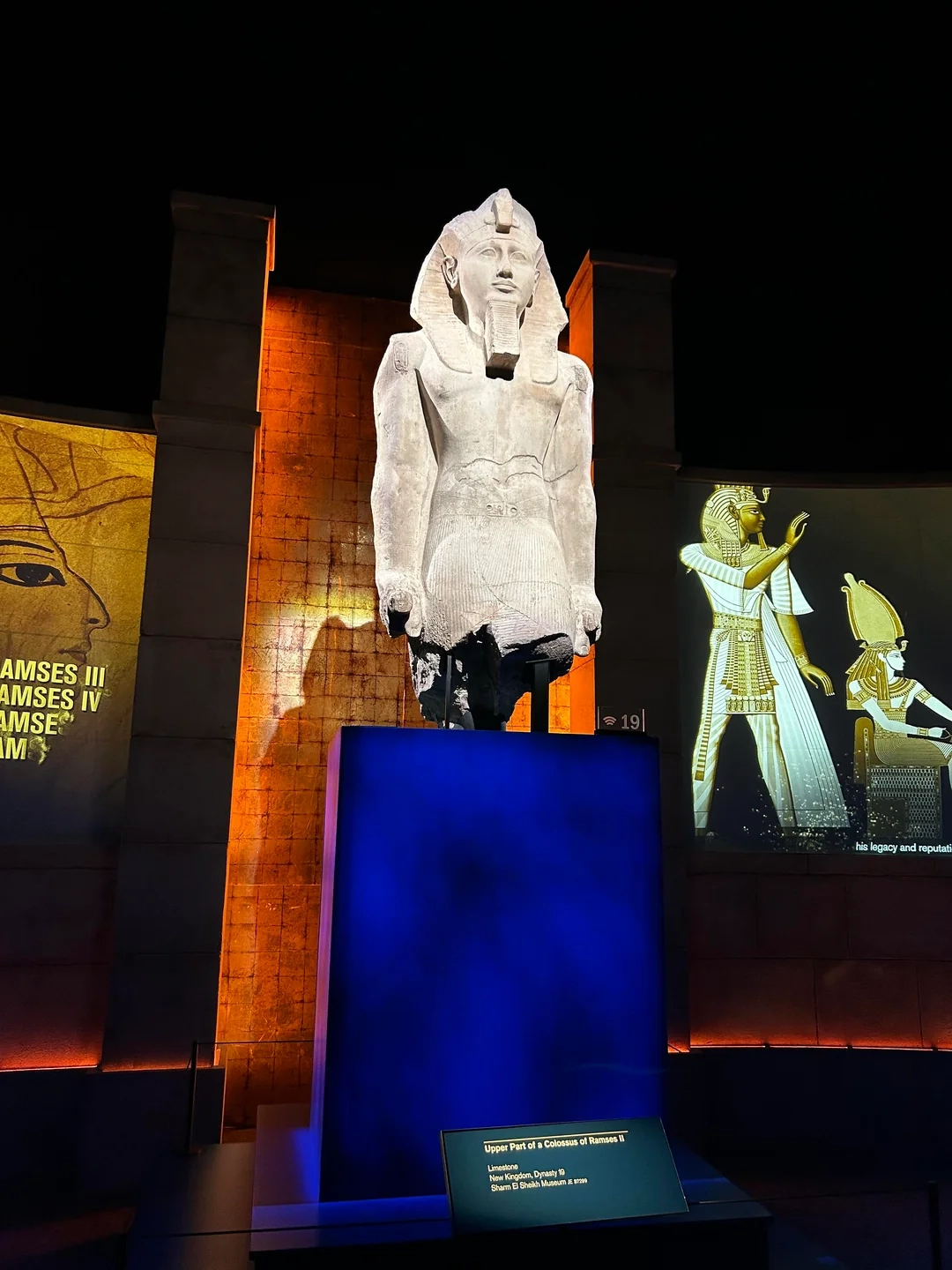
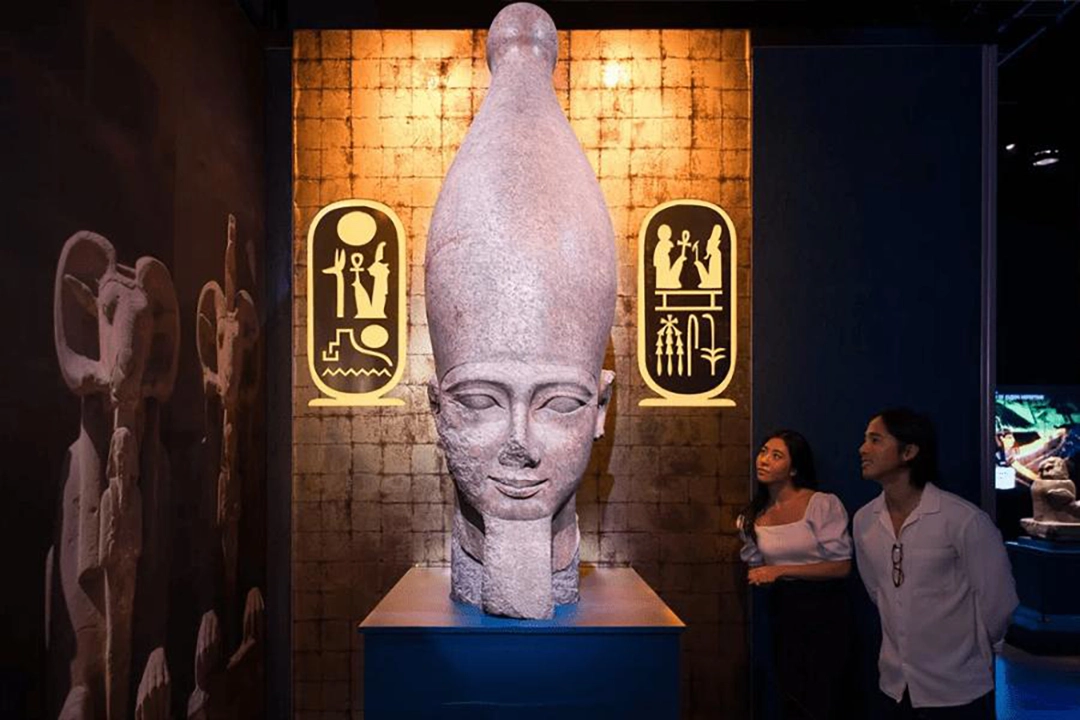
Upper part of a colossus of Ramses II
Limestone. New Kingdom, Dynasty 19 — Sharm El Sheikh Museum. On view at Ramses and the Pharaohs’ Gold exhibition at Battersea
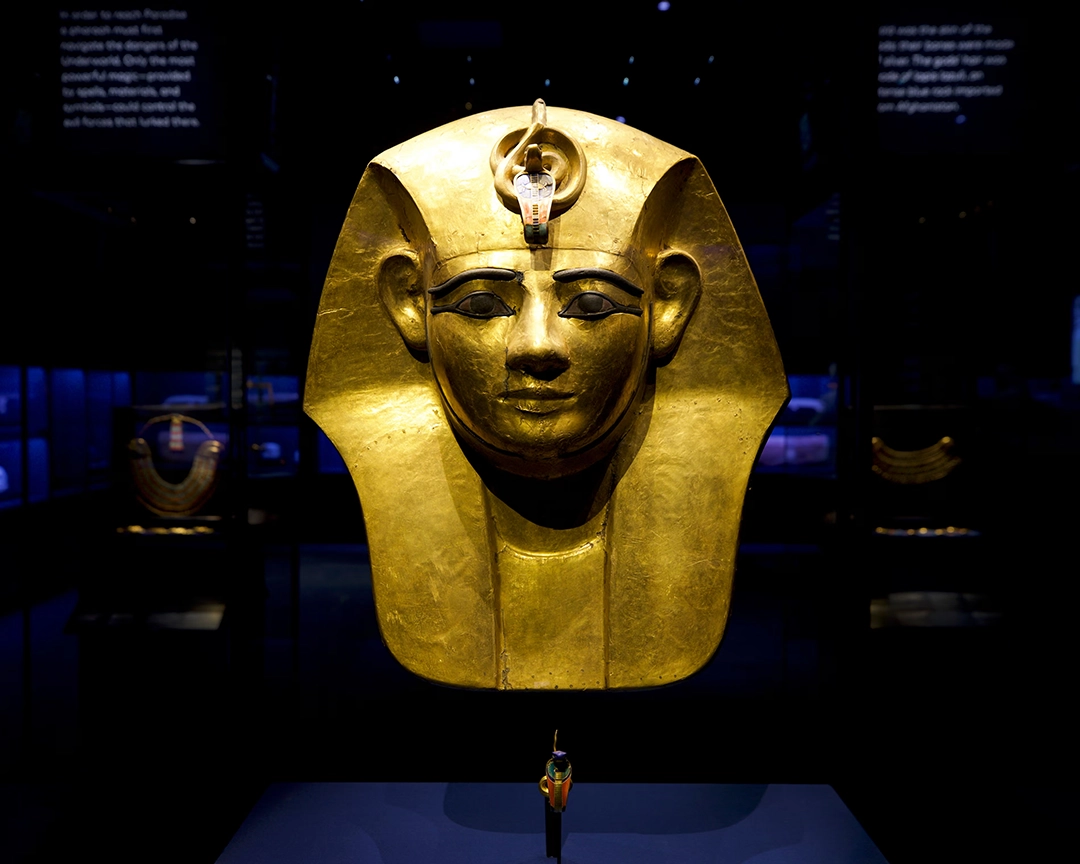
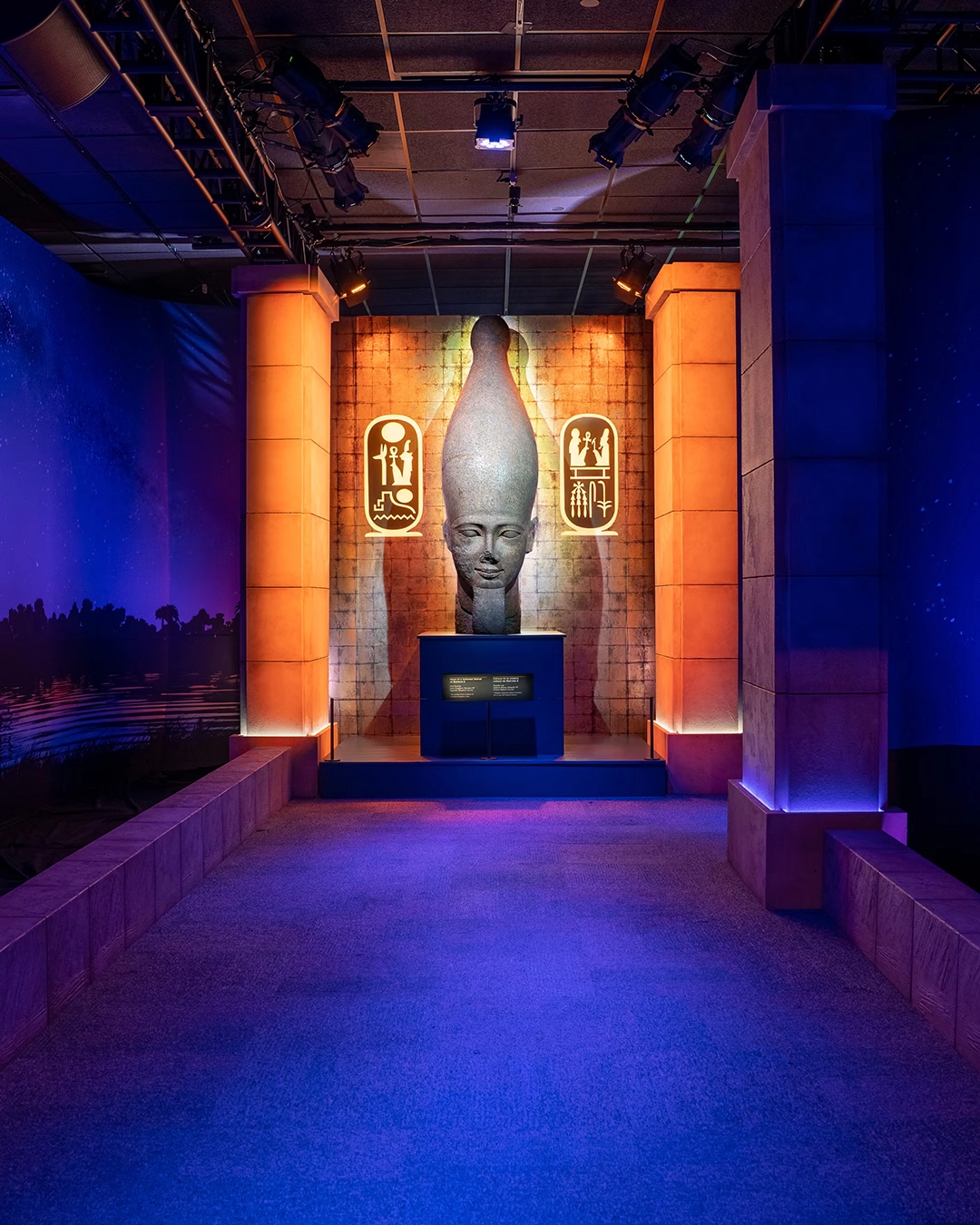
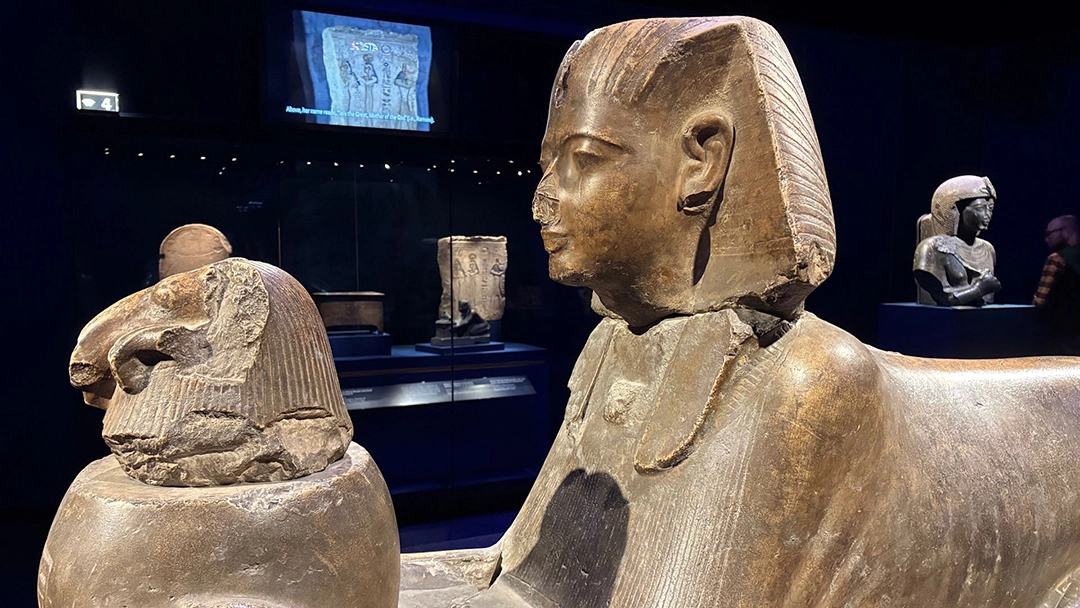
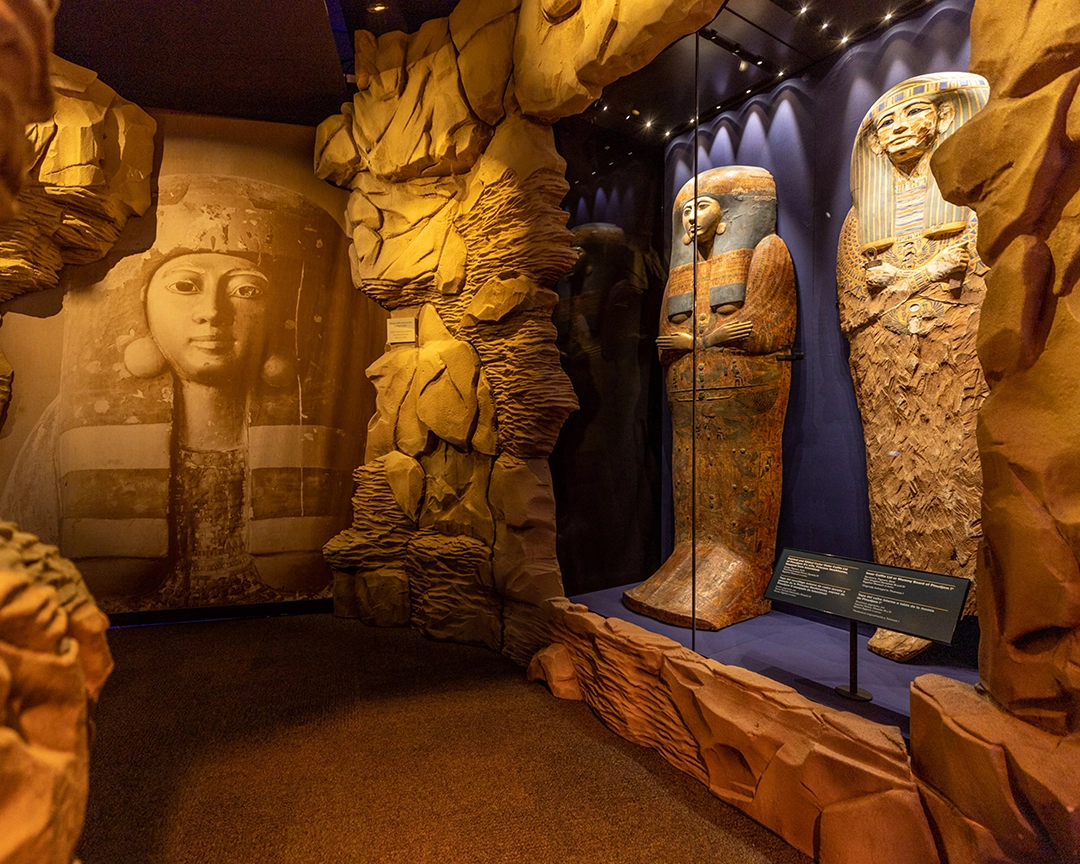
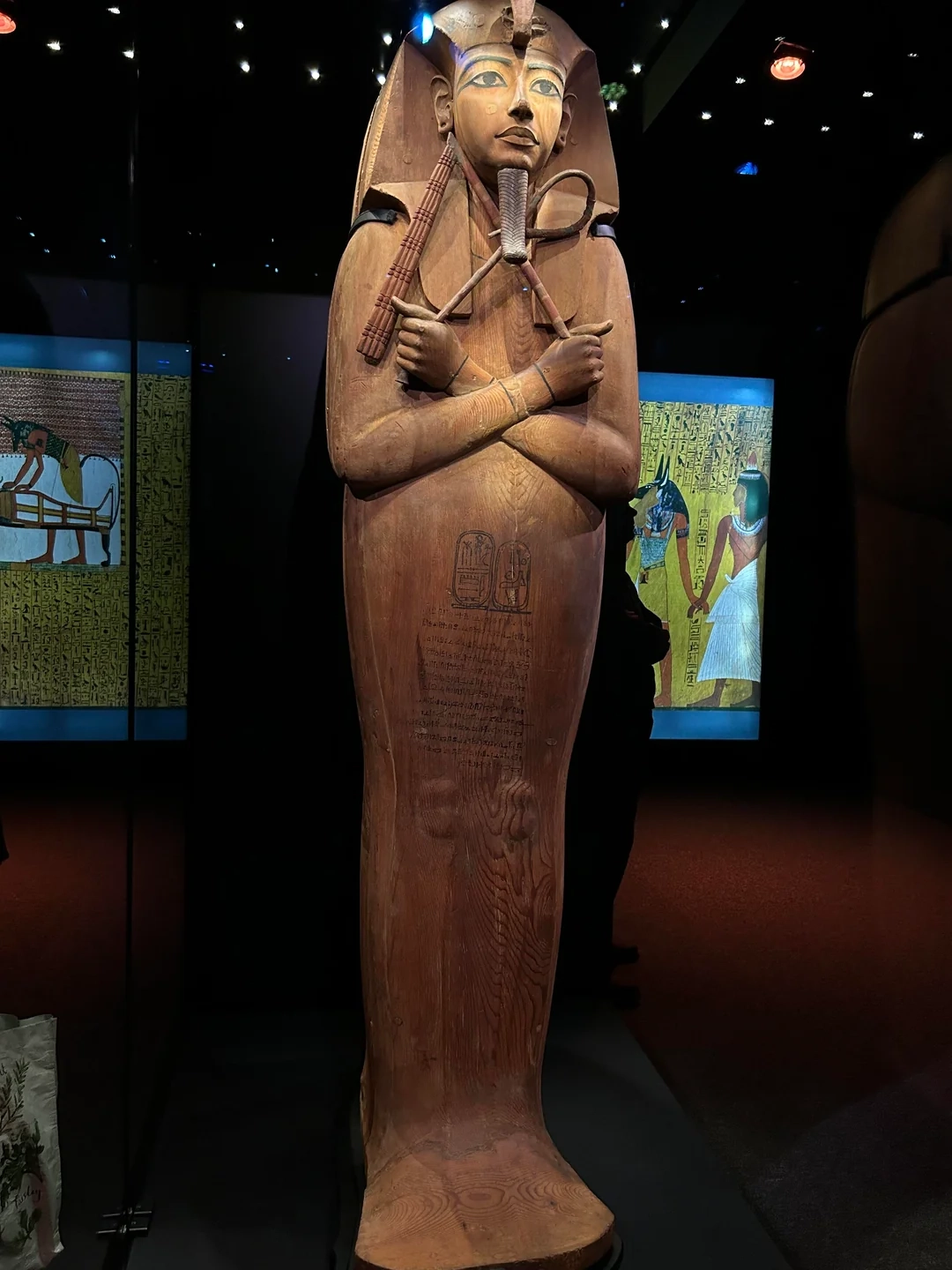
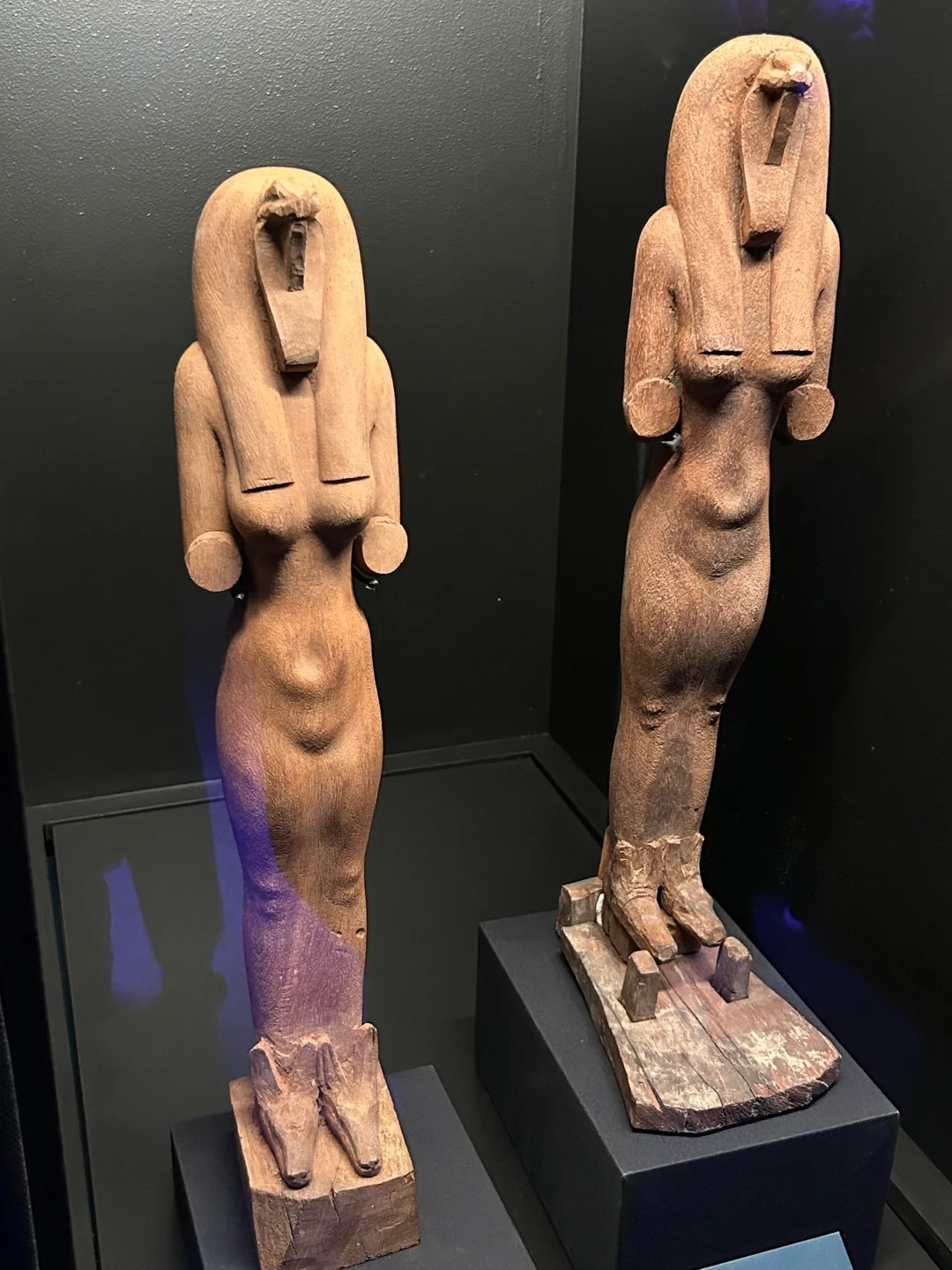
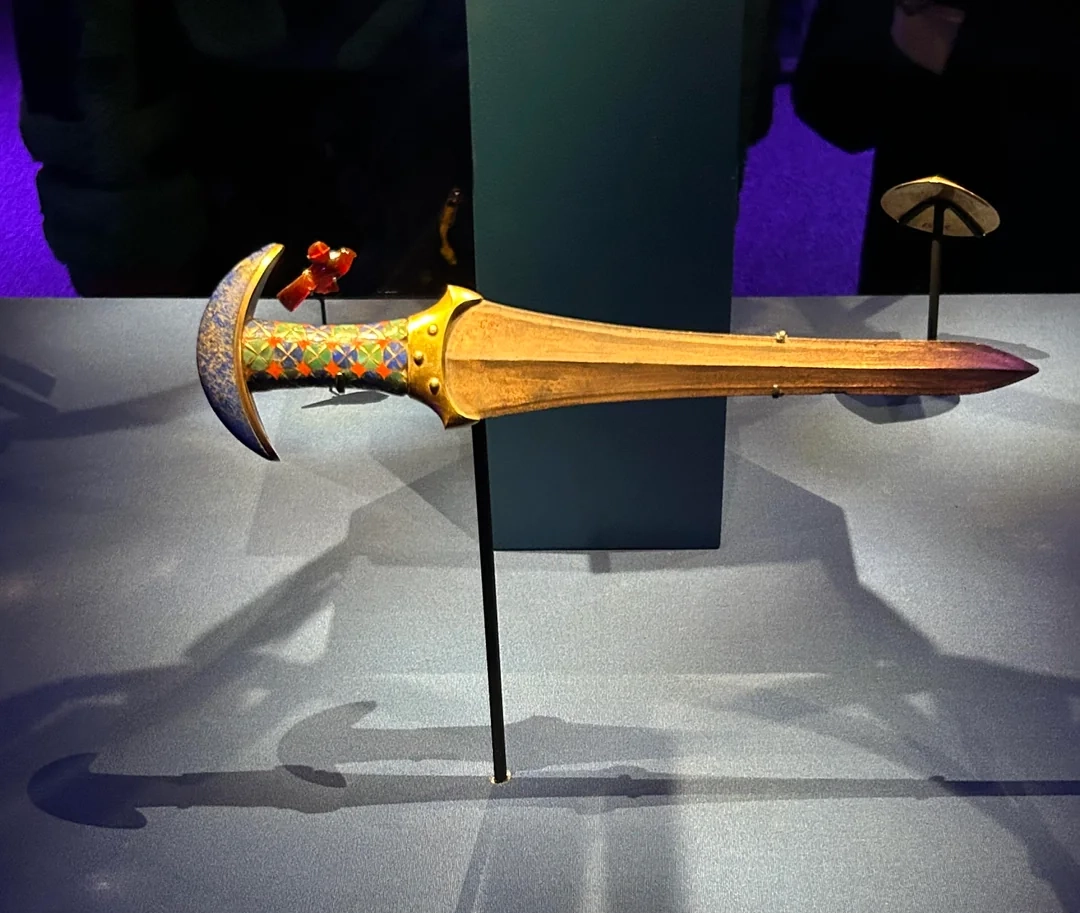
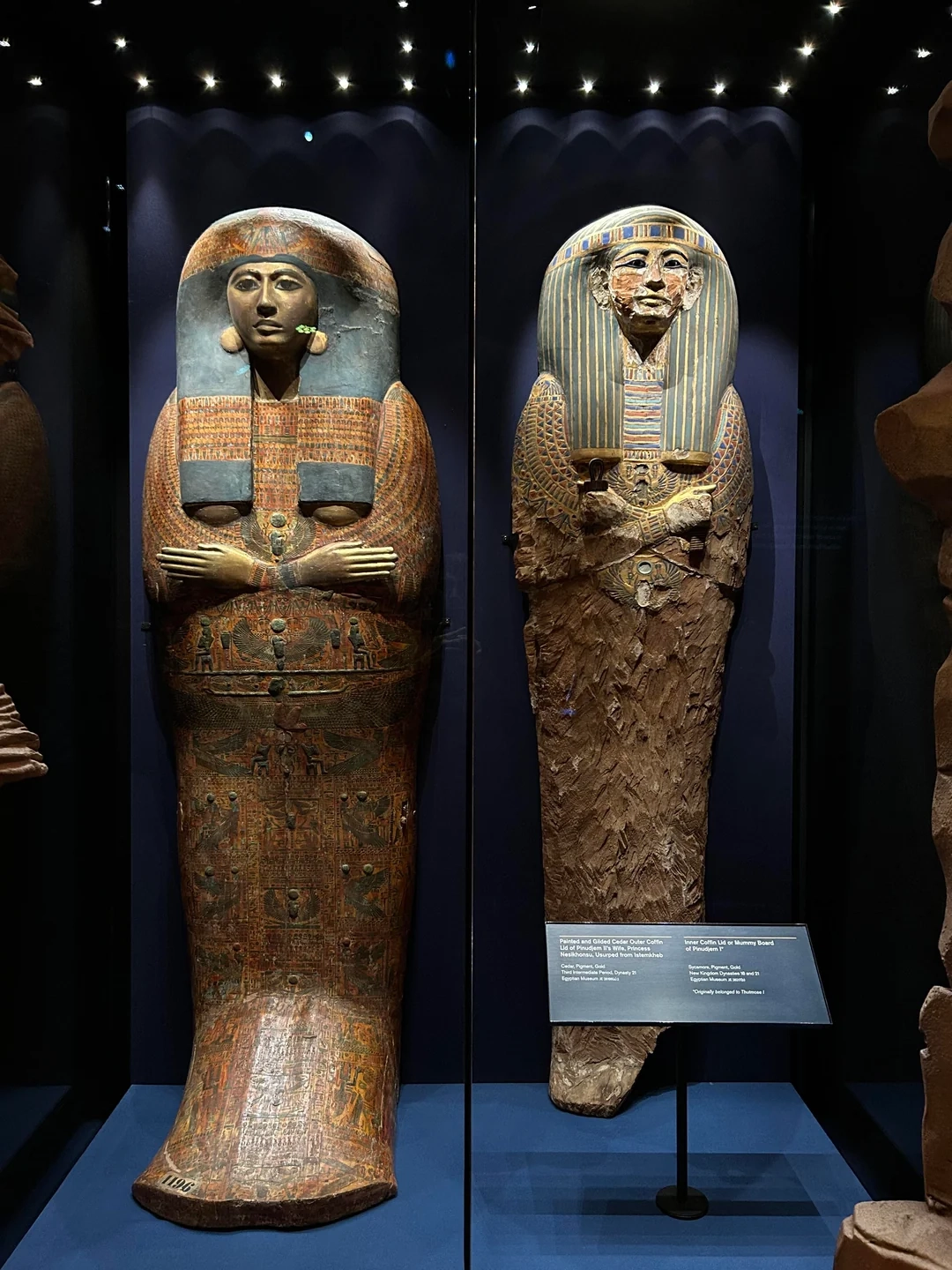
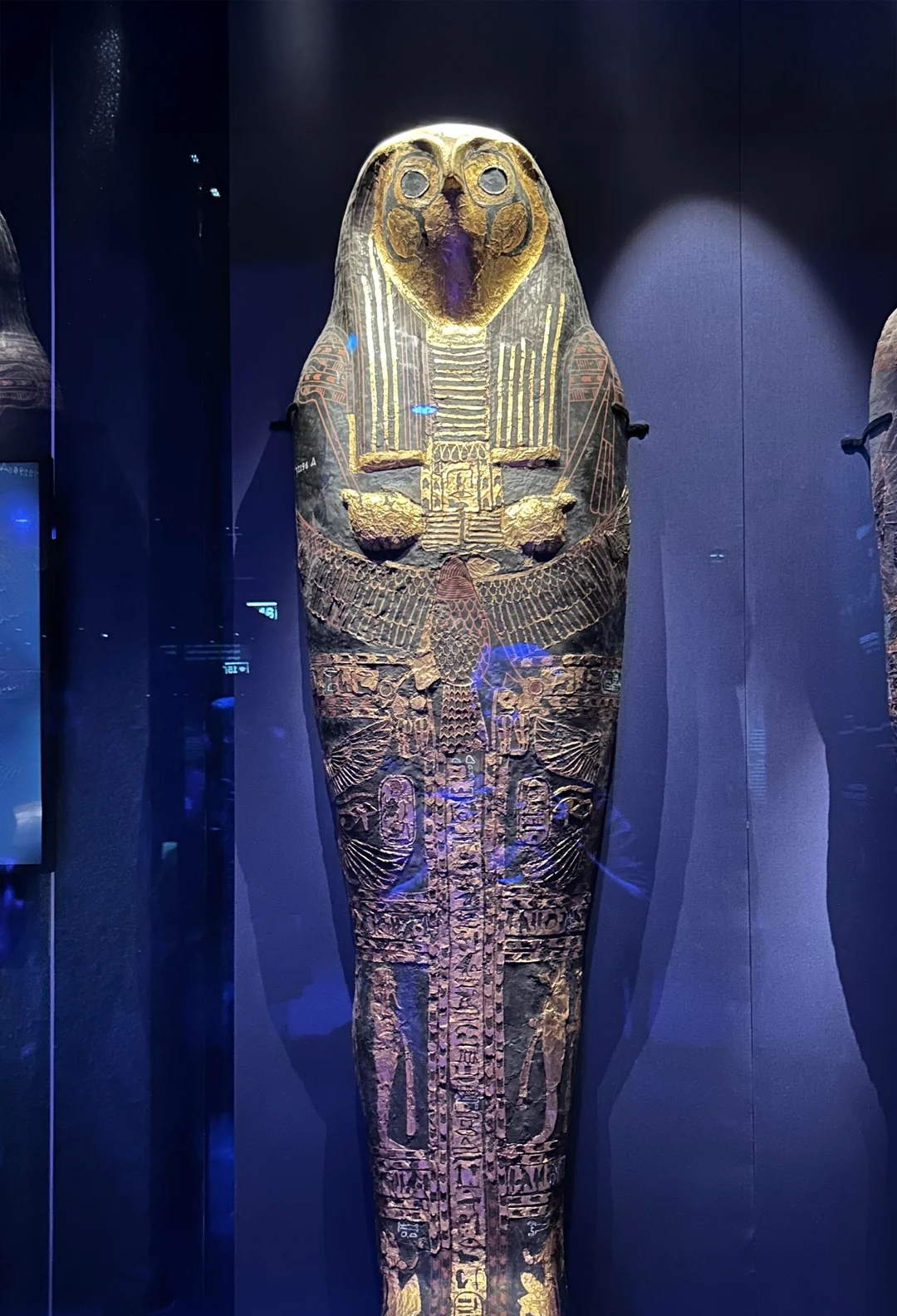
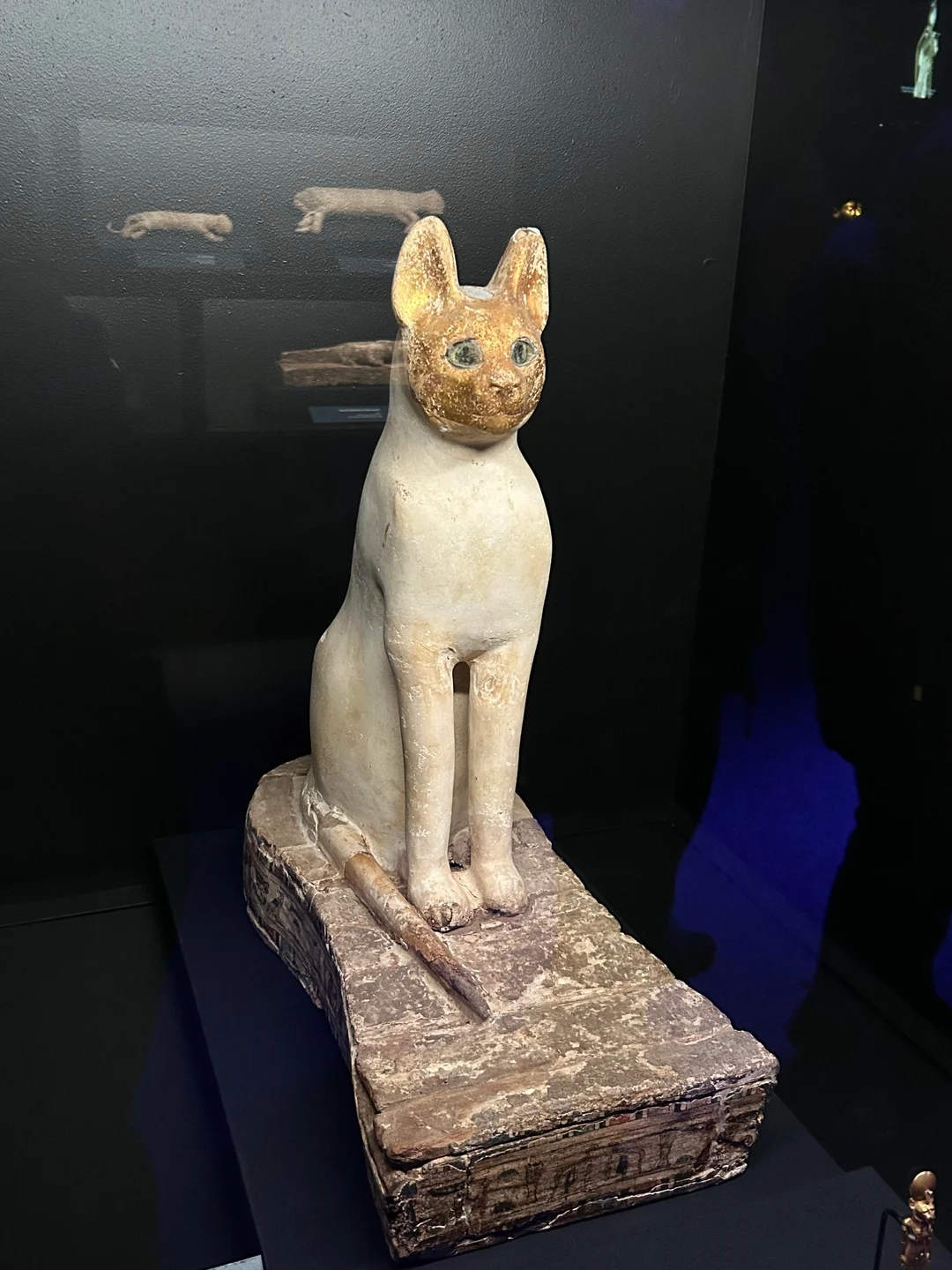
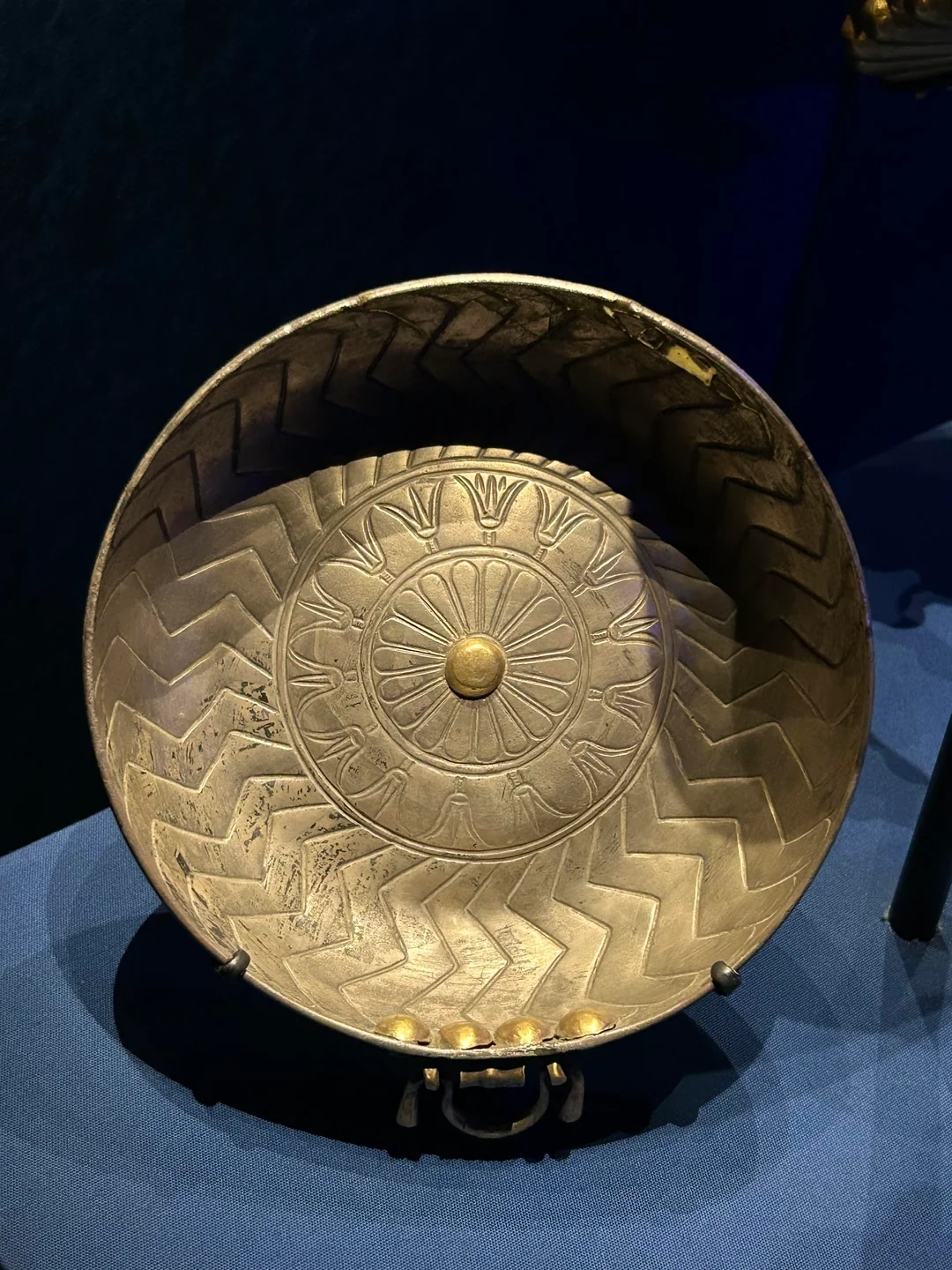
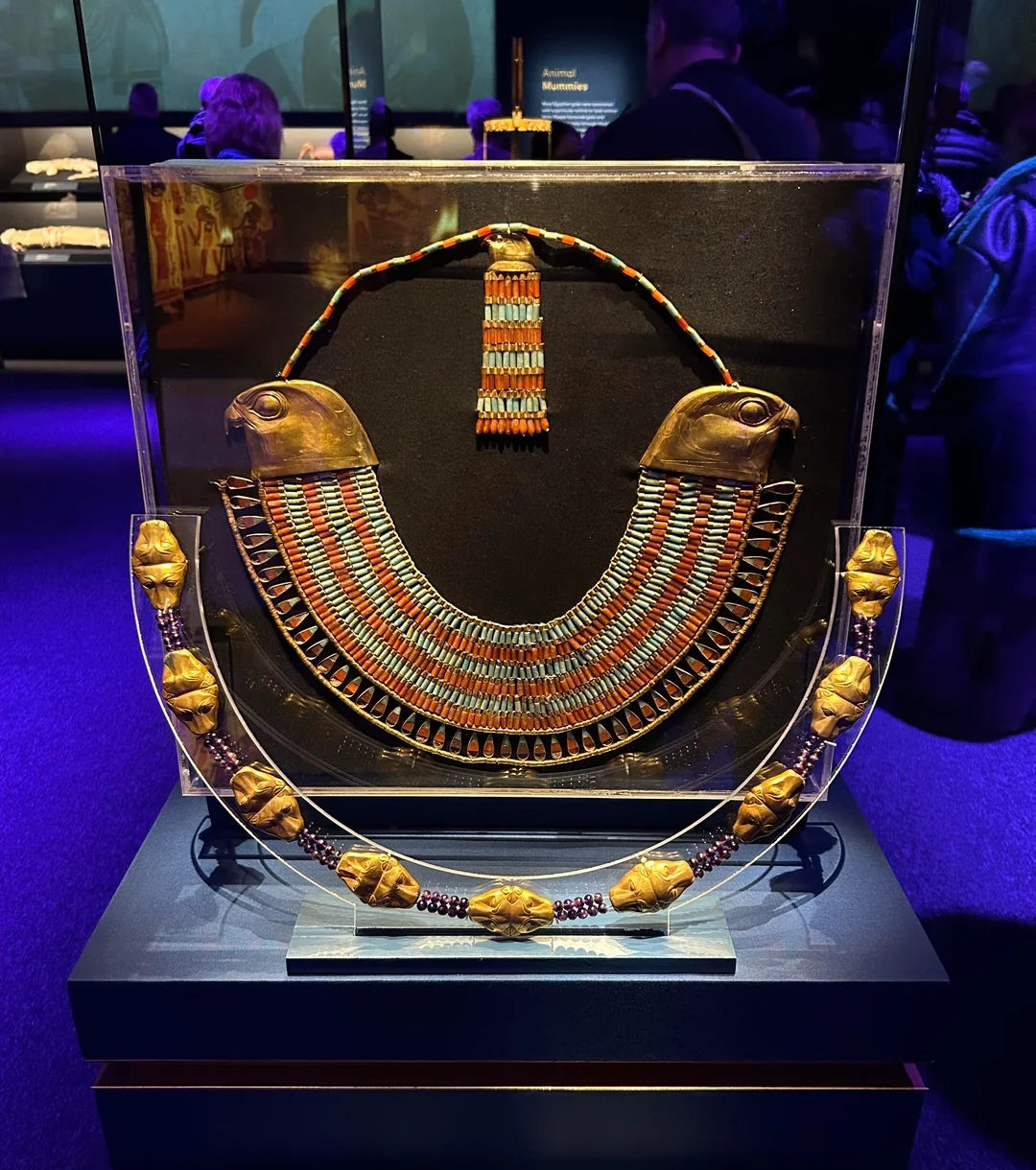
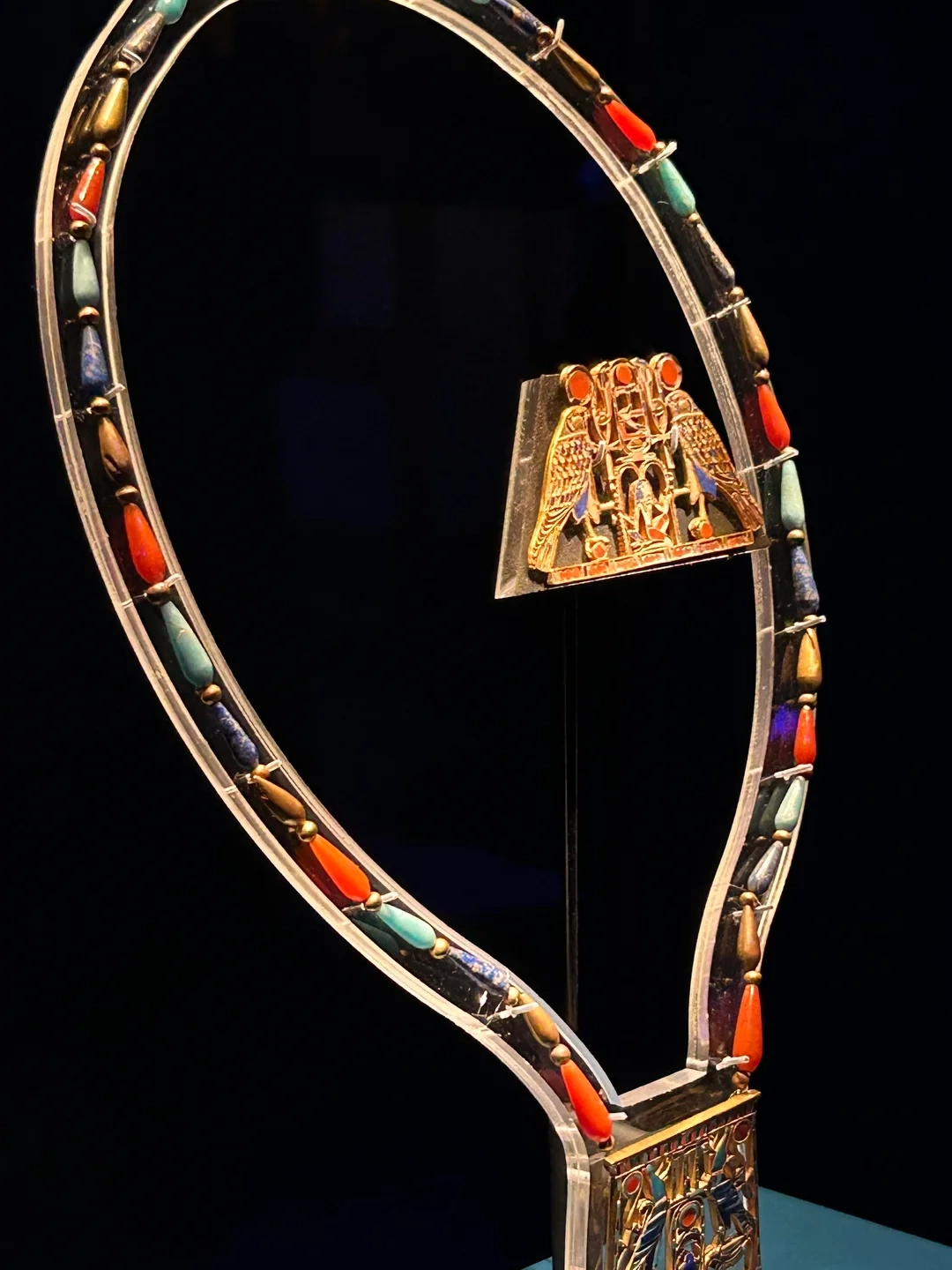
Those who can visit the exhibition Ramses and the Pharaohs’ Gold at Battersea Power Station in London may find an answer. It is a traveling show with more than 180 original objects from ancient Egypt, including statues, sarcophagi, jewelry, and mummified animals, along with the coffin of our dear Ramses. Alongside the artifacts, immersive resources are deployed—projections and virtual reality that recreate temples and historical events. It is conceived as a visual and educational experience for a general audience. Something entertaining. I will not go, because at this point there are too many pharaohs throwing themselves into everything.












Comments powered by Talkyard.