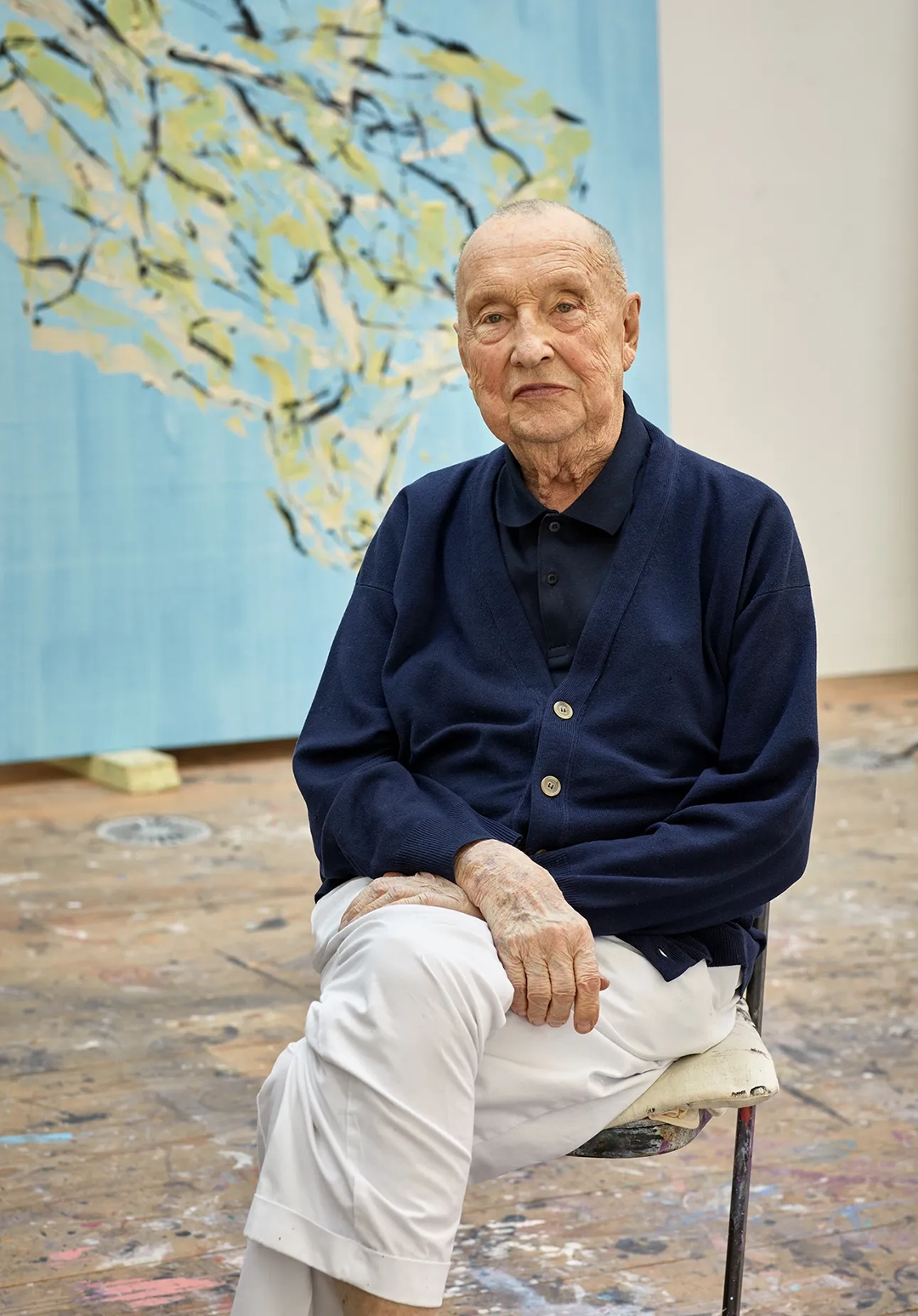
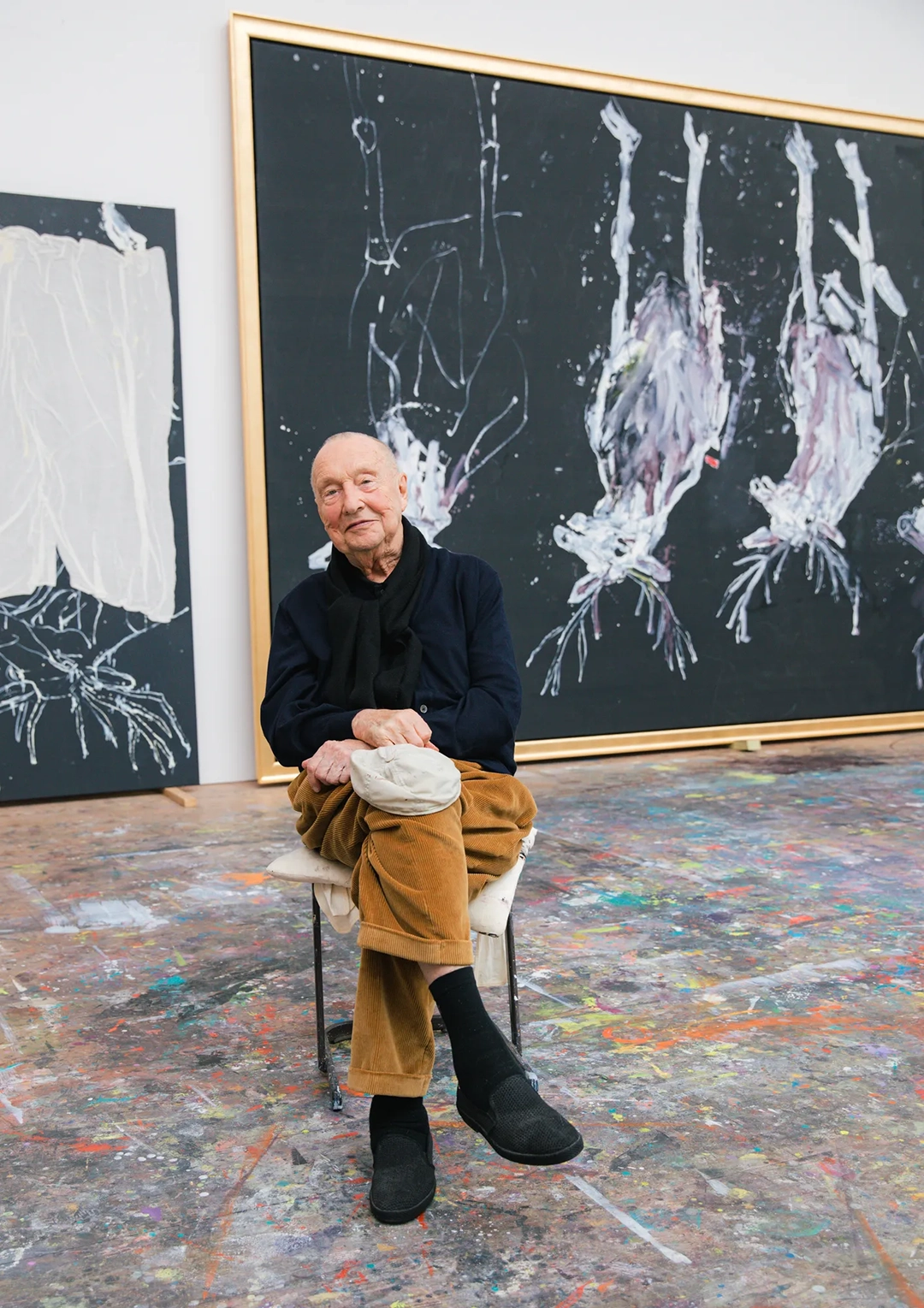
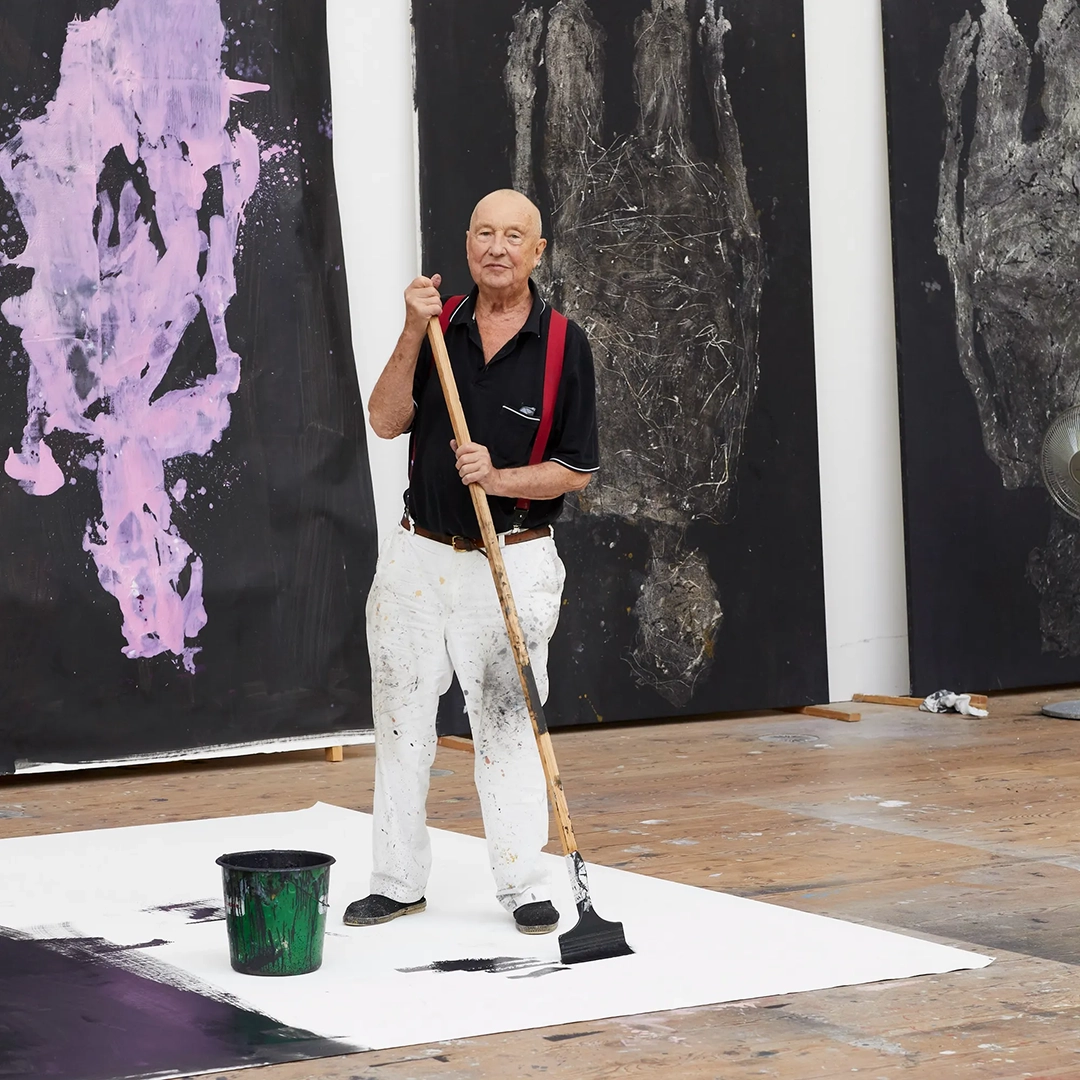
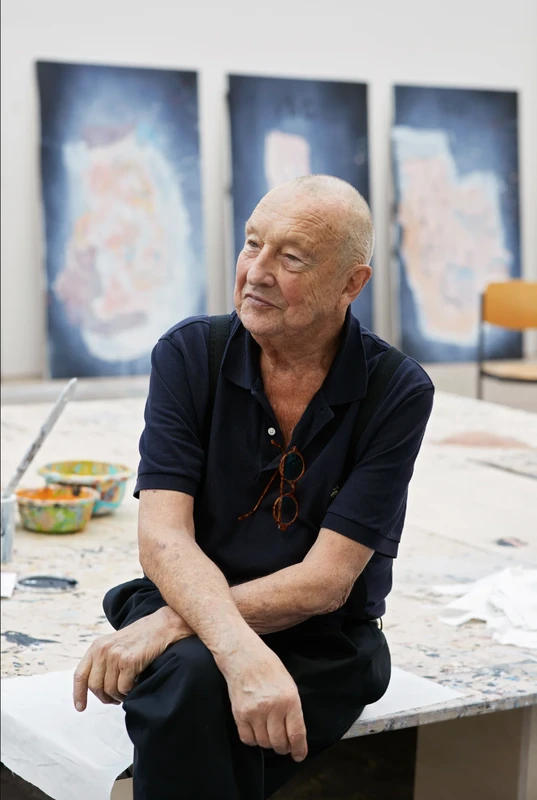
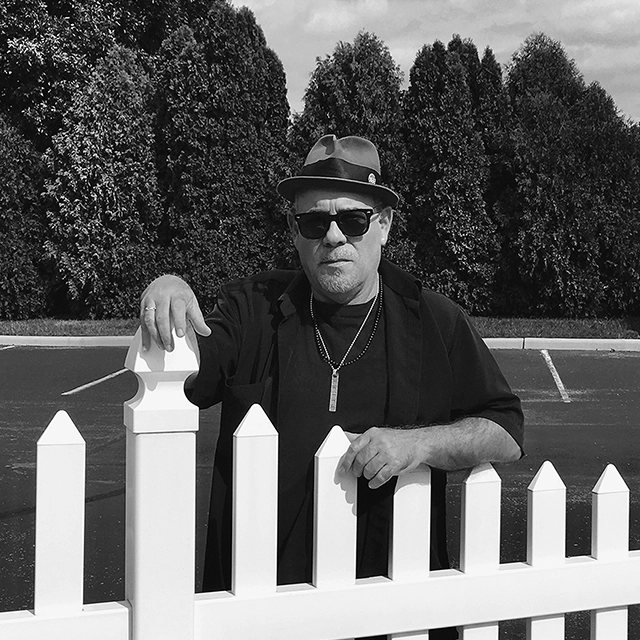
Portrait of Georg Baselitz, 2024. Photo: Martin Müller.
Somewhere between Salzburg and the history of postwar German art, Georg Baselitz died yesterday at 88. His gallery announced it on Thursday. The family stated that he passed 'in peace'. The cause was not made public.
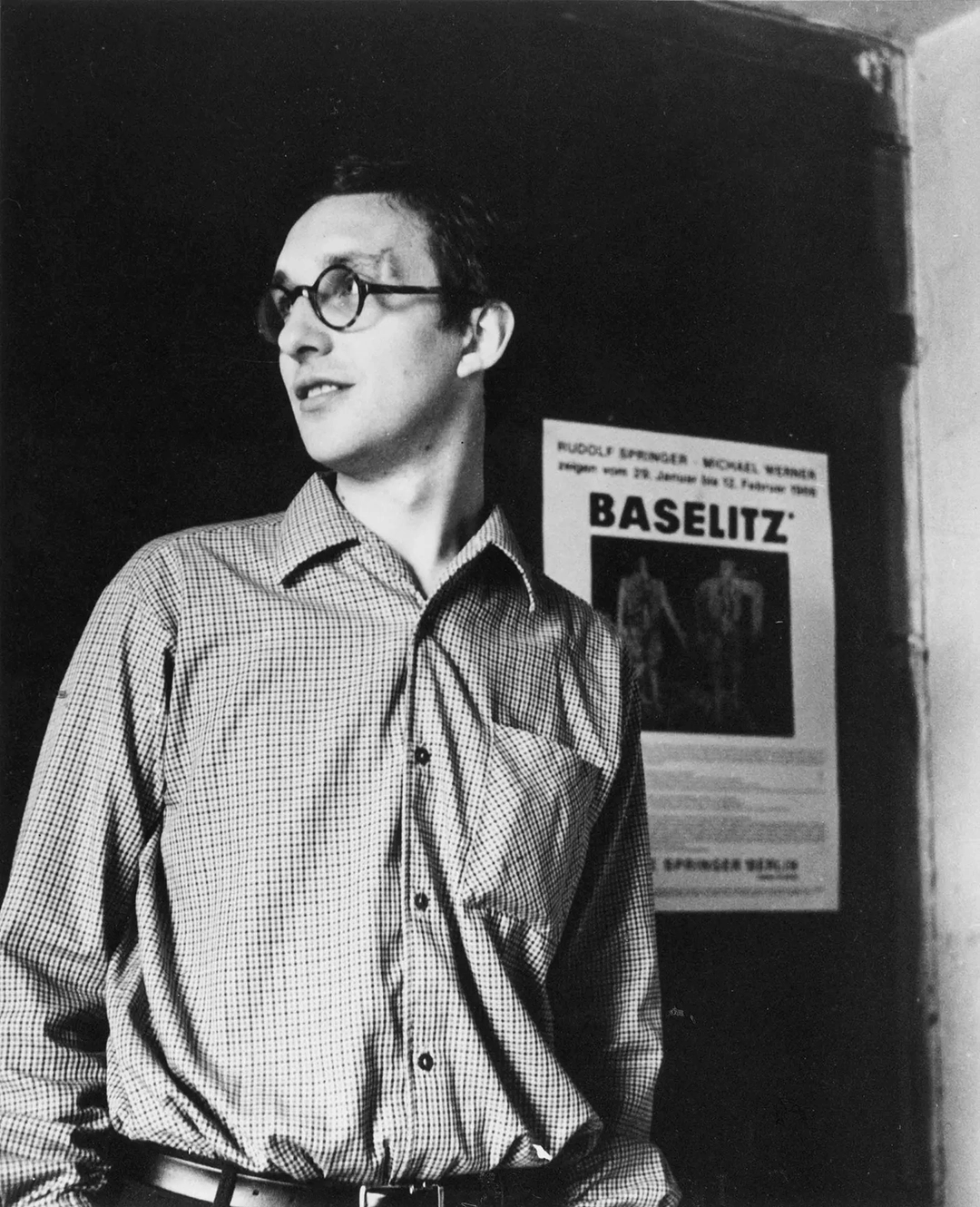
Baselitz was born in 1938 in Deutschbaselitz, a village in Saxony, under the name Hans-Georg Kern. In the first years of his life, during the war, four thousand tonnes of bombs fell on his village. That confused, early and traumatic experience never altogether left him. In 1961 he took on the artistic name Baselitz, in homage to his birthplace and, in passing, in renunciation of his father's surname. His entire trajectory is run through with gestures of that kind.
He was rejected by the Dresden Academy of Fine Arts and, later, expelled from the one in East Berlin for “sociopolitical immaturity”. For refusing to bend to socialist realism, really. He crossed into West Berlin in 1957, where he completed his training. In 1963, his first solo exhibition was shut down for obscenity. The authorities seized two paintings. Provocation stuck to his name from then on, and he carried it with a sardonic humour that stayed with him for life. “I was stupid, but rebellious”, he liked to say.
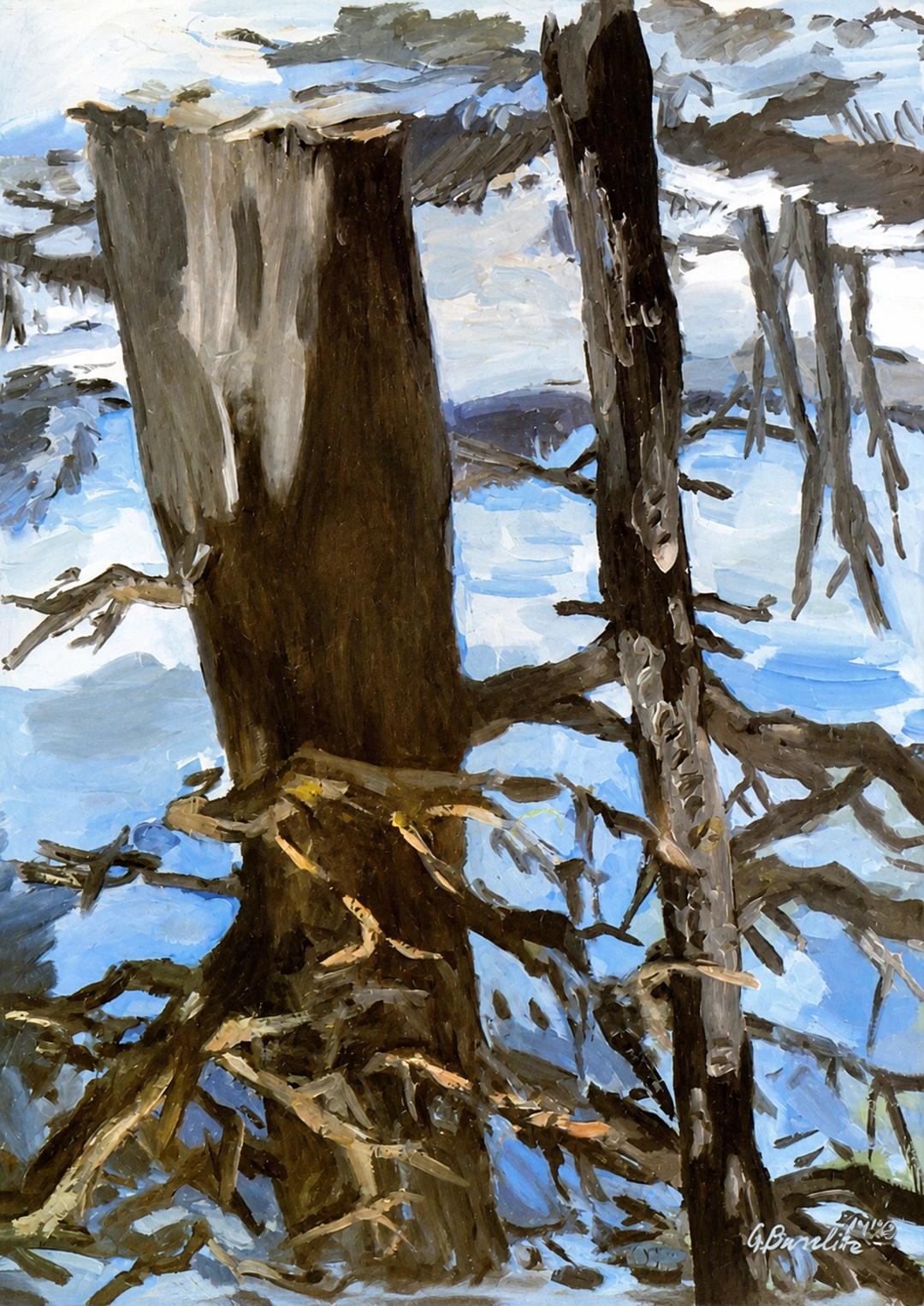
Der Wald auf dem Kopf (The Forest on Its Head), 1969.
Oil on canvas, 250 × 190 cm. Signed and dated Baselitz 1969 at the lower right of the front; on the reverse, autograph title and signature. The piece conceals an earlier version titled Carmen, dated Baselitz 67 and subsequently struck through by the artist himself, a mark still visible on the back of the canvas. Inspired by Wermsdorfer Wald (1859) by the German landscape painter Louis-Ferdinand von Rayski, it is the first work in which Baselitz inverts the motif 180 degrees on the canvas, inaugurating the operation he would sustain for half a century. It was followed by the series of inverted portraits titled Freunde. Held at the Museum Ludwig in Cologne since 1976, a gift from Peter and Irene Ludwig, with prior deposit at the Wallraf-Richartz-Museum (1975–1976). Provenance: private collection, Aachen; Sammlung Peter und Irene Ludwig; Museum Ludwig, Cologne (inv. no. ML 01254). Widely exhibited since its making, it has appeared in the artist’s major retrospectives in Cologne (1971, 1976), Mannheim (1972), Munich (1976), Braunschweig (1981), the touring North American exhibition that began at the Solomon R. Guggenheim Museum in New York (1995–1996), and Meisterwerke des Museum Ludwig in Nara and other Japanese venues (1995).
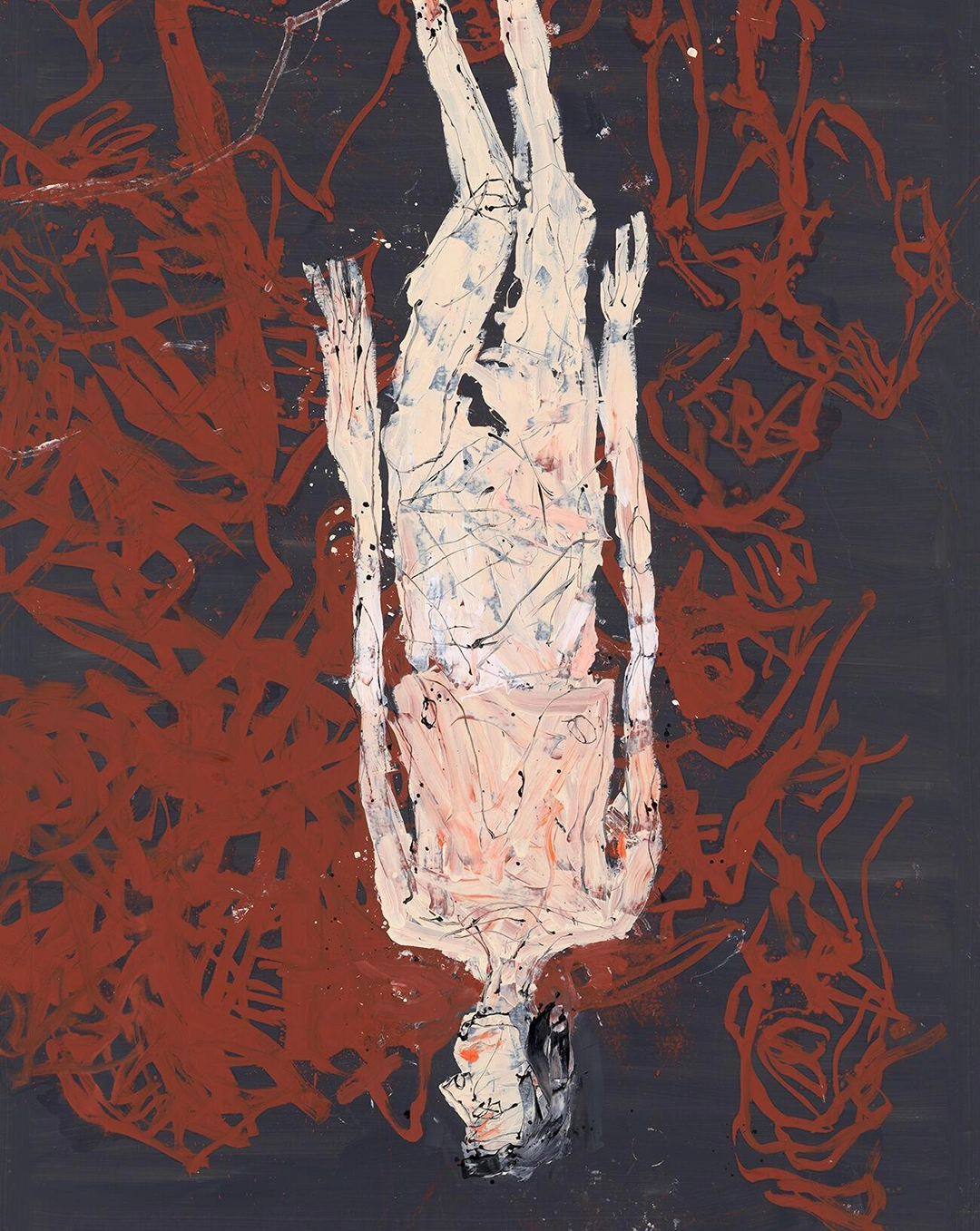
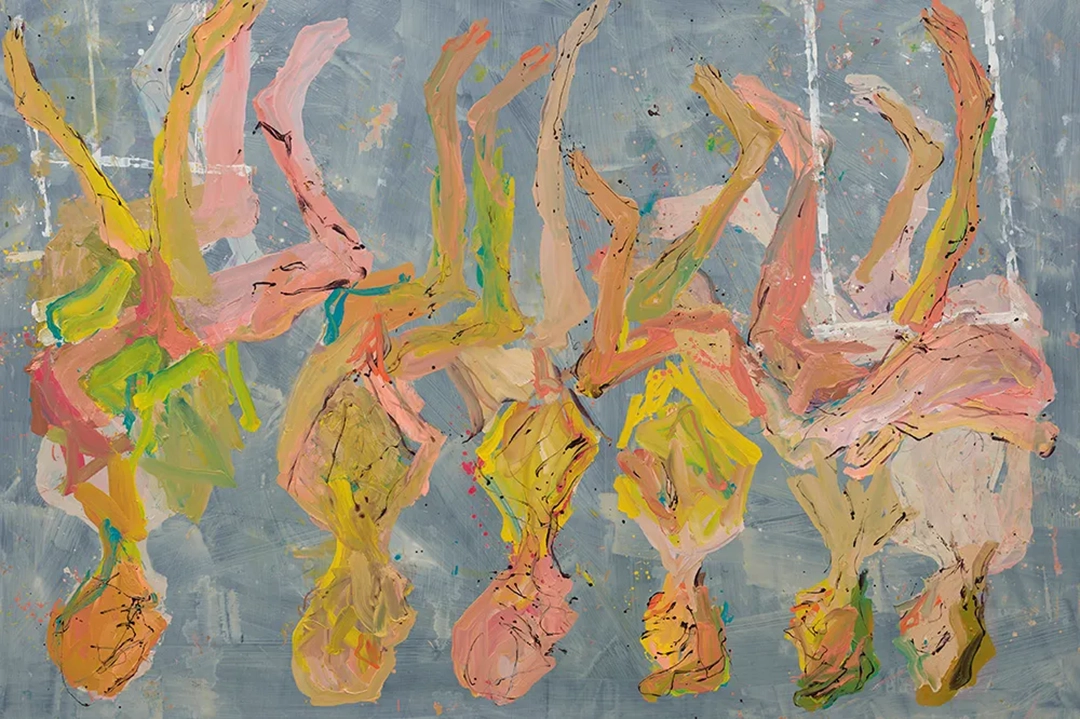
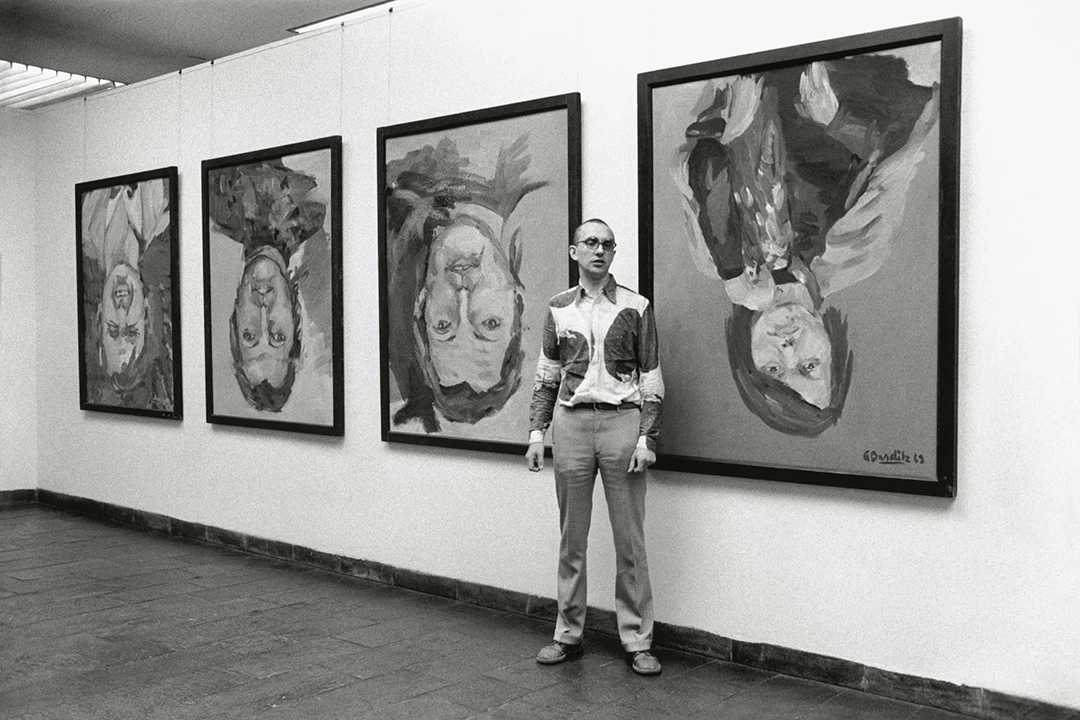
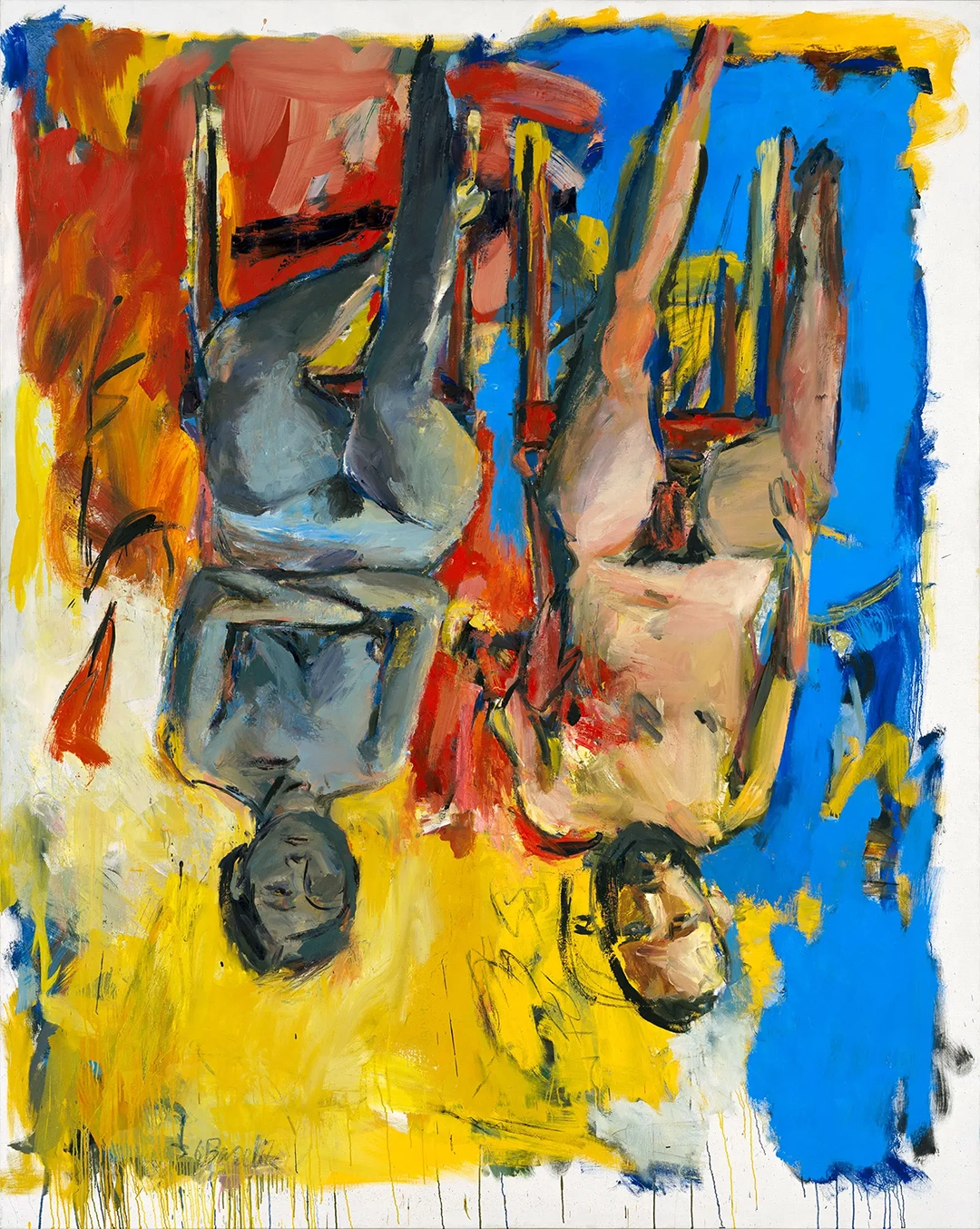
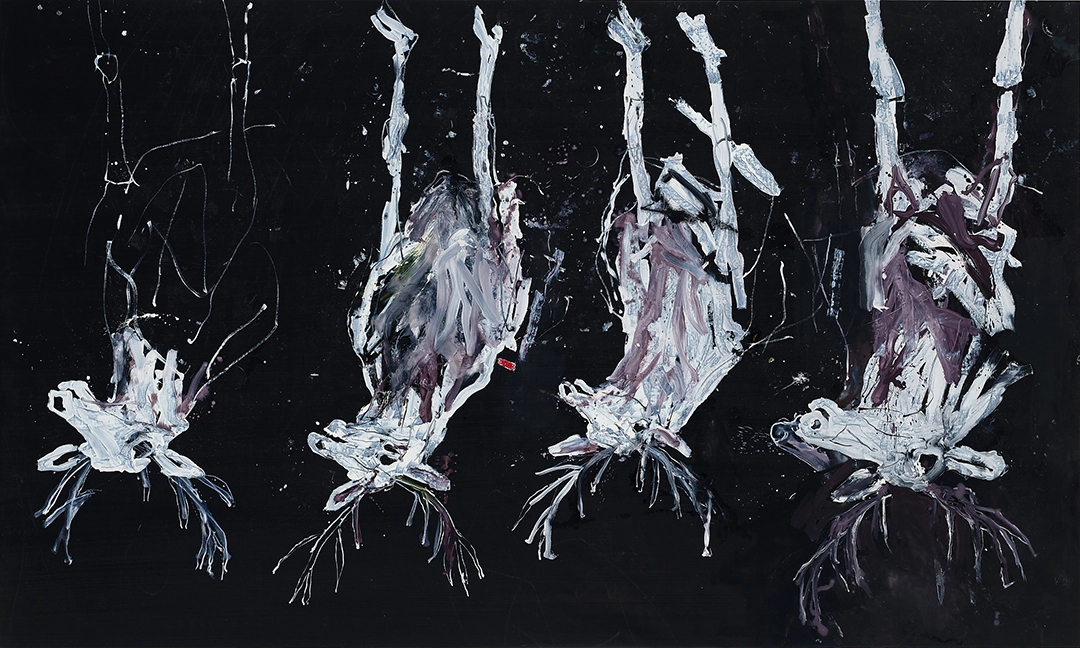
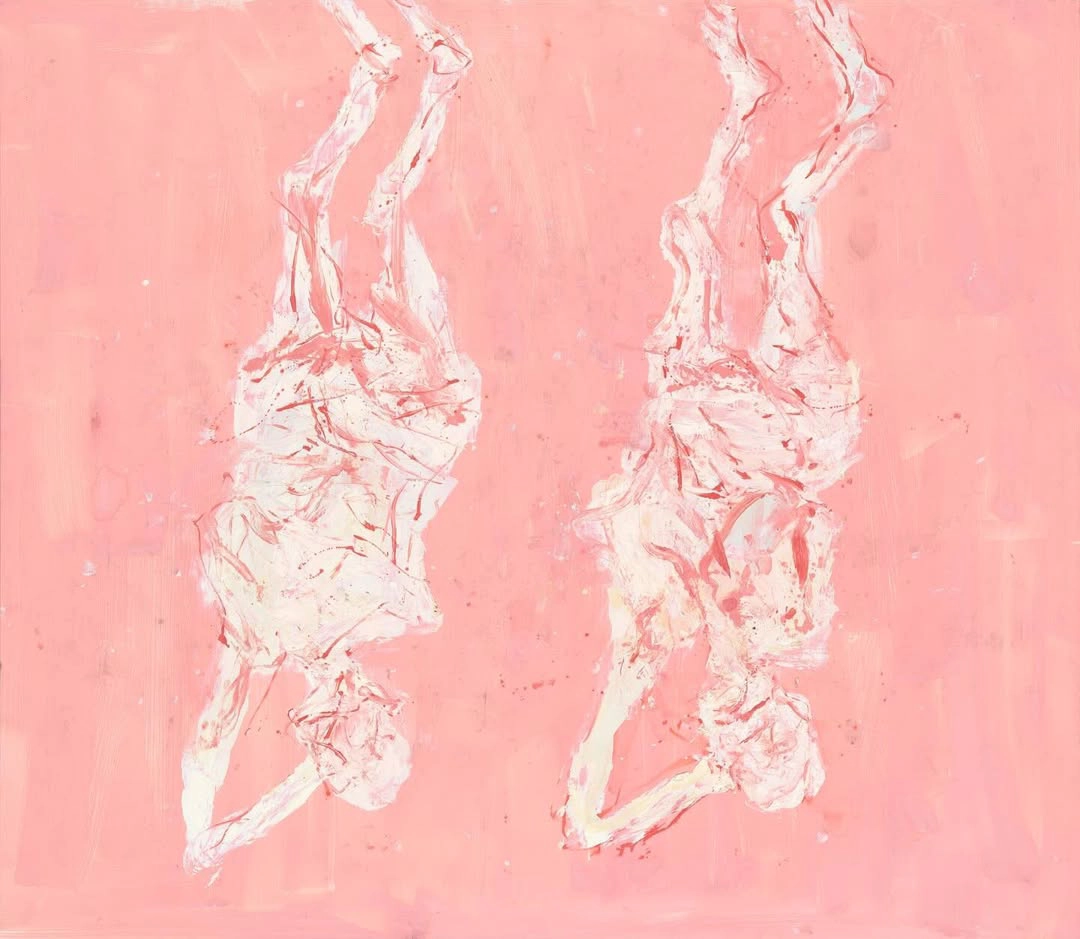
In 1969 he painted The Forest on Its Head, the first of his inverted figures. A simple gesture, almost childlike. But it opened a conceptual fissure. When we invert the image —turn it upside down— the eye stops reading it through the visual grammar it has been trained on and is forced to look at the painting as nearly disorganised matter. It must attend to the random brushstroke, to the colour. Baselitz defined this as a “third way” between abstraction and figuration.
He sustained the procedure for half a century without ever growing dull. That is the hardest part to understand. Curiously, a decade later, a drawing teacher in California would arrive at a closely related conclusion by an entirely different route. Betty Edwards published Drawing on the Right Side of the Brain in 1979, where she formalised an exercise she had been testing with her students since the late sixties: copying a Picasso drawing turned upside down. A neurological thesis. When we look at an image comme il faut, the verbal left hemisphere instantly names and categorises it —‘this is a face’— and stops looking. Inverted, that hemisphere disengages, and the right hemisphere, purely perceptual, takes over the identification. Almost anyone can draw a Picasso better upside down than right side up.
Edwards and Baselitz never cited one another. There is no record that they ever even met. But they discovered in parallel, from pedagogy and from painting, the same elemental finding. Inverting the image disables recognition and forces the eye to see. For Edwards it was a tool for teaching how to look. Baselitz turned it into an integral system of pictorial thought.
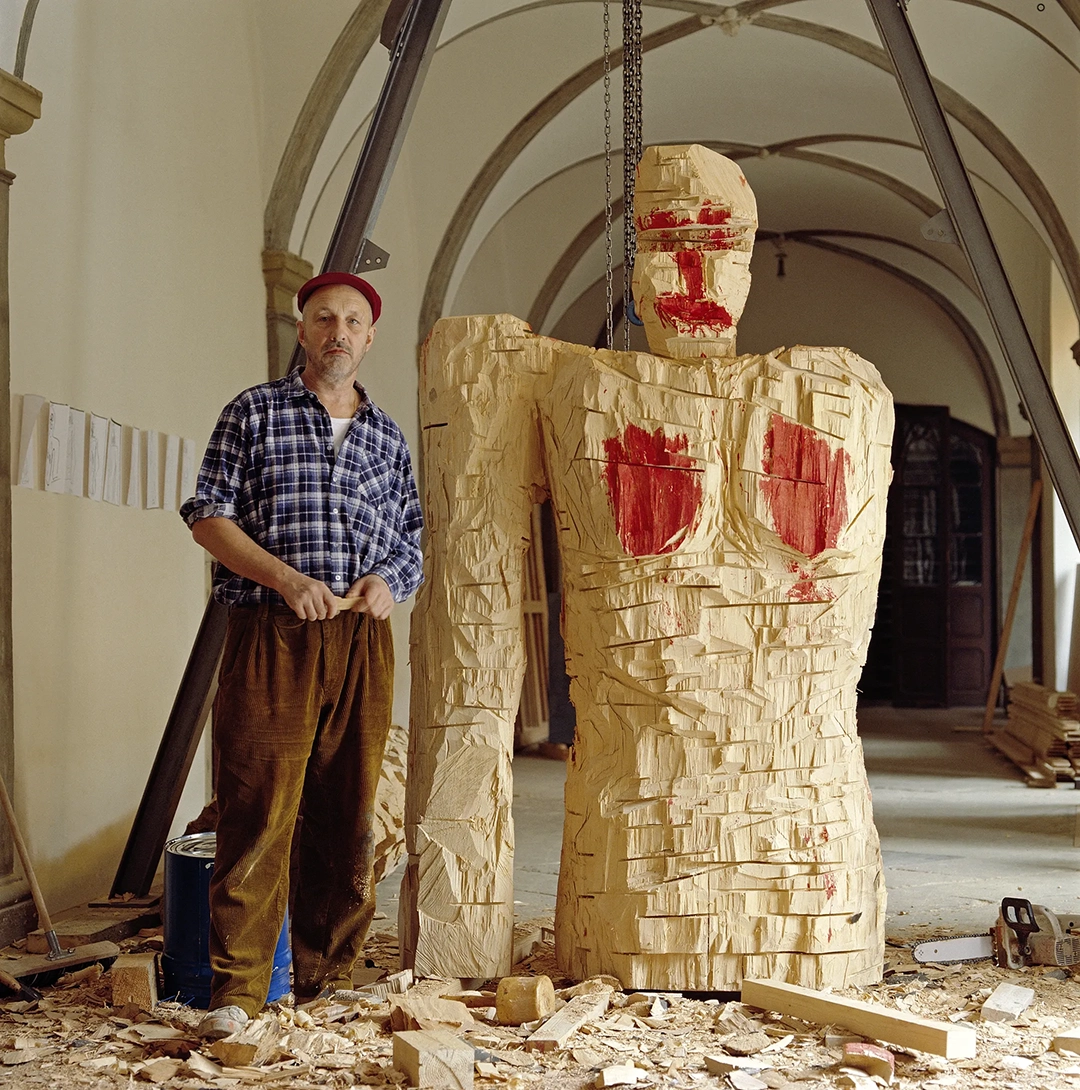
Frau Paganismus (Mrs Paganism), 1994.
Ayous wood and synthetic resin | 215 × 132 × 68 cm; base 38.1 × 174.6 × 173.7 cm.
Signed with the artist’s initials and date G.B. 28.II.94, incised on the lower inside of the right arm. Carved from a single block of wood at Baselitz’s studio in Schloss Derneburg, it is the largest piece within a group of ten red-painted sculptures the artist produced in the mid-1990s, kindred to sibling works now held at the Nationalgalerie in Berlin, the Hamburger Kunsthalle, the Museum Küppersmühle in Duisburg, and the Pinakothek der Moderne in Munich. Critics have linked it to African tribal sculpture and to the pre-Christian wooden idols recovered from the peat bogs of northern Europe.
First exhibited at the Anthony d’Offay Gallery in London in 1994, later included in the artist’s first American retrospective at the Solomon R. Guggenheim Museum in New York in 1995 and in Baselitz – Sculpteur at the Musée d’Art Moderne de la Ville de Paris in 2011–2012. Provenance: Anthony d’Offay Gallery, London; Hess Art Collection, acquired in 1994; sold at Christie’s London on 28 February 2023.
He carved as well, a great deal. Coarse wood, indebted to German Expressionism and to medieval imagery. He represented Germany at the 1980 Venice Biennale with a piece that scandalised for its coarse craftsmanship.
Even so, the great retrospectives arrived —Guggenheim, Royal Academy, Centre Pompidou, Fondation Beyeler— and the Praemium Imperiale.
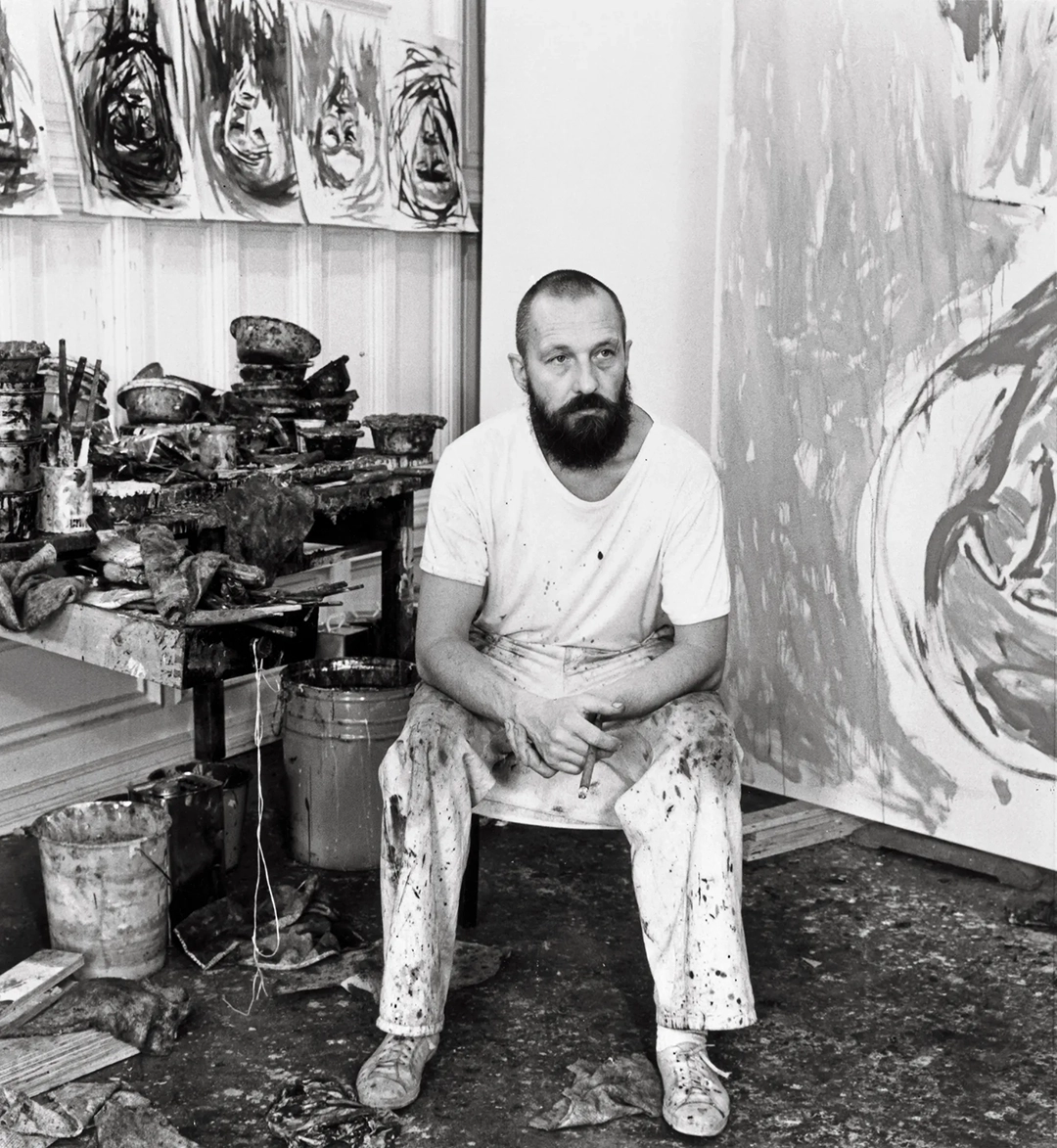
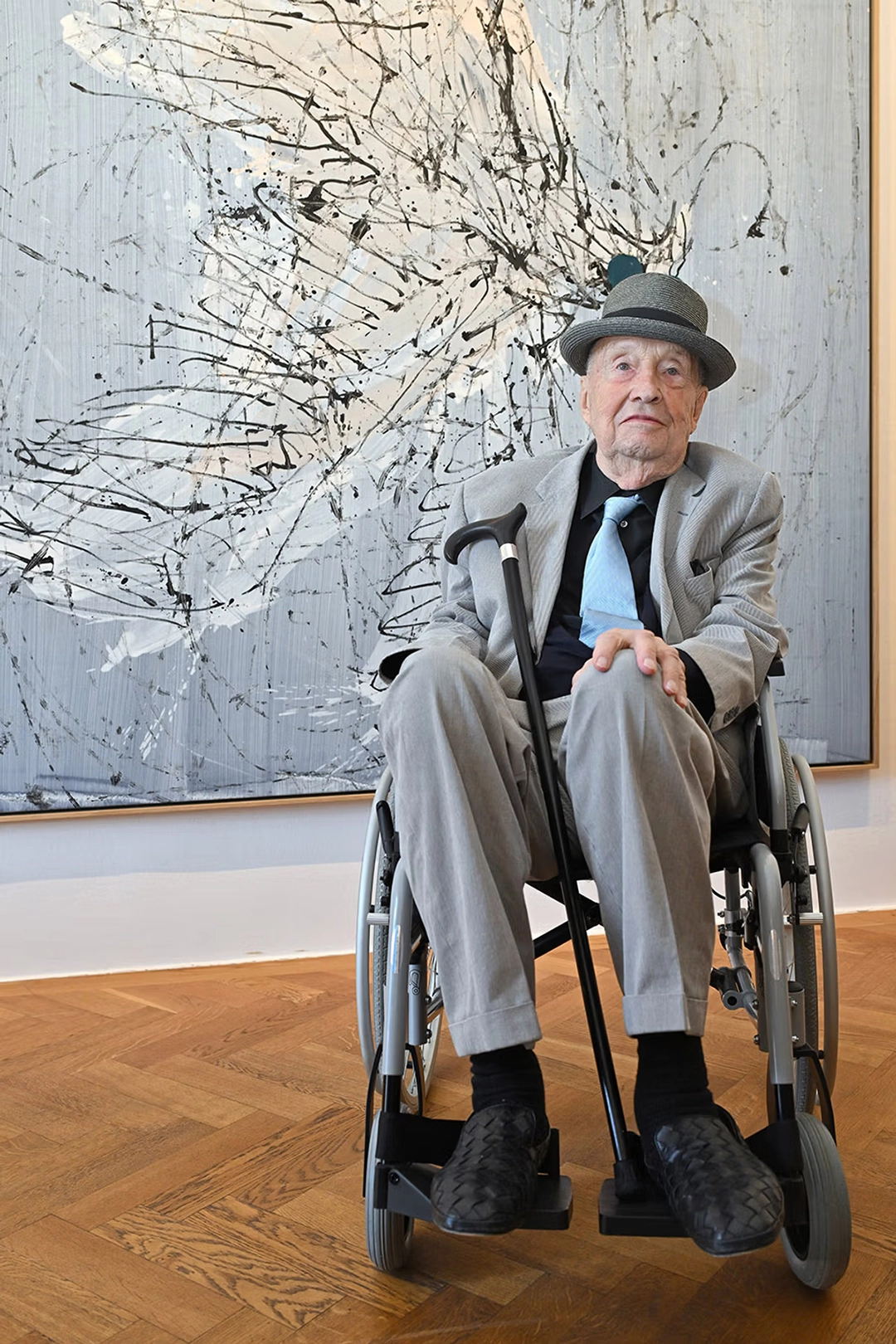
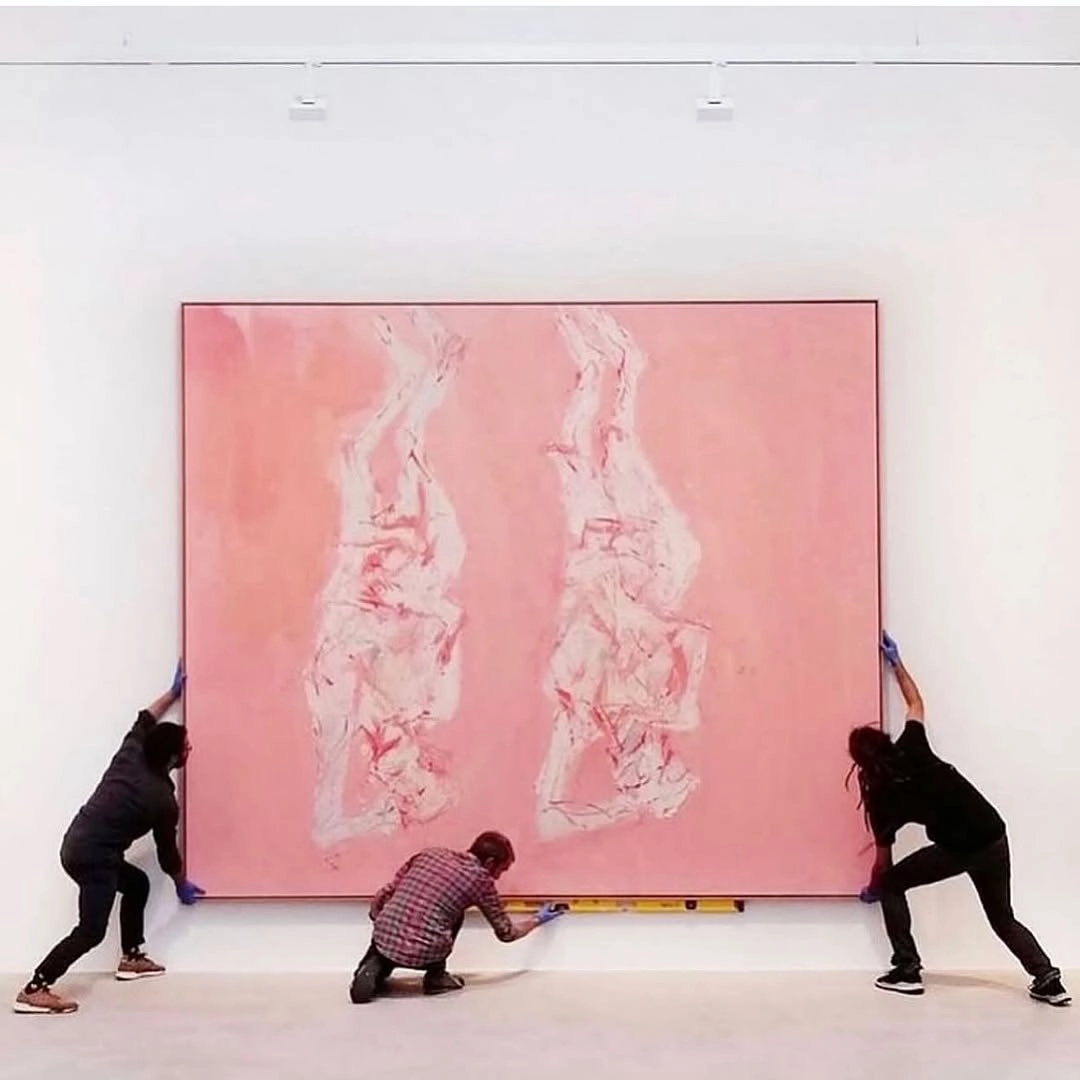
He kept painting in his final years, mobility already much reduced. He literally crawled across the floor of his Salzburg studio, over canvases five metres long. He used his own walking frame as a tool, leaving its marks on the cloth. Another way of leaving the body in the paint. So, until the last day, once censored by the State, now rolling over himself across his own canvases. A coherence somewhat dirty and honest, German. Holding up any ideology at all on bones that can no longer keep their balance. Requiescat in pace.
Thumbnail credit:
Der Maler und Bildhauer Georg Baselitz steht in im Städel in Frankfurt. © Boris Roessler / dpa / Archivbild.











Comments powered by Talkyard.