THE

ANNEX

updated

Art News

Pattern and Decoration Article

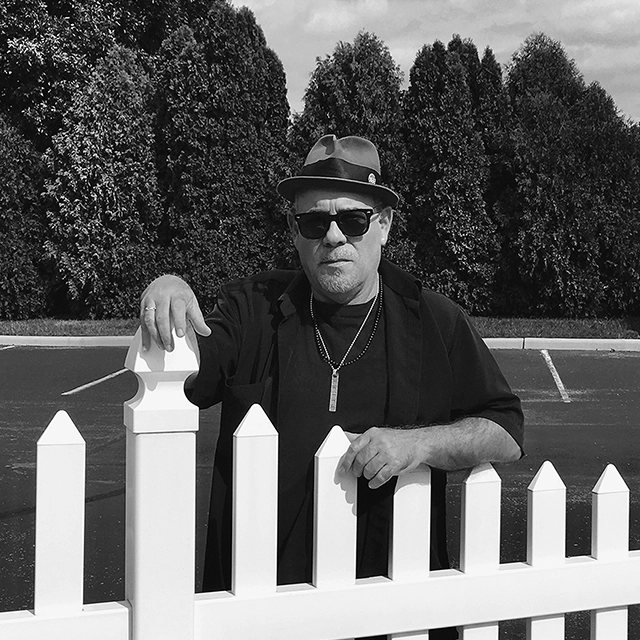
February 10th, 2025 | By Miguel Rodez
Vea el original en español

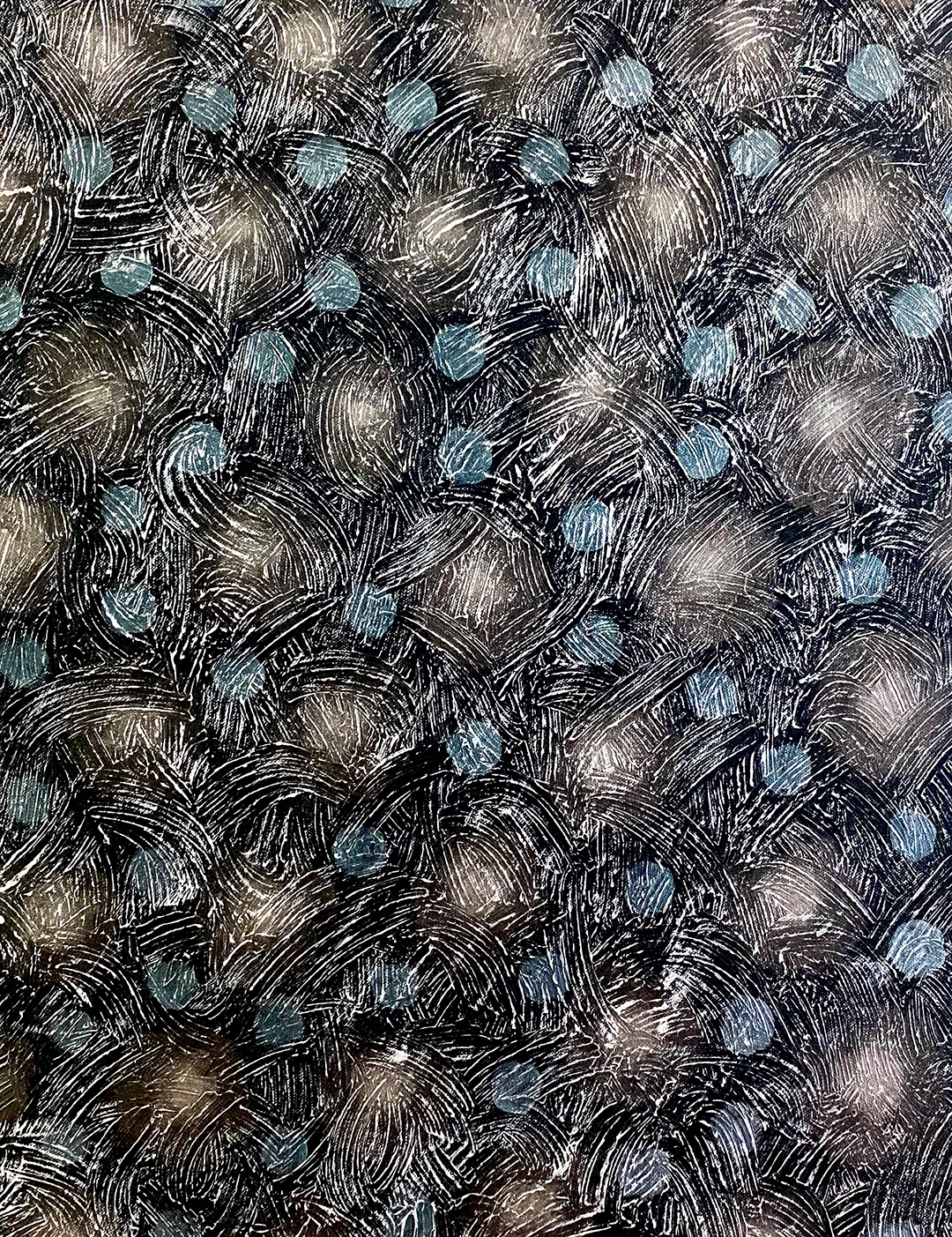
Miguel Rodez, Abstract P and D (detail), 2019.

Go to English Version

The Pattern & Decoration (P&D) movement, once dismissed for its embrace of "decorative" arts, is now celebrated for challenging traditional art hierarchies. Explore its legacy and modern-day echoes in Cincinnati, where creative hubs like the Freeport Row Art Alley are contributing to a thriving art scene, with a mural by Esteban Leyva at Liberty and Elm streets.

During the 1970s, a rebellion against the exclusive art establishment gave rise to a variety of movements, including the P&D Movement. While they may have faded from mainstream memory, their defiant energy lives on.

In the 1970s, the art world's institutional embrace of formal modernism was widespread, even as stylistic variations flourished. De Kooning's vigorous, expressionistic brushwork coexisted with Rothko's meticulously balanced fields of color and the reductive tendencies of minimalist sculptors. Despite these apparent differences, a crucial commonality defined the era's artistic elite: a narrow demographic of white men who dominated influential galleries and worked almost exclusively with traditional art materials. This conformity highlights the exclusionary nature of the period's "avant-garde," which defined artistic value according to a specific, institutionalized ideal

During this period, female and minority artists who dared to defy artistic norms faced institutional barriers. Their creations were deliberately marginalized, branded as "crafts" rather than fine art, and relegated to the decorative realm. This effectively cemented an artistic hierarchy, with their work at the bottom and out of the gallery spotlight.

A critical moment arrived when a group of artists rebelled against an establishment that consistently marginalized their work. Their radical response was to fully embrace the very decorative and non-Western sources that the art world had rejected. Their ideology was solidified in the 1978 P&D manifesto, Art Hysterical Notions of Progress and Culture, coauthored by Joyce Kozloff and Valerie Jaudon. The new movement gained momentum, with artists gathering for initial meetings in Robert Zakanitch's New York loft. Each artist drew from overlooked traditions: Kozloff found inspiration in Islamic tile work and Mexican architecture; Jaudon wove Middle Eastern calligraphy into her art; and Zakanitch created colossal paintings featuring wallpaper patterns and floral motifs.

Championed by influential art critic Amy Goldin, the Pattern and Decoration (P&D) movement emerged to radically redefine beauty. Rejecting the austere, traditionally male-dominated art world, P&D artists exalted bold, uninhibited decorative forms, vibrant colors, and sensuality, drawing heavily from global and craft traditions.

This renegade style embraced "formerly shunned" materials, incorporating collage, fabric, quilting, fibers, threads, sequins, glitter, tiles, and nails directly into their pieces. By celebrating patterning and high-intensity color, artists like Miriam Schapiro, Robert Kushner, Kim MacConnel, and Tony Robbin challenged the hierarchy of art, fusing fine art with so-called "low-brow" decorative crafts
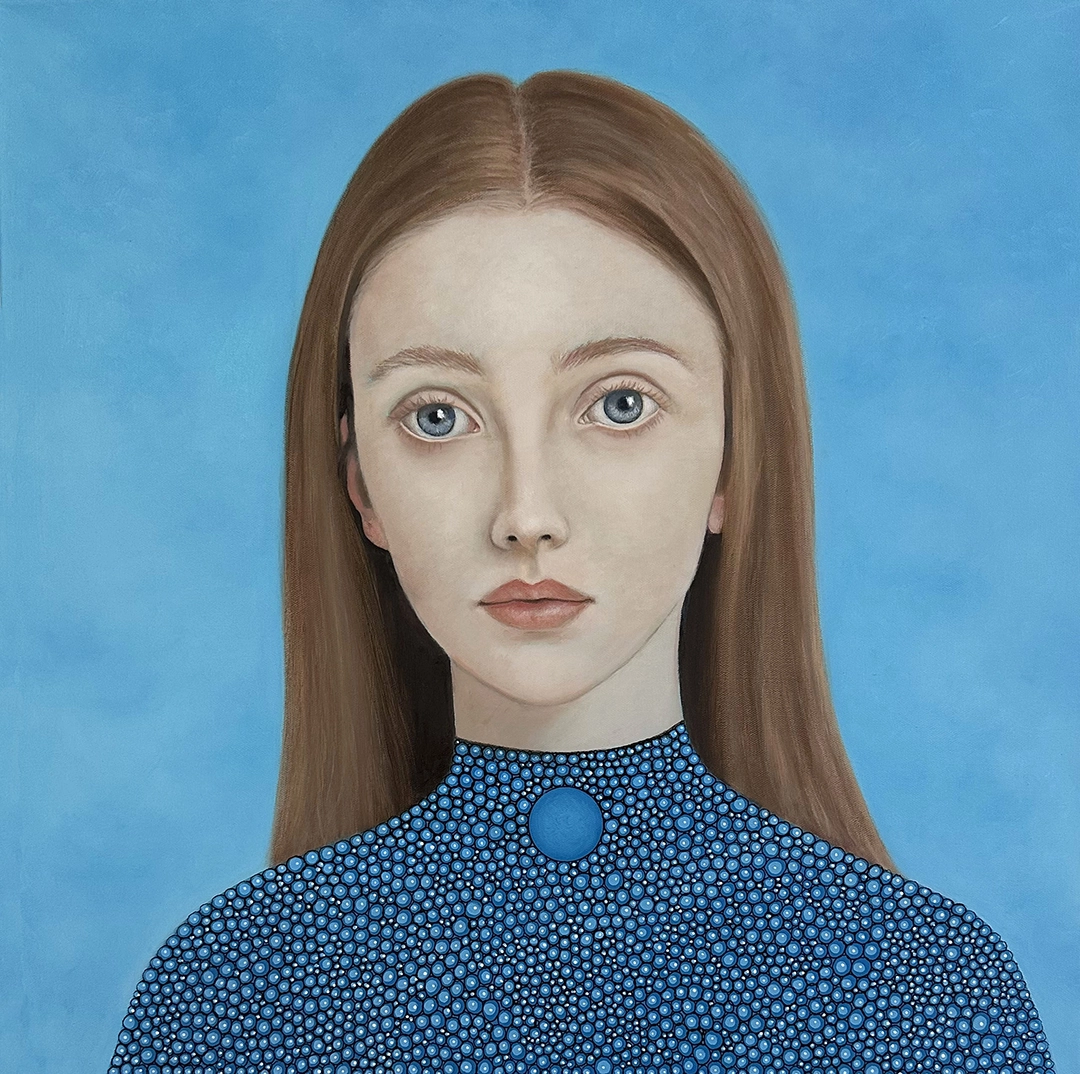
Luisa Mesa. She found her voice

Despite a vibrant start, a promising new art movement faded within a few years during the mid-1980s, largely due to the art market's conservative forces. Dominant galleries, driven by profit, prioritized the sales of established modernist work, which they branded as legitimate "high art." As a result, the emerging style was marginalized and denied a platform, dismissed by the establishment as "low brow" or merely "decorative." The prevailing taste of the era favored the darker social critique offered by neo-expressionism and neo-conceptualism over a movement perceived as superficial and unserious.

By the start of the 21st century, the Pattern and Decoration (P&D) movement had faded into obscurity for the general public and was rarely taught to art students. Yet, its influence continued to thrive outside of the mainstream. As a result, artists whose work clearly fits within the P&D tradition are often unaware of the movement's history.

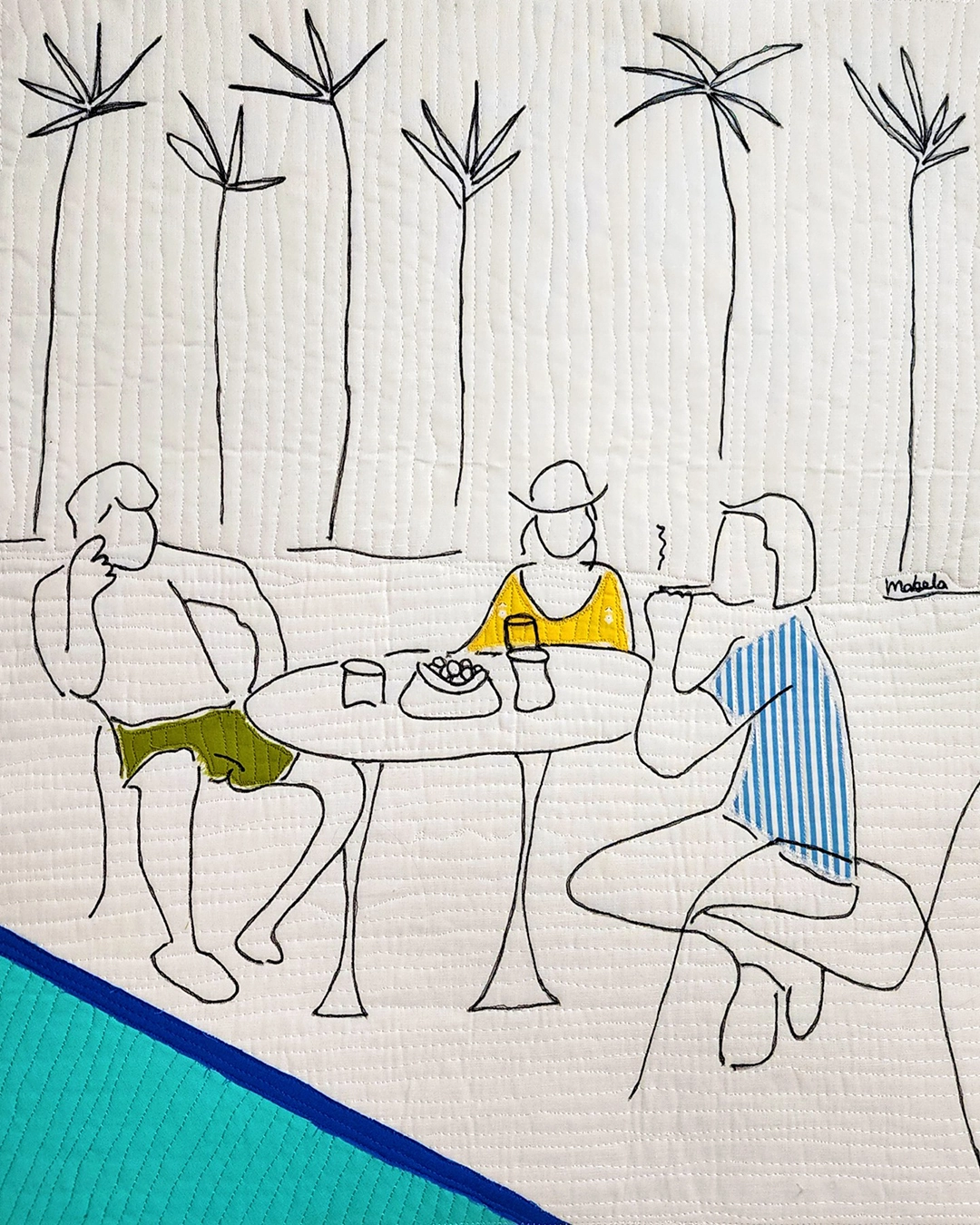
Mabelin Castellanos. By the Pool

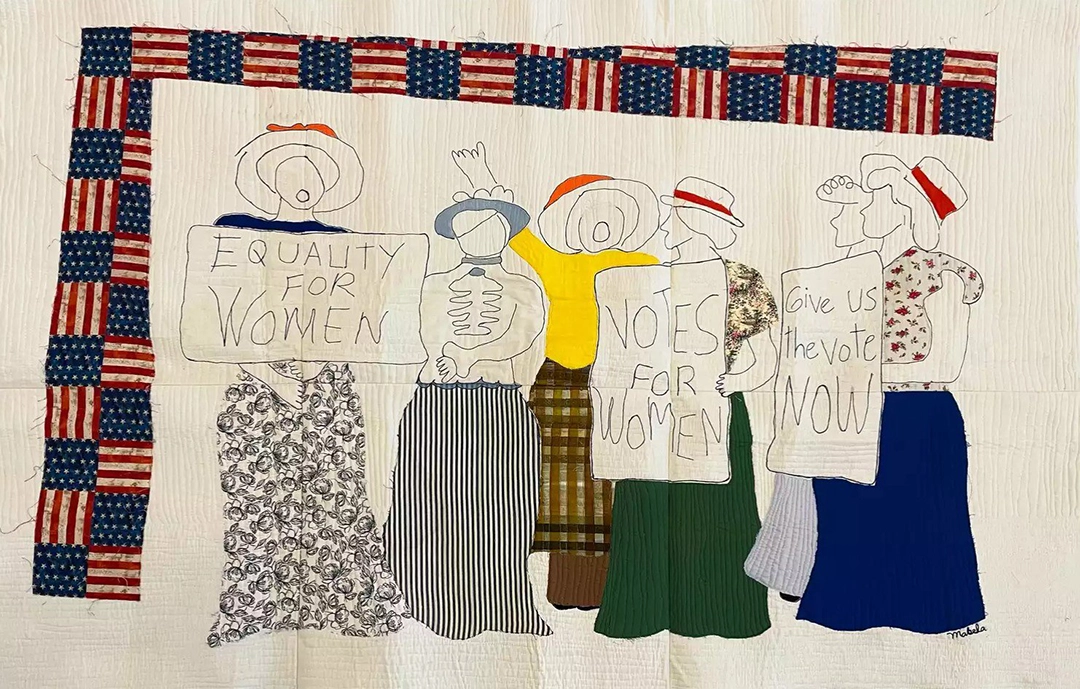
Quilted painting made with thread and cloth.

Given the vast number of artists associated with the Pattern and Decoration (P&D) movement, this discussion will focus on three Cuban artists who were recently surprised to find their work included within this classification.

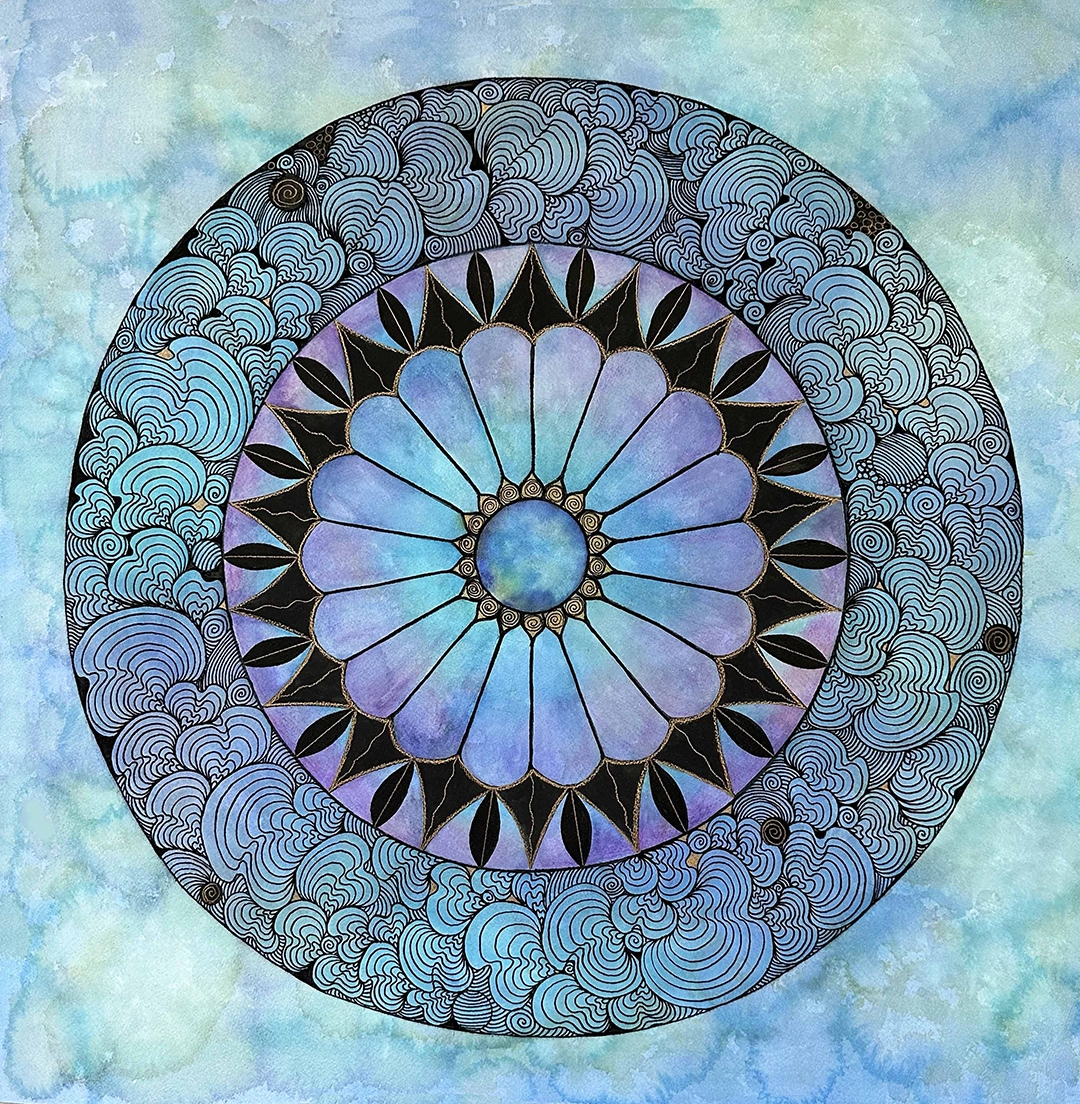
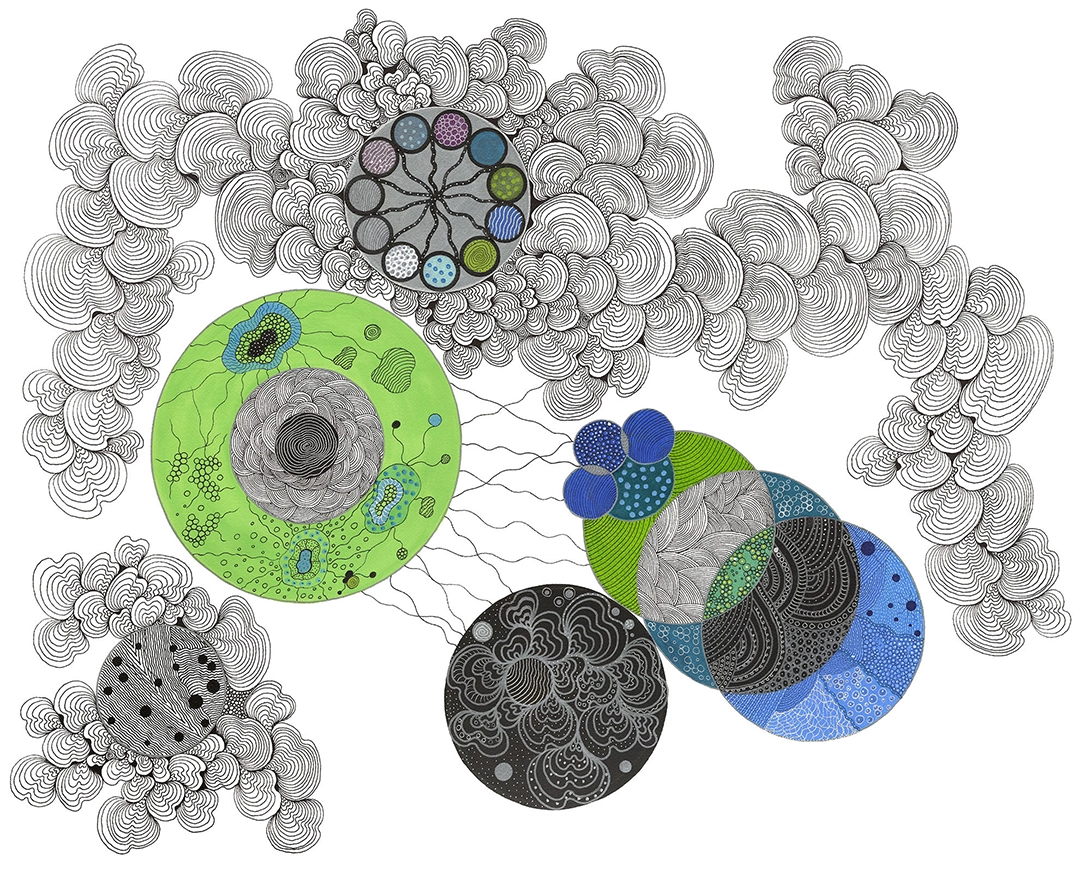
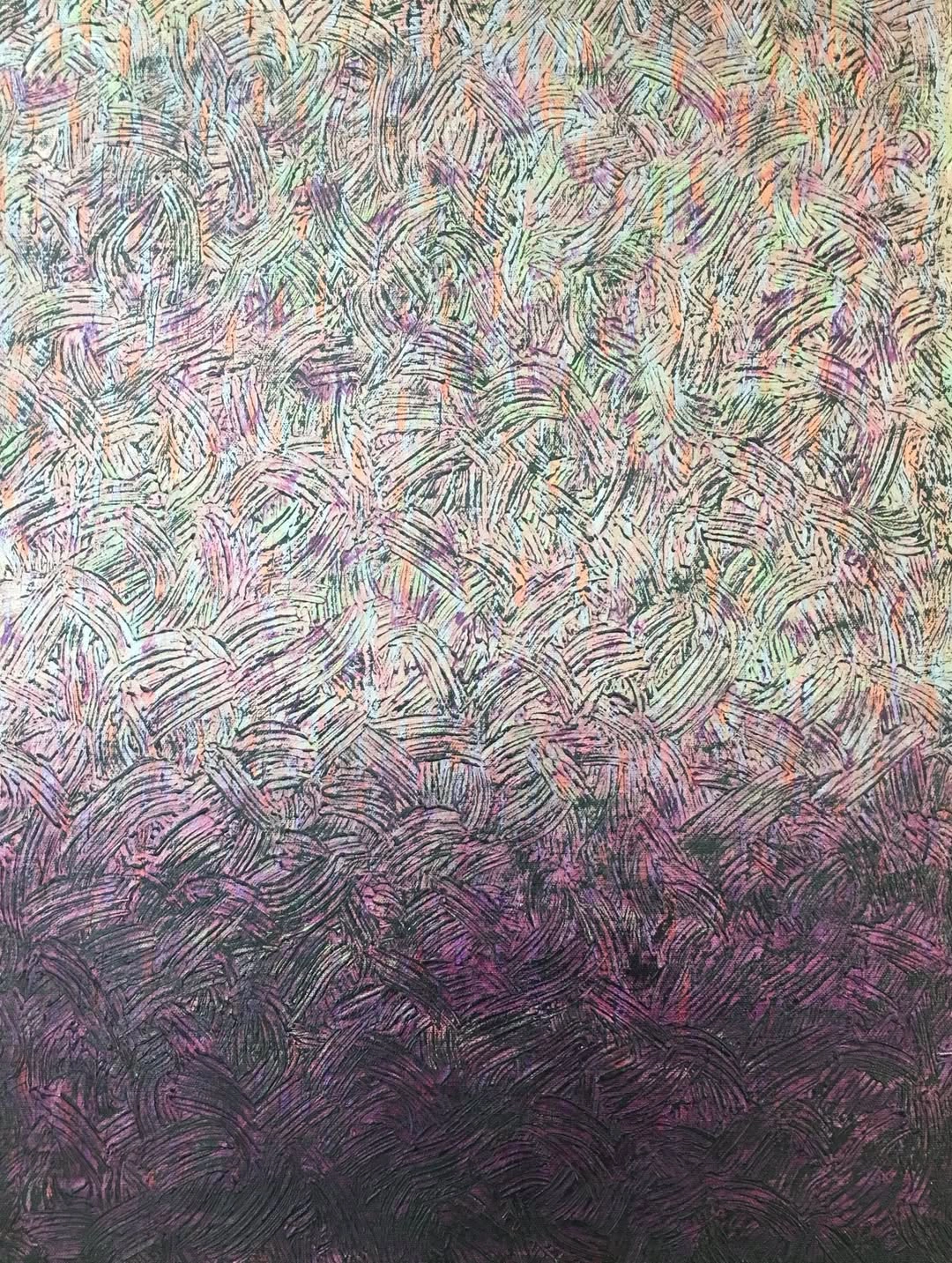
Luisa Mesa creates thought-provoking art and installations through an intuitive process of repetitive mark-making and layered abstraction. While her pattern-based work is often abstract, she also applies her techniques to figurative pieces, integrating personal or vintage photographs with paint and unusual materials to explore themes of memory, identity, and the imperceptible forces that bind us. Her later works often serve as vibrant markers of significant life moments, reflecting a dialogue between fragmentation and unity.

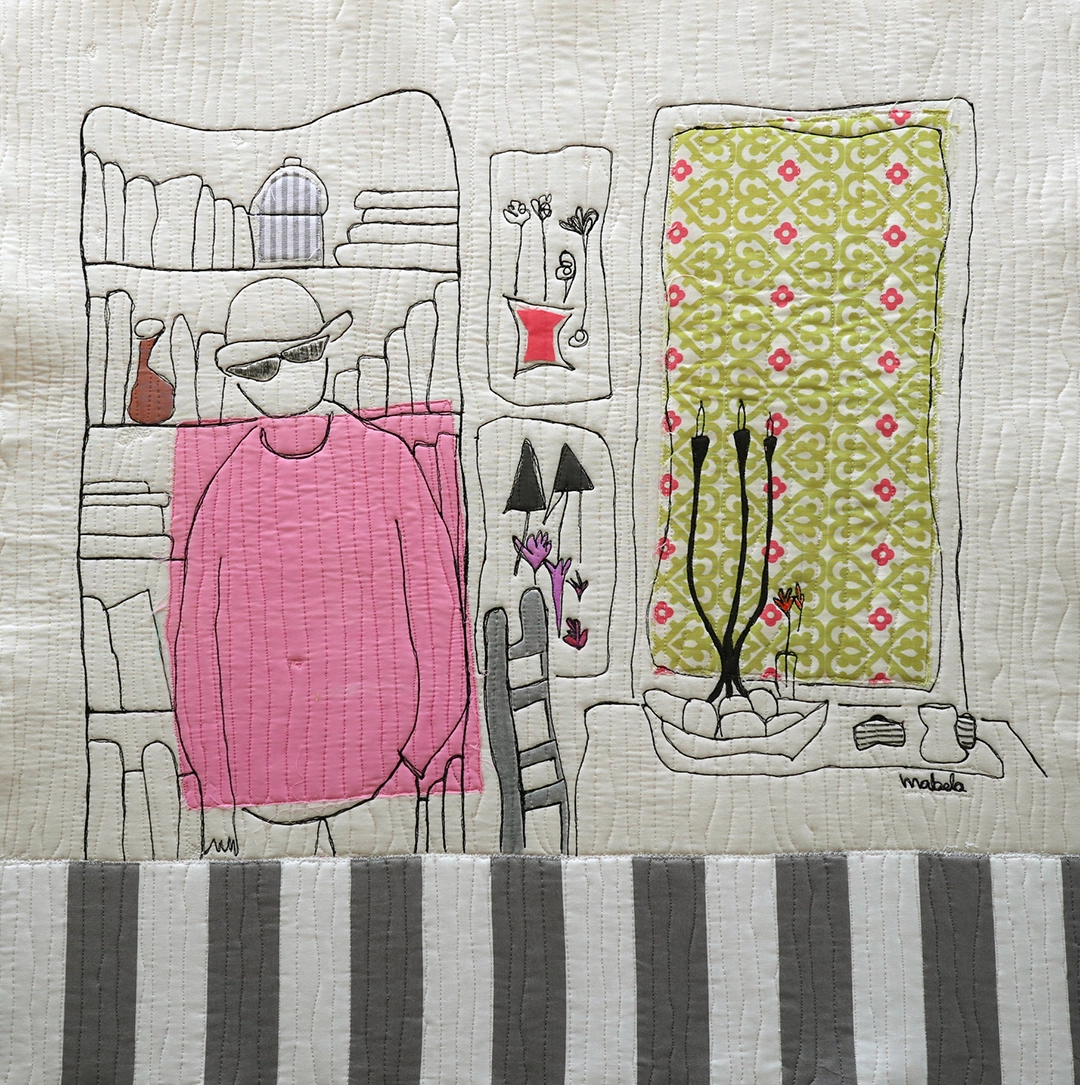
Mabelin Castellanos is a fiber artist who translates the observational skills of her former scientific career into textile snapshots of everyday life. Following a neurological condition, she turned to art as a means of healing and expression. Using a sewing machine, she crafts micro-quilts that immortalize fleeting moments and remind viewers to find beauty in the ordinary.

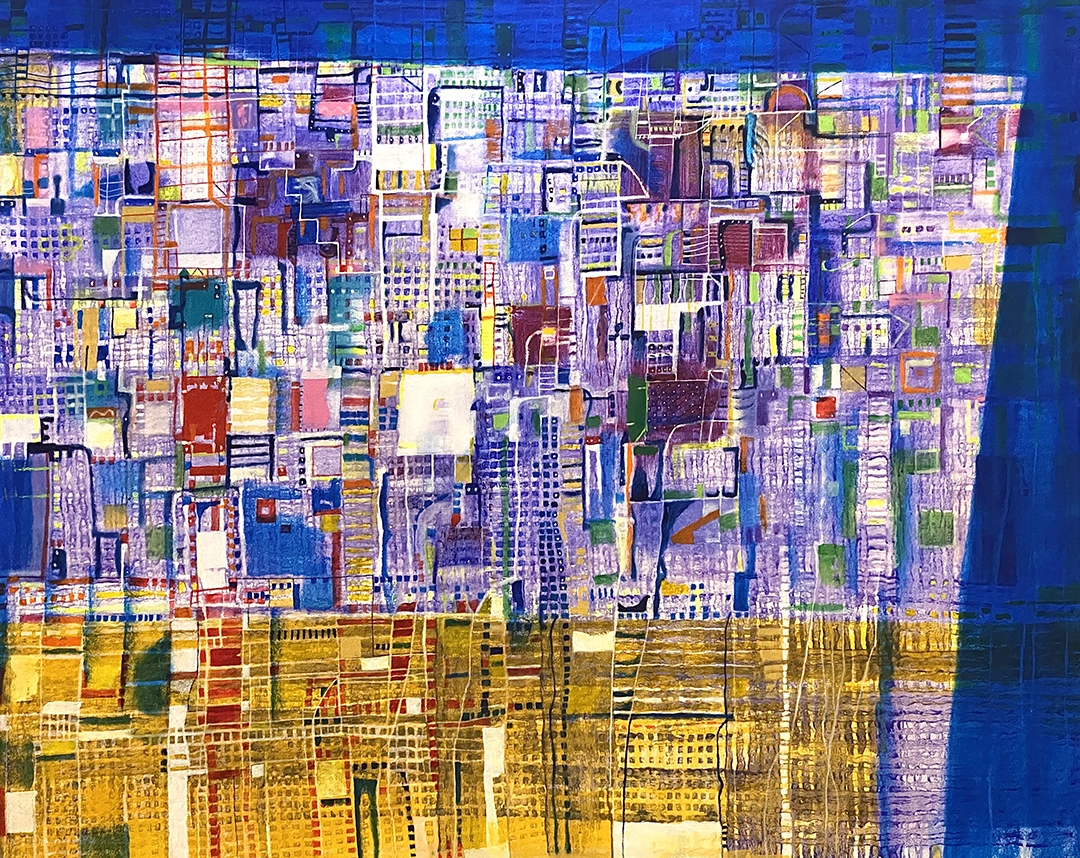
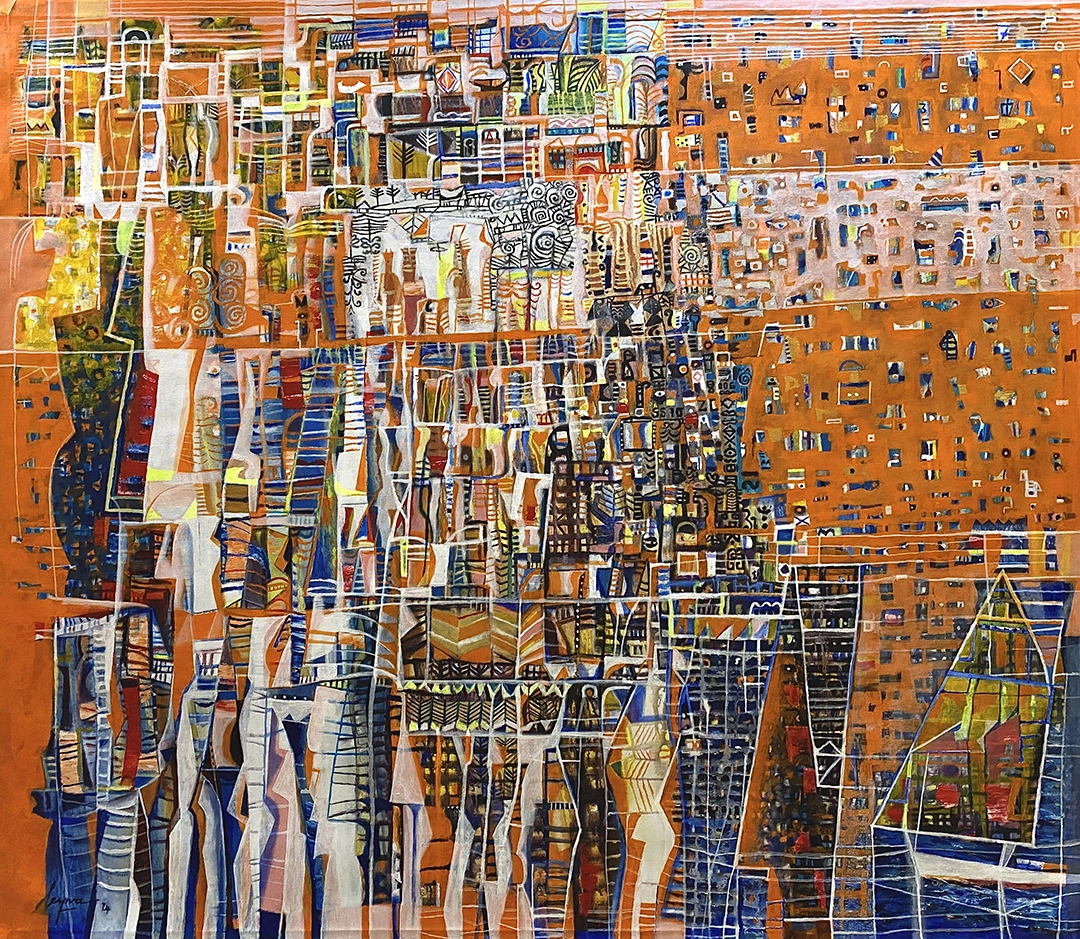
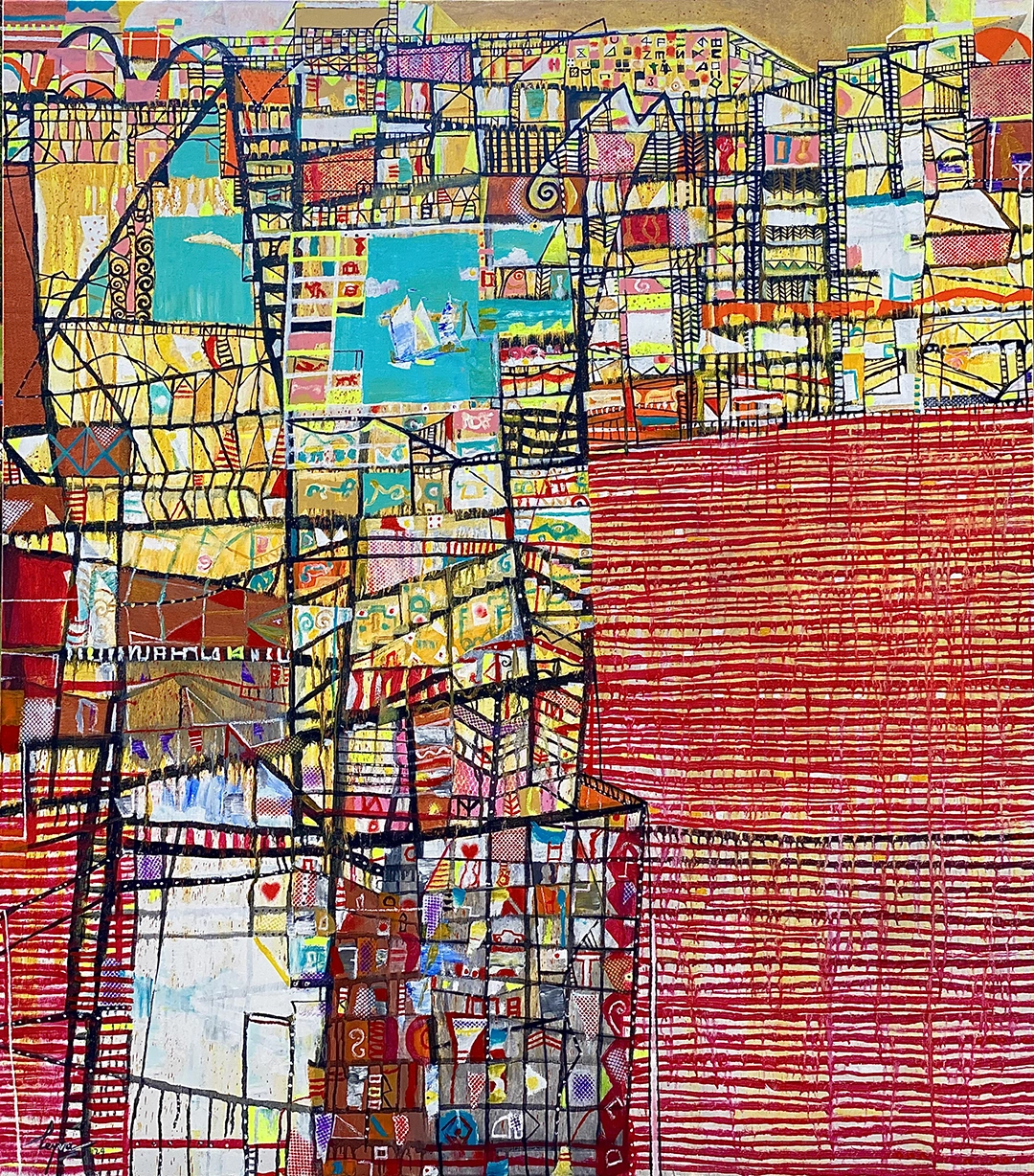
Esteban Leyva is an Atlanta-based Cuban painter, draftsman, and muralist with a career spanning over 40 years. His vibrant, meticulous abstract art uses bold color and geometric shapes to create "labyrinthine" compositions, often depicting urban environments, aerial perspectives, and conceptual "fictional maps".

These three artists embody the Pattern and Decoration (P&D) Movement, a discovery they made only recently. They are not alone; countless artists from different cultures worldwide unknowingly belong to this influential movement, which was long considered a thing of the past. One of them has left a significant mark in Cincinnati.

No items found.

Esteban Leyva. Acrylic on Canvas

Gallery

Luisa Mesa. Mandala No. 5
Luisa Mesa. From the Meditation Series, 1600
Mabelin Castellanos. It Takes a Man to Wear Pink  Thread, cloth and acrylic | 24 x 24 inches
Quilted painting  Thread and cloth | 40 x 60 inches
Esteban Leyva. Acrylic on Canvas
P and D Painting by Miguel Rodez
No items found.

Comments powered by Talkyard.