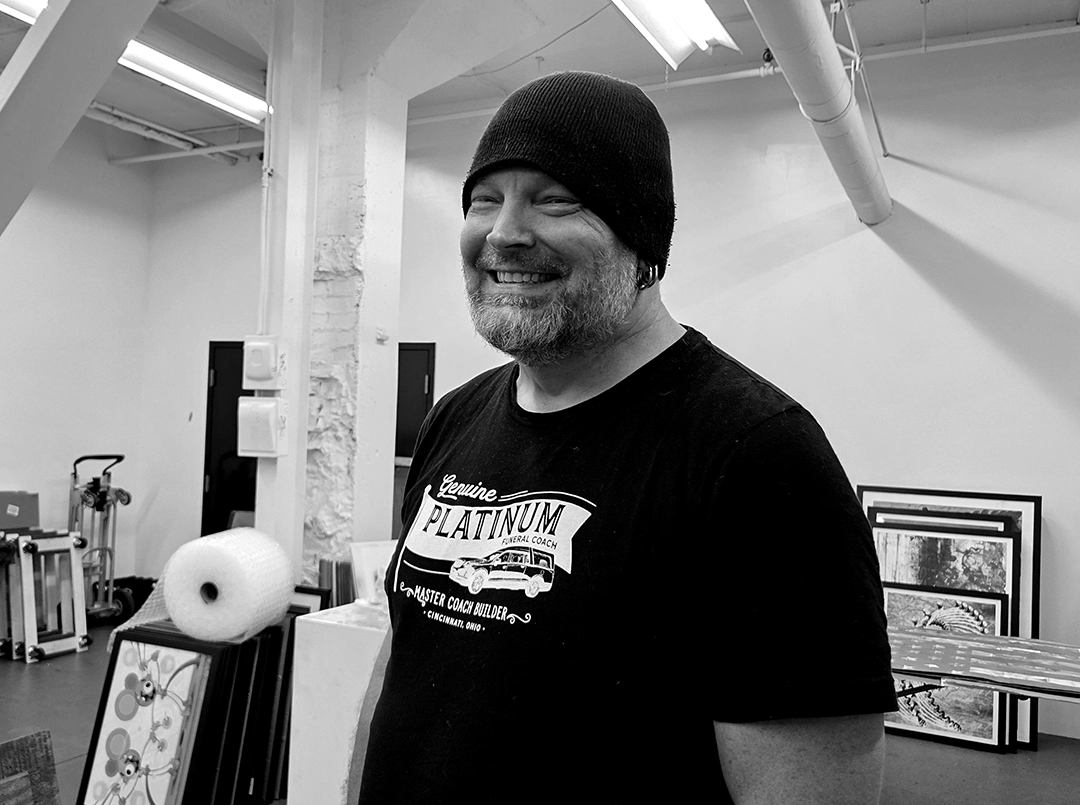
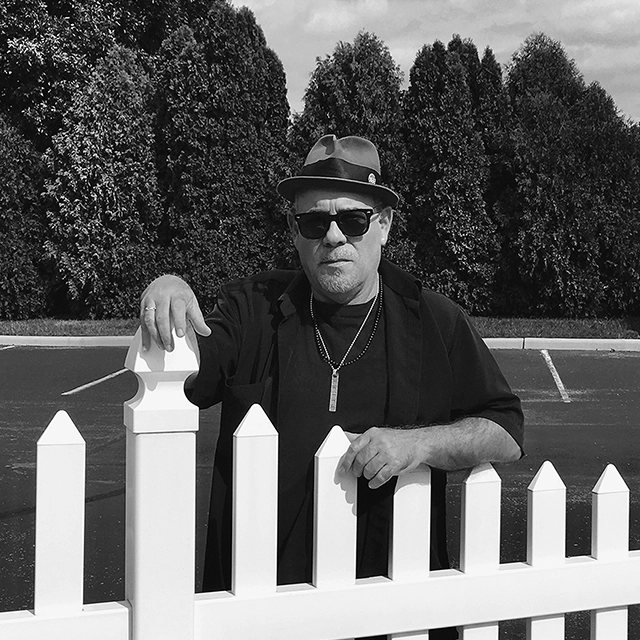
Aaron Kent in his working studio
There are artists whose work is born of skill; others, of obsession; others still, of a wound. In Aaron Kent, all three converge. His practice resists reduction to any single discipline or stable technique. Although it may be inscribed, under a taxonomic logic, within the territories of ceramics, printmaking, or sculpture, the truth is that his work moves through far more uncertain zones.
Kent transforms, with an endearing stubbornness, his raw material into a personal register of loss and lack—into temporal residues where the emotional, the physical, and the symbolic amalgamate without excessive discipline. He does not, then, operate from the purity of the medium. His language emerges precisely from the contamination between processes that have little in common. He moves from bronze to silkscreen, from ceramics to printmaking, from bone sculpture to the printed image. In doing so, he constructs a hybrid poetics in which three-dimensional objects often end up inscribed onto flat surfaces.
It is this disregard for traditional procedures that prevents his work from settling into closed categories. And this is in no way the result of technical deficiency. He accumulates years of craft, of trial and error, of empirical investigation into materials and their displacements, all placed in the service of his obsessions. He does not strike me, in the least, as an artist concerned with virtuosity. Rather, he insists on personal effort—perhaps as a form of self-inflicted discipline—in order to authenticate his work through real emotion.
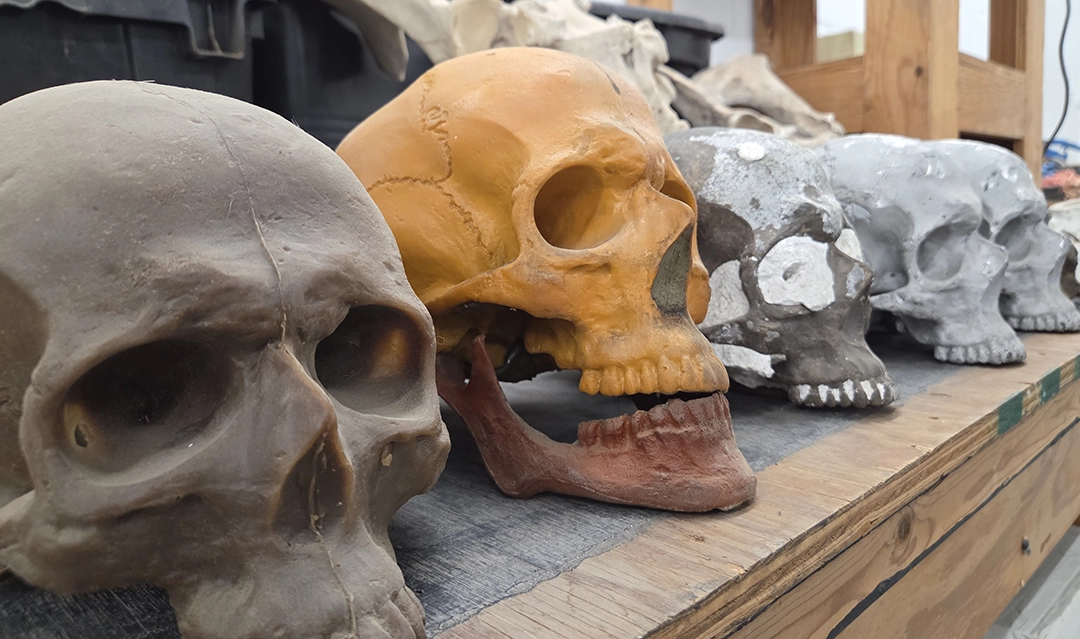
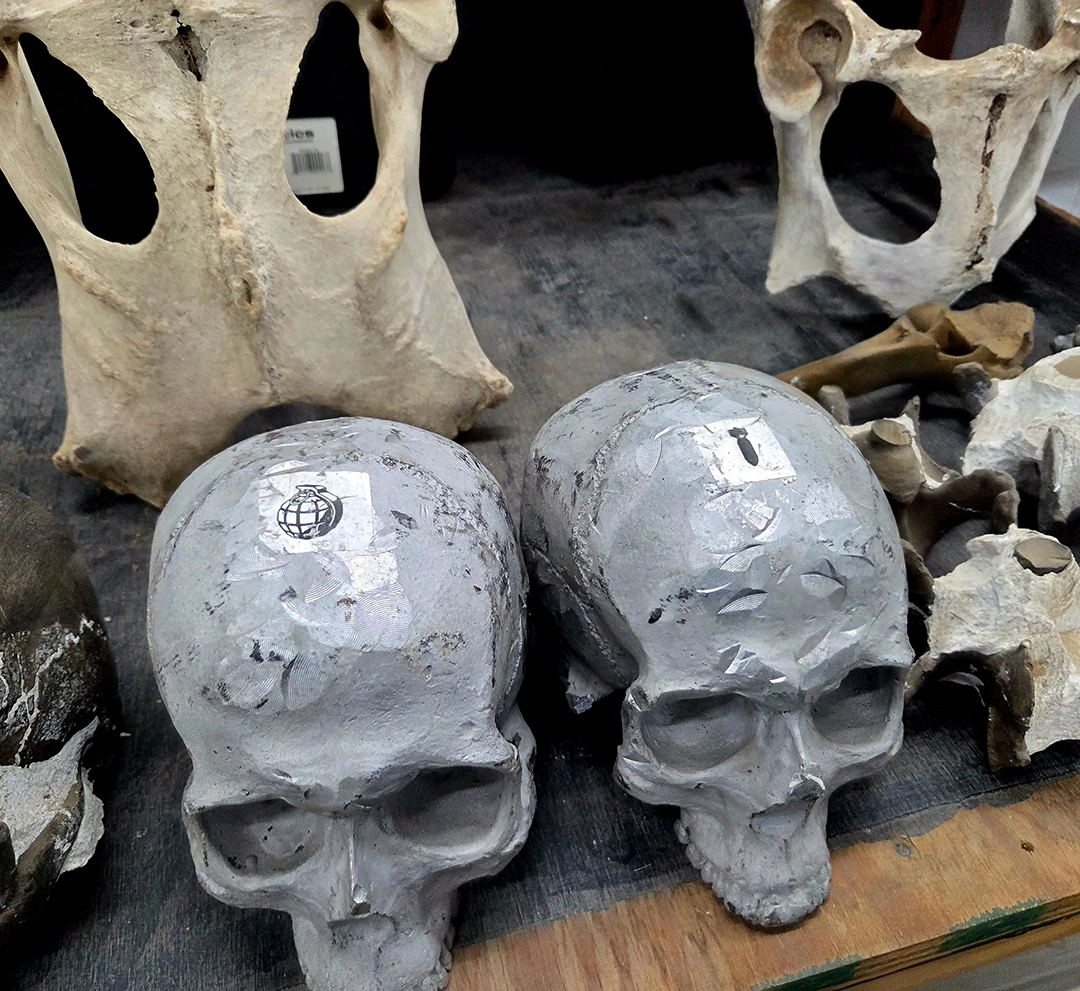
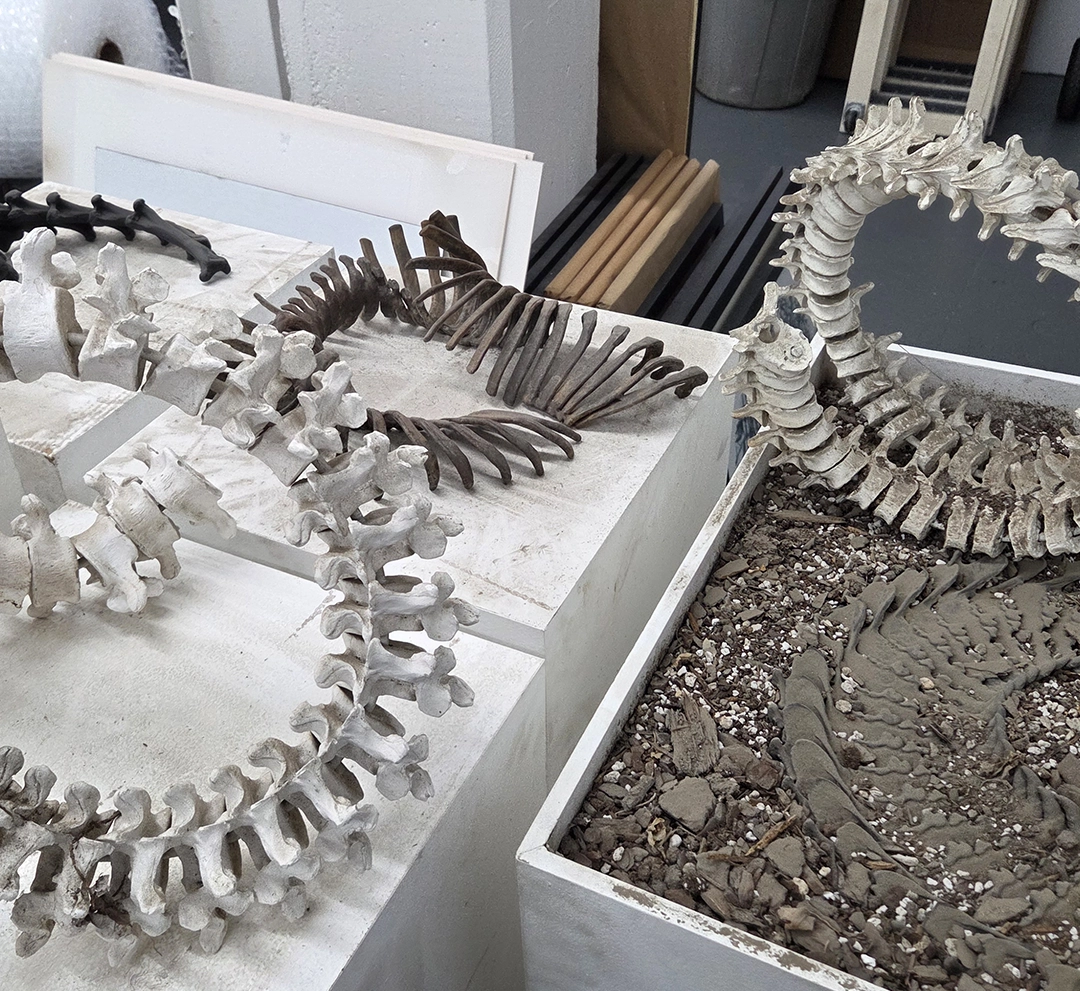
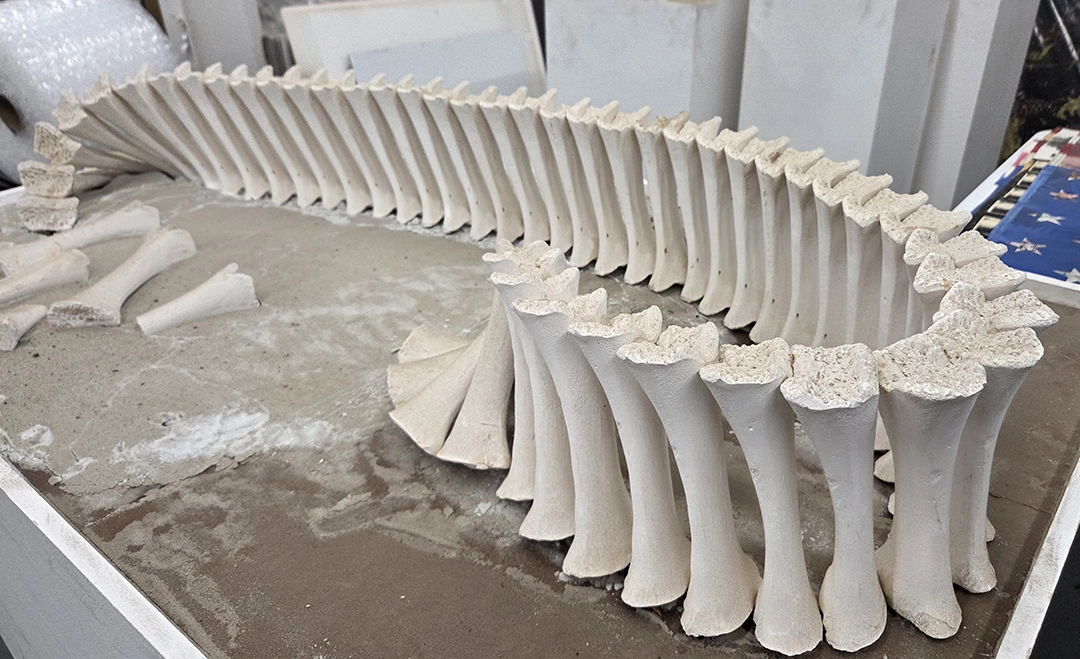
One of the most revealing cores of his practice is his relationship with bones. This has nothing to do with decorative imagery or a superficial gothic inclination. His fascination with skeletal remains points toward a persistent meditation on life, death, and what remains once presence disappears. From a young age, Kent felt drawn to skulls, vertebrae, to those internal structures that outlast soft tissue—the very tissues that sustain love and pleasure. Bones become a solid, silent, cold archive: a kind of three-dimensional photograph that gathers what was once warm and flourishing.
That “residual something” had its moment: it was once alive, ceased to be, and still continues to tell its story—or to recombine another, revised, resignified. Within it persist time, fragility, violence, and also, inevitably, a form of return. His approach to death emerges, above all, from philosophical inquiry. Through an emotional reconfiguration, he restructures grief in order to return it—materially—to life, to inhabitable space. Anyone who sees morbidity in Aaron’s aesthetic fails to see anything at all.
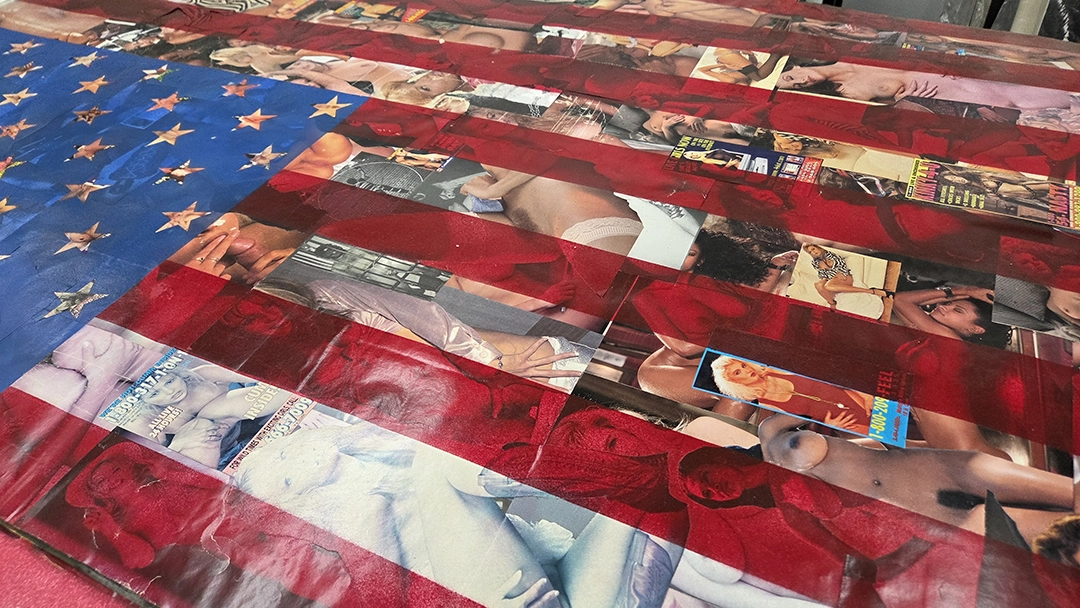
The origins of this particular creative philosophy do not lie in chance or emptiness. His youth was shaped by an intense political sensitivity and by exposure to contexts of social crisis. In the 1980s and 1990s, Kent worked in environments connected to the gay community and to the S&M/BDSM scene, during the height of the AIDS crisis, when fear, loss, discrimination, and violence were part of everyday life. That proximity to illness, social hostility, and the death of friends left an irreversible mark on his imagination. His early work, as he himself recounts, was explosive, frontal, reactive—deeply affected by war, inequality, and the urgency for change. It was an uncompromising art, too corrosive for the market, yet charged with moral urgency: testimony, mourning, material memory of its time and of a deeply wounded community.
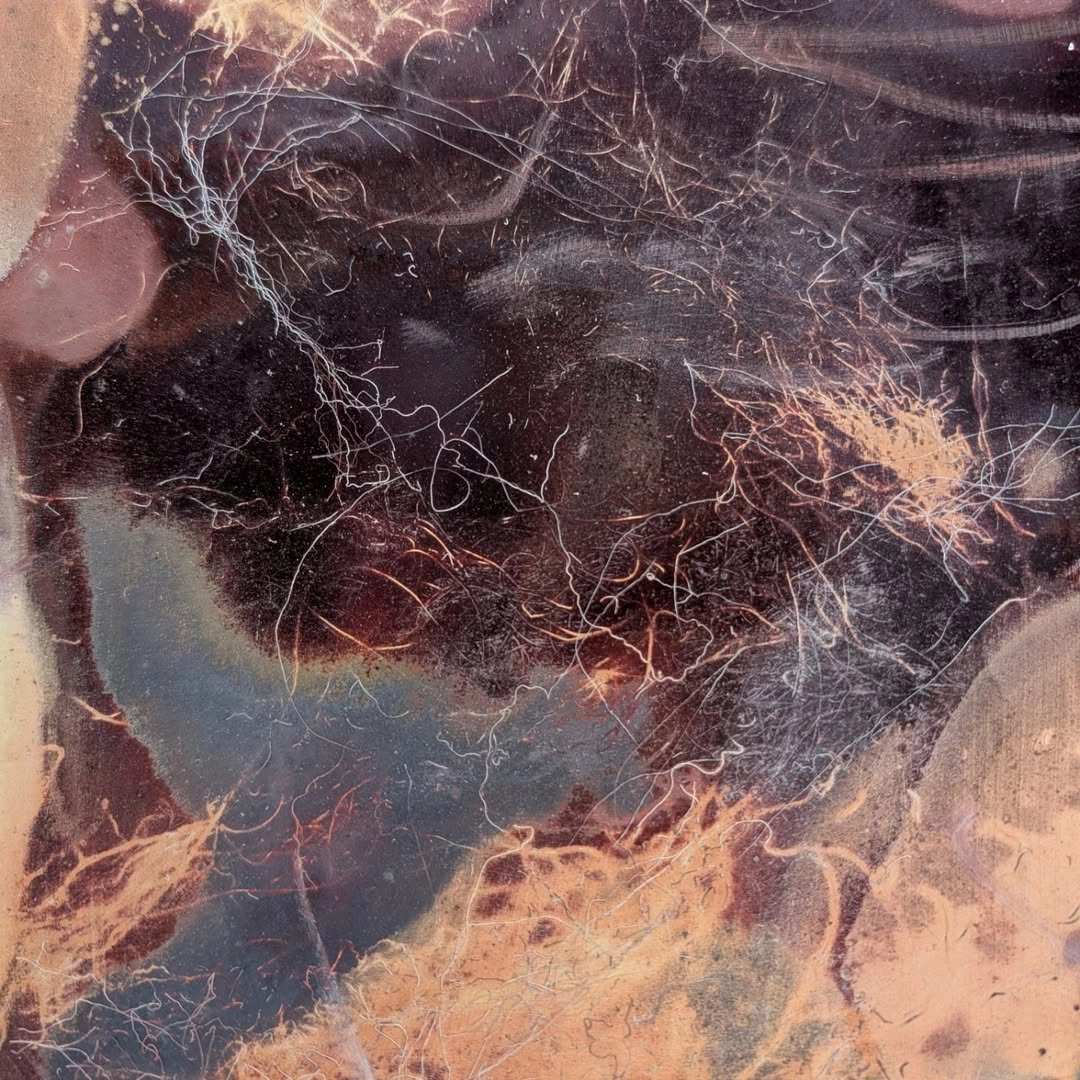
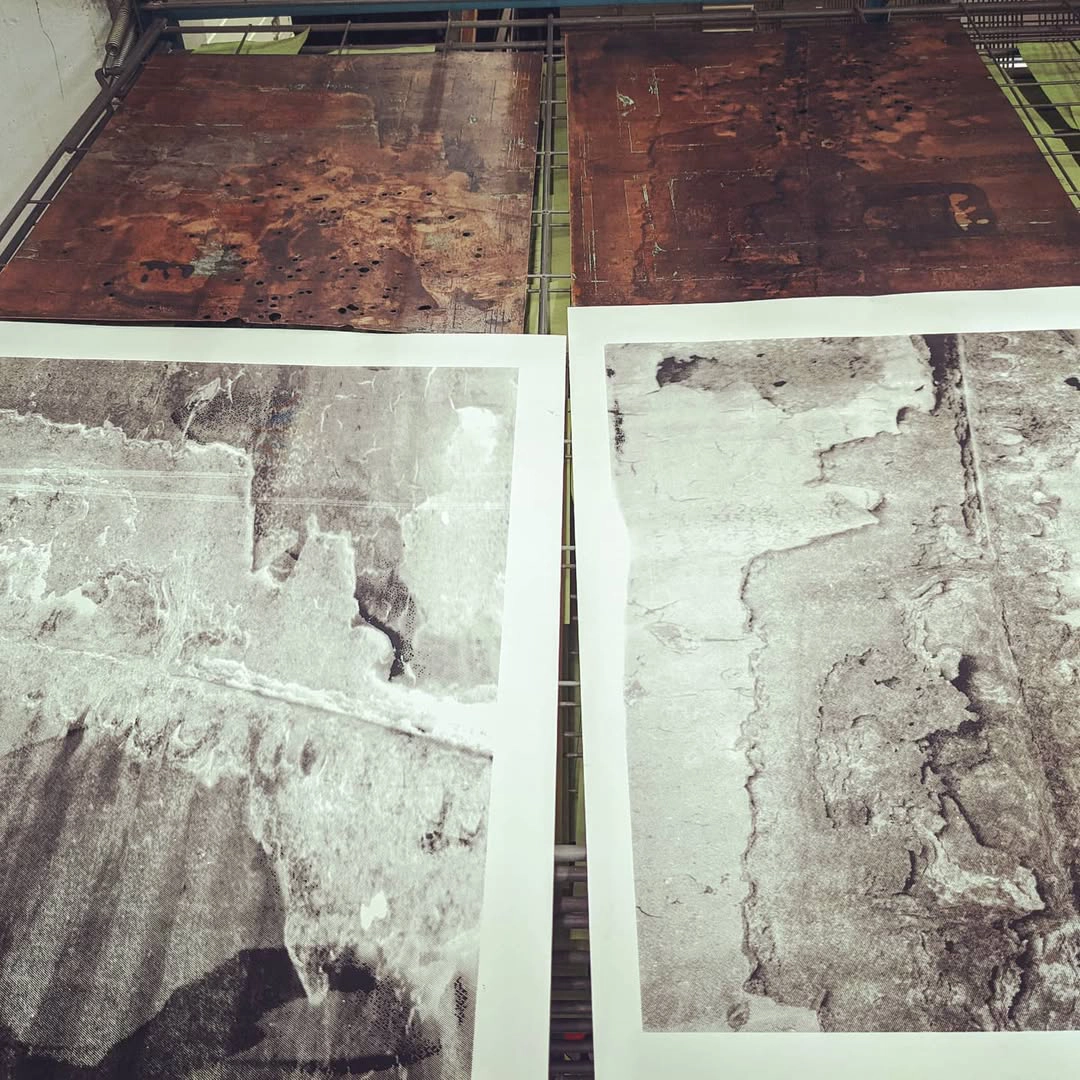
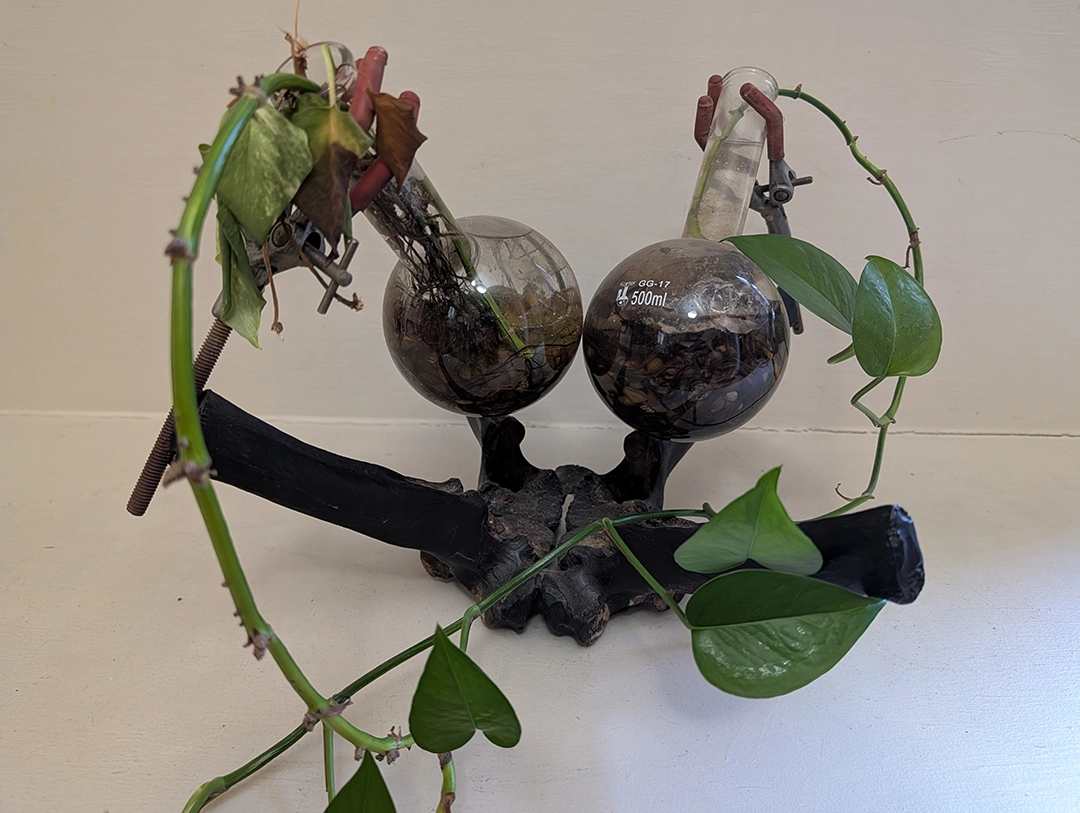
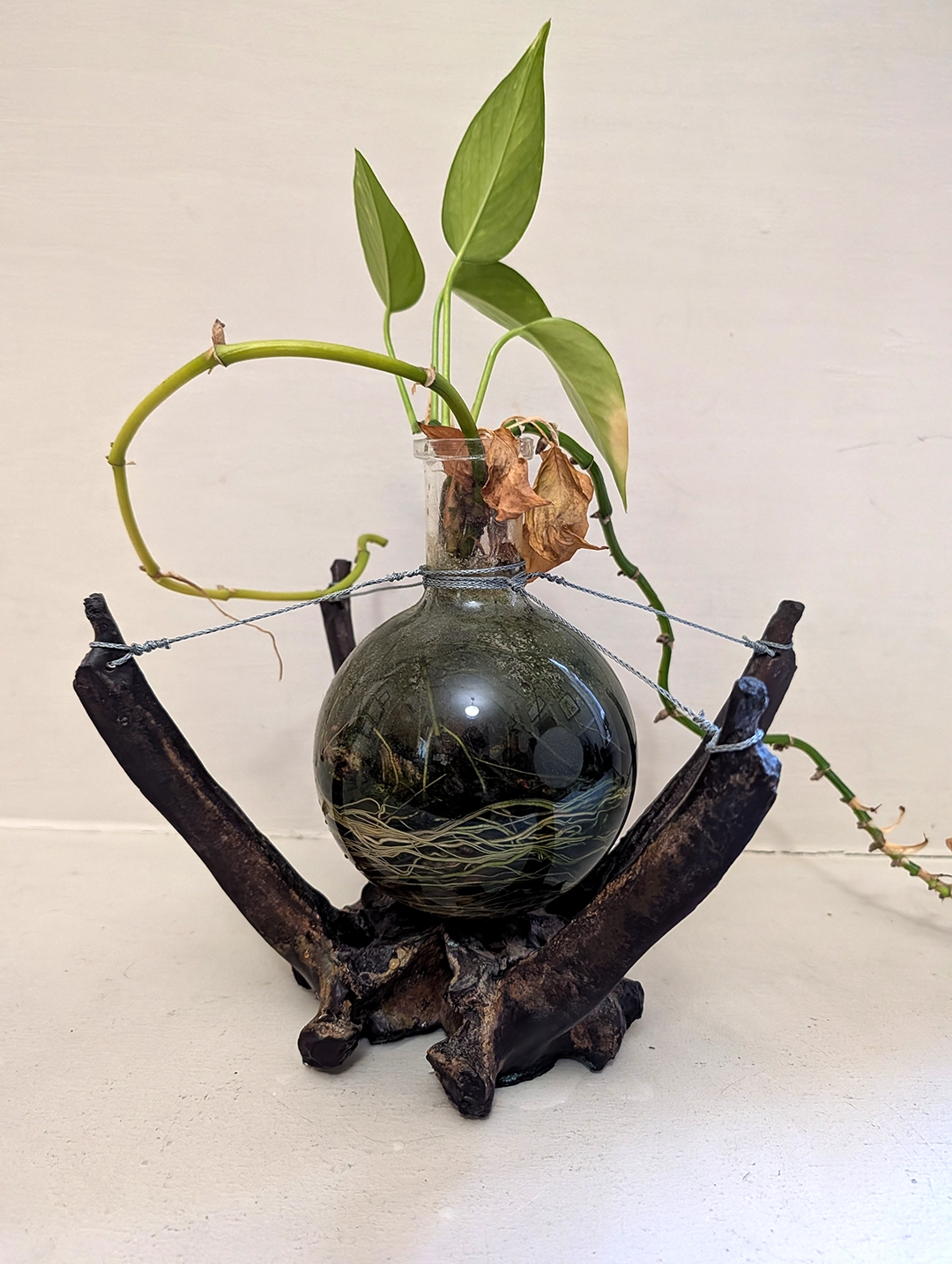
Over time, that sensitivity did not disappear; it changed language. Explicit violence settled into a more tactile, more process-based work, more attentive to erosion and trace. His series emerge around stains, relics, corrosion, earthen grounds, and altered surfaces. Kent has developed a line of work in which visual sediments integrate into compositions where the image seems to arise from processes of wear. Roots, dust, soil, rust, marks, cracks—these form a vocabulary that transforms the surface into a space where time is confronted. In such a way that it can no longer be treated as a theme, but rather as a material condition that must be made perceptible.
A decisive moment in this evolution was the loss of his mother. Death shifted from being a social, political, and philosophical dimension to an intimate experience. Kent then turned fully to ceramics—a practice he shared with her—not so much as an artistic medium in itself, but as an anxious strategy of affective continuity. Practicing ceramics with his mother had been a way of sharing love and time; continuing that practice after her absence became a way of prolonging that dialogue.
There is something deeply moving in the sight of a man of his physical presence—almost imposing—shaping clay while speaking to his pieces because, in some way, he is speaking to his mother. This is not a secondary biographical detail; it is one of the fundamental keys to who he is today as both artist and human being. An artist who has managed to saturate clay with pain in order to model grief with his hands.
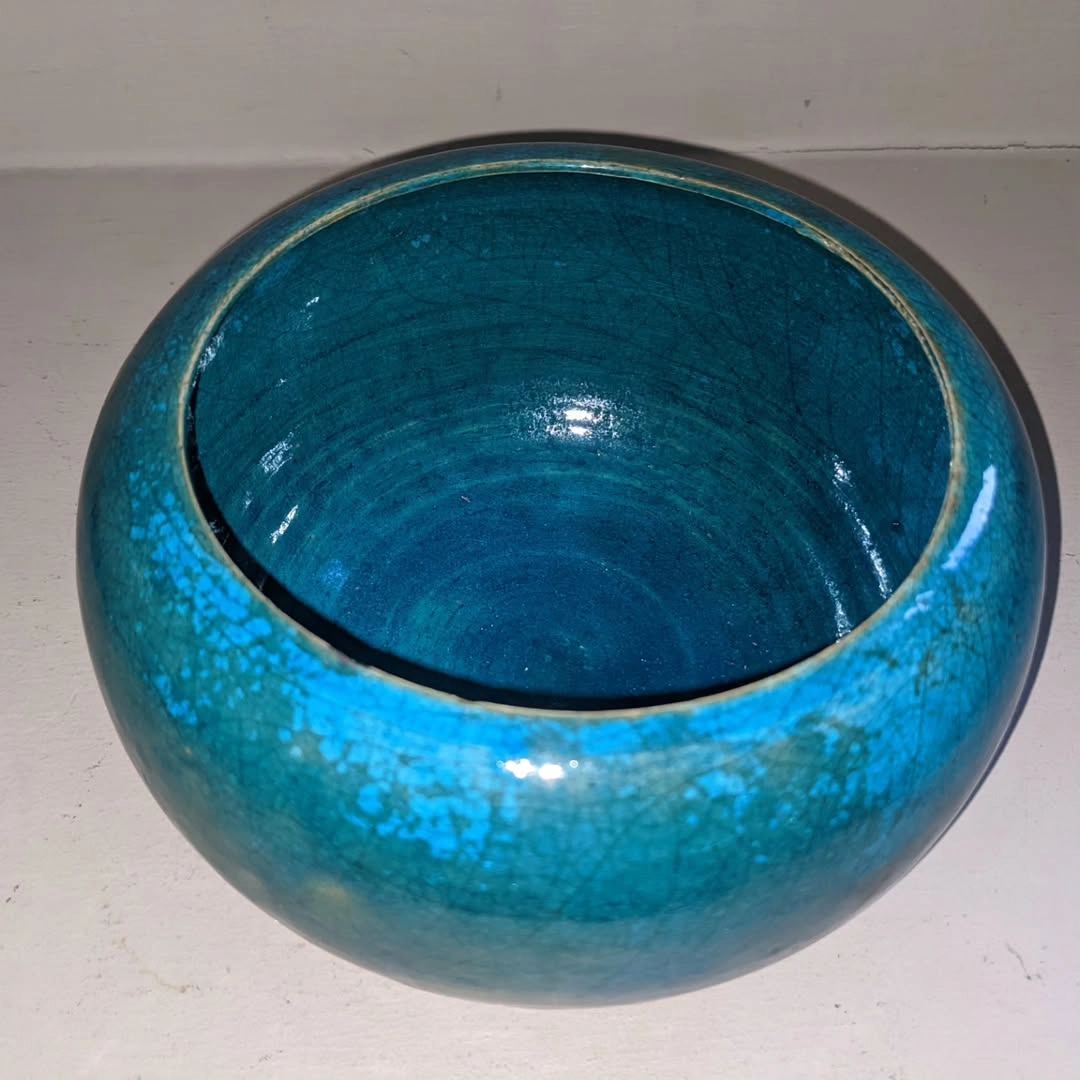
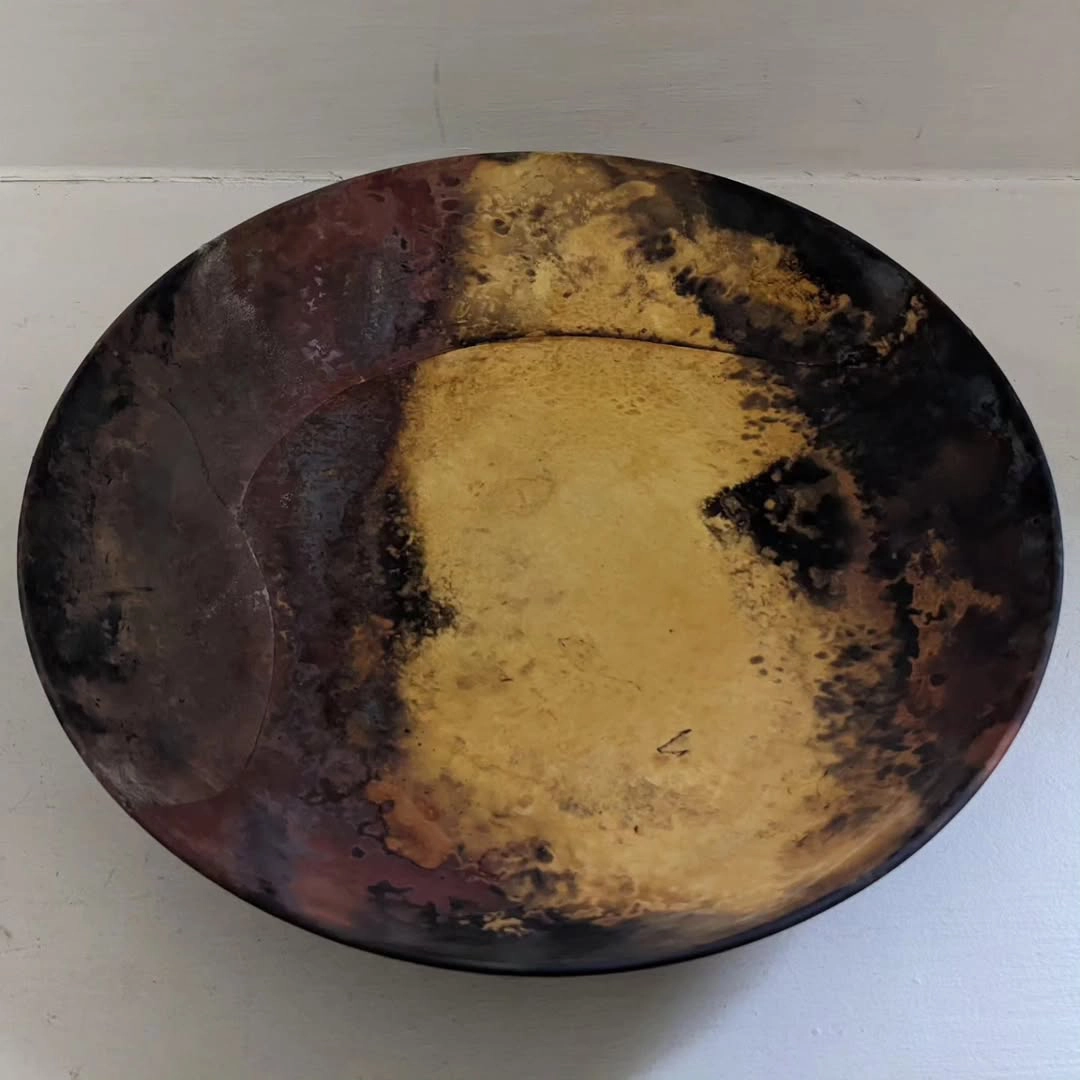
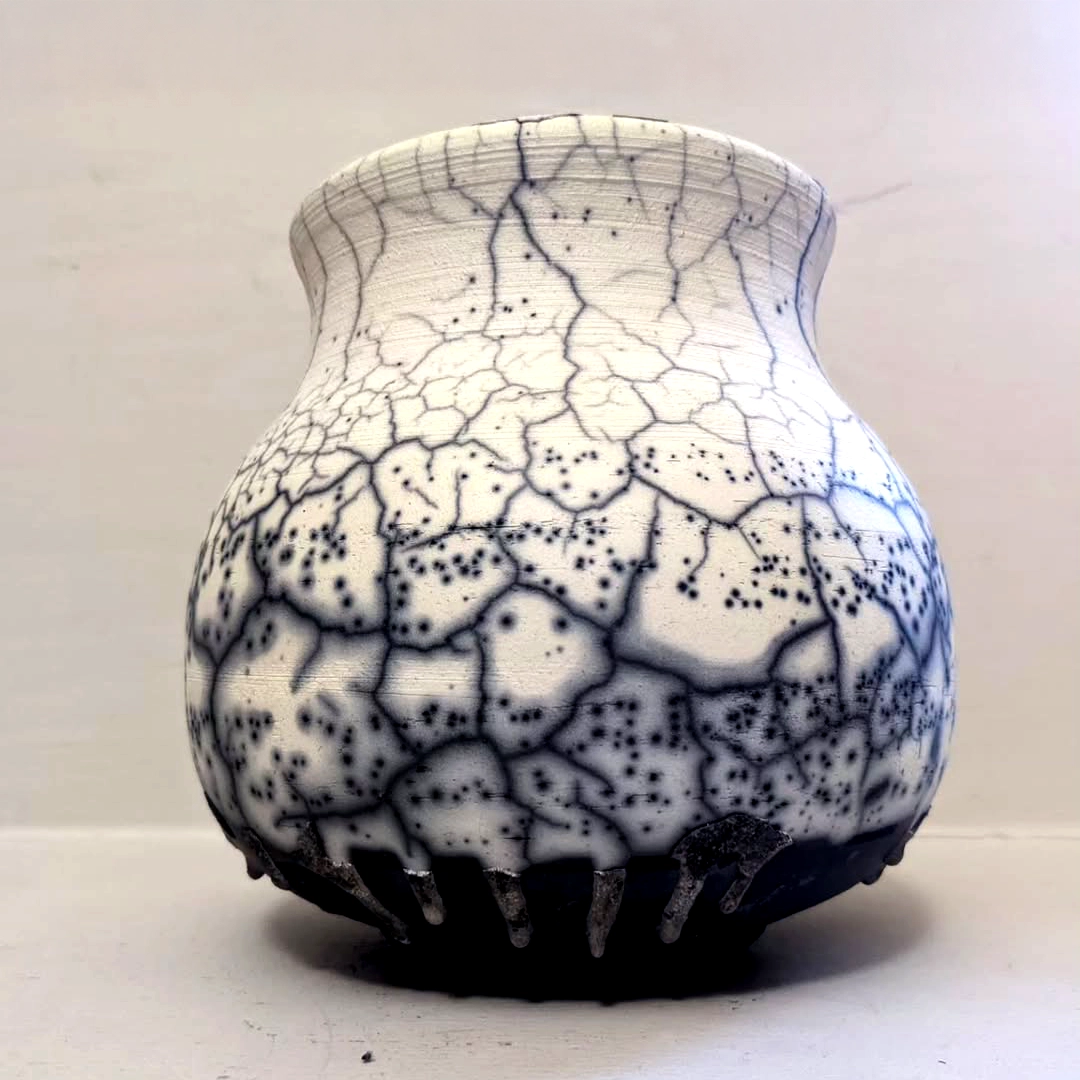
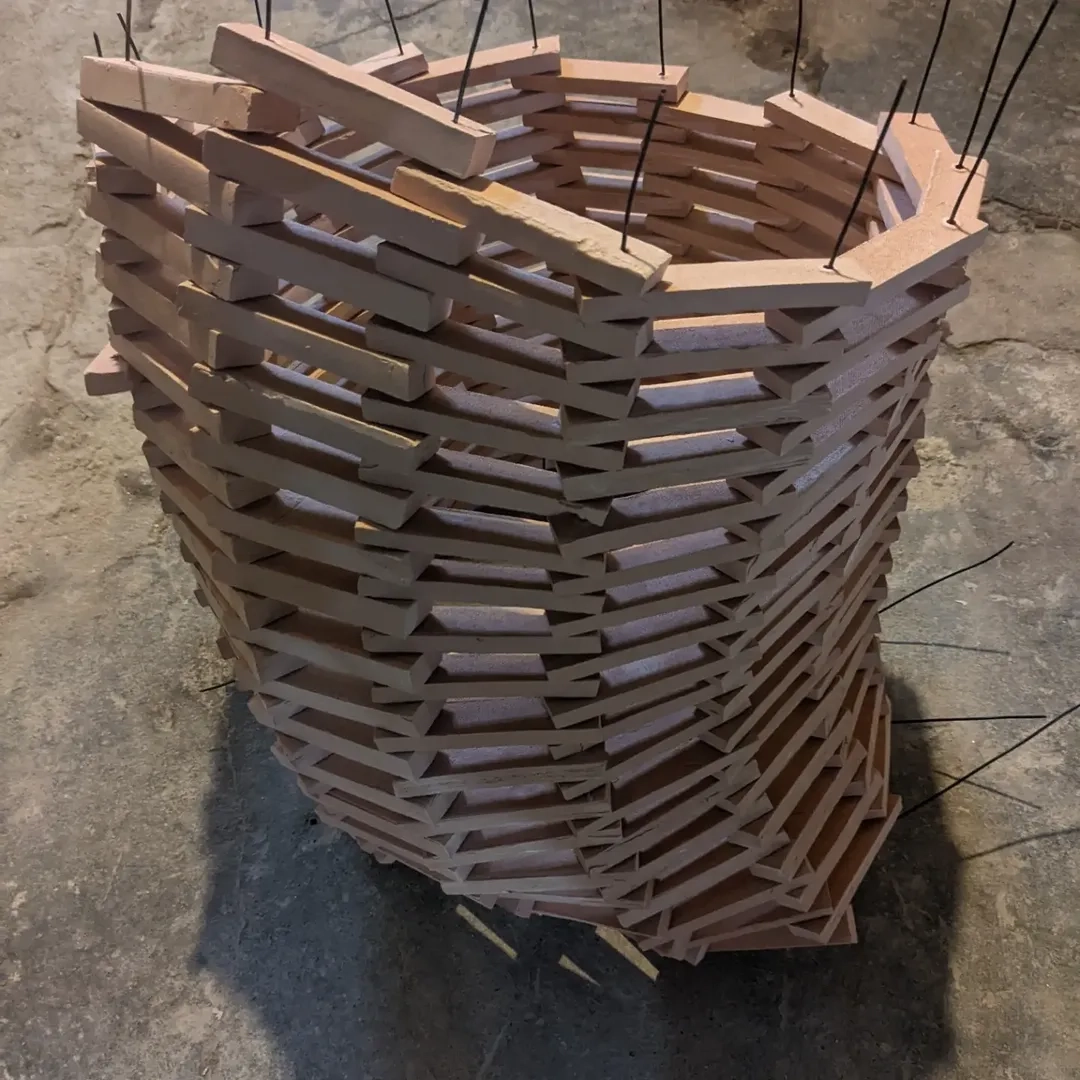
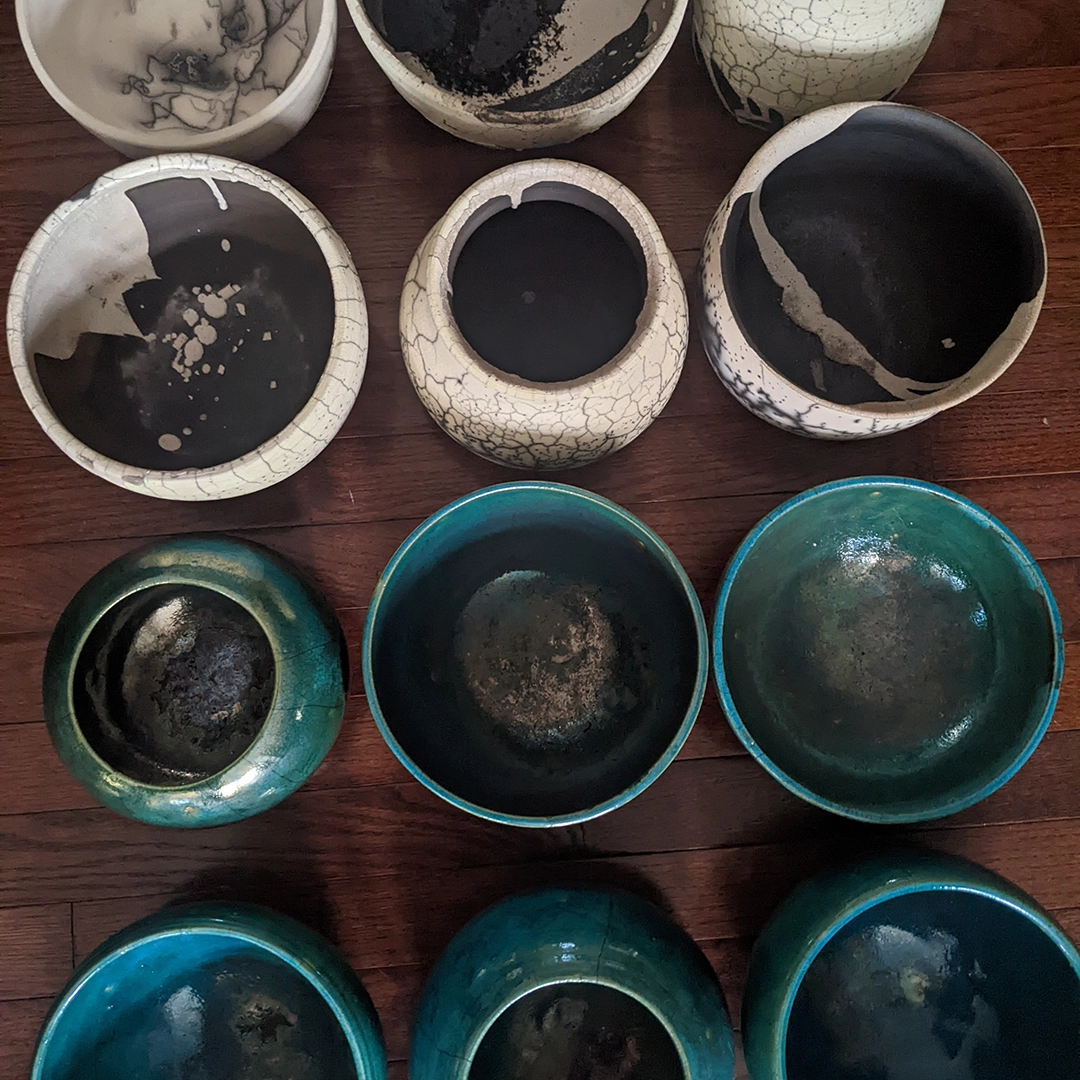
Perhaps for this reason, Kent is drawn to processes such as pit firing, to earthy tonalities, to the unpredictable marks of fire, to surfaces that seem to have passed through ancient combustion or mineral exposure. He is interested in cracks, fractures, accidents—the signs that matter has been traversed by time. In open opposition to ceramic traditions obsessed with control and flawless finish, he asserts imperfection as testimony. His flaws humanize him and return a transformed reality: the visible trace of what has occurred, the record of tension, of error, of the irreproducible.
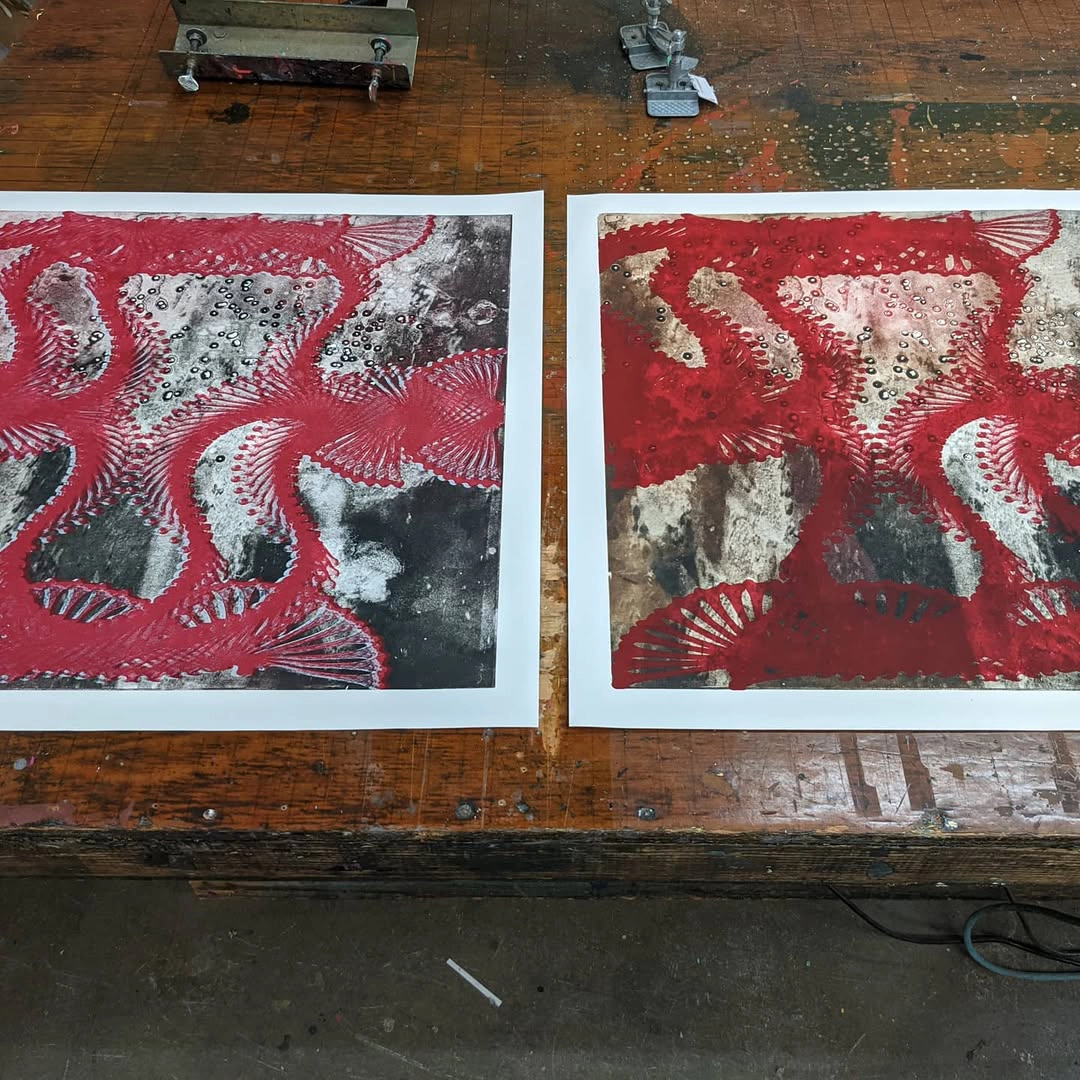
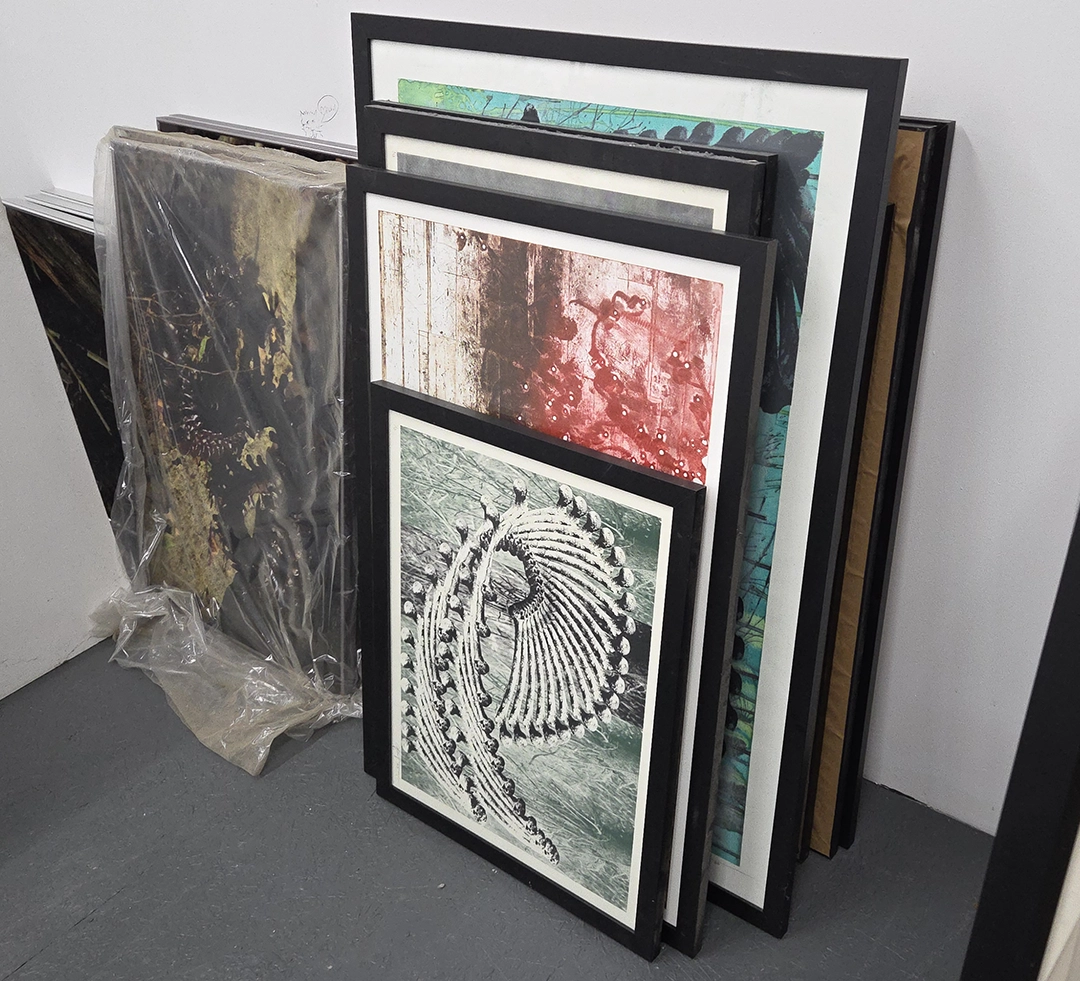
His defense of the imperfect is not merely aesthetic. It carries ethical and existential weight. Many of his works cannot be remade, and it is precisely in that impossibility that much of their value resides. Each object preserves a radical singularity. The same is true of his prints. Although they may appear to operate within the logic of edition, many function in reality as unique works, incorporating combinations of plates, ceramic processes, firings, assemblages, and transfers that cannot be repeated. Kent has pushed his explorations into a highly unconventional zone: silkscreen on print plates, intervention of matrices through fire, integration of ceramic procedures into the language of printmaking. He does not claim this from the arrogance of absolute invention, but from the awareness of having articulated, from preexisting techniques, a method of his own—one that resists easy classification.
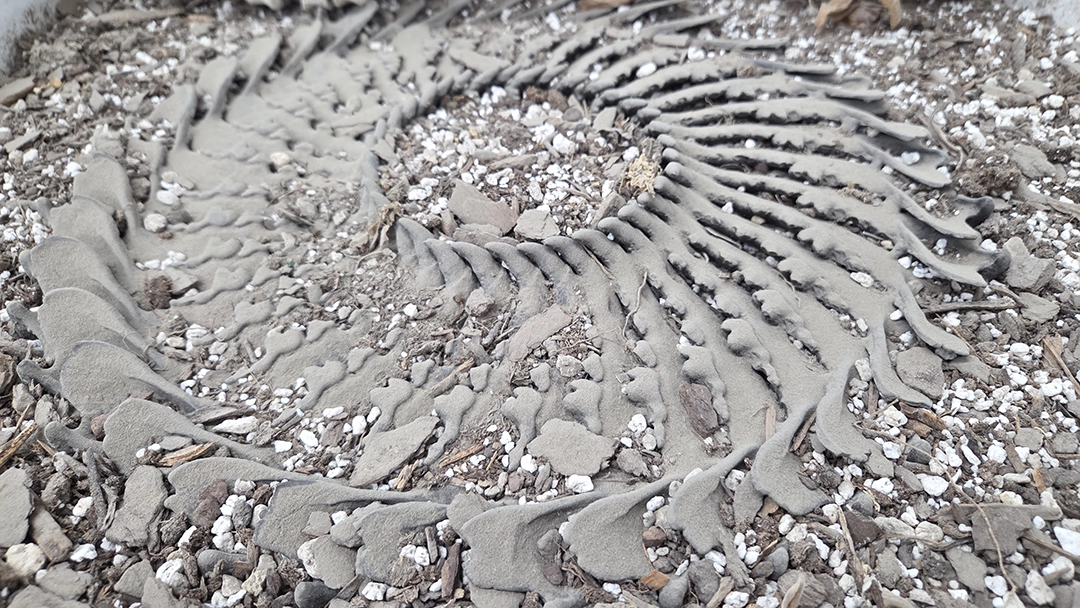
His entire body of work sustains a reflection on transformation as the process through which the universe redistributes its space and time. He is not interested in the exact moment of death, but in what follows. In this way, he wrests from decomposition what was once beloved matter. This is clearly visible in his bone sculptures, in his stained surfaces, in his corroded panels, and in his prints born from hybrid processes: the will to recomposition, the will to generate new forms from fragment and ruin, to produce presence out of absence.
There is also, throughout, a fertile tension between the emotional and the technical. At one point in our conversation, I suggested that, within his narrative, printmaking seemed to respond to a zone of intellectual and formal affinity, while ceramics touched a more internal, more bodily, more human dimension. He replied that it is the contact of his hands with wet clay, and the subsequent vision of fire as an agent of metamorphosis, that creates a warm territory of affective proximity.
Aaron Kent will present his work at the Museum of Contemporary Art of the Americas in April. His work will allow the community of ceramists and printmakers to engage with a body of work of rare emotional density. It emerges from lived experience, from a prolonged relationship with pain, memory, and the body as subject to the laws of matter. His pieces contain these histories, both biographical and material. Process, loss, time, and states of mind are deposited in layers—both in his consciousness and in the materials he works with.
What we encounter daily is a visual production that is clean, polished, aligned with depersonalized spaces; in Kent’s work, the opposite emerges. Because both he and his work remind us that not everything broken is discardable, that not every stain is dirt, that not every crack is failure. They contain, even, something rarely found in contemporary art: fidelity. To the dead, to the mother, to lost friends, to imperfection, to that which persists—what remains when something has been true.








Comments powered by Talkyard.