Susan Schuler, abstract painter, has moved to Albuquerque. For the light. For the glorious southwestern sunlight, clarity intact, that has bedazzled artists since at least the 19th century.
Gorgeous is not a word to be thrown out lightly, and in any case it’s usually not accepted ArtSpeak, but some of the works in Meditation at Wash Park Art, 1215 Elm Street, call out for it. The show presents new works and collaborations by Evan Hildebrandt and Alison Shepard, established artists who are married to each other so collaborators in life as well as art. Each is also represented by individual works.
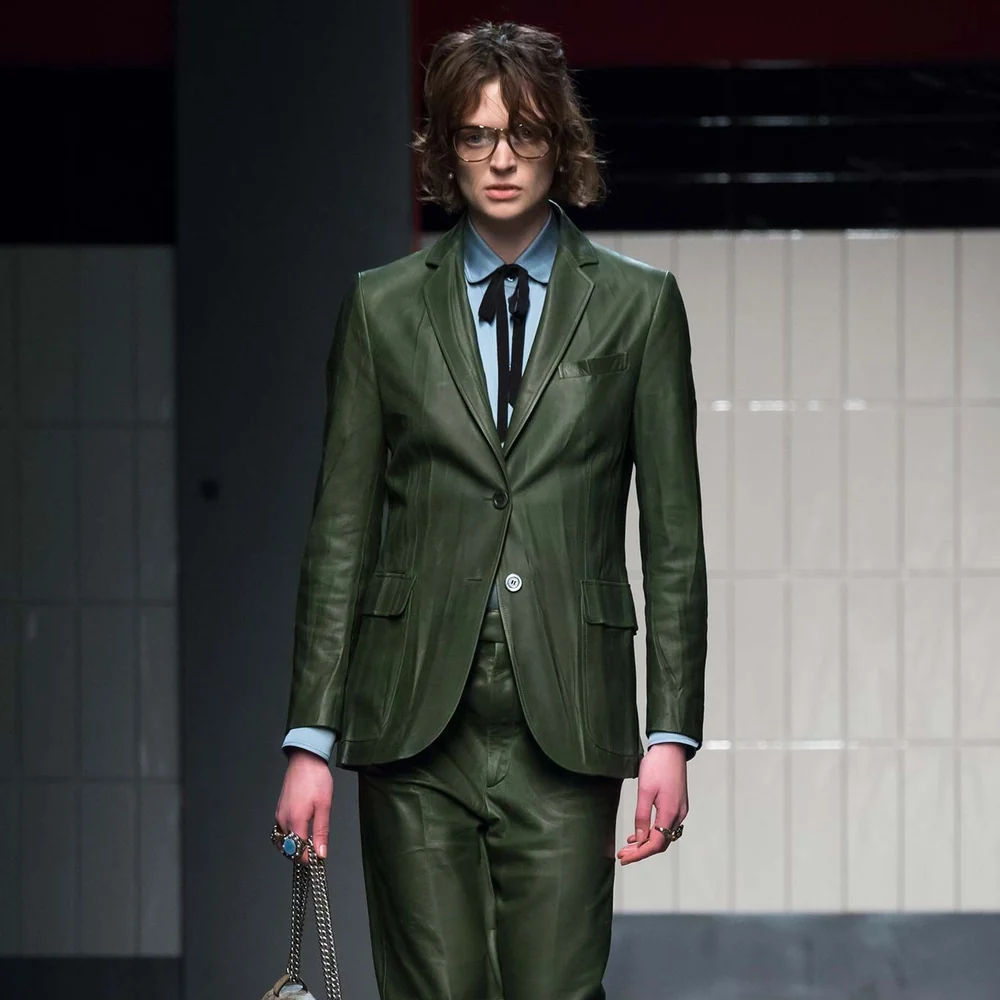
Fashion is art, of this there is no doubt. Like a painter, a fashion designer’s creative abilities come to life on the canvas on which he/she works, a living, breathing canvas made to be worn: consider the product a form of kinetic art.
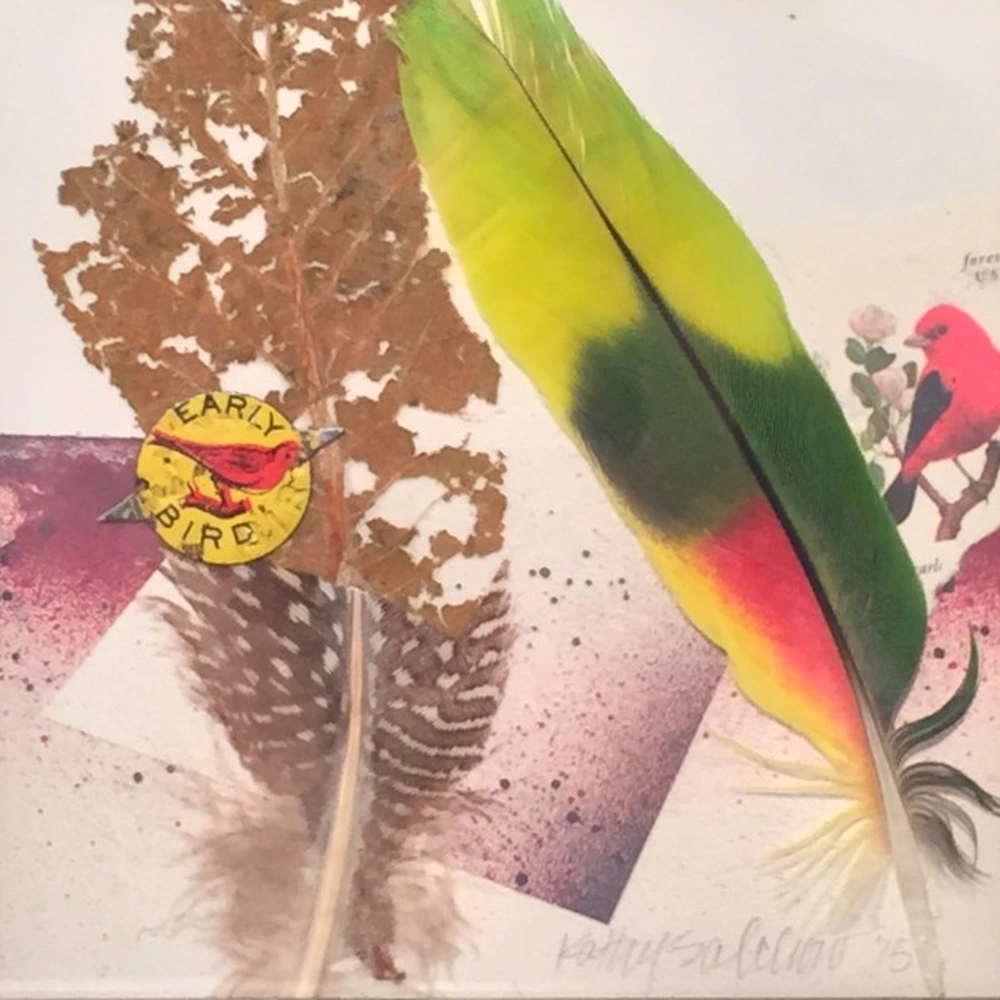
The current exhibit featured at the Phyllis Weston Gallery in O’Bryonville will thrill you. The benign art of collage is taken in several engaging directions in Kathy Salchow’s multi-element collages.

Lindsey Henderson makes oddly familiar and familiarly odd puppet-like things that seem to bleed in and out of reality, like double visions flickering back into three dimensions. “Things” might be a pejorative term, but that’s what they are: beautifully off-kilter sculptures that sag and giggle and burp without making a sound.

Housed in the Kennedy Heights Arts Center, the exhibit is spaced out over several spacious rooms. The Arts Center is the former house of Kennedy Heights mayor Lewis Kennedy. It must look much like it did when it was first built in 1875, with hardwood floors and plenty of natural light.
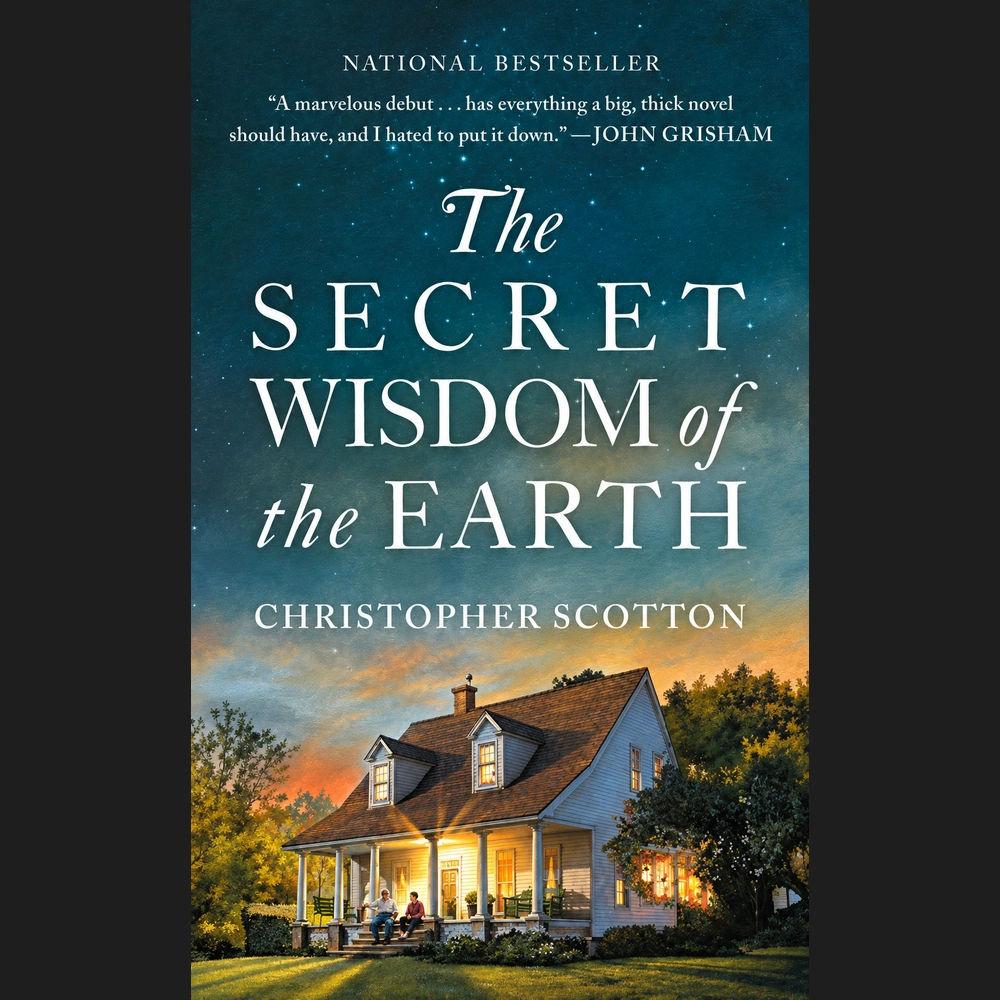
Another exciting debut novel is out, this one entitled The Secret Wisdom of the Earth, and is written by Christopher Scotton. It’s very much akin to Smith Henderson’s Fourth of July Creek, which was listed on my best fiction of the year list for 2014.
In the great tradition of Black Feminism, I have integrated a daily practice of self-love into my lifestyle as a full-time graduate student. This self-love is deeper than an assortment of wooden Afrocentric jewelry or a proclaiming Black Nationalist flag (although I proudly have both)…it is an active choice of engaging my ancestral heritage as a Black woman artist through knowledge and scholarship.

The March issue of Aeqai has just posted, and the offerings in the visual arts this month have been outstanding, all over the region. As Spring finally arrived, people have been eager to get out, see art, regroup, and be part of an increasingly large number of special events, lectures, adjunct programming.

Not every Friday the 13th is as memorable as the opening reception and new exhibition at the Illinois State Museum-Springfield Gallery. Curated by the museum’s Robert Sill, Pro-Text: When Words Enter Visual Art “explores the various ways artists choose to combine language in their visual art. It features art by self-taught artists and works by contemporary Illinois artists working in both traditional and new media.”
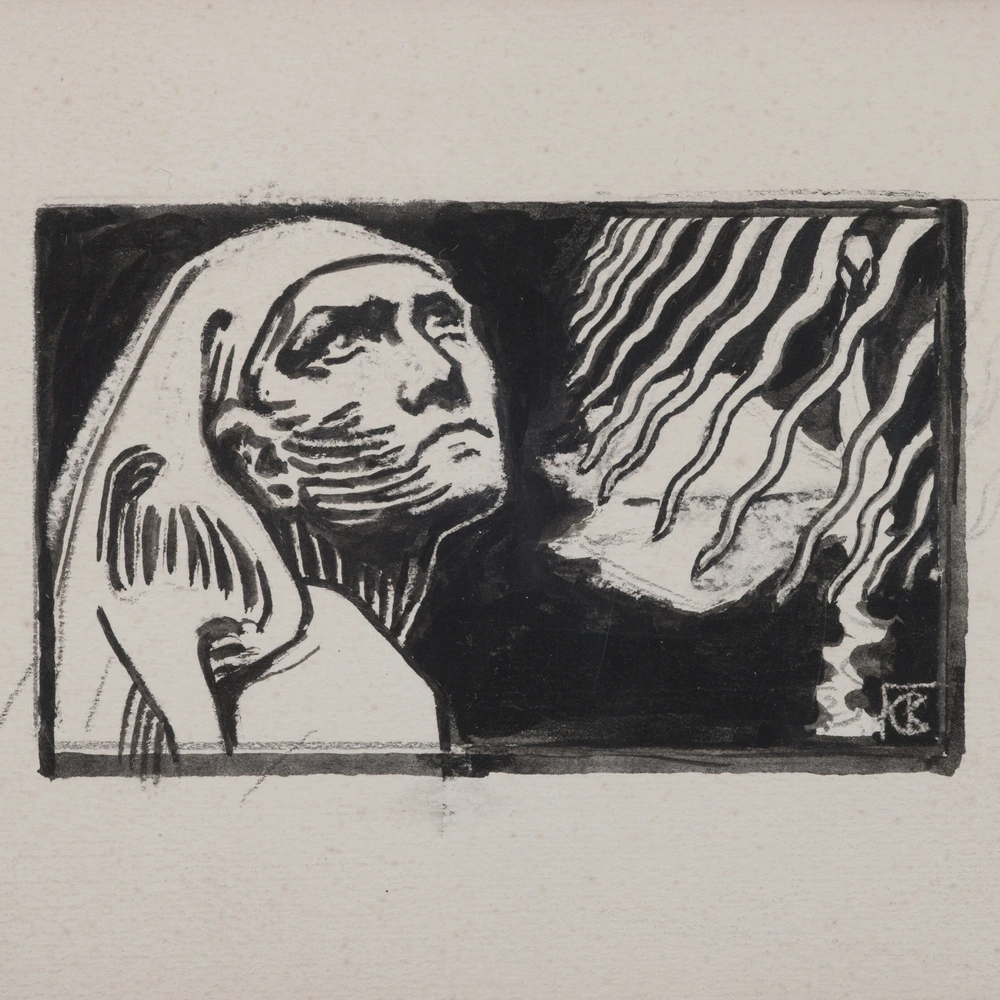
Eight poems by Huck Fairman, from “The Year” to “Reruns.” Among them are a piece after Yeats and a summer poem that begins with the swan of Tuonela, the subject of the picture above.
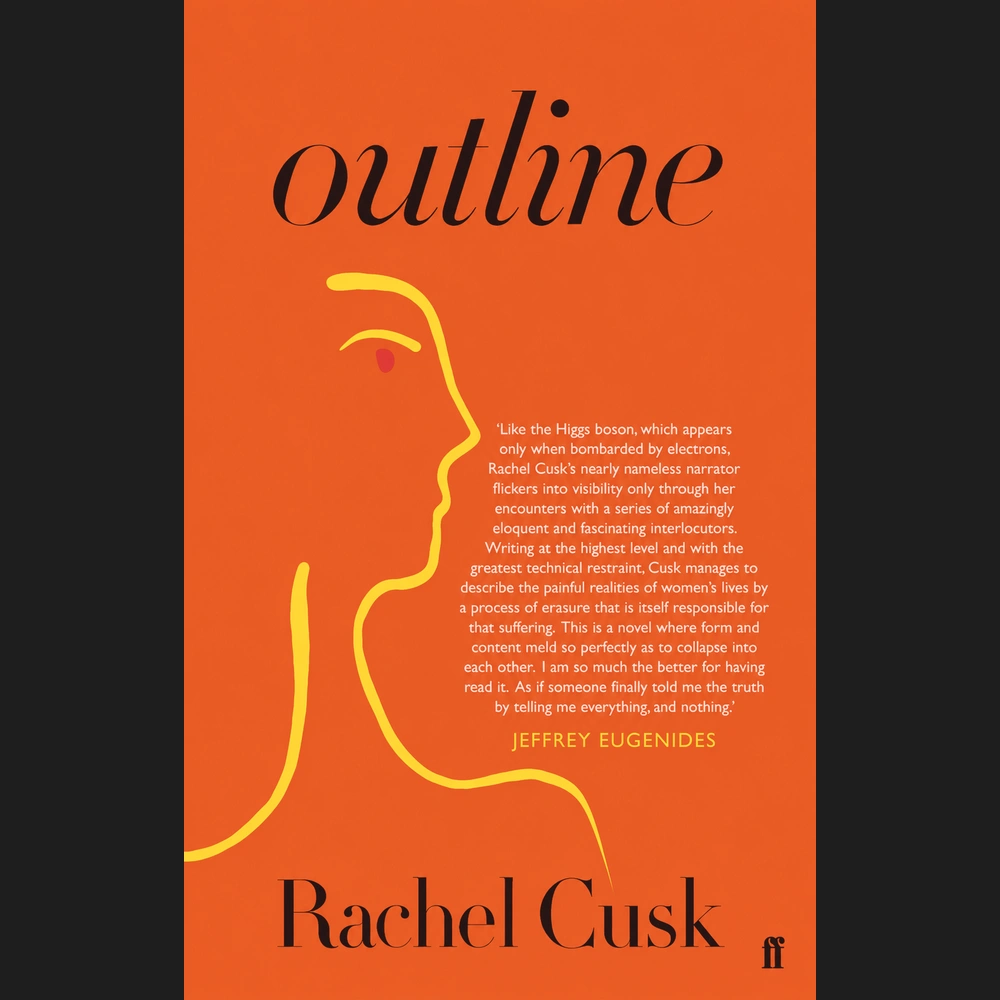
English writer Rachel Cusk’s new novel, titled Outline, is one of the most unusual novels around, and if you give it what’s now called slow time to read it, you’re in for a special treat. Cusk, who has written admirably and even painfully in the past about the breakup of her own marriage, creates a female character who has agreed to teach English writing to a group of students in Athens, Greece, for a summer.
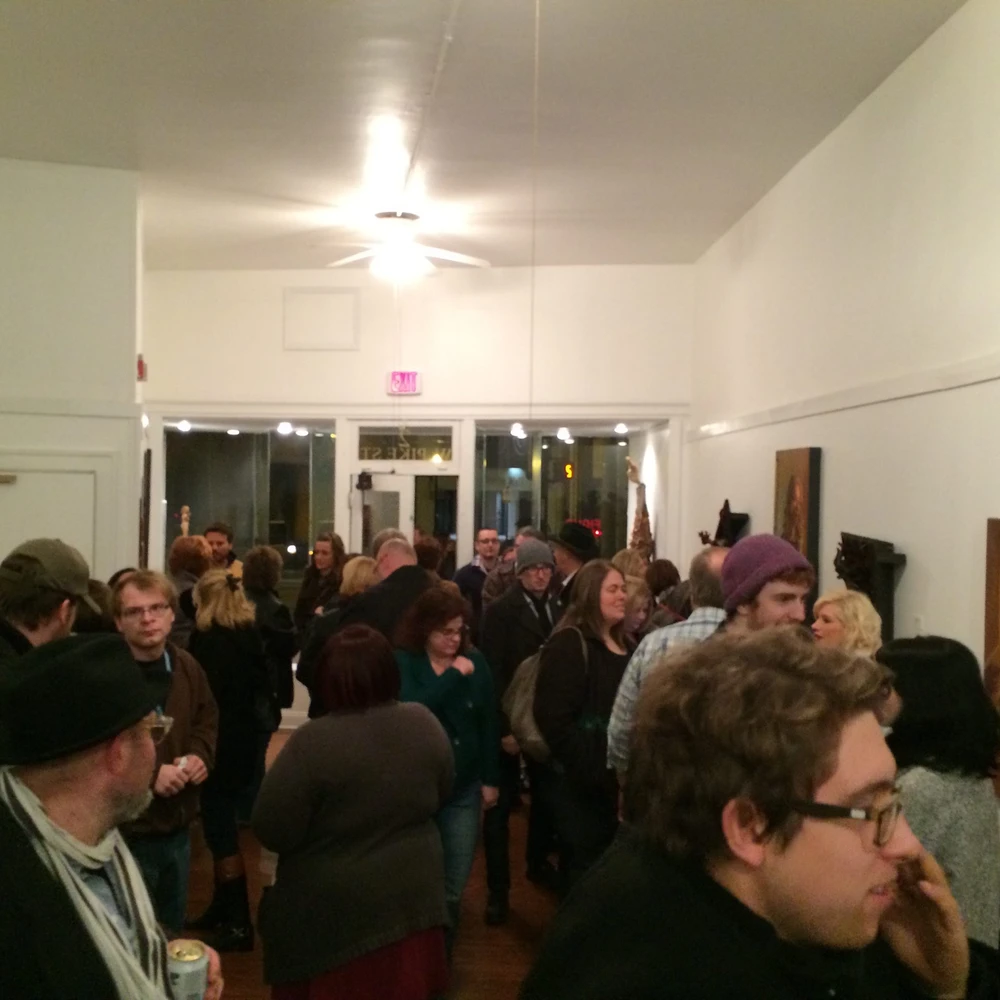
Figurative Folklore showcases six regional artists whose work turns on the narrative predilection in a variety of media and working styles that play well with each other.
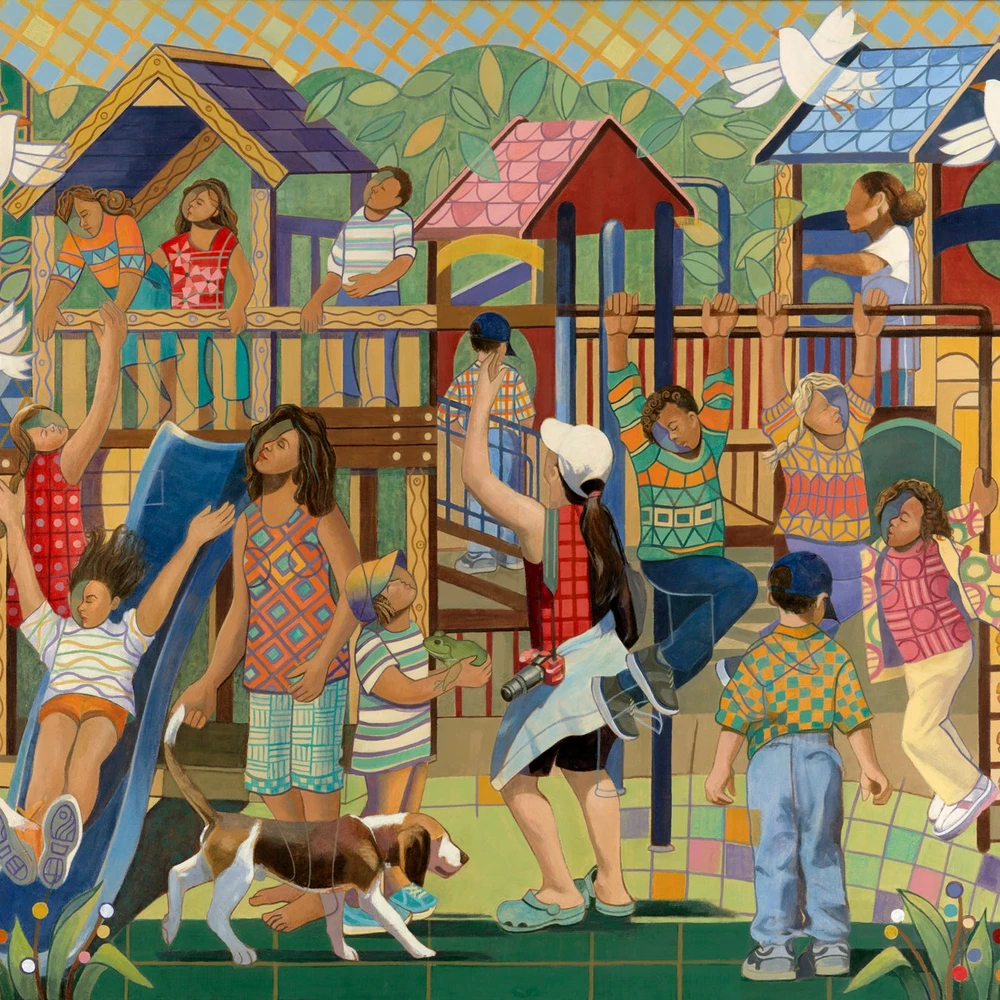
In a recent show, Spirit Moves, at the Alice F. and Harris K. Weston Art Gallery, Young displayed a positive affirmation of the human spirit through 13 large paintings, three graphite studies and three color pencil studies. Her work interweaves geometric and organic patterns that emulate rhythmic movement.

When the Cincinnati Art Museum first announced its exhibition schedule for the coming season, I was thrilled to see that Masterpieces of Japanese Art was opening in February. At the time, I assumed it was going to be a traveling exhibit, perhaps from the Museum of Fine Arts in Boston, or from the Asian collections at the Nelson-Atkins or Cleveland Museum of Art.
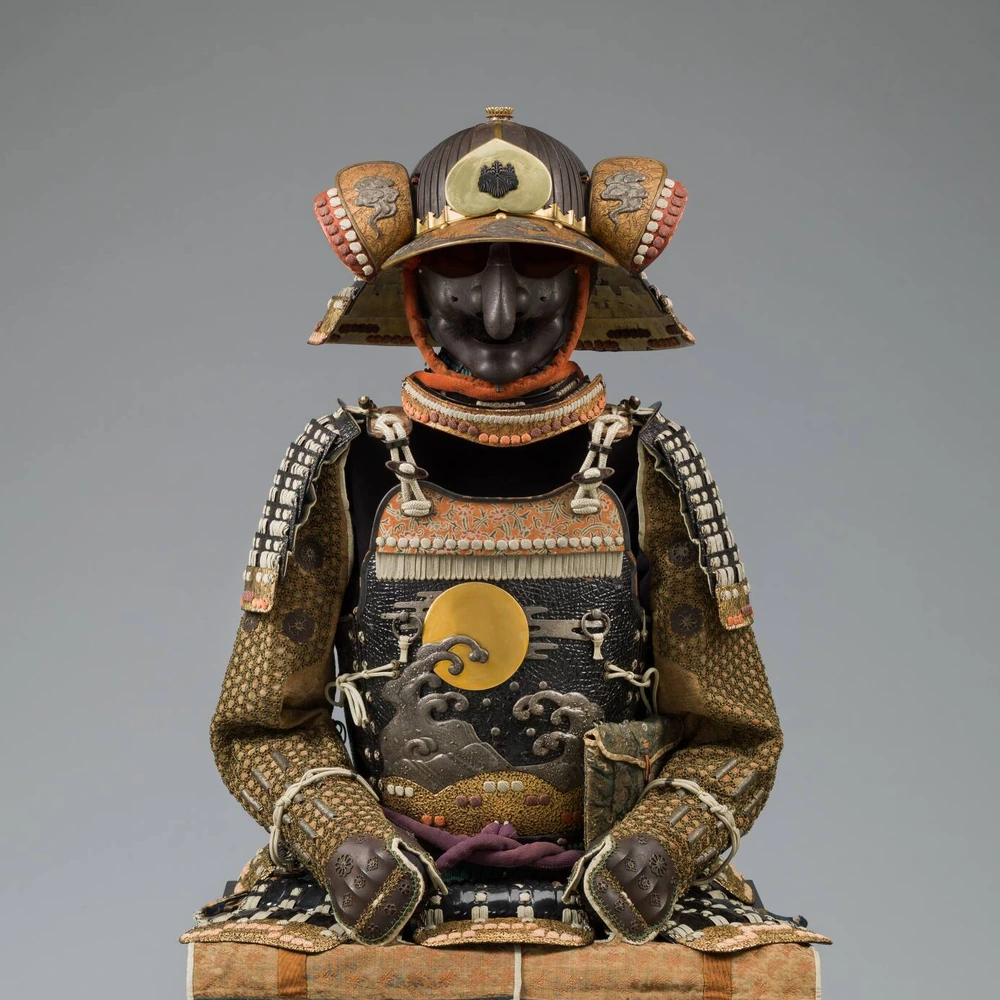
I think the best way – physically and intellectually — to approach the “Modern Voices in Japanese Ceramics and Prints” exhibition at the Cincinnati Art Museum is through the Schiff Gallery and Ambulatory, just up the stairs in the lobby. “Masterpieces of Japanese Art” is installed there, and it lives up to its title.

Three poems by Louis Zoellar Bickett, dated February and March 2015: a backyard Buddha under snow, a German house after the liberation from Auschwitz, and a deer struck on the highway.
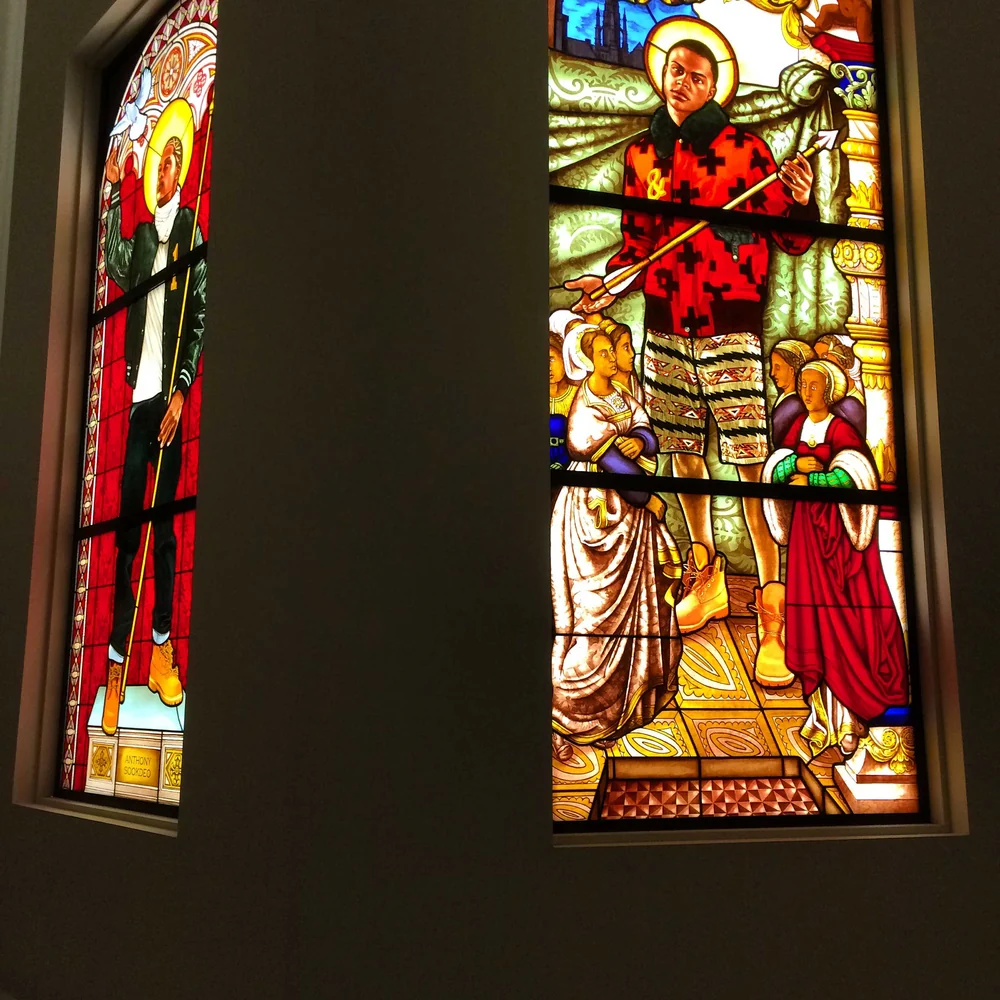
Art week in New York has been stereotyped as an endless pit of marketable art floating in a sea of socialites perusing from pier to pier and down to Park Avenue in search of the next great buy. My experience at New York Art Week was anything but stereotypical.
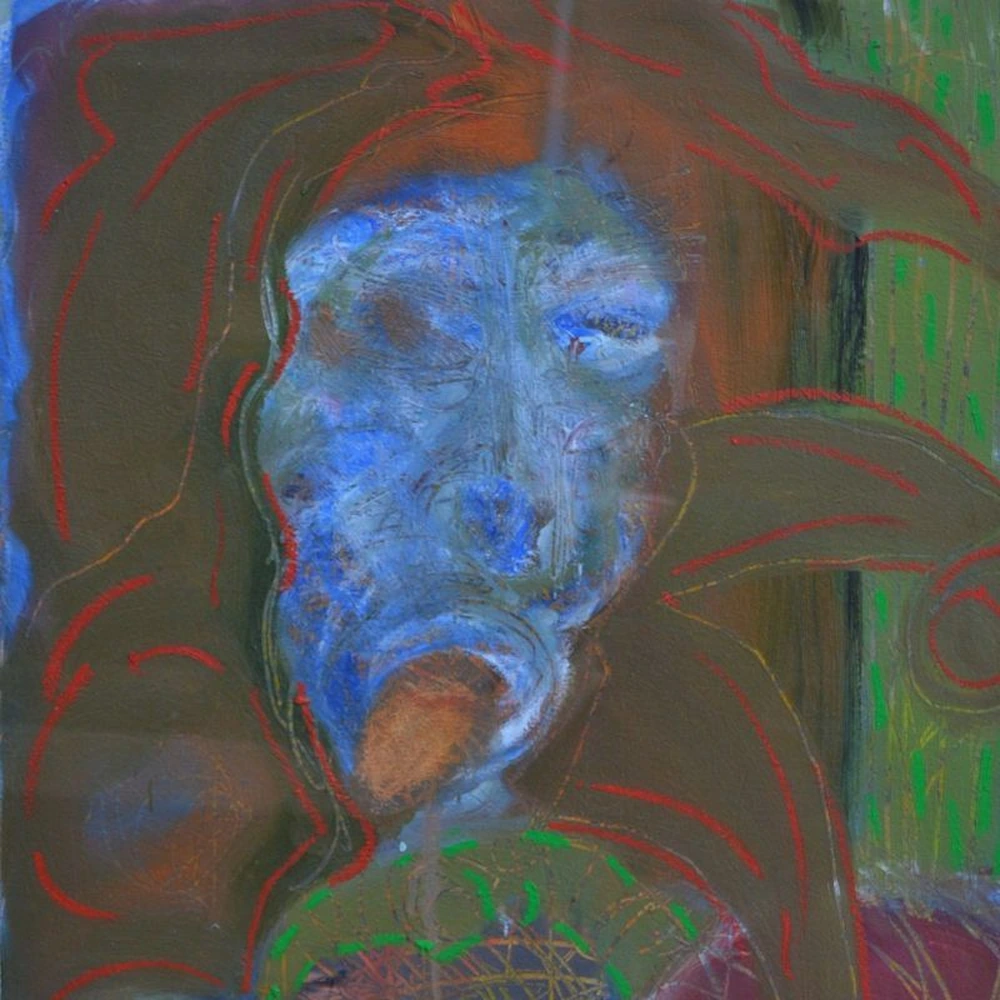
Several years after I moved to the Cincinnati area in 1992, a friend took me to an art gallery near my house where I saw a work on paper by Tom Towhey. It was part of a series, the last one available for purchase. I was instinctively drawn to the subtle shades of brown that surrounded a mysterious, somewhat frightening, face.
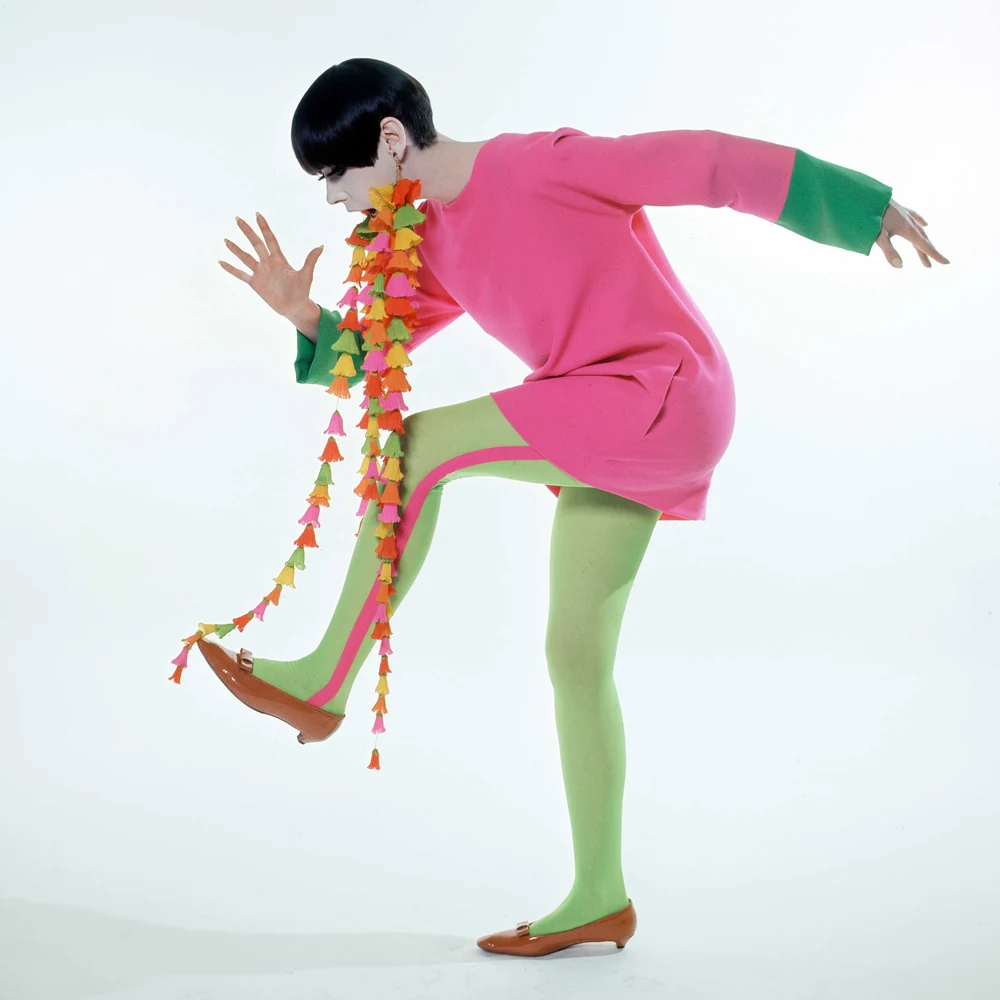
The title of the Cincinnati Art Museum exhibition featuring the apparel designs of Rudi Gernreich – notorious for his topless swimsuit — is inspired. “The Total Look” defines the Austrian-born designer’s aesthetic concept that every element of an ensemble should complement every other. He designed everything from head to toe – hats to shoes – and from the inside out – lingerie to outerwear.
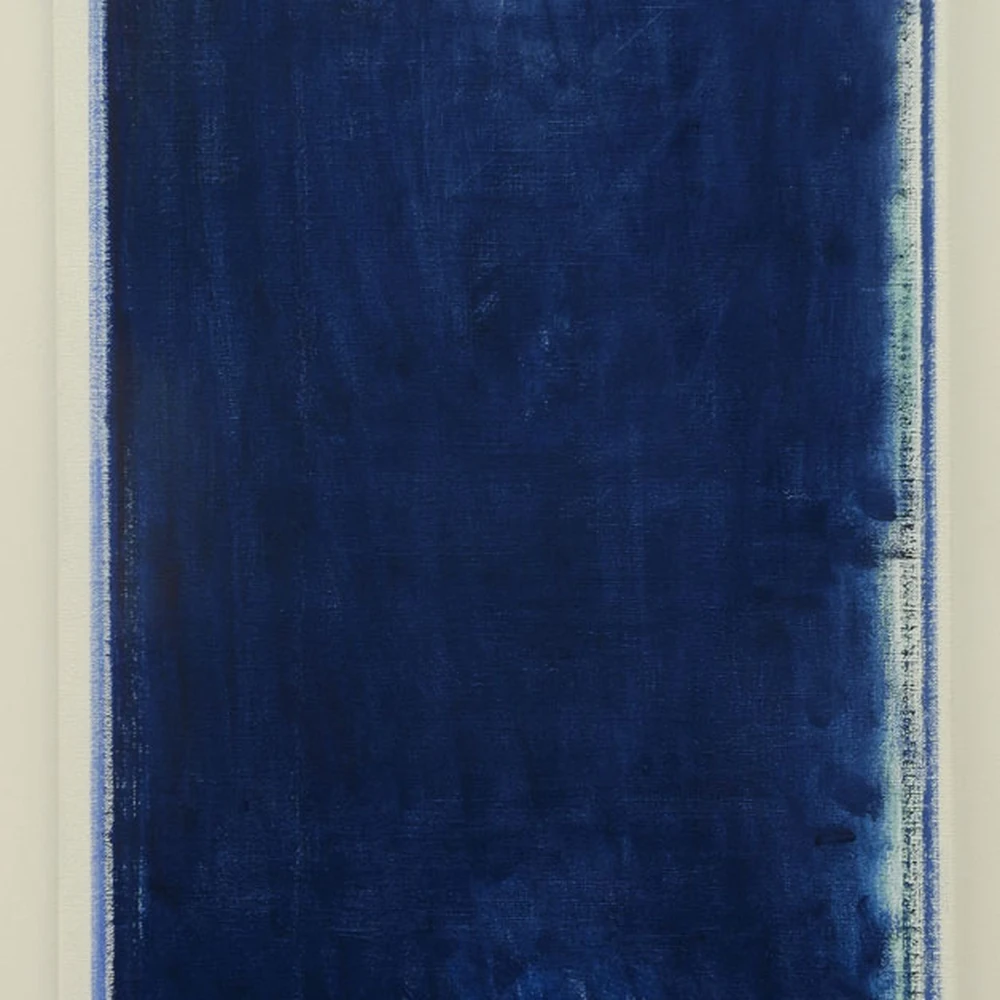
This past week I was in New York City and saw West of the Future, a show of oil and distemper paintings by the California and Iceland based artist John Zurier. The paintings are on display at the venerable Peter Blum Gallery in midtown Manhattan on 57th street. The show runs through April 4.
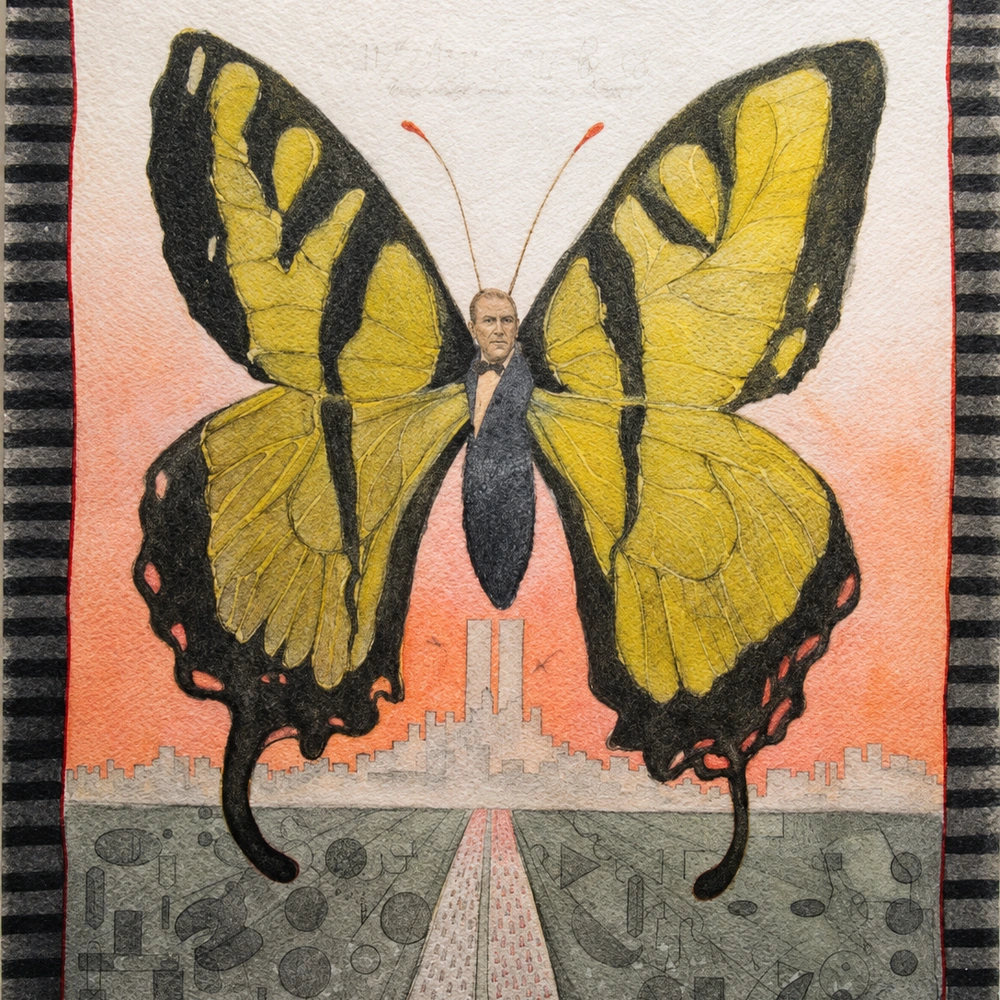
Carole Winters, born in Northern Kentucky, spent most of her childhood in Western New York where her father, an electrical engineer, had relocated for work in the emerging television industry of the mid-50s.

If you had wanted an education in the transition from the 19th to the 20th centuries in American culture, the Taft Museum has been the place to be. In the past year and a half, the Taft has hosted the Nelson-Atkins Museum of Art’s collection of American daguerreotypes, “Telling Tales” from the New-York Historical Society, and “America’s Eden” from the Munson-Williams-Proctor Institute.
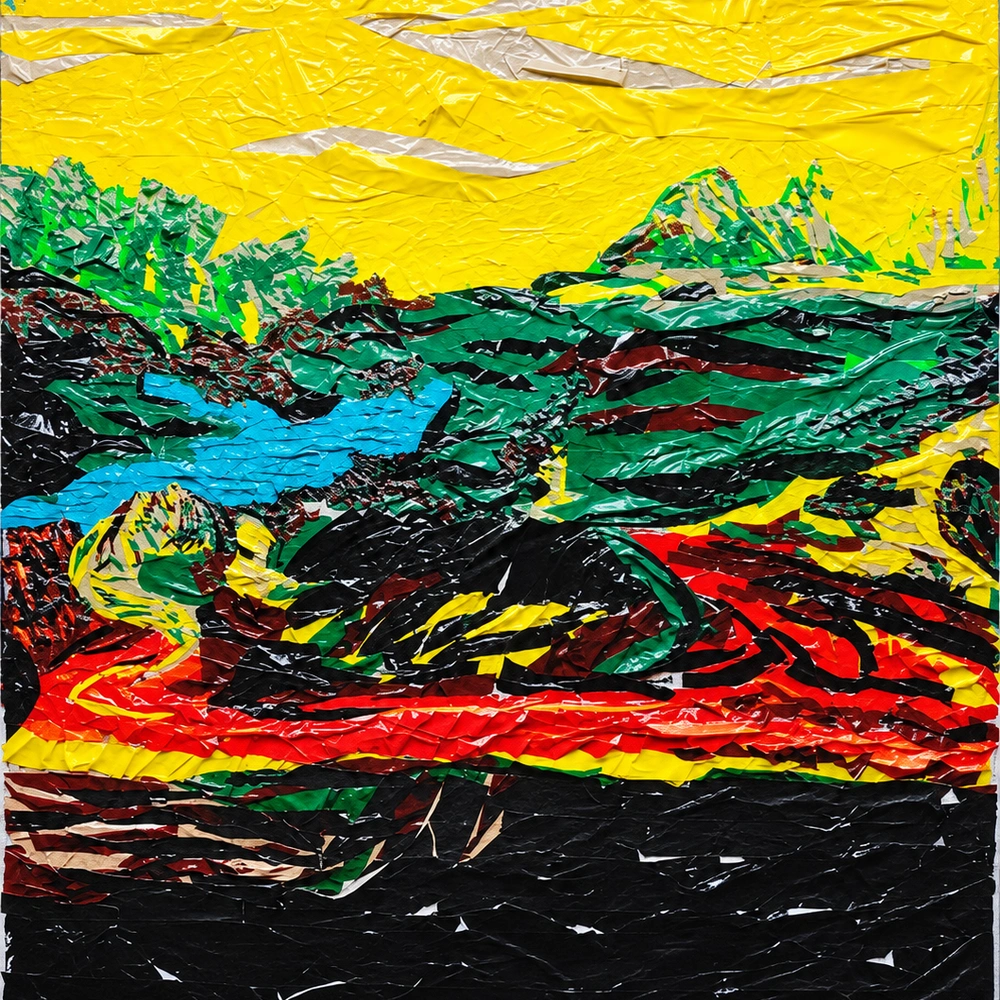
What is a landscape? What exactly constitutes its borders and ambiguities? “Now Here: Theoretical Landscapes,” a new exhibit at The Carnegie in Covington, explores this complicated question, displaying a cornucopia of artworks by twenty-one regional artists who, through varied media, attempt to redefine the landscape genre.
