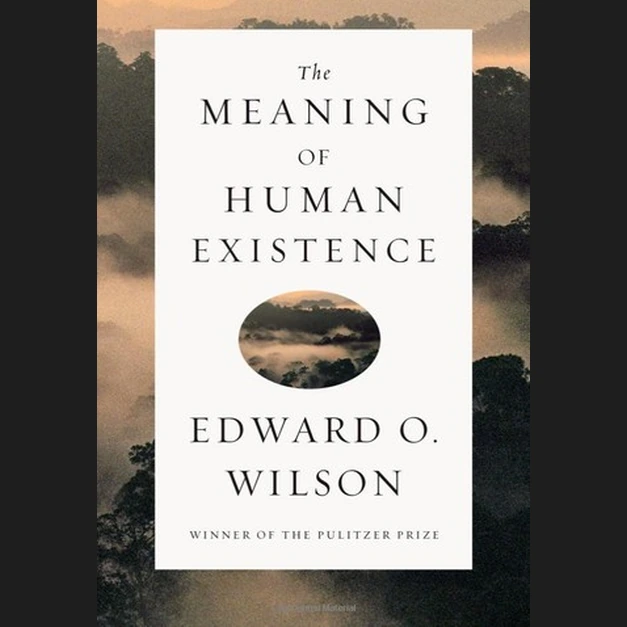
While Edward O. Wilson, author of The Meaning of Human Existence, is biologist, naturalist, professor emeritus at Harvard, and two-time Pulitzer Prize winner, he is also a Humanist, a student of human nature and human affairs. And he states without hesitation that to understand human existence, we must seek it through both Science and the Humanities.
The January/February issue of aeqai has just posted. It’s a six week, rather than four week, issue, as the first two weeks in January were off to a slow start, after the holidays wended their way out of our systems, and the weather began to allow us to go out and not freeze.
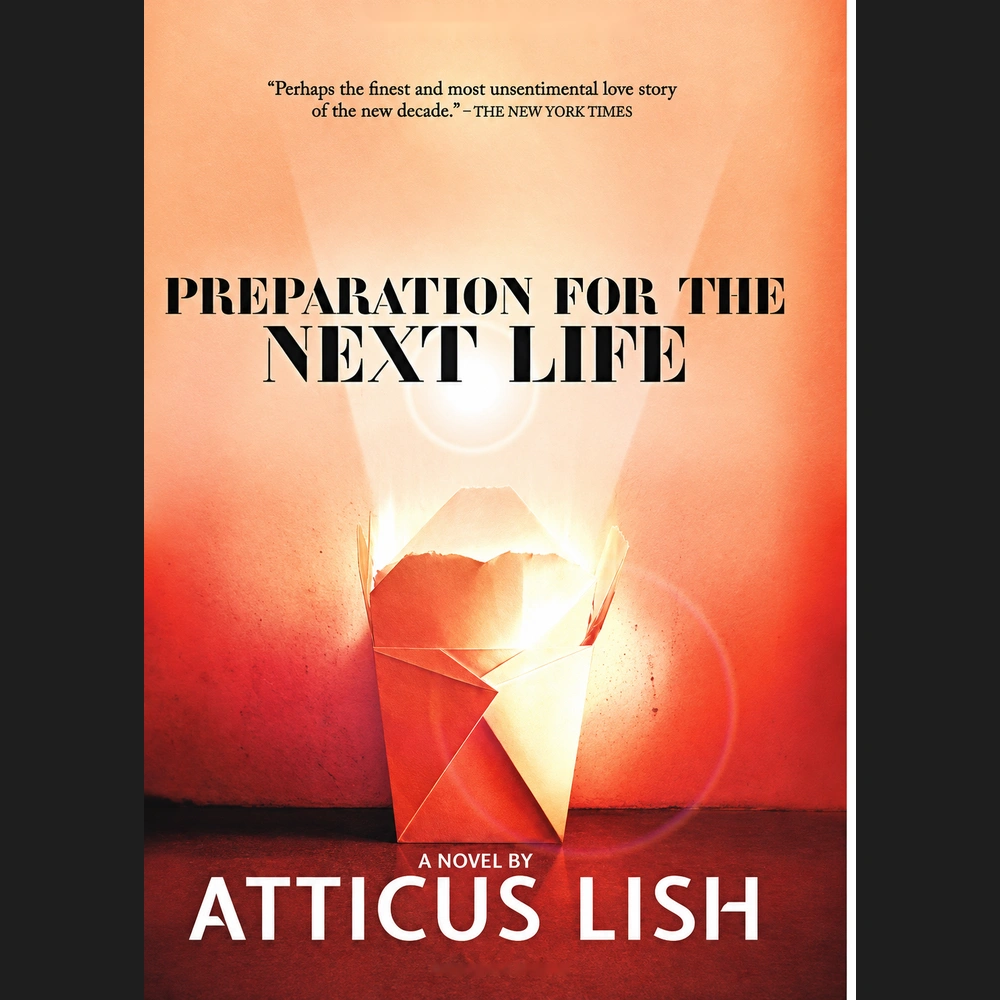
Atticus Lish’s novel, Preparation for the Next Life, published by Tyrant Books in paperback only, is the finest debut novel I have read in at least 25 years. Rave reviews are pouring in from every publication of note that has reviewed his book. Let me say up front that this is a must read novel, a masterpiece.

Sometimes walking into and wandering through a museum, not really knowing what’s on view or really why you’re there other than it’s a museum, is one of the most pleasurable experiences that can happen to you – serendipity fashioned out of boredom, merging with a magic feeling, like getting lost and then finding out you were lost at all.

Barbara Ehrenreich, one of America’s finest journalists, brought contemporary American poverty to this country’s consciousness in two works of non-fiction, first in Nickel and Dimed, published in 2001, and later in Bait and Switch: The (Futile) Pursuit of the American Dream, published in 2006, right before the great market crash of 2008.
Three new poems by Maxwell Redder: “Lust of the Lush,” about red wine, pecans and a mild nut allergy, and about two weeks without drinking; “Angel Cloud,” about cloud shapes in the sky and a childhood memory of demons seen in the night; and “Under the Brush,” about smashing bottles found under a bridge by a creek.
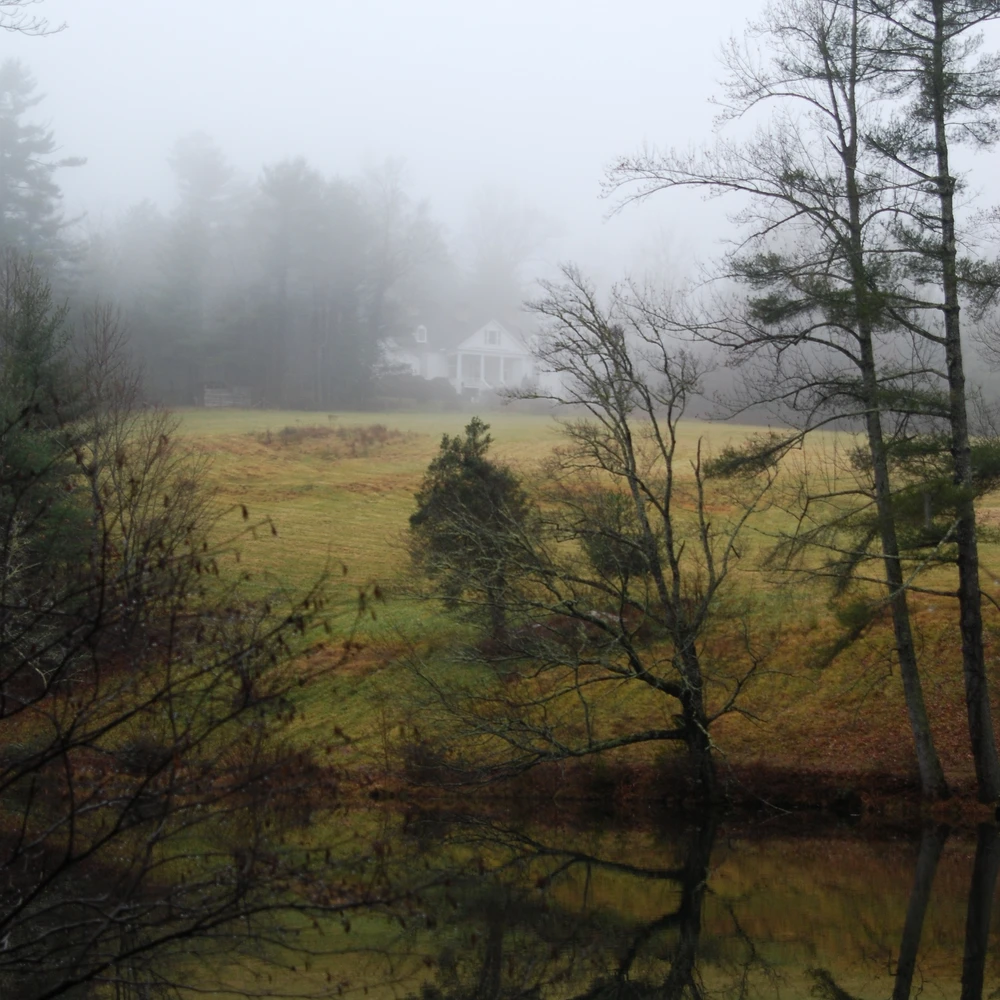
A short poem by Louis Z. Bickett, written on February 6, 2015, in which winter, having crept in like Carl Sandburg’s fog, arches its back and returns once more.

I am a visual artist who is honored to serve as a Cincinnati Art Ambassador Fellow for 2014-2015. I want to sincerely thank you for your support of this program that is critical to fostering and sustaining a thriving creative, innovative, and original culture in Cincinnati. The arts positively impact the quality of life for all Cincinnati residents and enrich our many distinctive neighborhoods.
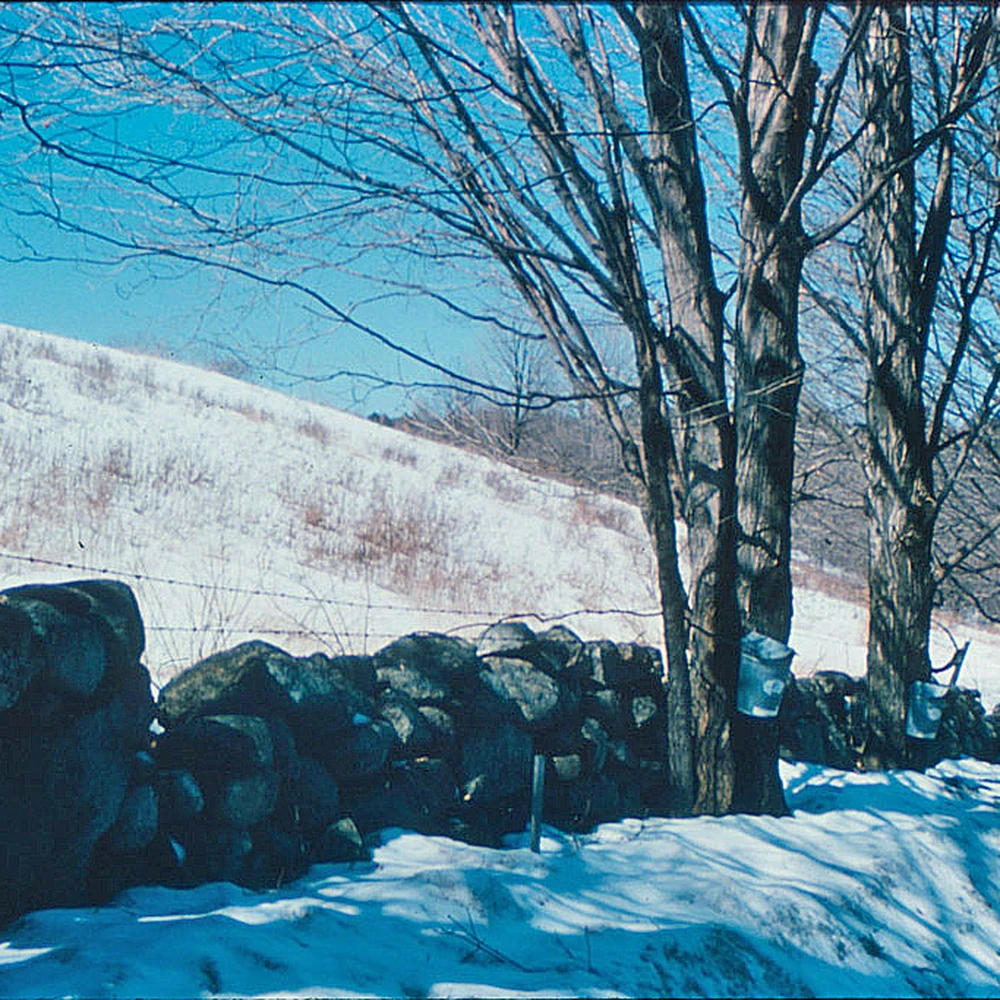
Four short poems by Huck Fairman: a stone wall that seems to watch back on a winter’s day, a sail that reaches its mooring by sunset, a remembered field of snow, and a last poem, ‘Le matin, merci’, in which the Little Prince cartwheels across a morning of light.
Ruben Morrissey takes aim at the chairs that now sit in front of paintings and sculptures at art fairs, placed there to flatter the billionaires and oligarchs who buy them. His answer for 2015 is the live-ball tree, and the story of his mother's Christmas tree makes the case.
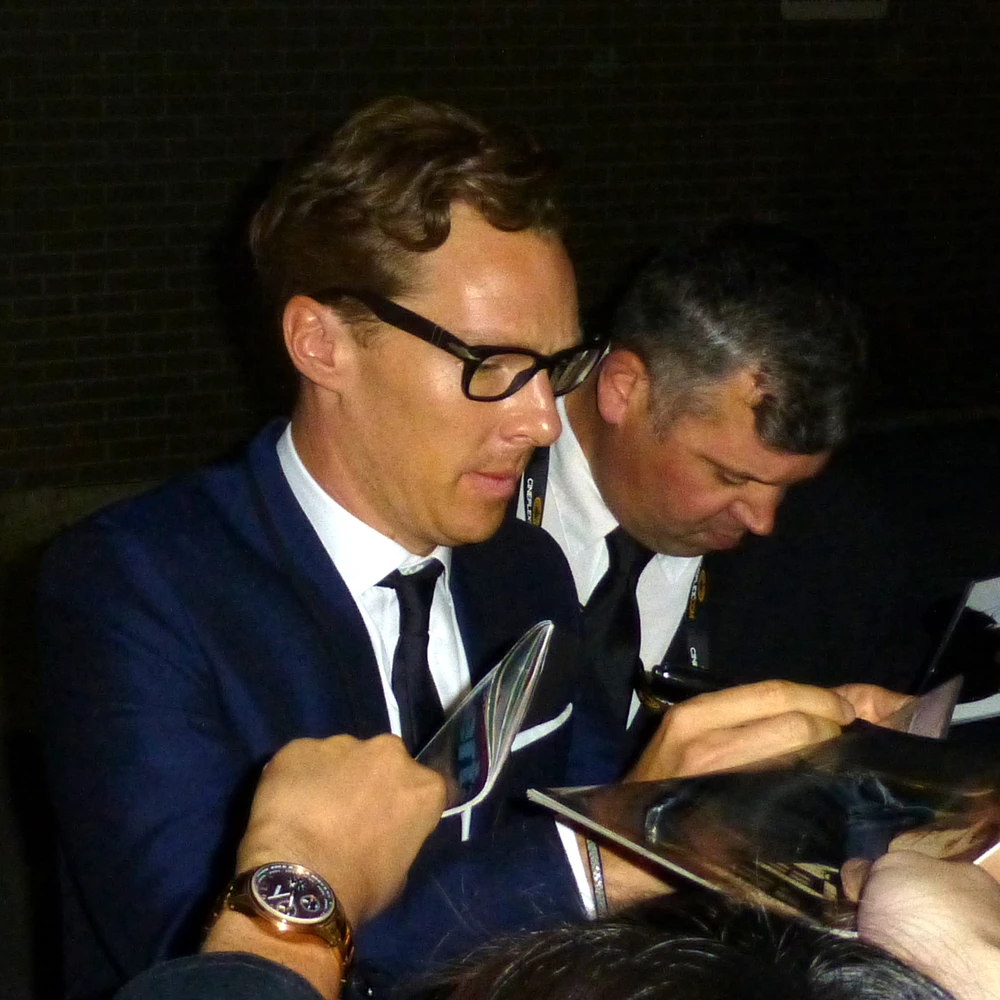
A current trend in Hollywood films this season seems to be the biopic, based on “true” lives, but often manipulative of those stories toward particular social ends.

Hawaiian born of Japanese ancestry and raised stateside in Western culture, Frank Satogata’s solo exhibition at the Kennedy Heights Arts Center is evidence of his continuing search for visual language integrating the processes of both Eastern and Western arts. This show brings together designs and paintings using Zen Calligraphy and Abstract Expressionism and several examples of his colorful landscape works.
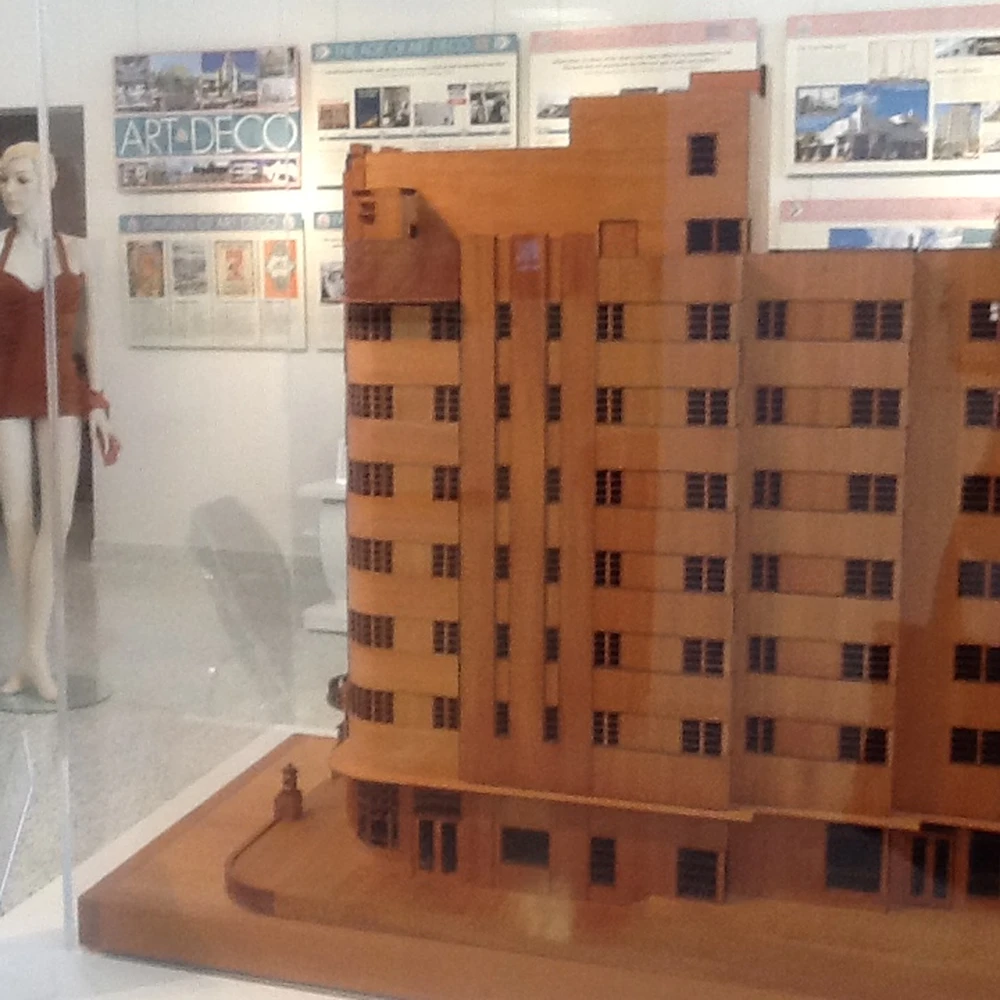
Has the practice of architecture declined in recent years? Are we seeing more “bad” and “ugly” than “good” and “beautiful” buildings? And who is to judge? The architectural press and mainstream media have recently shown renewed interest in the state of architectural practice and criticism.
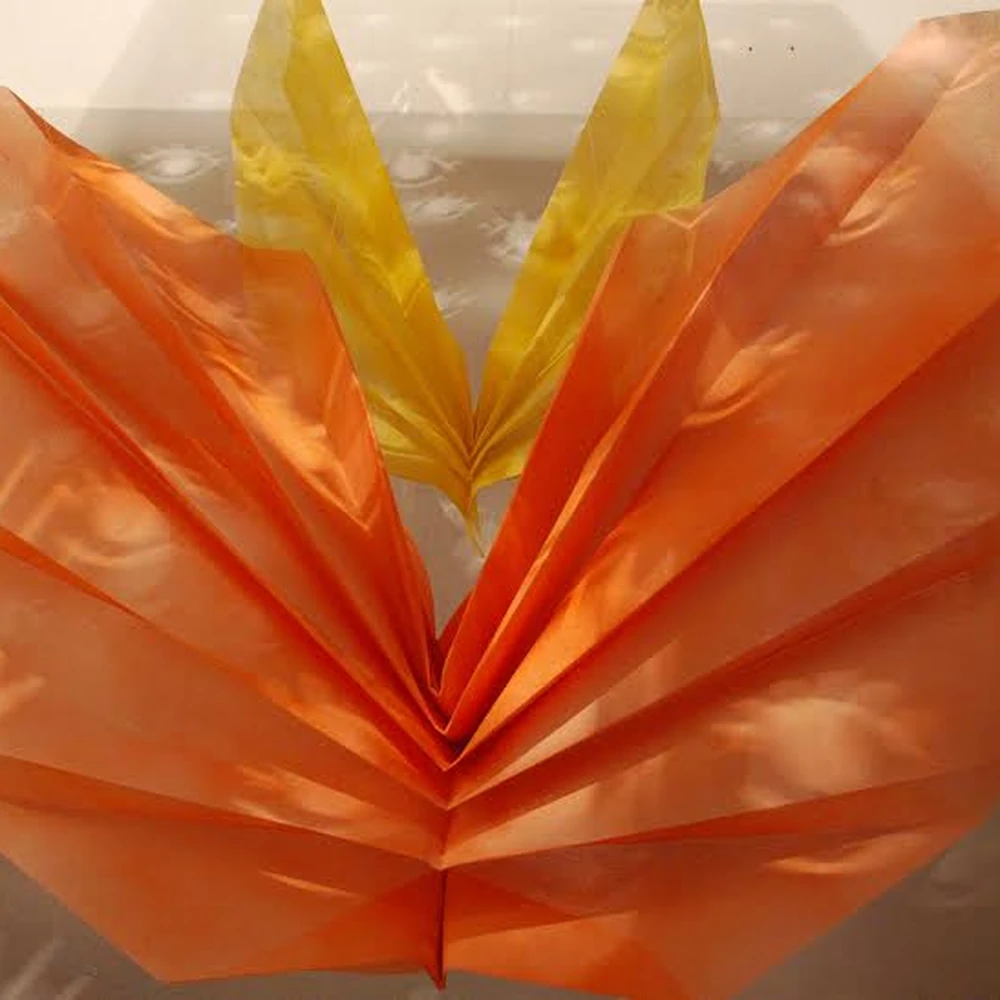
Experiencing an installation, which is typically a temporary endeavor by the artist, requires a different approach than viewing a finished object, sculpture or painting. In the former, the viewer may participate in the piece itself, become part of it perhaps. With the latter, the viewer observes the manifestation of a process of thought and physical refinement by an artist wanting to communicate an idea.

Last fall the Covington Arts Center moved from its Seventh Street space to the corner of Pike and Madison. It was just a block but the difference is gargantuan. Overseen by Cate Becker, the gallery vacated a huge space that could easily accommodate 100 pieces.

Brazee Street Studio gallery is where one can peruse the efforts of 10 dedicated participants in the Manifest Open Studio live model sessions. This small showing, presented casually with small bull clips pinned to the wall, exhibits a mixture of media and approaches from warmup exercises to statements considered in extended timeframes.

It’s hard to believe 20 years have passed since ArtWorks first set out to make a positive impact in Cincinnati through the creation of public art. Ours is a visual tale beginning with our desire to create brighter futures for our city’s youth through arts-based job opportunities. We’ve grown from an optimistic social experiment to become the largest employer of visual artists in the region today.

Storer visited Maine to do en plein air paintings. He was interested in pattern, design and color theory. One of his major themes was pictures of houses. American artist Edward Hopper, a realist painter, influenced Storer, particularly with his use of sunlight. Other painters who had an effect on him include Pablo Picasso, Edouard Manet and Van Gogh.
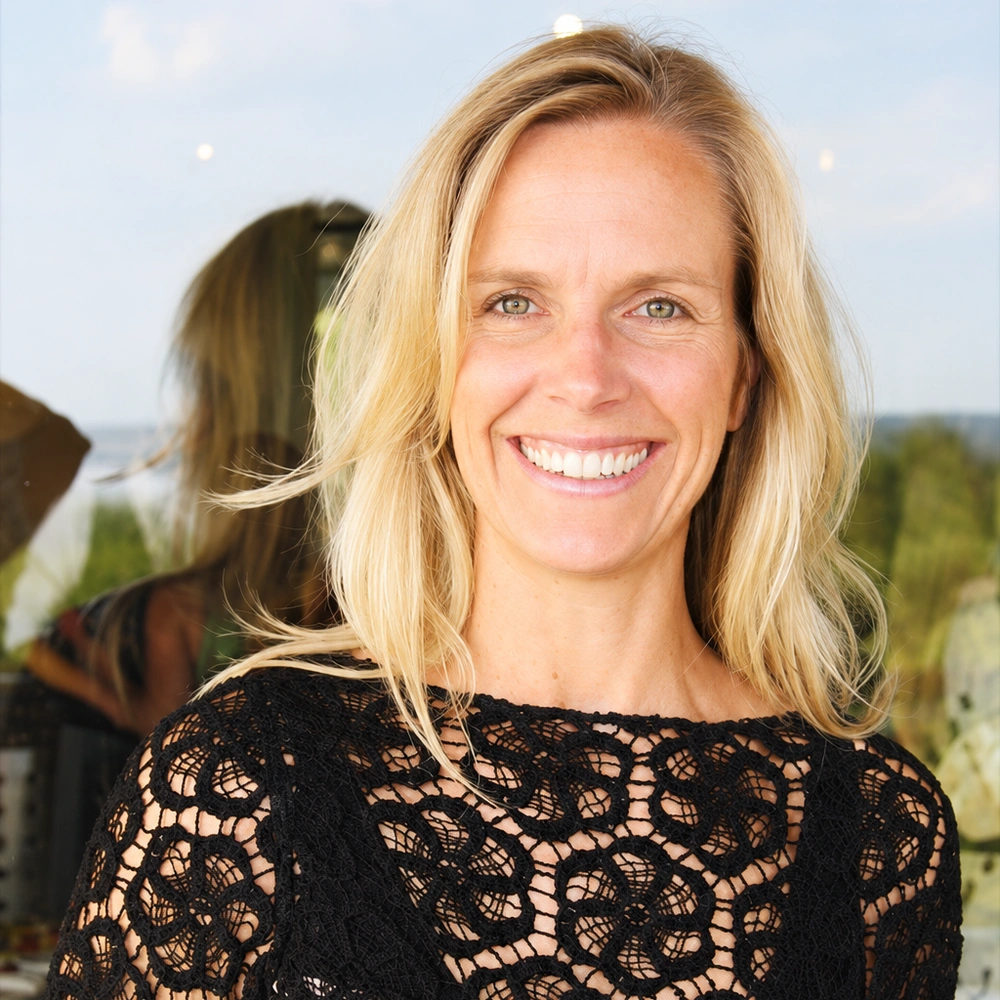
If Annie Bolling and Beverley Lamb reach their highest aspiration for their 1,800-square-foot art gallery on Woodburn Avenue, the art they make will fill the entire 1.96 square miles of East Walnut Hills and Walnut Hills combined.

One senses a materiality trying to escape from these paintings. In some of them Unterhaslberger traps the work behind a clear acrylic screen by applying the paint, sometimes thickly, to the back of the acrylic leaving us to view a perfectly flat surface. Guessing at the dimension that lies beneath is joyful rather than mysterious.
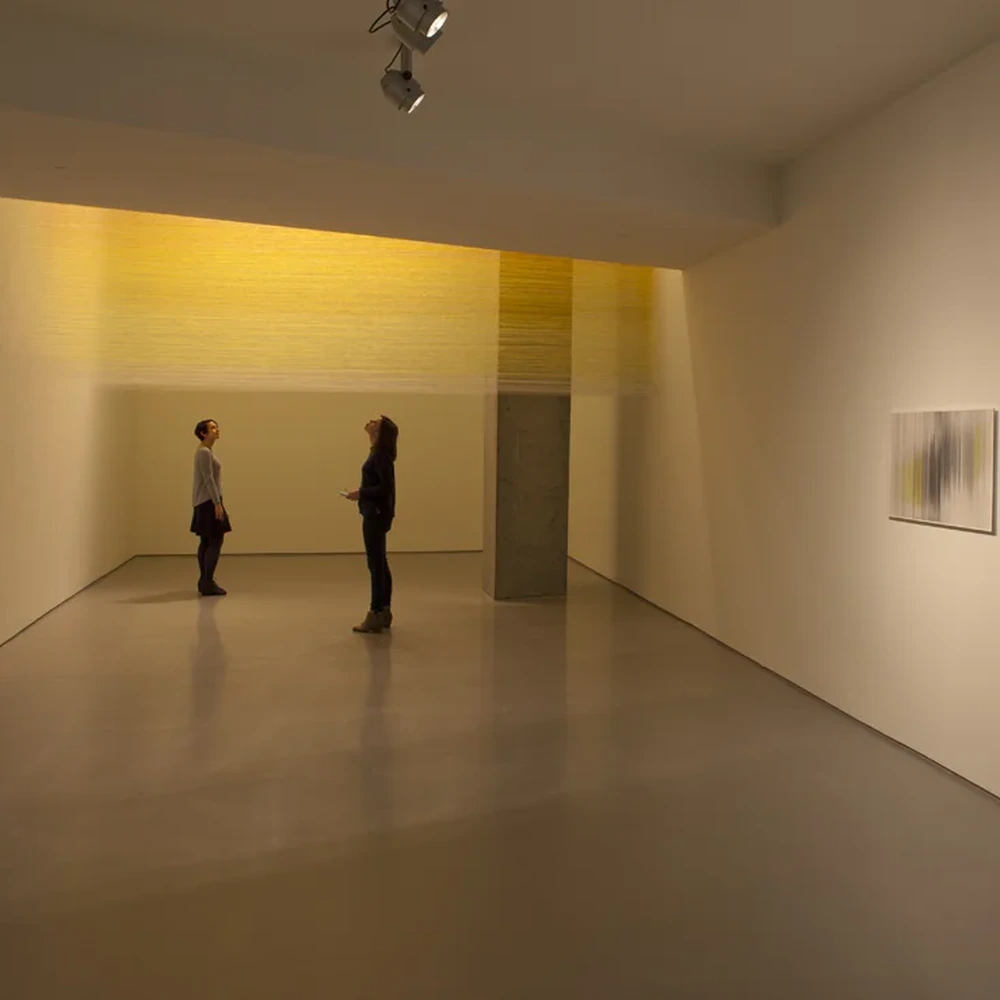
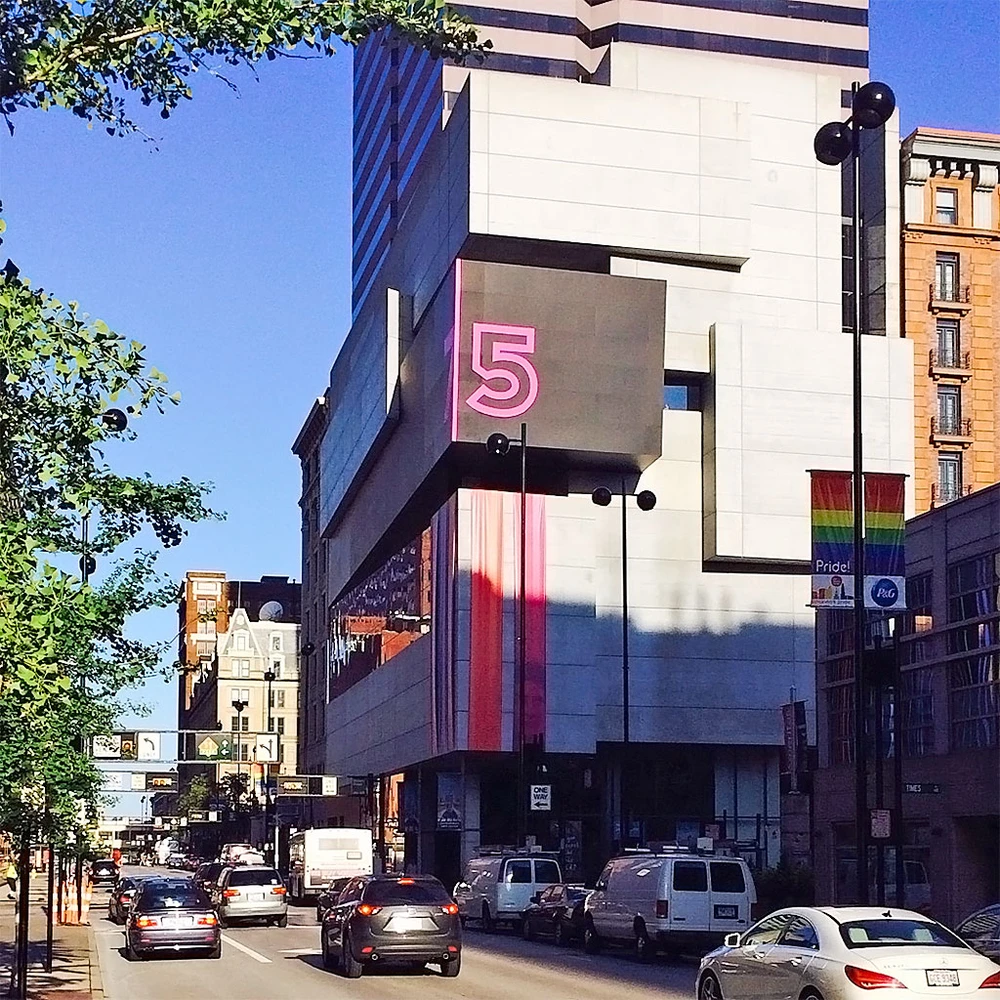
To commemorate Cincinnati Contemporary Art Center’s (CAC)’s 75th anniversary, the Steven Matijcio-curated exhibition “Unmade” dissolves vision and purpose, not only in the works displayed, but the 12-year-old landmark building in which they are housed. Zaha Hadid’s rough, angular architecture is obscured by the flux in dimensionality and reality created by artists Anne Lindberg’s and Saskia Olde Wolbers’s respective works.
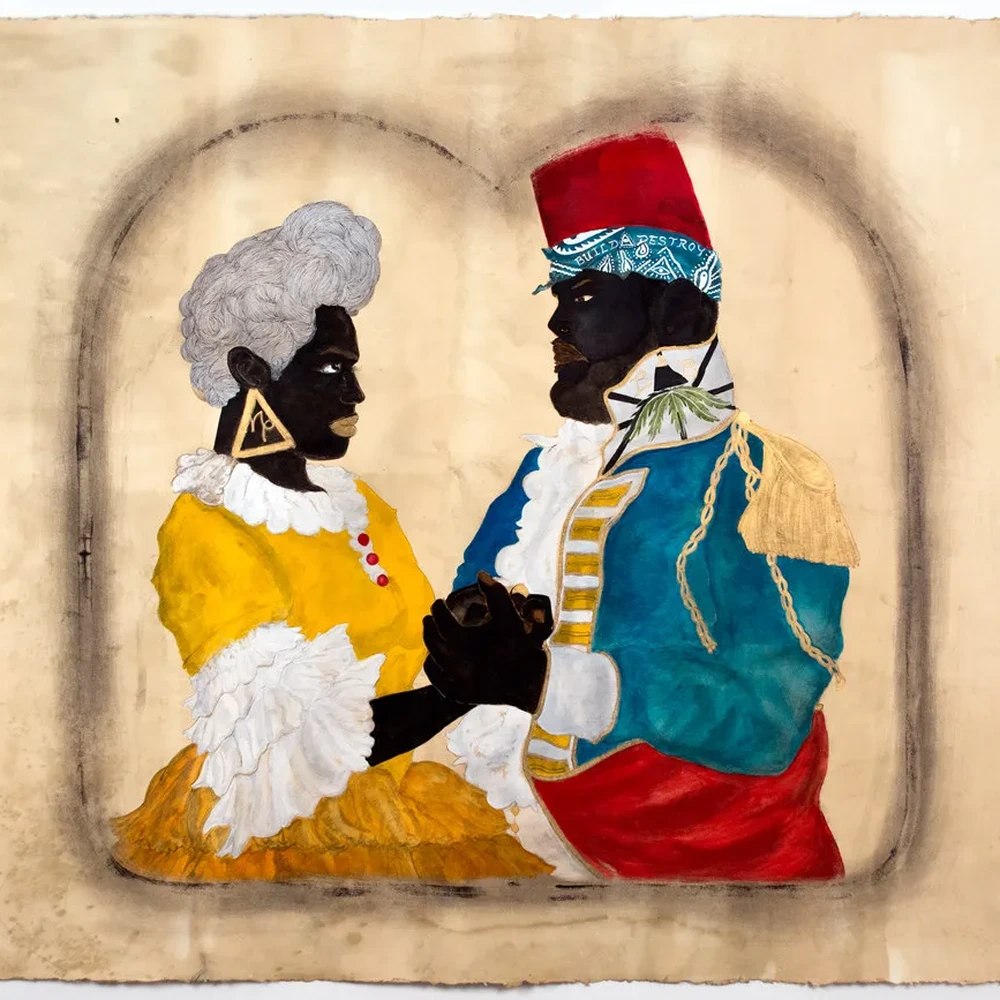
The term “based on a true story” gives promise of an almost reality, while lending full disclosure that what’s before you is not teeming with truth; and herein lies the most humbling preface for an exhibition about history.
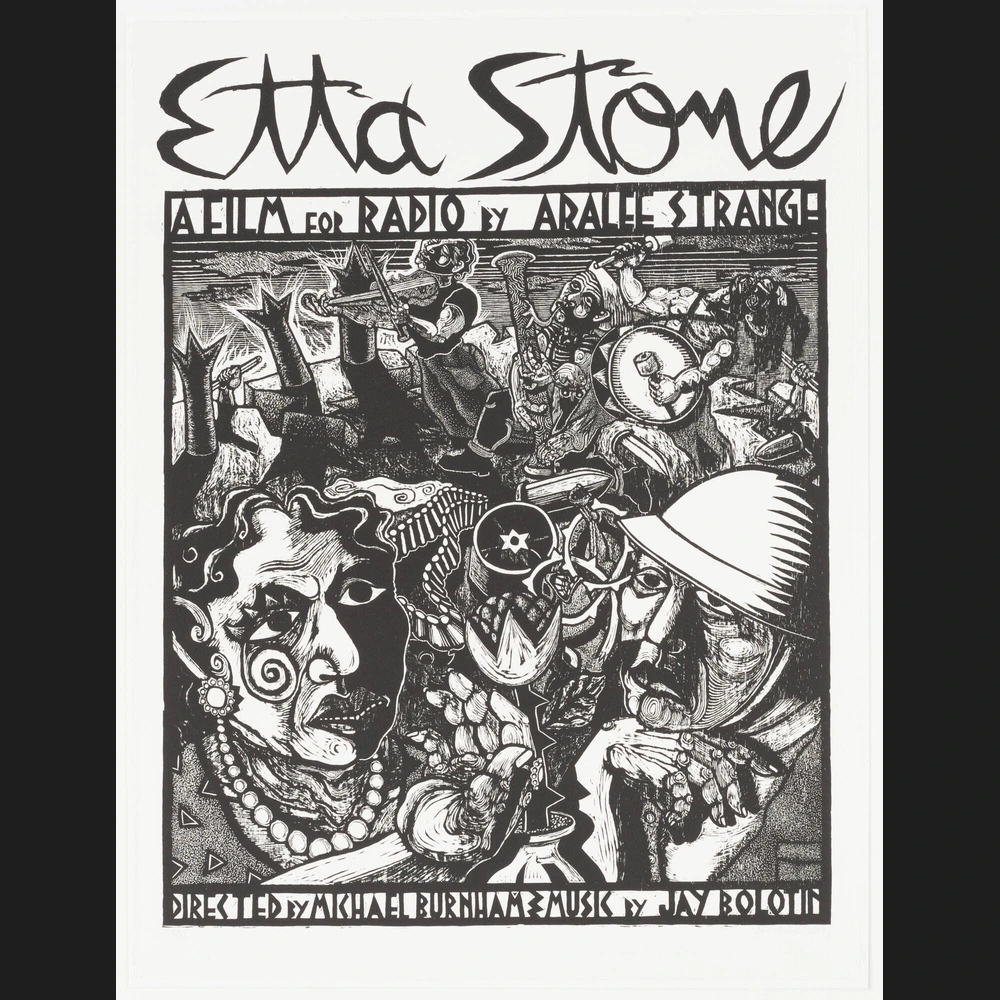
Aralee Strange, a poet and playwright, was born December 5, 1943, in Birmingham, Alabama. After living and working in Atlanta, GA, Cambridge, MA, and New York City, NY, she settled for more than twenty years in Cincinnati, OH. In March 2007, she moved to Athens, GA, and lived there until her passing June 2013, close to her 70th birthday.
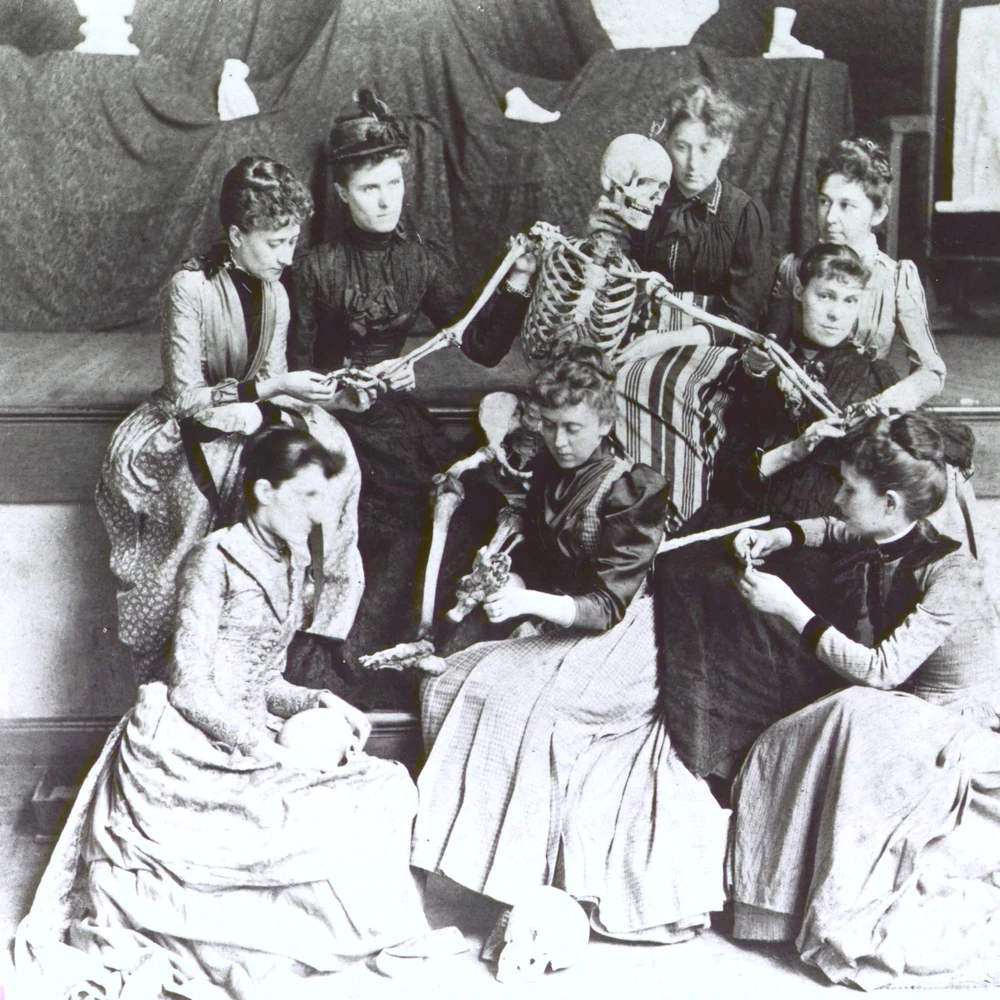
This Cocteau quote was the heart of a recent Word Image Image Word exhibition at the Art Academy. Curator Matt Hart, poet and chair of the Academy’s Liberal Arts Department, invited nationally and internationally known writers to participate by providing them two 5.5” x 8.5” sheets of white writing paper.
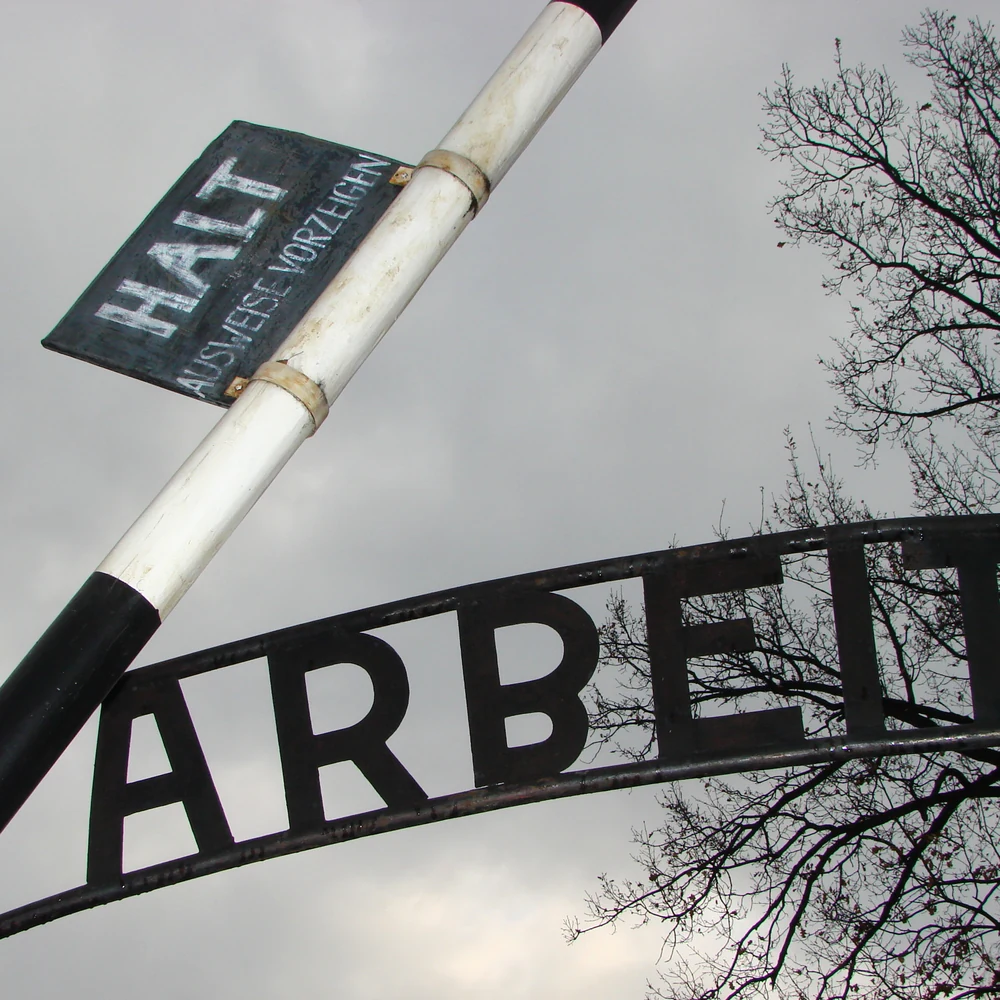
Editor’s Note: 2015 is the 70th anniversary of the liberation of Auschwitz, the largest of all the concentration camps established by Nazi Germany in World War II. Located in Poland, in its heyday, 10,000 Jews a day were gassed to death there, while others, all of whom arrived in boxcars made for cattle, were forced into slave labor.
