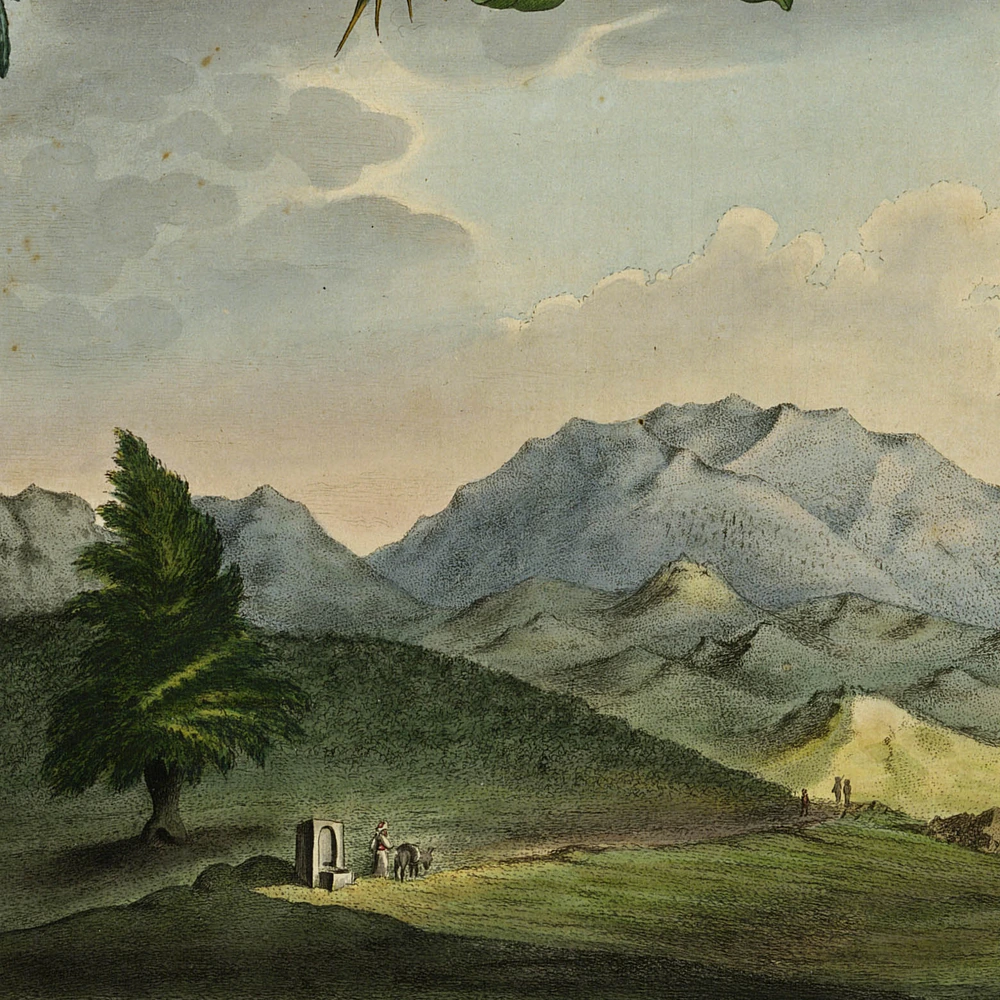
Cincinnati, OH – May 28, 2015: The Lloyd continues its tradition of promoting both academic and artistic research in Cincinnati with its latest round of Fellowship Awardees.
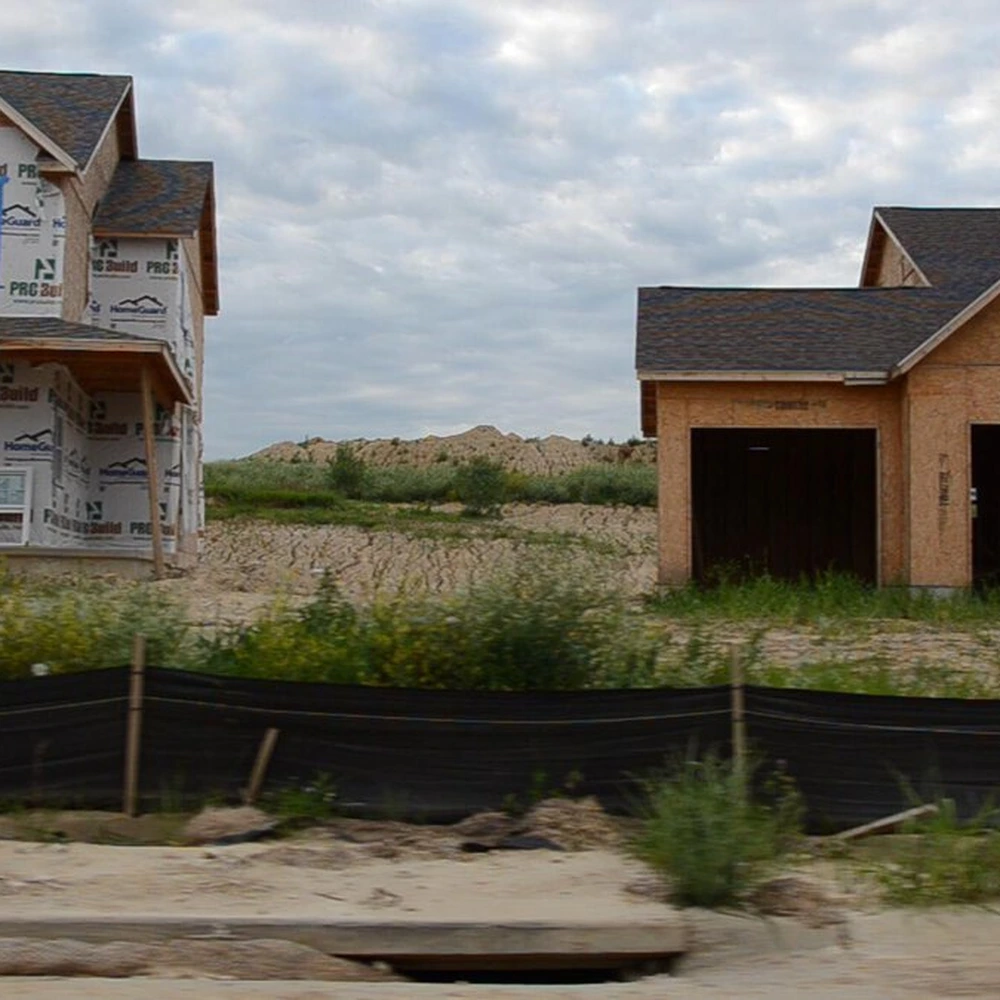
The Sub-Mission is now accepting proposals for the 2016 exhibition year. Located below The Mission, The Sub-Mission is an alternative installation project space dedicated to the development of artists living and working in Chicago.
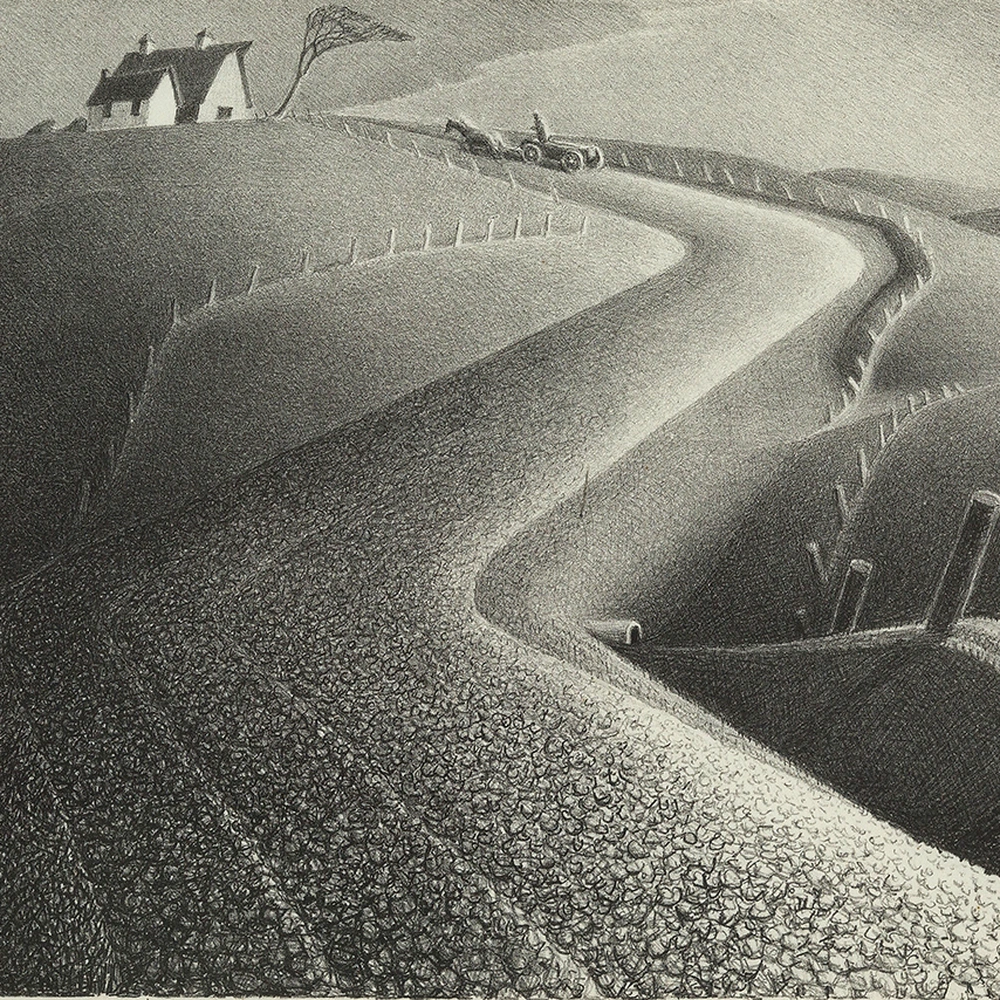
While many large American arts institutions, such as Cincinnati Music Hall and the Cincinnati Art Museum, were founded in the 19th century, it wasn’t until just before and after World War II when such cultural institutions were planted in many smaller cities, like Springfield, Ohio.
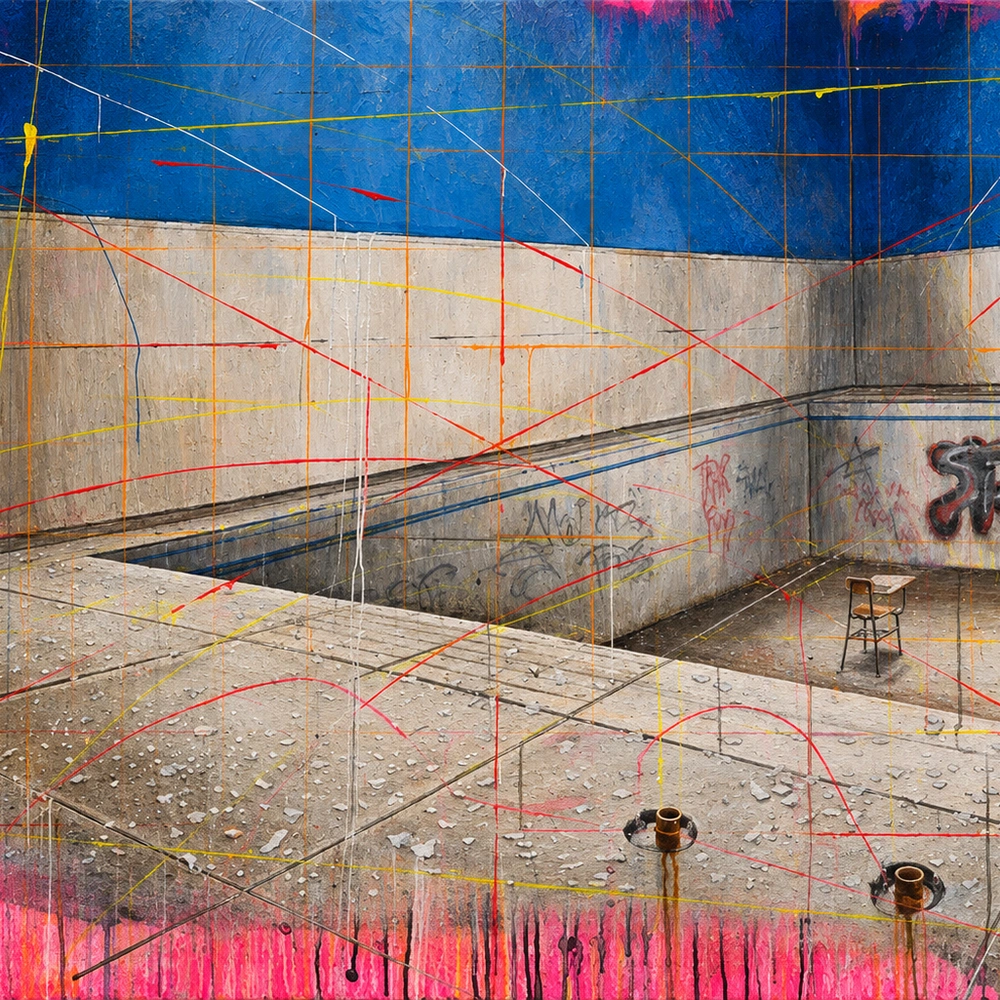
Artist Peter Waite approaches architectural panel painting as an experienced tourist explores a new city. He takes in the recommended key sights and then discovers the fascinating hidden places that most tourists and residents miss. His impressions of Cincinnati are embodied in a solo exhibition, The Cincinnati Series, at the Carl Solway Gallery in the West End.
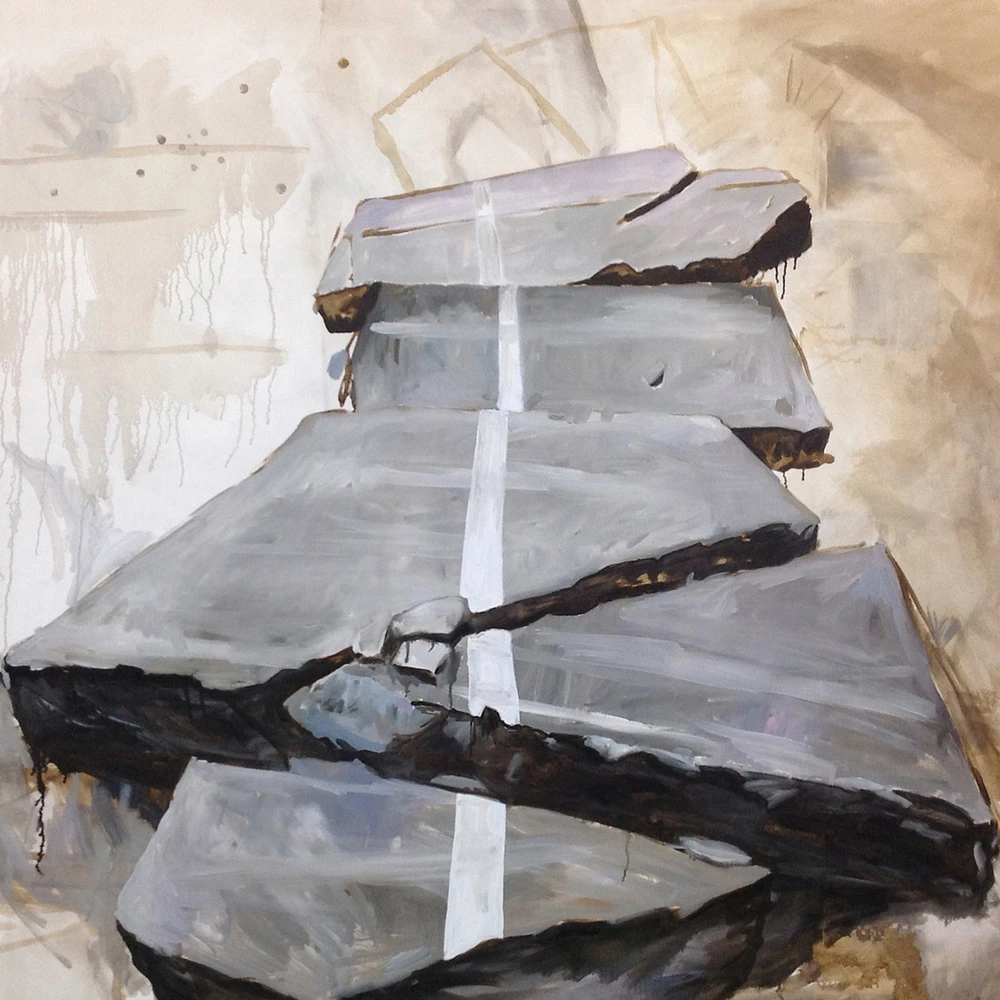
It makes sense that Sonja Schenk’s latest body of work provides a perspective that only a few would even consider. Absent of a horizon line, the improvised landscapes that comprise Schenk’s solo exhibition, Hovenweep, provide an elevated point of view that few rarely if ever have the opportunity to glimpse.
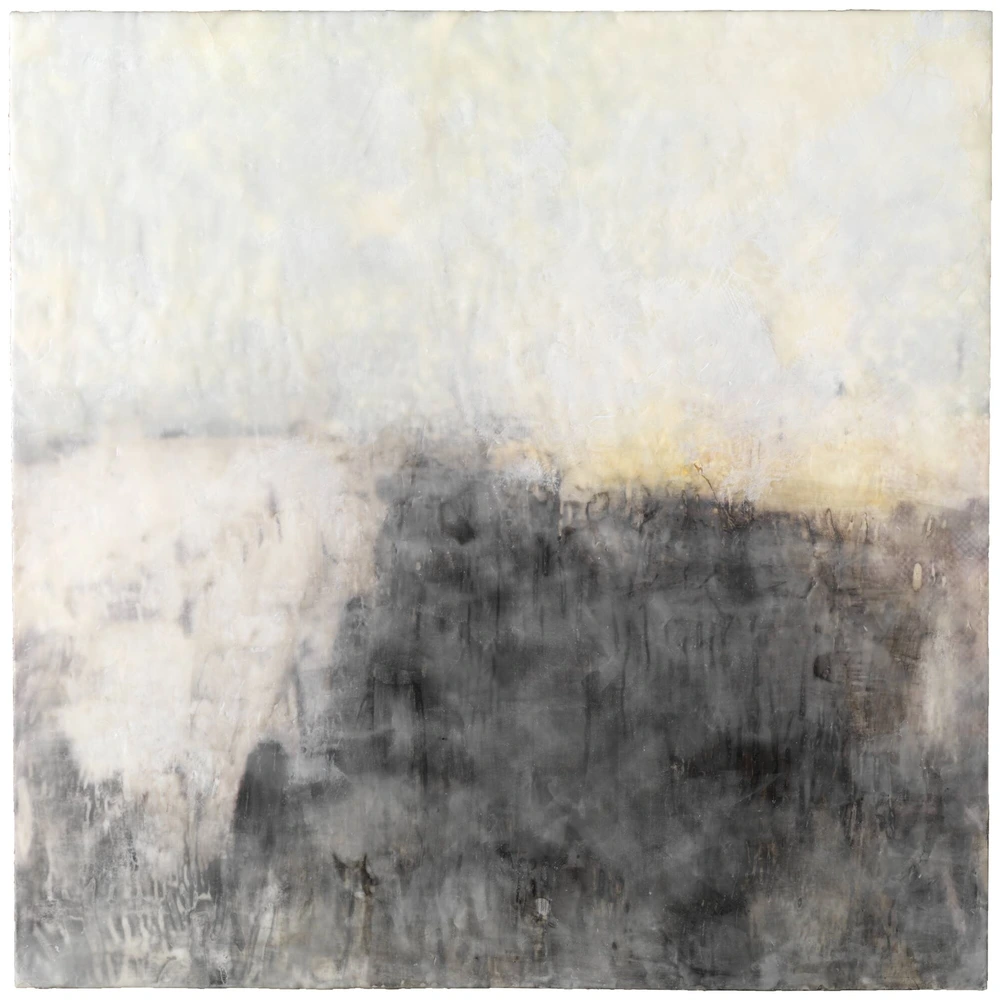
Aisle Gallery on the third floor at 424 Findlay has a reputation for presenting high quality exhibits of local artists’ work. Spaces such as Aisle and Semantics in adjacent Brighton represent the kind of quirky but serious spaces that fuel vibrant art communities. Aisle has been absent on the scene for a few years. That’s partially why I was excited to see the work of Kim Flora, Mike Hancock, and Bill Renschler.
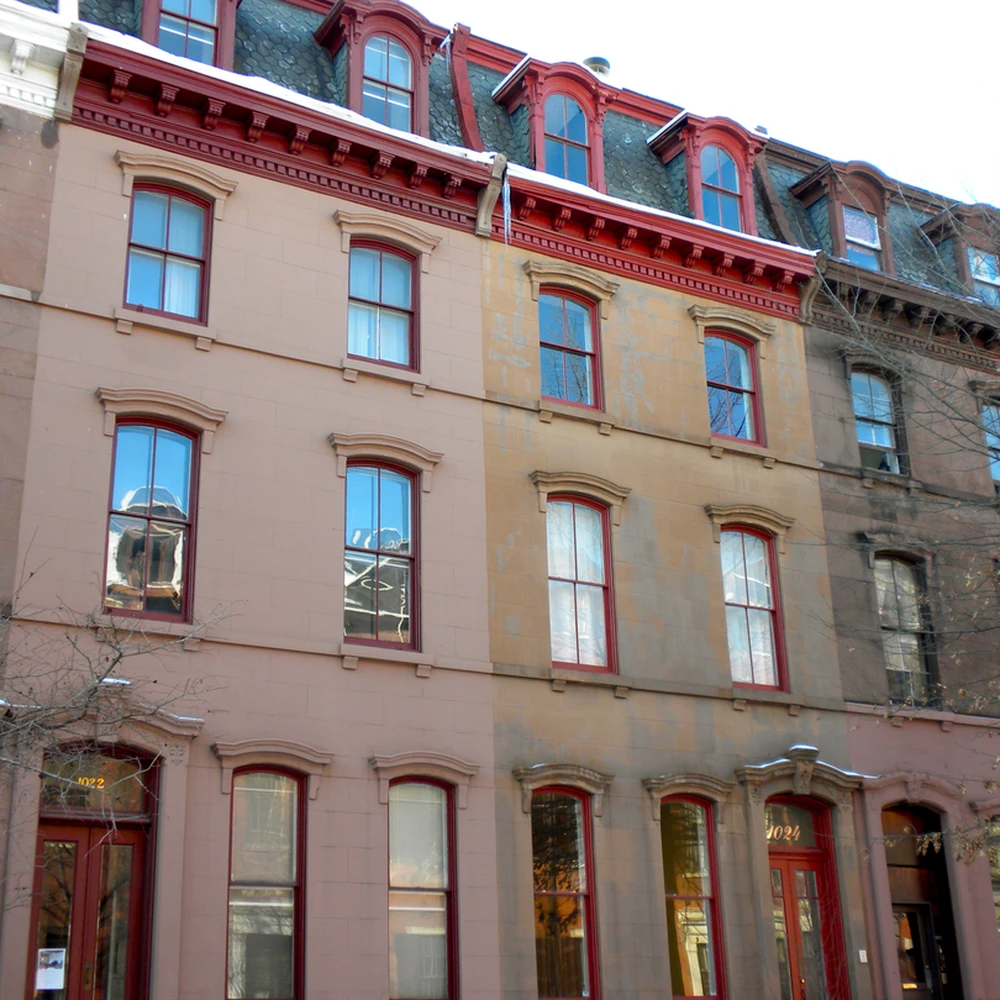
Four poems by Huck Fairman, published in AEQAI in May 2015. They move from the brick streets of a city in winter to a stone chapel, a forest road in autumn and old letters, and ask what we keep of the selves we were.
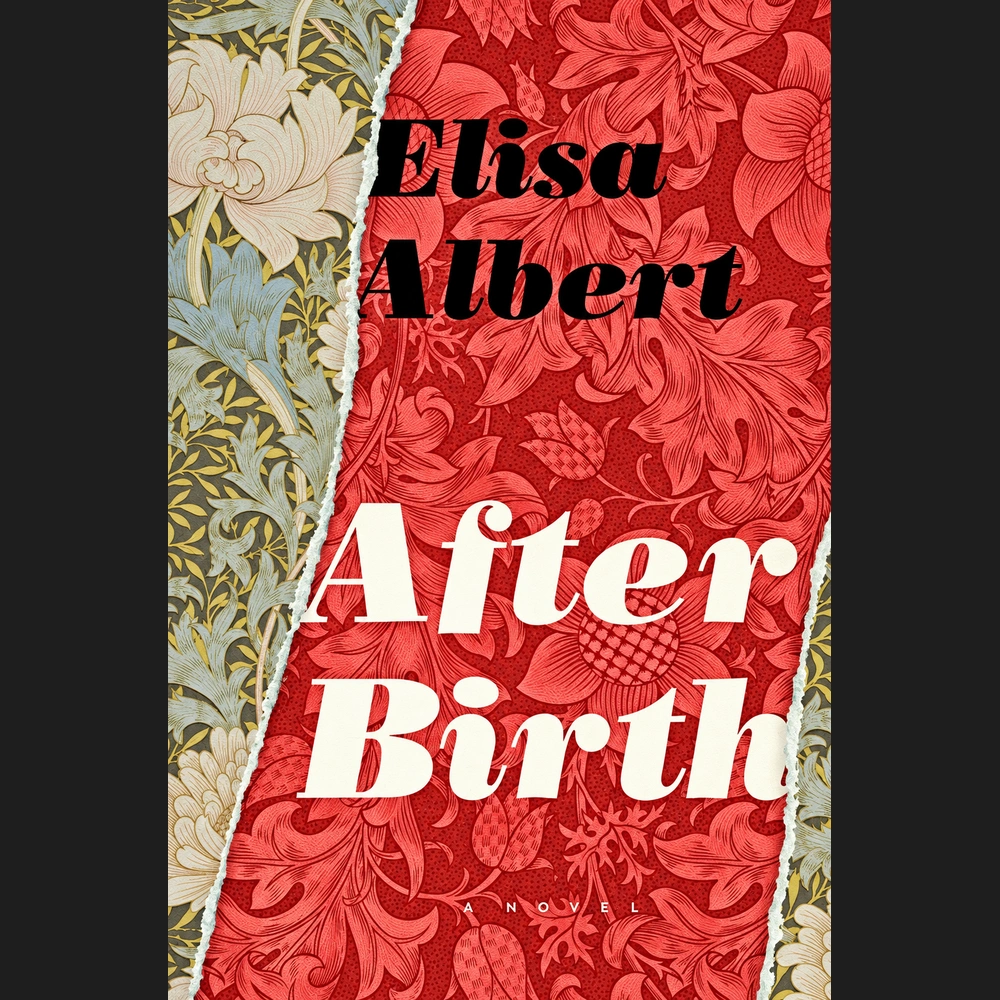
I am ongoingly impressed and reassured by the very high quality of fiction written by younger generations of writers, both American and internationally, from countries including England,Japan, Kenya, Nigeria, Australia Afghanistan, India, amongst others. In spite of all the digital hoo haa that we hear every day, legions of younger fiction (and non-fiction) writers still long to have their work out in print, in books.
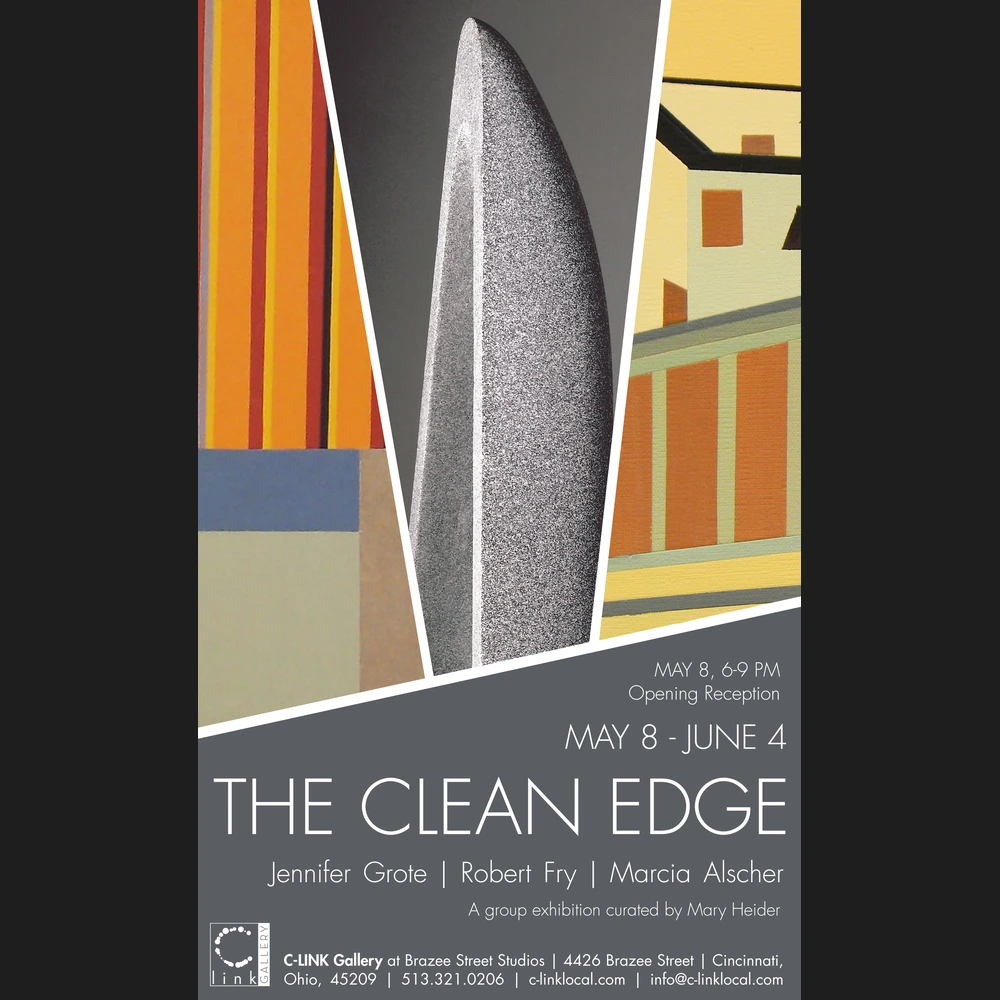
Varieties of abstract art work are too wild and woolly to begin to try to categorize them, yet the one constant is its unmistakable opposition represental realism. The real world surrounds us with its beauty and ugliness. The abstract world takes reality apart and opens minds to other forms of imagery and a new ways of seeing.
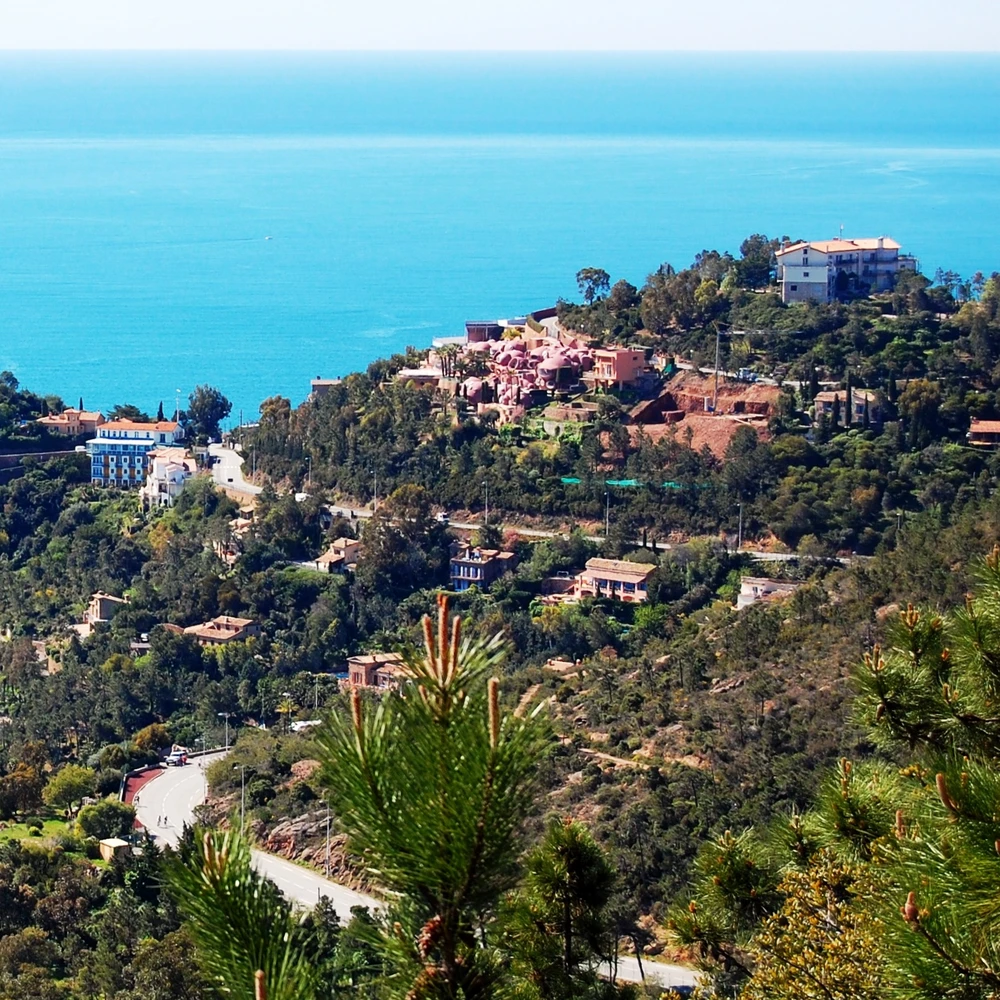
Over the past several weeks, luxury brands have traveled from one end of the world to another, showcasing the new batch of cruise collections. Cruise or resort wear were originally created to give jet-set luxury customers pieces they could wear on their warm weather holidays abroad.
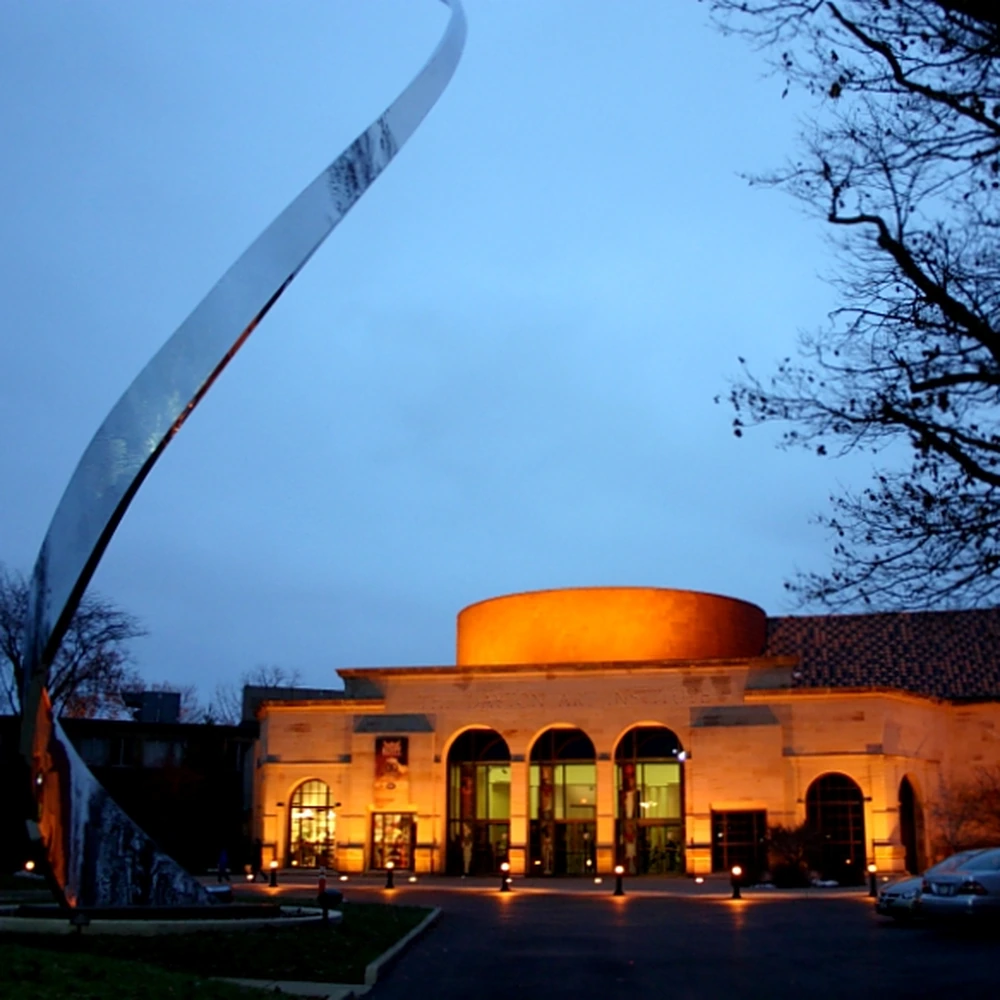
The May issue of Aeqai has just posted, and it again reflects wide swaths of the visual arts communities here and in other areas/regions/cities. Our coverage this month begins with a thoughtful and sensitive review of a photography show at Iris Book Cafe, curated by William Messer, known widely for his superb aesthetic eye, and reviewed by Zack Hatfield.
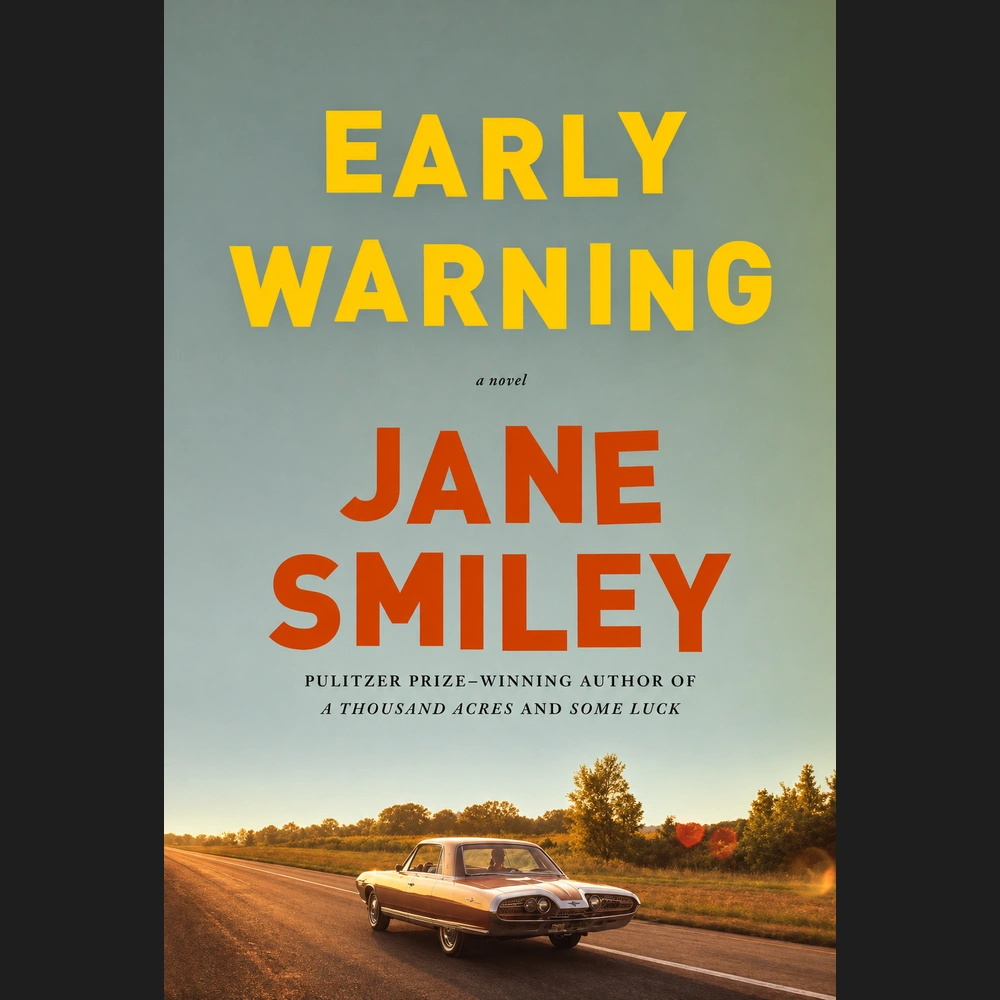
The admirable Jane Smiley has returned with the second of three novels of a trilogy, about a family from Iowa; the triology follows three generations of this family from the twenties to the present (I assume). Somehow she’s managed to get the second novel out in just over a year from the first, and these novels are long, and they are riveting.
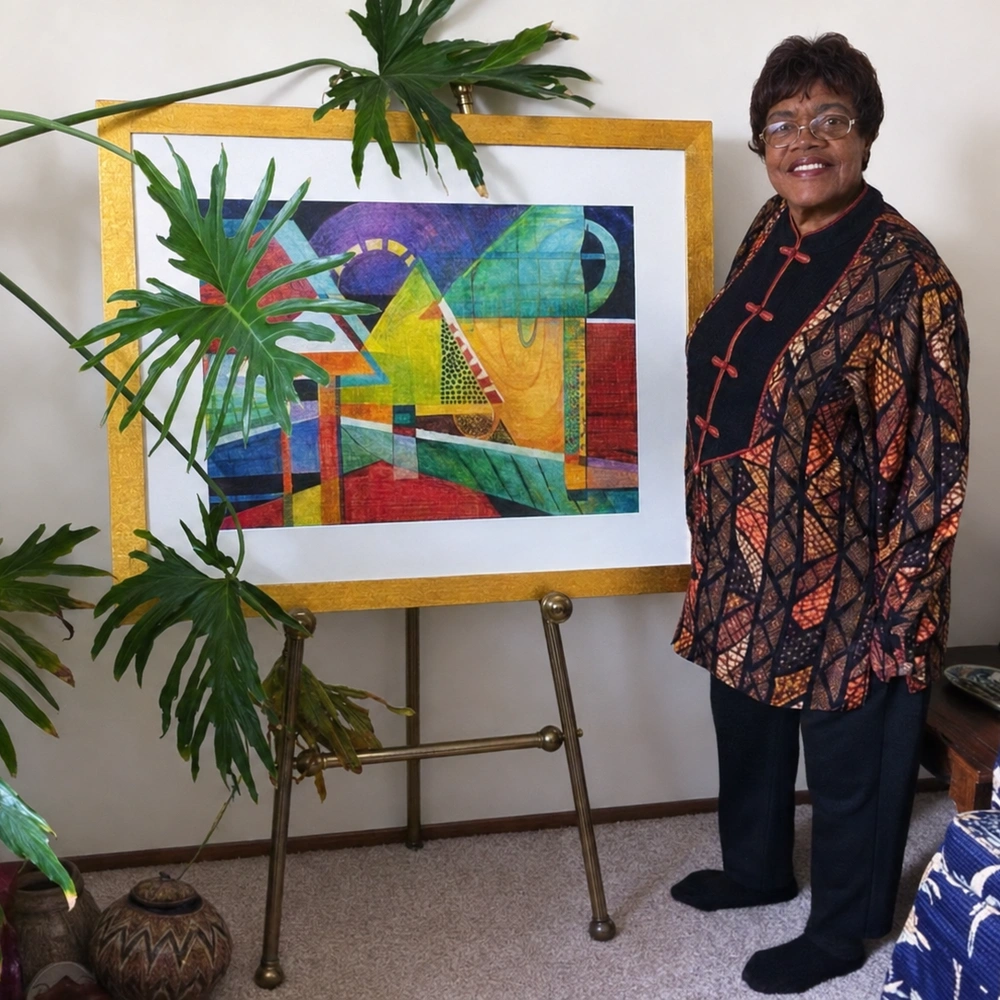
At four and a half, she drew on every sheet of paper she could find. She even drew in the borders of books. “I was happy to draw,” she recalled. Growing up in Lincoln Heights, she went to a Catholic school on Anthony Wayne Ave.
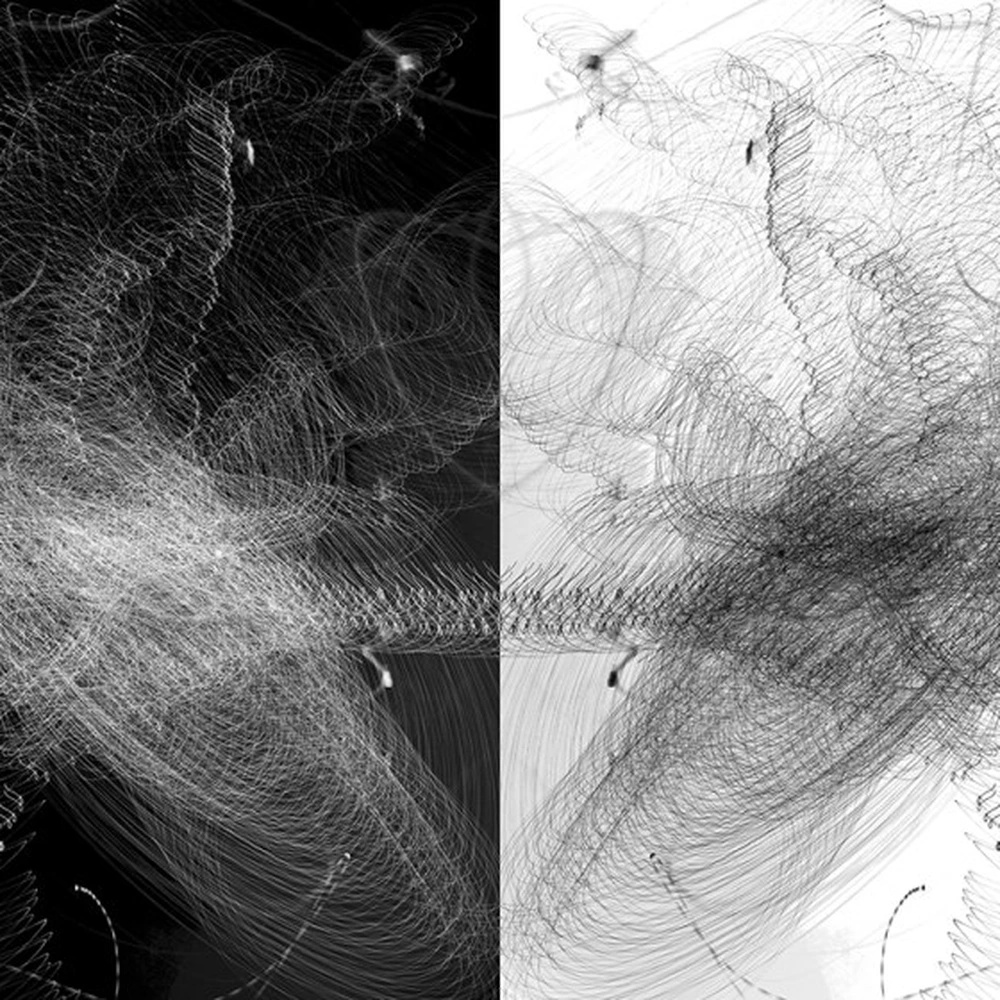
After working with traditional mediums for nearly twenty-eight years, Los Angeles based artist Echo Lew grew curious about the effects of light in motion and began experimenting with photography.
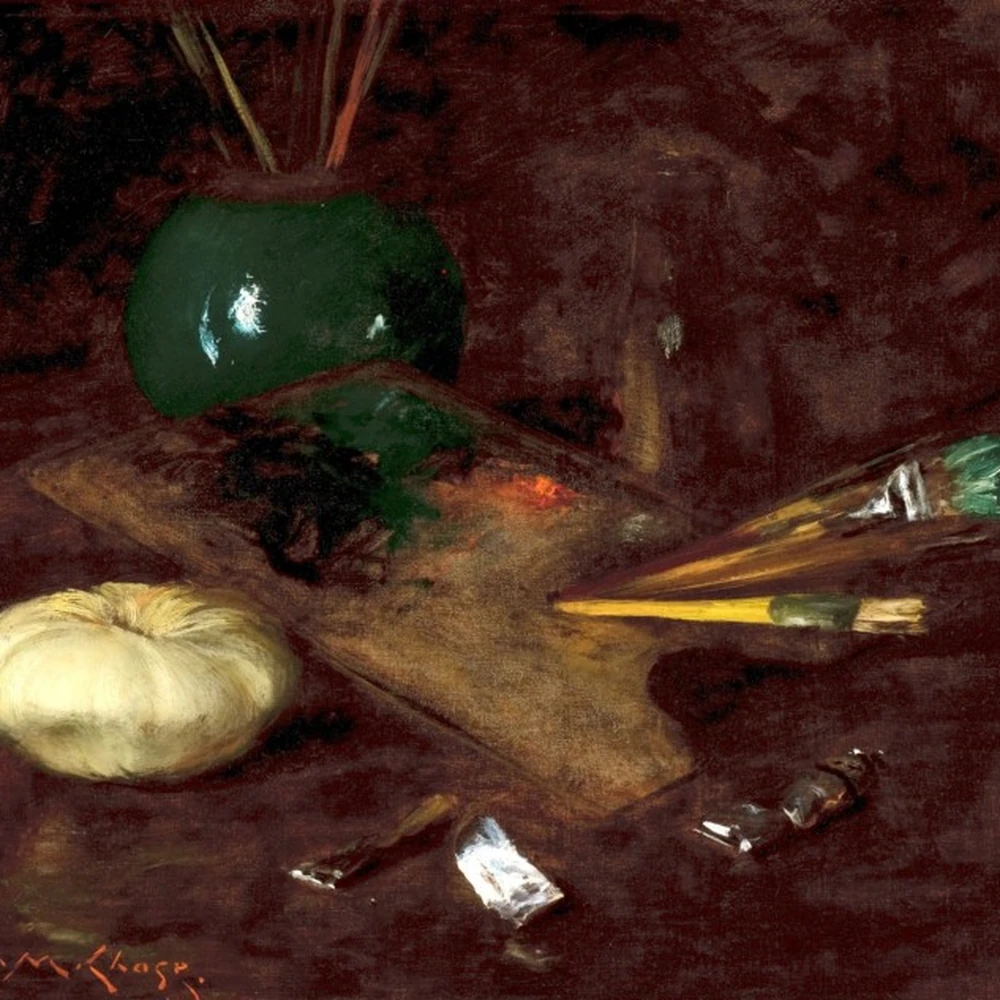
Frank Benson, an artist probably best known today for an oeuvre of duck hunting etchings that are, oddly, both academic and commercial, self-identified enthusiastically as an Impressionist: “I follow the light, where it comes from and where it goes.”
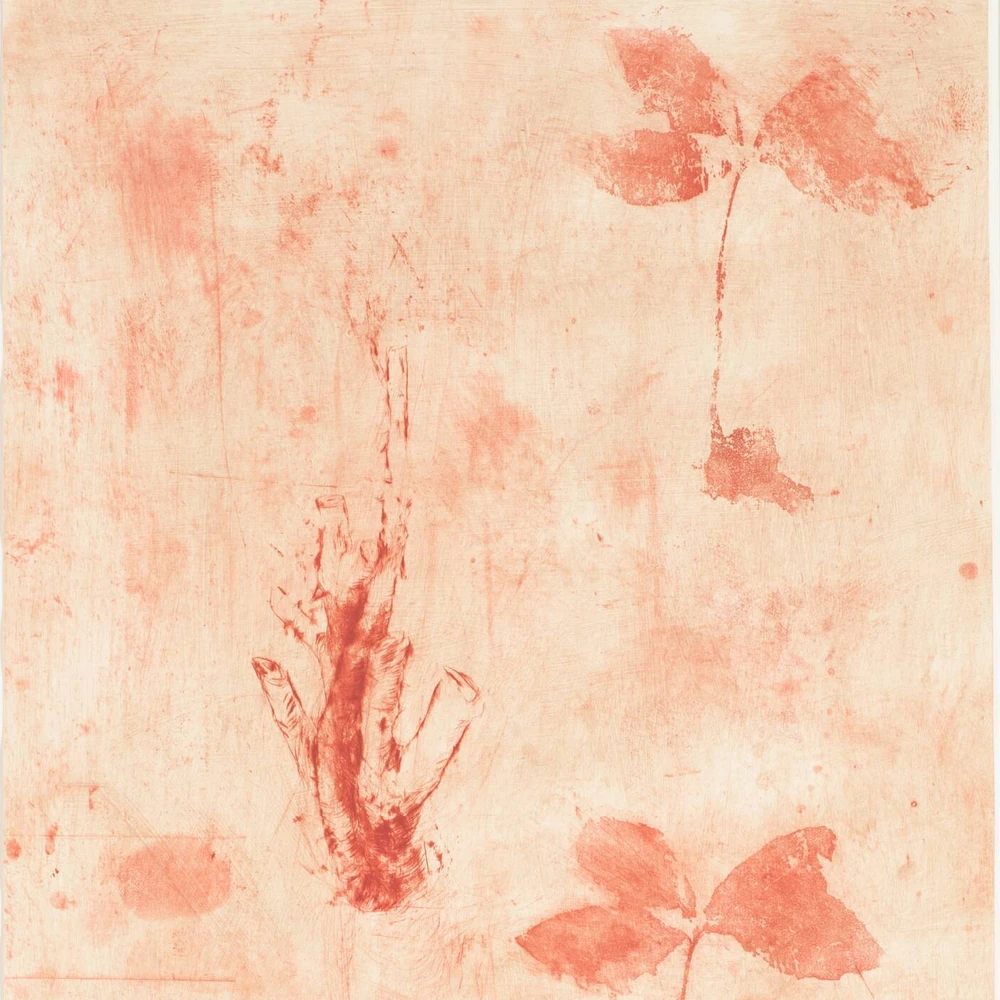
Ellen Jean Price was born in New York City and grew up in Queens. She studied life drawing at the Art Students League and enrolled in Hunter College before completing her BA in Art at Brooklyn College. She then went on to earn an MFA degree in Printmaking (1986) from Indiana University in Bloomington, Indiana.
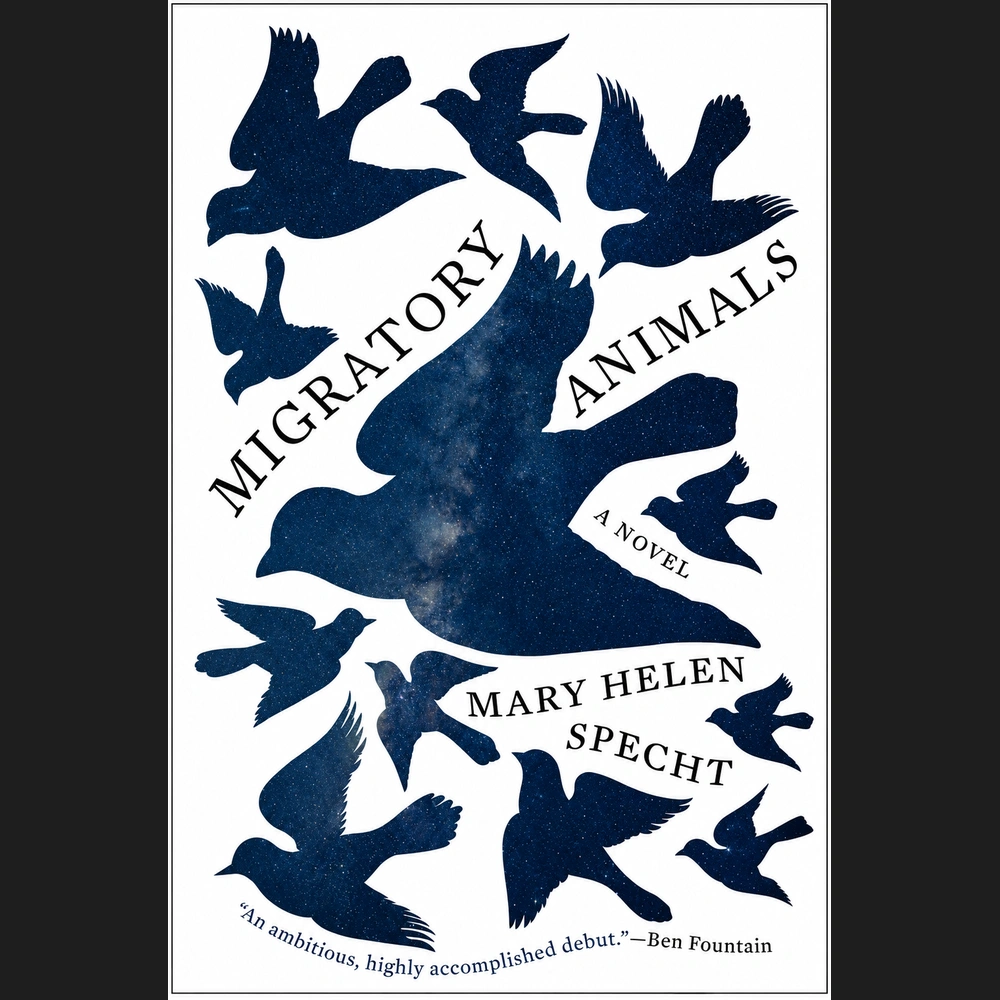
Another splendid novel by a virtually unknown young American woman, Migratory Animals is a fine look at a group of friends who met in college, who are now in their late twenties/early thirties. The novel about college friends who hang together afterwards has become a common American trope: Jeffrey Eugenides’ excellent The Marriage Plot covers similar territory.
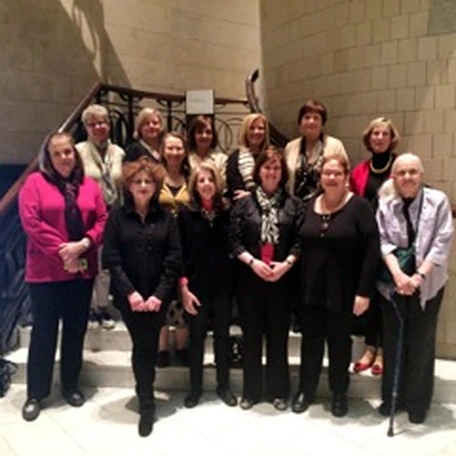
In the 1980s the support staff at the Cincinnati Art Museum, like others before them and after them, was engaged with the collection, with the Museum, and with the idea of visual art itself, all of which enlivened their days.
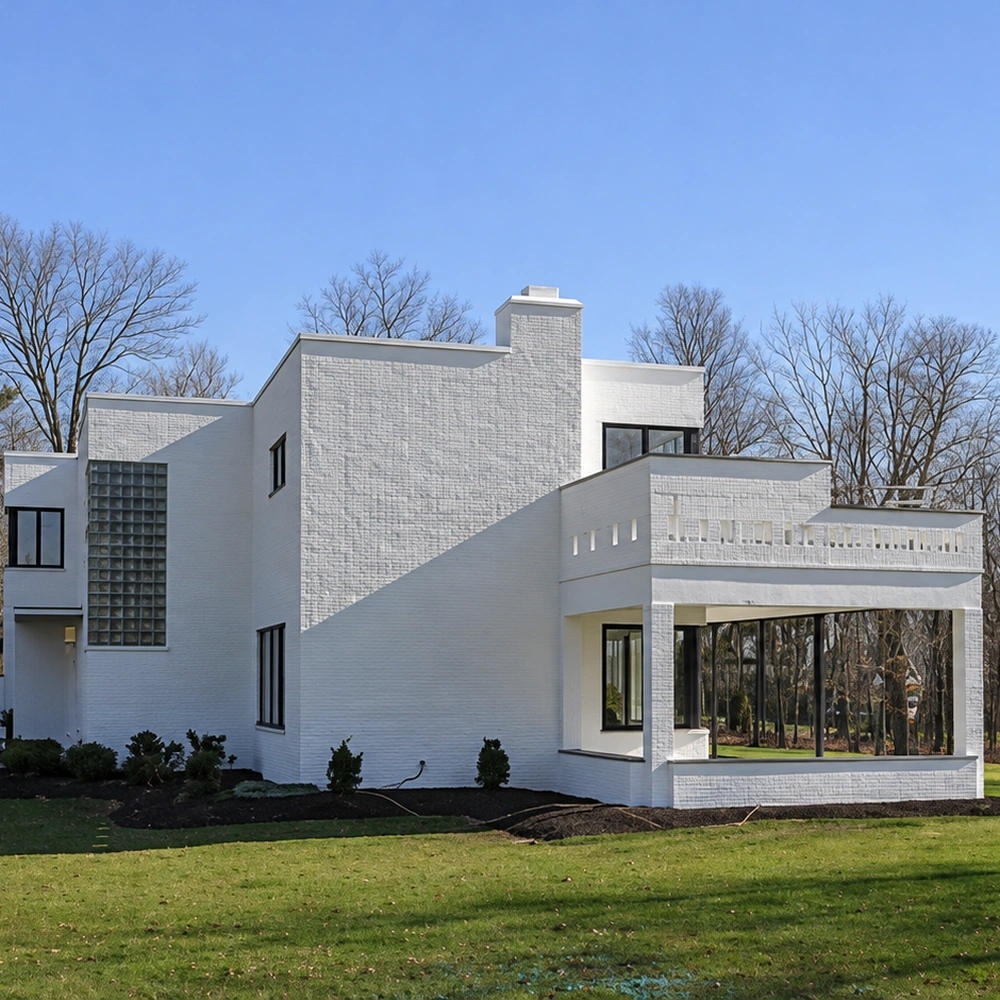
Paul Muller, AIA, the Executive Director of the Cincinnati Preservation Association (CPA), was trained as an architect. His profession, along with his experience with, and passion for, historic preservation, make him ideally suited to lead the CPA. That training is especially relevant now that concern for preservation of modernist and postmodernist architecture is growing locally and nationally.
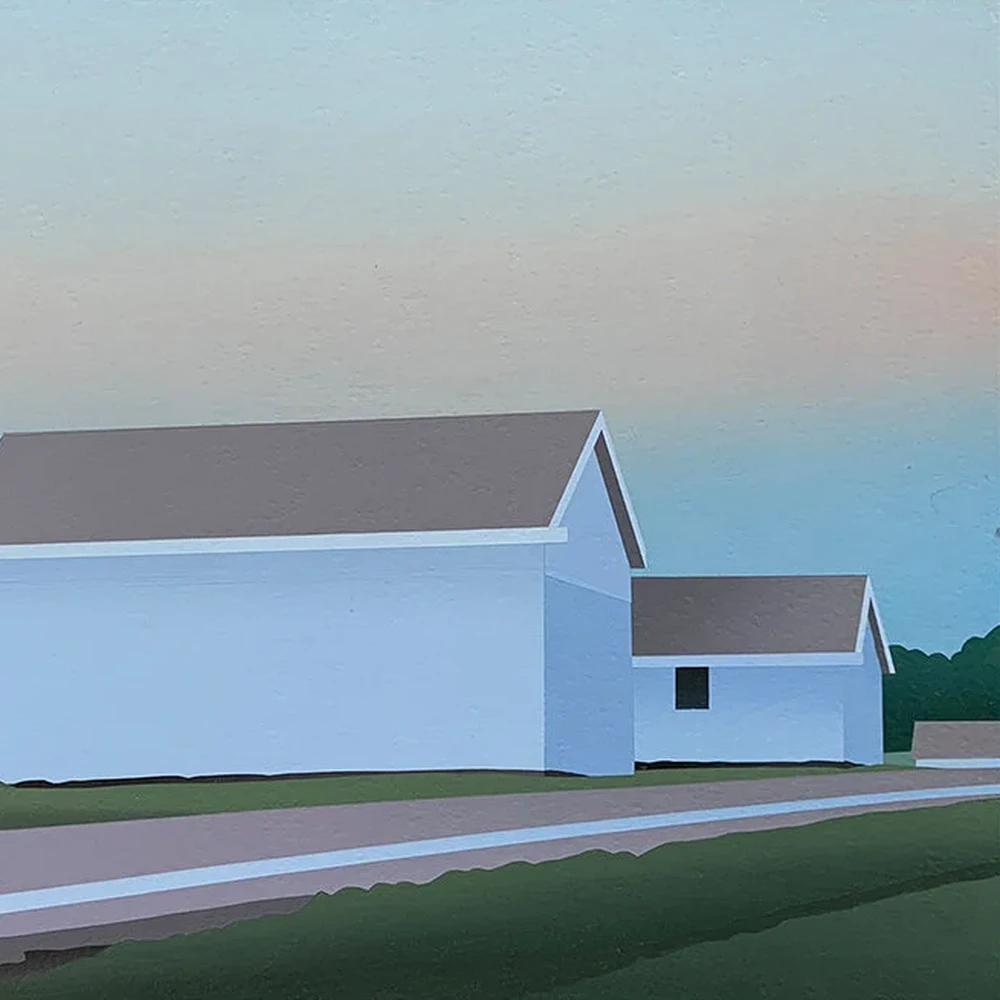
Hometown boy Kevin T. Kelly’s earlier work has been called as “Neo Pop” or “Post-Pop,” and described as “Roy Lichtenstein meets Dennis Hopper on Steroids.” Using what he calls a “hyperchromatic” palette, he juxtaposed disparate and hard-edged images to express social commentary. It’s pure Tom Wesselmann, another hometown boy, for whom Kelly served as studio assistant from 1988 to roughly 1994.
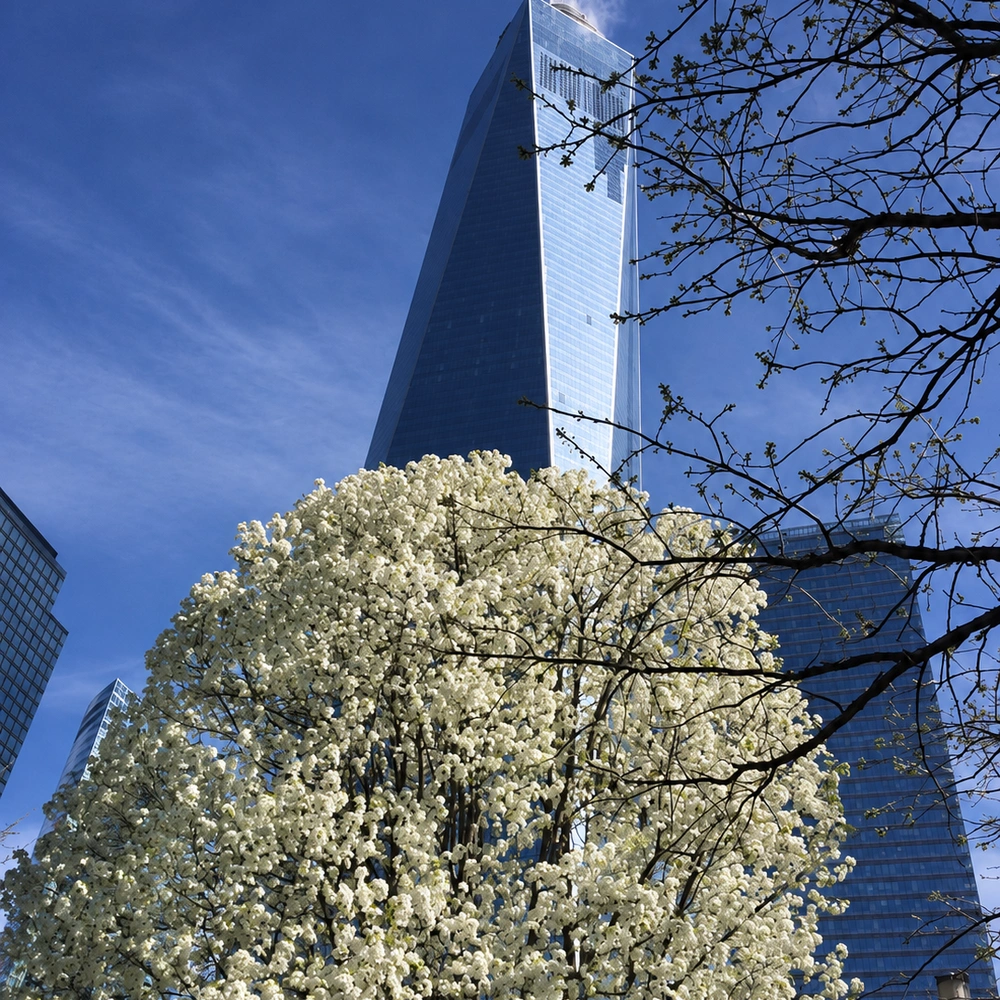
Kevin Ott recounts four days in New York, from the Op Art of Tadasky and the Alma Thomas paintings in Chelsea to Jacob Lawrence’s Migration series at MoMA, a night with the Fleshtones and the lone tree at the World Trade Center site.
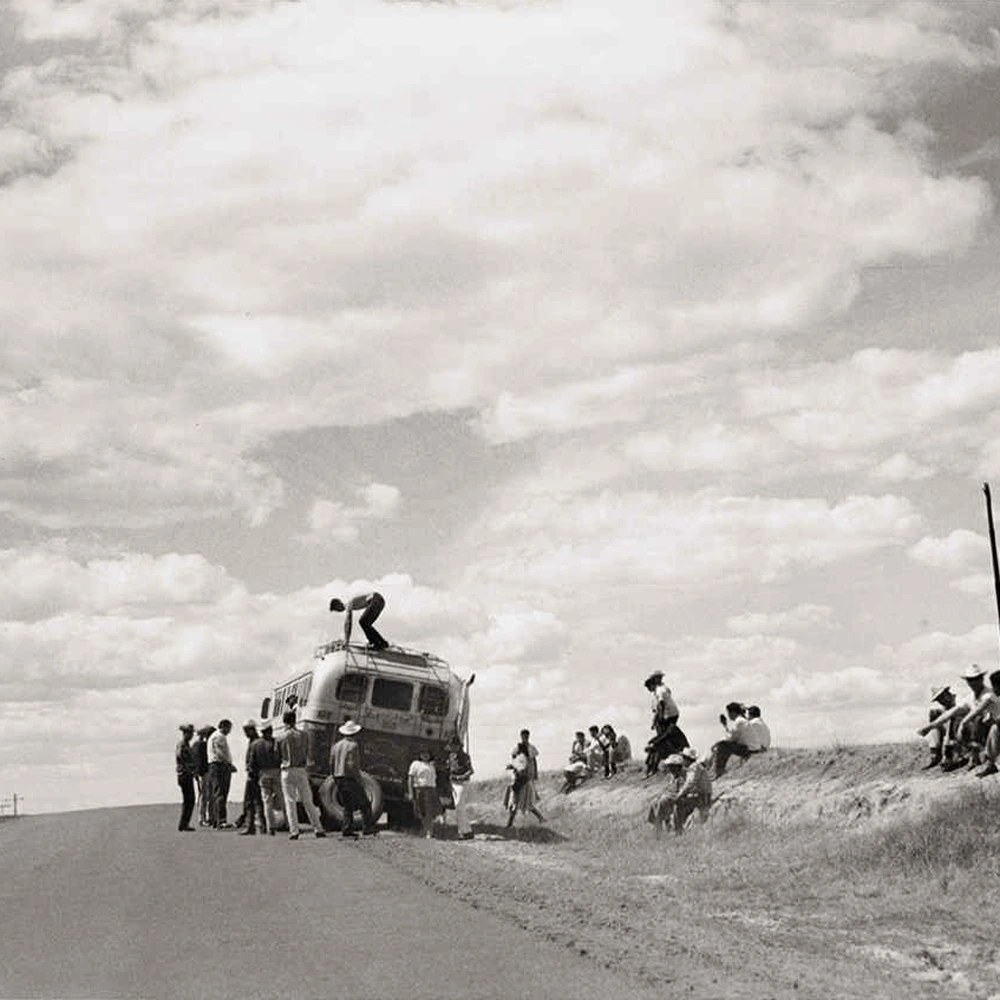
Yet the lines reflect a different sentiment than Plossu’s, whose monochrome photos in ¡Andele! Mexico in Bernard Plossu have the mesmerizing ability to document what is happening, though it might not always seem so at first glance. But like Kerouac’s poetry, Plossu is able to reveal the sublime in everyday experiences.
