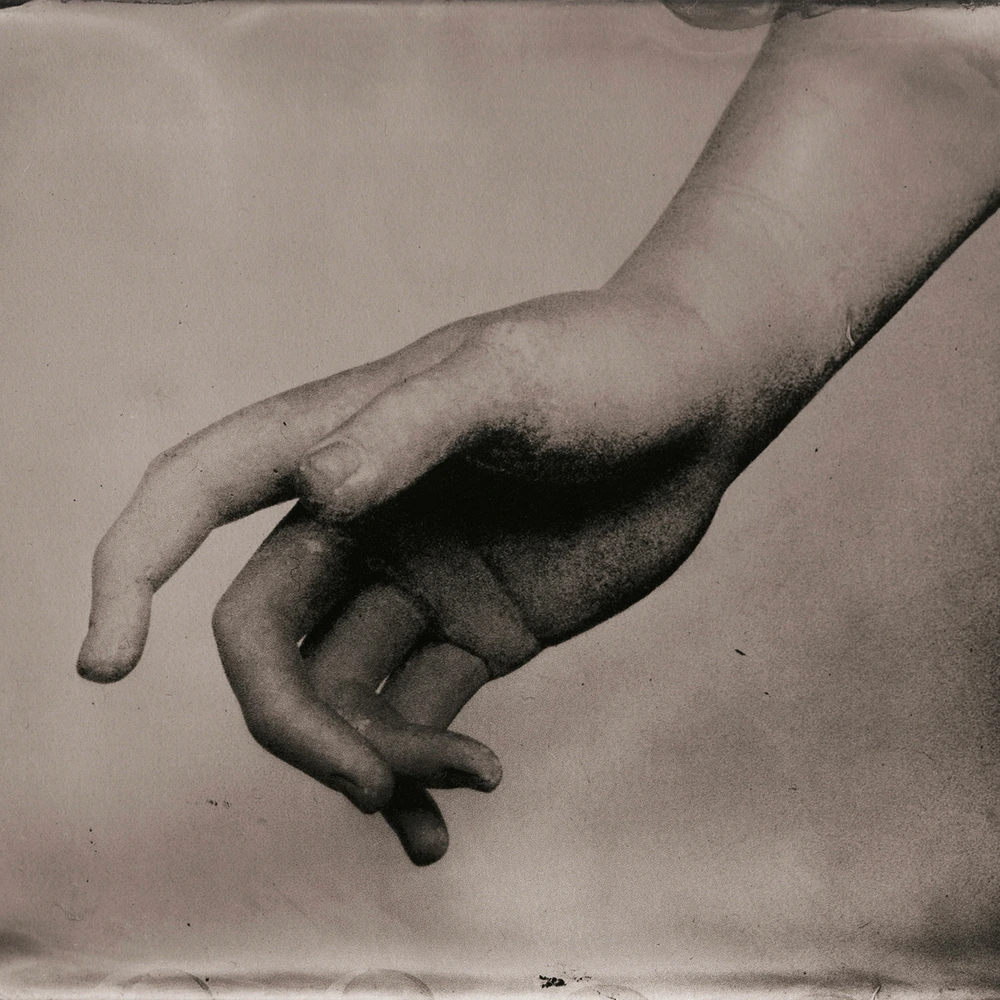
In our culture, where Bigger is often equated with Better, there’s a decided relief in turning to a competition where Small is All.
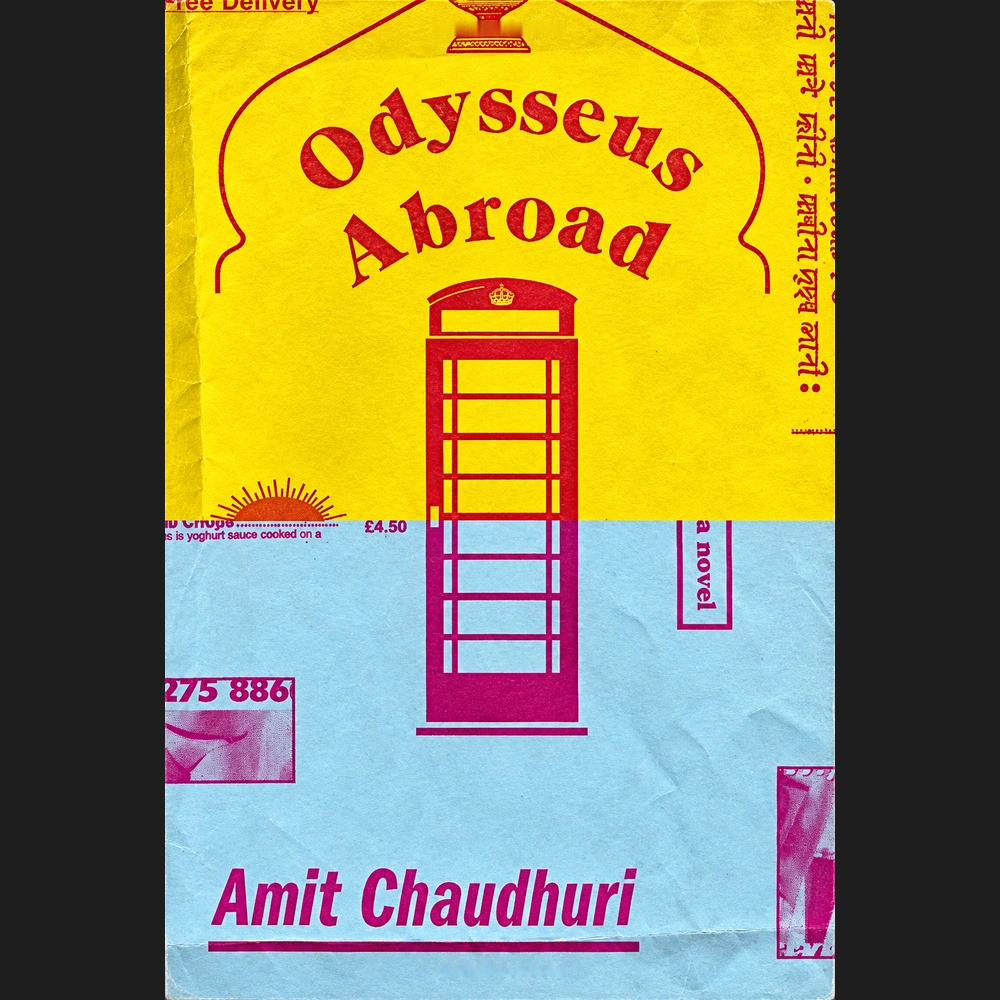
Odysseus Abroad, by Amit Chaudhuri, is an exceptionally intelligent novel, often funny, sometimes sad, about a young man from India who’s gone to London to study towards a Ph.D. in twentieth century English poetry. He has an uncle living in London, retired, and periodic visits from his mother from India are a routine part of his life and education (and meal plan).
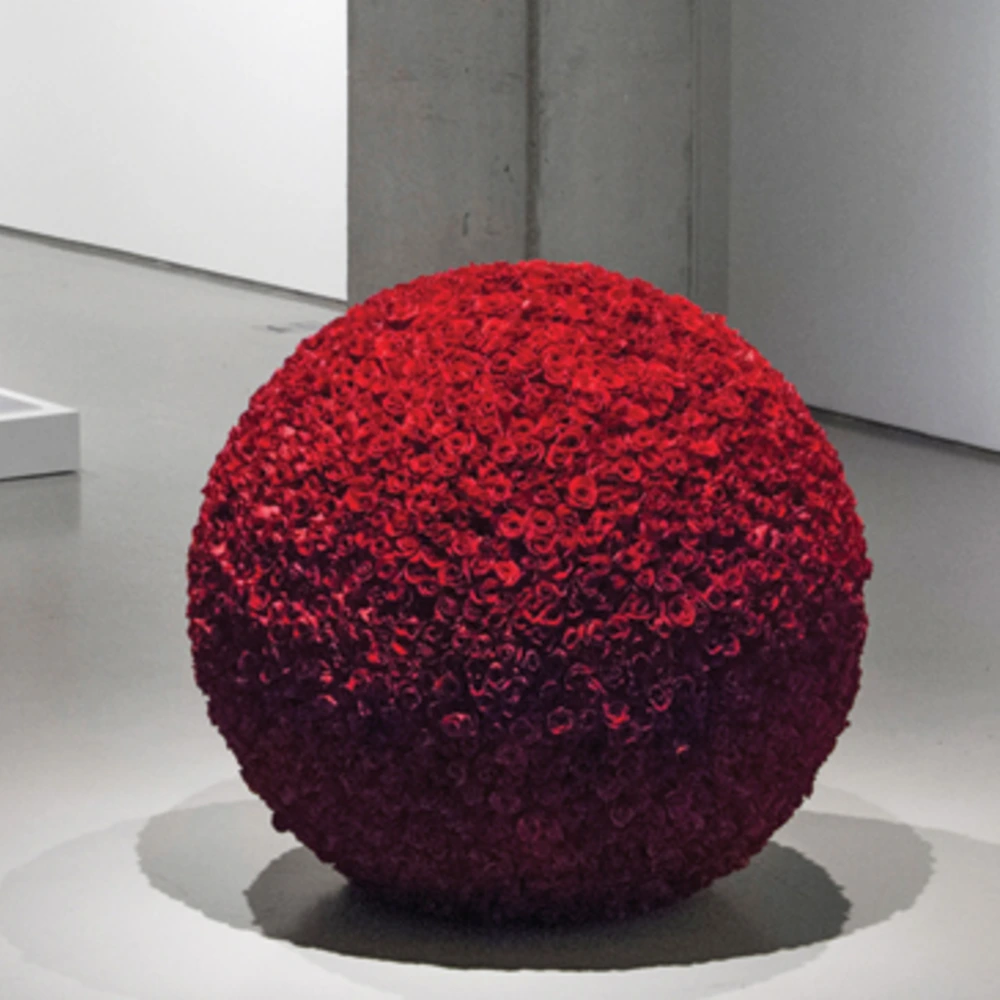
You enter the room through a ruche curtain, a membrane partitioning a world from our own. Only two colors exist in the palette of the capacity—varying shades of red and white—and you are immersed in the sweet fragrance of rose petals.
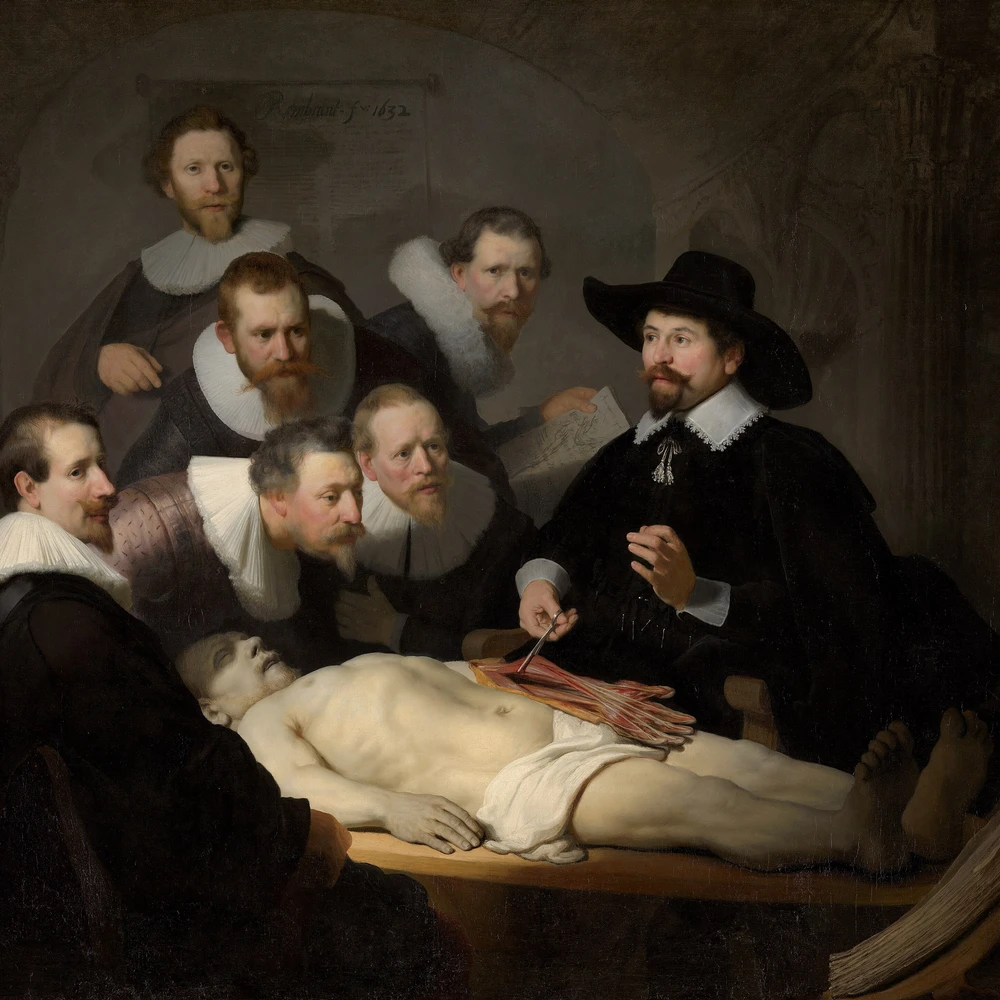
A cross-disciplinary collection at it’s finest, Medicine Illuminated is a visual narrative of social, moral, and spiritual movements as they pertain to the medical field. Rich with content, this exhibition has a wealth of works that trail the history of medicinal care, theories, and misconceptions.
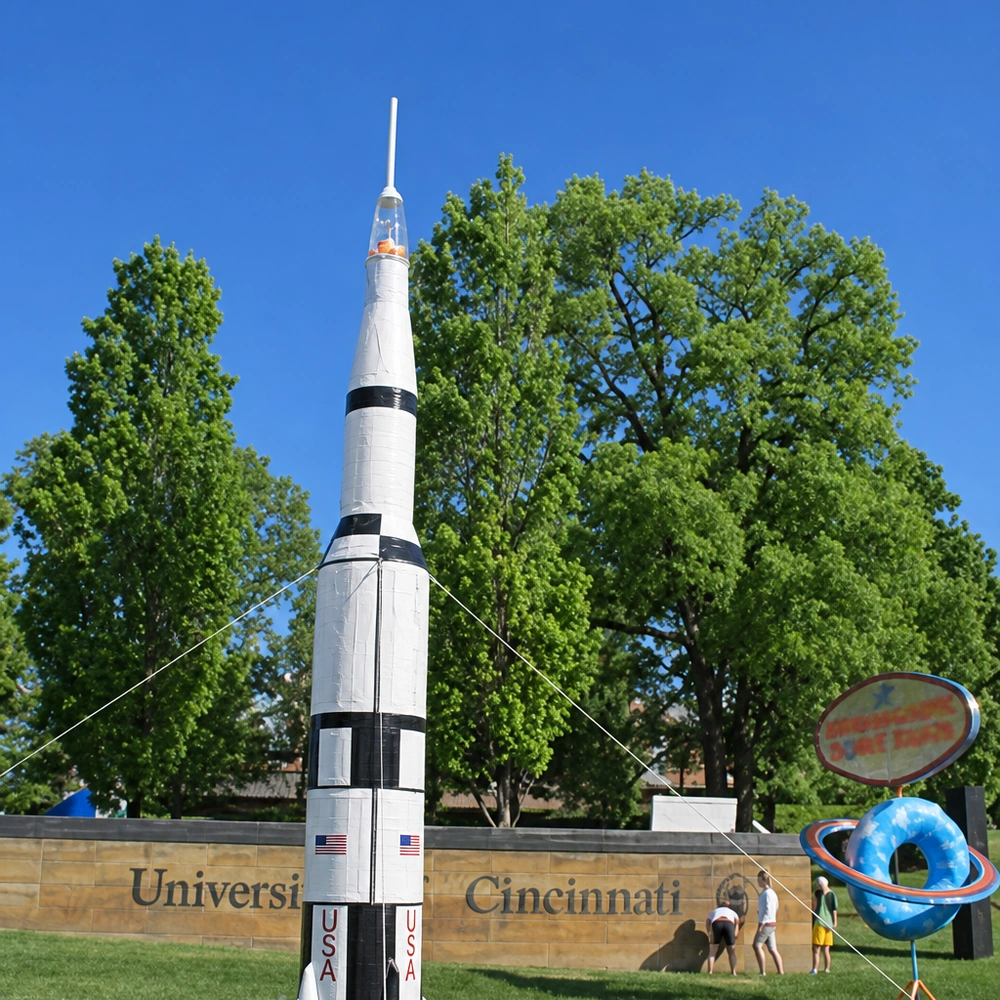
On a summery Cincinnati Saturday afternoon, anyone doing a driveby at the Clifton and MLK corner of the University of Cincinnati campus might do a double take.
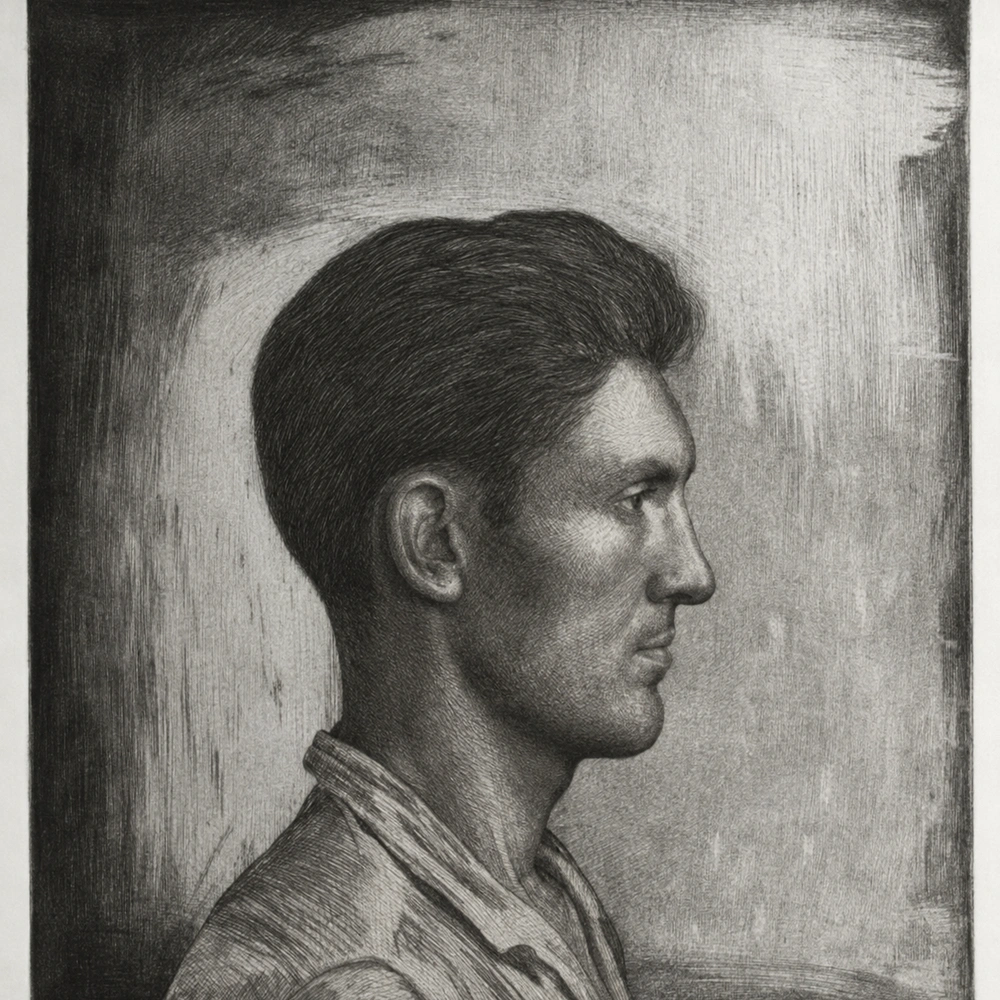
Labeling this exhibit “Verge” opened expectations to all possibilities. However, the distinct links to Tiger Lily Press, DIY Printing, Clay Street Press and Visionaries and Voicees would be enough to inspire more than a suggestion of top-drawer original prints, which would be your correct conclusion.
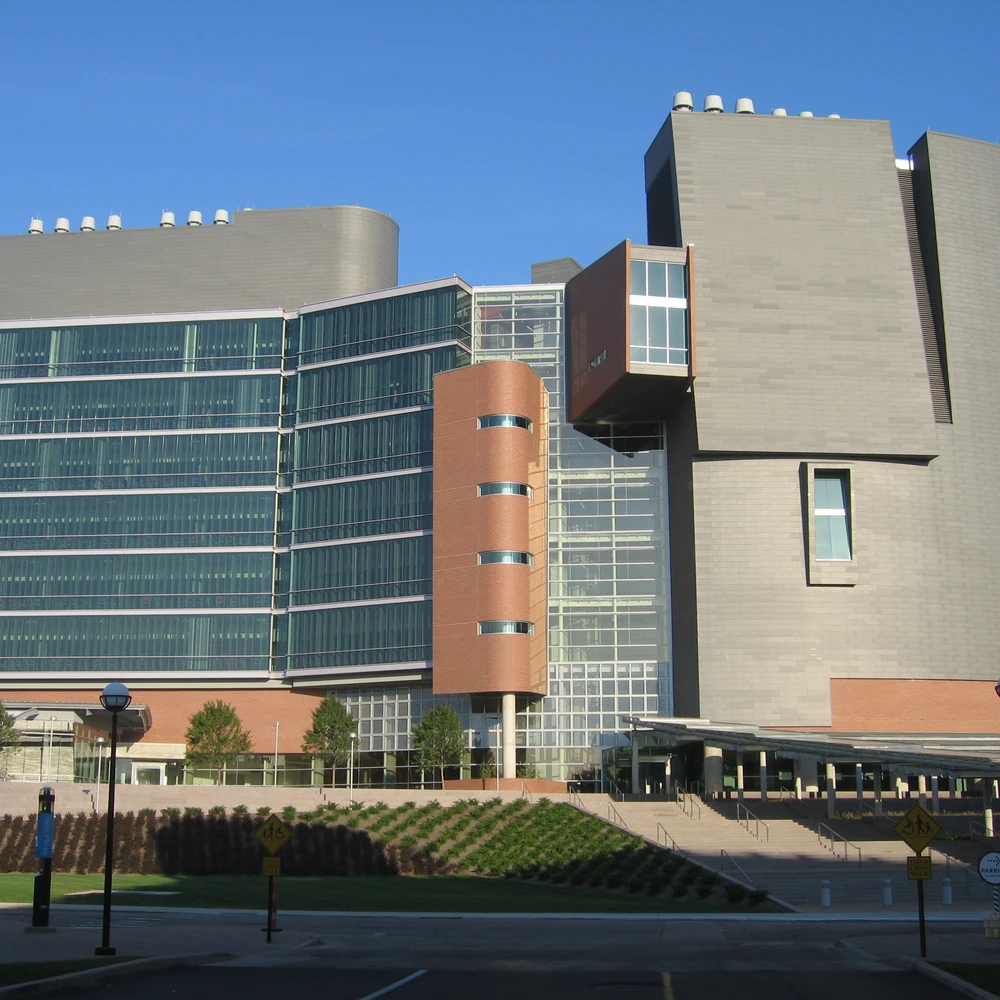
If you frequent art exhibits in Cincinnati, you are likely to have crossed paths with Mary Heider. Currently an independent curator, with recent exhibits “A Clean Edge” at Brazee St. Studio’s C-Link Gallery in Oakley and “With and Without: Challenges” at the Carnegie Art Center in Covington, Heider built her career at the University of Cincinnati College of Medicine.
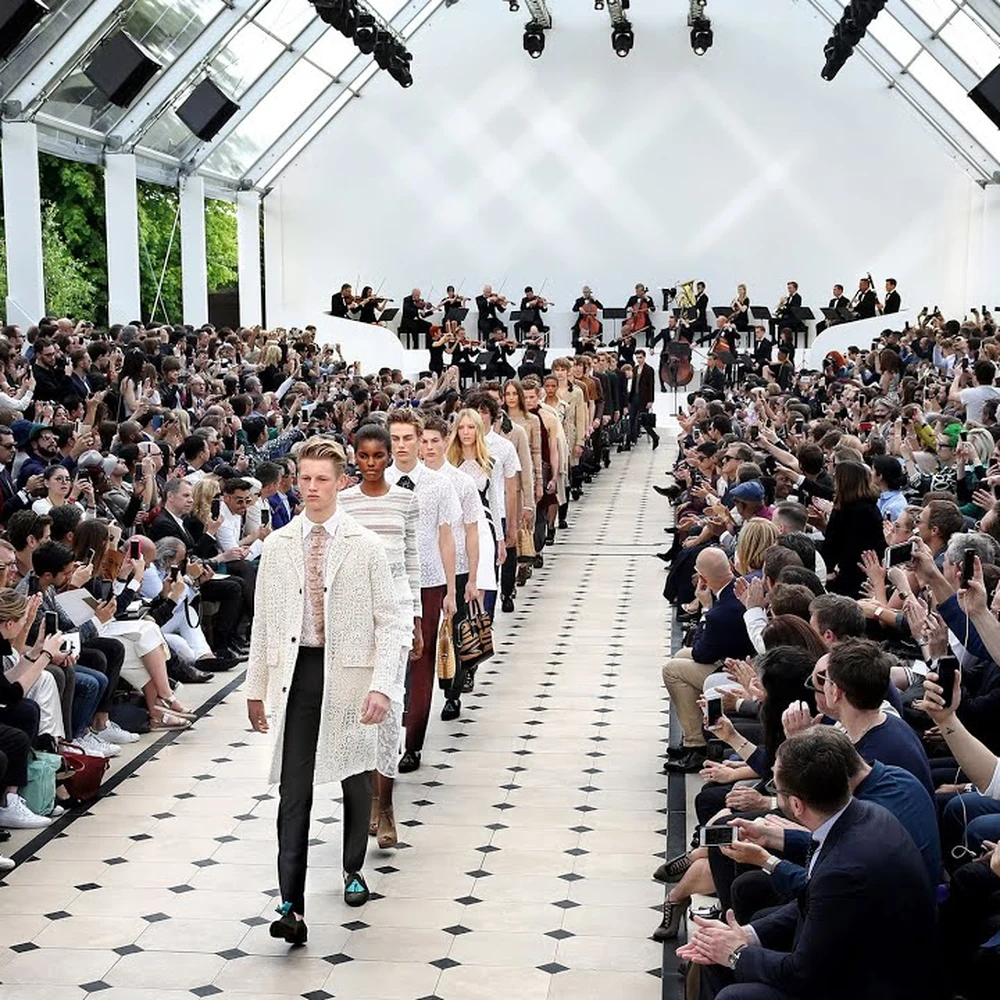
While the vast majority of fashion that comes down international runways is created for women, men’s fashion does have a unique presence within the fashion calendar. As we speak, many brands are unveiling their Spring/Summer 2016 collections and they range from traditional to avant-garde.
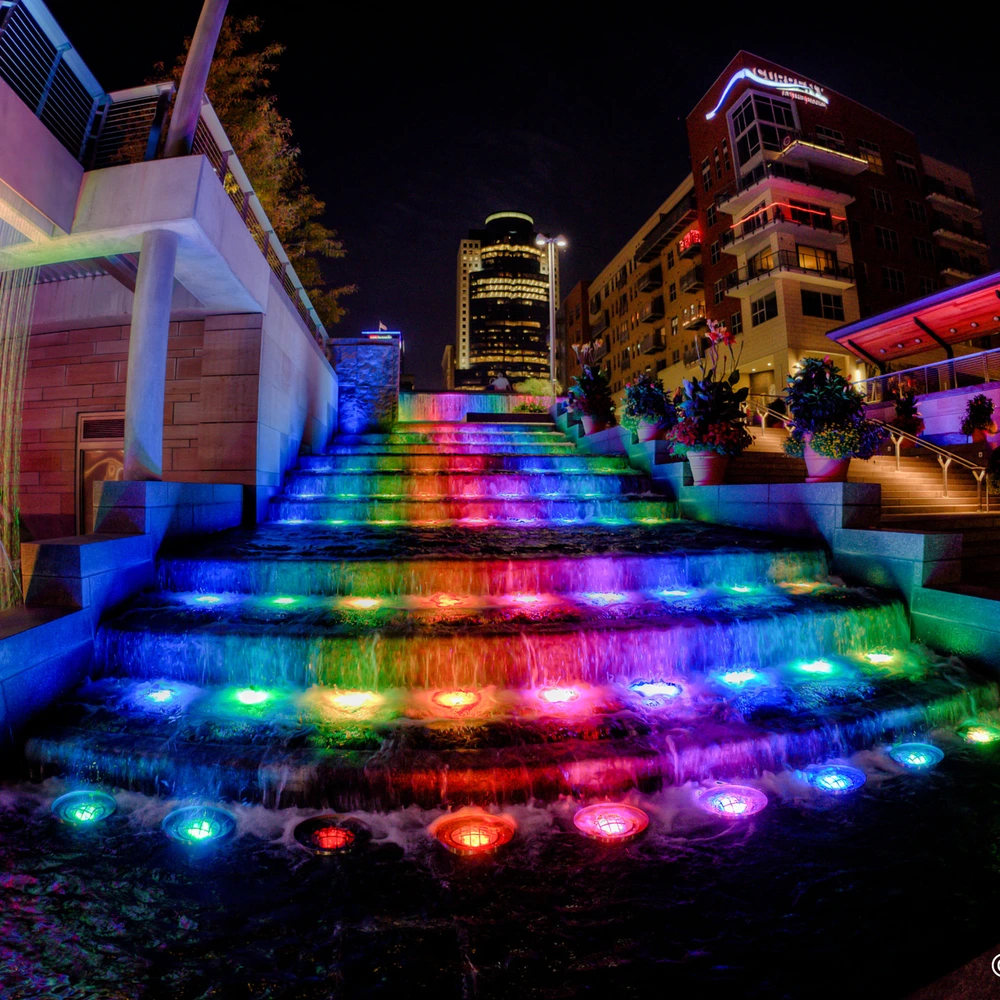
We have heard a lot of talk (positive and negative) about local architecture in recent months. And I, for one, am glad that architecture has become a hot topic.
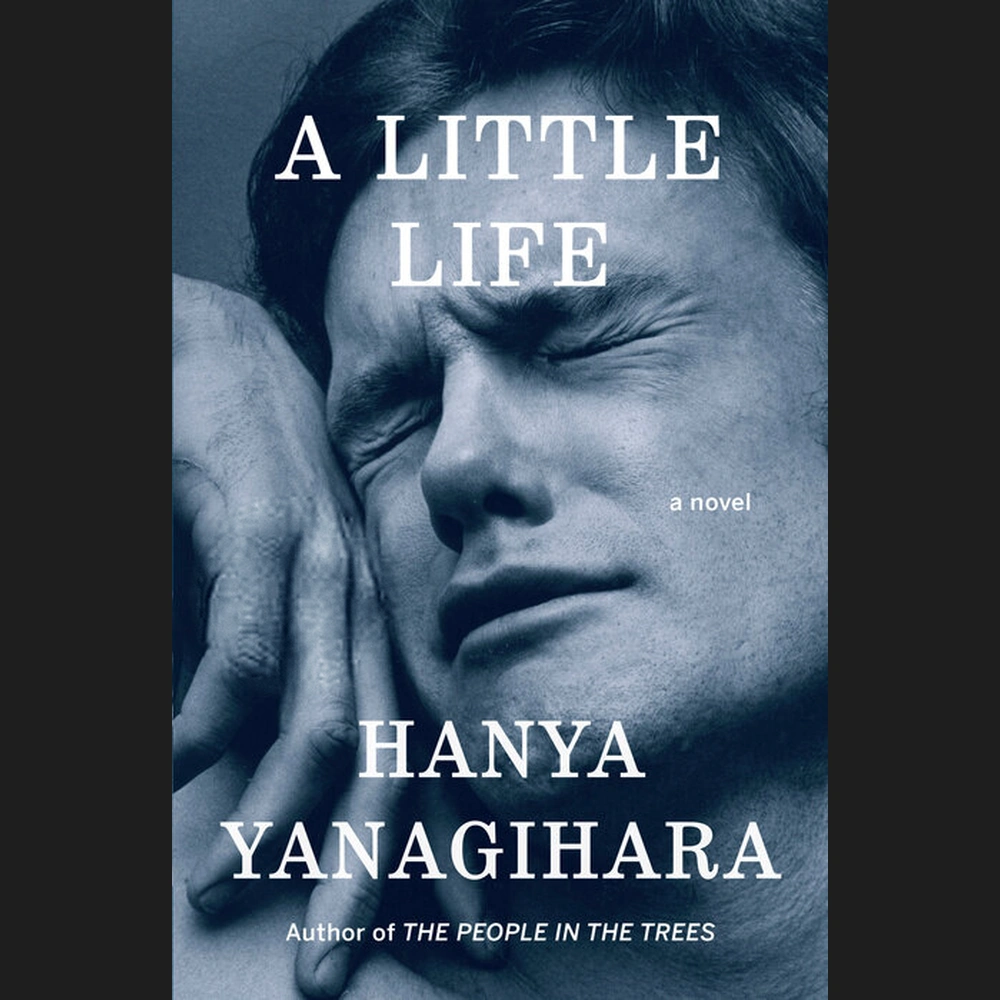
A Little Life, by Hanya Yanagihara, may be the finest novel you’ll read this year. Long, at 720 pages in hardback, it’s the most page-turning, fingernail-gripping book I’ve read since Donna Tartt’s very fine Goldfinch.

Two new poems by Maxwell Redder: “Balloons,” about a day of released balloons in remembrance of Myles, and “Ice Cream Sunday,” a run of short observations from a fountain’s rim.
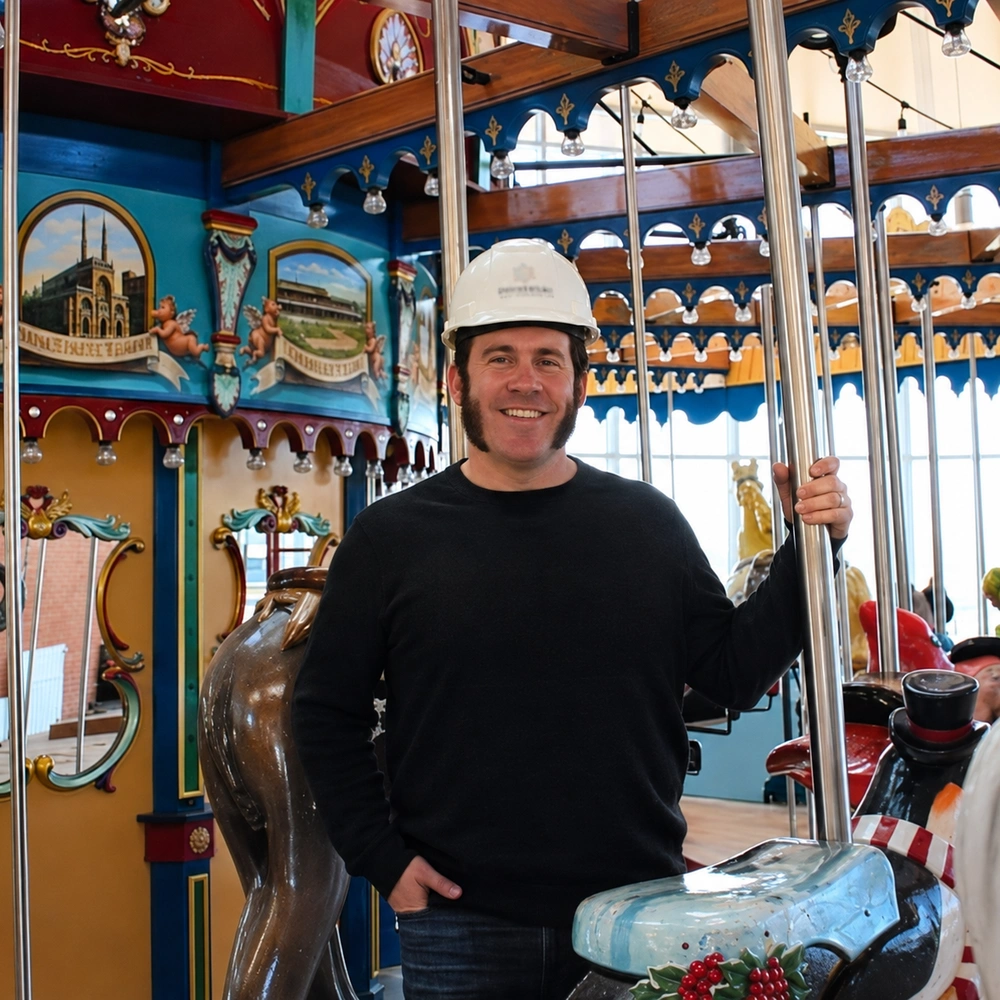
The June issue of aeqai has just been posted, again reflecting the wide variety of visual experiences available in this region, and across the nation.
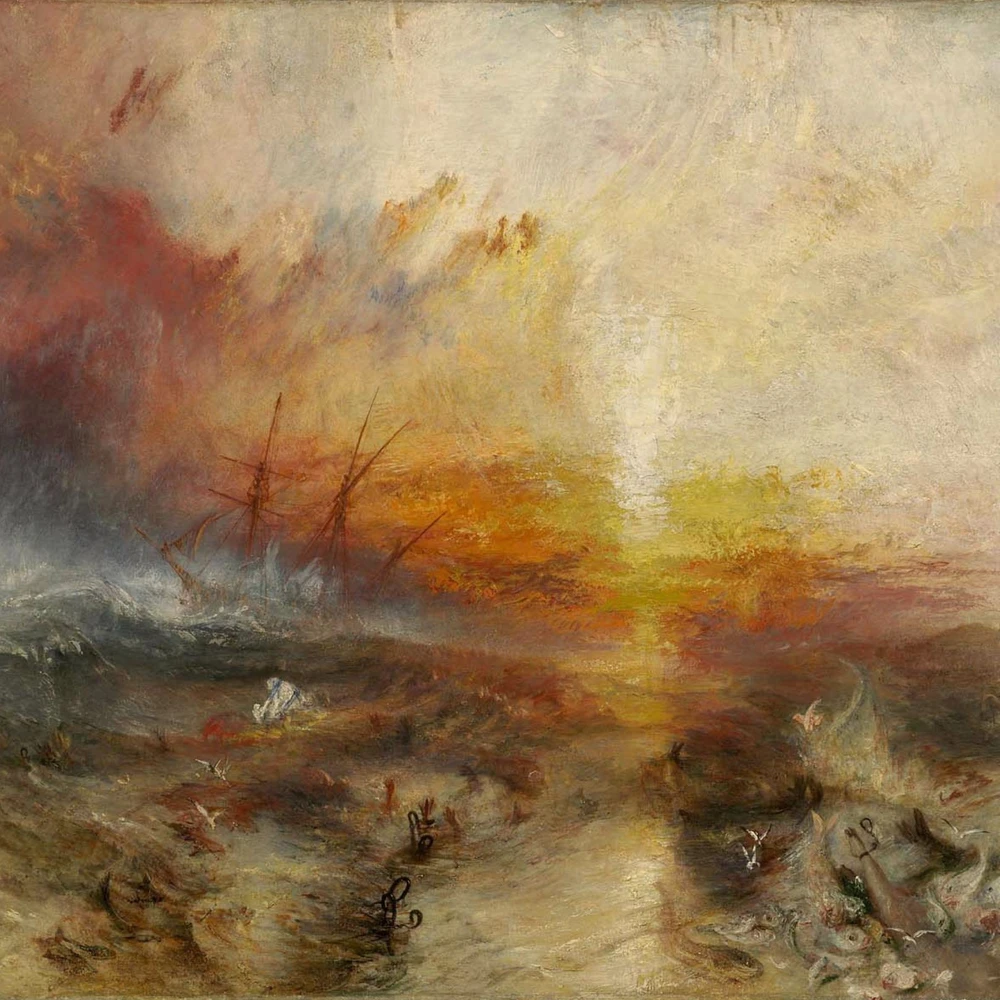
Two poems by Louis Zoellar Bickett. The first recalls the Zong, the 1781 voyage on which the captain ordered 132 sick Africans thrown overboard, knowing the insurance company would pay for their drowning. The second follows Van Gogh city by city, from Brussels in 1880 to his last stop in 1890.
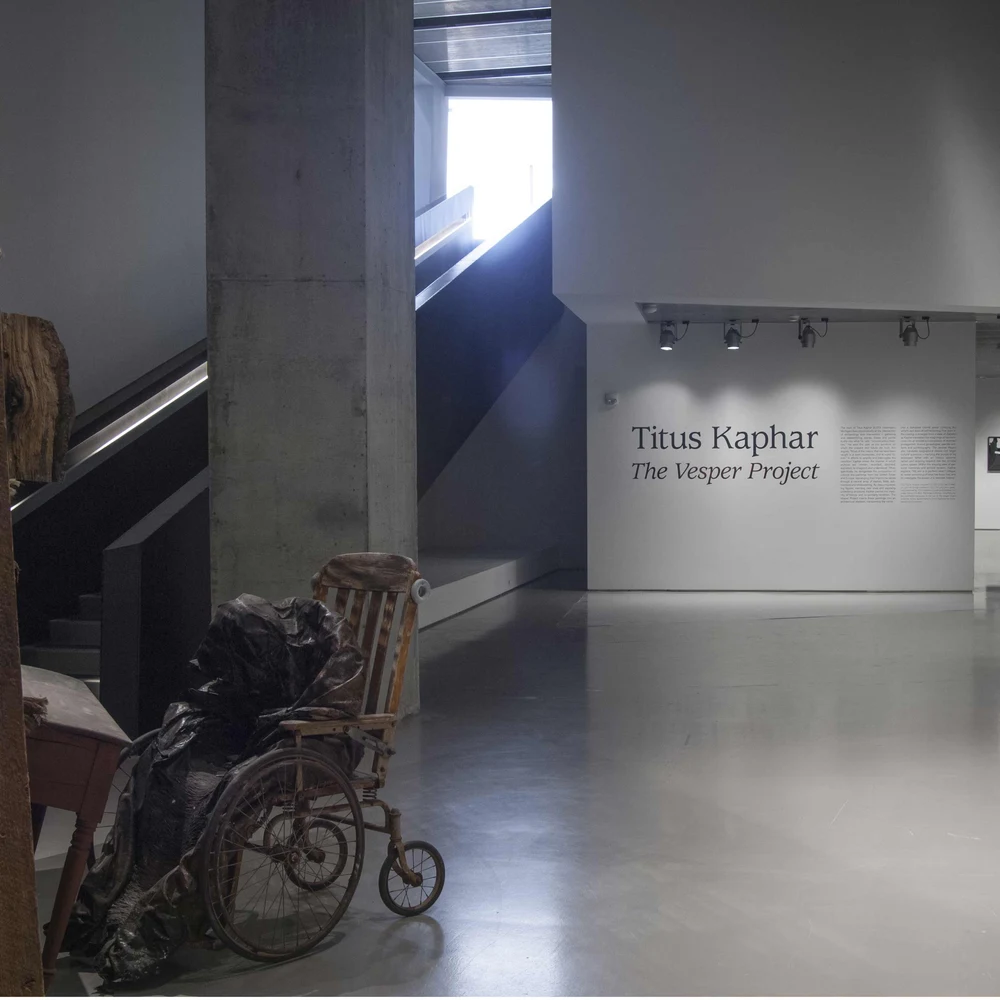
The current exhibit of Titus Kaphar’s works at the Cincinnati Contemporary Arts Center, titled “The Vesper Project,” surveys history, heredity, race, architecture, and just plain old visual art, intermingling parody, autobiography, destruction, and reinvention into a chiaroscuro carnival of unearthly but somehow palpably earthbound delights.
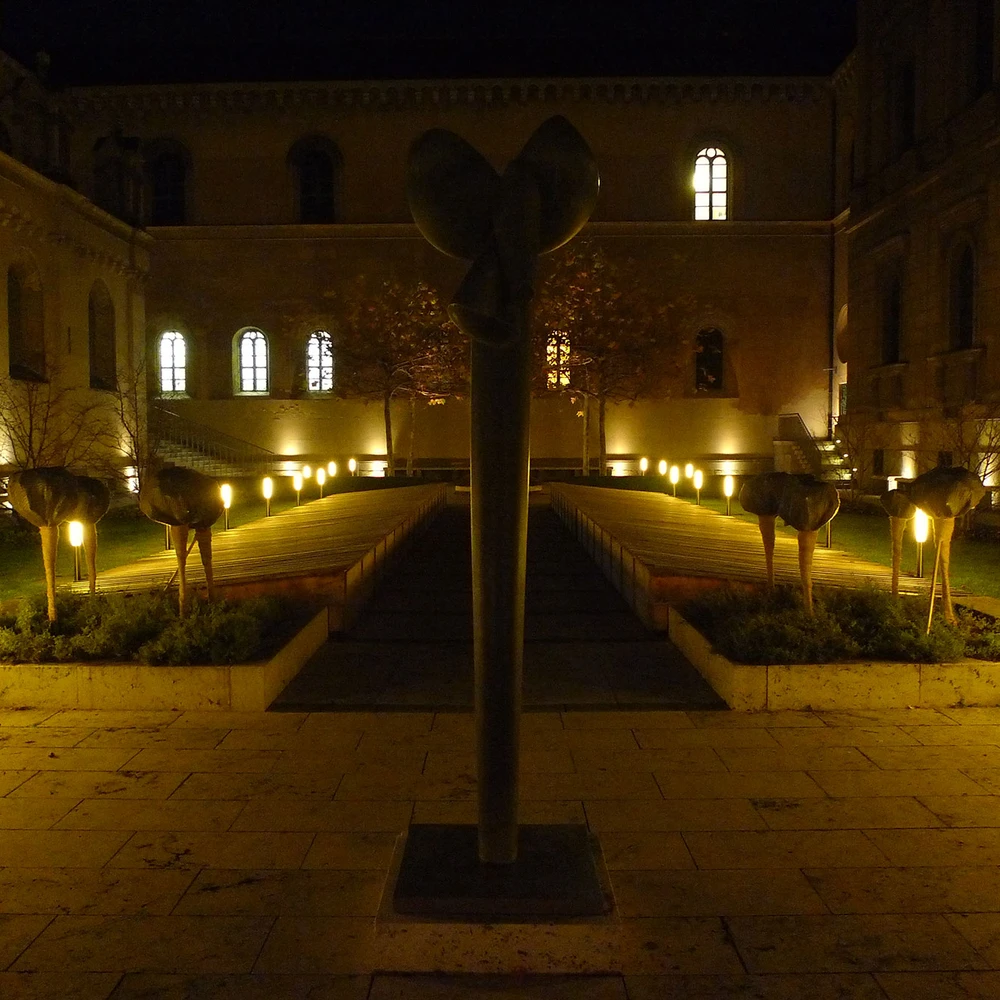
Architecture defines the visual identity of a city. It is the principal ingredient in the mix of things that gives us a sense of a place. One way to communicate urban identity is through the challenging practice of architectural photography.
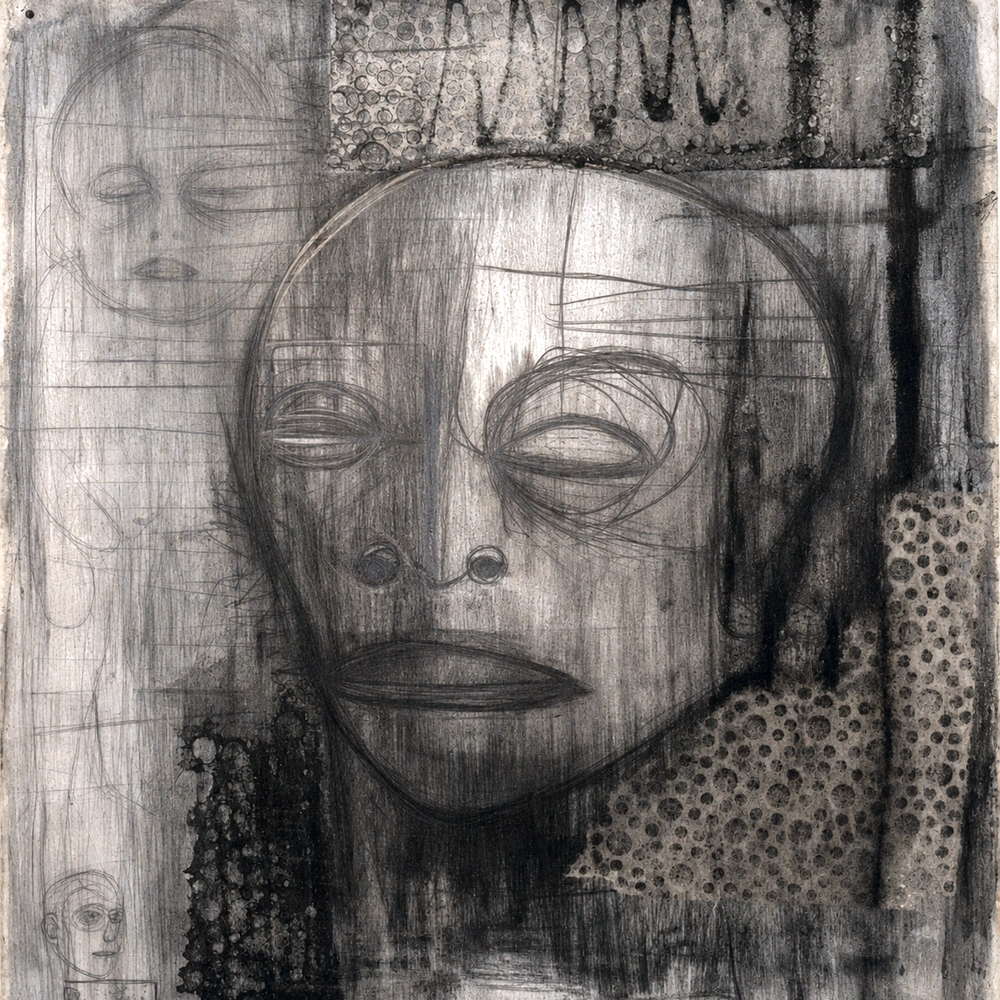
On June 11, I went to the opening reception of the retrospective art show of one of my dearest friends, Andy Fausz. Andy passed away unexpectedly Nov 10, 2012, at the young age of 36. I still cannot believe that he is gone forever and am deeply saddened every time I think of him.
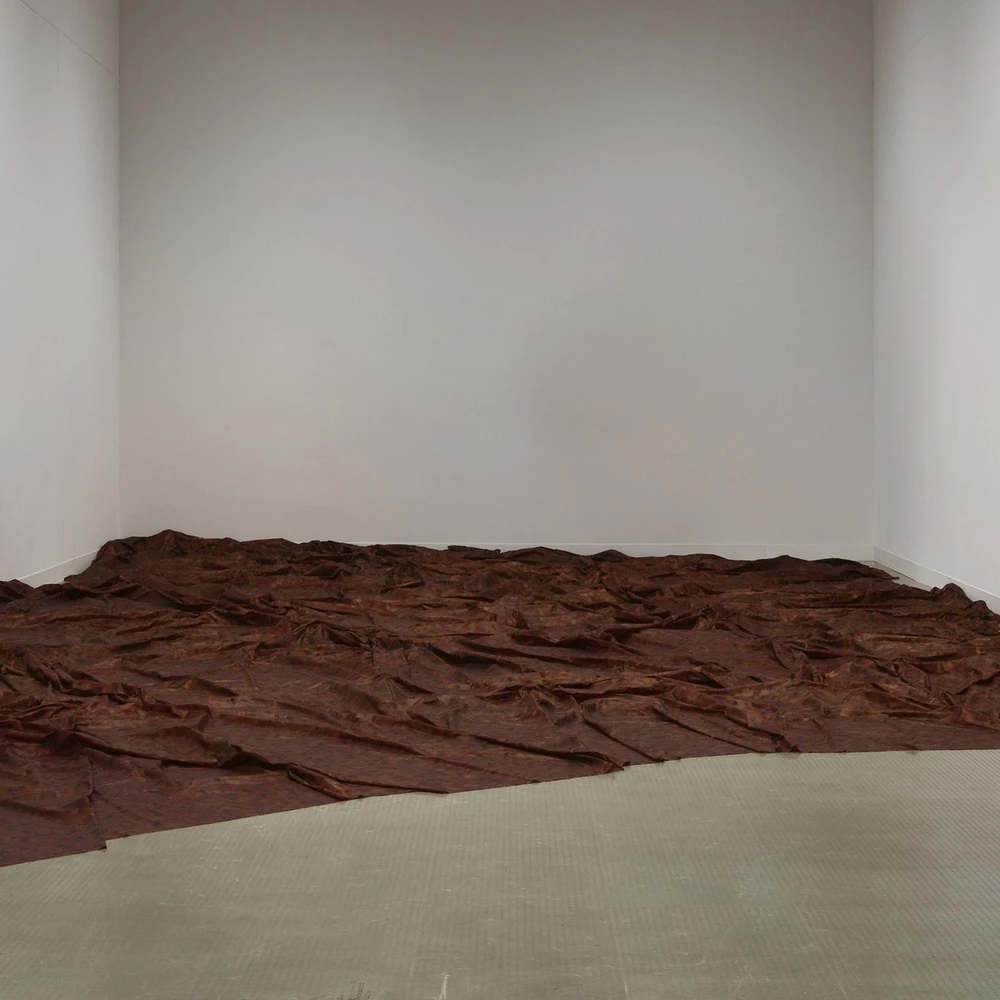
Doris Salcedo is a Colombian artist of international renown who has made sculpture for the past three decades. Her work, meticulously crafted in her Bogota studio with a team of assistants, memorializes those lost to political violence both in her home country and abroad.
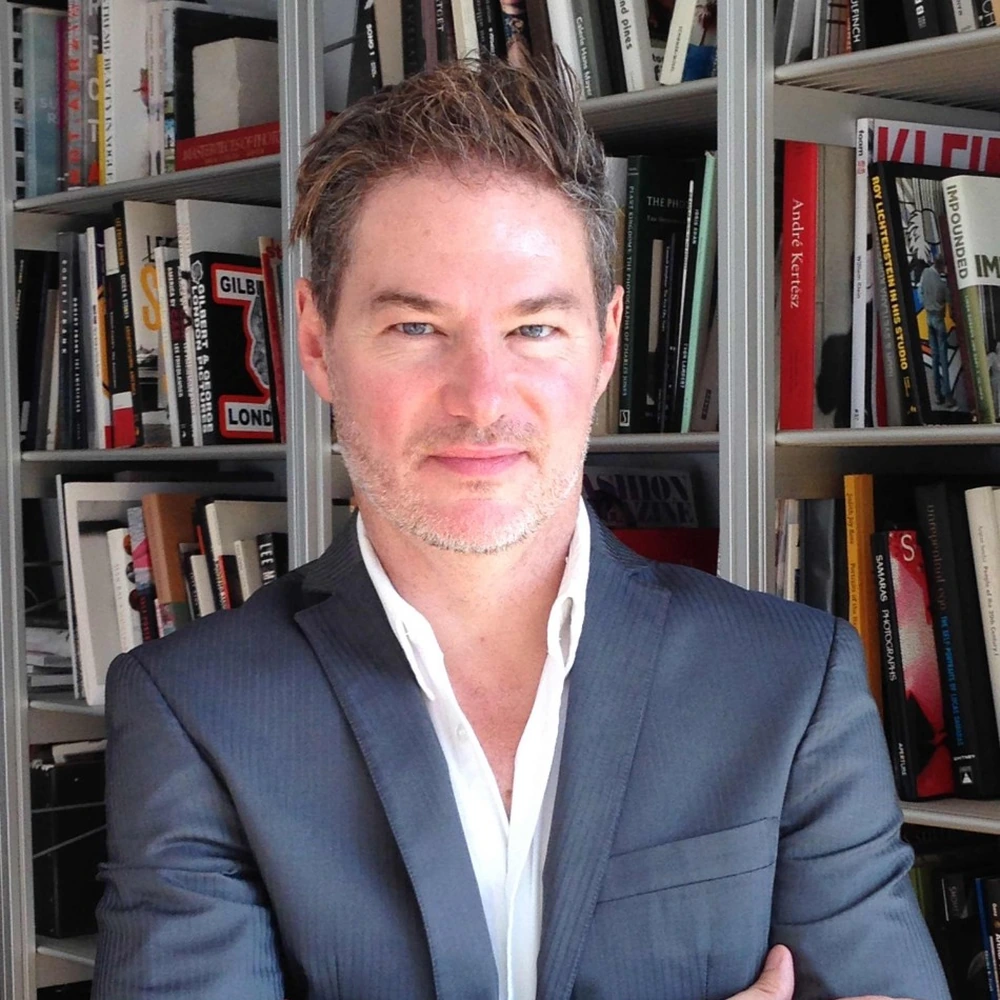
Many different memories, ideas, conclusions, and issues are beginning to surface as FotoFocus Curator Kevin Moore and the Contemporary Arts Center each look toward Fall of 2015, the 25th anniversary of the original Robert Mapplethorpe photography show, “The Perfect Moment”, and its tumultuous aftermath.
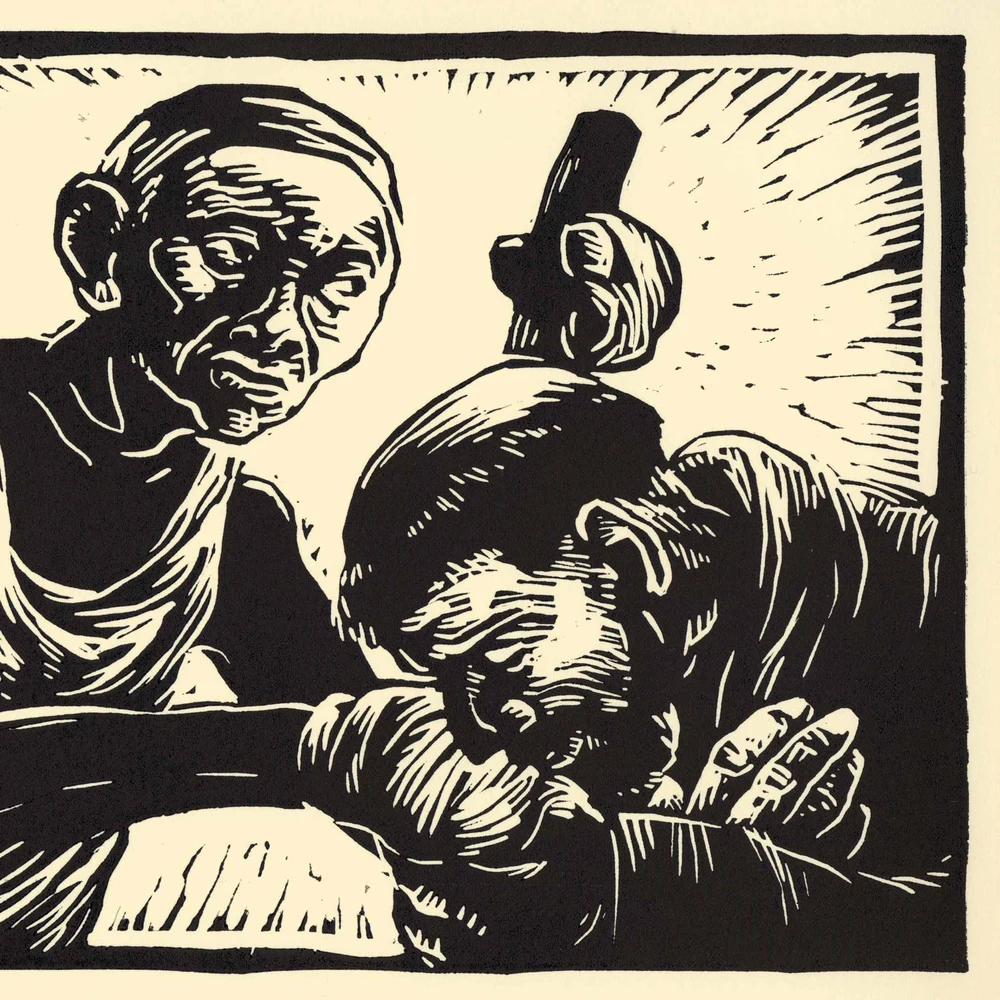
Julie Lonneman would not describe herself as an activist. Her social concerns are manifested in her everyday life choices, such as using public transportation, shopping at thrift stores and farm markets, composting, and planting wildlife-friendly native plants in her yard.
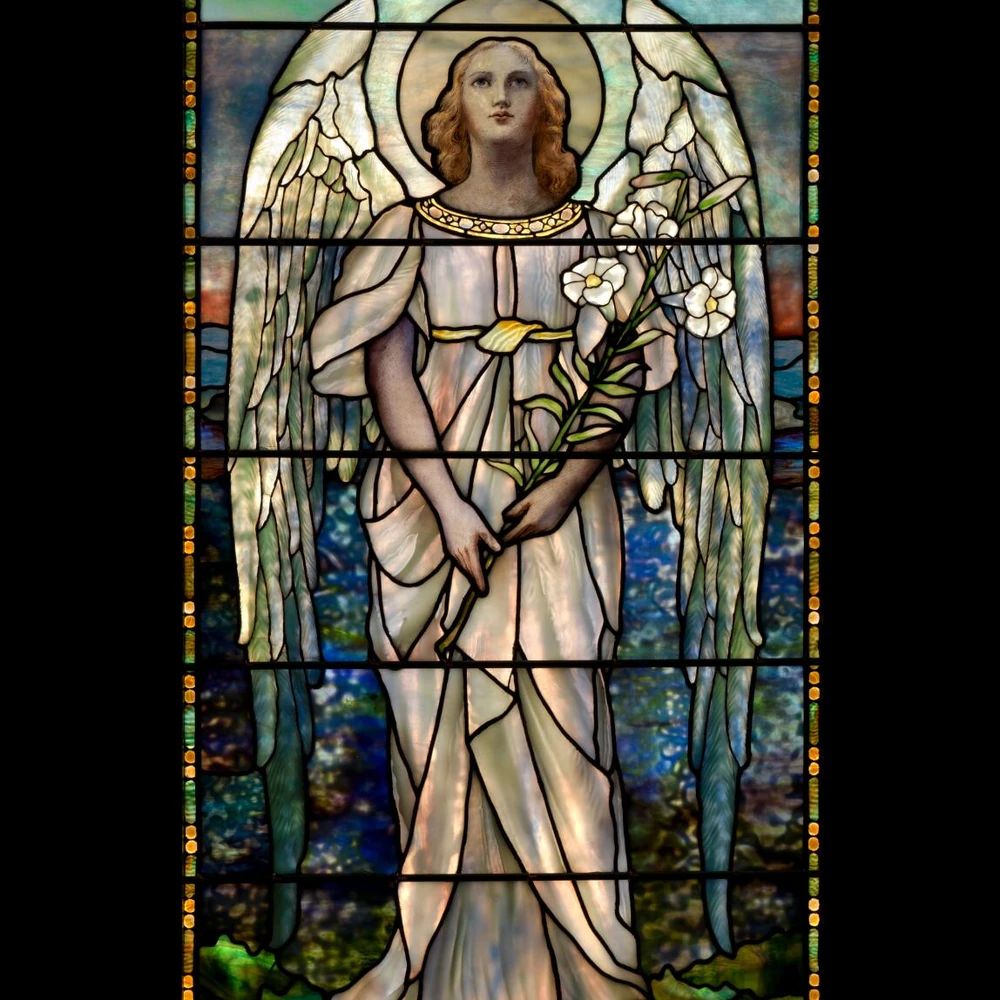
As you ascend the stairs to the just opened Nancy and David Wolf Gallery in the Cincinnati Art Museum’s second-floor ambulatory, you’re confronted with four stained glass windows made by the Tiffany Studio for Avondale’s Grace Protestant Episcopal Church and two tall glass vases, also by Tiffany.
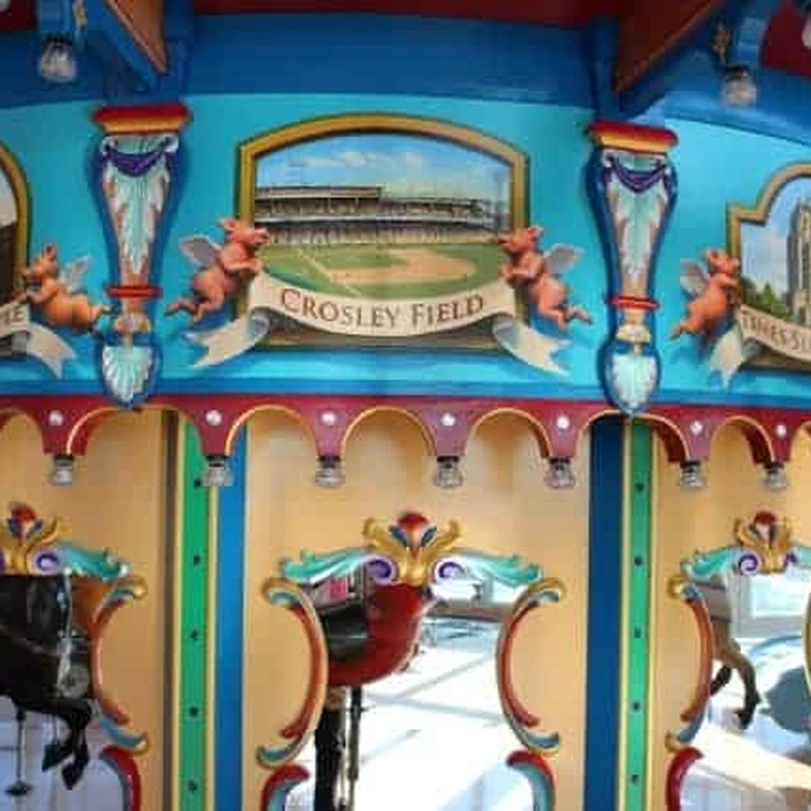
Any one who enjoys the Cincinnati Park system has monitored over the recent snowy winter with great anticipation the newest addition to the Riverfront: the John G & Phyllis W. Smale Park and the installation of Carol Ann’s Carousel that is it’s focal point.
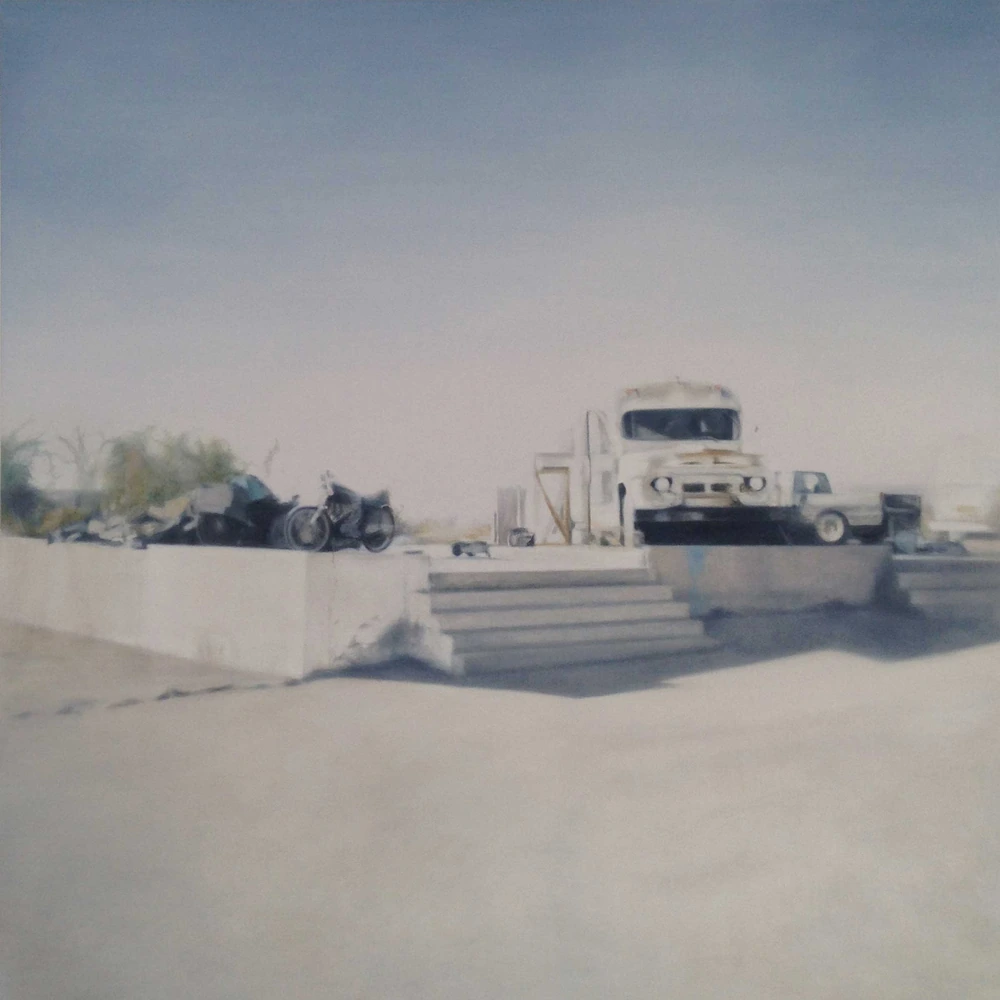
Walt Whitman wrote in the preface to the 1855 edition of Leaves of Grass, “The proof of a poet is that his country absorbs him as affectionately as he has absorbed it.” This theme manifests throughout the work of Deborah Martin, a contemporary realist landscape painter who conveys the essence inherent within marginalized communities that exist on the fringes of American society.
