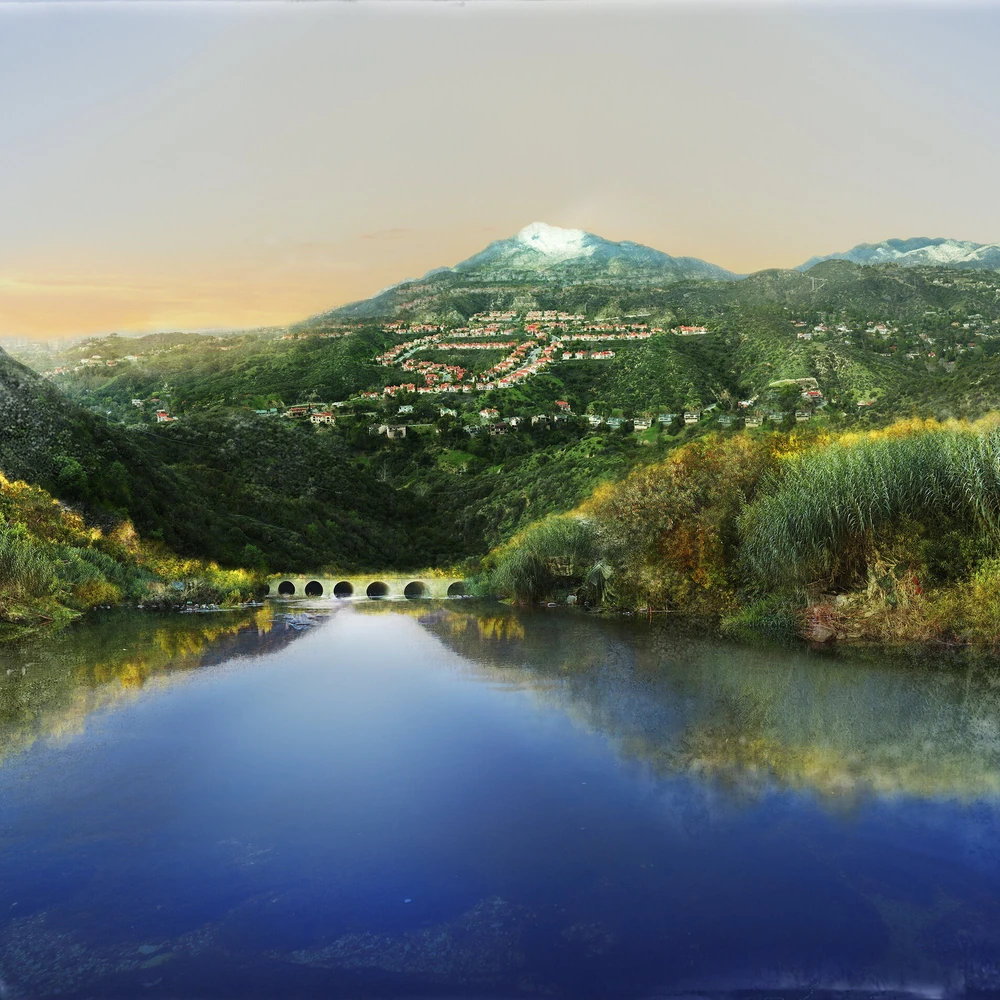
Elena Dorfman spent two years photographing the Los Angeles River for her series Sublime: The L.A. River, now being exhibited in the Weston Gallery. The river, paved in 1938 after a particularly bad flood following a long series of deluges, has now become a hybrid of nature and urban neglect.
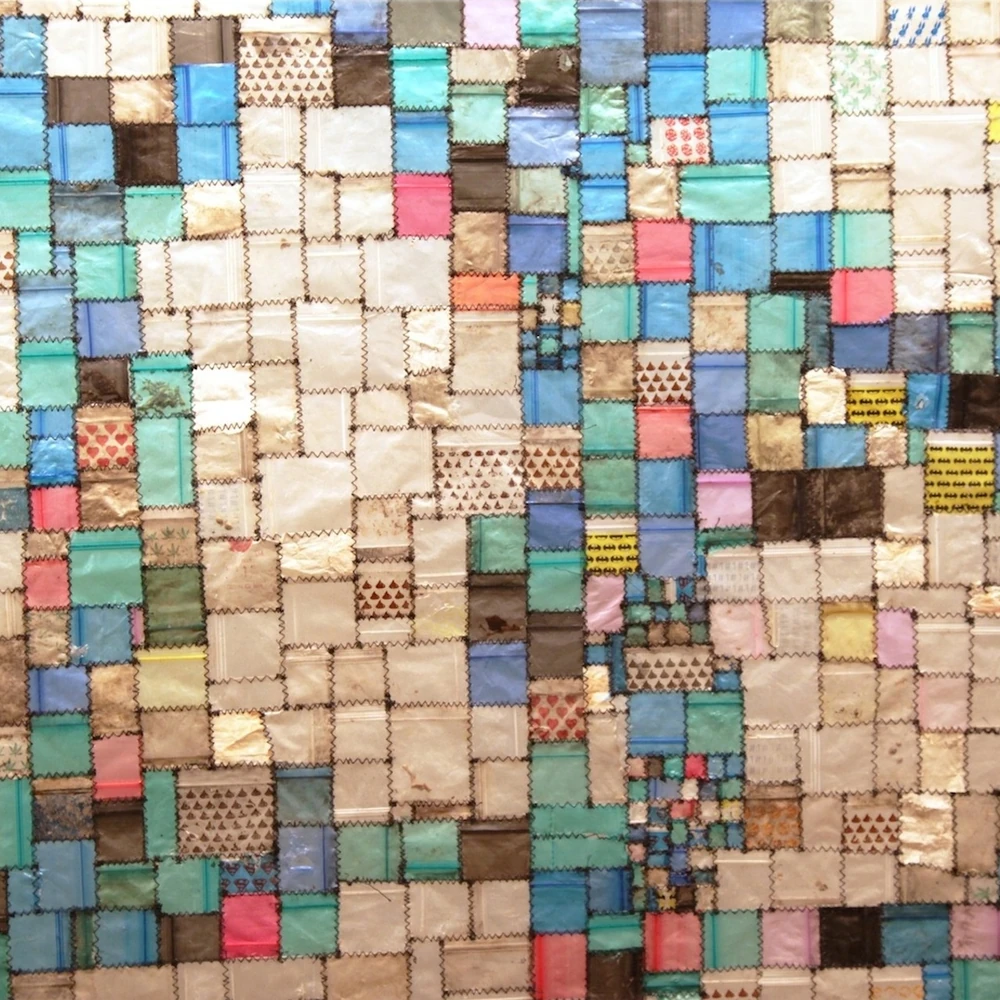
A Thousand Invisible Threads | Mapping the Rhizome at the Herndon Gallery at Antioch College, finds its influence from Deleuze’s and Guttarai’s postmodern classic, A Thousand Plateaus.
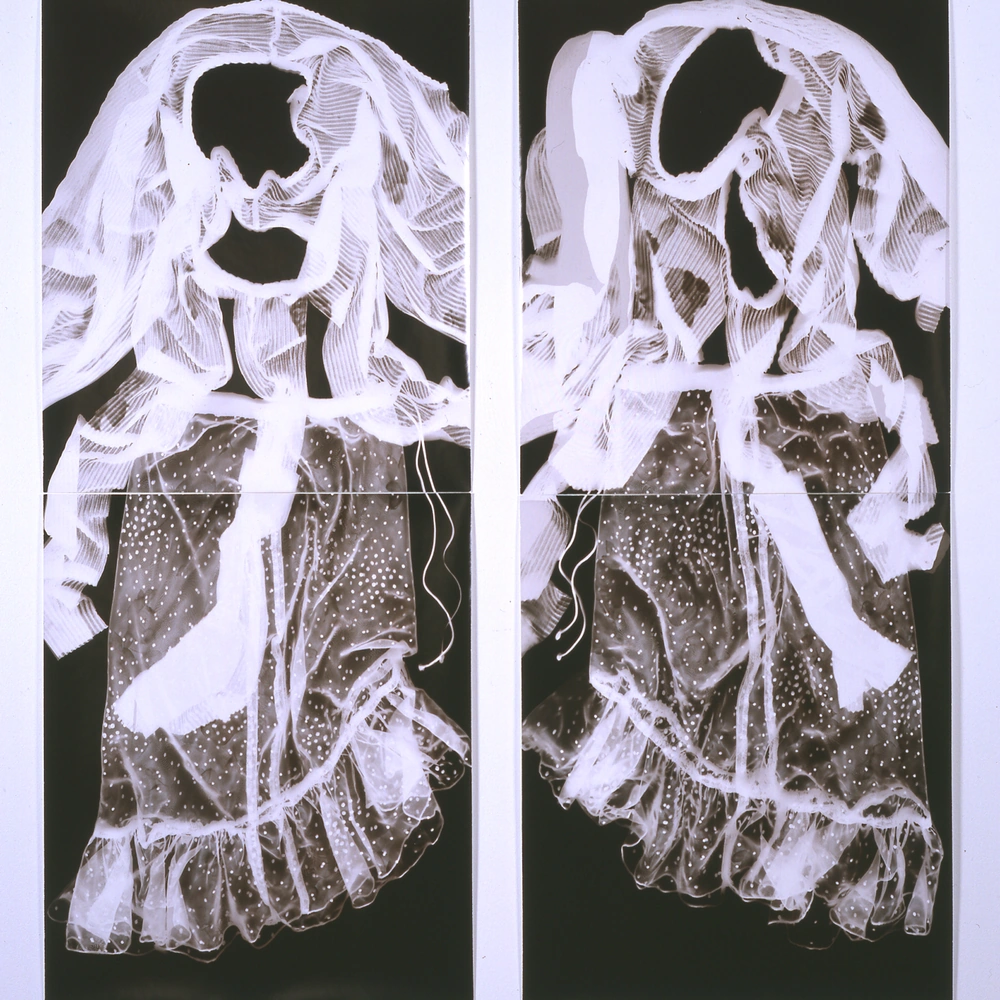
Aeqai is sponsoring its annual fundraiser on November 10, 2015 from 6:00 p.m. to 9:00 p.m. at The Weston Gallery located in The Aronoff Center for the Arts.
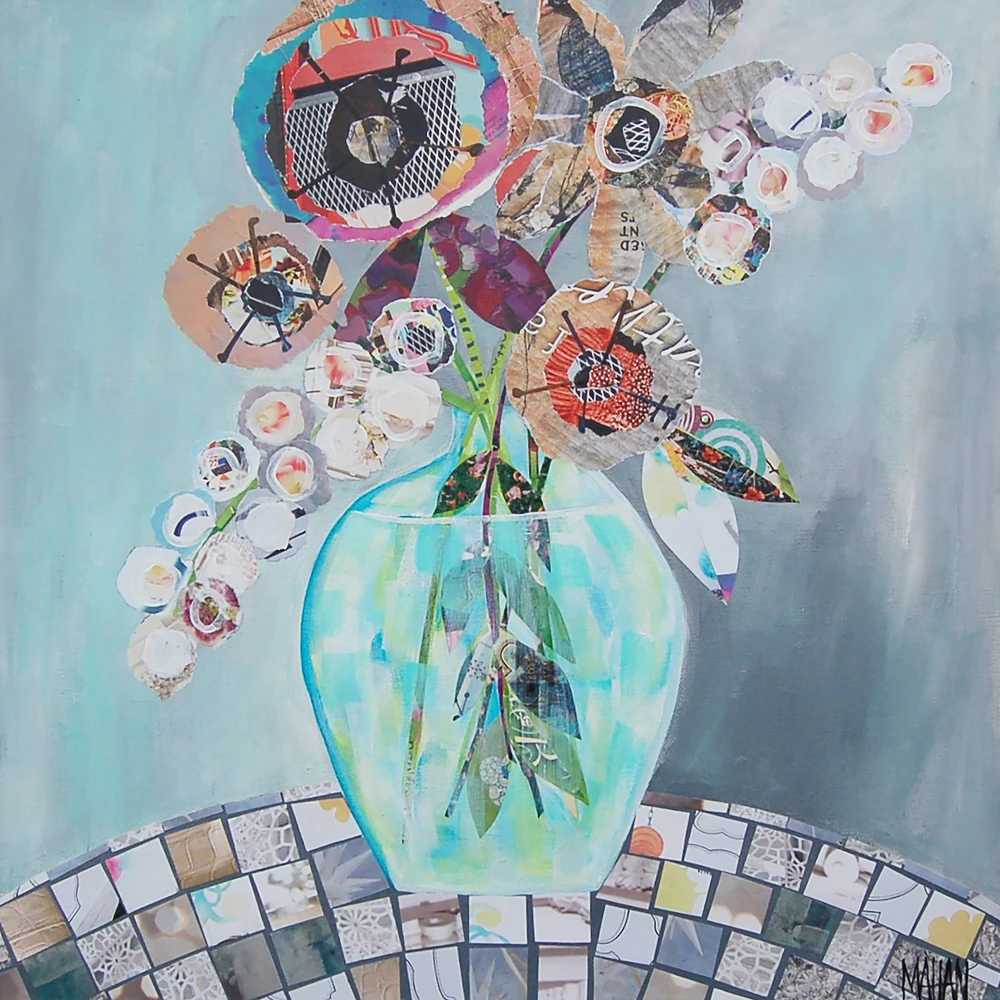
From the moment you ascend the staircase at the YWCA Women’s Art Gallery to see “Last Splash of Color,” you are struck by a sense of harmony. This is due in part to similarities in the color palettes used by Susan Mahan, Paula Wiggins, and Ursula Brenner, three highly-skilled, well-established Cincinnati artists. But color alone does not account for the way the work of these women seems to belong together.
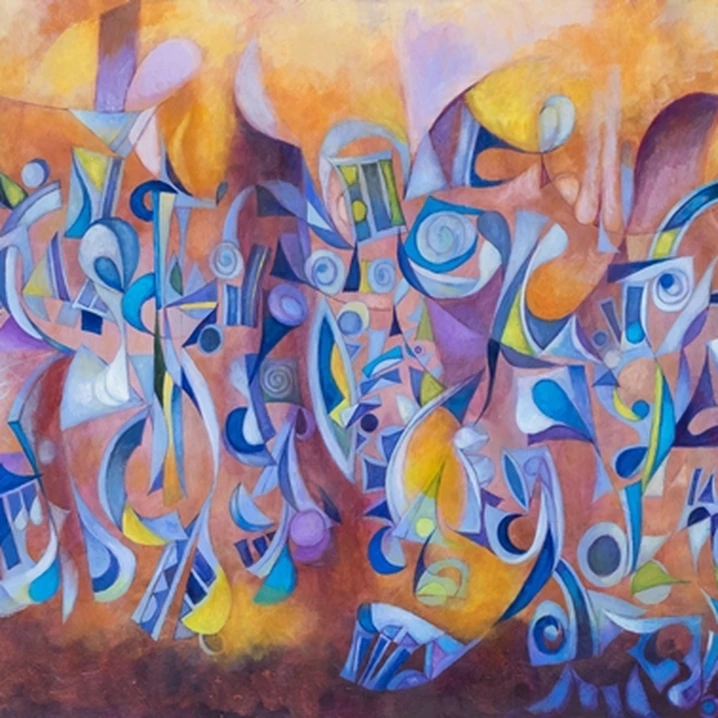
Cedric Michael Cox is currently exhibiting an array of his colorful abstractions at Clifton Cultural Arts Center. Entitled “Talking Blues”, the exhibit presents a body of larger and intermediate sized full color paintings supported by several graphite studies.
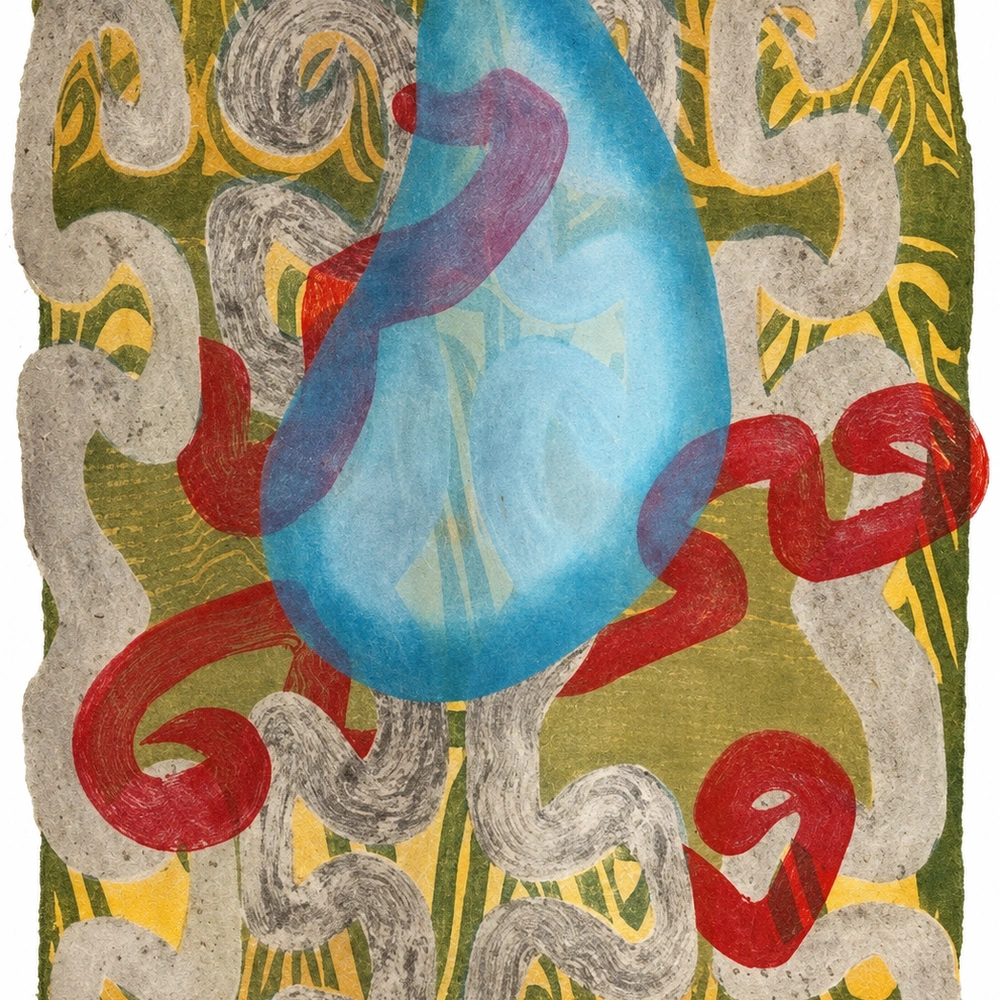
‘Tis the season for tricks and treats, which leads to Clay Street Press presenting Frank Herrmann: Monotypes and Other Works. The tricks are the manipulations that Herrman and printer Mark Patsfall invented as they “played” with the monoprint medium.
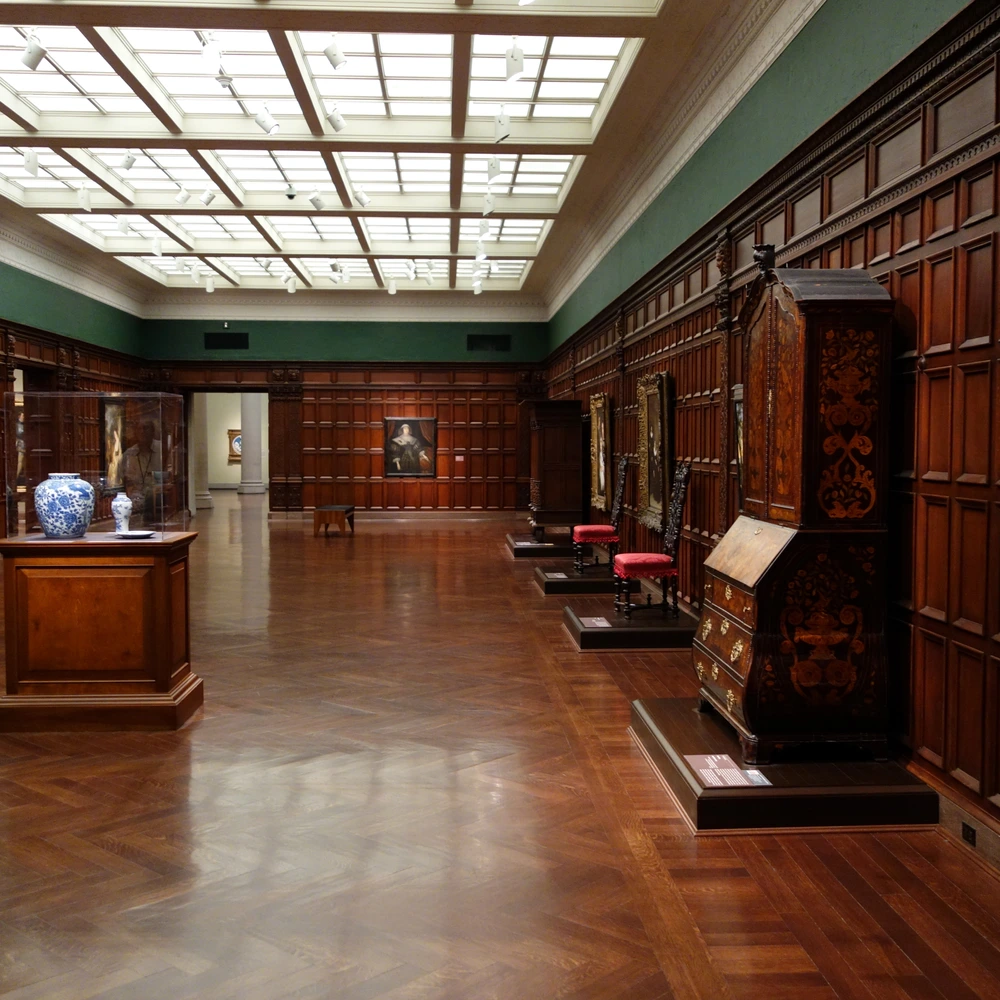
The month of October always brings with it not only glorious weather, but some of the most fascinating art shows tend to appear during this month every year, and 2015 is no exception.
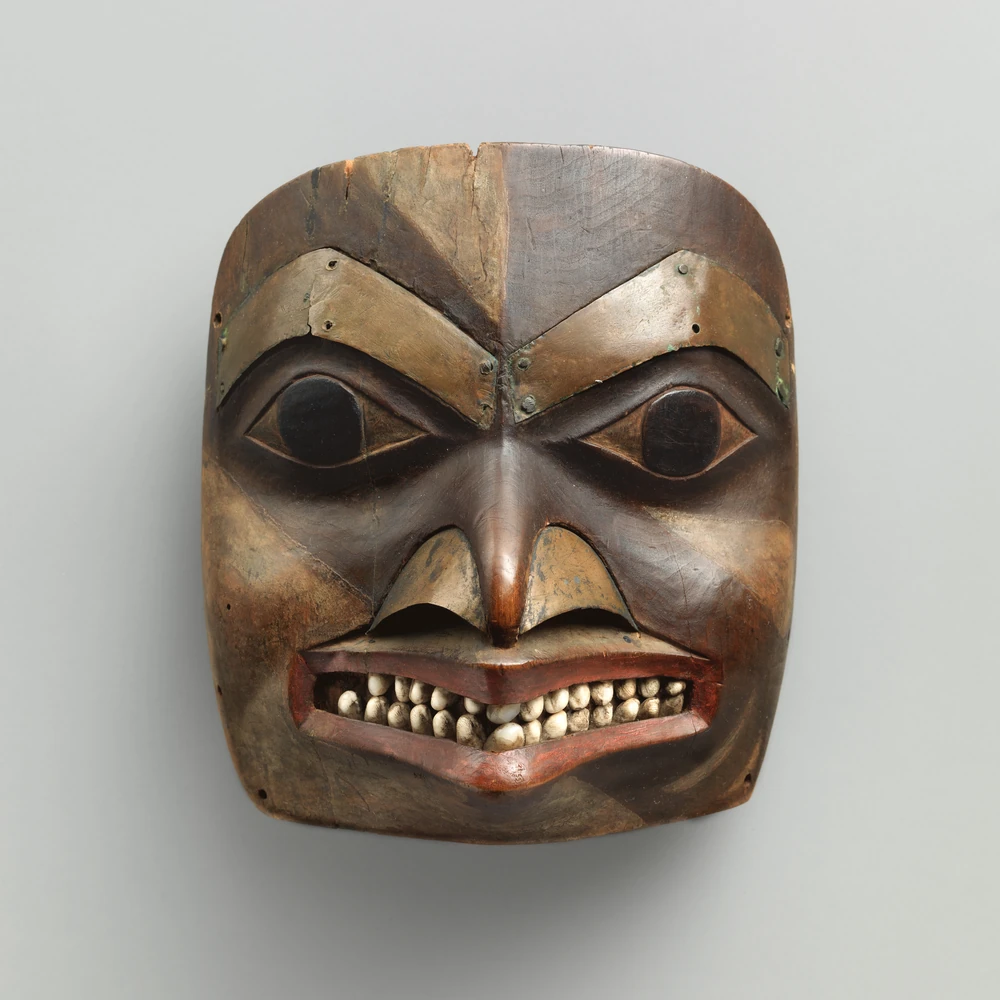
An Atlanta visitor might easily miss Emory University’s Michael C. Carlos Museum, but as a frequent traveler there I’ve learned to stop by. Temporary shows are interesting and the permanent collection itself is fine. The building, designed by the late Michael Graves relatively early in his career, gives thoughtful attention to what it houses and is a good setting for what goes on there.
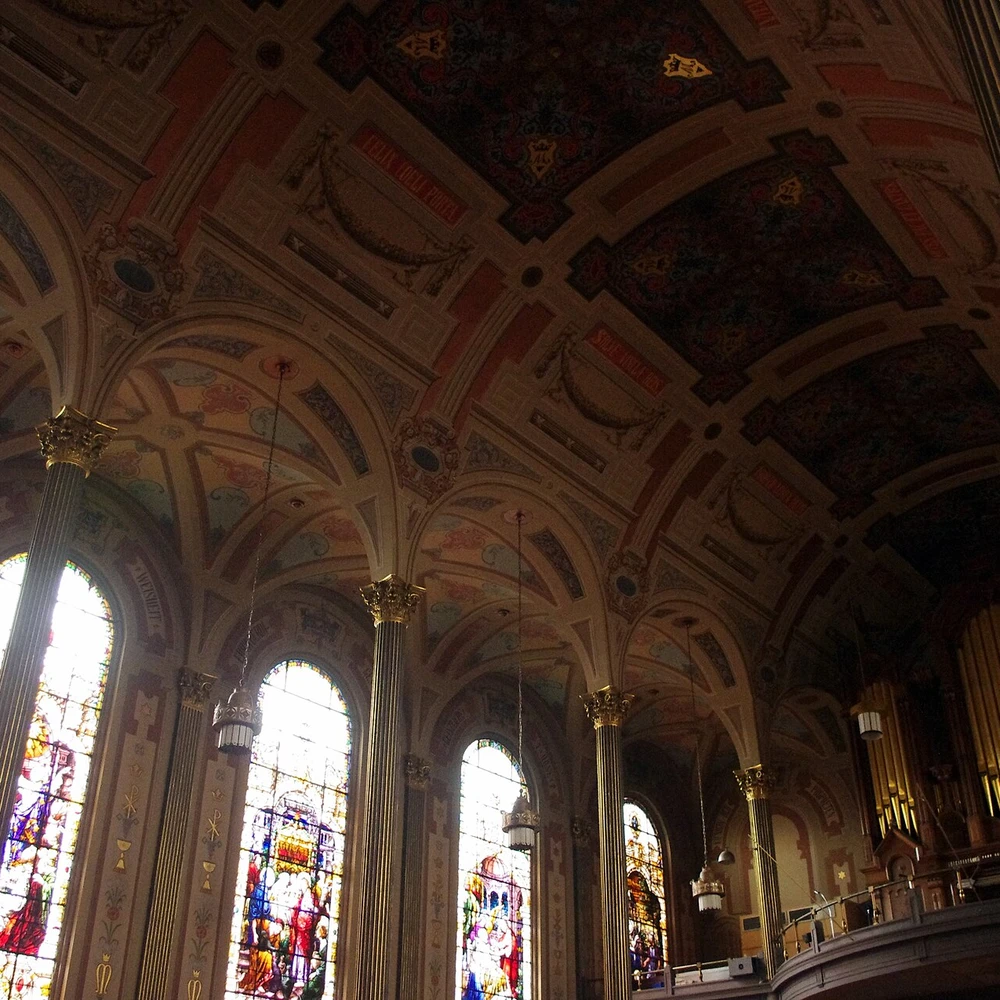
On Oliver Street, a road without a sign in the West End, lies a four-story brick building, which is the studio and home of divorced artist Marlene Steele, who has lived there since 1987. She often paints her neighborhood, which is inner city, urban and industrial.
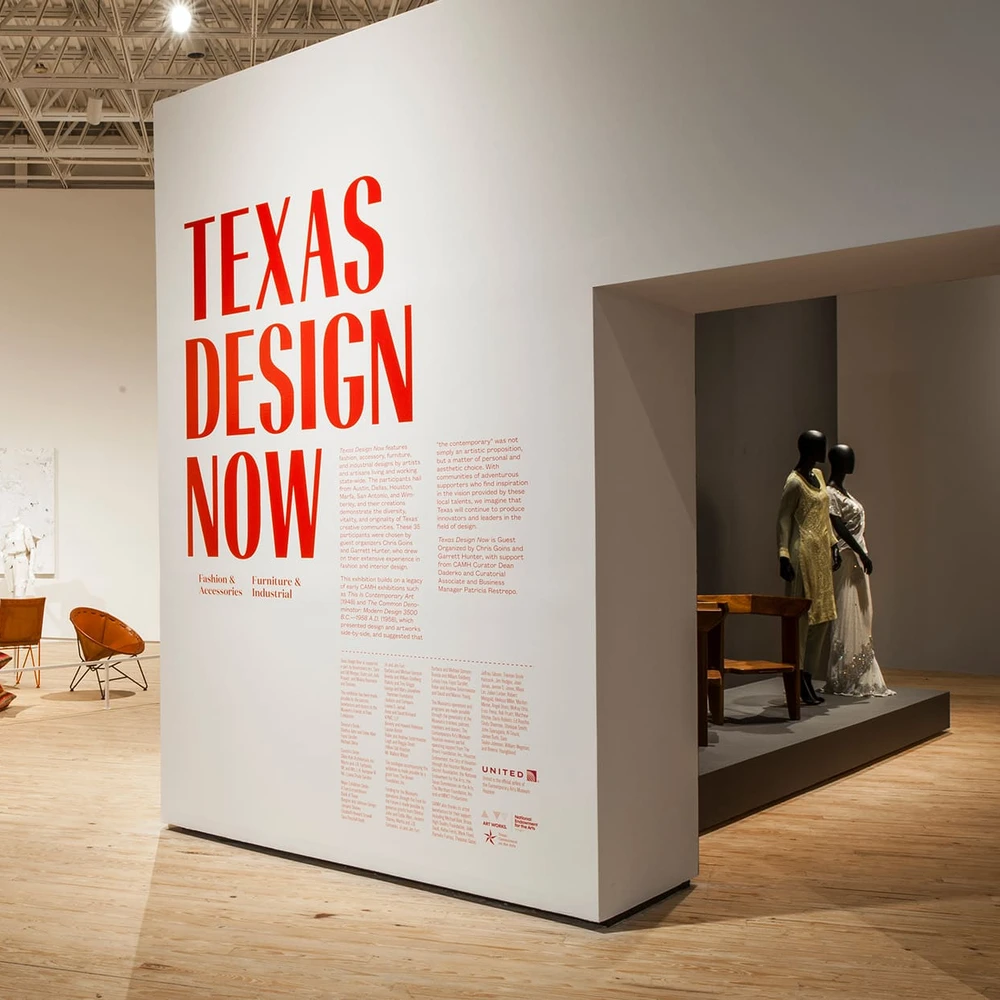
Despite featuring the work of 35 Texas designers, nothing feels jumbled about “Texas Design Now.” Impressively curated, these works satisfy on a thoroughly contemporary plane, elevating the pop appeal of the flashy images of our sound-bite assembly-line society.
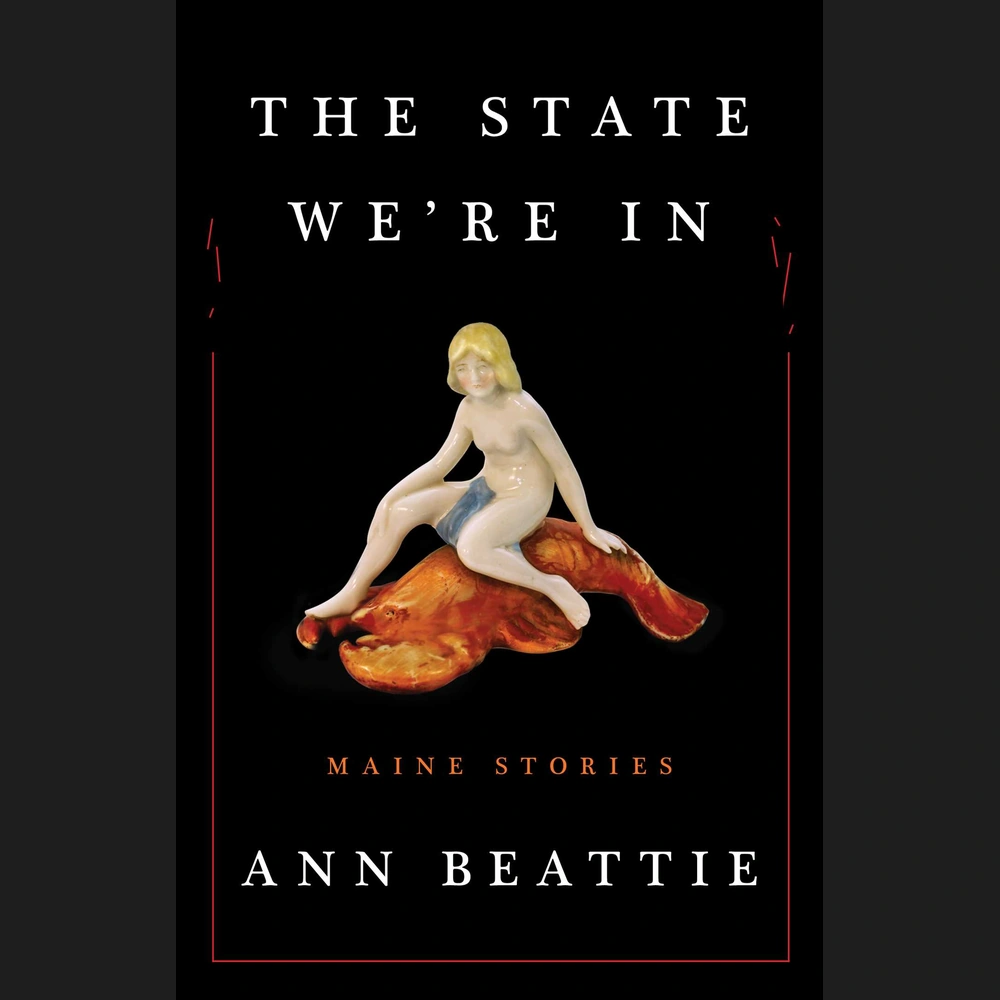
New stories by Ann Beattie are a literary event, because of the rarity of them. Her new work appears under the title The State We’re In: Maine Stories, a relatively slim volume of mostly connecting stories (fifteen in total).
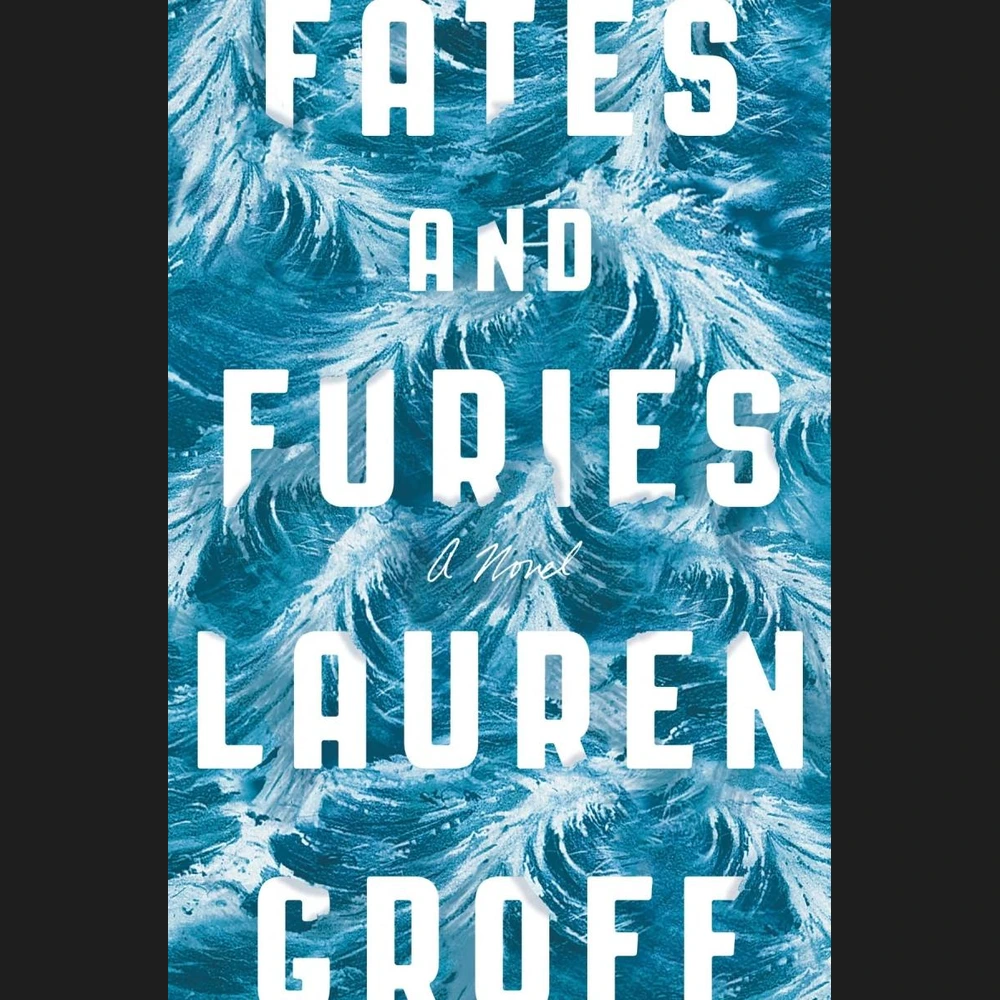
Ever since I’d read Lauren Groff’s novel Arcadia, which landed on my ten best novels of the year a couple of years ago, I have been looking forward to her next offering.
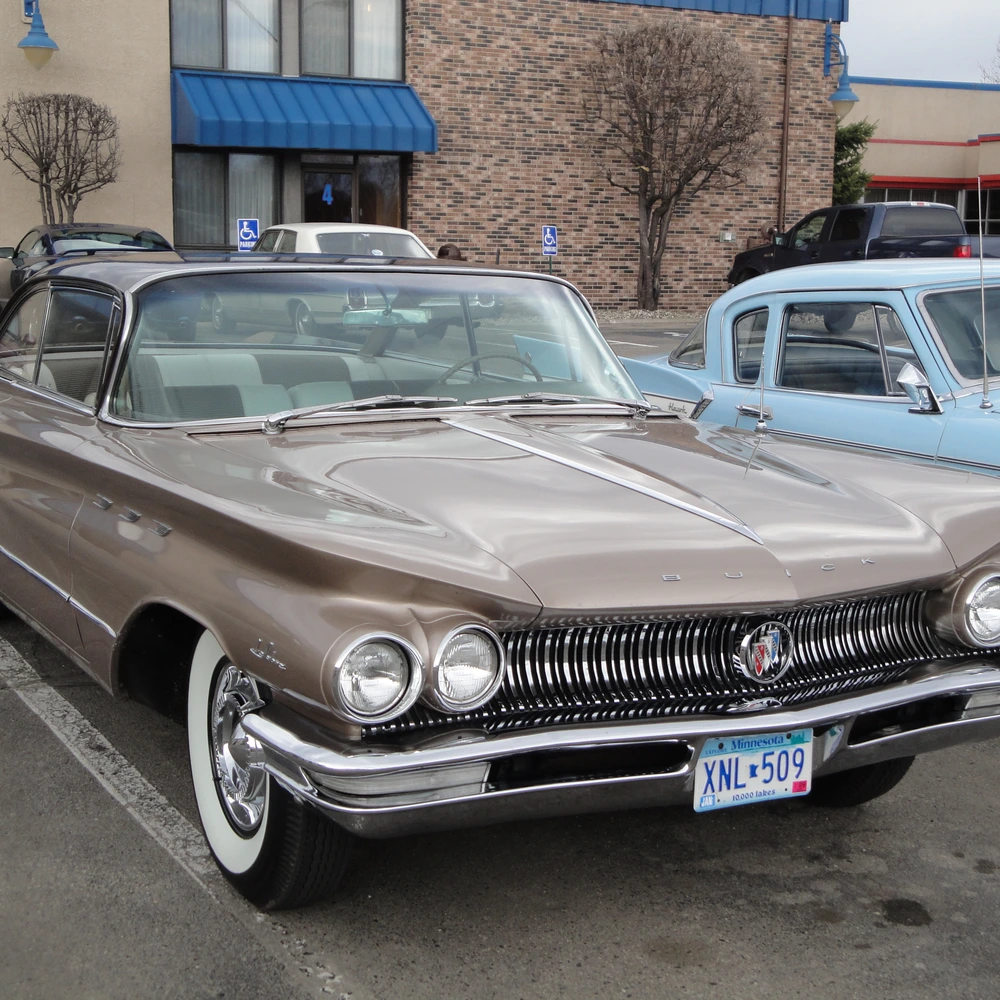
Photographer Brad Austin Smith’s body of work contains a lot of bodies, including his own. One of his more iconic black-and-white images is of his unclothed body classically posed – reminiscent of a Michelangelo marble sculpture.
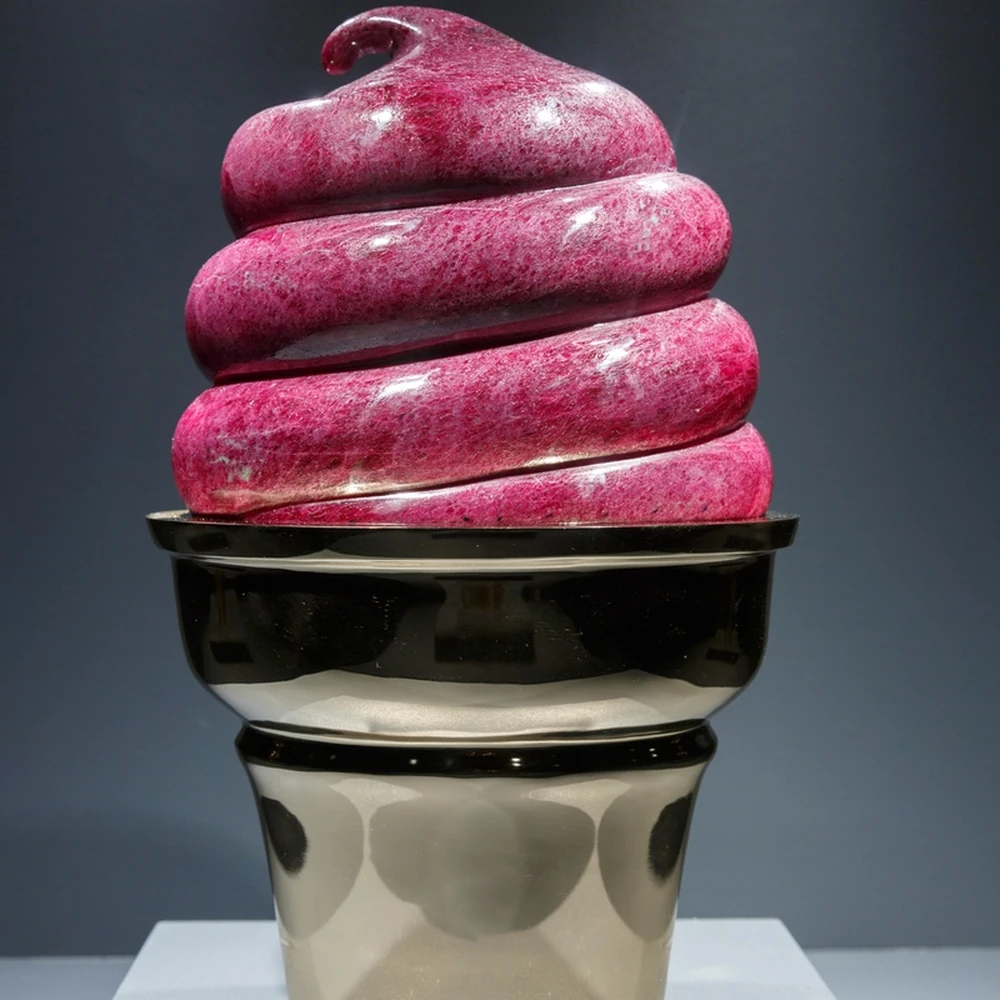
Mark Mothersbaugh’s Myopia at the Contemporary Arts Center turns severe nearsightedness, the Kent State shootings and Devo’s “de-evolution” into a fantasy playland of masks, rubies and bird whistles.
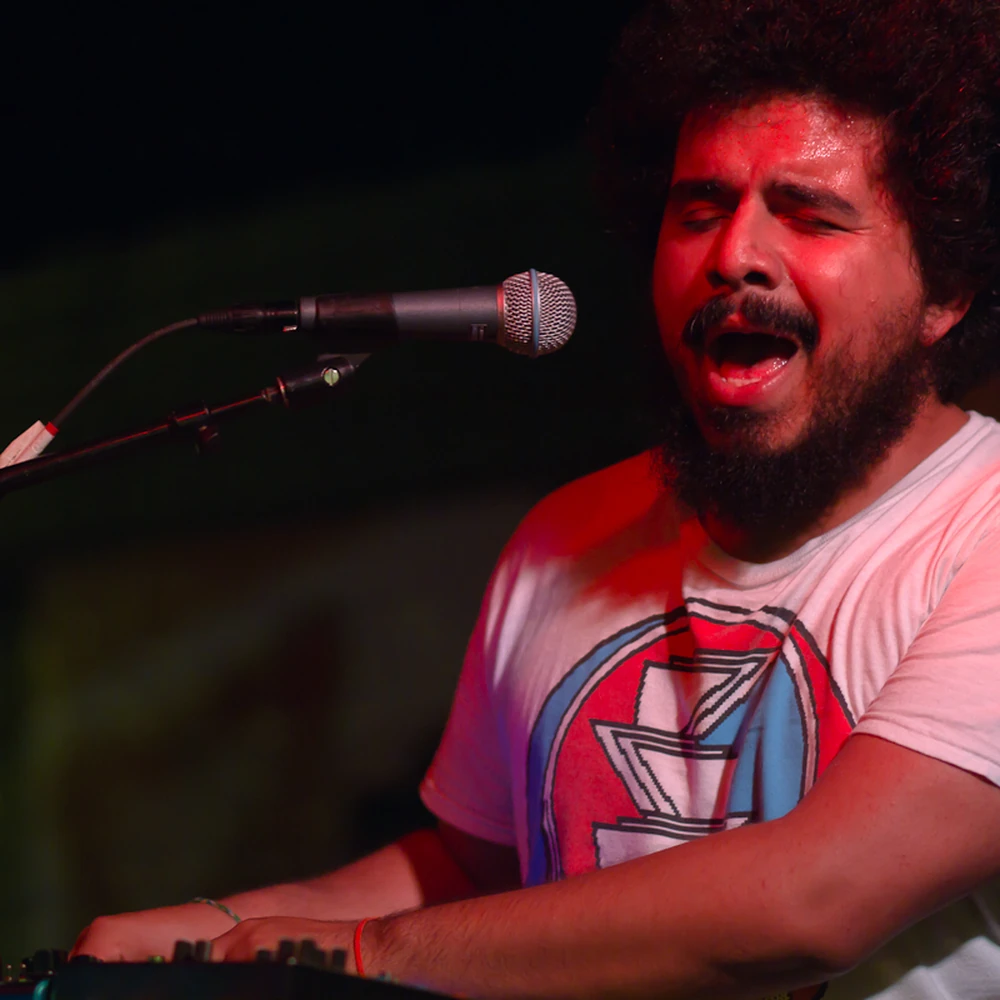
It isn’t my proclivity to fidget during performances but during this show was absolutely squirming in my seat. The sweet sounds of Helado Negro (which translates to ‘Black Ice Cream’) and the visual nature of the exhale dance tribe cloaked in silver strings of reflective material kept me bouncing my leg and tapping my fingers like a bored 5th grader.
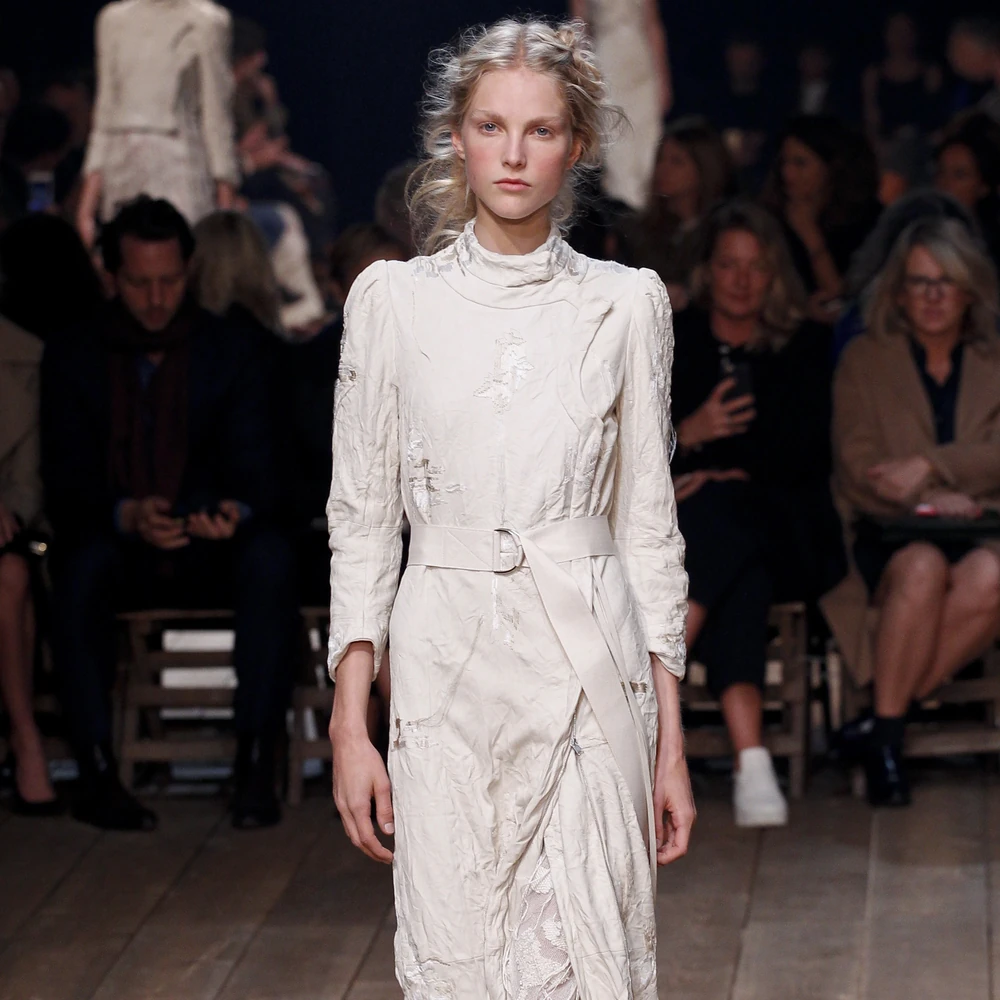
When we last left off, the fashion community was migrating eastward witnessing designers’ Spring 2016 collections. The month started in New York and then moved onward to London, Milan, and Paris. As is par for the course, the most intriguing fashion came from the City of Lights with Lanvin, Chanel, and Valentino among the heavy-hitters who all brought something new to the table.
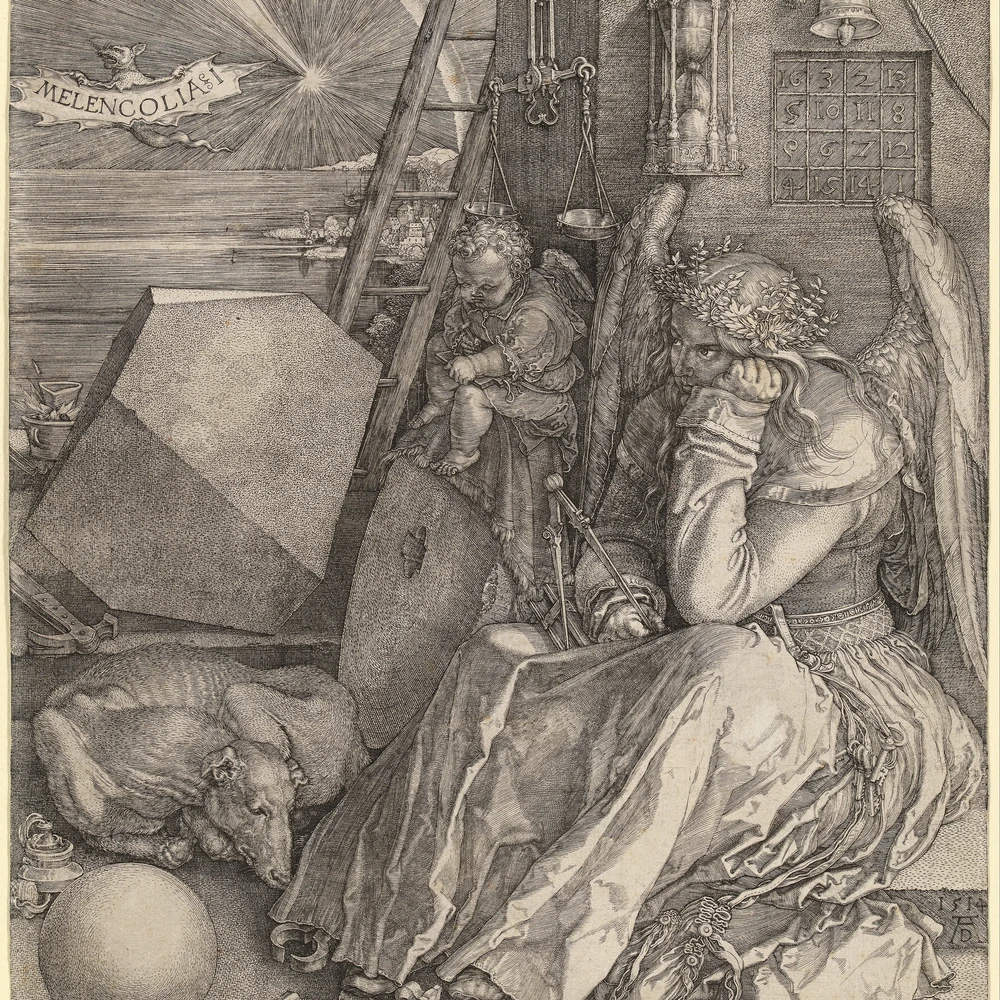
Lisaann Cohn’s recent small-format drawings in black and white inspire frequent comparisons to the work of illustrator Edward Gorey. However, at closer glance, her richly symbolic work shares a greater kinship with that of the Surrealists and other influences, such as Renaissance engraver Albrecht Dürer.
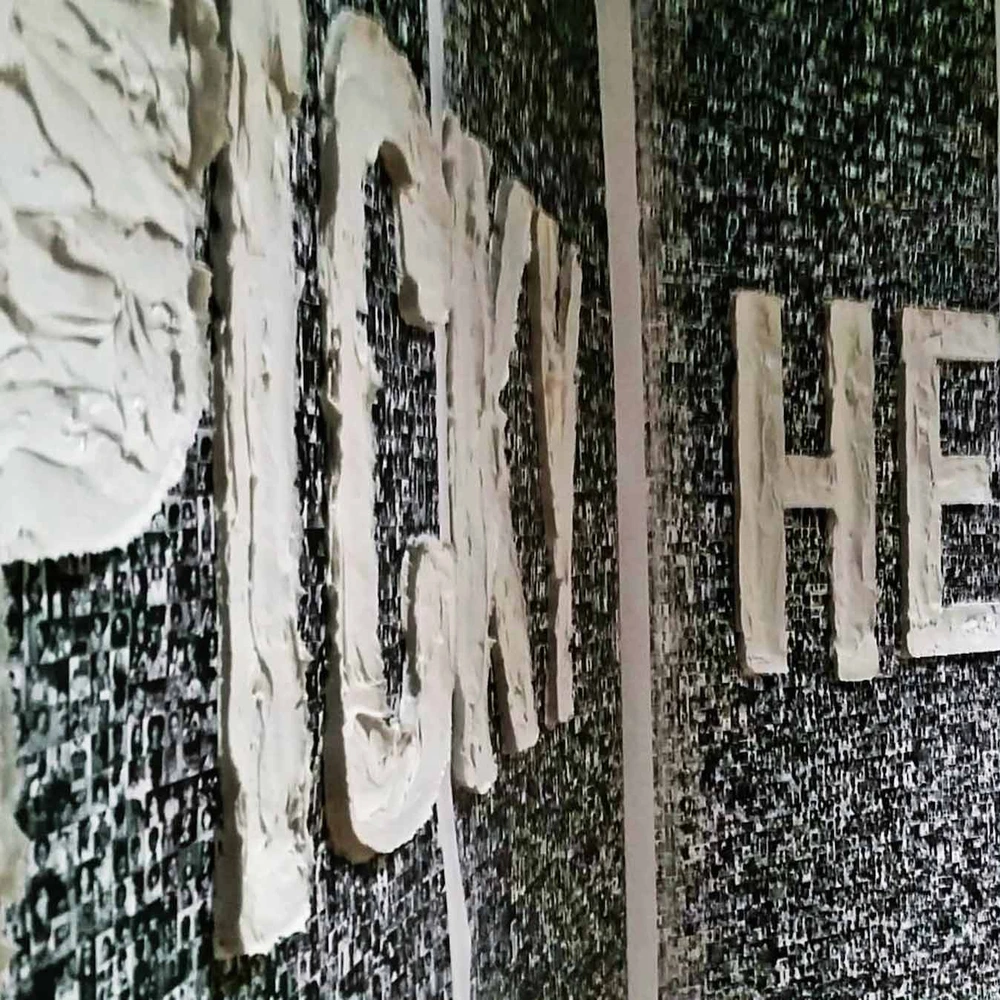
It’s difficult to believe that our country’s canonized definition of art history continues to lack a comprehensive representation of the various contributions that African American artists have made to abstract painting.
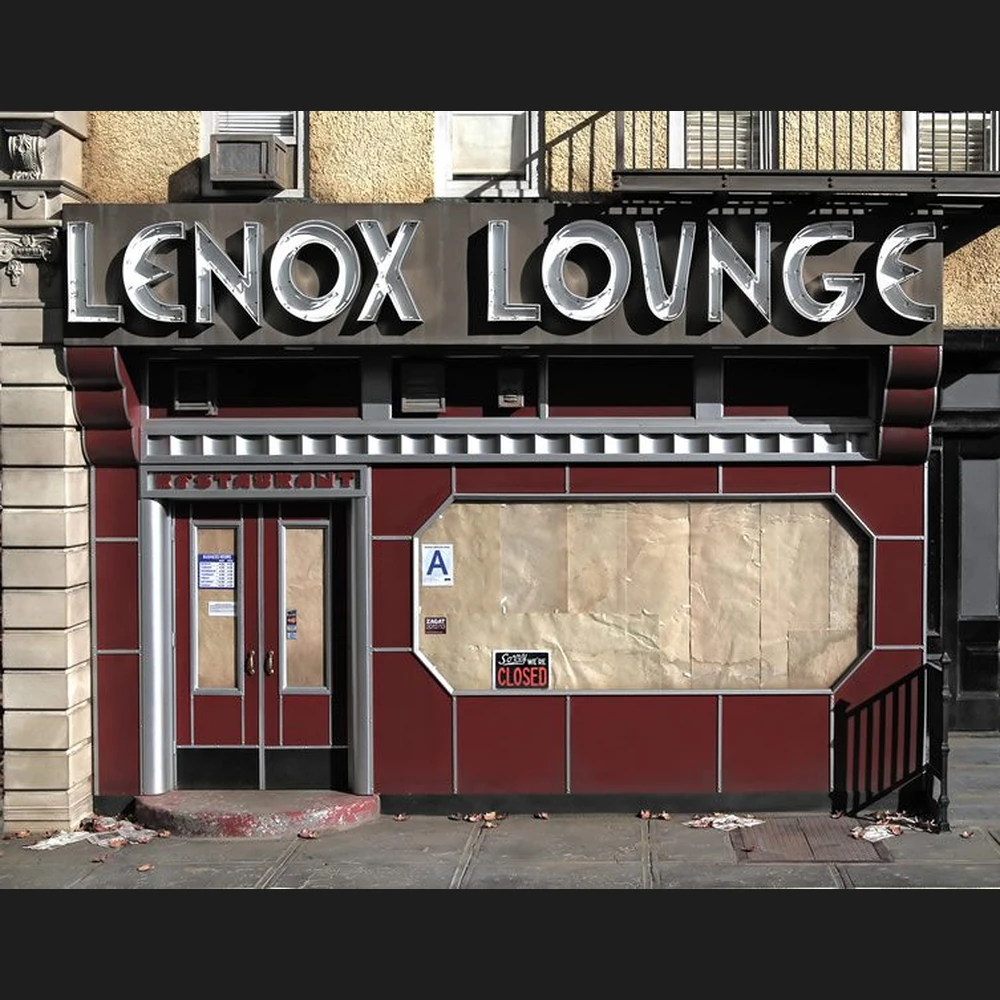
Los Angeles-based artist Randy Hage has been photographing New York City storefronts for nearly 20 years. Since the late 1990s, he’s amassed more than 700 photos from which he’s sourced the subject matter for his amazingly detailed photorealistic sculptures that depict mom & pop establishments, each of which retains an iconic symbolism representative of generations past.
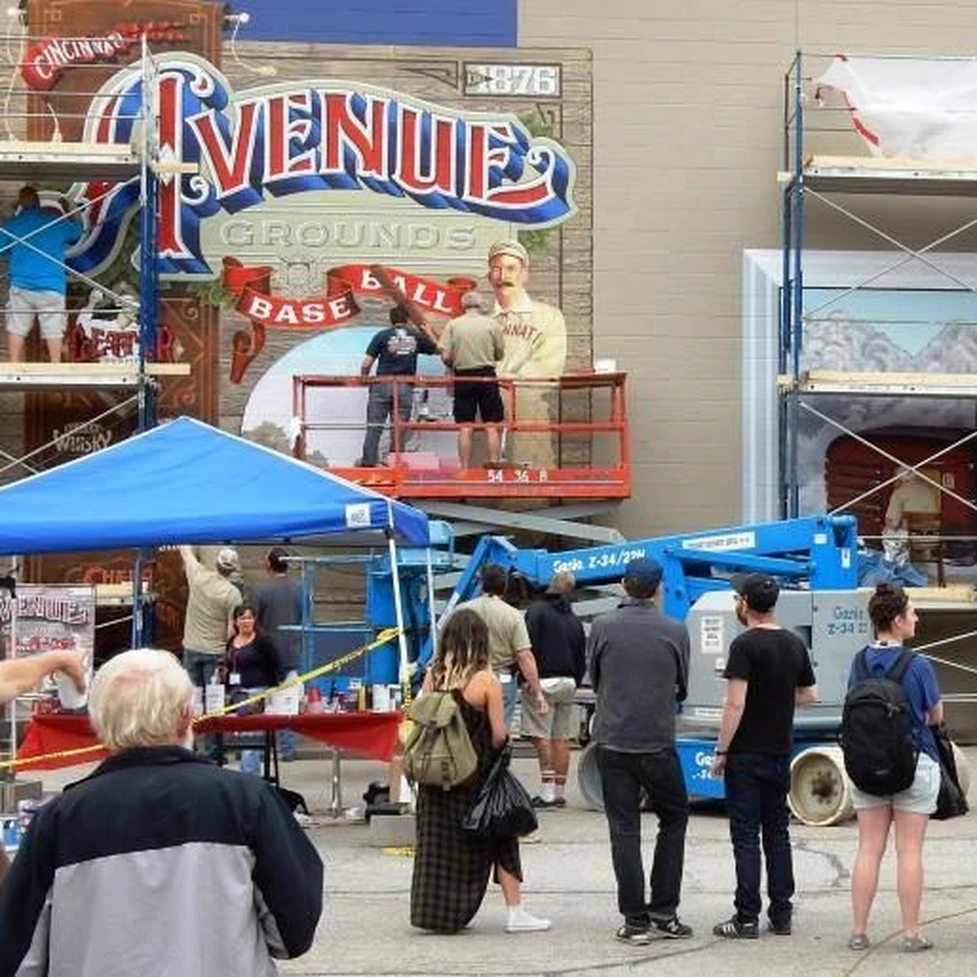
Lettering artists, calligraphers and sign painters of every type have nourished their love affair with the brush through centuries of human communicational needs. Sign design, featuring unique attractive shapes and the seductive element of neon, has been a ubiquitous element of the American landscape.
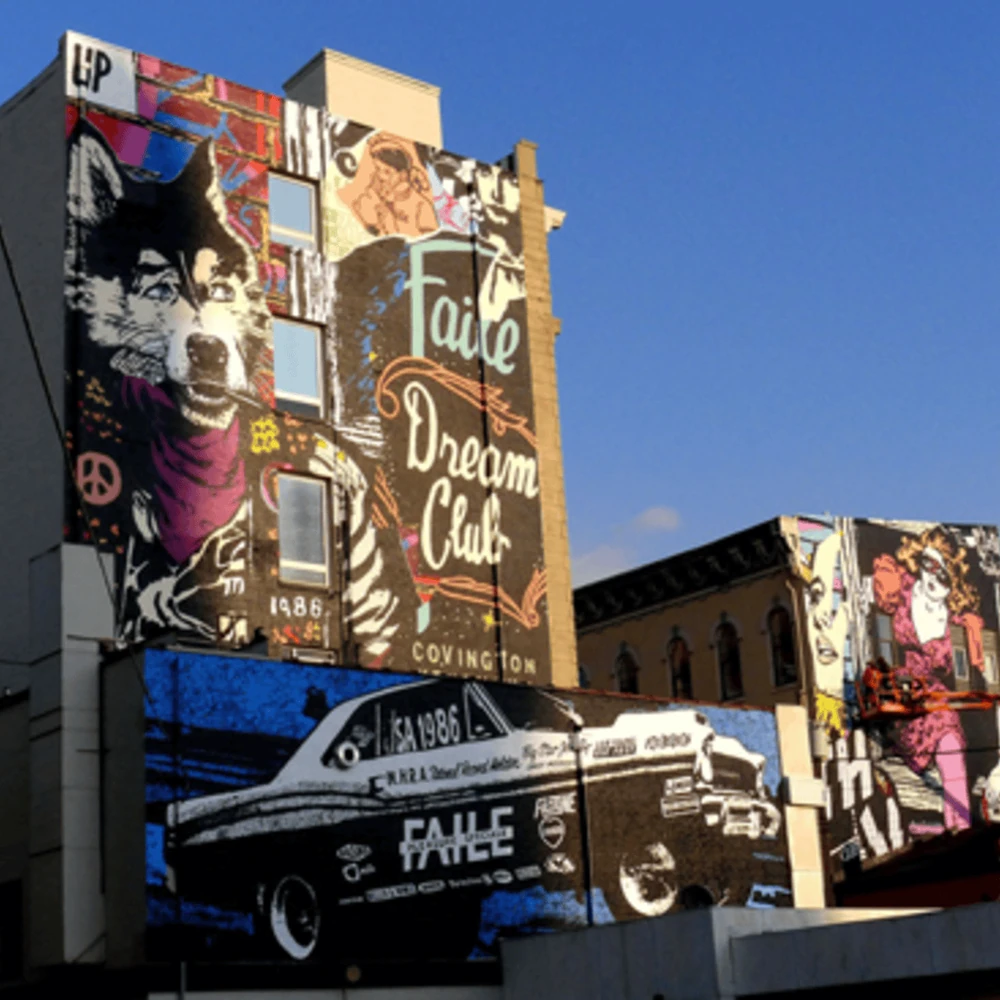
Our walls are changing for the better. Propelled by the global phenomenon of street art and sustained by an embrace of community-sanctioned murals, public art is back in a big way. In Cincinnati, when it comes to public art, the name ArtWorks is ubiquitous. With a hundred murals in thirty-six neighborhoods, formerly drab walls are becoming multi-story canvases, transforming the streets into a public gallery space.
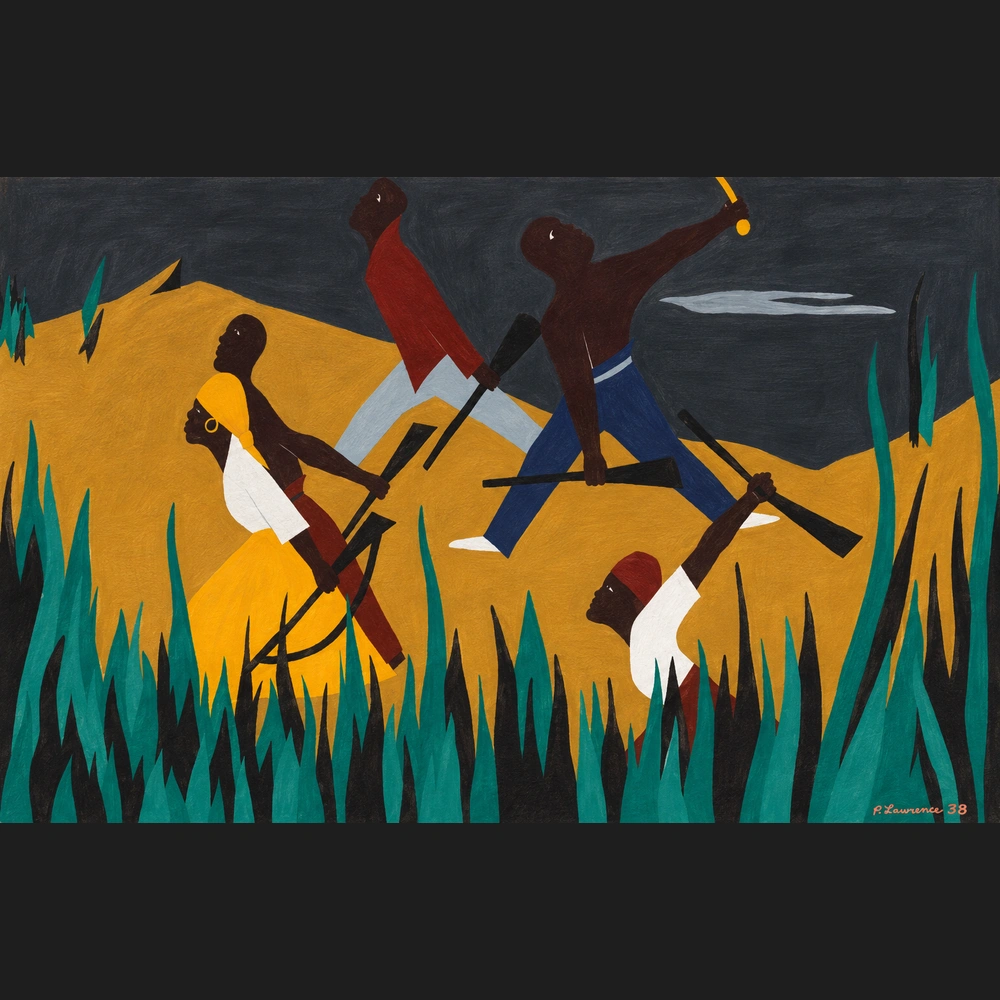
In the 41 tempera vignettes that make up “Heroism in Paint: a Master Series by Jacob Lawrence” (currently on display at the Taft Museum of Art through January 17, 2016), Jacob Lawrence dramatizes the life of Toussaint Louverture, revered as the founding father of Haiti who led Haitians in their fight against slavery in the late 18th and early 19th Centuries.
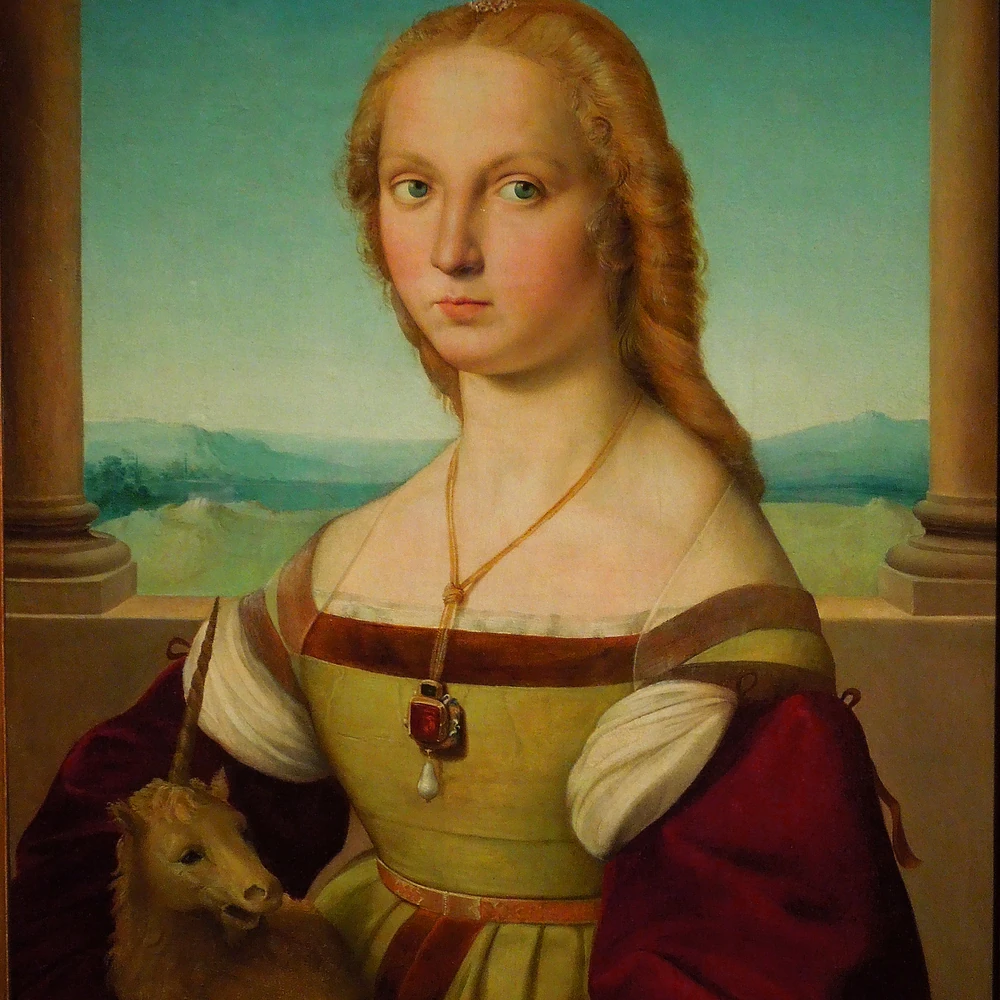
First of all, forget the unicorn. Or at the very least, hold it in abeyance. X-ray analysis of the painting shows us that before there was a unicorn on this young woman’s lap, there used to be a dog.
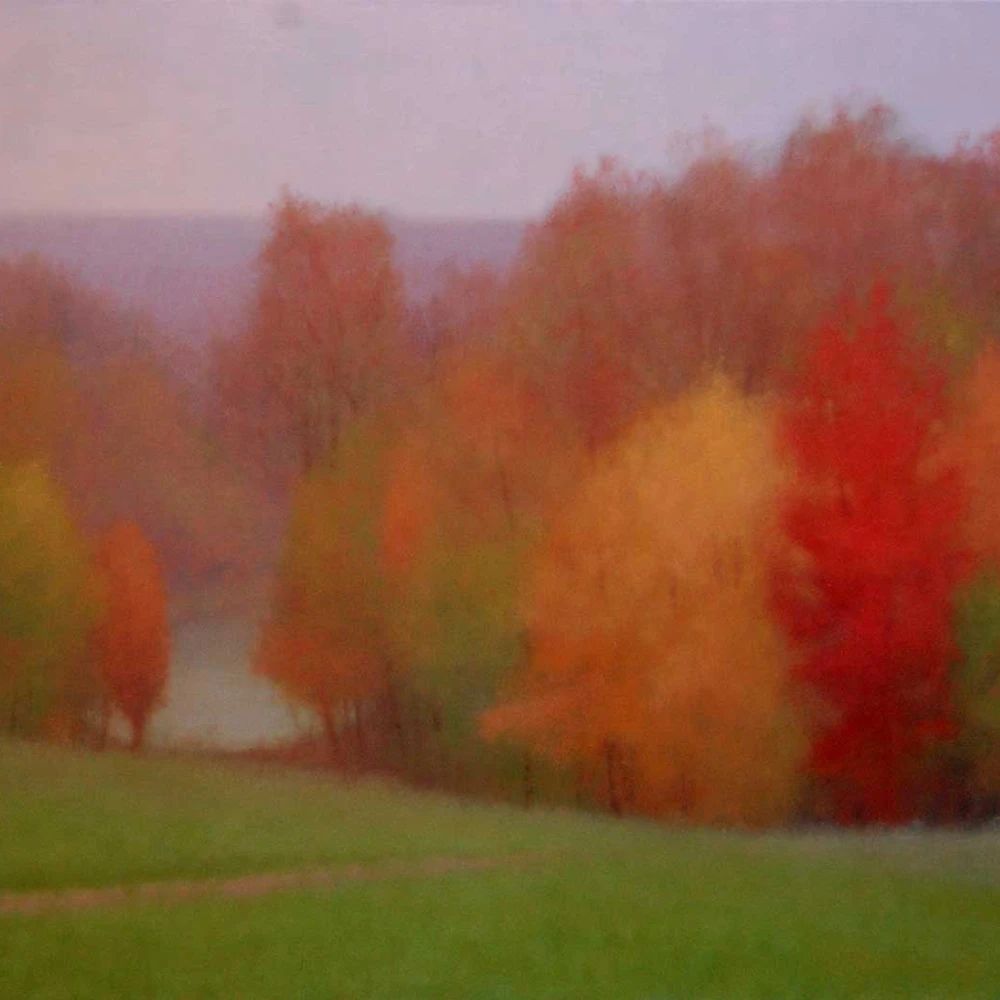
Mary Katherine Hurley’s oil paintings and pastel drawings are a contemporary version of the American Sublime, the 19th-century movement that followed from the Hudson River School and looked to the works of European Romanticists like J.M.W. Turner. Hurley’s works similarly express an awe of nature. Nonetheless, she vigorously, even radically, limits the amount of visual information each painting includes.
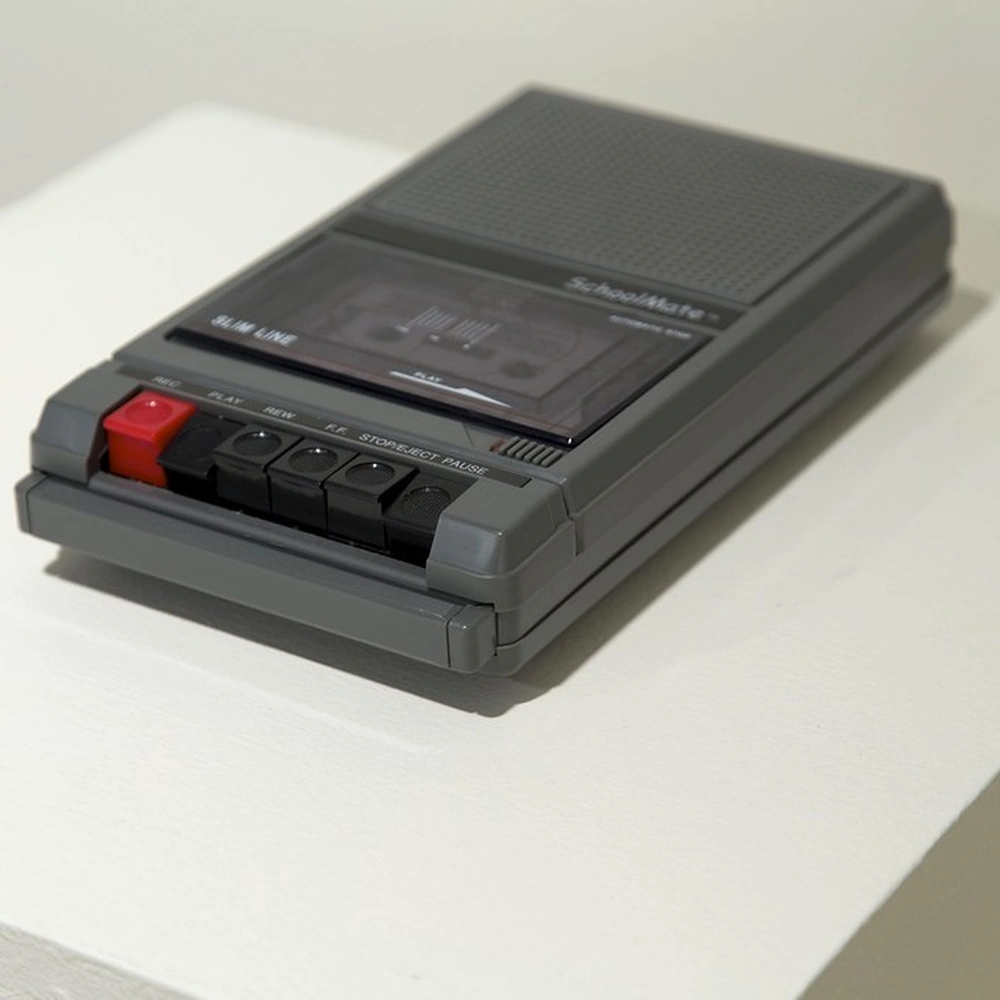
Walking us through the ephemeral life of a one hundred year old house and the people who have called it home, this exposition is imaginative and experiential. Carver’s contemplation of place and memory are at times sought through the audaciousness of a child, and at others, through the modesty of a layman.
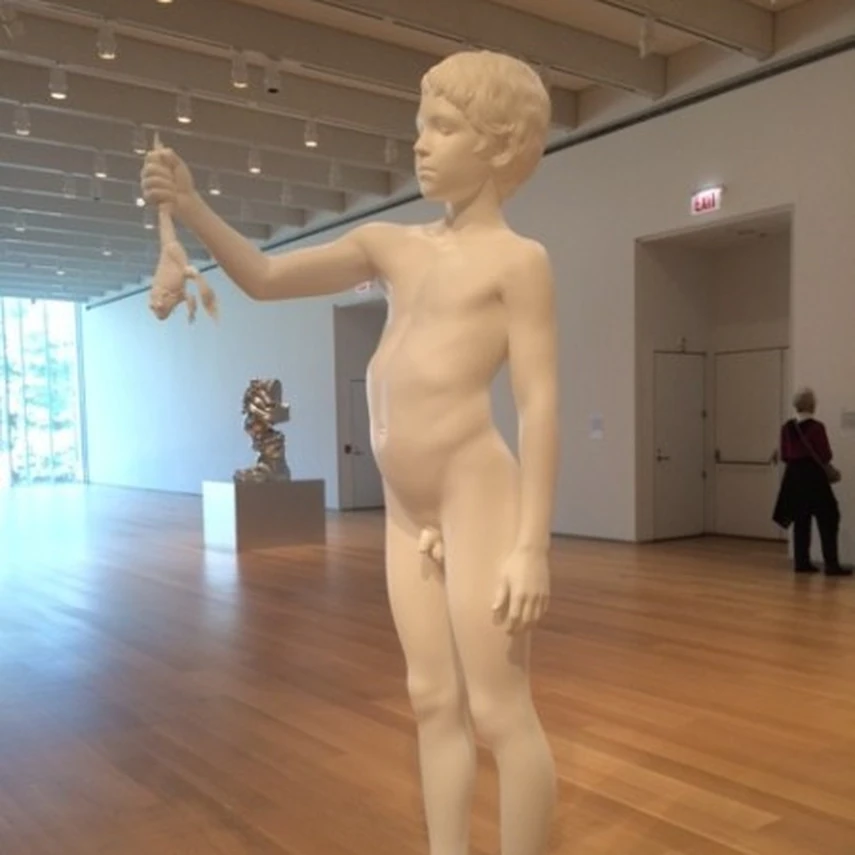
Midwest-born, Los Angeles–based sculptor Charles Ray’s mid-career retrospective, “Charles Ray: Sculpture, 1997–2014,” is a significant and revelatory exhibition which opened at the Art Institute of Chicago May 15, 2015 and concluded on October 4. The exhibition was co-organized by the Art Institute, its only North American venue, and the Kunstmuseum, Basel.
