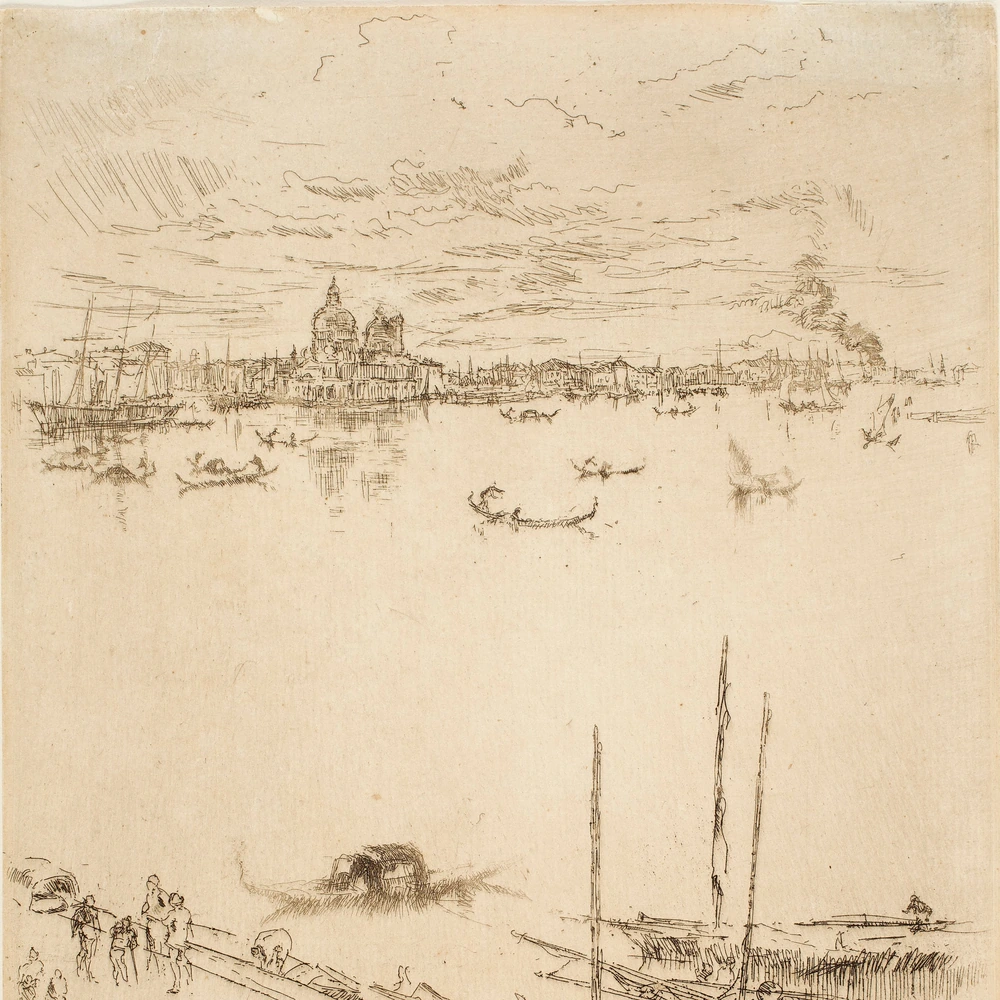
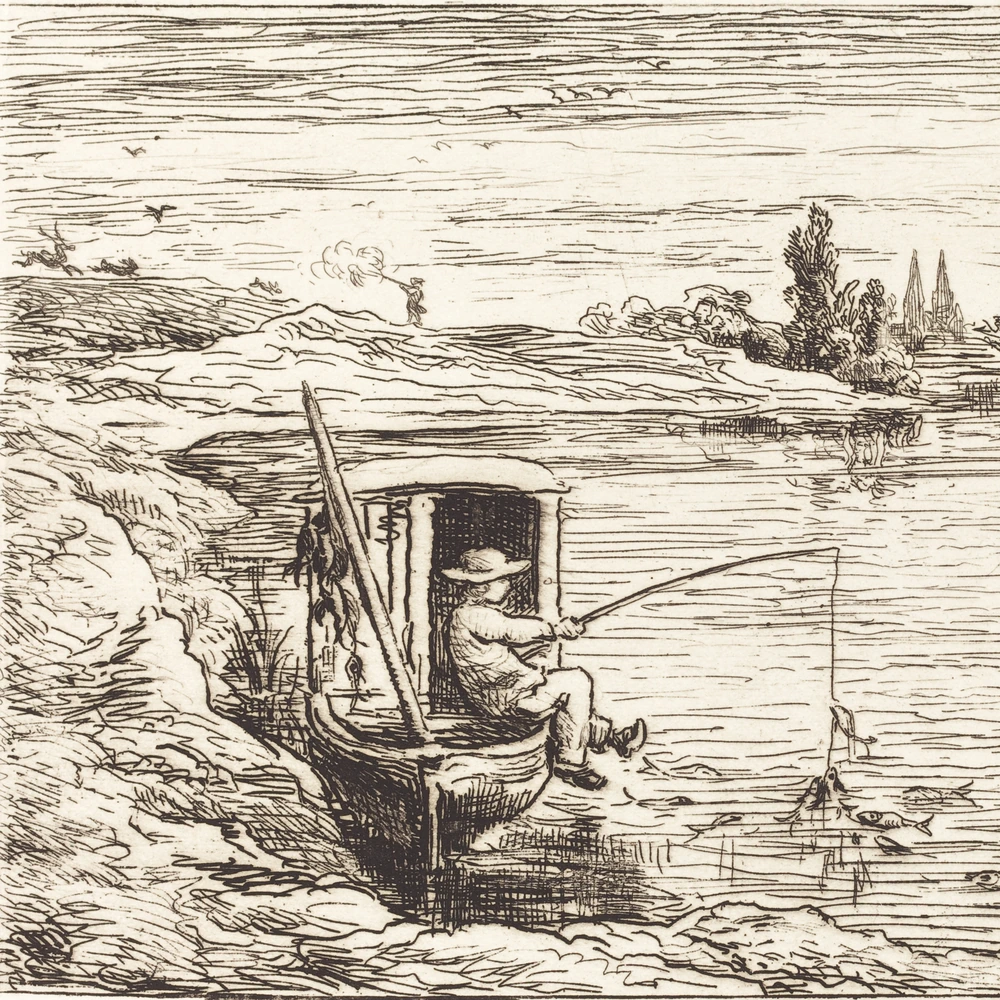
Etching is a process art. Definite steps produce it, change it, bring it into being. A warm copper or zinc plate is covered with an asphalt substance. The substance cools and hardens on the plate and can then be drawn into with a stylus. The plate will then be submerged in acid until etched in the exposed areas, then inked, wiped and printed.

As the worlds of fiction and literature in general broaden, we’re privileged to be able to read novels from all over the world, with ease, and the current emphasis on diversity has changed the face of fiction, too, as subject matters once considered either taboo or irrelevant are welcomed into the front ranks of literature.
The March issue of aeqai has just posted, and, like last month’s issue, it’s a large one. Spring brings more art shows and more people going to them.

Eyes on eyes I ended with our death claiming even after our molecules would combine holding on to each other for eternity. By that I mean as our flesh turns to dust and is picked up by a seedling with whom we grow to an aged oak releasing leaves for near a century- all the bugs to live inside us the woodpecker’s groom the nests to hatch our baby finches and bees feasting upon Spring’s blooms
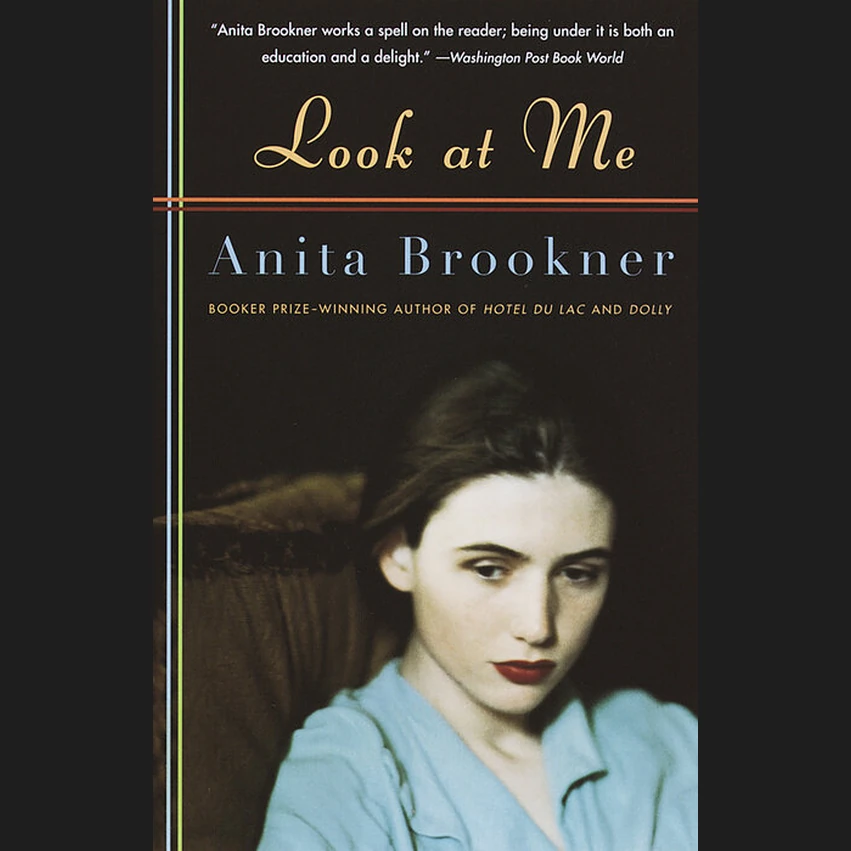
Anita Brookner, the great English novelist and art historian, died last week at the age of 87. She was, in my opinion, one of the ten best novelists of the latter part of the twentieth century, a writer of acute psychological insights, who wrote perfect, flawless prose over and over in her approximately 24 novels, all of which I read.
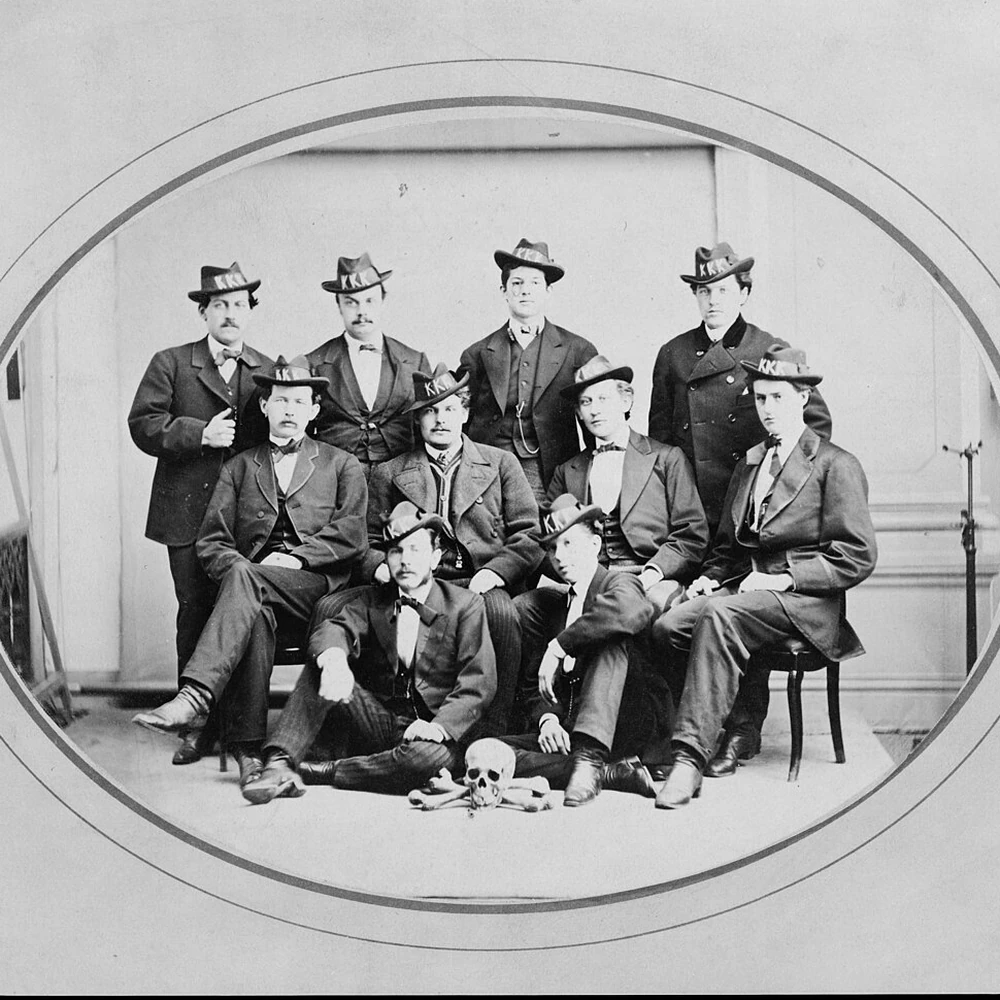
We were taught to be racists in casual and subtle ways. The perfect story to illustrate this statement is the following true story, often told by my Mother in a dramatic way.
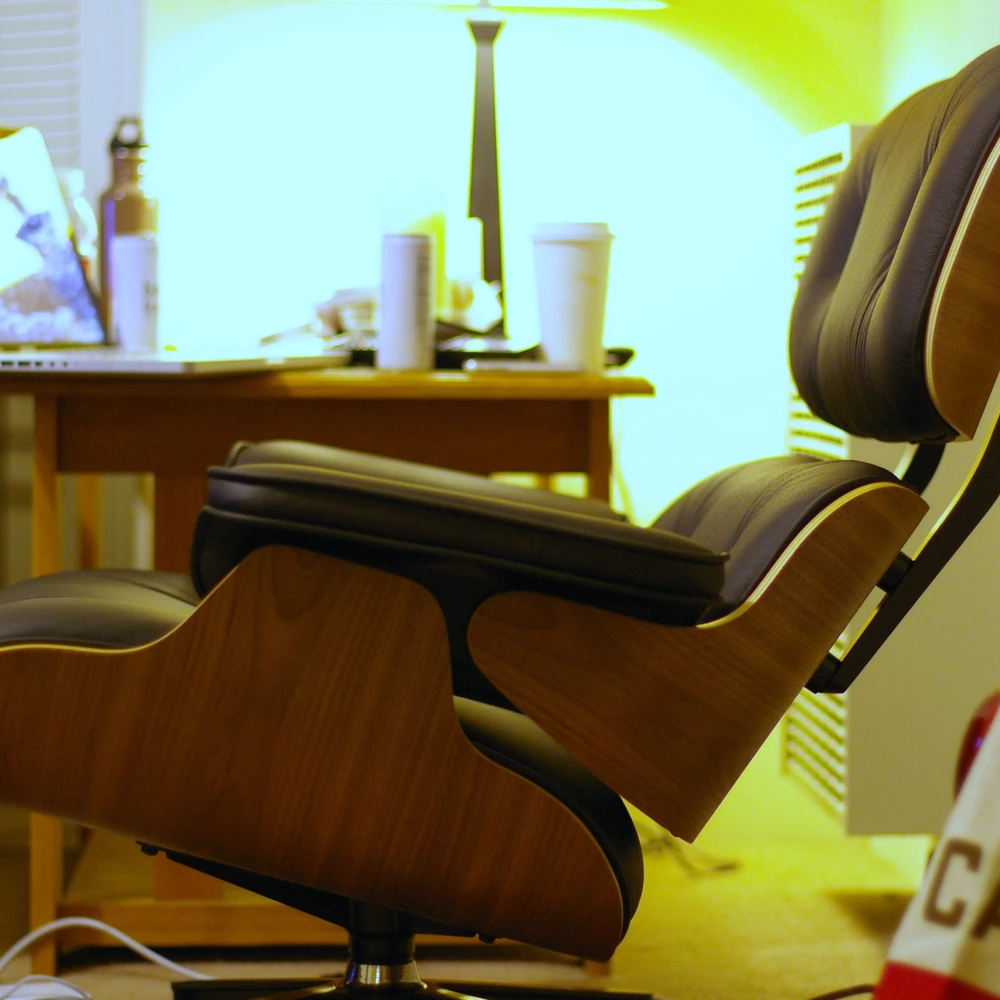
Simply put, design is an attempt to better the human experience. Design is more though. Design is a viewpoint. A passion. A way of being, and a way and seeing. Design is problem solving. It makes life better for anyone involved – the designer, the manufacturer, the retailer, the user. Everything that woman and man have created was designed. Decisions were made as to the function and the form, the materiality, the cost.
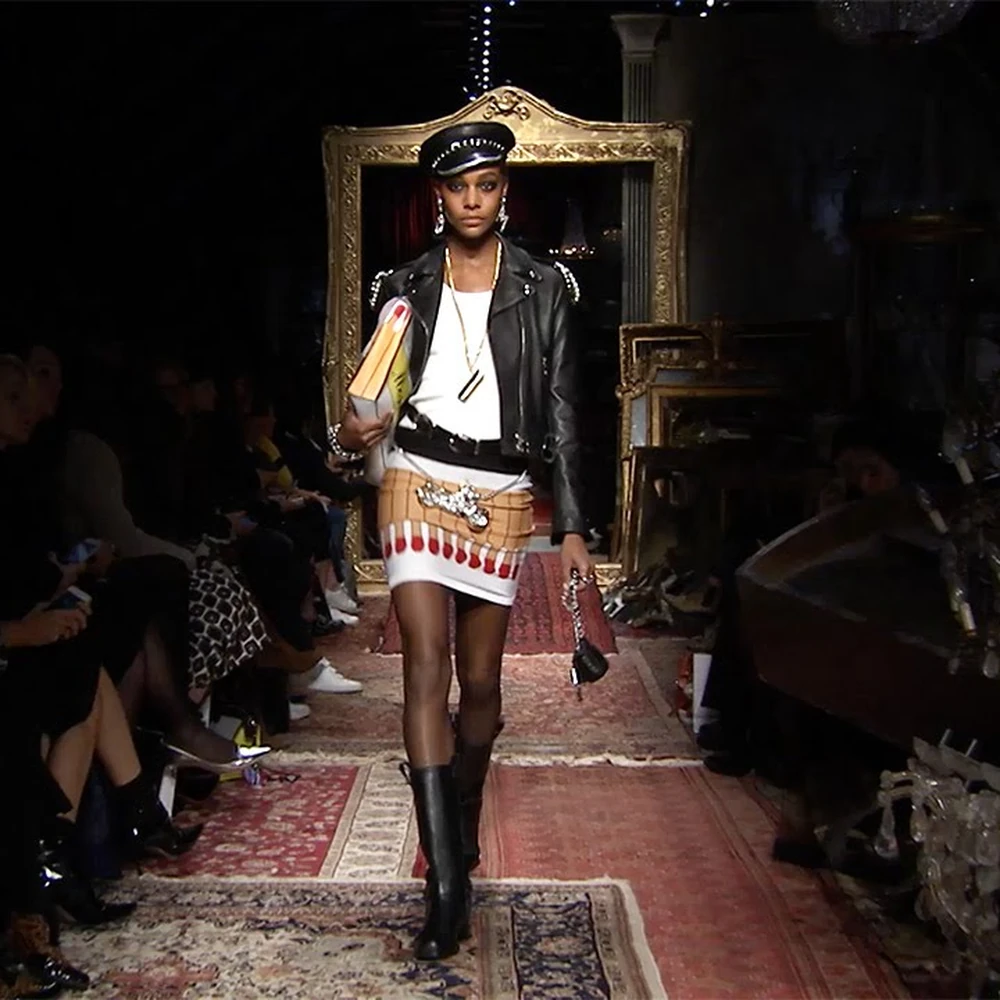
Or so it does according to Jeremy Scott. The designer currently at the helm of Italian fashion house Moschino has brought the brand into a renewed renaissance since taking over the role of creative director from Rossella Jardini in 2013. The House of Moschino was originally founded by Franco Moschino in the 1980s and its penchant for social commentary on the fashion industry and beyond soon become a tour de force.
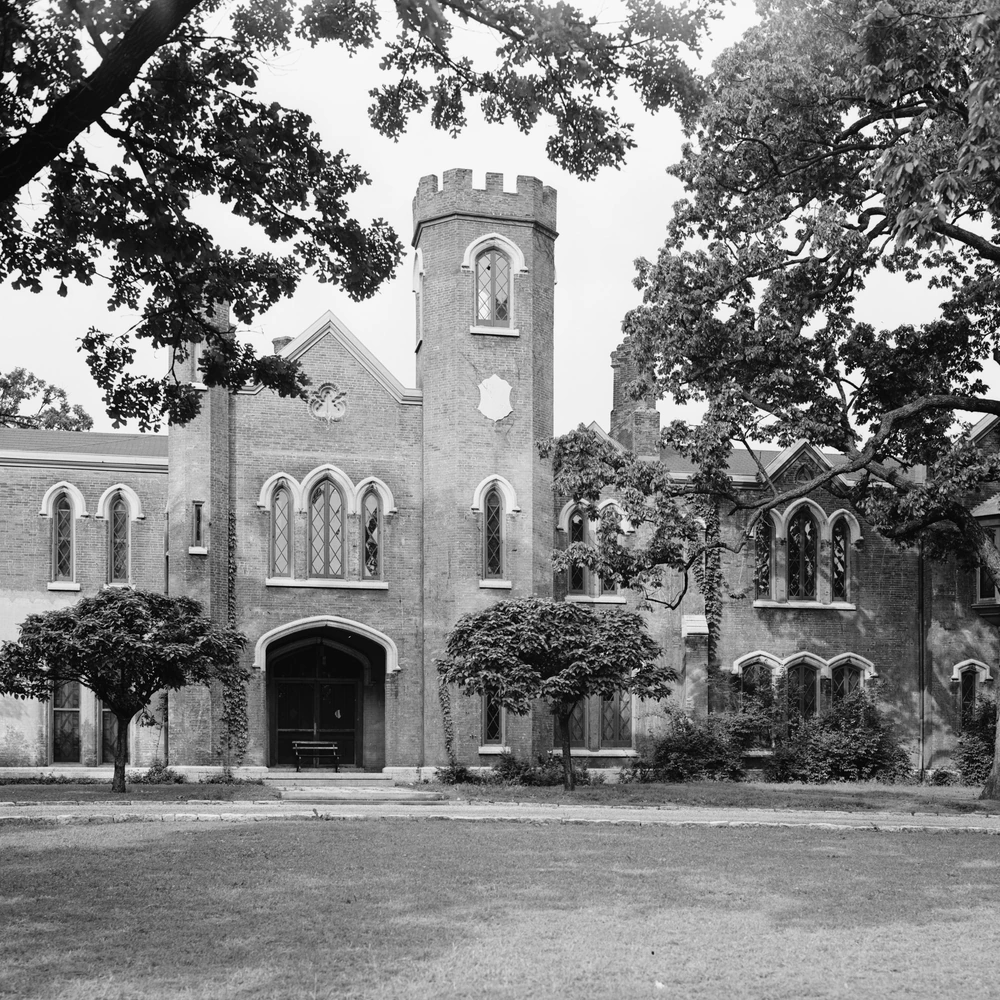
Editor’s Note: This column is reprinted courtesy of UnderMain, an online publication in Lexington. Self-portraiture can be an unfortunate expression of ego, and until the last hundred years or so this has been its dominant motivation. The humanism of the renaissance elevated the individual artist into subjects worthy of examination in art, displacing, but by no means replacing, royalty and religion.
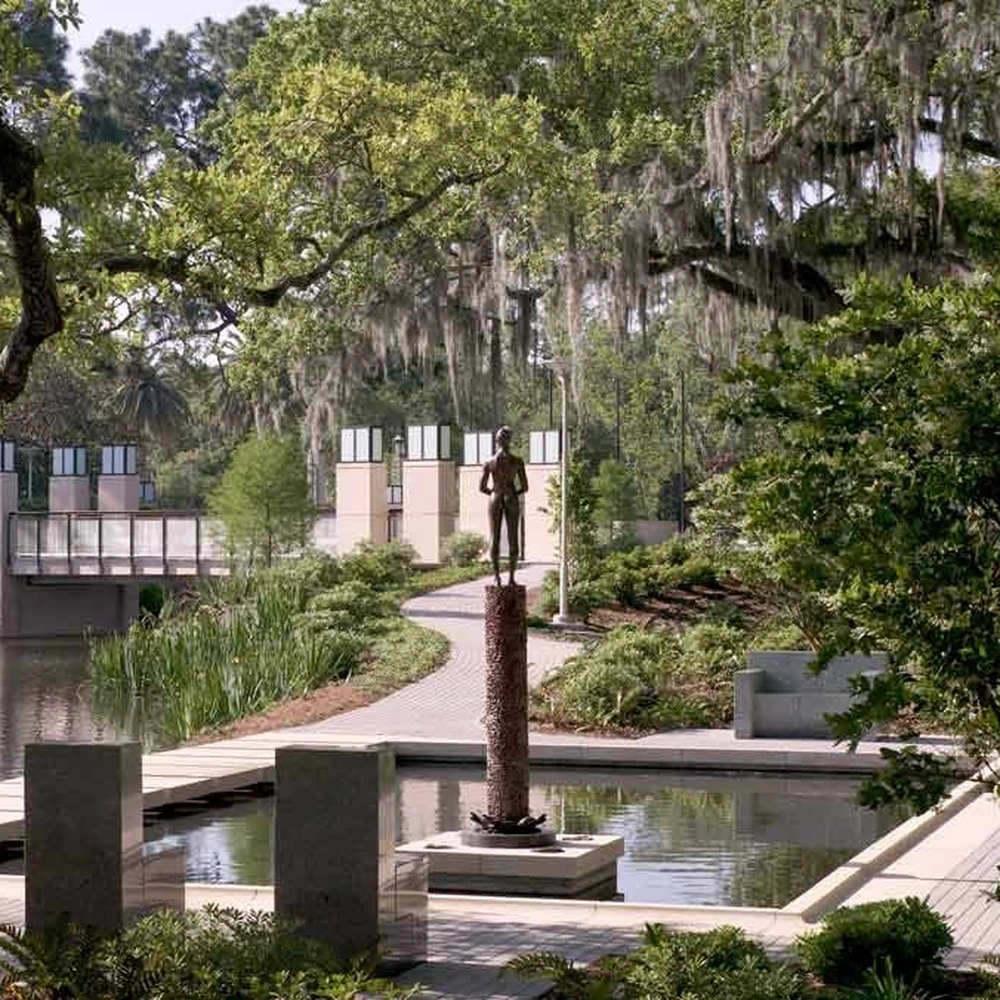
New Orleans is a state of mind, and in its own individual way, a state of art. There’s no question but that New Orleans residents care about how things look. Where else are you likely to find a museum called “The House of Dance & Feathers” installed in a small-ish building once a barber shop, located behind a residence? Art and collections are part of the local culture.
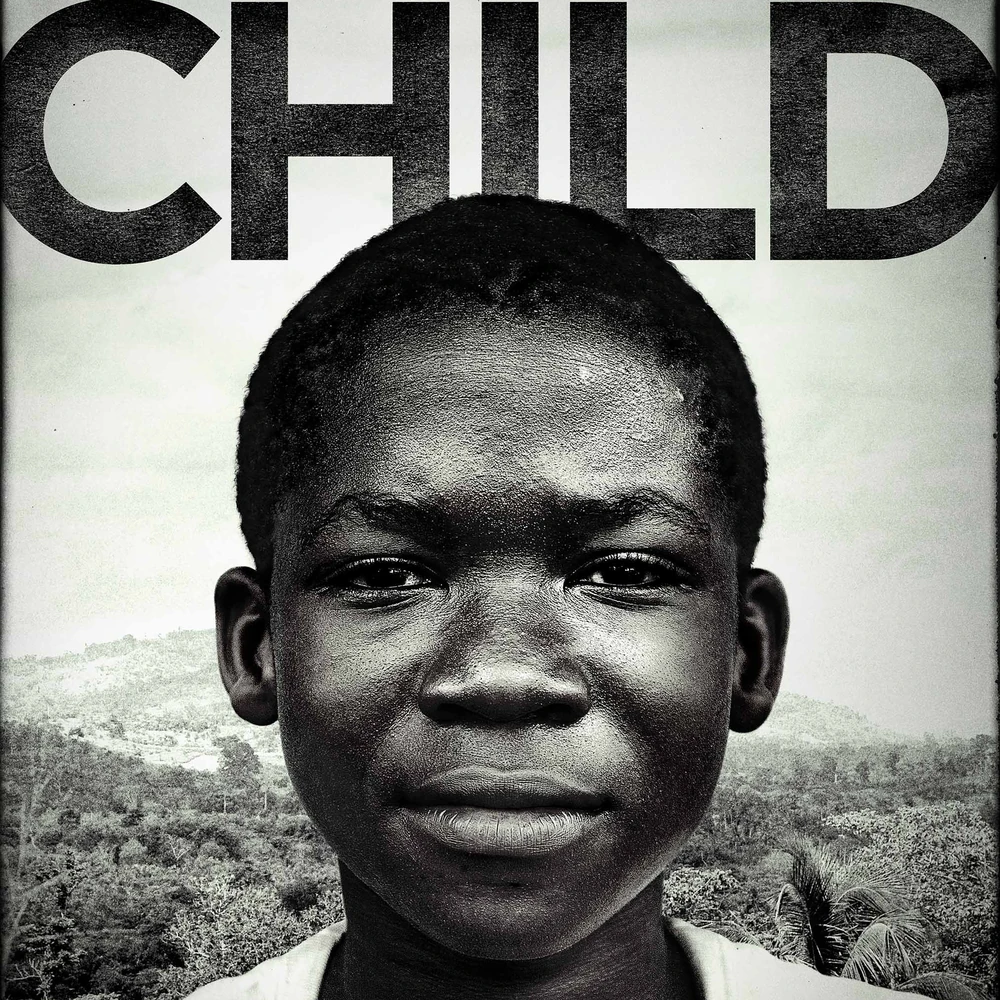
A remarkable piece of filmmaking, redefining the Hollywood model. Based on the 2005 novel of the same name by Uzodinma Iweala, “Beasts of No Nation” is an indelible story that is difficult to stomach but commands your attention. The narrative leaves you meditating upon the cultural significance it shares with many current global issues, and the contemporary examination of media distribution and race equality in Hollywood.
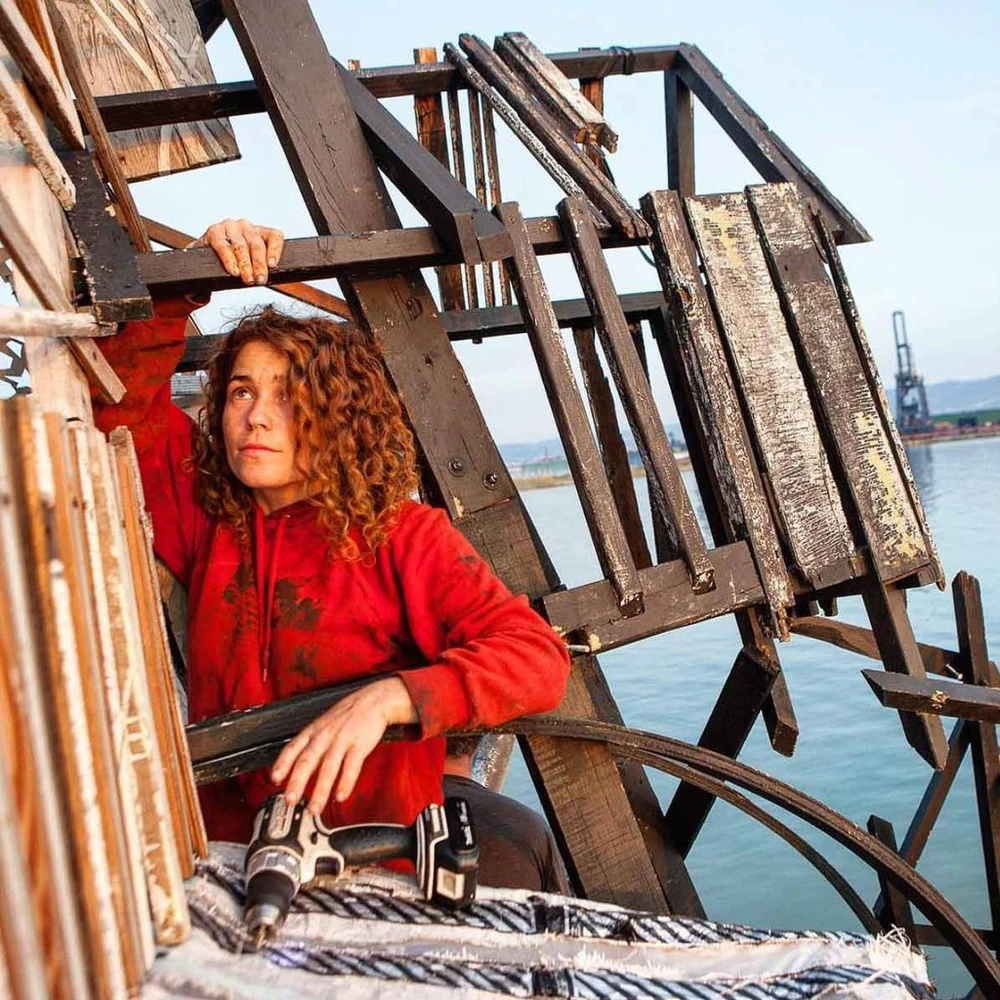
The millennial generation is baffling to most who are outside of it. Truthfully, it is confounding to us as well. The onslaught of the internet and the ever expanding opportunities it offers is fundamentally changing the way we as a society do almost everything.
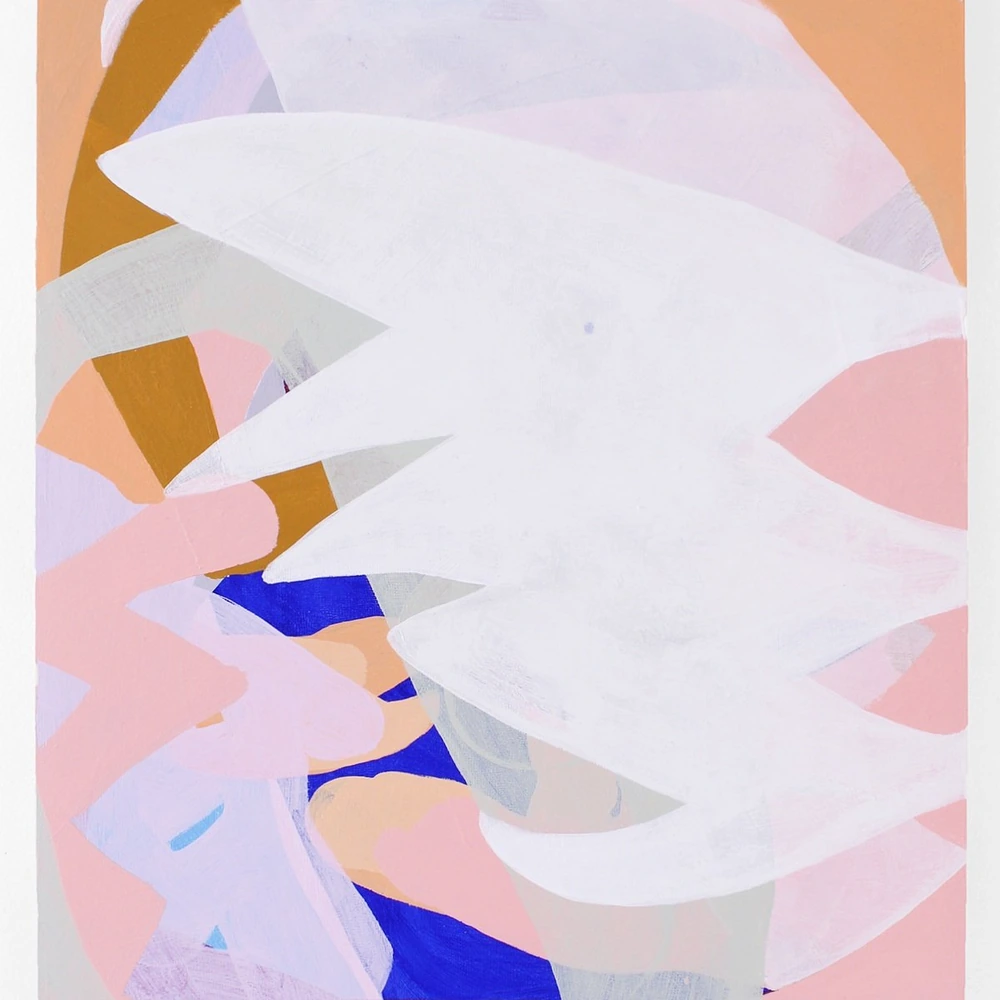
Gender is one of the first assessments we make. How does this instinctive process affect self identity and imposed identity? What happens if the self’s and society’s assessments conflict? Are we simply male or female? Why do we assign gender to objects? What is male? What is female? Why does it matter?
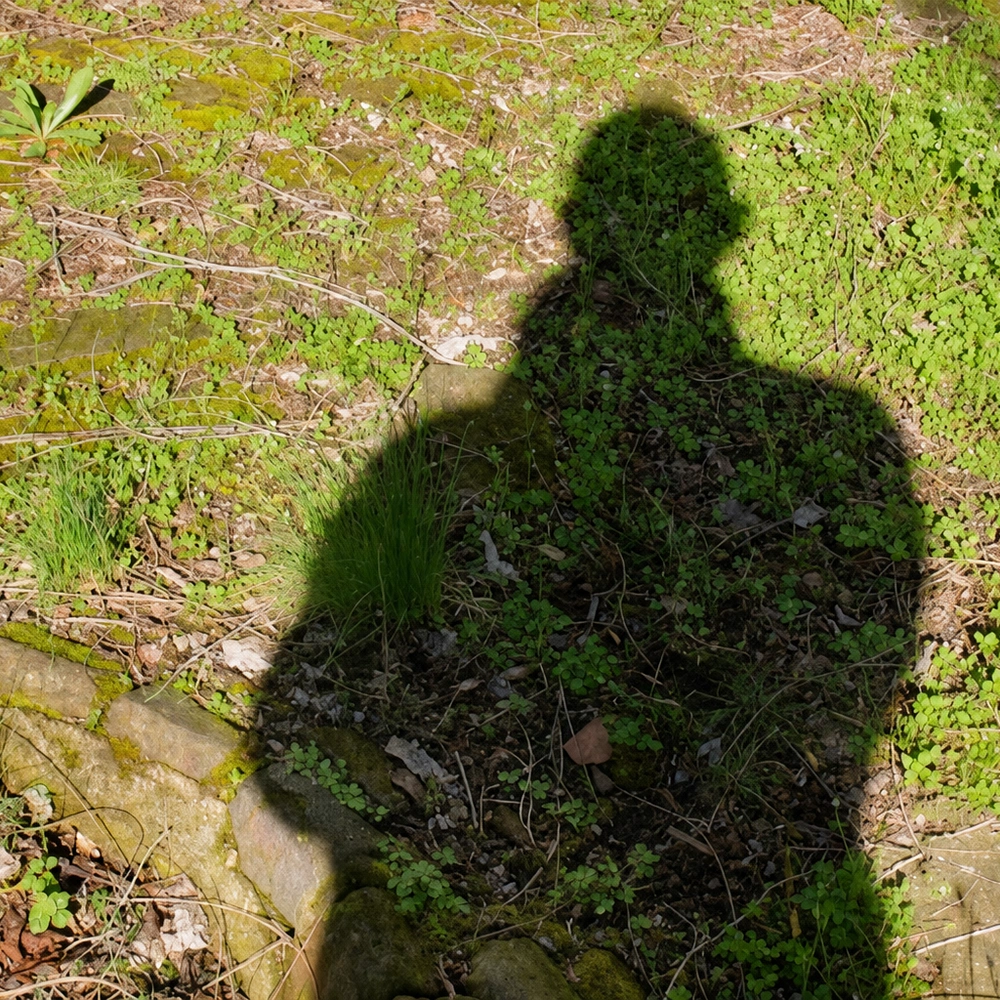
When a Young Man’s Fancy Turns to Springtime”–In the Archive Garden, March 15, 2016, The Archive Louis Bickett
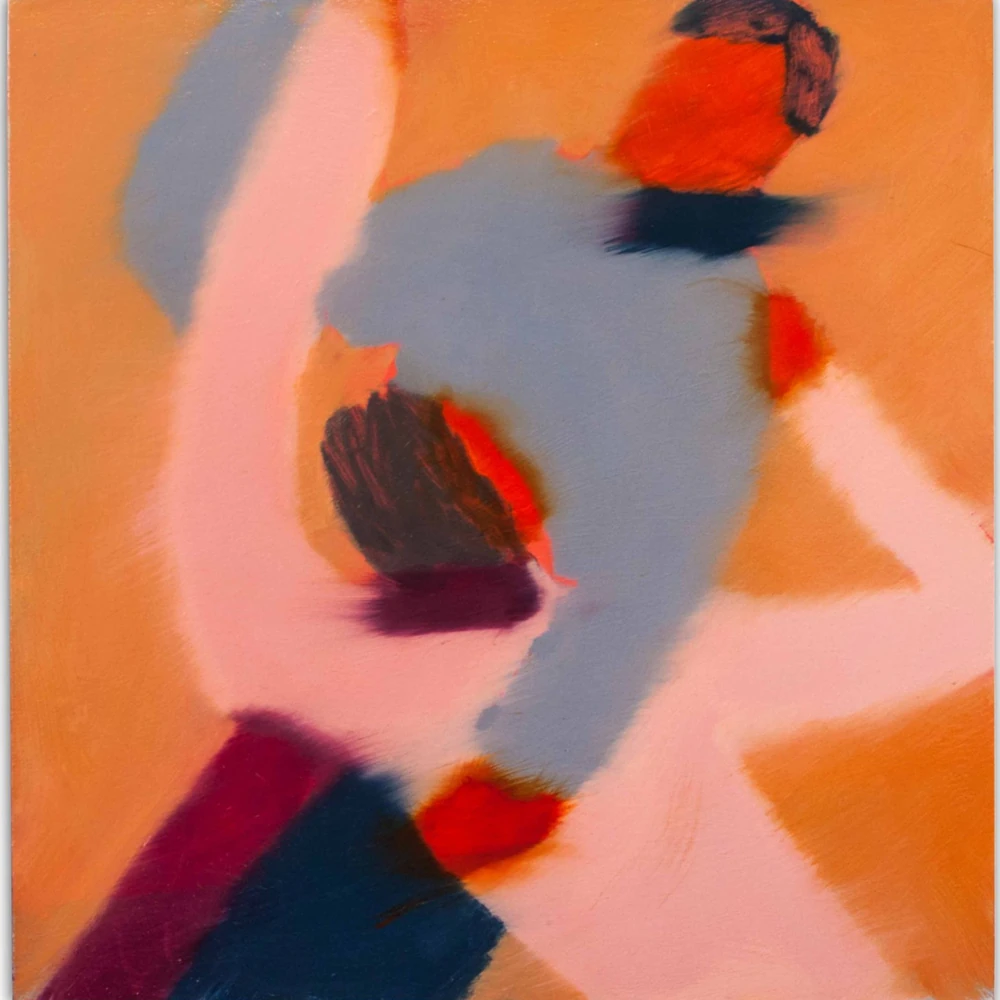
My first thought, looking at Patrick Shoemaker’s “Hindrance” is that it looks as much like dance as hindrance. Then I wonder who is hindering whom—and from doing what. And why. Then I wonder why two things opposite seem, so often, on the verge of one another.
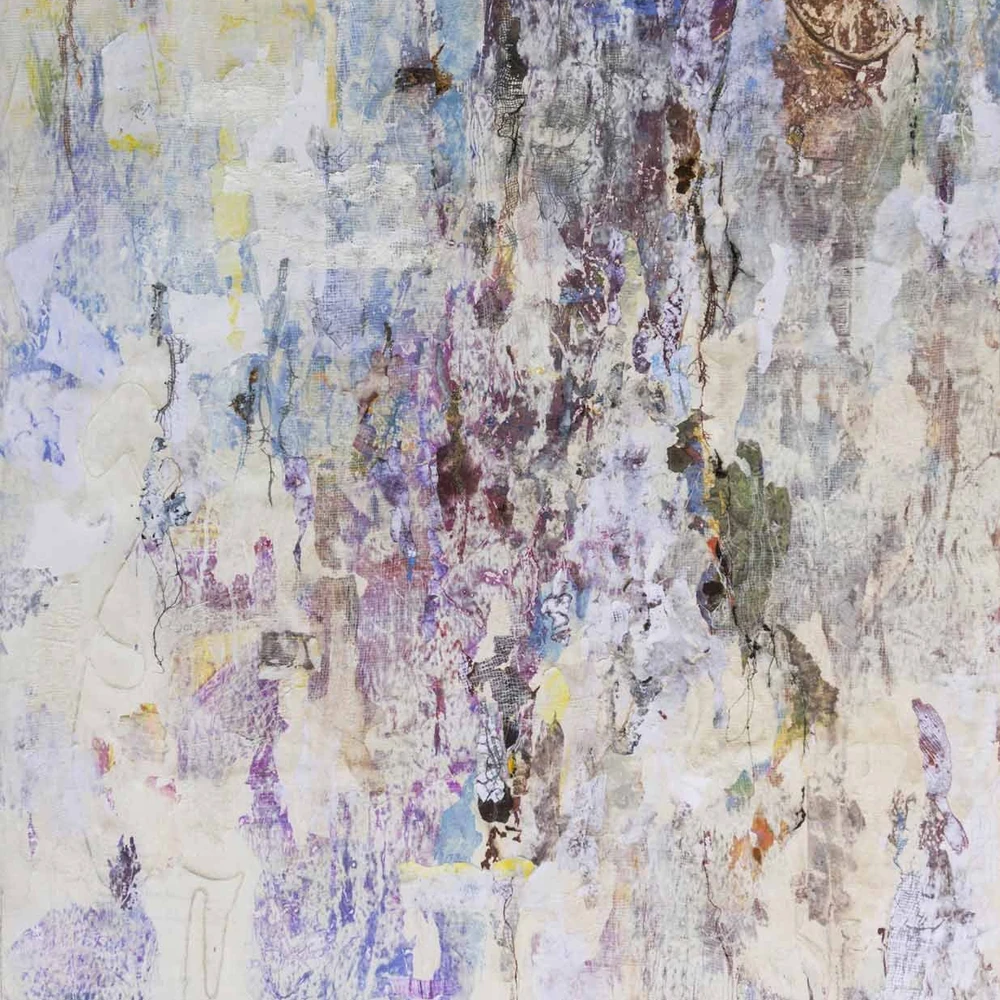
Nurit Avesar’s solo exhibition, “Elemental Energies,” exemplifies the power that creativity can impart when the artist is willing to approach her work by relinquishing control and embracing discovery.
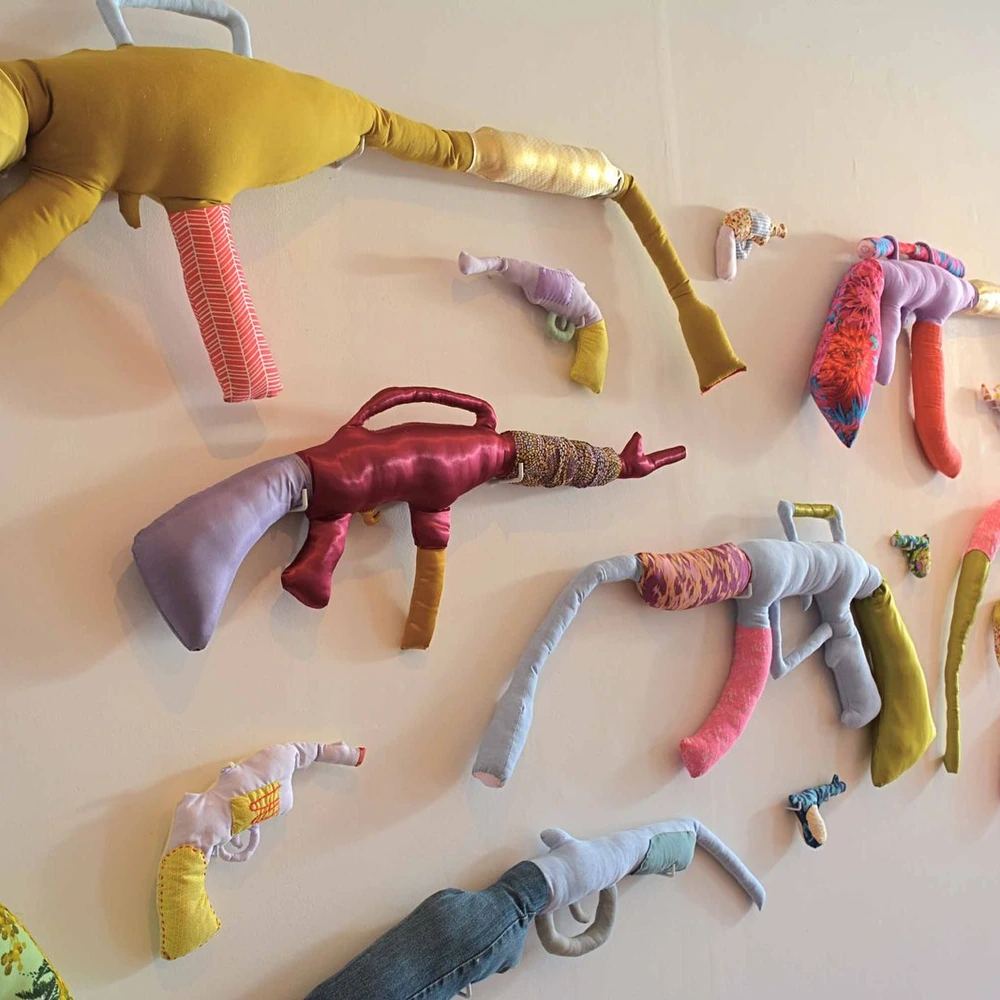
There’s nothing funny about guns. Even the toy gun that releases a flower after the trigger is pulled is still a formidable object despite the unmistakable irony. However, Brooklyn-based artist Natalie Baxter has found a way to transform firearms into colorful sewn sculptures that makes one almost feel giddy.
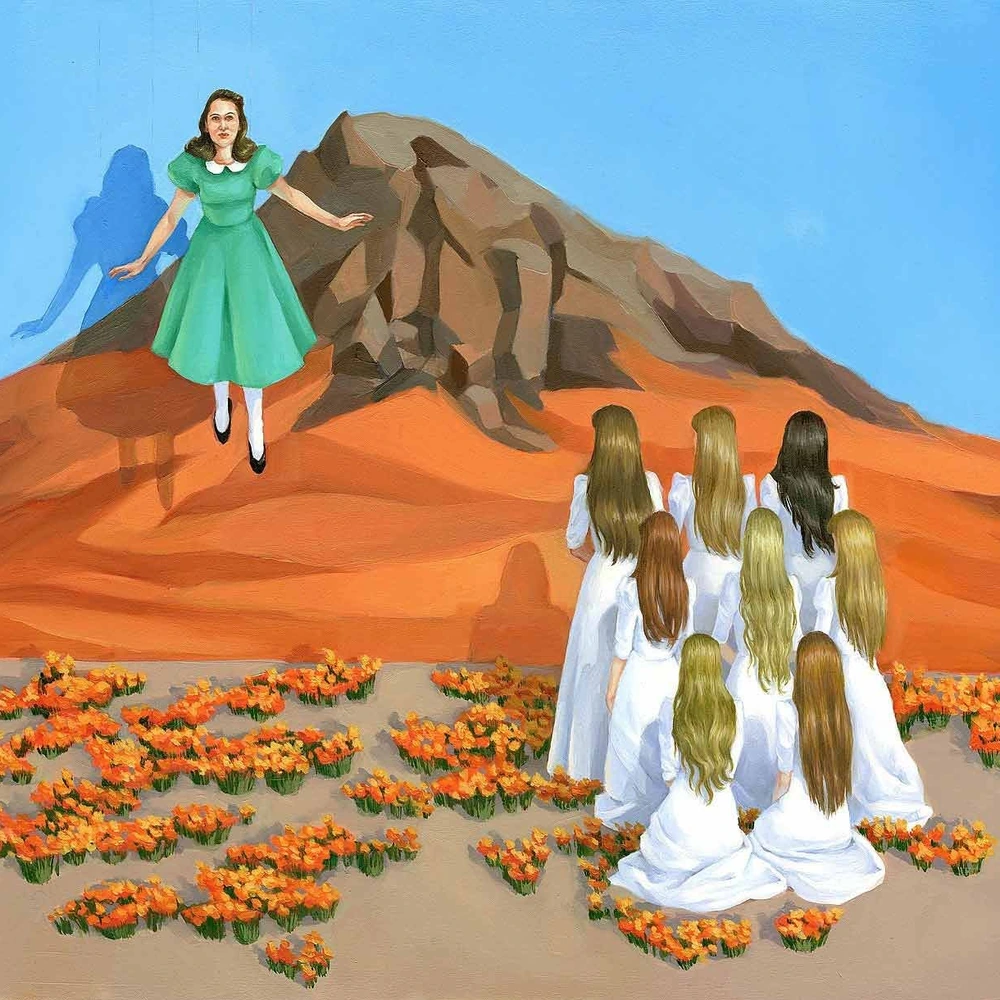
Where are you from and where do you currently live? I grew up in St. Louis, Missouri. I went to graduate school at the University of Iowa in Iowa City, and for the past four years I’ve split my time between the United States and Doha, Qatar.
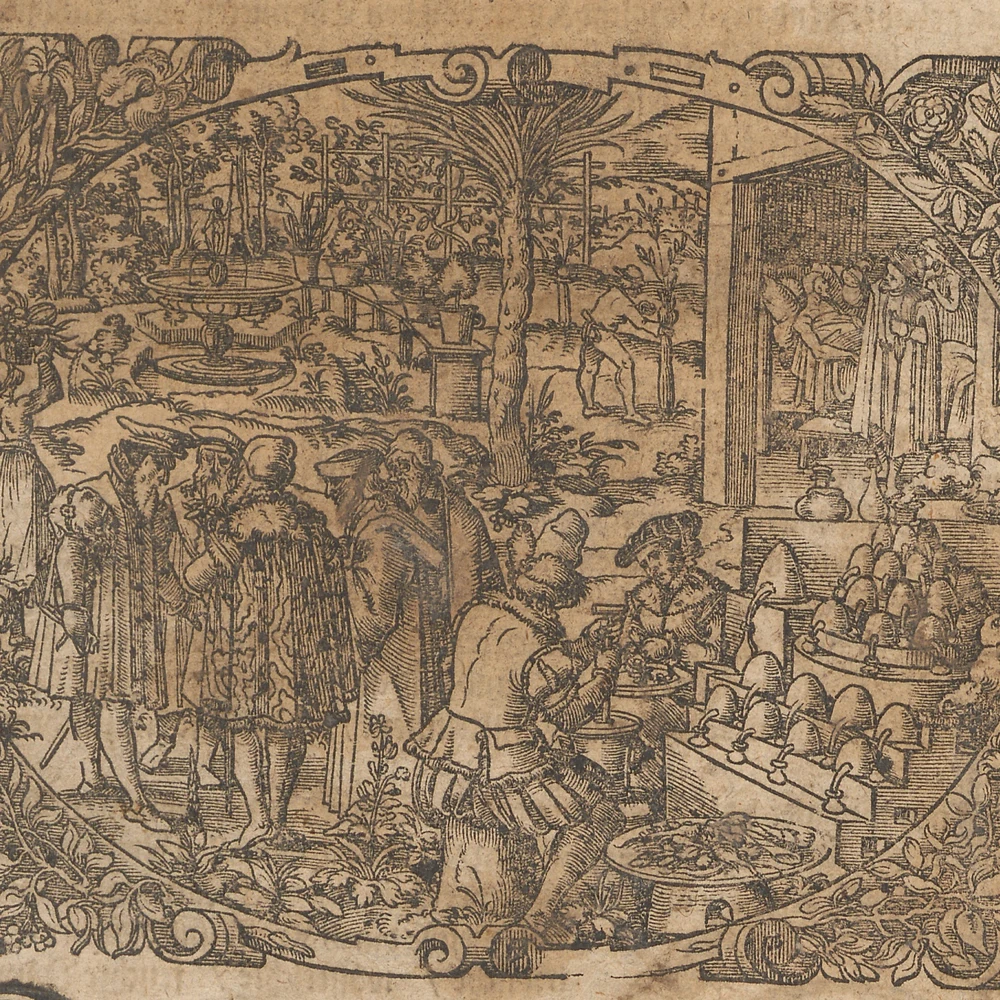
The Lloyd Library is exhibiting a selection from their large collection of rare and modern works containing woodcuts in various applications. The majority of examples are from 16th-17th century European and Asian published volumes on zoological identification, herbal and medicinal information and processes and cultural research.
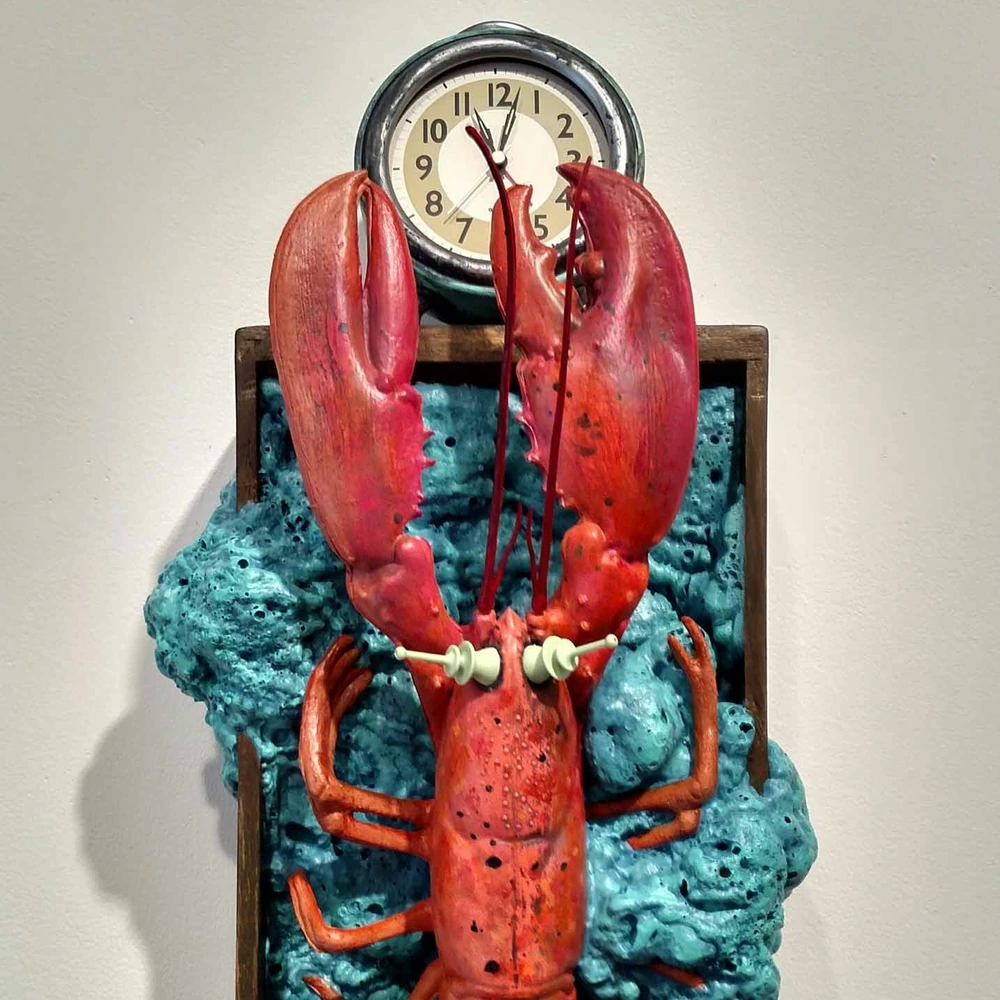
Much has been written about Joseph Cornell’s work, but for me it can be summed up by saying that his boxes created worlds that we are invited into. Their small size makes them intimate experiences, and we involuntarily shrink to fit into his universe.
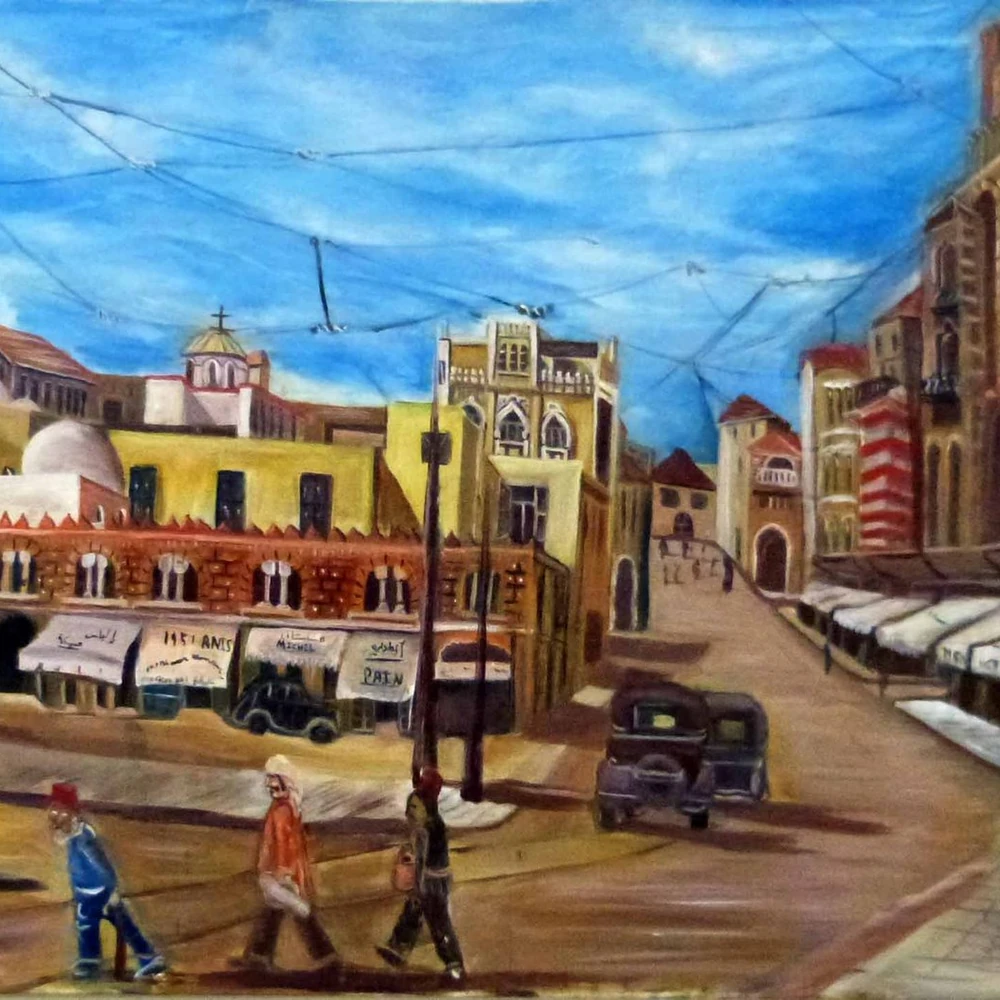
I just returned from Lebanon, where I helped organize in Beirut the 1st SOS Art Liban event. SOS Art, which stands for “Save Our Souls” Art, is a collective art exhibit and a festival of the arts focused on creative expressions for peace and justice.
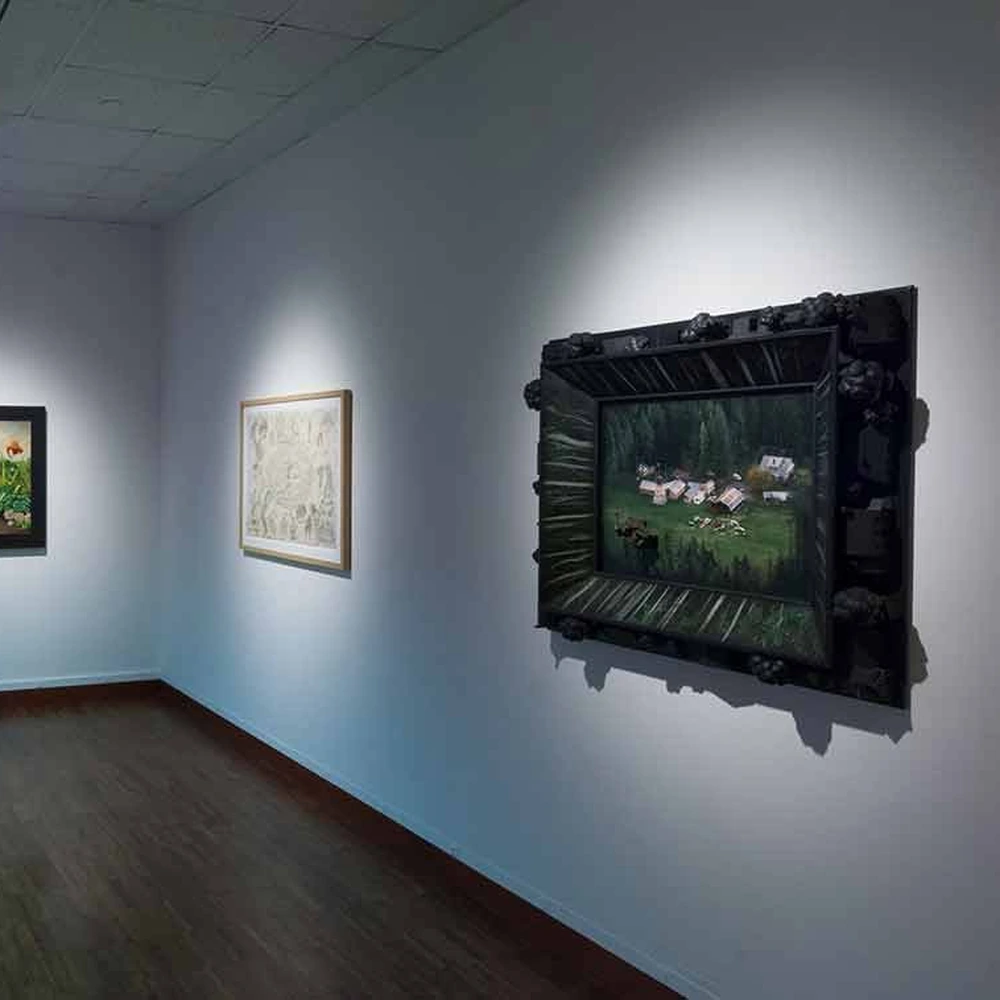
Artists have career, or even mid-career, retrospectives; galleries, less frequently. Many galleries don’t last as long as a successful artist’s career; fewer still have something that needs to be said or demonstrated about their having arrived at two or three or more decades.
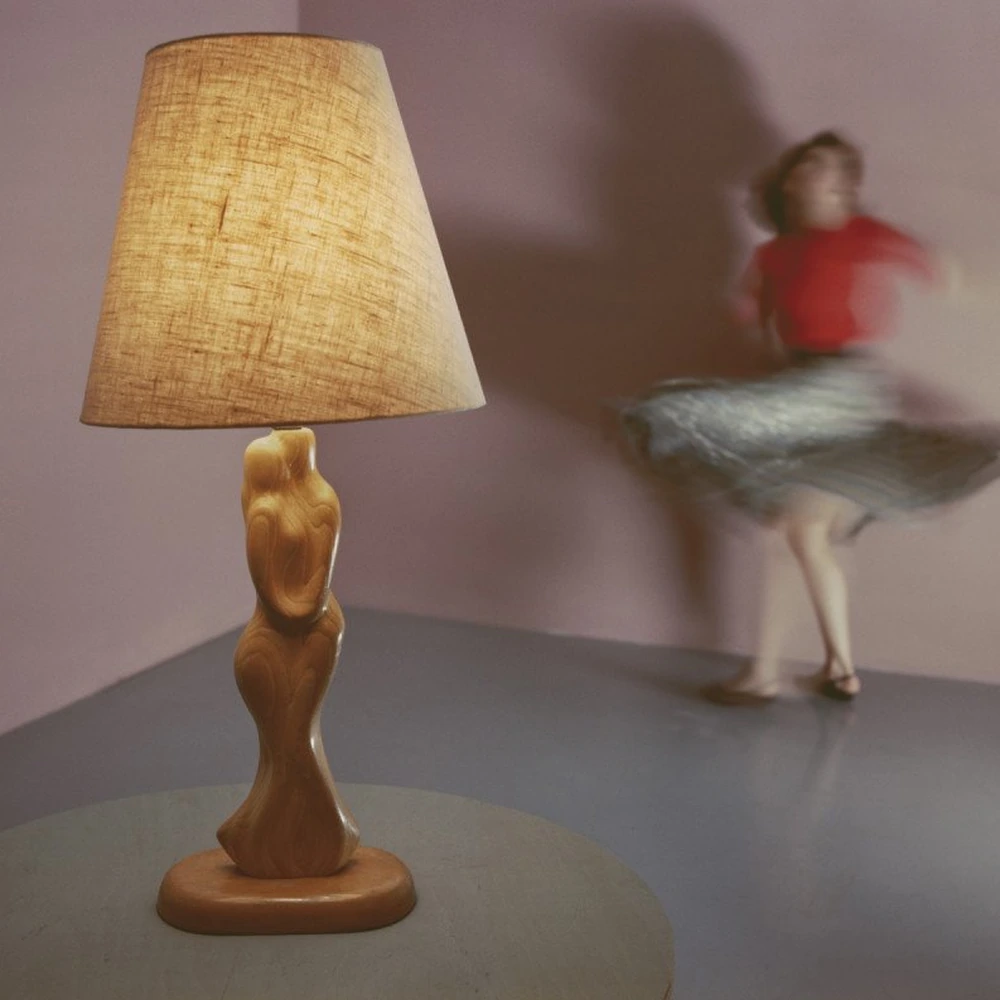
In the early 1970s, Jo Ann Callis left Cincinnati, where she had grown up, for California. Some forty years later, FotoFocus brought her back. On February 24, 2016, she gave a lecture—really an annotated slide show of her work—at the Cincinnati Art Museum as part of its Lecture and Visiting Artist Series, and the following morning she spoke informally at some length to Aeqai, both conversations generously arranged through FotoFocus.
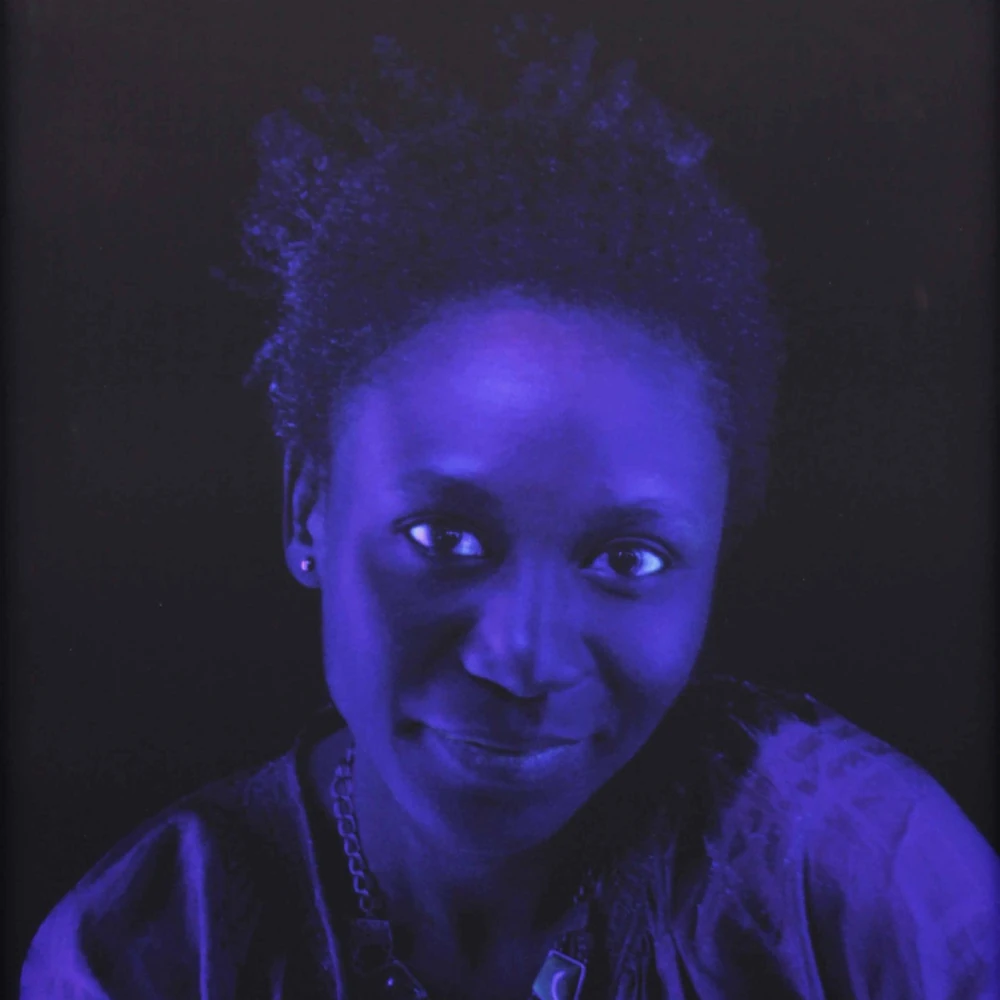
On one wall, the blown glass head of a faun blossoms from the center of a mesmerizing lenticular print with ring upon ring of robots and baby dolls.
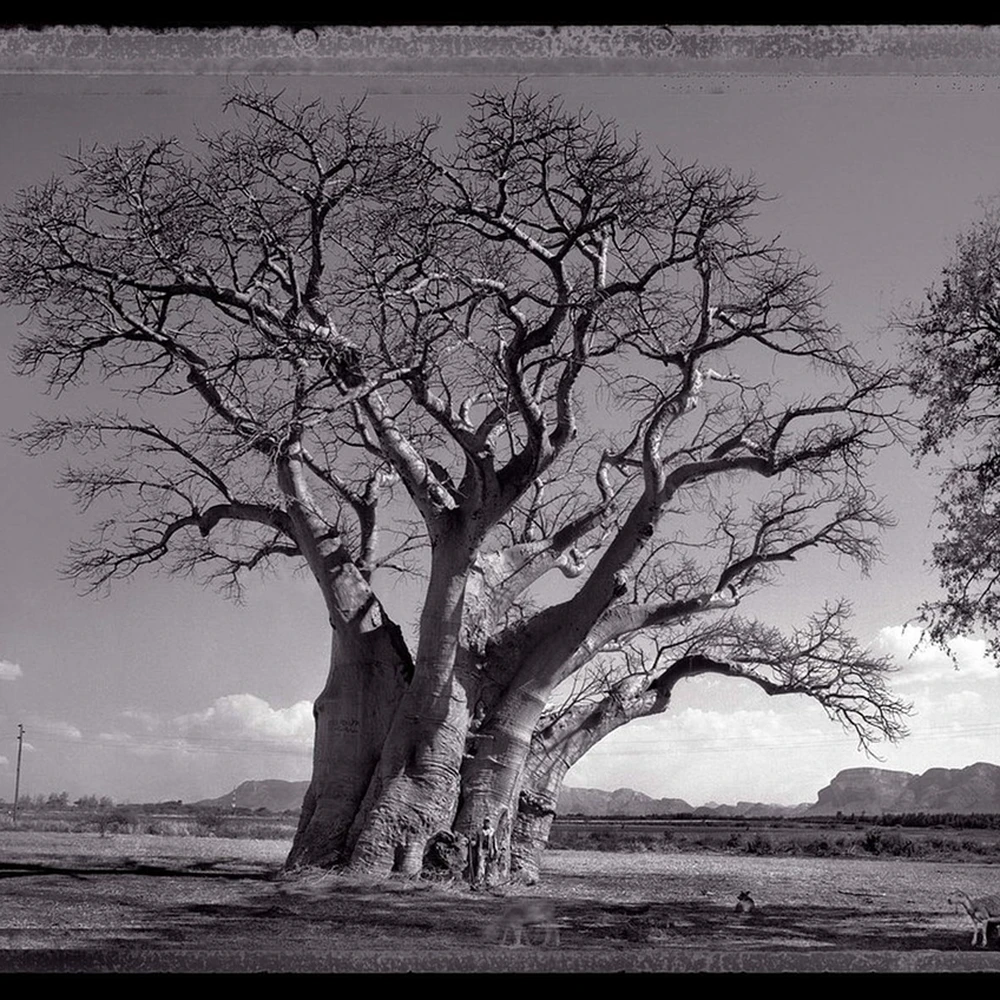
In some of the most arid and infertile regions of Africa, Madagascar, and Australia the Baobab tree grows to enormous size. These miraculous giants are one of the largest living things on the planet and have a potential lifespan of more than a thousand years. They are great friends to their human neighbors—providing an ever-renewing source of textiles, netting, baskets and roofing.
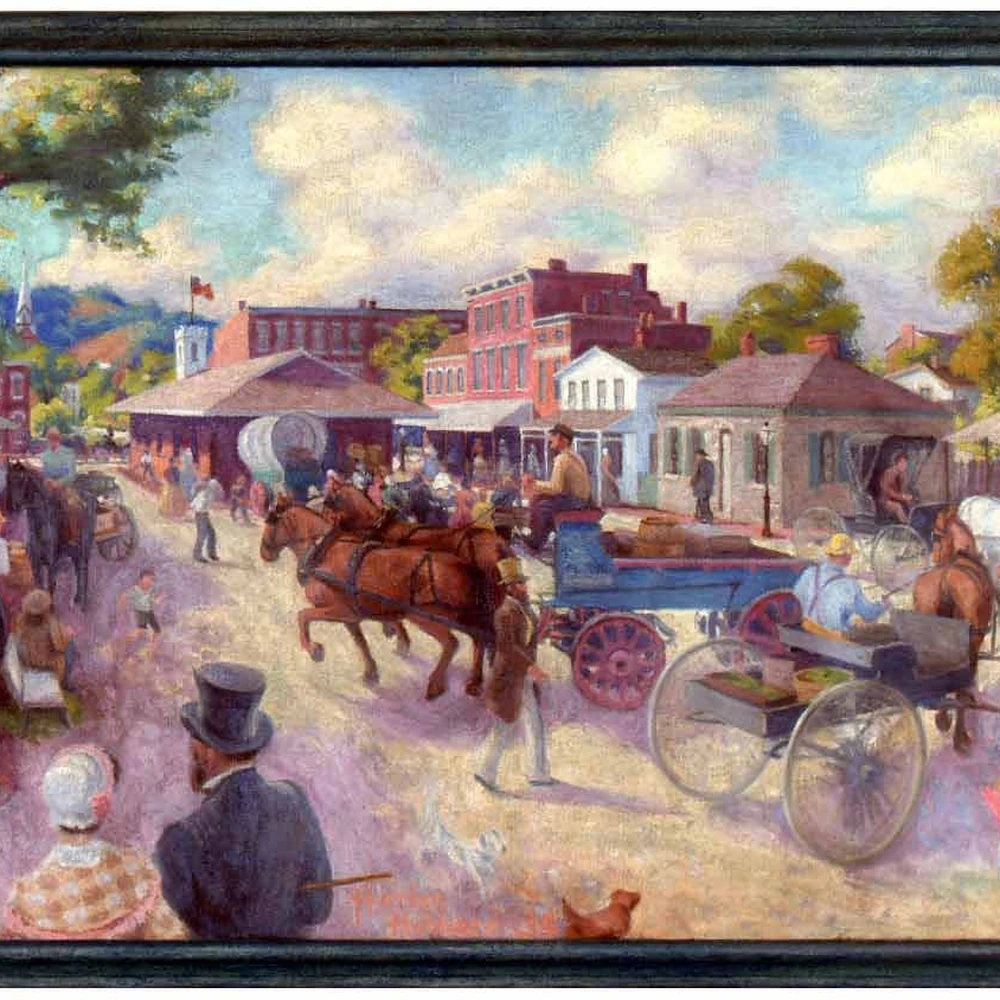
One used to go to a library, look through a card catalog and find a book on the shelf. Or, one would go to the reference desk and ask for a book that couldn’t be checked out. Times have changed. The era of the Internet has brought in computers, online research and technology classes. Patrons now take out a book with a computer-activated library card and access information.
Artists make things. They make stories, they make pictures, they rustle around through possibilities, try something different, emerge with what may be a new look for some old thing. A particular line of work – that is in fact making things – is the creation of sets for theater productions.
