In the summer of 1965, a young black man was pulled over by a white police officer for suspicion of driving while under the influence. The incident occurred on August 11 on the outskirts of Watts and brought with it an unsettling exchange. What initially began as a roadside argument quickly escalated into a fight, attracting the attention of a growing group of onlookers.
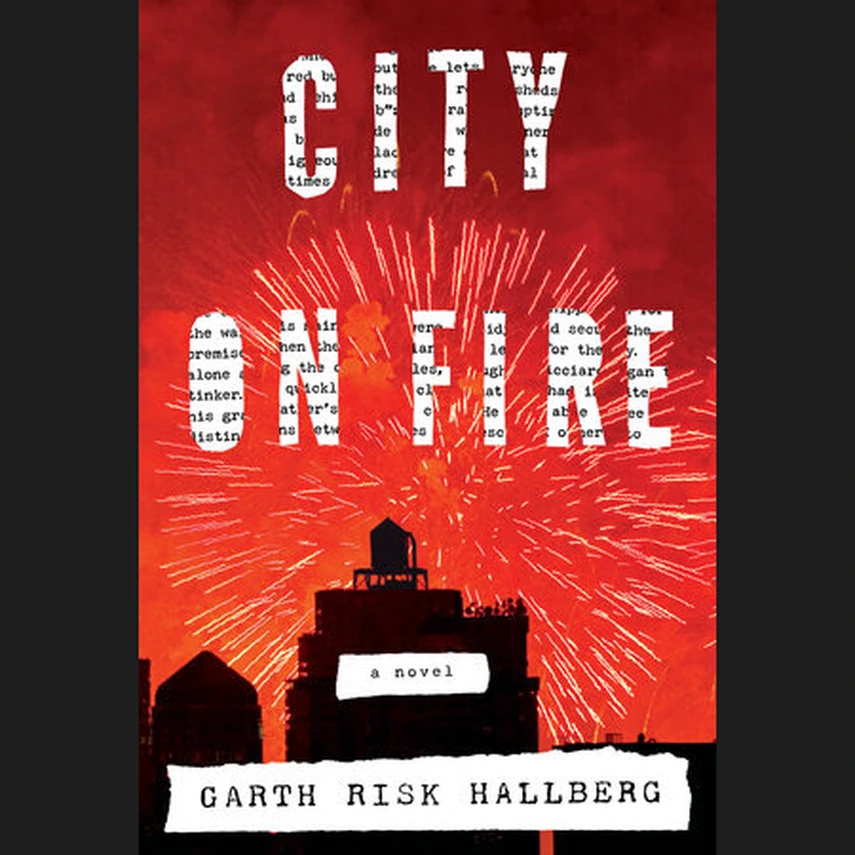
In 2013, the announcement that Garth Risk Hallberg, a debut novelist, was to receive an advance of nearly two million dollars, set the literary world atwitter. A New York Times article stated that the book drew a two-day bidding war, prompting ten publishers to offer more than a million dollars.
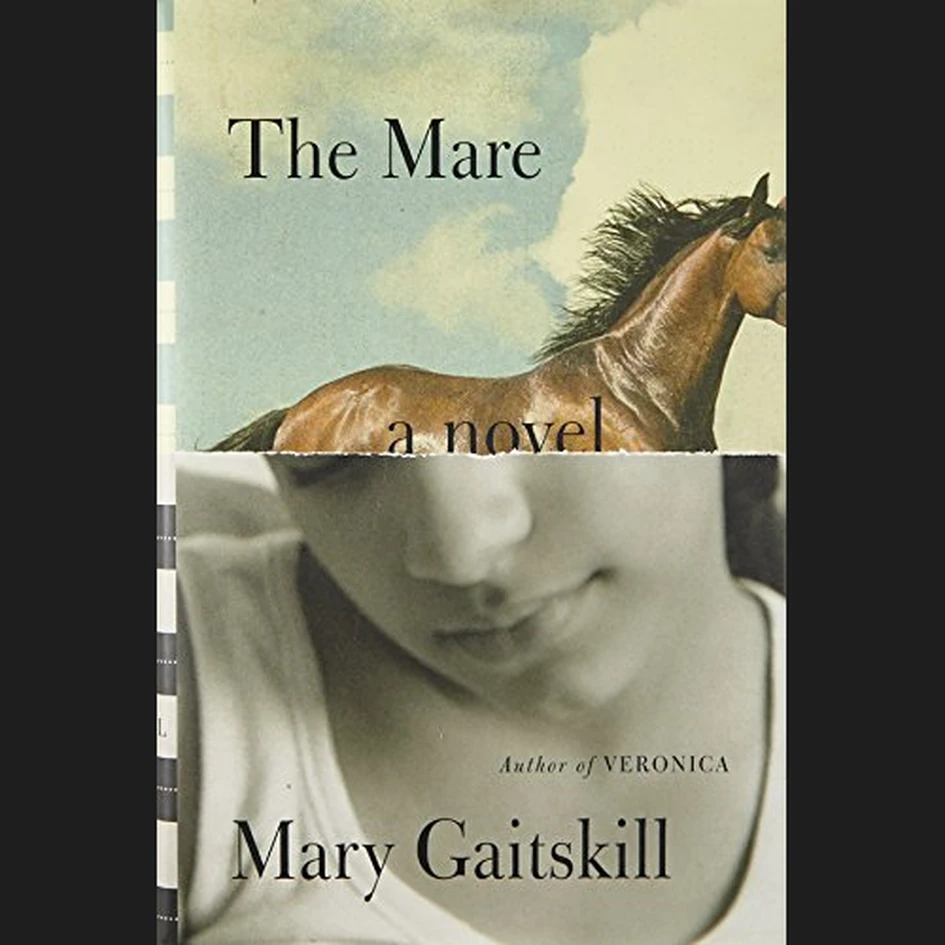
The brilliantly gifted novelist Mary Gaitskill, whose novel Veronica was a finalist for The National Book Award some years ago, and which showcased the greed and narcissism of the 1980s through the character of a high fashion New York model, has returned with her equally impressive The Mare.
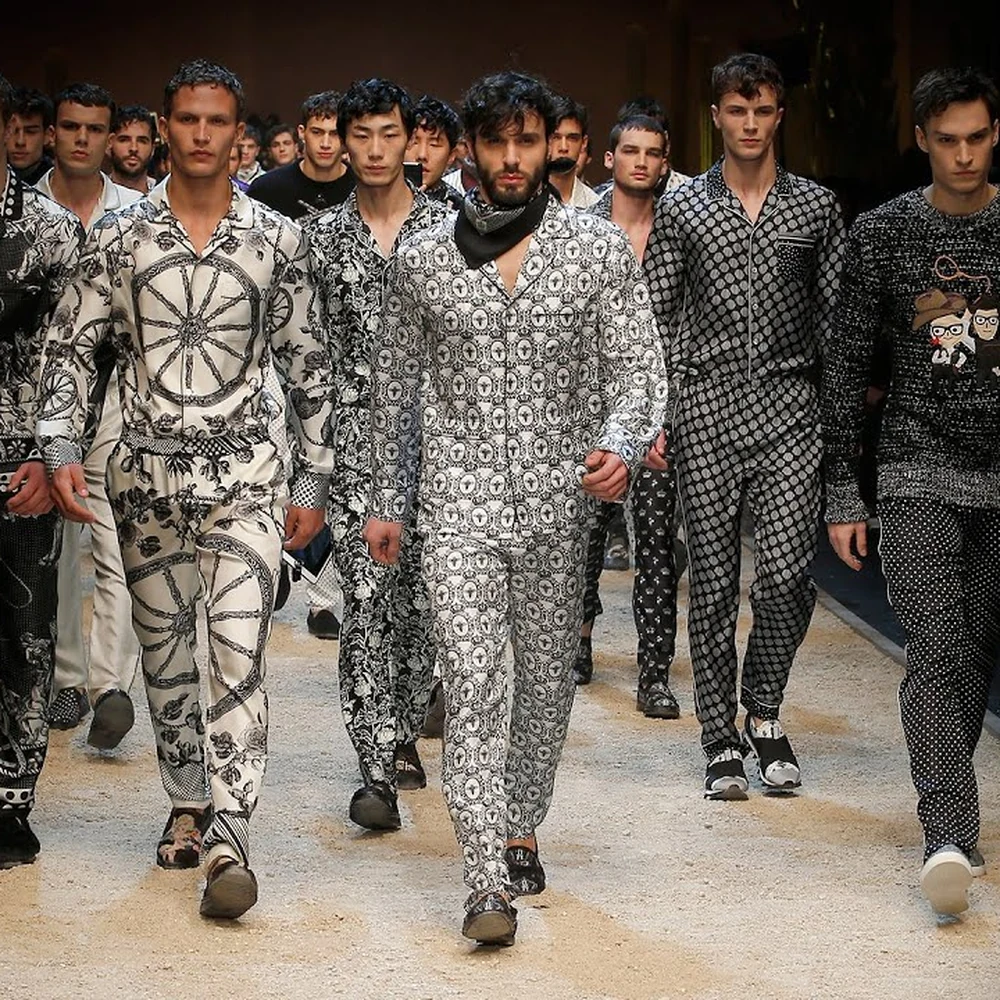
Winter has officially arrived in Cincinnati and so too have an array of new men’s fashion collections for the Fall 2016 season. As in women’s apparel, some collections were classic in color and style, while others took a more avant-garde approach to dressing men.
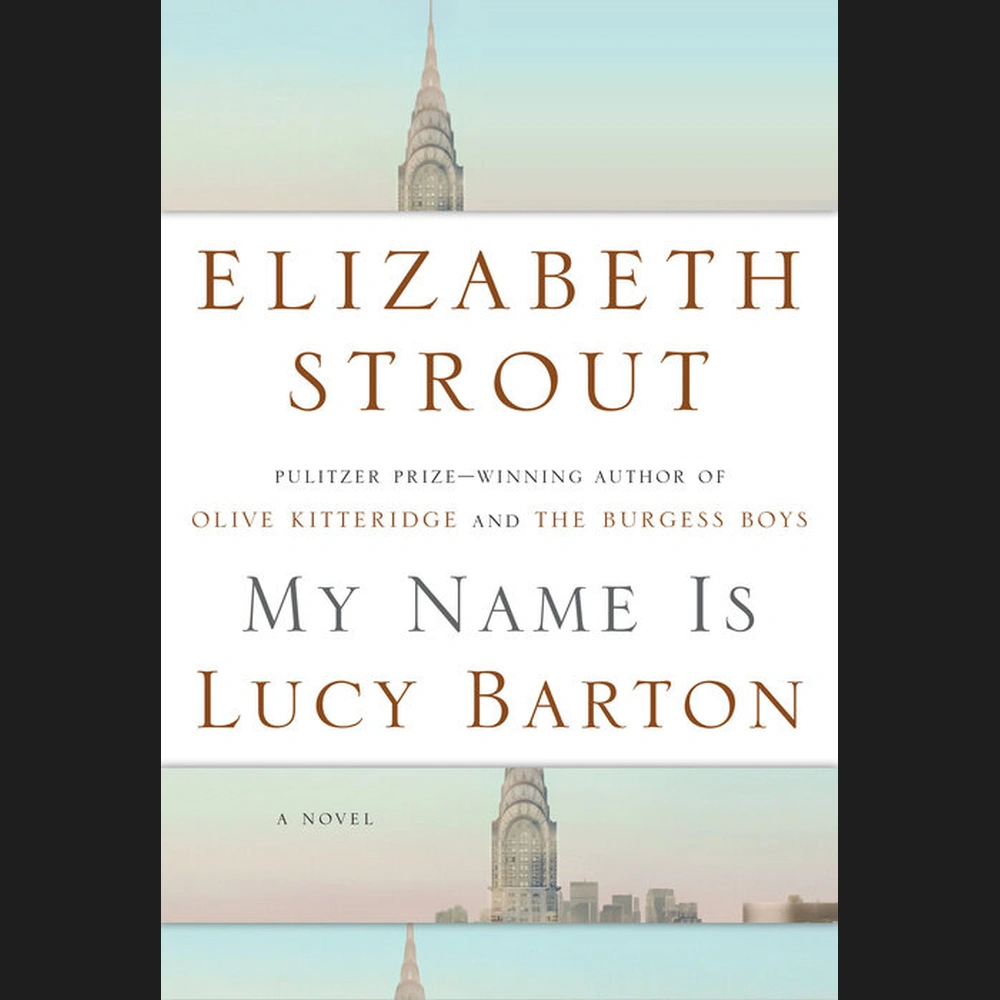
Elizabeth Strout, whose magnificent novel Olive Kitteridge won the Pulitzer Prize for literature a couple of years ago–and who seemed to appear out of nowhere–returns with another flawless novel, My Name Is Lucy Barton.
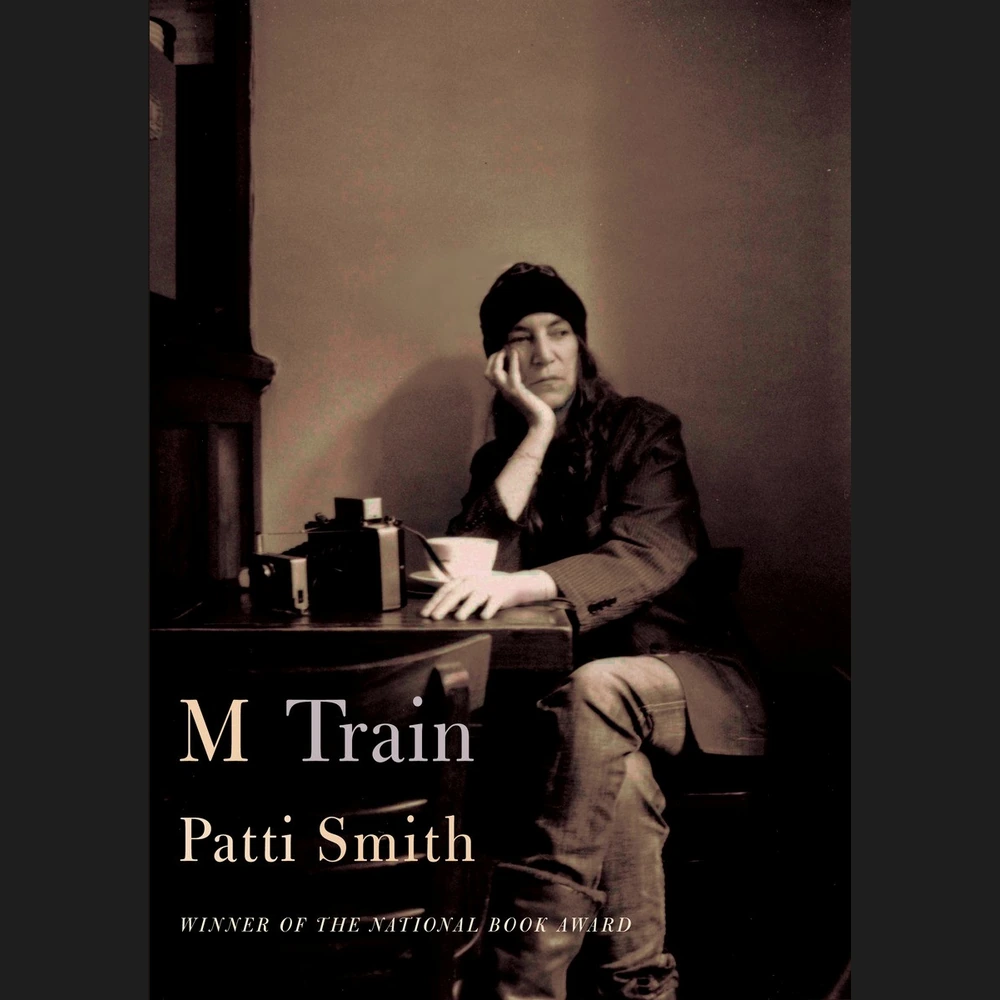
The multi-talented Patti Smith continues her third career as an essayist/memoirist with her superb, slim new book M Train. Having taken the literary world by surprise and storm with her achingly lovely Just Kids, her memoir of her early days in New York with the equally young Robert Mapplethorpe, which won The National Book Award for nonfiction, she continues her interior meditations and near monologues in M Train.
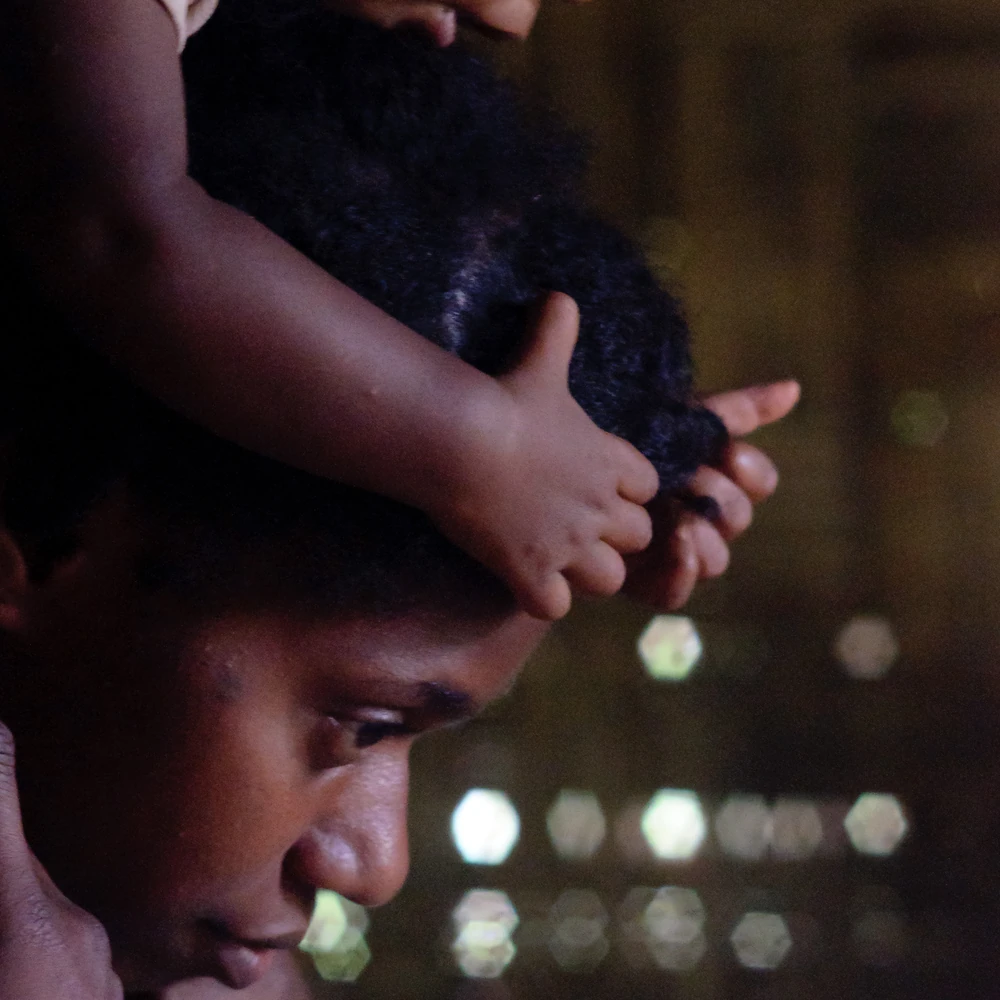
A poem by Louis Zoellar Bickett, dated January 22, 2016, in which a mother leans over the speaker to check a temperature and whispers that they are her little prince.
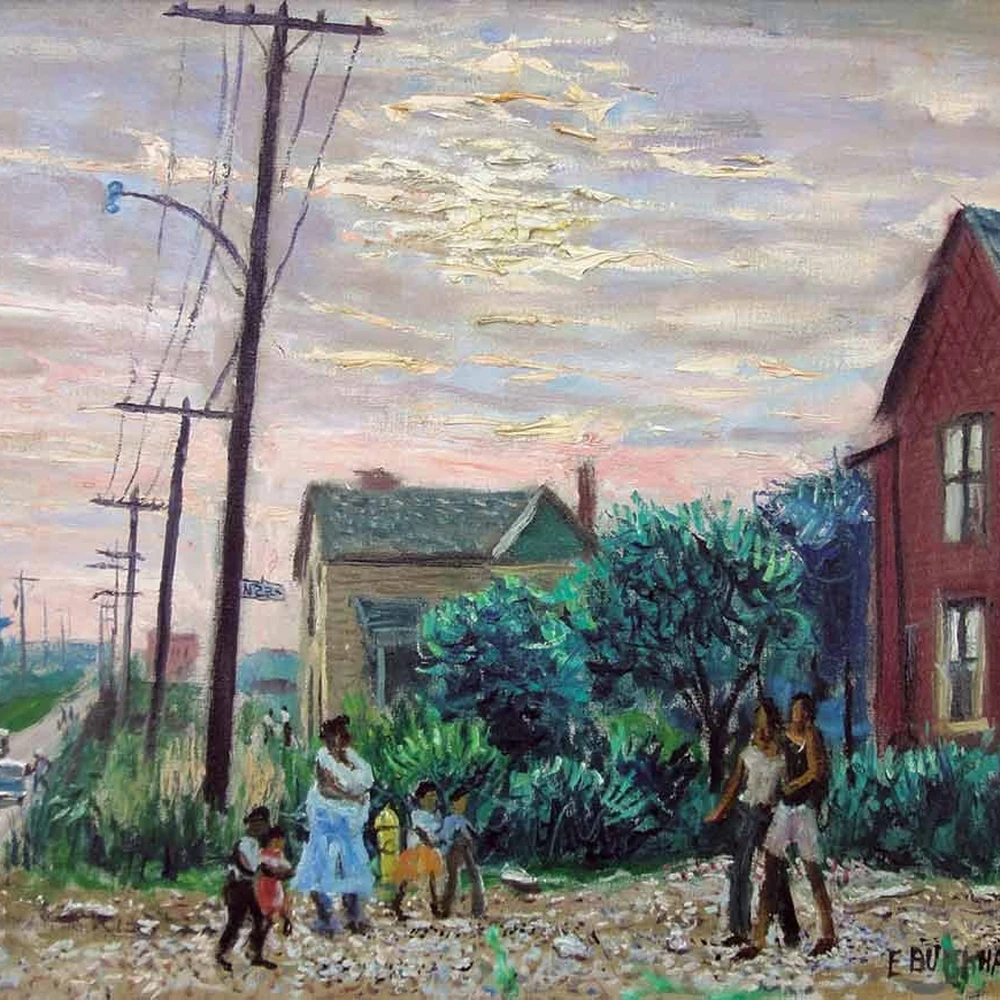
Looking back historically, one sees that Post World War II critics and curators endorsing the trends of expressive experimentation emanating from New York as the mechanism of modernism in the visual arts, eschewed figurative and narrative representations and the artists who employed these elements as outdated and behind the times.
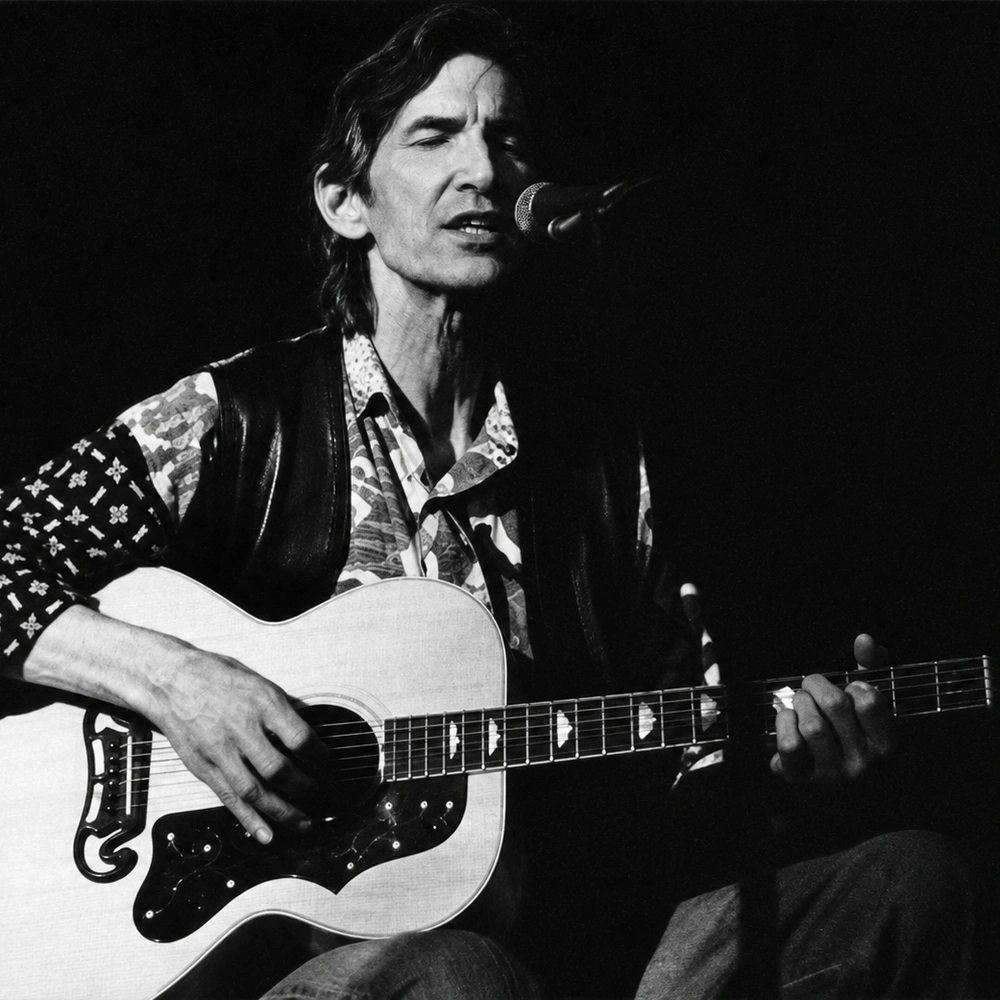
Three poems by Maxwell Redder: “A Good Animal Day,” a walk to a nature center and the animals met along the way; “Roots,” a series of paintings and the memory of a hike planned after graduation; and “Wishing Townes was Around to Drink Bourbon with,” a misty Cincinnati Saturday and seventies country music.
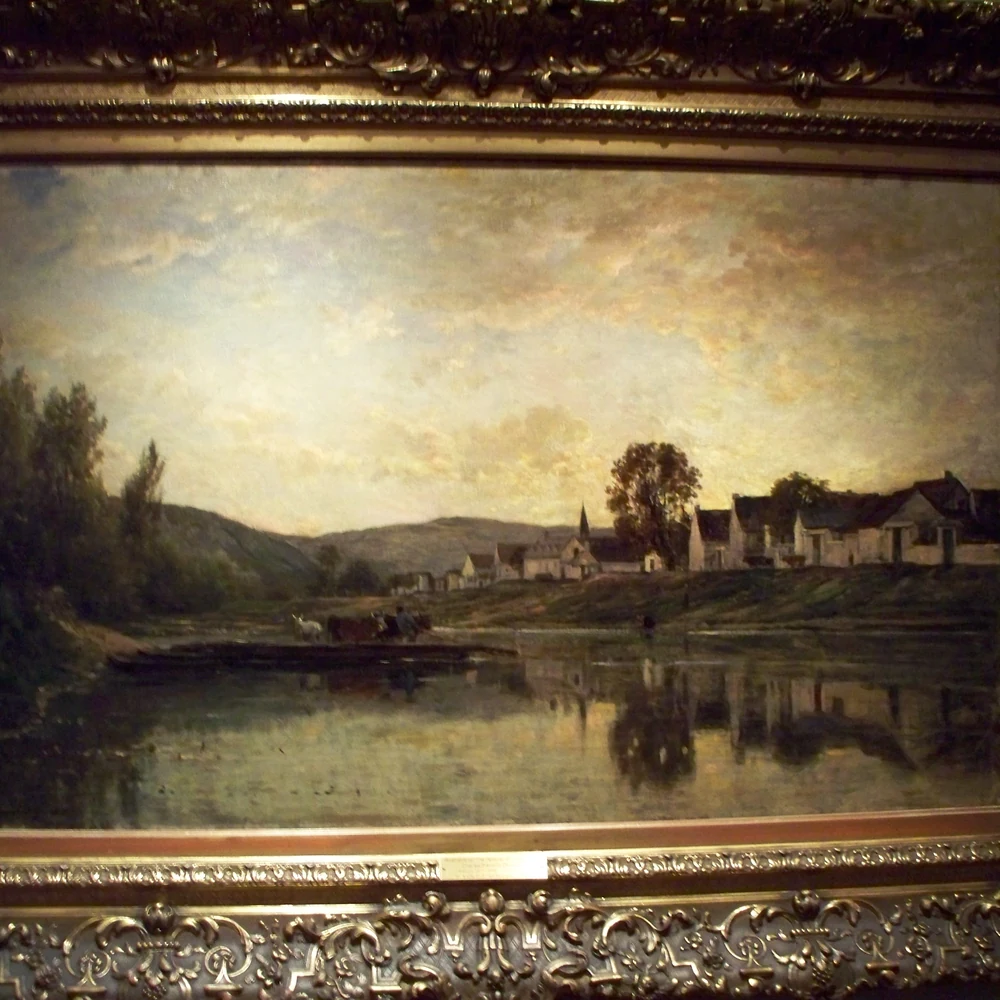
The January issue of Aeqai has just posted, as the season in the visual arts begins to heat up (though ‘heat’ may be an odd choice of words with the weather as it is). We’re excited to bring you a number of excellent reviews and profiles, and to introduce you to two new writers, Chelsea Borgman, whom some of you may know as the woman who runs the C-Link Gallery at Brazee Street Studios, and Steve Havira, our new film critic.
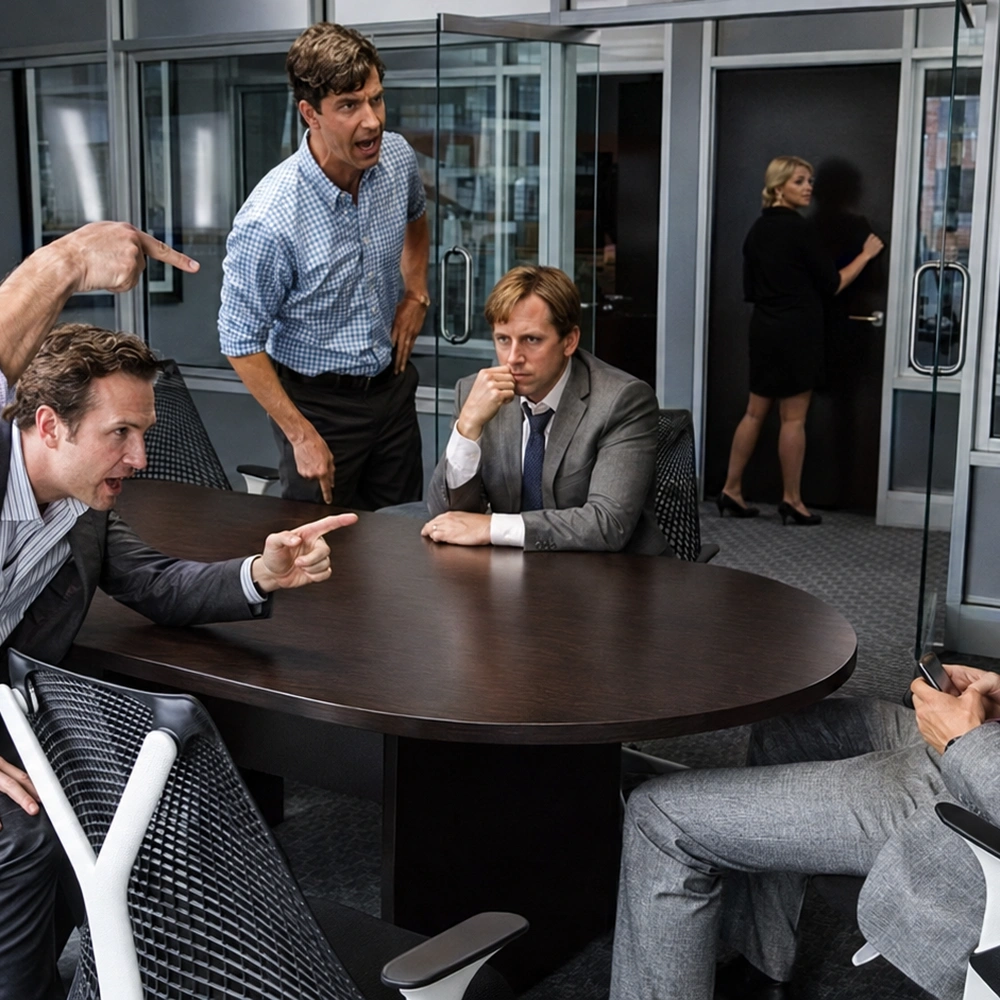
Hollywood’s cliff notes version of the 2008 credit crisis is entertaining, cautionary and for those not intricately aware of money management, difficult to digest. Thick subtext abounds. You don’t have to be a financial prodigy though to understand the main principals of the financial crisis. Economy collapse + Government bail out = Rich got $$$. Beyond this however, specifics are heady.
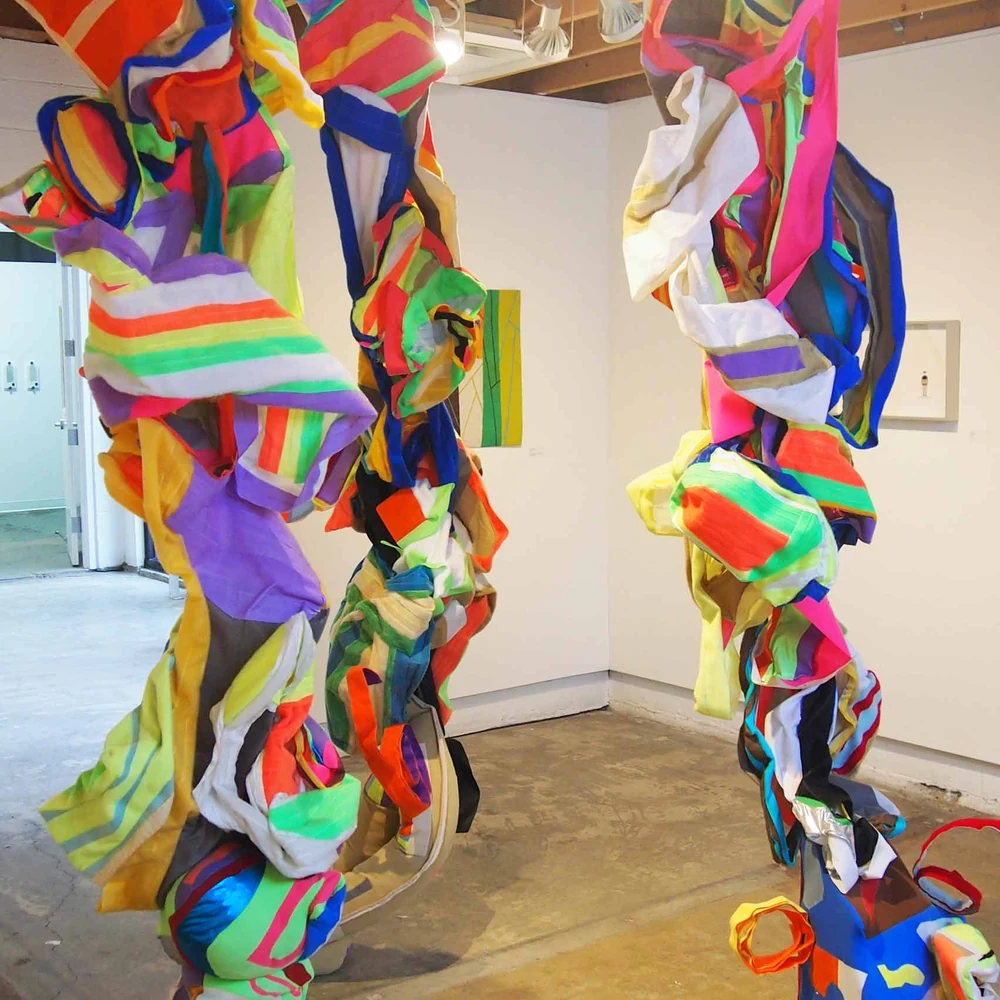
“Fiber?” is this year’s material-based exhibition in C-LINK Gallery at Brazee Street Studios. It features 13 Cincinnati-based artists: Sandra Palmer Ciolino, Judy Dominic, Cris Fee, Jennifer Zimmerman Garter, Kelli Gleiner, Pam Kravetz, Carla Lamb, Jacob Lynn, Karen Saunders, Barbara Stewart, Jenifer Sult, Jonpaul Smith, and Lindsay Whittle.

The large panels of wood had been joined and the soft pine coated with a mixture of animal skin glue and resin. The painter would have preferred to use a wood with a finer grain for this retablo, or altarpiece, an oak or linden, but no such material was available in this area of Spain. The cloth, which would help support the ground for the painting, was stretched over the wet size.
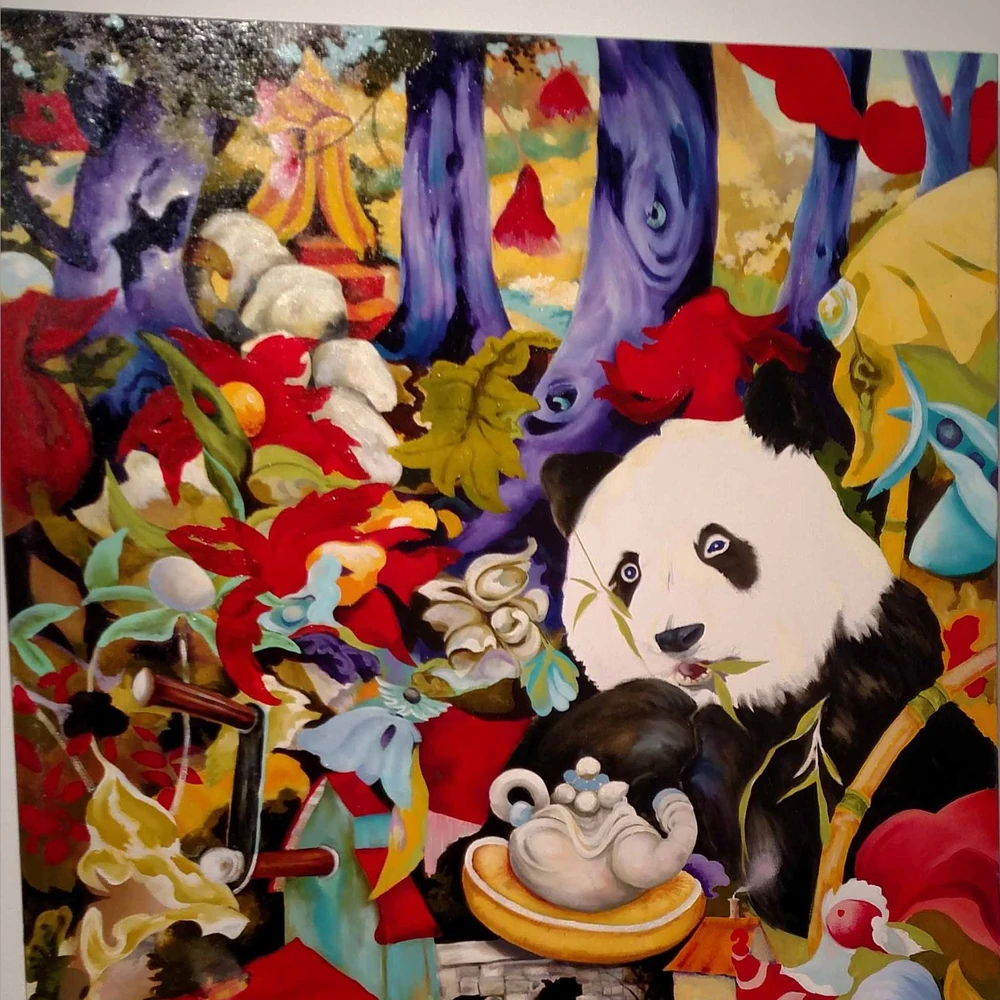
For years Raymond Thunder-Sky could be spotted around Cincinnati construction sites, wearing a hard hat and clown collar. Few people knew that he was drawing the buildings as they were demolished and built anew, imagining fantastical venues like the “Electricians Amusement Parks” and “Carnival Costume Shop.”
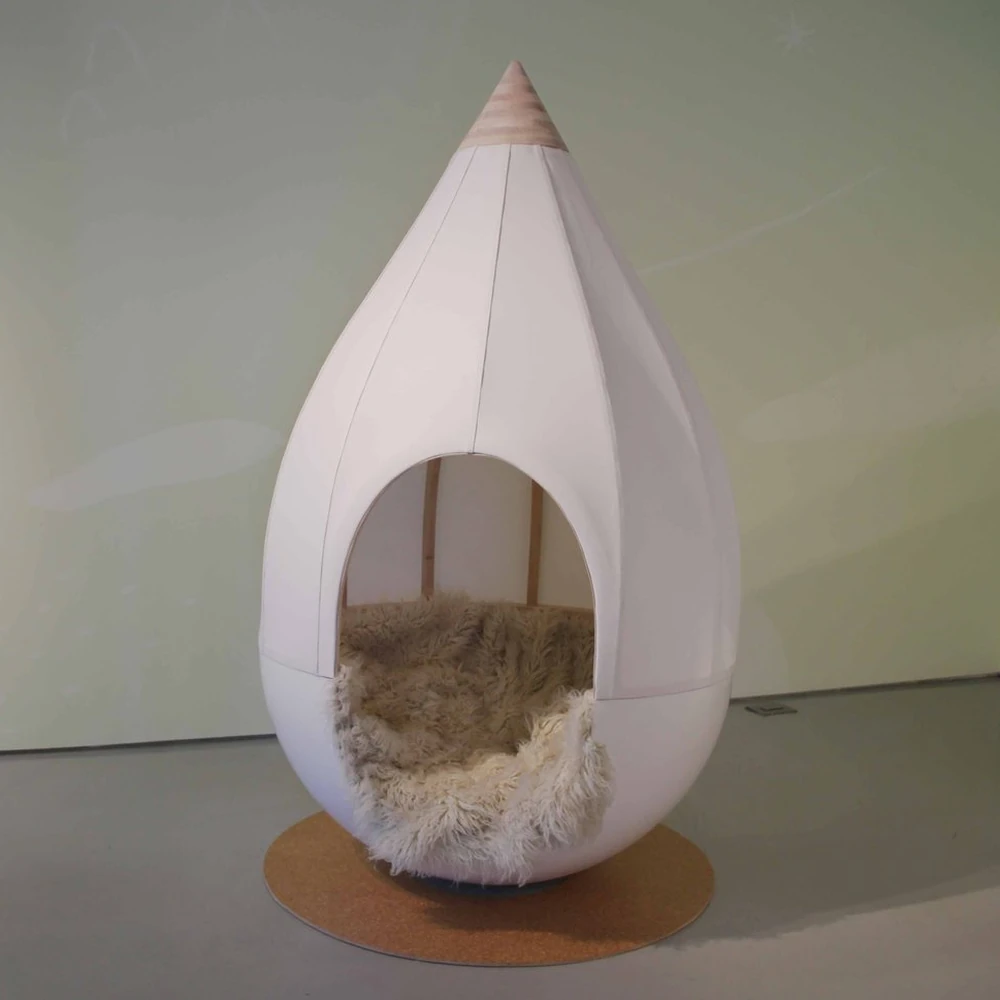
If you have the chance to meet Lizzy Duquette, take the opportunity to sit with her for a moment. She is quiet and shy. She might hesitate to speak first. With the right prompting however, within seconds you will see that she has the mind of an artist — teeming with big ideas and in tune with the natural rhythms around her.
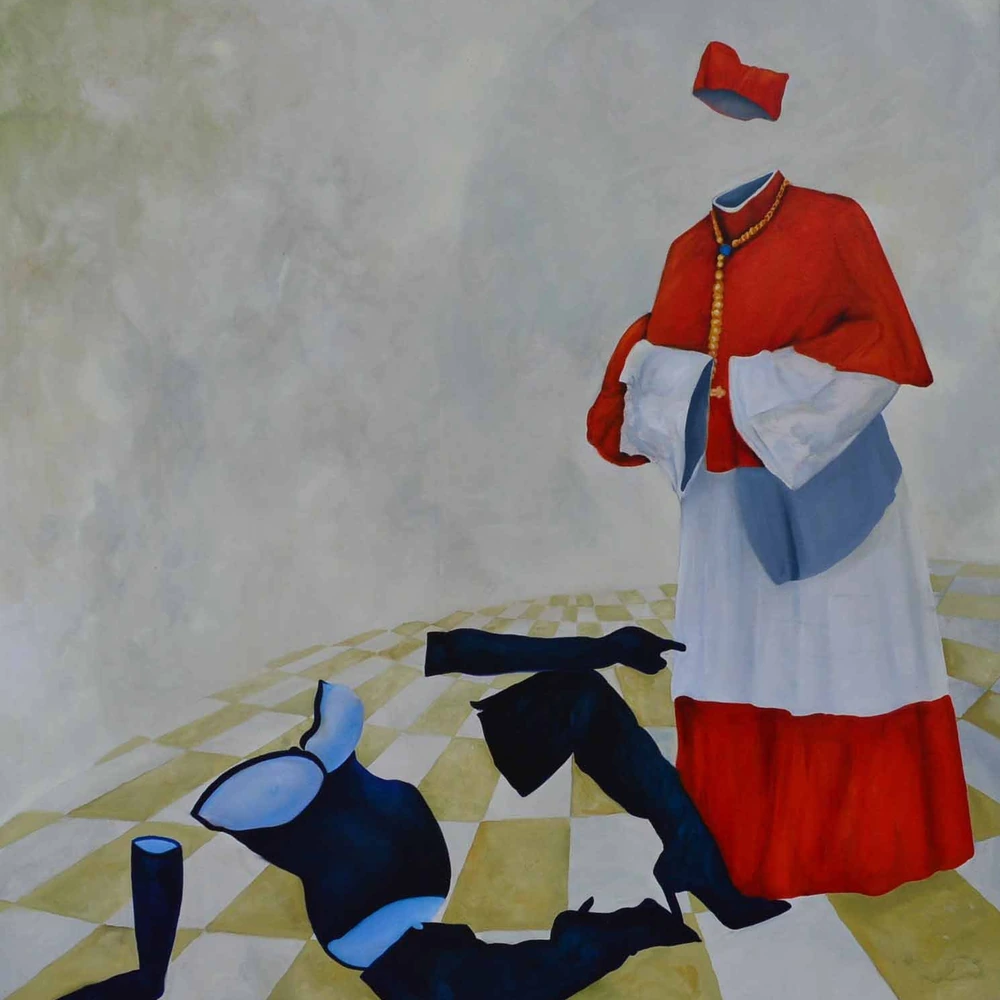
The artist Thomas Hieronymous Towhey, born in Cincinnati in the mid-20th century and resident here most of the time since, gave himself his middle name. Towhey is an admirer of that early Netherlandish painter, Hieronymous Bosch, who in fact played around with his own nomenclature. The Dutchman’s original surname referred to the place his family came from; “Bosch” recognizes his own birthplace.
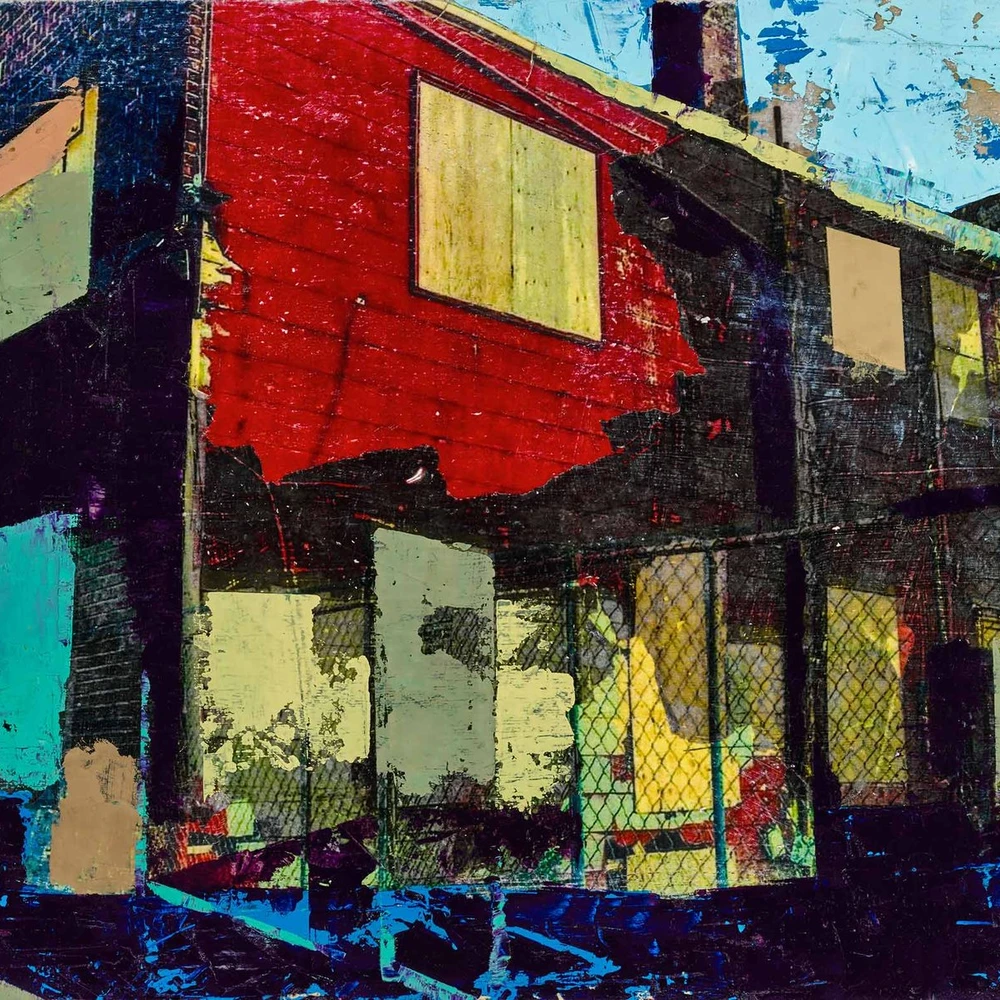
In her latest show at Linda Hodges Gallery in Seattle’s Pioneer Square neighborhood, Daphne Minkoff portrays forgotten pockets of the urban landscape through collage and oil paints. No figures populate these ordinary spaces, yet the signs of human activity remain, in the graffiti and old advertisements that still adorn the walls, and in the very scuffs and imperfections of the buildings.
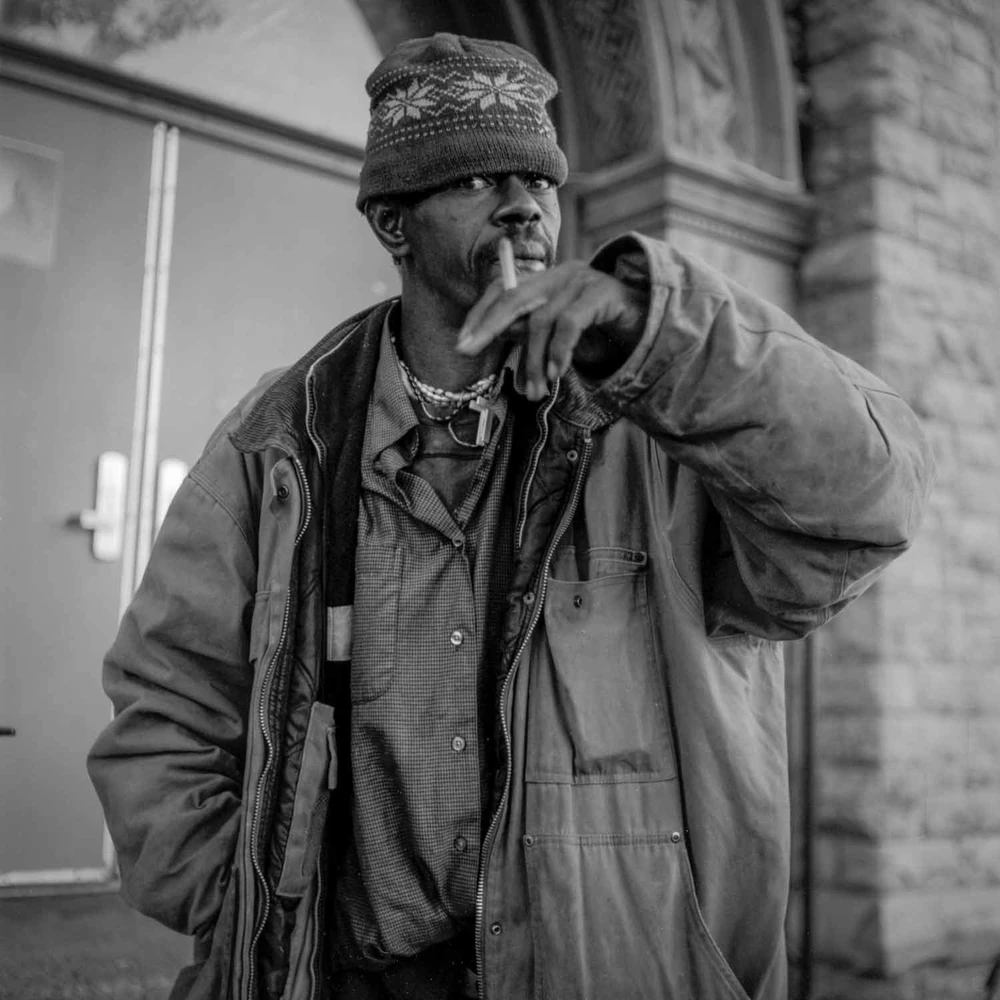
As a symphony musician my time is spent in the opulent settings of a historic 19th century concert hall amidst “the remnants of a great city” as an urban renewal expert once said about the Other the Rhine area of Cincinnati.
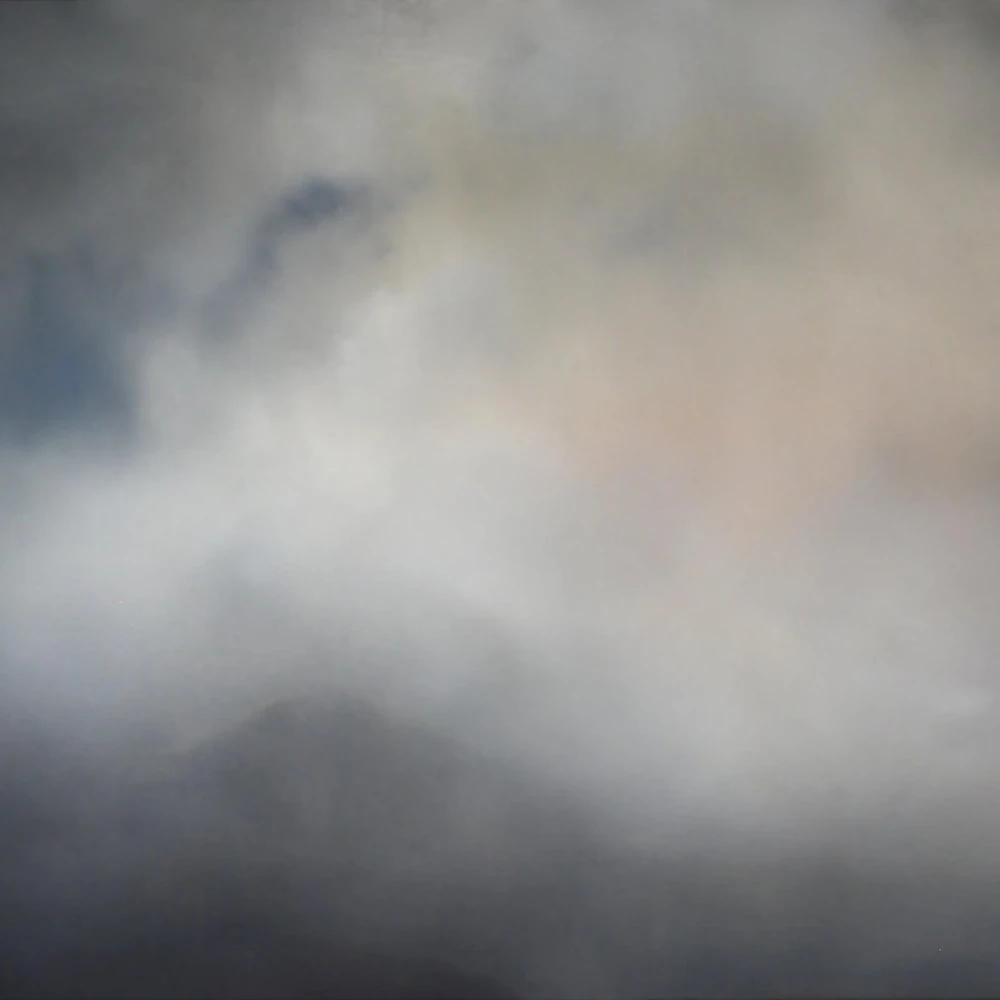
In the artist’s statement accompanying Matthew Metzger’s showing of ten new paintings at Miller Gallery, Metzger articulately lays out some of his goals: “In an overwhelming landscape, harsh, indifferent, opposite to arguably our most endearing human traits, we recognize our humanness.”
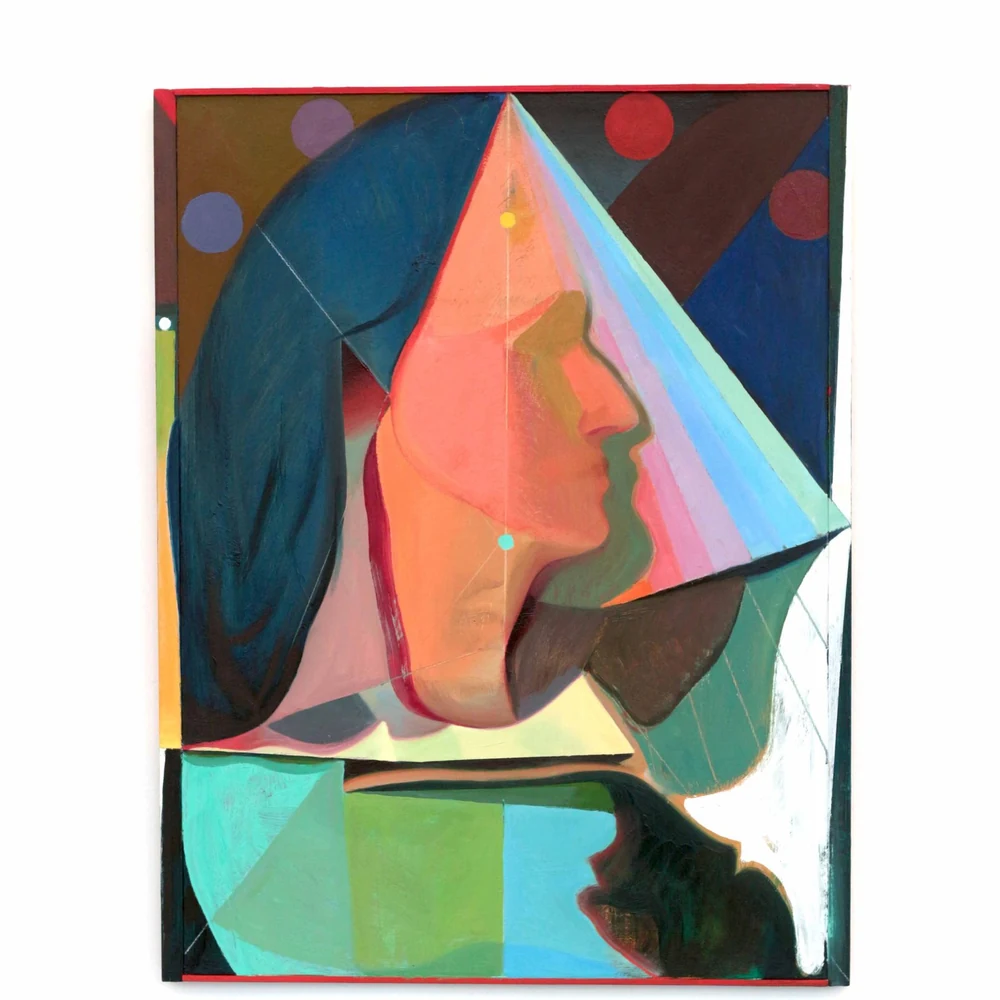
One of those shows that hits you over the head in a good way, “The Other Window” features lush, rainbow-bright paintings both stationed on walls and on pedestals and the floor. It’s a funhouse sort of gig, but beautifully, self-consciously serious too.
