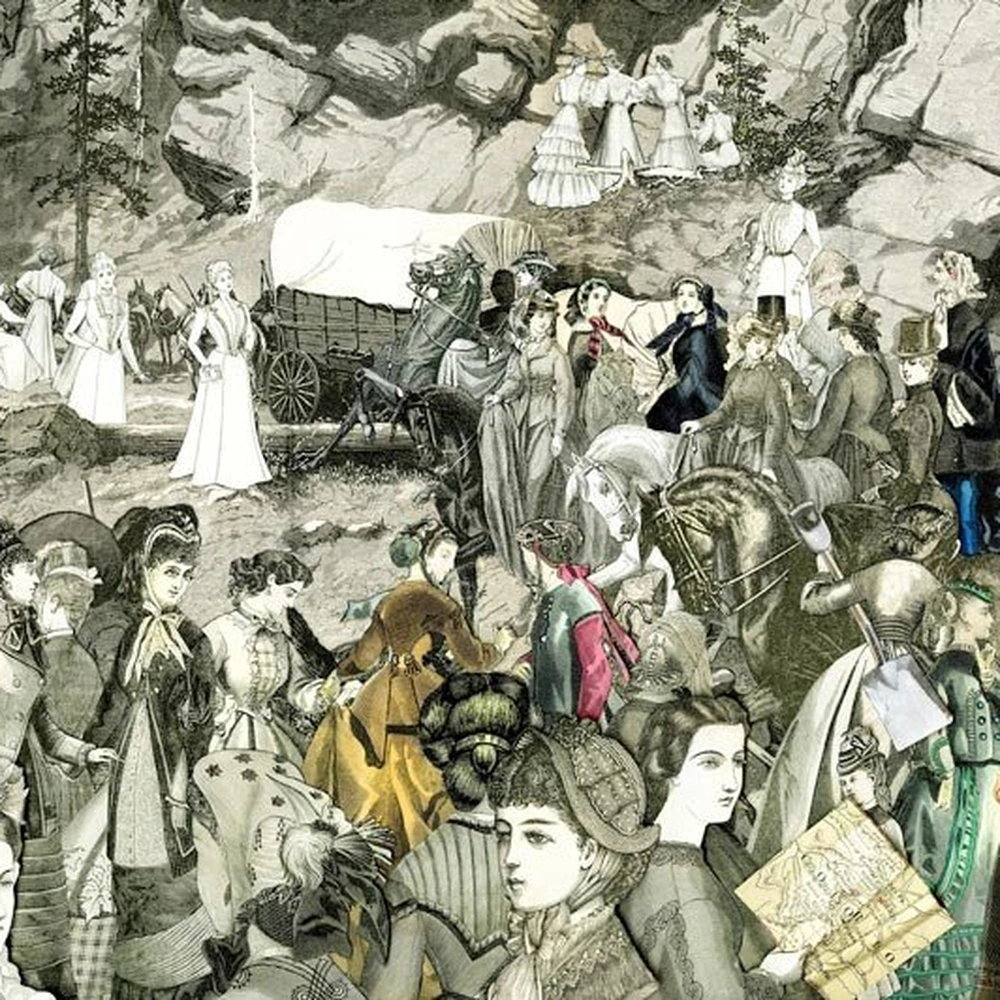
This show, entitled “Pieced Together”, brings forward a variety of work by women in our community in multiple mediums. Elizabeth Leal’s sculptural pieces are organic in formal concept and rhythms. Leal’s wire welds mimic botanical growth forms with spaces that are alternately pasted over with a variety of texturizing natural Japanese rice papers.
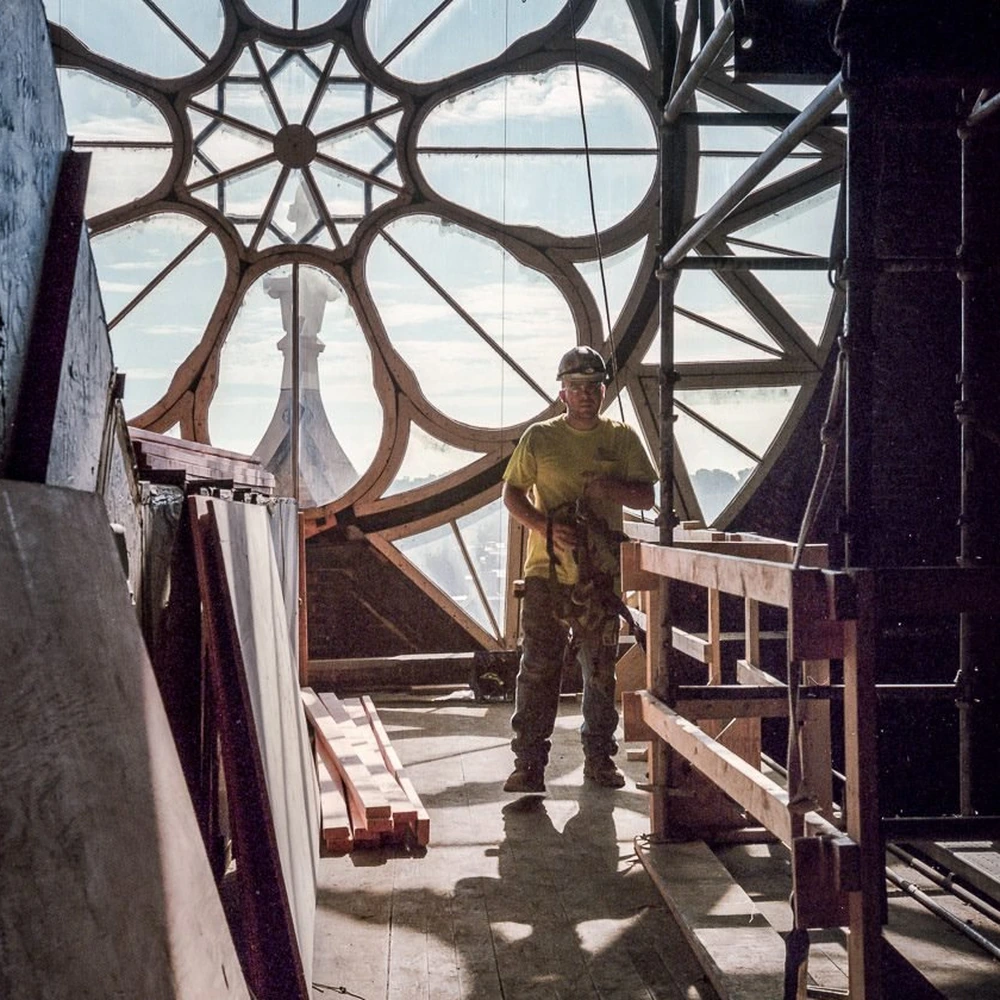
To start the new year right, Wash Park Art Gallery offers an exhibit of twenty artists, both painters and photographers, that will run through February 18. Holly Doan Spraul, gallery owner and curator, has covered the walls of this 19th century house with as many works as possible. One painting even hangs in the bathroom. Despite the range of artists and large number of works, this is no grab bag show.
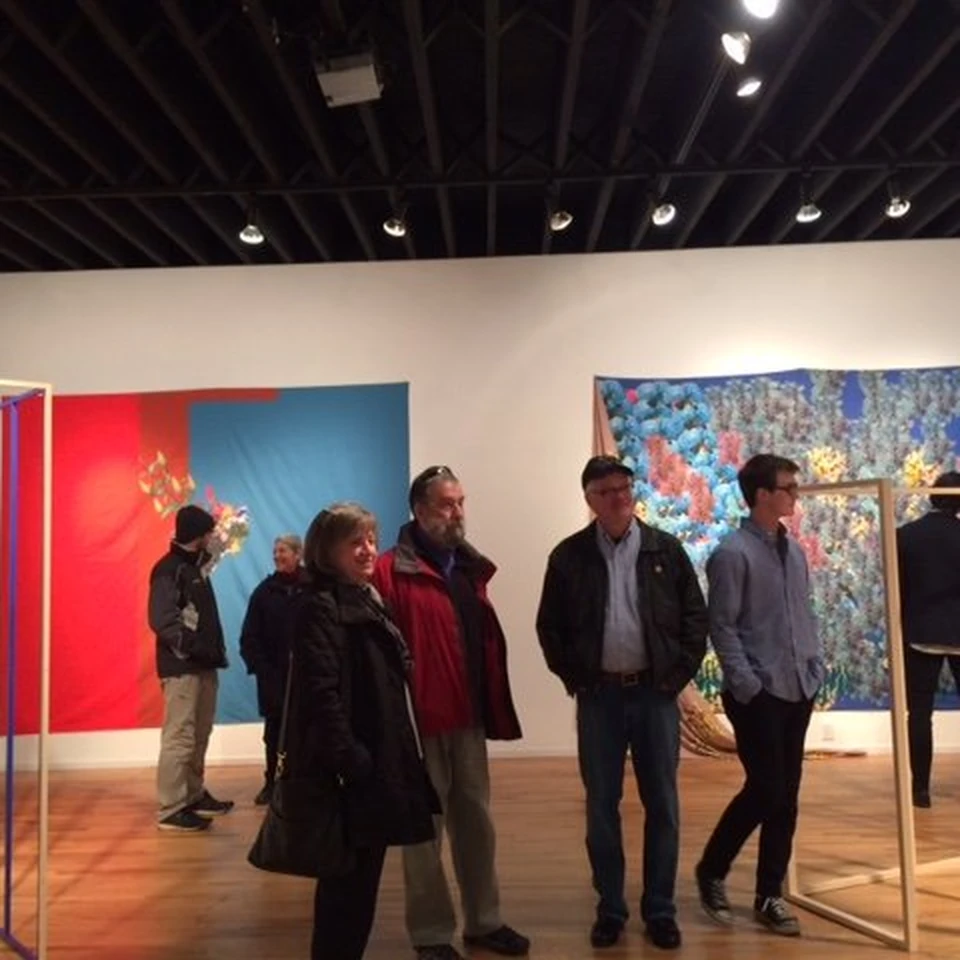
Color is the lush and unapologetic feature that binds the three artists whose solo presentations opened Friday, February 3rd, 2017 at the Carl Solway Gallery in Cincinnati and continue through April 29. Hildur Ásgeirsdóttir Jónsson’s new woven silk weavings are the quiet scene-stealers of the Solway shows, though all three artists weigh in with thoughtful and inventive art work in three distinct mediums.

In “Max Beckmann in New York,” the Metropolitan Museum of Art has brought together 14 works painted when the artist lived in the city in 1949 and 1950, and 25 earlier paintings (1920-1948) from New York collections. Although the New York-centric focus would appear to be narrow, the show provides a concise overview of his oeuvre.

This winter, three major New York institutions hosted exhibitions of immersive, moving image installations.
Aeqai’s back with a double issue, January/February, 2016, and the new issue has just posted. We hope that you’ll find our slight increase in cultural criticism and some theoretical articles appealing, as we do, as we plan to increase posting articles like these. Jack Wood, a printmaker of increasing renown, sent us, by request, an essay he wrote on gender studies, really, called “Caroline Wells Chandler: Crocheting Utopia”.
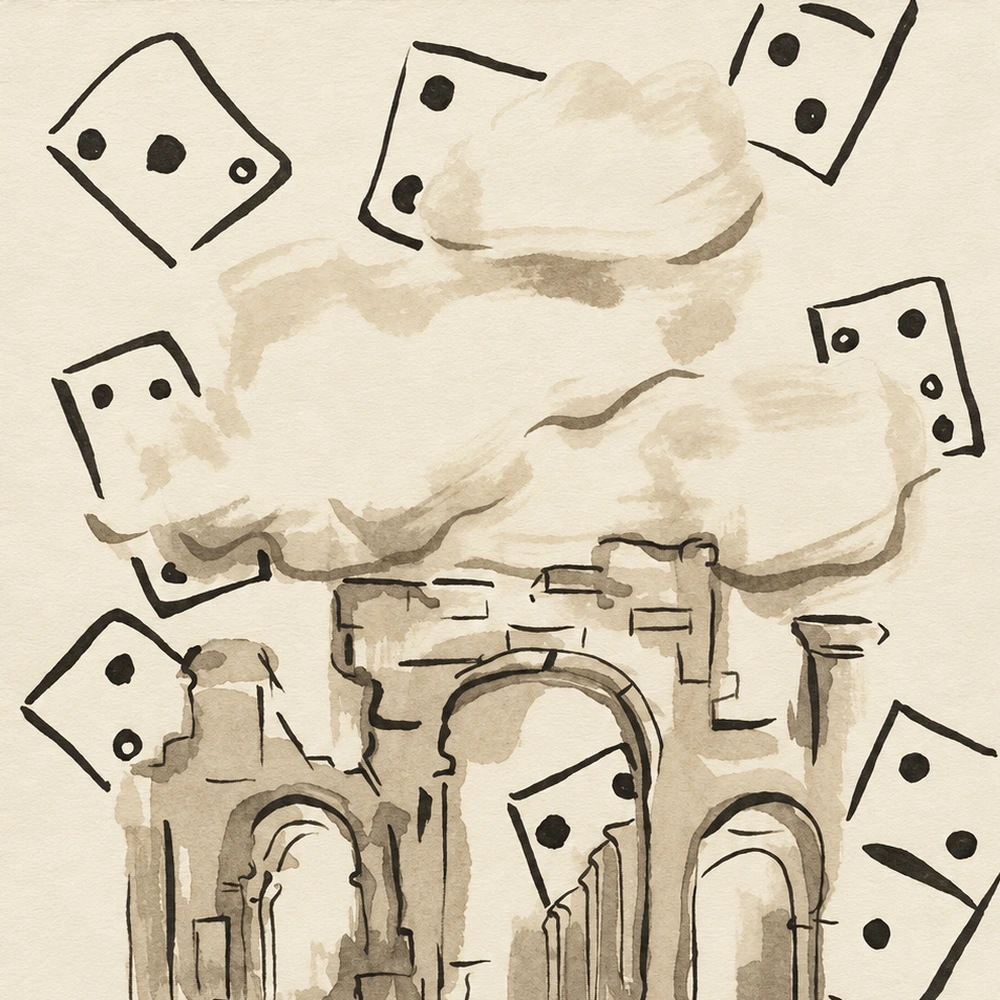
“Capriccio,” Michael Dopp’s show in Roberts & Tilton’s small secondary gallery, features 18 ink drawings brimming with symbolism. From afar, their washy Old Masterish monochromaticity suggests pictures one would find hanging in a musty museum or library display case rather than on the walls of a contemporary gallery. Closer observation reveals that the venerable academic semblance belies impishly fanciful compositions.

George Rush complicates the privacy of domestic and gallery space with his exhibition Walls, Windows, Rooms, People at the Weston Gallery. Using changes in texture, color and spatial context, Rush asks the viewer to simultaneously act as voyeur and participant in his airy carefully planned pictures. Rush visited the great Roman wall paintings in Italy over the last few years.

“The Poetry of Place” is a small show at the Cincinnati Art Museum, with only 18 photographs by only three artists, William Clift, Michael Kenna, and Linda Connor, the works all selected from the Museum’s permanent collection and organized by Curatorial Assistant of Photography Emily Bauman.
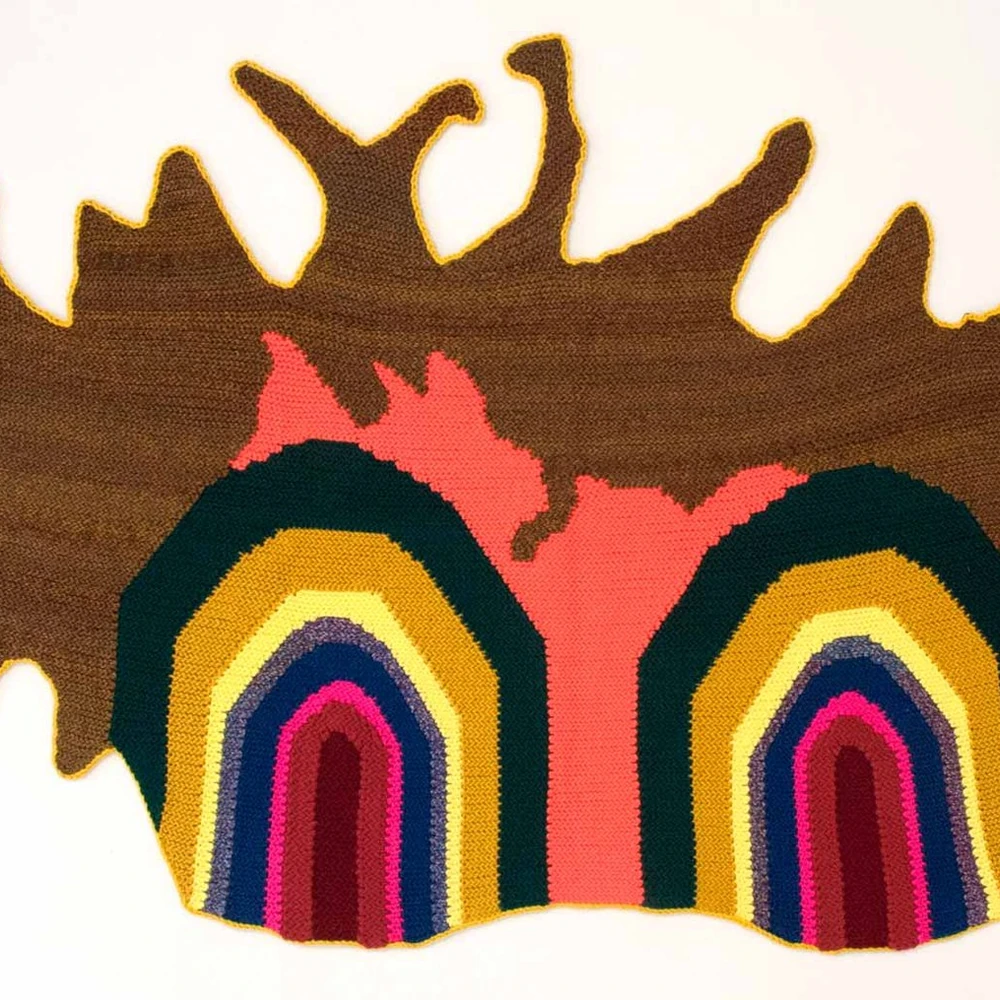
This essay hopes to provide readers a theoretical analysis of the queer abstraction of Caroline Wells Chandler (b.1985), a contemporary New York painter. The methodology of the essay will operate from a queer feminist vantage point orienting Chandler’s work within the futurity of the late José Esteban Munõz (1967-2013) in Cruising Utopia, the then and there of Queer Utopia.

For Elena Harvey Collins And Liz Roberts “Soft Regards” Installation, which has already come and gone from the Weston Gallery, the suggestion seems to be hope for the best but prepare for the worst, conceptually and practically. Get into Bunker Mode with a pillow, a calming tea, and some of your favorite dystopian books. Learn some low-cost self-defense methods. Meditate against the Great Anxiety Generation.
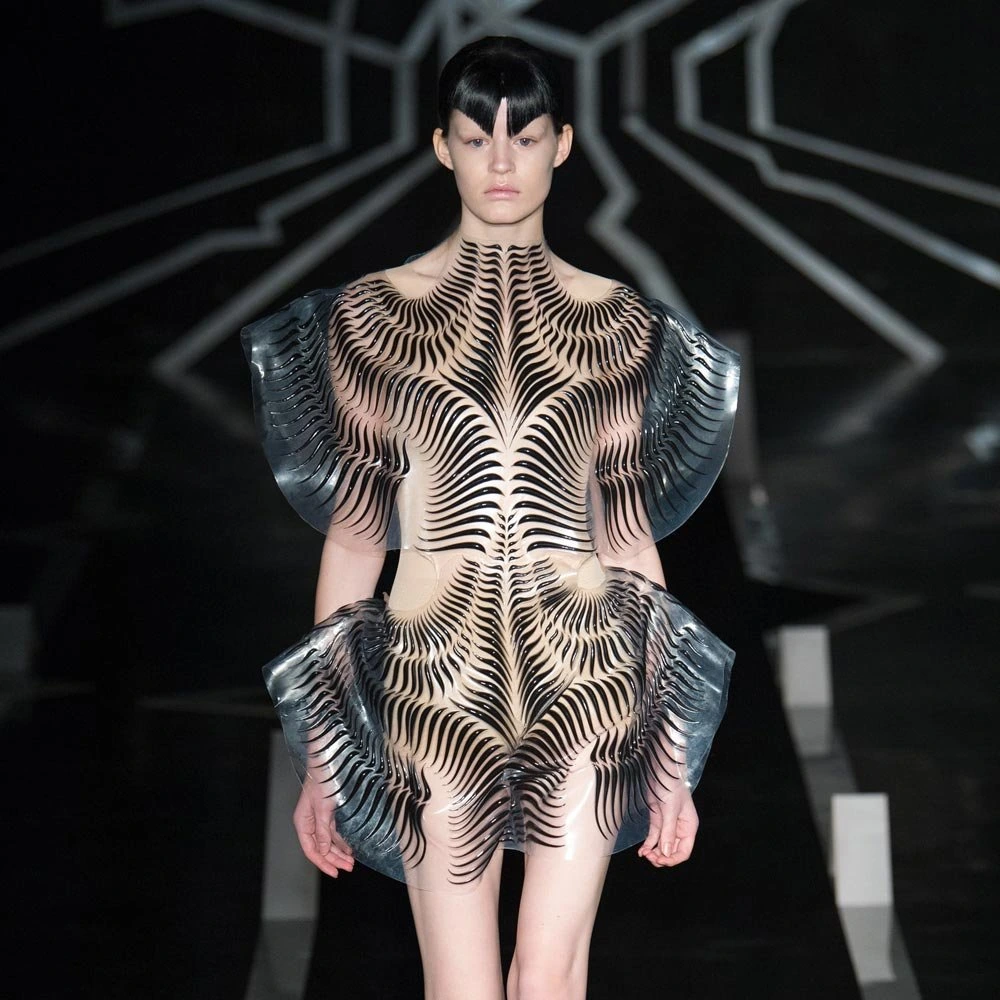
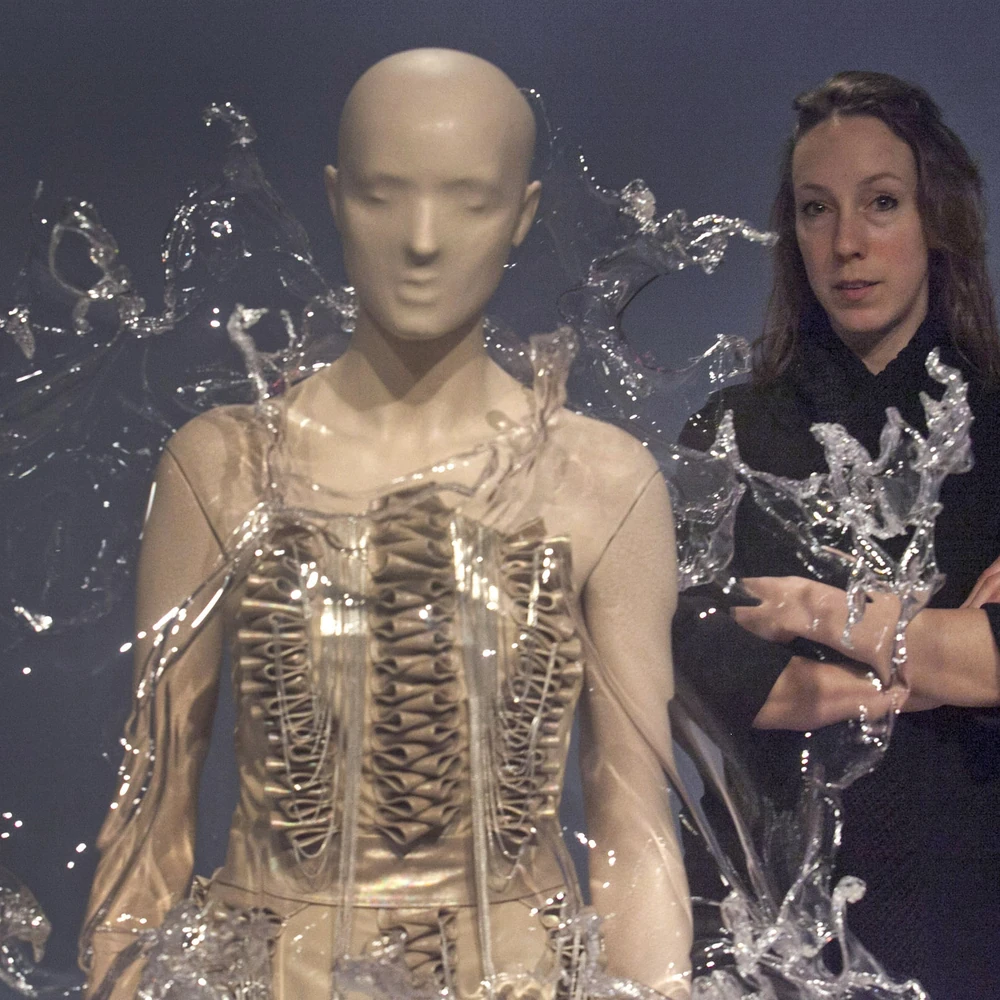
When fashion designers gather to showcase their haute couture collections in Paris twice a year, it’s generally an anything goes scenario. To be included in this elite company of artisans, chosen specifically by the Paris Chamber of Commerce, is an honor and only given to those designers at the top of their creative field.
We aren’t able to sleep. Or maybe worse, we are. The panic comes and goes, and then it stays. As presidential orders are meted out at a dizzying pace by the American kyriarchy, art criticism can start to feel frivolous. Perhaps it is frivolous. There are protests to organize, senators to call, tweets to be retweeted, checks to be written, signs to be made. What can a 700-word art review do to combat fascism?
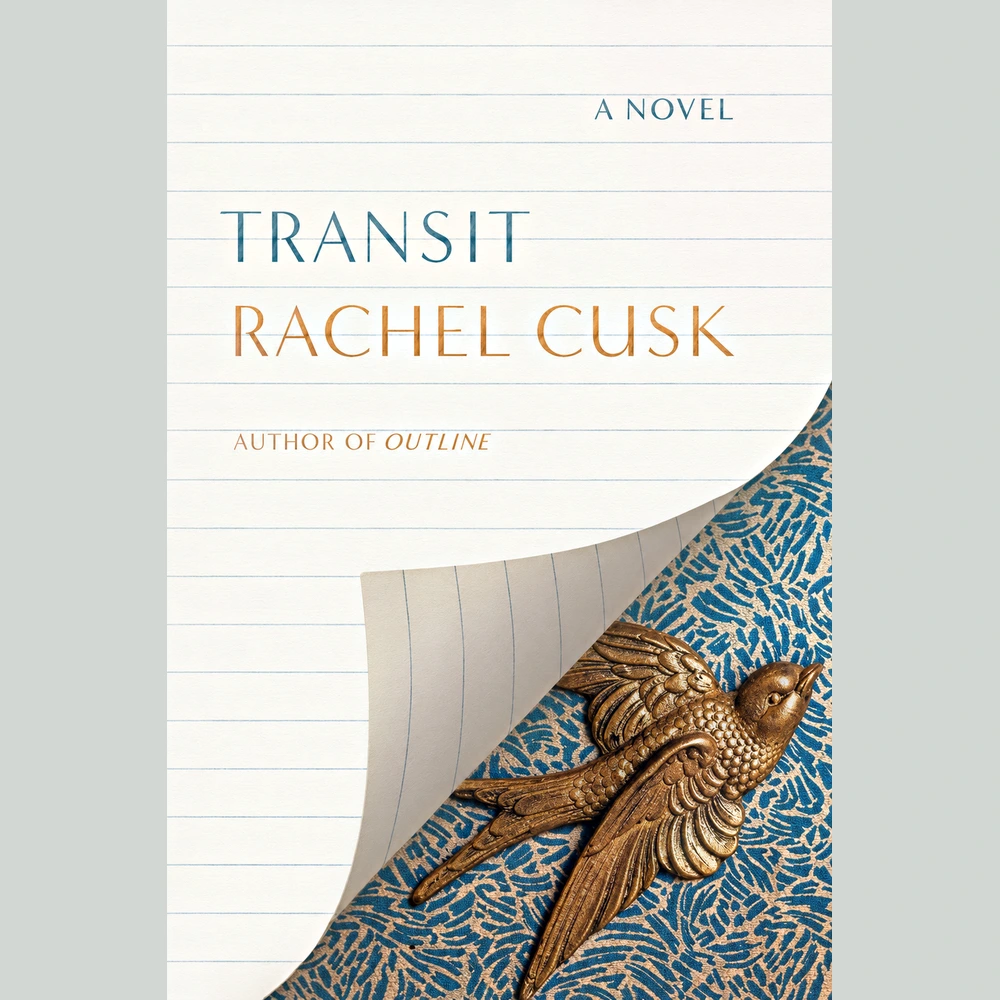
If you haven’t yet discovered the young English writer Rachel Cusk, I urge you to do so. Last year’s offering from her , Outline, was just a shard less spectacular than her just released new novel Transit (note the use of single words as her titles: her writing’s as spare as those one words, with their double/triple meanings and ambiguities).

Behind the scenes of an artist’s work are shippers, framers, restorers and conservators essential to an artist. Cincinnati has several people working in those fields. For this article, we talked with many people who perform such necessary tasks. One of the more experienced restorers and conservators is Doug Eisele, president/CEO, Old World Restorations, Inc. and Eisele Fine Arts, LLC, located in Fairfax.

“VOULKOS: The Breakthrough Years” at the Museum of Arts and Design (MAD) in New York City traces the evolution of Peter Voulkos from accomplished potter to one of the most—quite arguably the most—transformative clay artist of the 20th century.
My wife is expecting me to be the man I promised to be when I told her “even when we return to dust, I am certain our molecules will be holding hands creating something solid like we always have.” My wife is expecting a sober husband soon. One who tears through expectations like a bullet through glass, shattering them to the pieces which hold them. Using uninhibited talent to destroy mummified ambition.
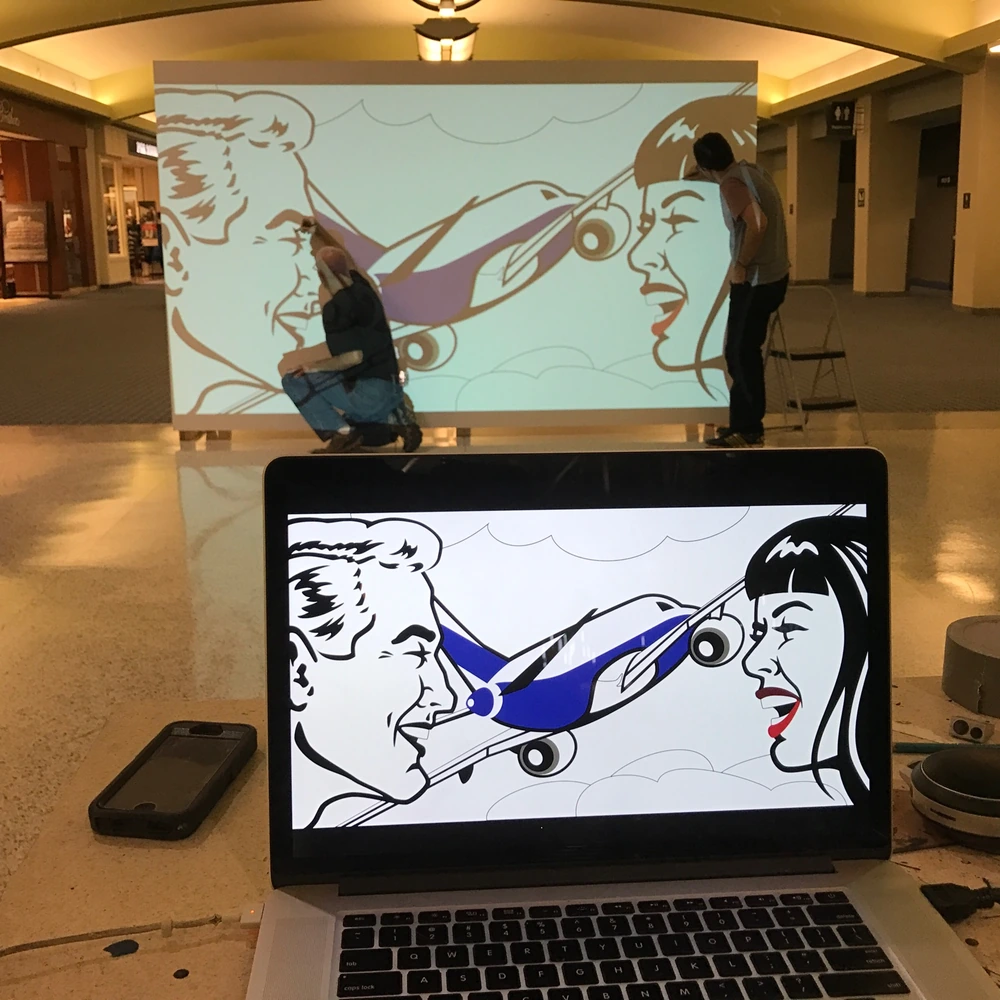
Kevin T. Kelly and his son, Jack Kelly, are in the same line of work. They are artists; they make paintings. This is often a solitary craft, practiced in the studio, possibly alone. Their recent project at the Cincinnati Northern Kentucky Airport was not at all like that.
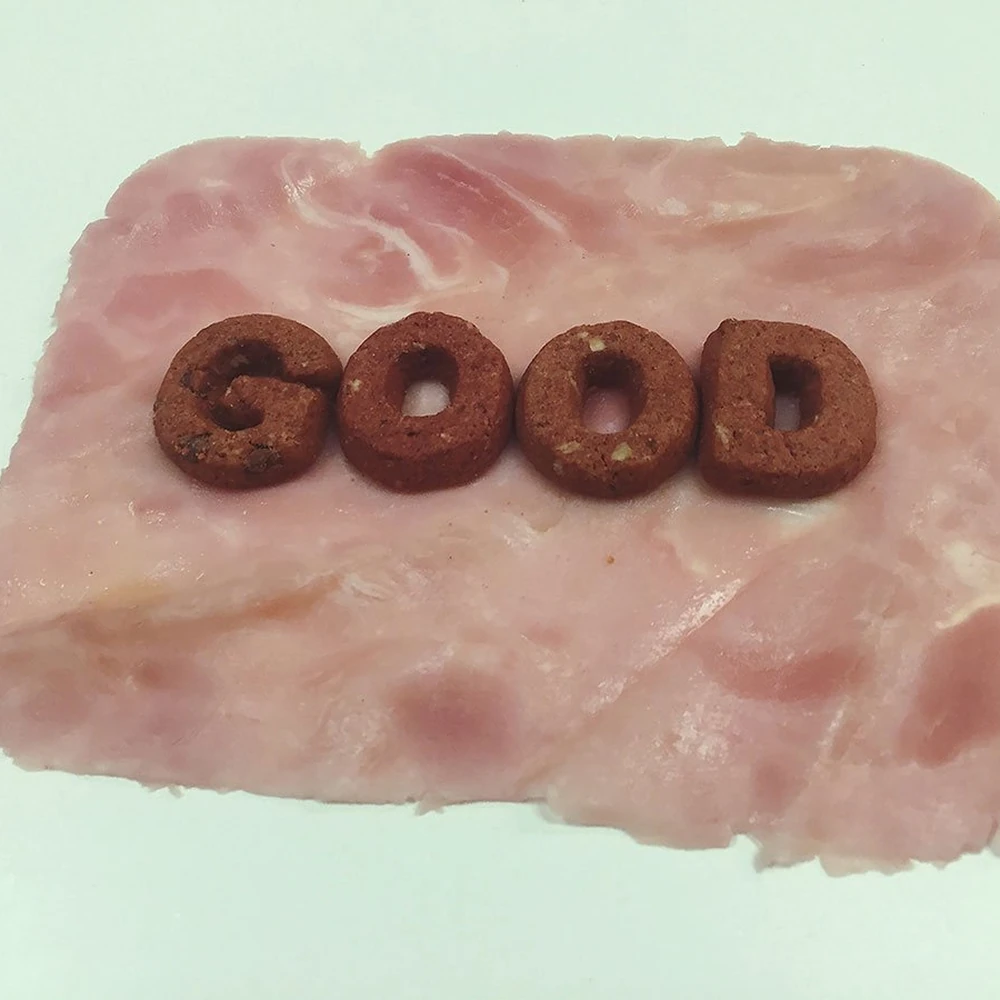
I stumbled across the work of Ella P. Weber on Instagram. I was thumbing through my feed as I normally do. I was feeling listless, waiting on laundry, my mind in a spin cycle from the shaken wake of the past week’s governmental proceedings. I was looking for an out. It’s been feeling most important to maintain perspective. I was looking for that dose of something else to shake the creep of paranoia.

In a month when most of us are struggling to find a concise slogan for our protest signs, Houston’s inner loop as usual is a nest of artistic treasures. This month, I couldn’t bring myself to pay to see Edgar Degas painting at the MFAH (if it’s really “more than ballerinas,” why are you still using ballerinas in all your marketing, MFAH?!), so I sought shows that address three of many, many things we need in 2017.
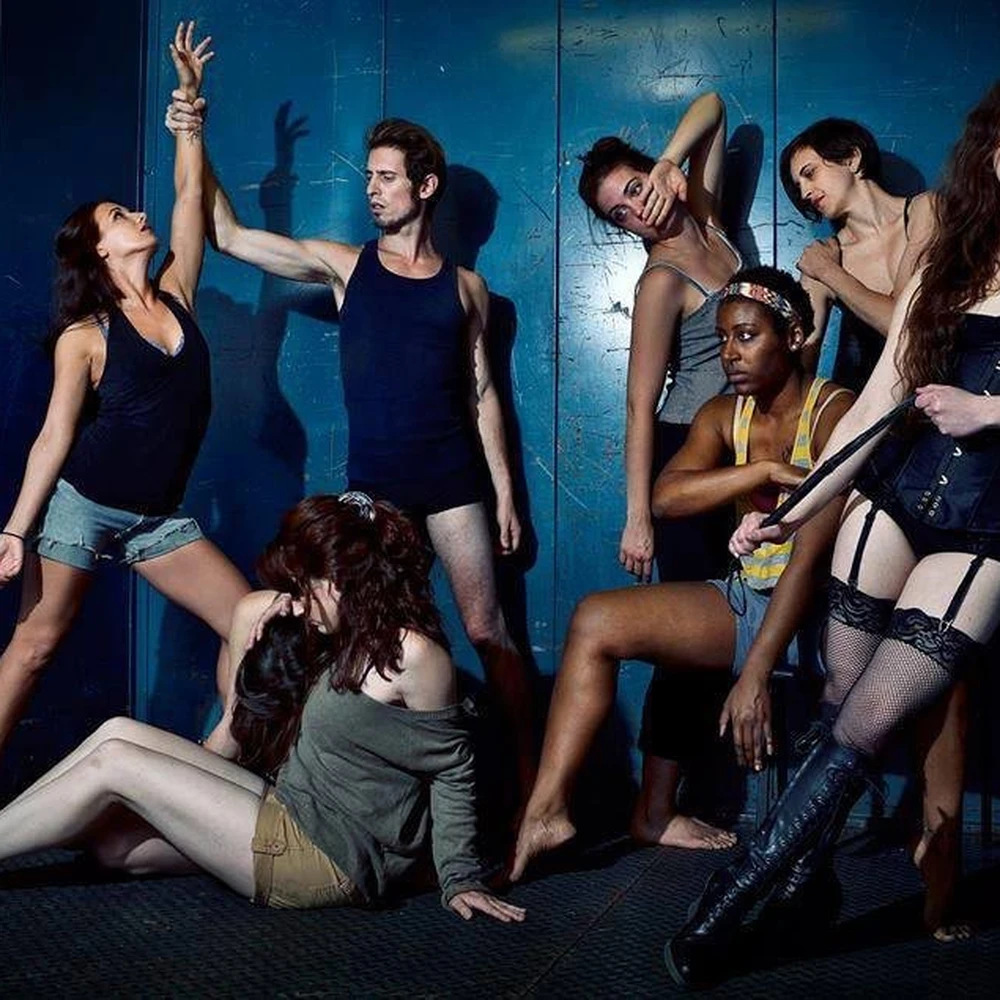
Cincinnati is changing. We have seen the revitalization of the urban center and new galleries popping up in each verging neighborhood. Although it has been exciting to live amidst this cultural renaissance, it is also easier to ignore the realities of living in the Midwest. The dedication of individuals to plant roots and create the city they want to inhabit, has brought us here today.
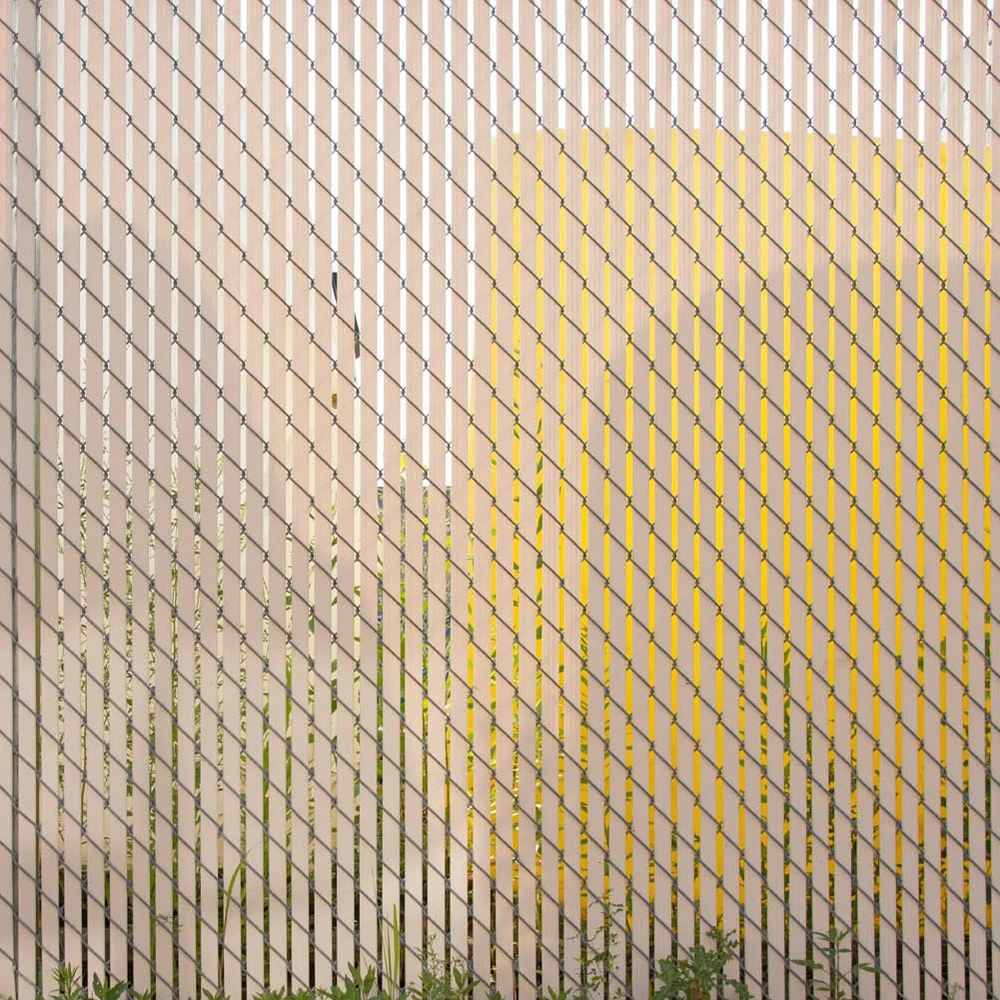
When I look closely at the world, I tend to see a collection of abstractions. This work is motivated by the possibility that, if enough of those elements can be assembled and arranged, something curious or sublime might emerge. Here, reality is filtered and mediated. This lends a sense of mystery to what lies beyond the barrier, elevating and ennobling it.
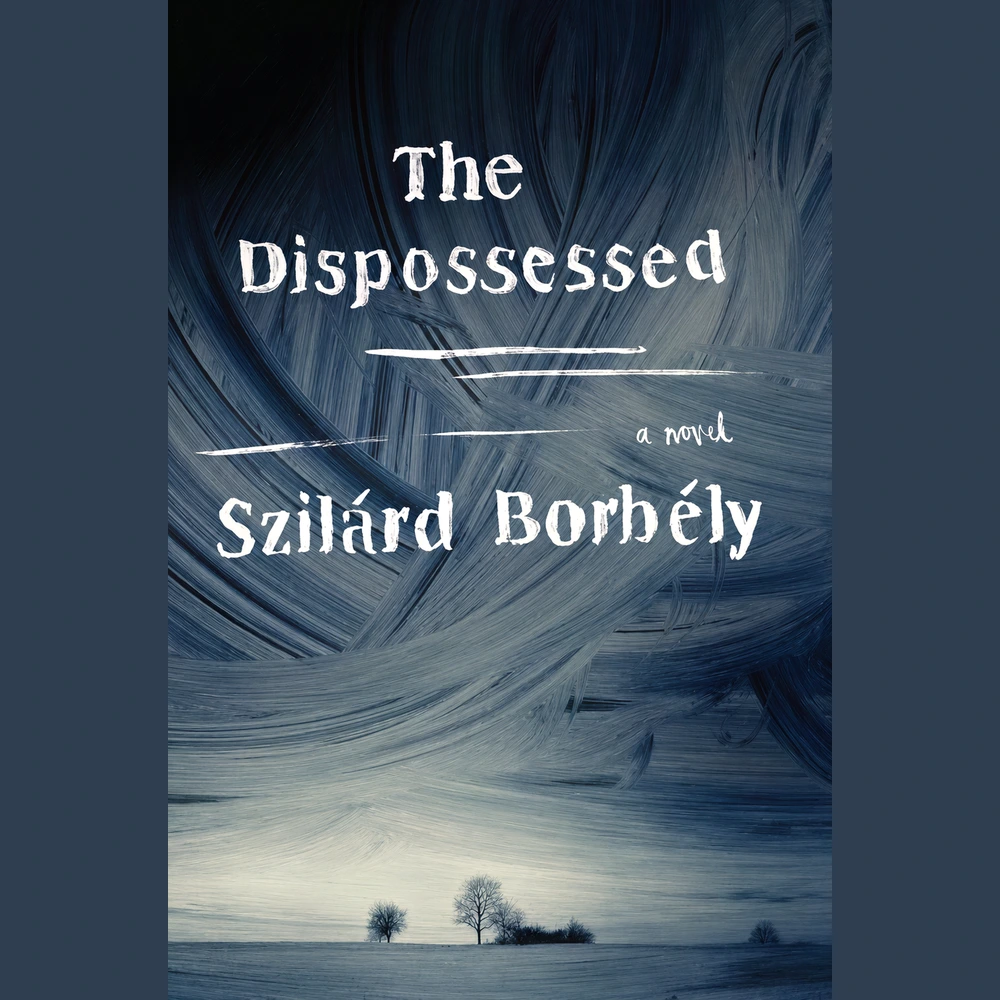
The grinding dailiness of poverty is so well delineated in Szilard Borbely’s novel The Dispossessed, that we realize that we may have become inured to the sufferings of other people (once known as “compassion overload” a couple of presidential cycles ago).
