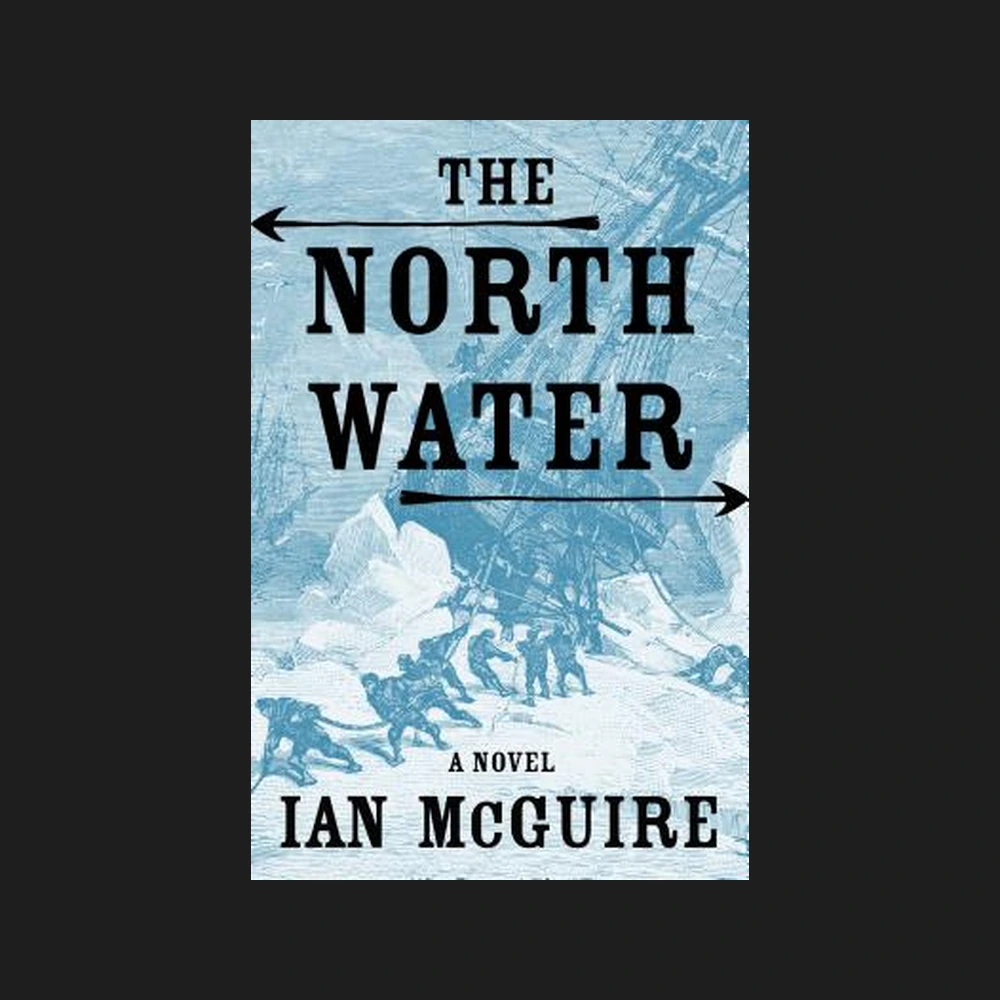
The North Water, by Ian McGuire, is a combination adventure tale, morality play, historical novel, and singularly astute assessment of the characters of men under the most extreme of circumstances, particularly keen on understanding how easily money corrupts men.
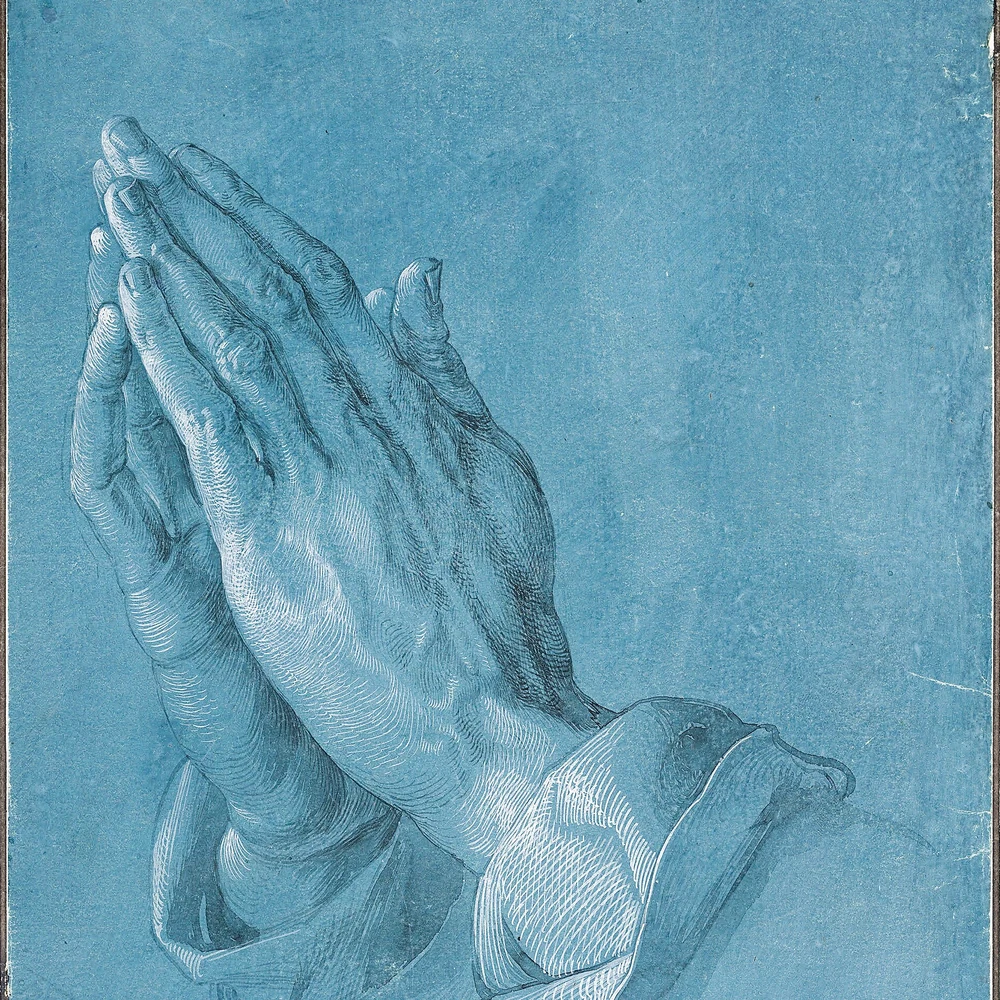
My right hand is caving in. The muscles retreat as if on the front line under fire, disappearing. The winter sun, a sudden development through thick clouds through this dirty kitchen window, lands on my hand as it performs its nervous little act.
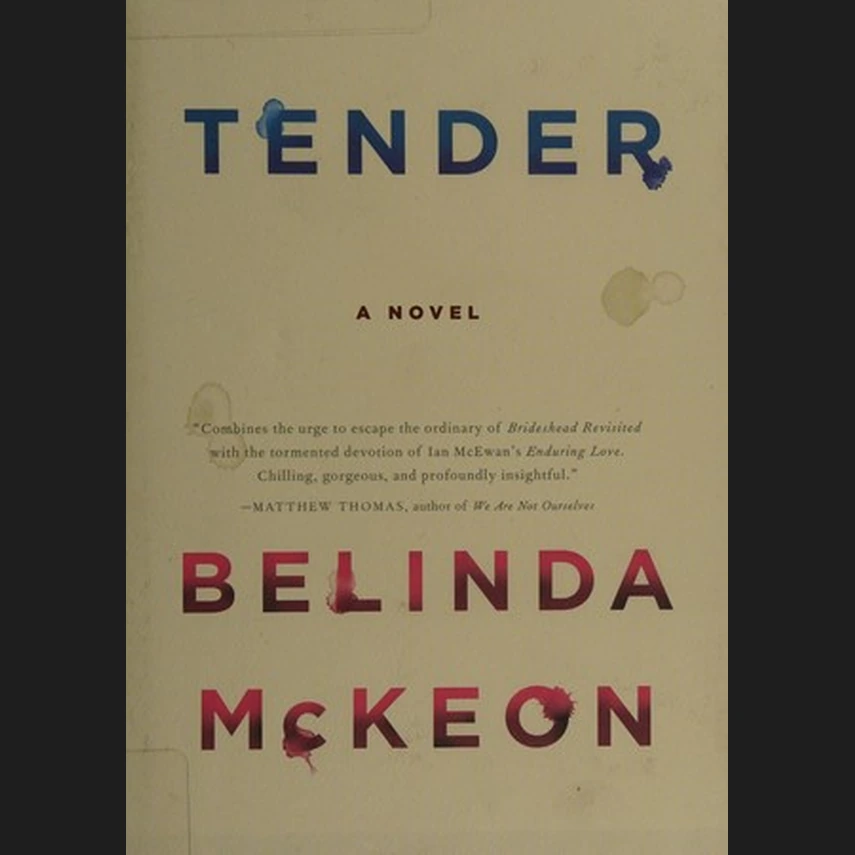
Now that I’m getting more and more ideas for finding books from The New Yorker, rather than from The New York Times Book Review, from the one-page section titled “Briefly Noted”, I’m finding a plethora of excellent novels often not reviewed elsewhere. Tender, by Belinda McKeon, is one such novel, and it’s one of the loveliest, and best written, novels of 2016 so far.
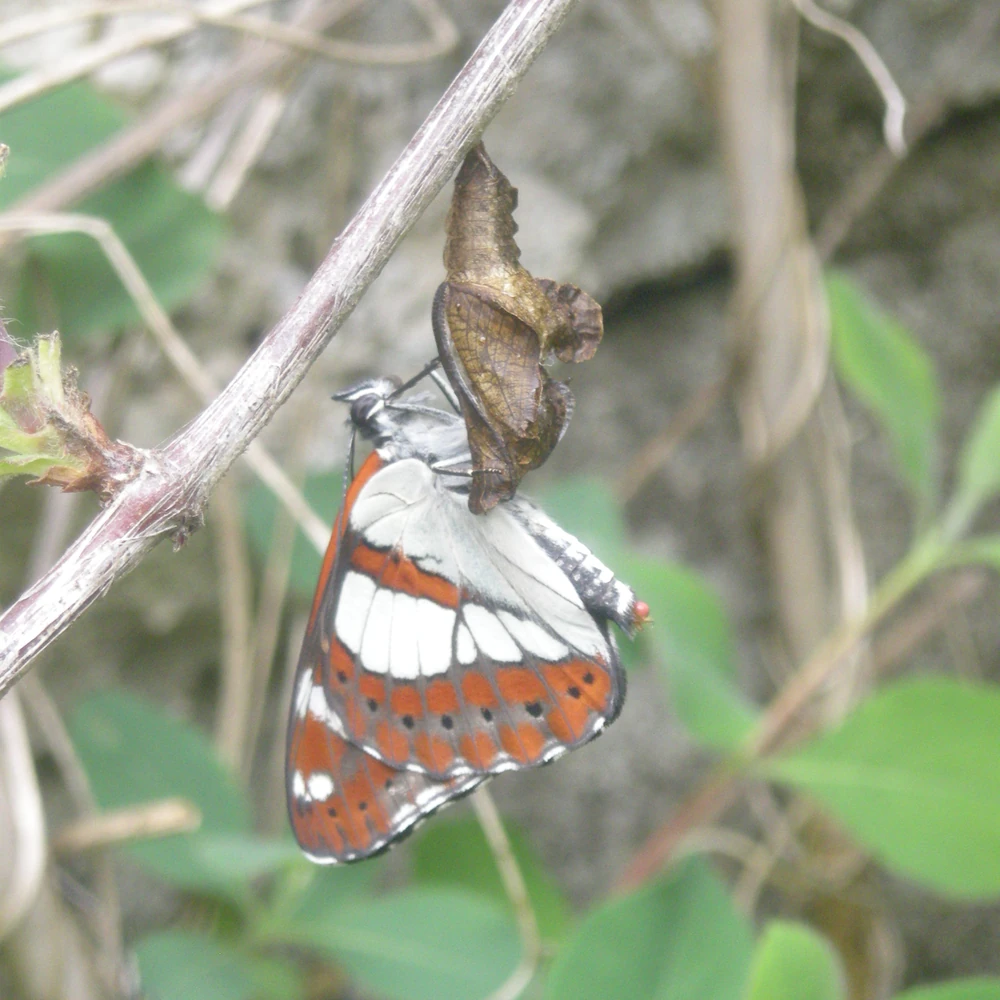
We are all born caterpillars fuzzy and crawling, amused by the sky and her shape-shifters: first a dragon, then an angel. We flail our limbs testing their stretch and retraction grasping on to grass to see it bend before resting in its vastness. We grow longer with appetites fiending like a wood chipper, consuming anything thrown in- this is how we learn.
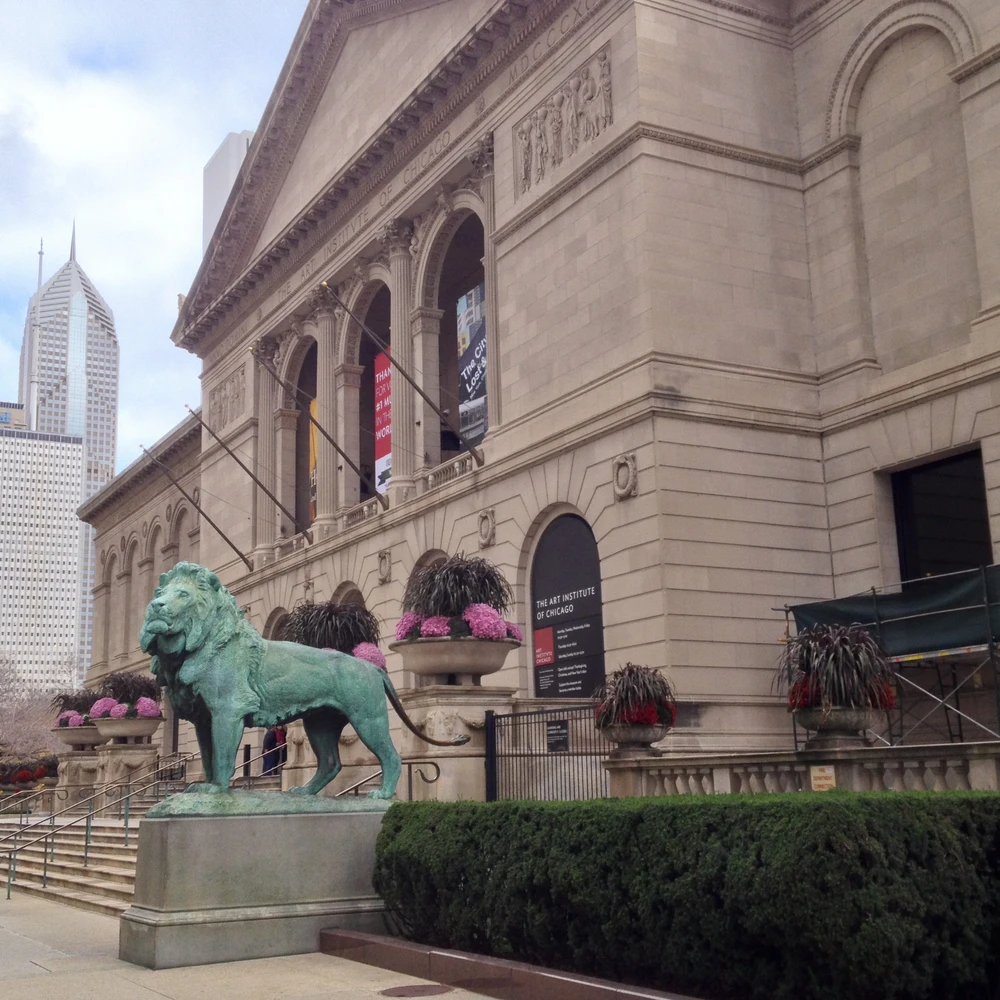
The May issue of Aeqai has just posted, and it’s another very large issue, filled with reviews, profiles/interviews, tributes to arts leaders, and our small literary section. We begin with Karen Chambers’ admirable review of the exhibtion “Unraveled”, at The Contemporary Arts Center, guest curated by Kate Bonansinga, Director of the School of Art at UC/DAAP. It’s a stunning show filled with philosophical underpinnings.

Being unfamiliar with Kirk Mangus’s (1952-2013) work, seeing his exhibition at Carl Solway Gallery of ceramic sculpture and drawings, spanning four decades, was overwhelming.
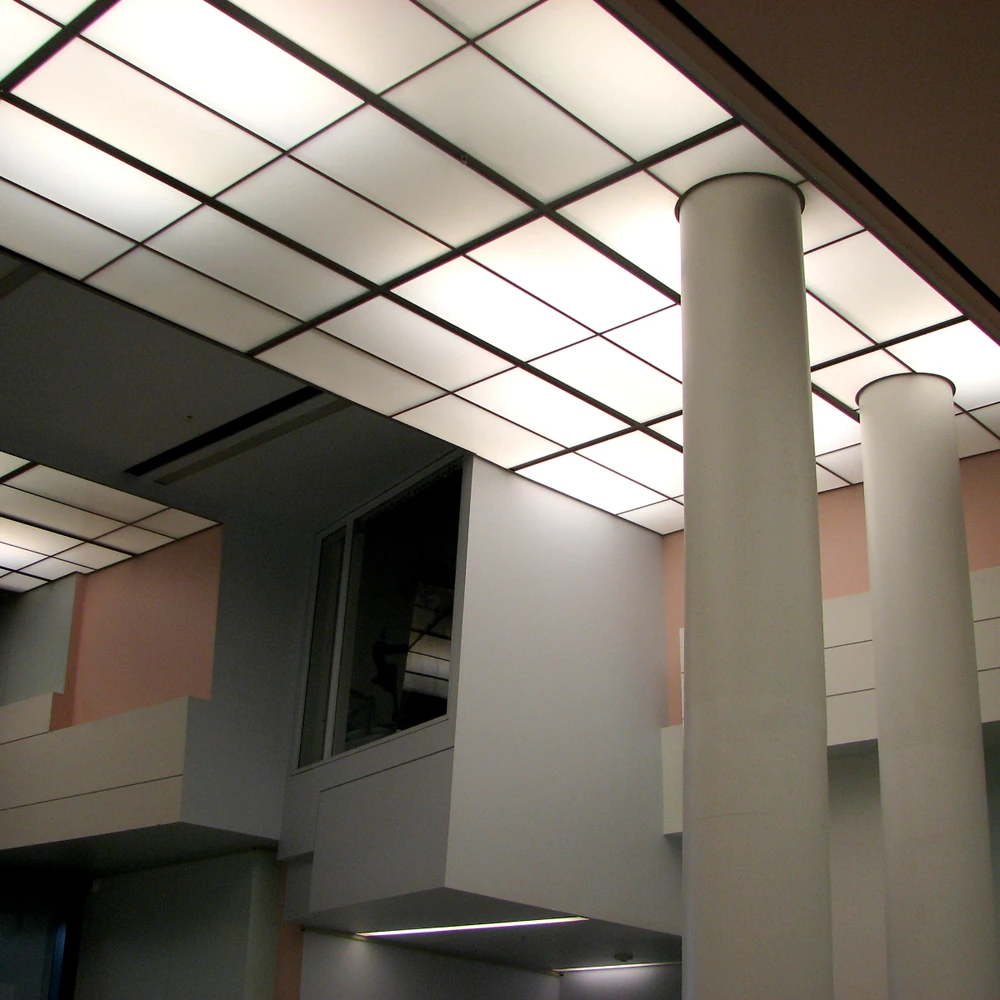
Too many things. The word is used so frequently nowadays that I often refrain from using it. Within my life though, design is always morphing its meaning depending on what I am doing and what is happening. I am always in the moment and so is design.
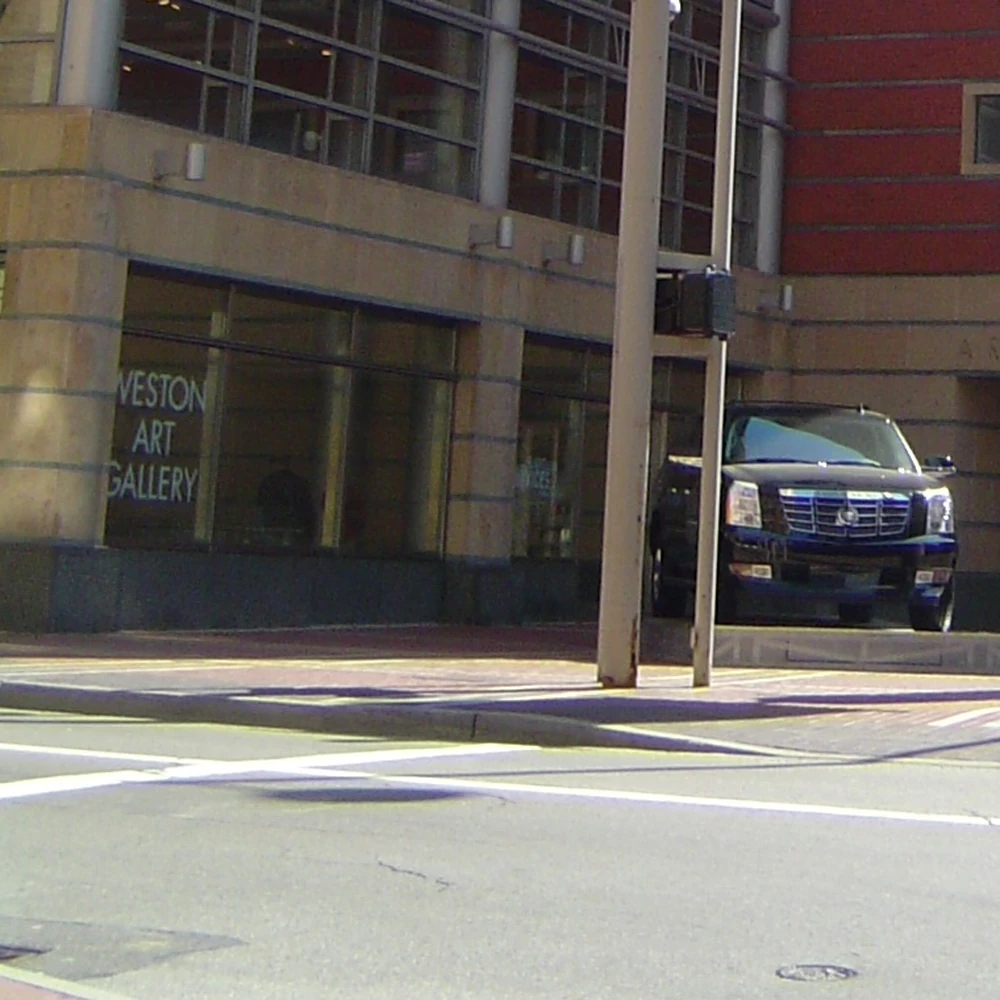
Both artist and patron Alice Weston, and dealer/art guru Carl Solway were rightly honored this month, Weston at a celebration of the twentieth anniversary of The Weston Gallery in The Aronoff Center downtown, which she and her late husband Harris initially funded, and thus are responsible for that superb gallery’s virtual existence, and Solway at the opening of an exhibition at The Cincinnati Art Museum, showcasing forty years of artwork either shown at or commissioned by Carl Solway, Cincinnati’s most visionary art dealer and the one man who opened this region’s eyes to what we might now call “international contemporary art” (Aeqai’s review of the Solway show also appears in this issue).

In May of 2015, B’nai B’rith International and Hebrew Union College Jewish Institute of Religion (HUC-JIR) announced that the art and artifacts of the former B’nai B’rith Klutznick National Jewish Museum would be transferred to HUC-JIR Skirball Museum for the purposes of preserving and displaying this culture defining collection of sacred, secular fine and decorative arts from Jewish history.
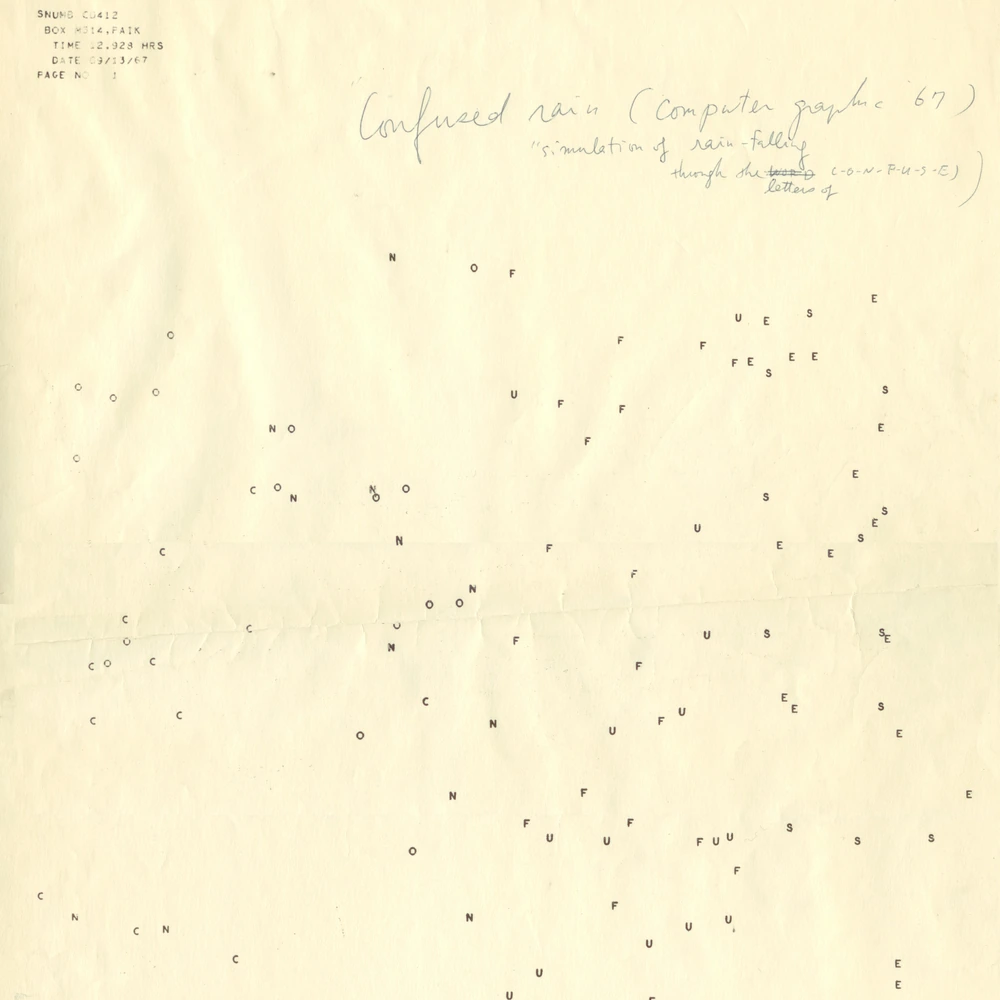
Picture this if you will: it’s early 1970’s and you move to Cincinnati to join the “art community”;, no you are not alone in the back of a train station rotunda, you’re trying to find the cosmic center of the art world in the heart of River City. There it is, “Not in New York” gallery and there he is, Carl Solway: quiet, unassuming and intimidatingly concise. Where have I landed?
In the early 1980s, I was a roving, punk clubbing twenty-something and a nascent print salesman for the Hennegan Company with a sidelong interest in art, though with little knowledge of it.
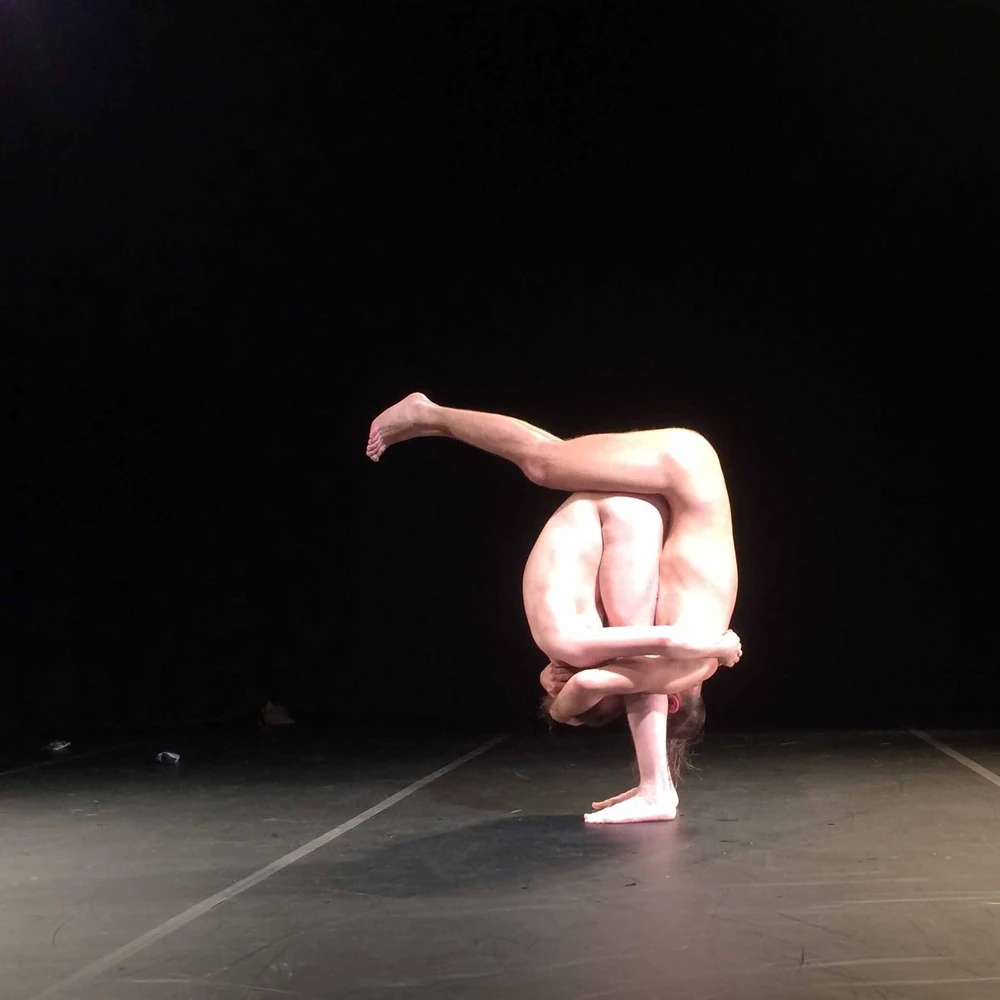
Truthfully when I walked into the CAC Thursday night I was only thinking one thing, I’m about to willingly see my first uncircumcised piece of man bits because of art.
I have a very special fondness for the Solways, because my relationship with that family predates my meeting Carl himself and buying art from him, which began in 1970. My sister’s best friend throughout high school and long beyond was Tammy Solway, Carl’s half sister, and my own family and Tammy’s mother (Harry Solway, owner of Solway Furniture in OTR, was dead by the time we came on the scene) were frequent friends.
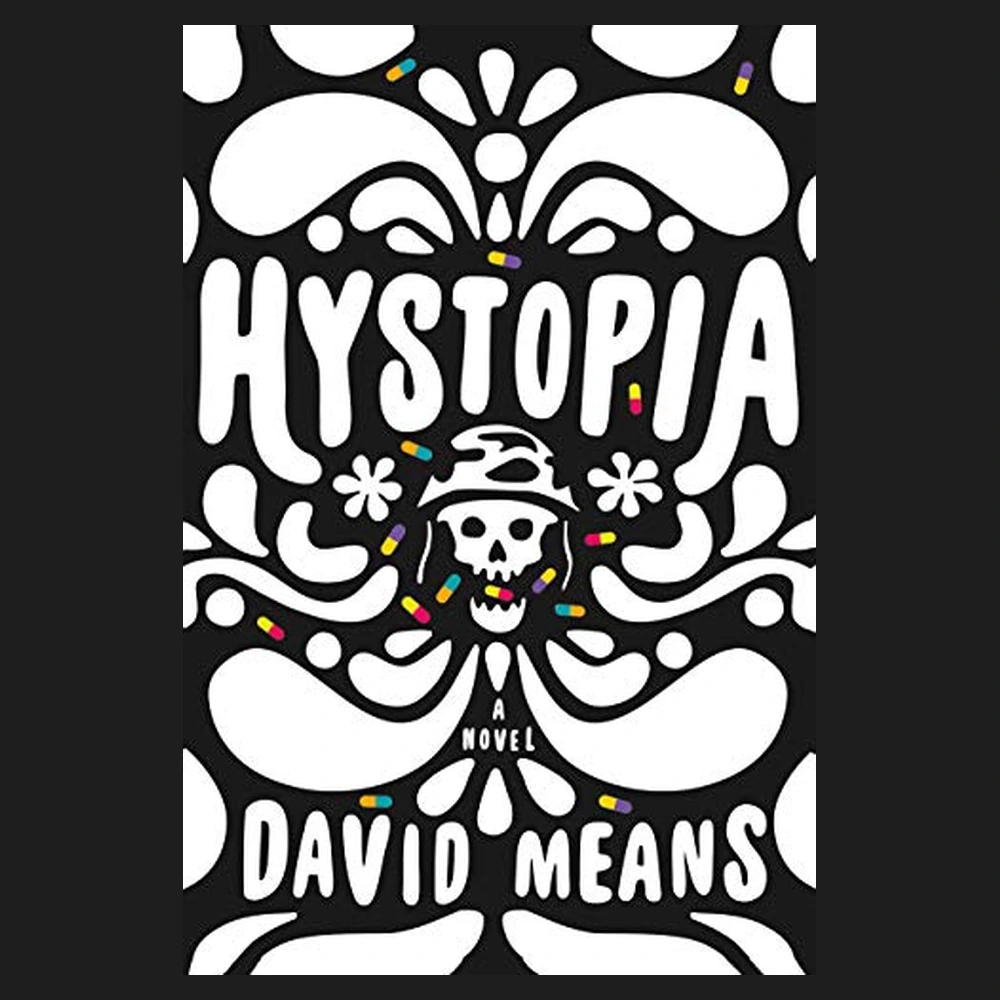
David Means’s Hystopia is a much-anticipated novel–deservedly so, let me say up front–that looks at both veterans of the Vietnam War and two young women whose boyfriends were killed there–from a mostly Surreal perspective, or, one might say, from the perspectives of those on a variety of mind-altering drugs, and/or somewhere in between these different mind sets and perspectives.
What makes Carl Solway an exceptional and indeed special art dealer? His lengthy career began some 50 years ago when he opened the Flair Gallery. Located on Race Street in what was then an extension of Pogue’s Department Store, it was later moved to West Fourth Street, when the building he had occupied was torn down to become a garage.
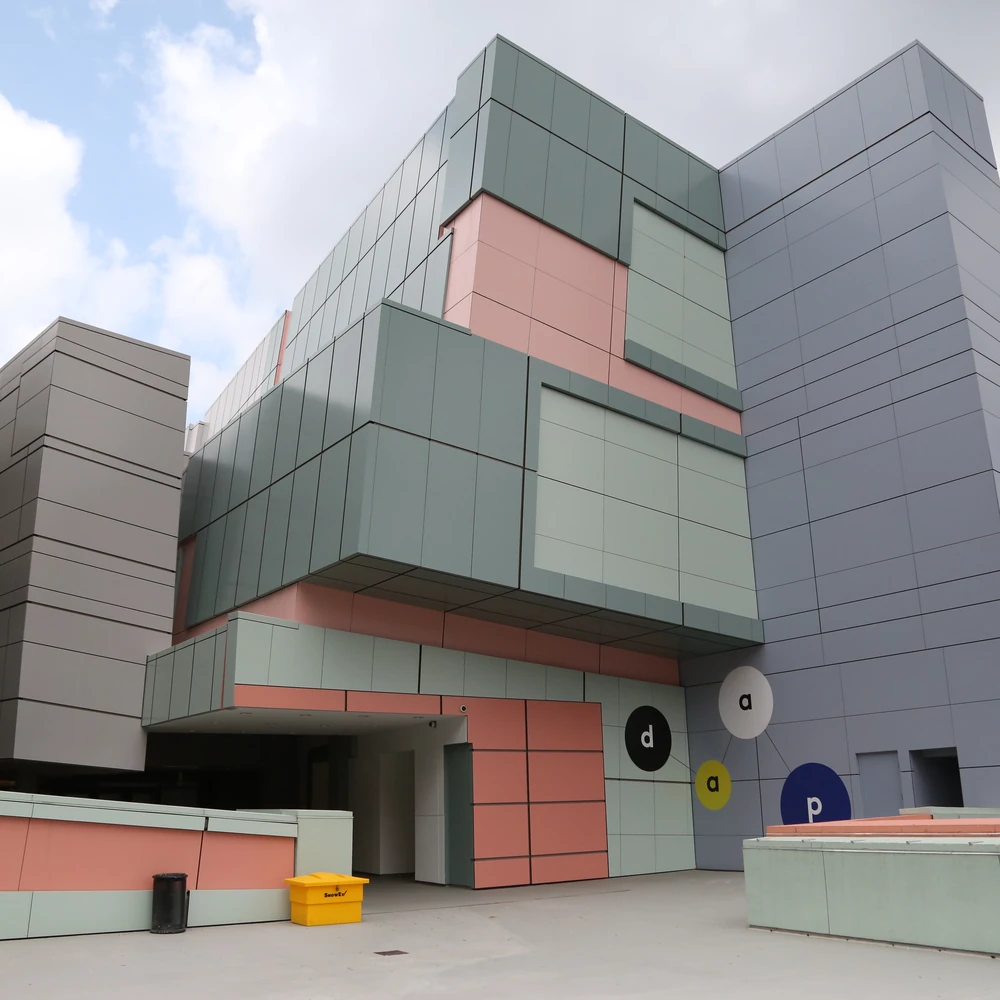
At the end of every school year, as the weather begins to warm and excitement grows with the anticipation of things to come, the University of Cincinnati College of Design, Architecture, Art, and Planning puts on a very special runway show. For visitors, it’s an opportunity to see the innovative work of the department’s DAAP fashion design students.

For nearly two years in the early 1840s, Victoria still new to the throne, a young Englishman with a nimble pen for both drawing and writing fulfilled his father’s request for weekly letters, although during most of that time they lived in the same house.
Television operates in seasons. Fall premieres, spring finales and limited summer series run on a strict timeline the networks (ABC, NBC, CBS, FOX) have long utilized to produce foresighted ratings and strategic ad revenue. However, whether these networks are aware of it or not, we as viewers are living amidst their imminent demise.

The exhibit, “Uncovering: Our Beauty, Strength, and Fragility” opened at Wash Park Art Gallery on May 20, and continues through June 12. The show features the nude figure, portrayed in a variety of media and styles, by nine artists: Tina Gutierrez, Ray Hassard, Carin, Marlena, and Robert Hebenstreit, Marsha Karagheusian, Setsuko LeCroix, Tom Post, and Marlene Steele.

How are we to understand the intentions of a conceptual artist like Tom Marioni when he mounts an exhibition of objects using traditional mediums like fresco, drawing and bronze sculpture?

Don’t let the title frighten you. This is quite simply one of the best abstract shows I’ve seen in years. A wide variety of what passes for abstraction today may open up a world of techniques and formats. Abstraction has run the gamut of possible definitions in the past century, and seems far from running out of changes and experiments.
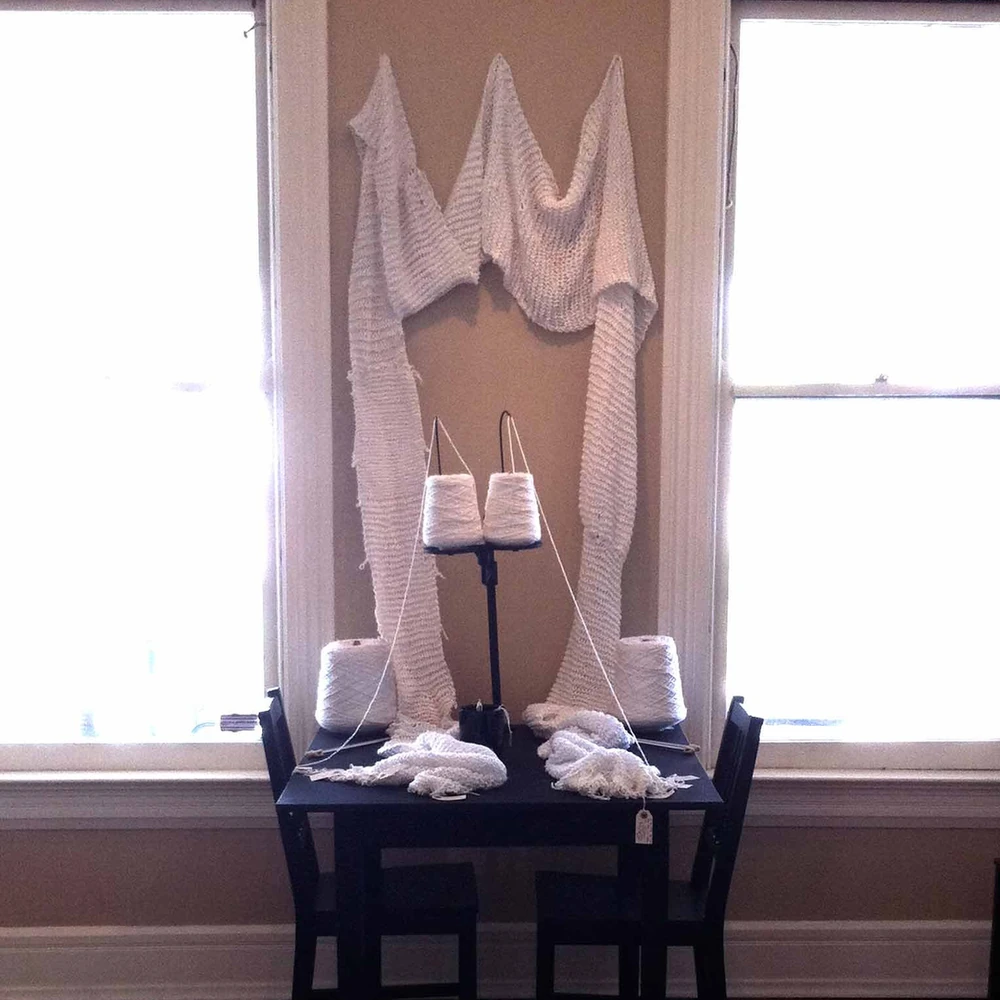
Kennedy Heights Arts Center (KHAC) is host to artist in residence Susan Byrnes and her nostalgic narrative: Domestic Departures. Conjuring the ever personal yet universal experience of home, her body of work engages the topic through a myriad of mediums, including sculpture, sound, performance, and more.
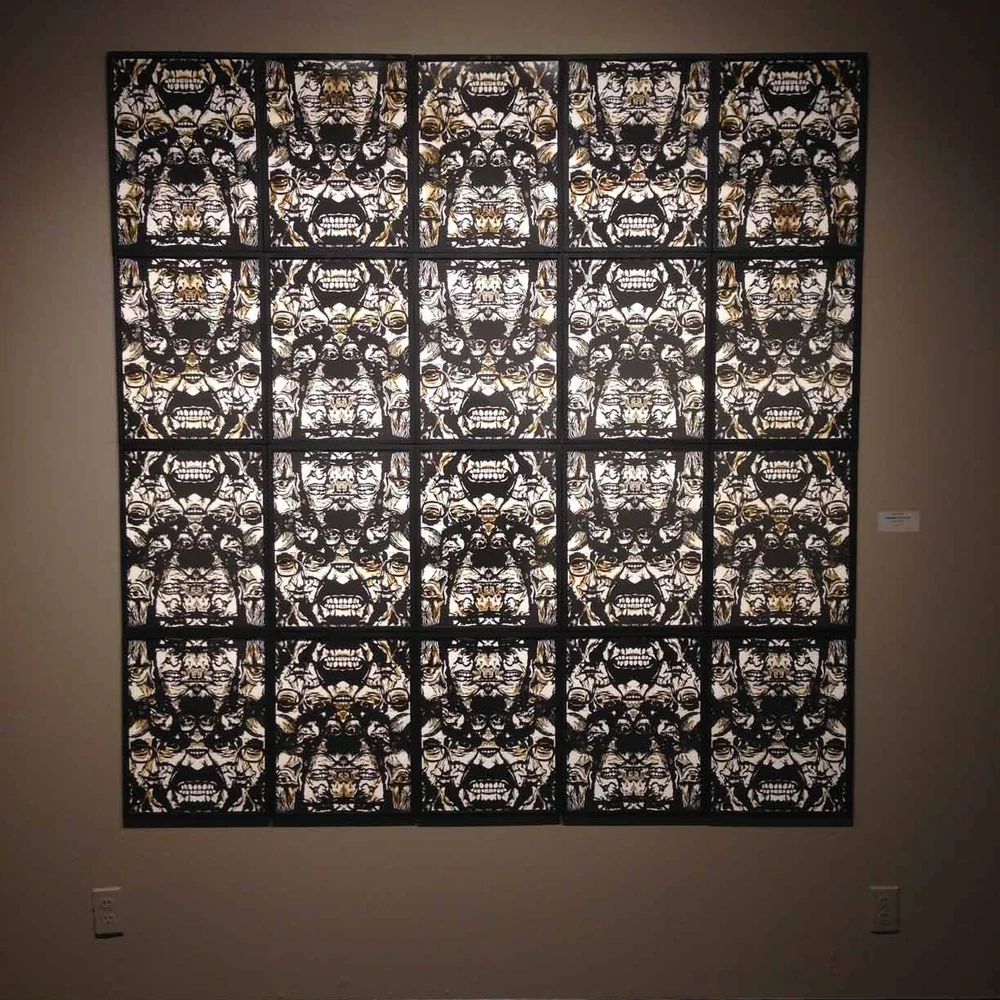
Ryan O’Malley’s exhibition SHAPESHIFTER opened on April twelfth and is on display at Austin’s Flatbed Press and Gallery through May thirty-first. O’Malley is the printmaking professor at Texas A&M University, Corpus Christi. His imagery is complex and carries a stern longevity of idea.
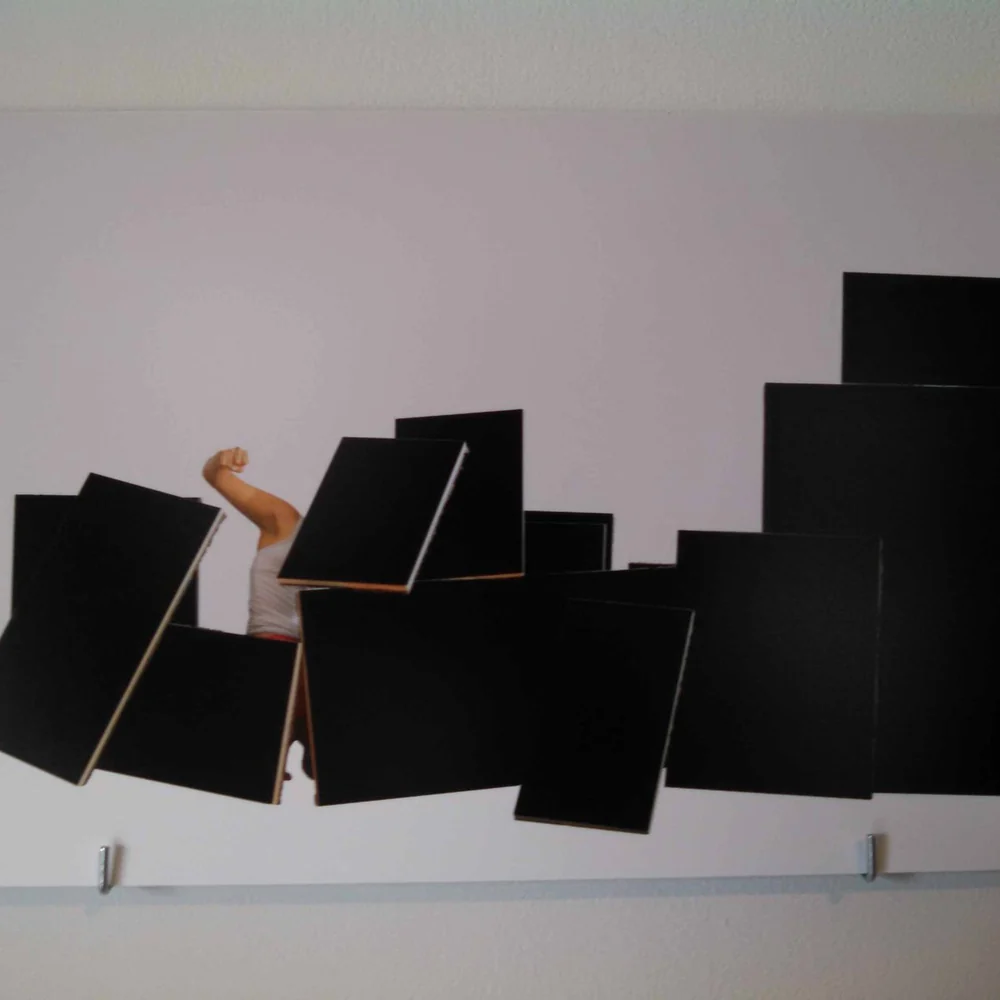
That quote is often attributed to Julie Andrews. I heard it recently on a professional development podcast, referring to pitching and public speaking. It came to mind again at “The School for the Movement of the Technicolor People” (The School) at DiverseWorks in Houston, on view through May 28—at least, the idea of rehearsal did.

When you walk into “UNRAVELED: Textiles Reconsidered” at the Contemporary Arts Center, the first piece you encounter is Legacies, 2006, by Kari Steihaug (b. 1962, Norway; resides Oslo). With an unfinished sweater hanging high overhead, it dominates the gallery and is the perfect way to start the show visually and intellectually.

If you haven’t met him yet, let me introduce you to Alabama-born, Chicago-based artist Kerry James Marshall. If you go to Los Angeles, you can see one of his major, large tableaux-style paintings that was purchased by the Los Angeles Museum of Contemporary Art back in the early 90’s. That smart move by LACMA put Kerry on the map.
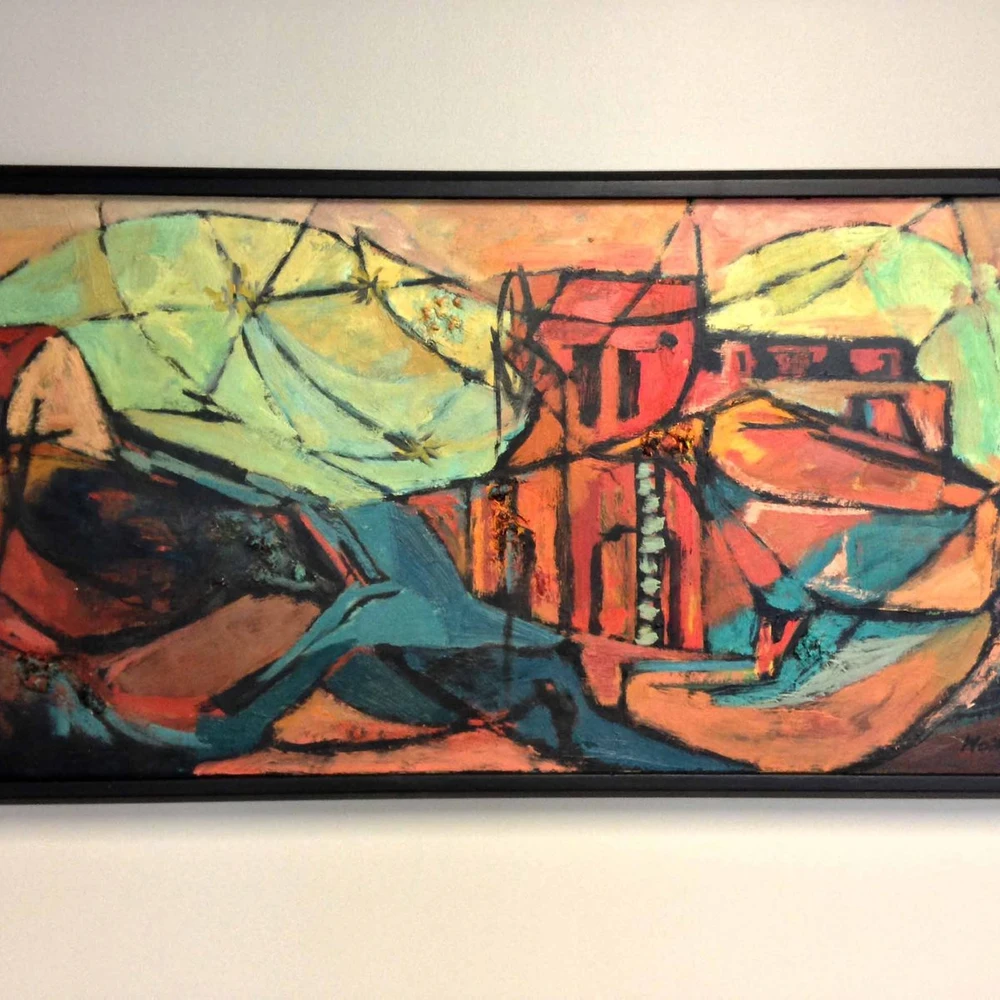
A sustained career in the arts—creating new work decade after decade—is always a remarkable achievement. When such a body of work is brought together, we can see the artist’s creative impulse burst open, grow, mature, and, finally, in rare cases, move beyond formal conventions and assumptions about subject matter to reach a truly personal realm.
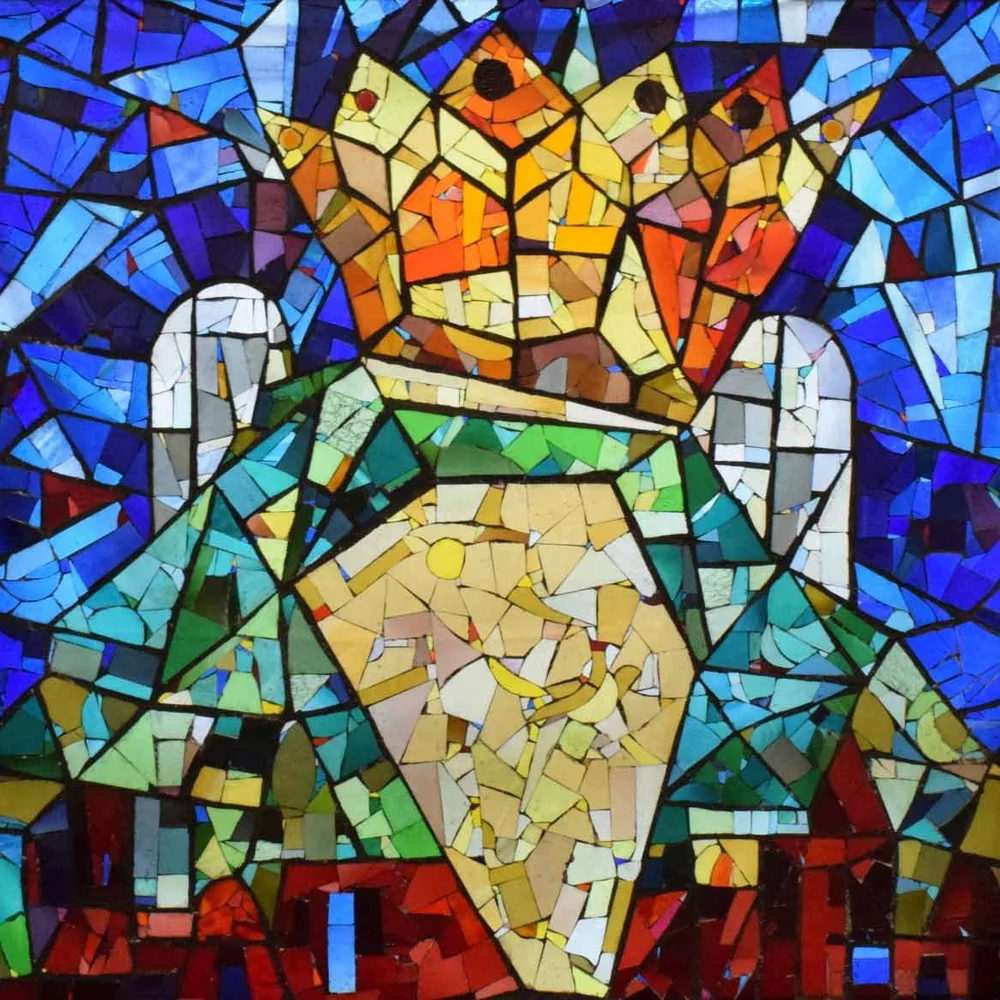
On a bright sunny morning in mid-May of 2015, I stand outside the Skirball Museum on the historic campus of Hebrew Union College-Jewish Institute of Religion, watching as an eighteen-wheeler freight truck pulls into the drive.

Carl Solway (and family) have been so deeply entwined with the art gallery scene in Cincinnati that it takes a timeline on the wall to keep it all straight. He graduated from Walnut Hills in 1952; ten years later, he opened Flair Gallery at Fifth and Race. Ten years after that, he had two galleries in Cincinnati.
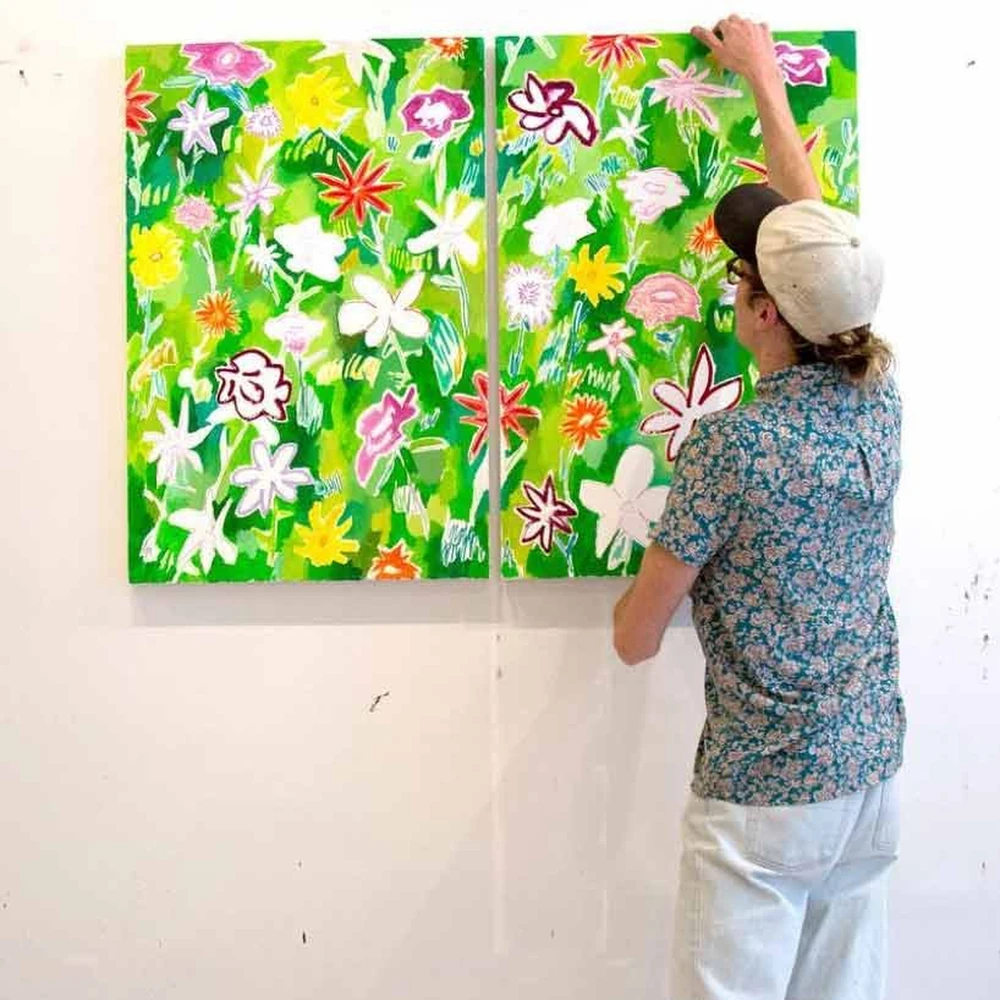
Cody Gunningham sits in the center of his narrow but roomy studio on Main Street, Over the Rhine. The storefront windows are blocked from the street with canvas, but the high ceilings make up for the lack of natural light. The walls are vibrating with large colorful patterns and swaths of marigold yellow and kelly green- paintings hanging stacked one above the other from floor to ceiling.
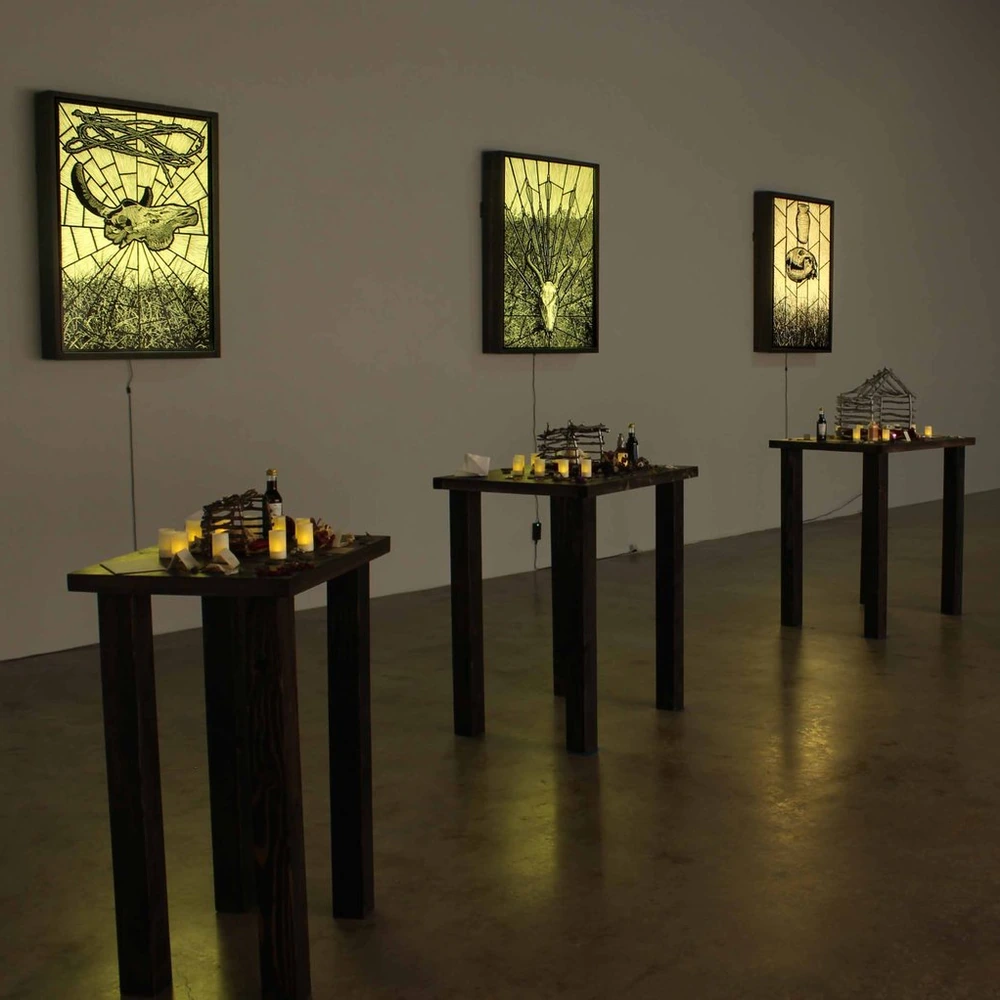
Dan Heskamp’s MFA exhibition Expanding Our Empathy opened on May fifth in Texas A&M Corpus Christi’s Weil Gallery. The exhibition featured a variety of media culminating his terminal education in an enormously successful display of woodcut light-boxes, aluminum and bronze cast altar pieces displaying locally sourced animal skeletons, and a series of smaller serigraphs.

On 416 Clark Street nestled in the Betts-Longworth Historic District in the West End is the William Betts House, the oldest brick house in the state still on its original site of 1804. Few people know about it.
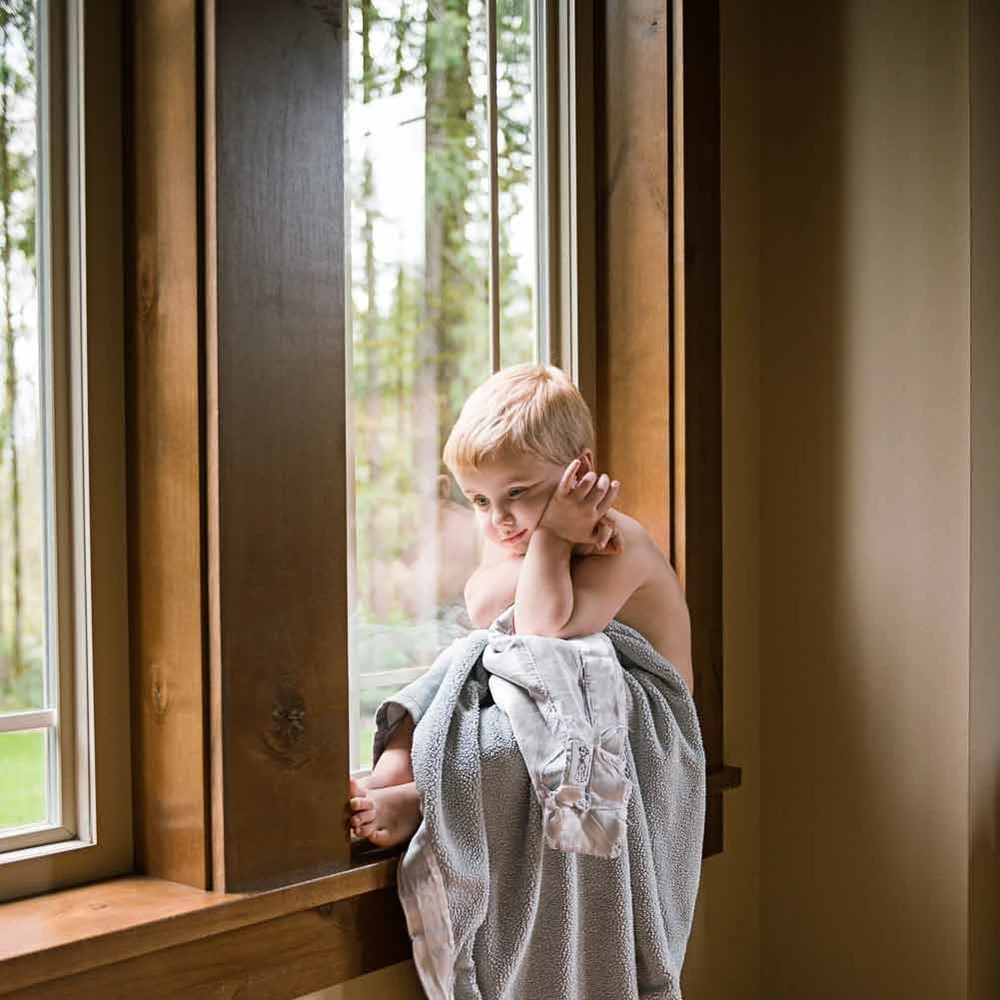
A comfort object is a toy or blanket that takes on emotional importance to a child. While I did not have one as a child, my three children have each had one. Like many parents I’ve hunted for it at bedtime, sent it along when leaving a child in another person’s care, and carefully packed it on trips.
