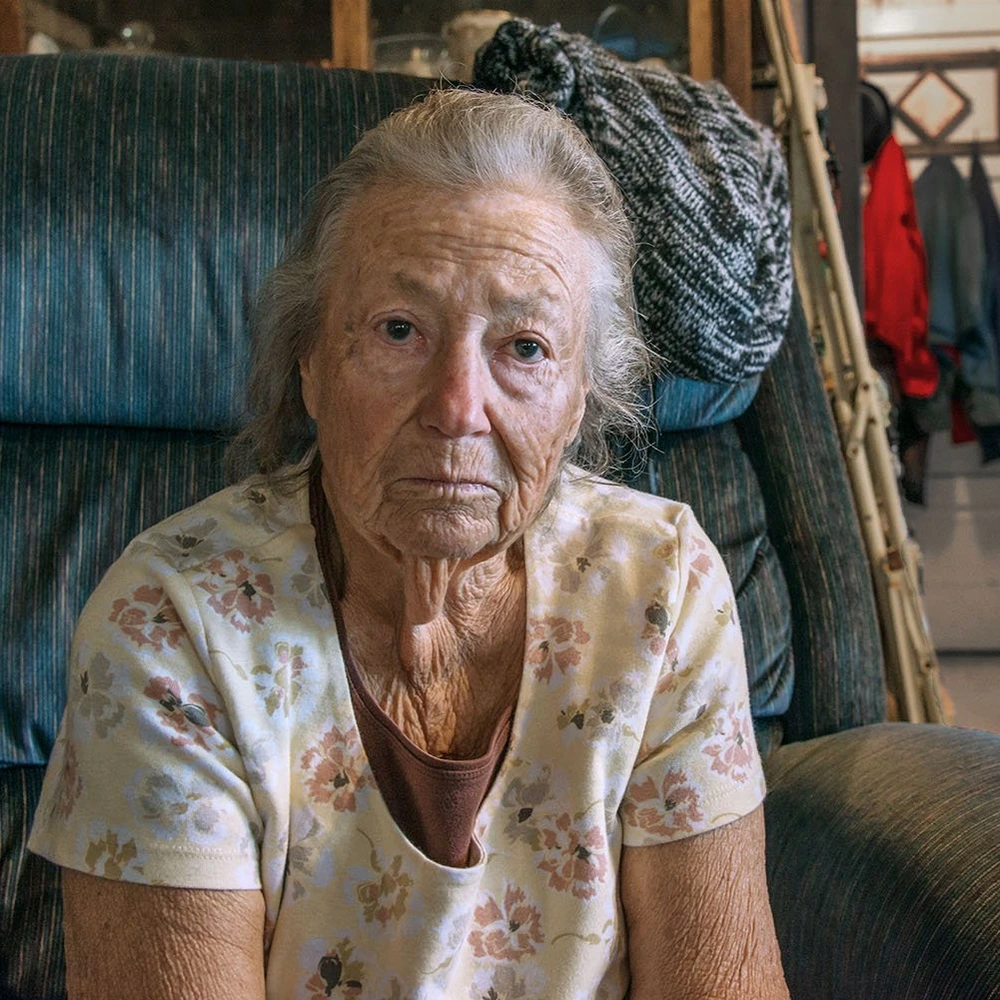
Julie Winokur wrote in her essay Slow Down, Aging Ahead that “everyone wants to live a long time but no one wants to grow old.” The passage of time, how we attempt to control it, what we do to preserve it and its impact are themes I am interested in capturing through photography. Time and purpose are especially relevant topics for me as a member of the “Baby Boomer” generation.
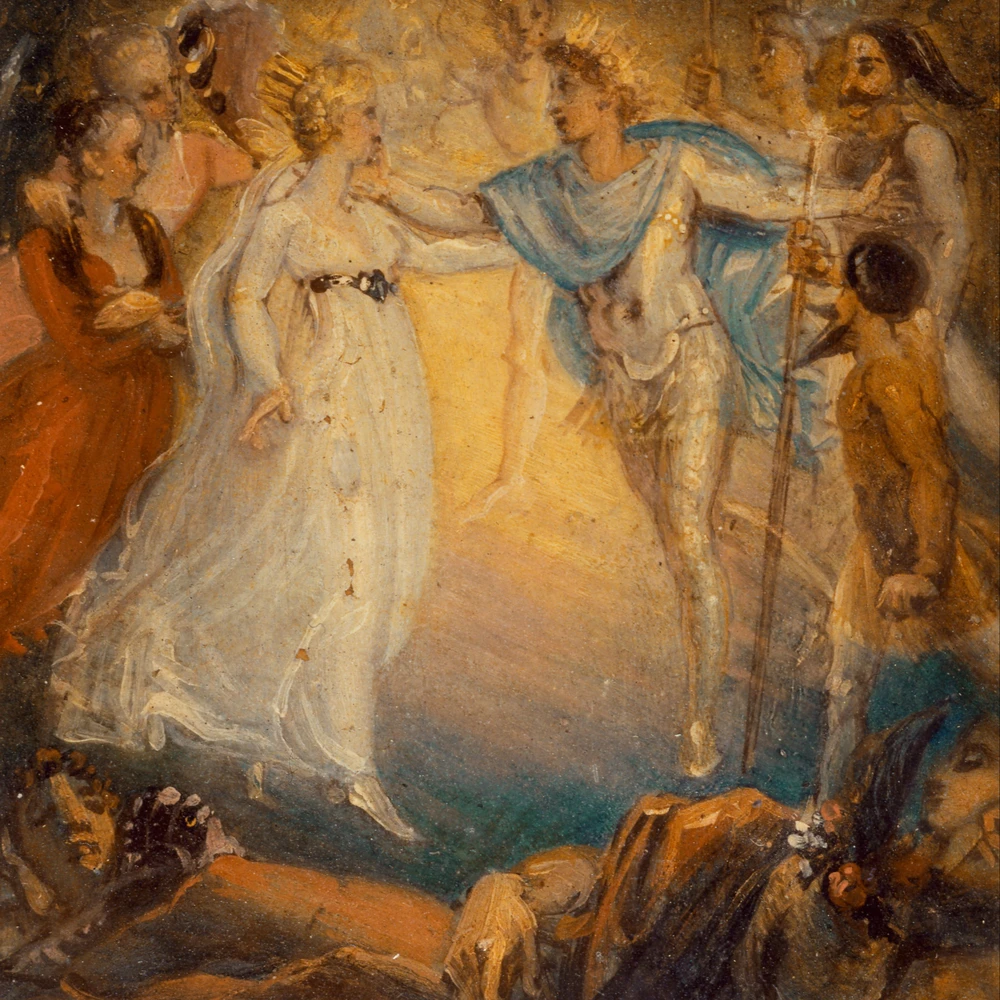
In a neighborly gesture, Wash Park Art at 1215 Elm Street welcomes the Cincinnati Shakespeare Company to its new location half a block away with “Midsummer Dreams,” a show inspired by the Company’s first offering there, Midsummer Night’s Dream. More than a dozen artists, many with Cincinnati ties, are represented in this engaging exhibition.
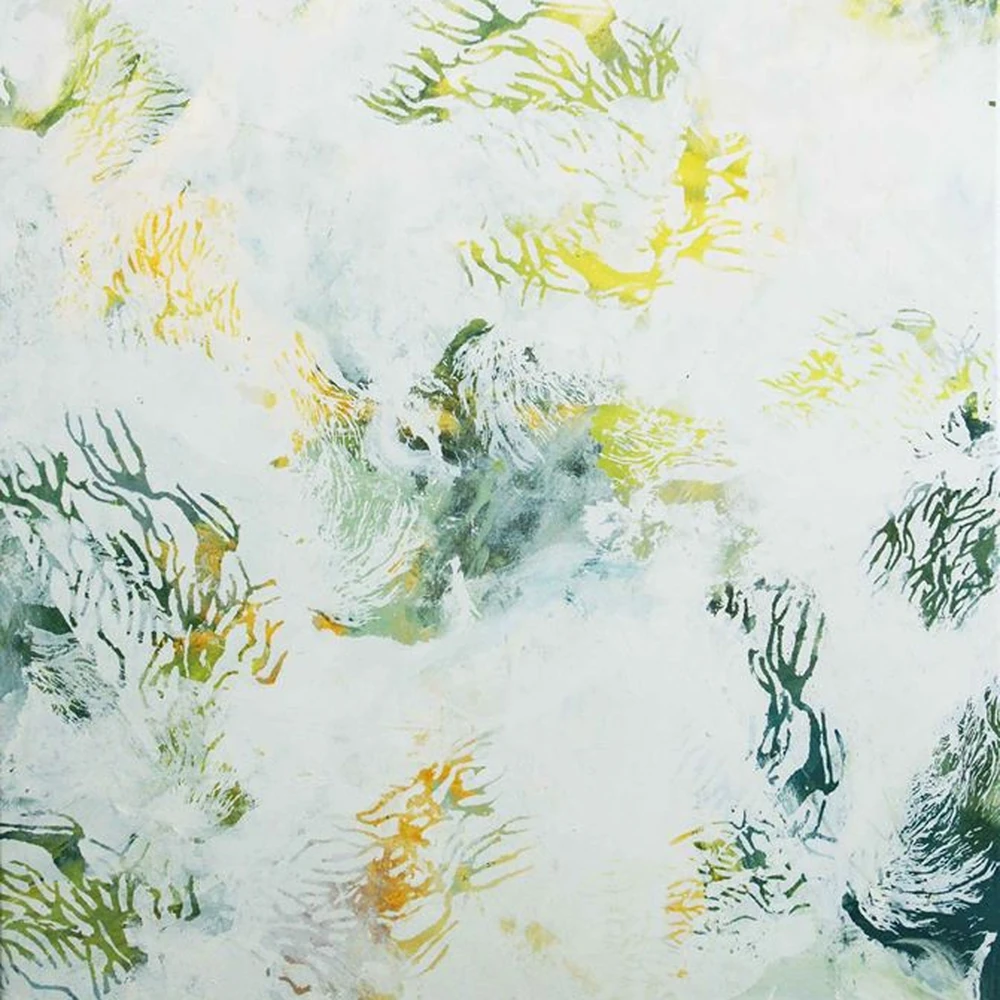
Amélie Ducommun’s Unfolding Memories opened at Winsor Gallery in Vancouver, BC on June tenth and was exhibited through July eighth. I happened upon the gallery as I was making my way around the Vancouver gallery scene with my friend and fellow painter Danielle Roberts. We were making a B-Line for Catriona Jeffries and stopped into Winsor gallery on the way. Ducommun’s work plastered the gallery walls.
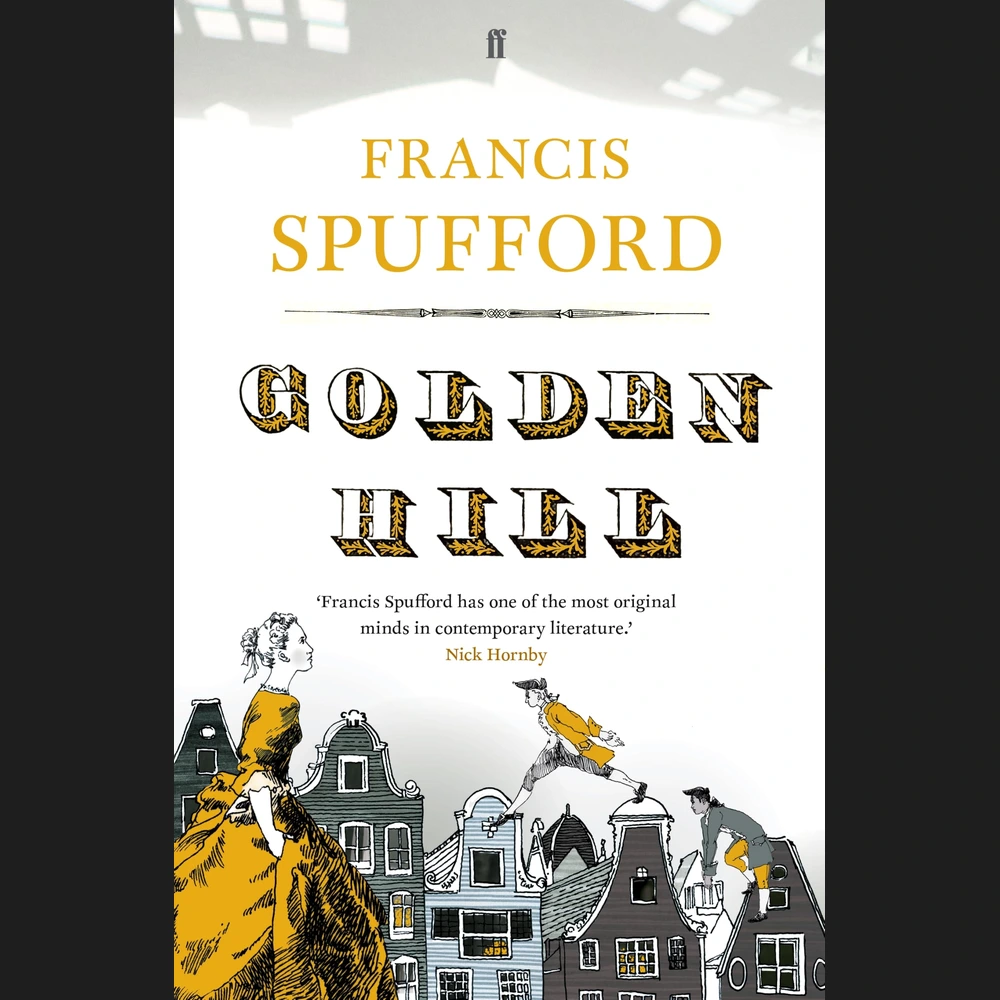
One of this summer’s surprise best novels is Francis Spufford’s “Golden Hill”, subtitled “A Novel of Old New York”. My main book -reading friend, Kevin Ott, recommended it to me and it’s sheer delight, brilliantly researched, both funny and astute, and ultimately deadly serious. New York in l746 was a very small town of seven thousand people, representing both the best and the worst of a small town.
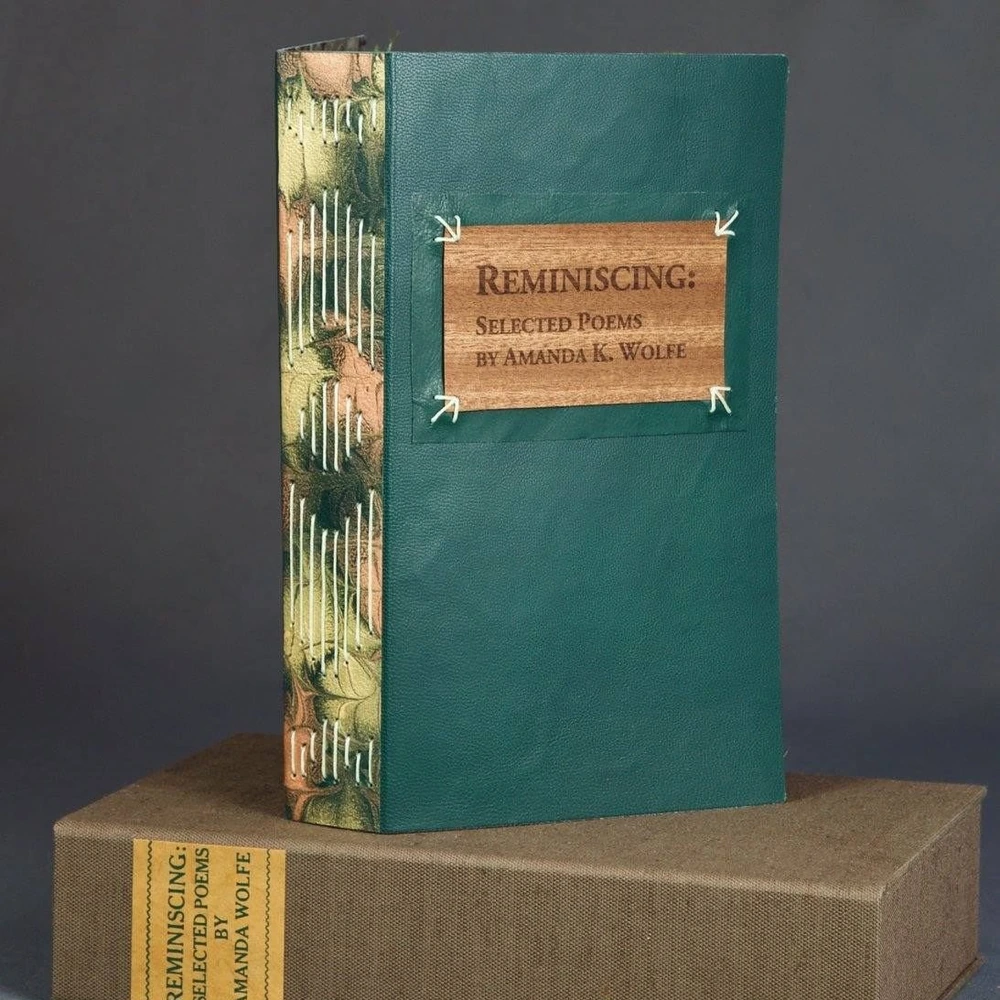
For aeqai I reviewed two earlier editions of “Bookworks” (2013 and August 2016), Like its predecessors, the 18th Annual Cincinnati Book Arts Society (CBAS) exhibition covers a lot of aesthetic ground trying to demonstrate the diversity of how artists interpret the Platonic idea of book. There are conventional volumes and sculptural objects that may only allude to that idea.

Arundhati Roy’s second work of fiction, The Ministry of Utmost Happiness, is a triumph. (Her first novel, The God of Small Things, won the prestigious Booker Prize; her other published writings are all nonfiction). I’ve been rather surprised at some of the negative comments on The Ministry.
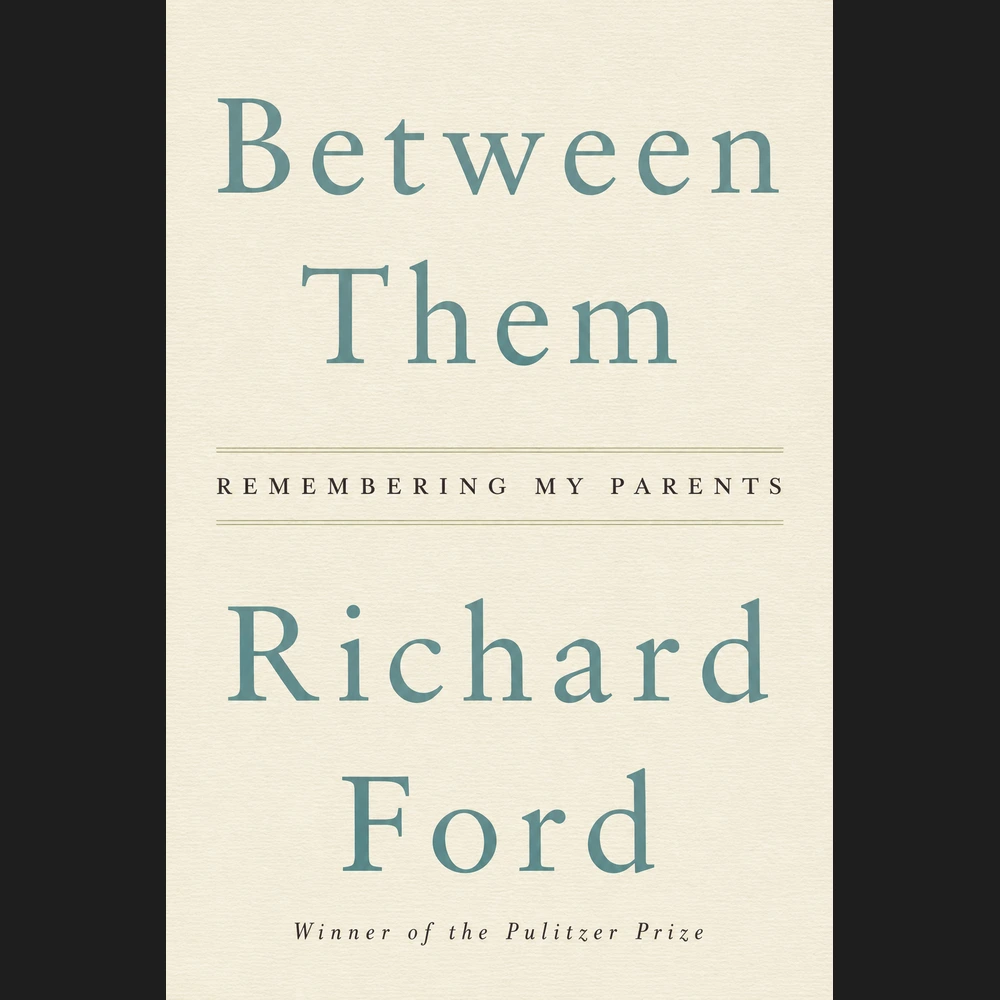
Richard Ford is one of America’s greatest living writers. I think that his trilogy of novels, The Sportswriter, Independence Day, and Let Me Be Frank with You, all featuring the central character Frank Bascombe, are second only to John Updike’s “Rabbit” novels for sheer excellence in writing and the creation of such a quintessential American character.
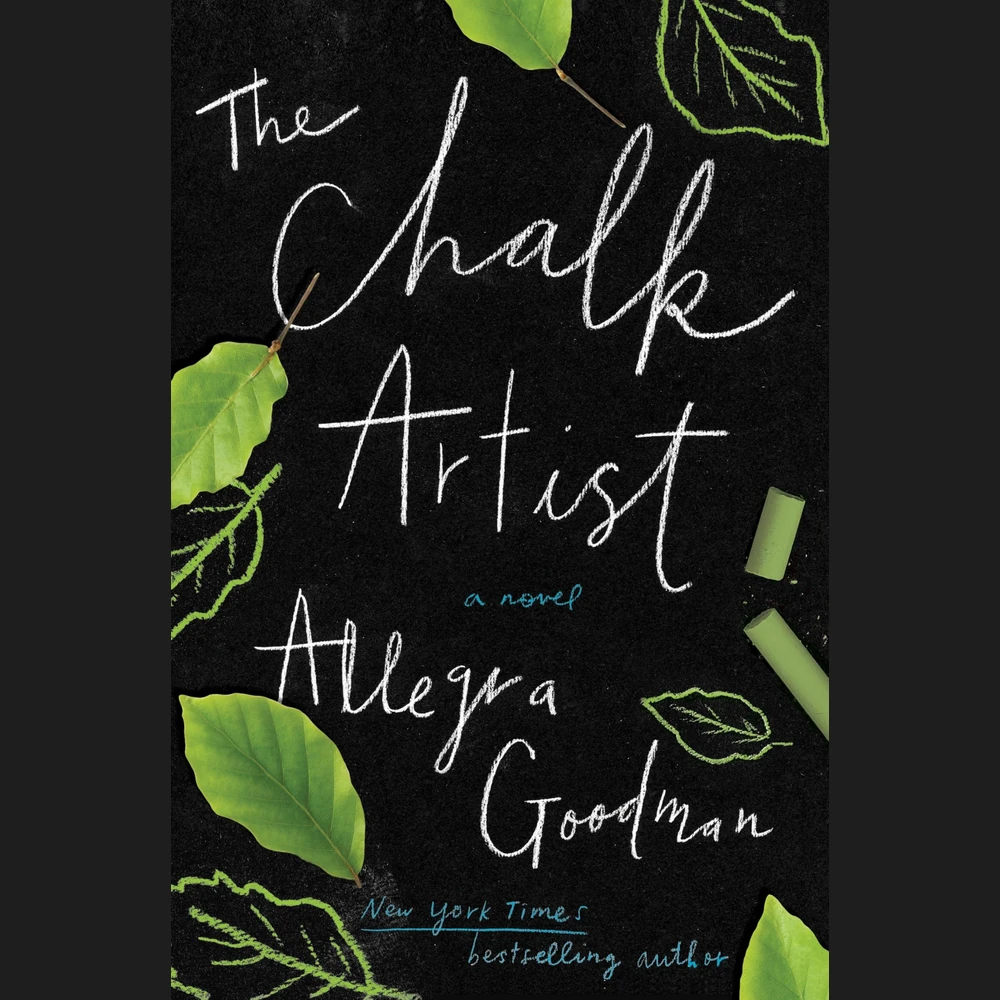
The world of video games, I suppose inevitably, has begun to seep into both the fine arts and into contemporary literature. Typically, with any new American technical innovation/ addiction, video games come with reams of theory on why they are excellent aids in education and the like; there’s a sociologist and/or psychologist to bless every new toy in the US of A.
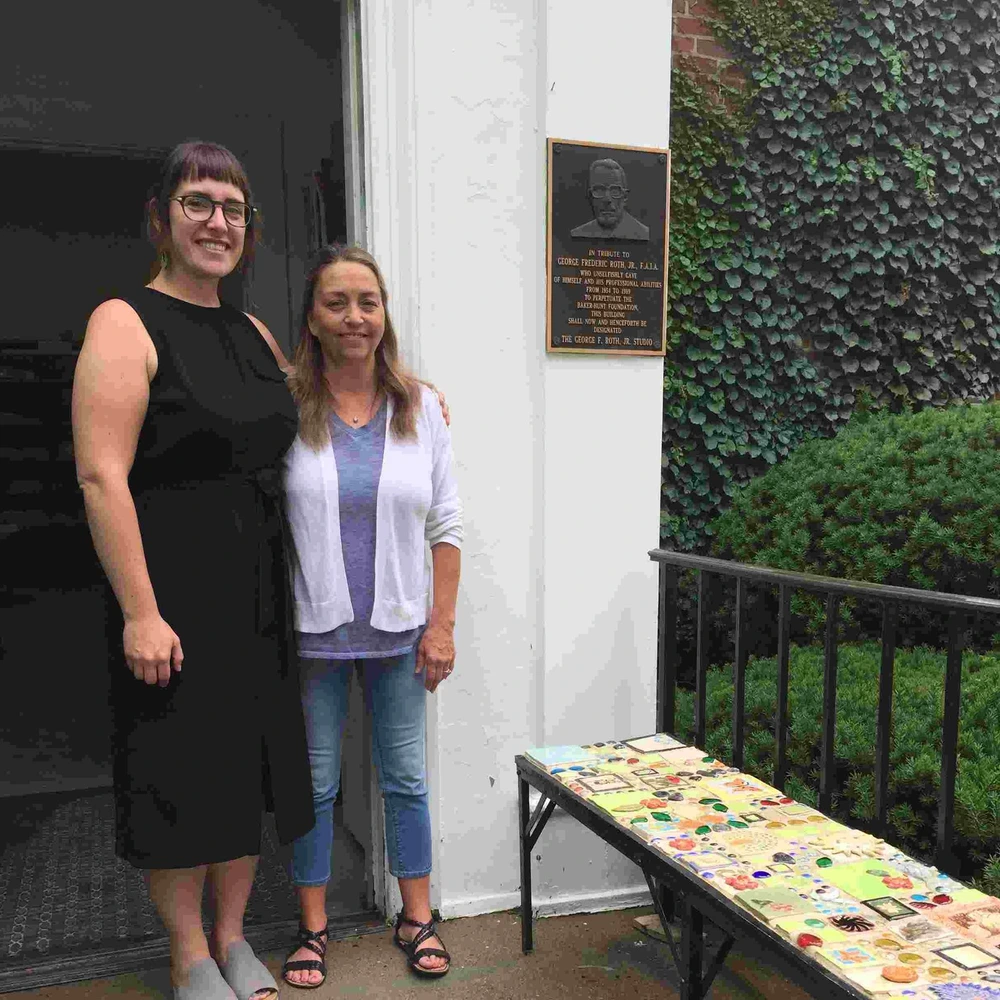
Baker Hunt Art & Cultural Center on 620 Greenup St., Covington, offers a wide variety of programs including over 40 art classes, a family museum, and Victorian gardens on a campus of 3.5 acres. A visitor can see two mansions, the Baker Hunt Mansion and Family Museum, and the Kate Scudder House, a 1920s auditorium and studio space set on landscaped grounds in the Licking Riverside Historic District of Covington.
Fashion being a living art form unlike others of its kind, we know that when collections are shown on the runway, they will soon be available in a store near us. In fact, more and more designers are closing the time in which garments are sold after being shown on the runway.
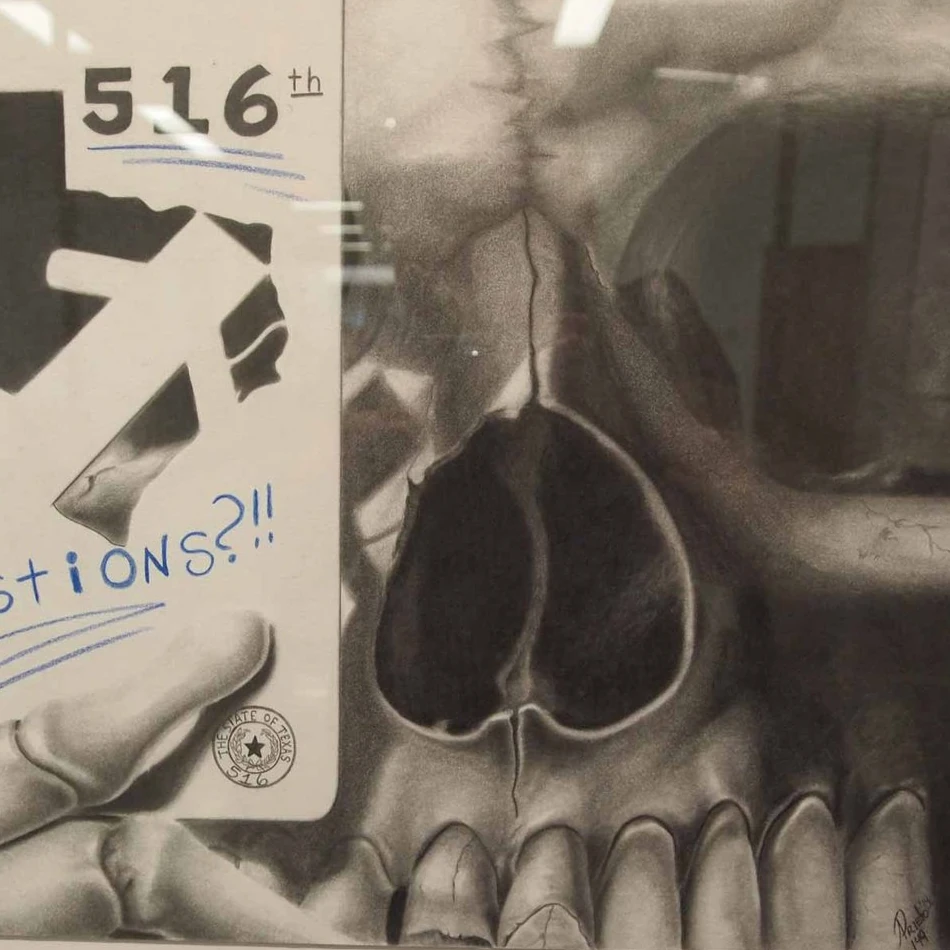
A dialogue: that’s what the gallery attendant at the University of Houston-Downtown O’Kane Gallery told us is the goal of “Windows on Death Row,” an exhibition of inmates’ art and political cartoons that has been touring the U.S. and Europe since October, 2015.

Paradoxically, Jonathan Monk’s show at Cherry and Martin exists simultaneously as a well-curated group show and Monk’s single-authored conceptual installation. Surprisingly, instead of leeching all significance from its constituents, the show embodies its title, “Perfectly Concocted Context.”
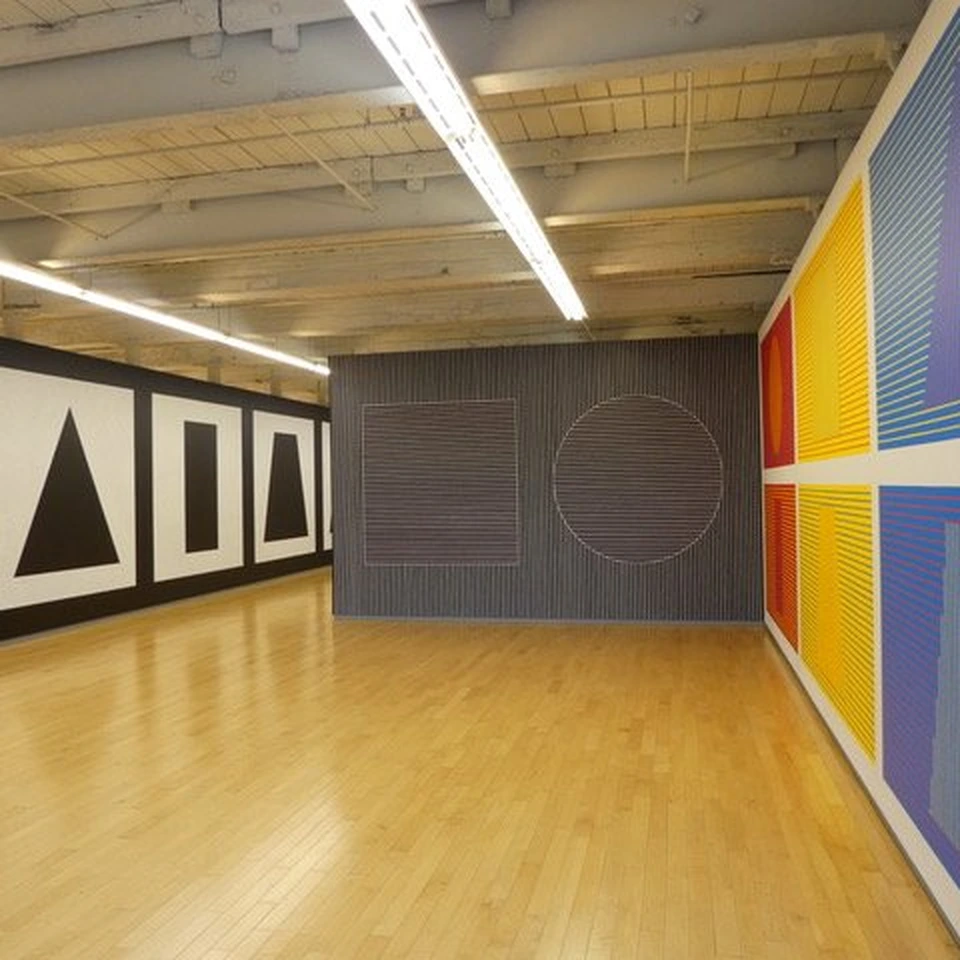
Our plan: a couple of quick museum visits and a fair amount of relaxation, reading and restaurants, but, plans go awry as there is much, much more going on in the Berkshires than James Taylor at Tanglewood. First of all, the Berkshires really are beautiful—mountainous on a human and green scale, lovely lakes and picturesque towns. Then, there are the museums.
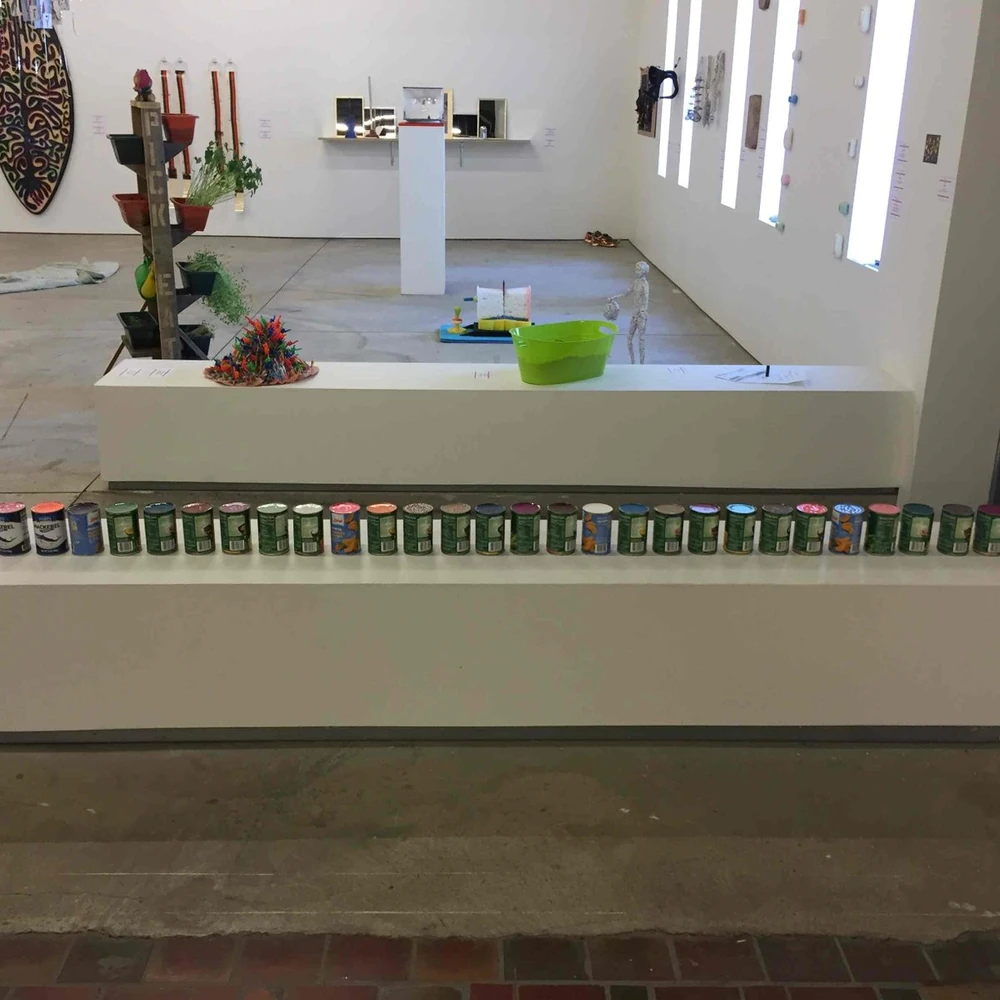
It’s such a shame when bad exhibitions happen in great museums. I have a fondness for the Museum of Contemporary Art in Detroit. If you aren’t familiar, the MOCAD is a 22,000 square foot space that was built, or rather assembled, in the early 2000’s within the walls of an old car dealership—a poetic placement for a museum concerned with contemporary issues in art, and an institutional advocate for its patrons, in Detroit.
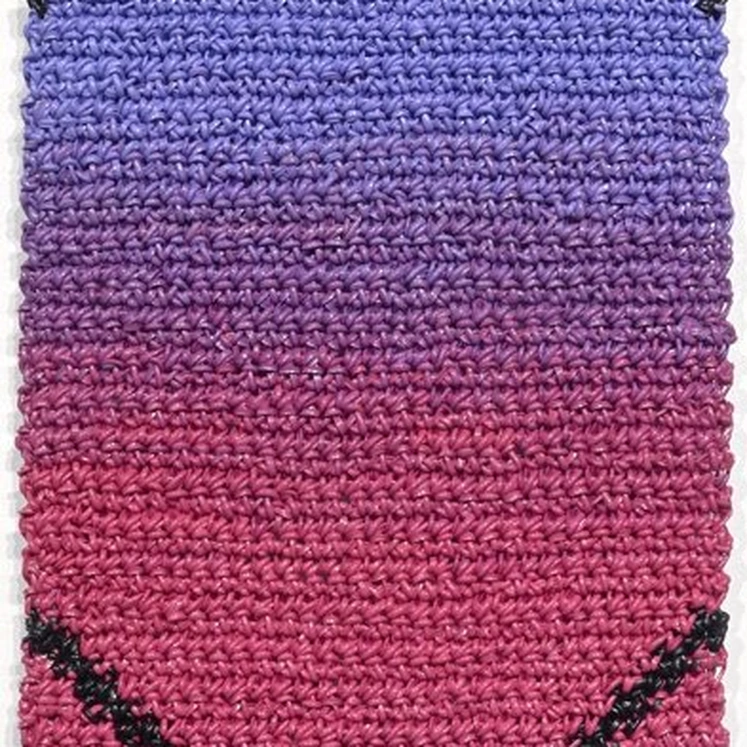
Angela Teng’s To Have and to Hold opened on the 13th of May at Equinox Gallery, Vancouver, BC, and closed on the 17th of June. Teng’s monolithic crocheted paintings are composed of literal strands of acrylic paint, effectively colliding materiality and paint in the substrate of work that historically, and in many contemporary contexts too, has been women’s work.

One doesn’t immediately think of the British for their heritage of great painting. As Britain rose as a great mercantile power starting in the 16th century, it had to import painters, typically from Northern Europe, to their isolated island. For two hundred years, those foreigners largely defined English visual accomplishments and taste.
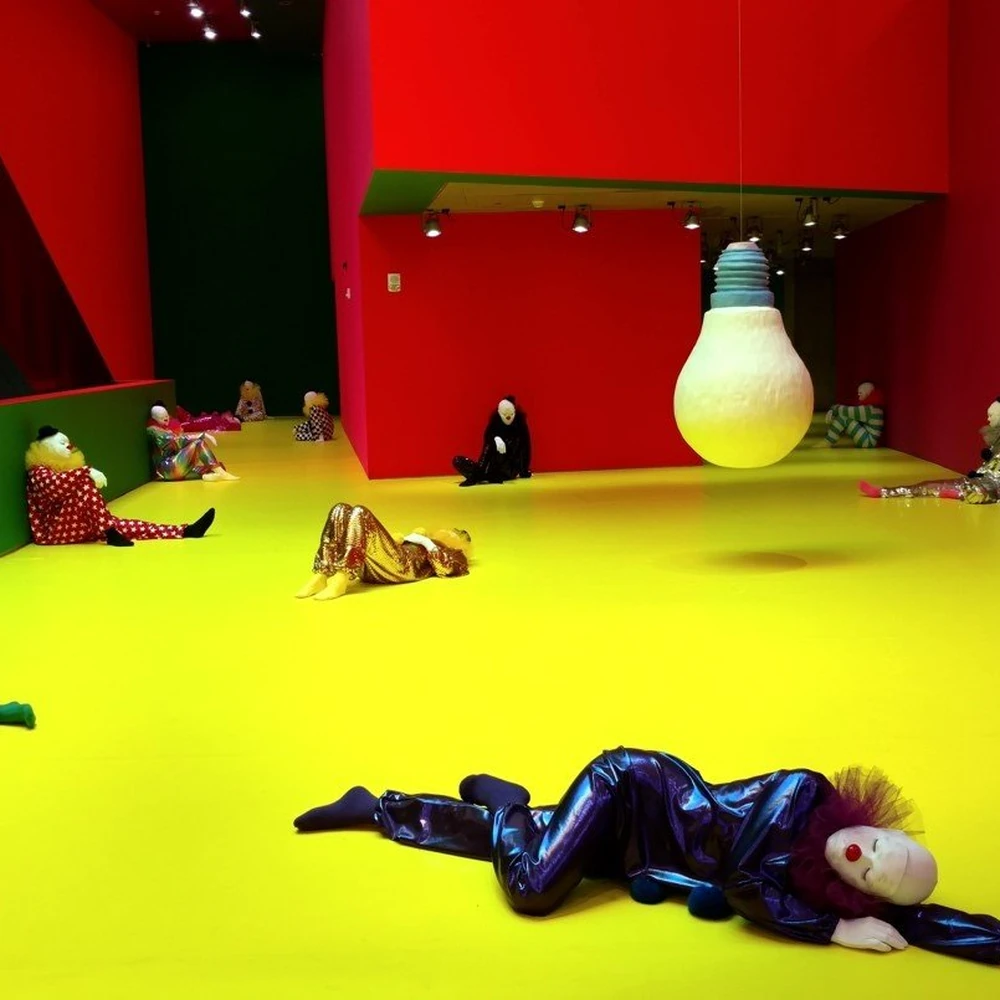
Ugo Rondinone, born and based in Switzerland, is known for sculptures and installations with alternately an absence or an overabundance of color. Referred to by the artist quite literally as “night” and “day,” one oeuvre contains mostly greys, browns, and earth tones while the other—what’s on view now at the CAC—a vibrant spectrum of bright, artificial color.

A careful visitor to the Cincinnati Art Museum’s very substantial exhibition of paintings, sculptures, furniture, documents, implements, and advertisements of many sorts might well leave with no clearer idea about what constitutes “folk art” than when he or she came in. What, exactly, are we looking at? We’re not even sure what to call it.
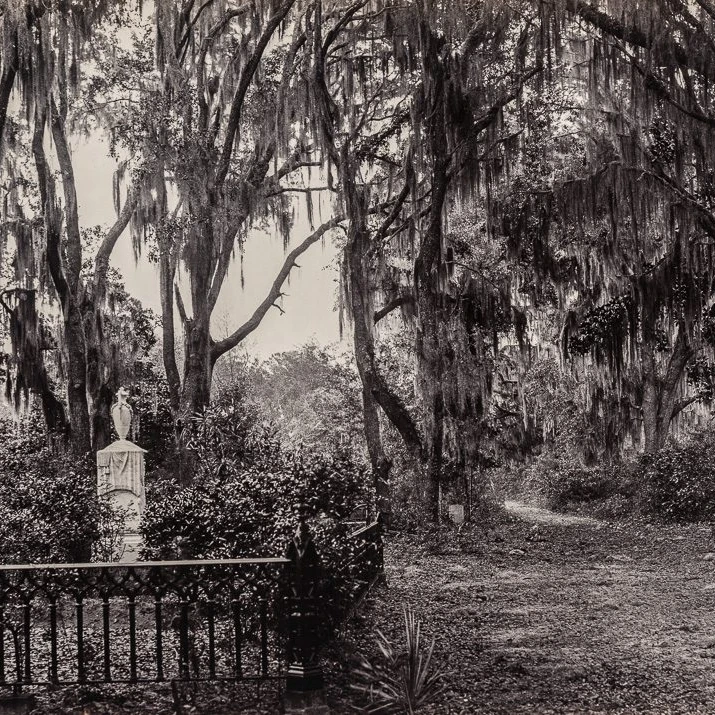
Southern Elegy: Photography from the Stephen Reily Collection is a small exhibition in the North Building of the Speed Museum, and includes some black and white photographs by William Eggleston. If you choose to walk up the intrinsically modern stairway of the Speed, Southern Elegy is the first exhibition you approach as a viewer.
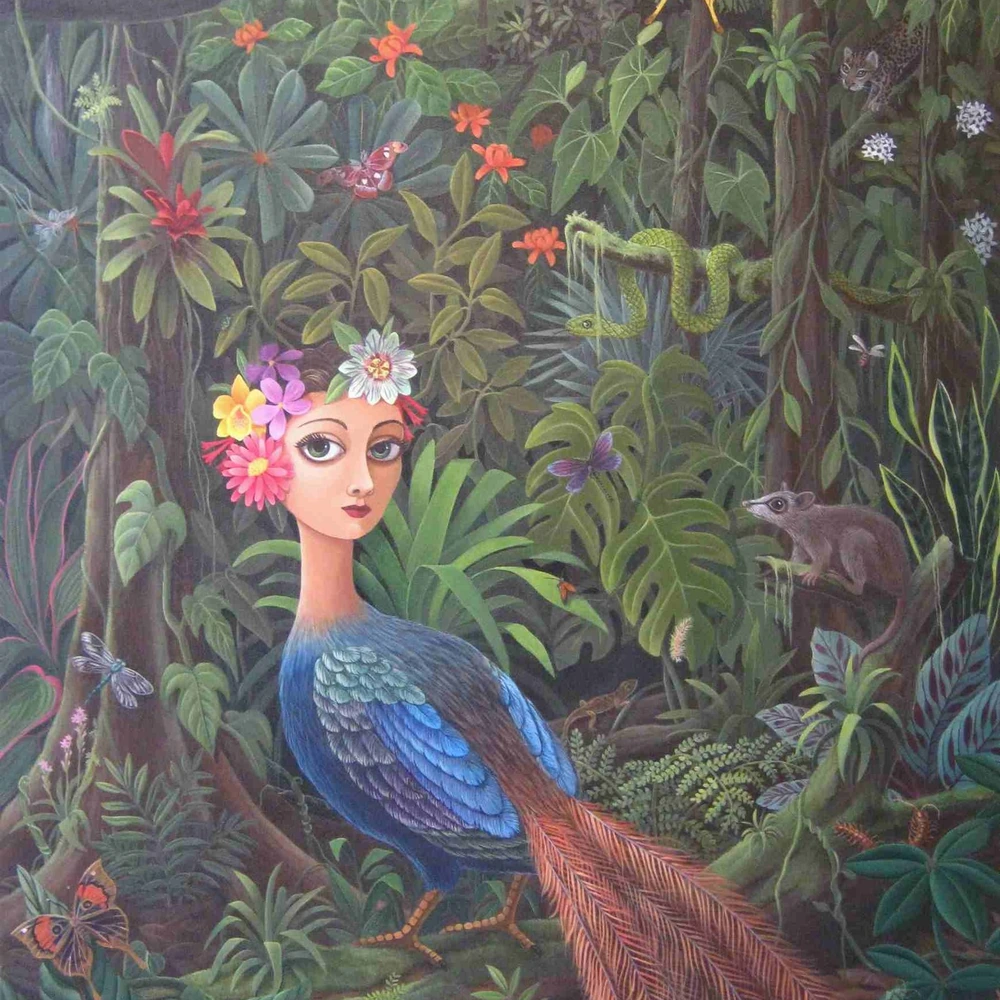
Mounting the stairs at the YWCA Women’s Art Gallery to see “Other Wordly,” the word that came to mind was “charming” as I encountered the paintings of one of three artists in the exhibition: Laine Bachman. Her hyper-realistic paintings have a fairytale quality, enchanting and entrancing.
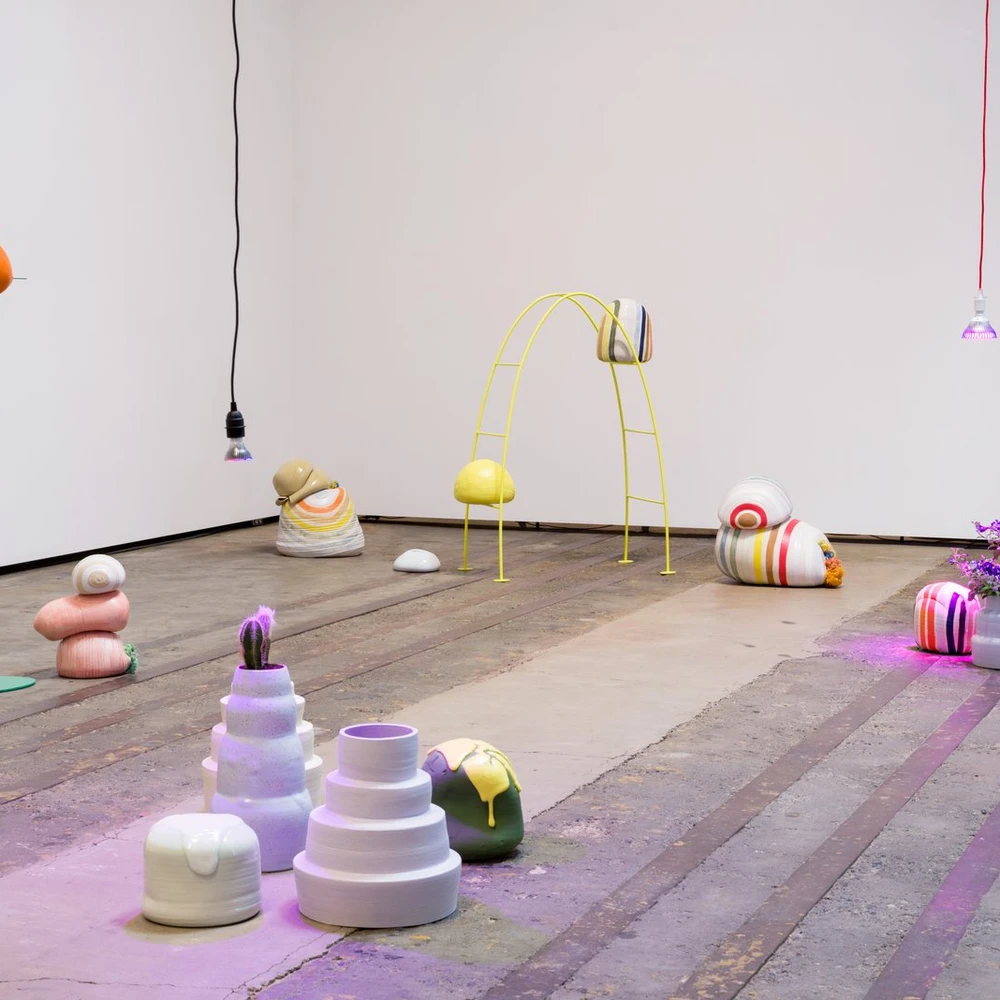
Gailan Ngan’s Moonlighting Papel opened at Monte Clark Gallery in Vancouver, BC on the first of June and closed on the thirtieth of the same month. In conjunction with Ngan’s exhibition, Monte Clark also exhibited the work of Alison Yip Hagazussa for the same duration. Both artists showed thoughtful bodies of work that felt mature and yet not stagnant.

For all the distance between them, Tony DeVarco and Mayako Nakamura have uncanny aesthetic affinities. Both revere the cycles and surprises of the natural environment; both attempt, in the same visual plane, to capture fluid forms and the emotions they evoke; both frame the viewer’s experience as a creative act rather than one of static reception.
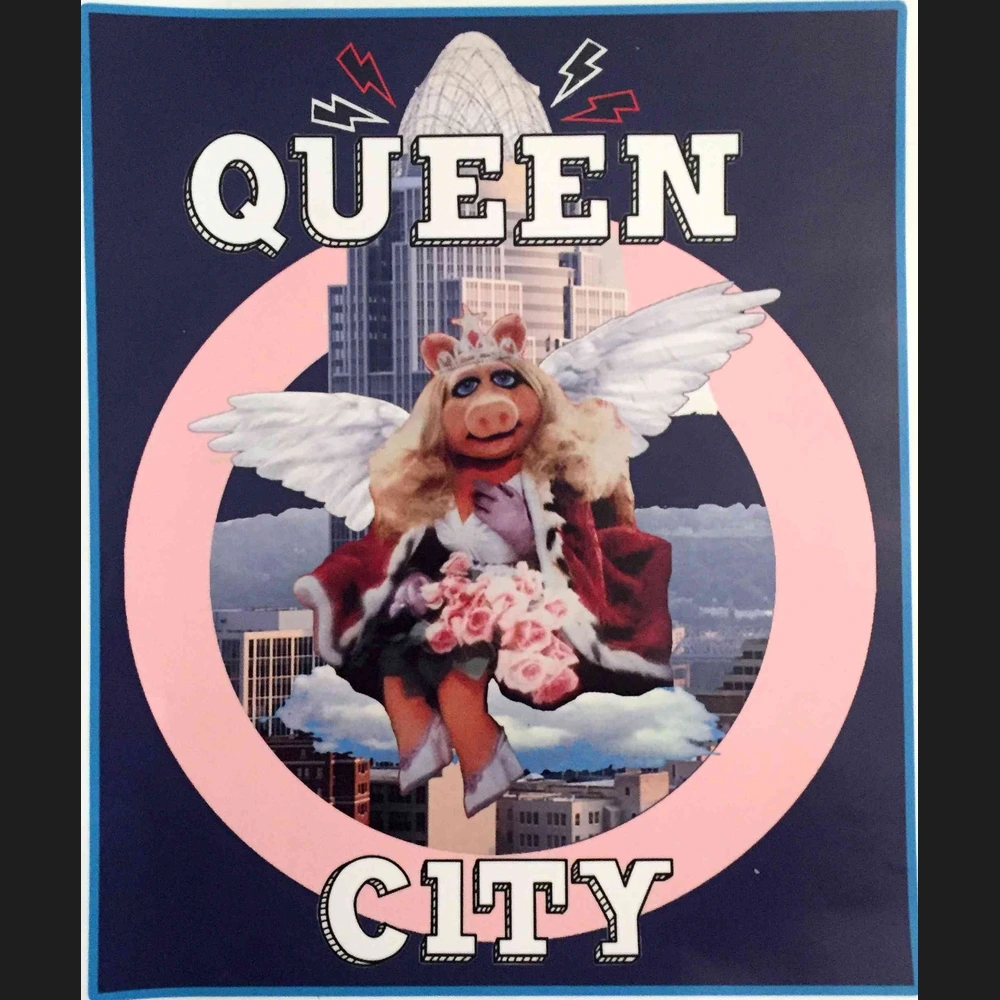
I had never heard of Bunk Spot Gallery when I started seeing mentions of it popping up on my Facebook newsfeed. These mentions were coming from many of the female identifying artists whose work I respect and follow in the local arts scene. Suddenly the gallery’s name seemed to be everywhere. I immediately took notice. What was this new space bringing together so many of the artists I love in Cincinnati?
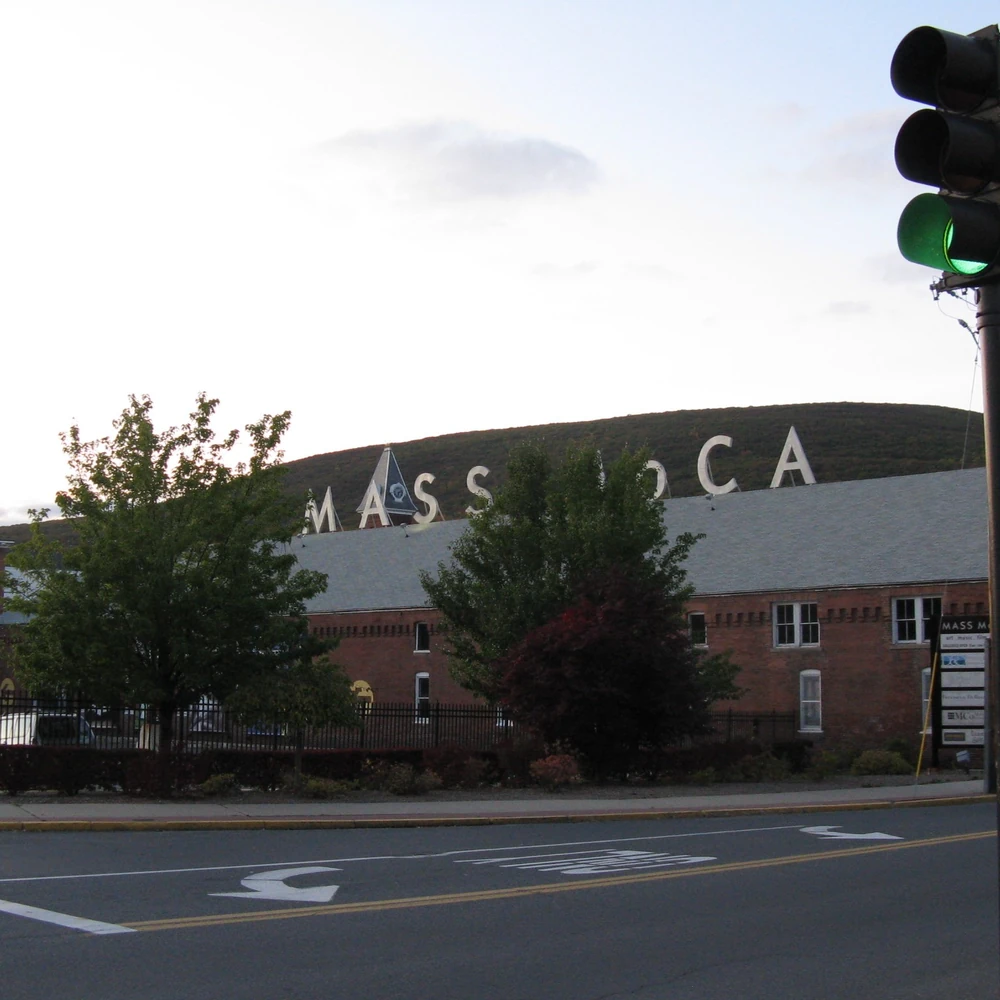
The summer (July/August) issue of aeqai has just posted. We have an excellent mix of exhibitions from this region, and others from around the country. Jonathan Kamholtz reviews two major exhibitions for aeqai this month, The Folk Art in America show at The Cincinnati Art Museum, and the British paintings exhibition from the Berger Collection in Denver at The Taft Museum of Art.
