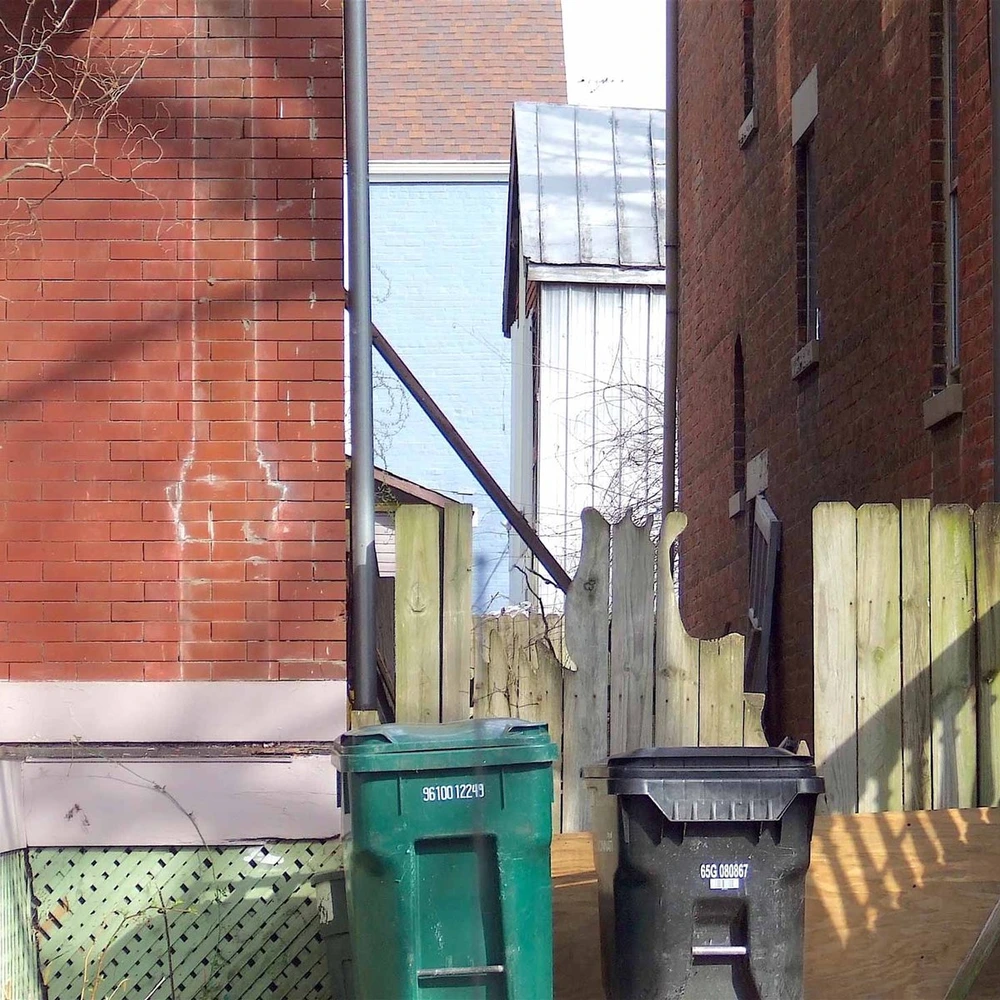
When Harvey Osterhoudt and William Renschler worked together at the Indiana University Art Museum in the 1970s, they began a dialogue about photography that would inform their work for the next forty years. Through the early months of 2017, Over-the-Rhine’s Iris BookCafé featured the results of that conversation in Subject Matters, a two-man show of photographs focused on the dynamism of commonplace materials.
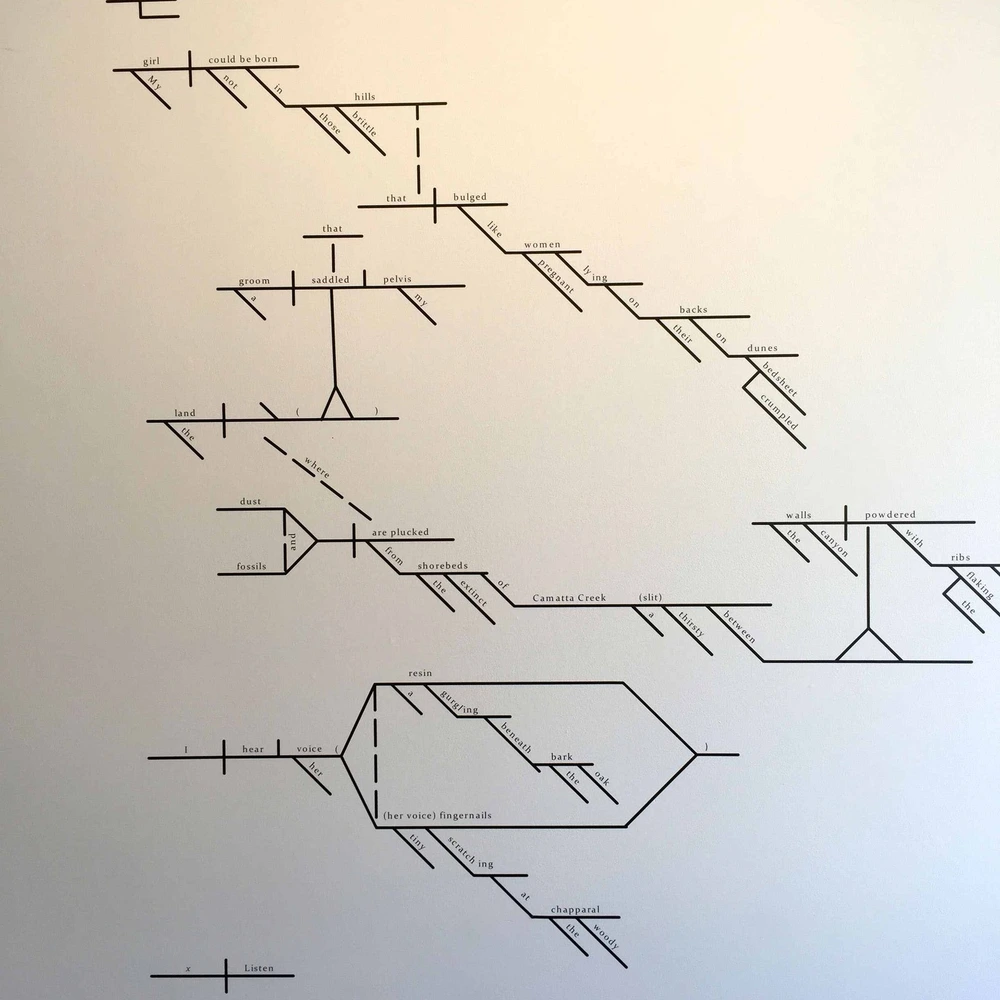
Zephyr Gallery has a twenty year history in Louisville, moving from location to location as the community needs and sees fit. Project 17: Ritual Geography is part of an ongoing project started in 2014 by Zephyr. Their ongoing Project series is made up of curated proposal-based exhibitions as well as collaborations with universities, colleges, and cultural institutions.
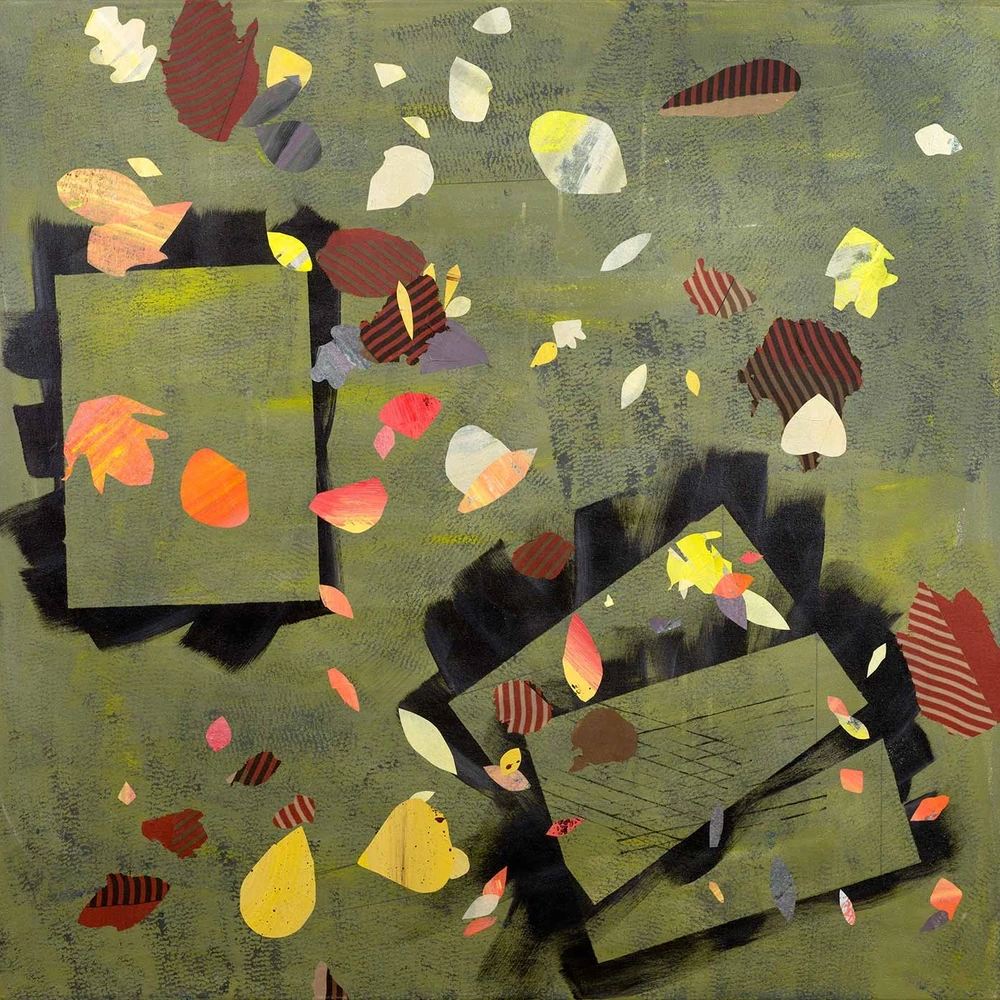
Sara Willadsen’s Less Gloom opened at the Rockford University Art Gallery on March twentieth and closed on April twenty-second. I have admired Sara’s work from afar, through the byways of social media for some time now, and I just can’t stay away from it any more. I have admired the work without understanding it apparently.
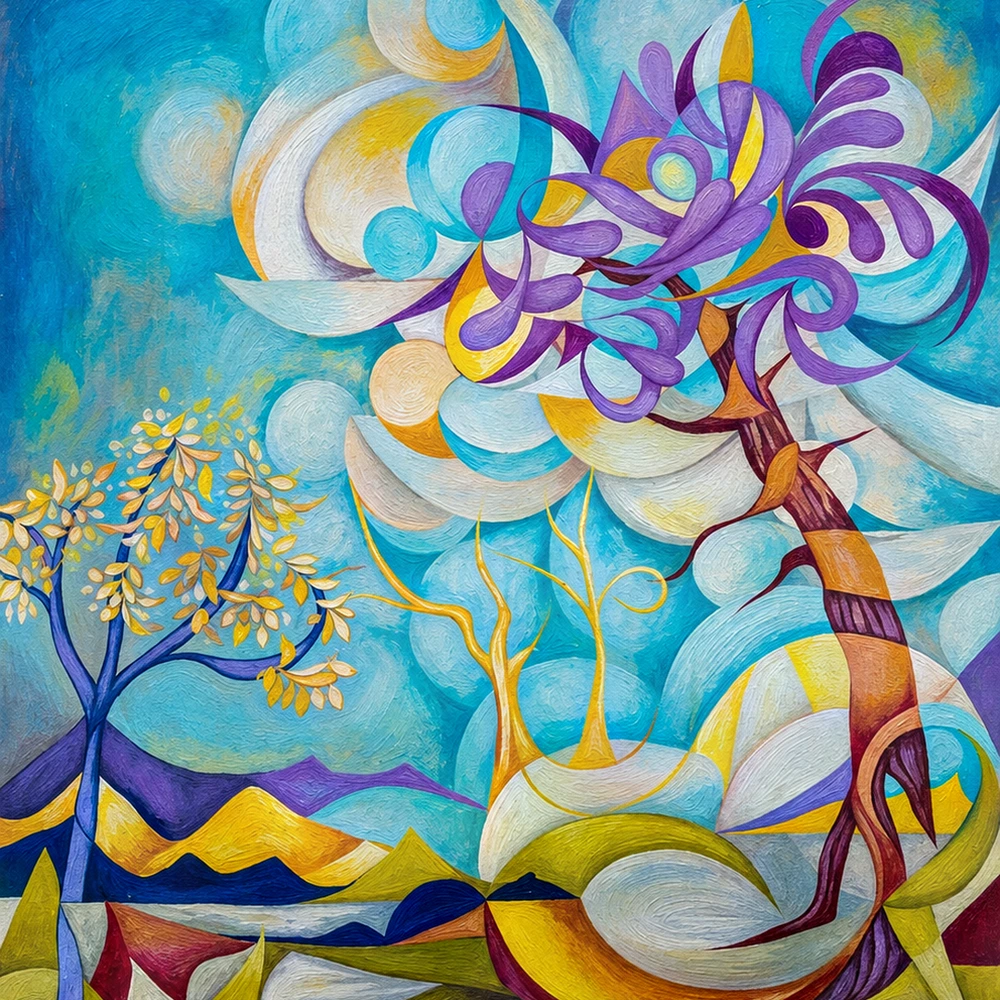
Cincinnati Artist Cedric Michael Cox is exploring selected pieces from the collection of the Taft Museum of Art in his a new series of acrylics, entitled “Color & Rhythm” currently exhibited on site. The Taft Museum, a National historic landmark, was built about 1820 and is considered one of the finest examples of Federal architecture in the Palladian style in the country.

Mi Casa es Su Casa – My home is your home – is a Spanish phrase that reflects recent efforts of local artists M. Katherine Hurley and Jens G. Rosenkrantz, Jr., who established a cultural exchange with artists in Cuba. Now their theme has changed to Puentes No Muros – Bridges Not Walls – reflecting a united view of the world, an homage to Pope Francis’ heed to President Donald Trump.
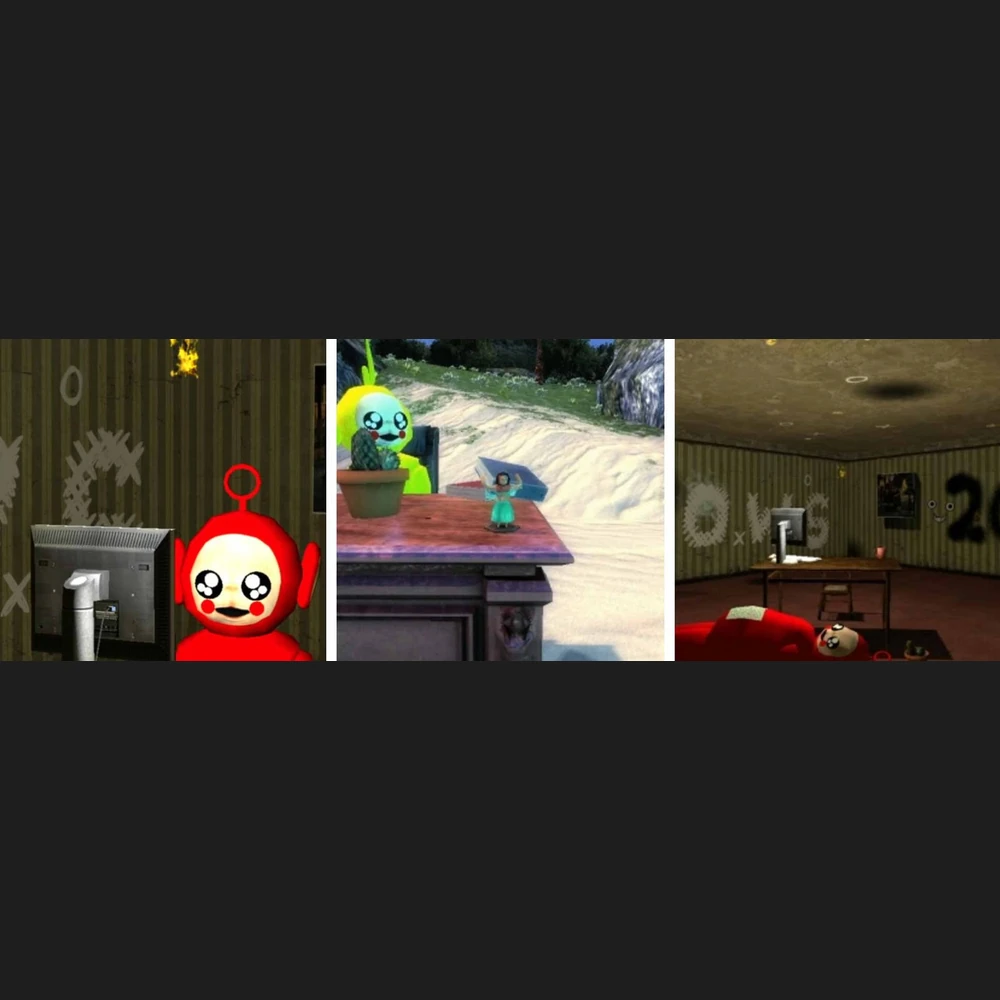
I’ve always had mixed feelings about video games. I am no gamer but I have spent my fair share of time crouched on the couch maneuvering cartoon characters on a track, adrenaline pumping and yelling obscenities at the screen. I’ve also sat near by and watched siblings, friends, and boyfriends spend hours speaking in what seems to be a language of their own and transversing universes. Most of these memories I think of fondly.
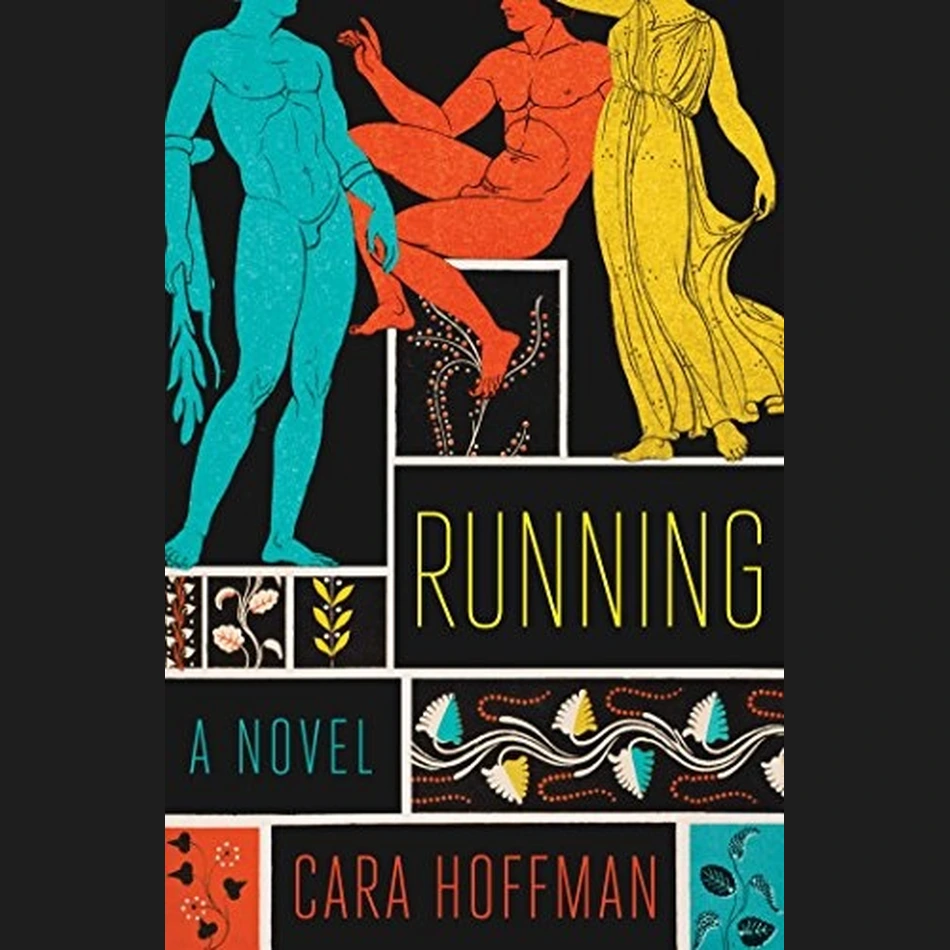
Kate Carlson’s “Running” is a beautifully sparely written, nearly minimalist, narrative about three young Western on the run in Athens, Greece. They are two men, who are gay, and one woman, all around twenty years old, one man from upper class England, who literally walks out of Eton one day, and meets up with a lower middle class black man from the Northern industrial slums of England.
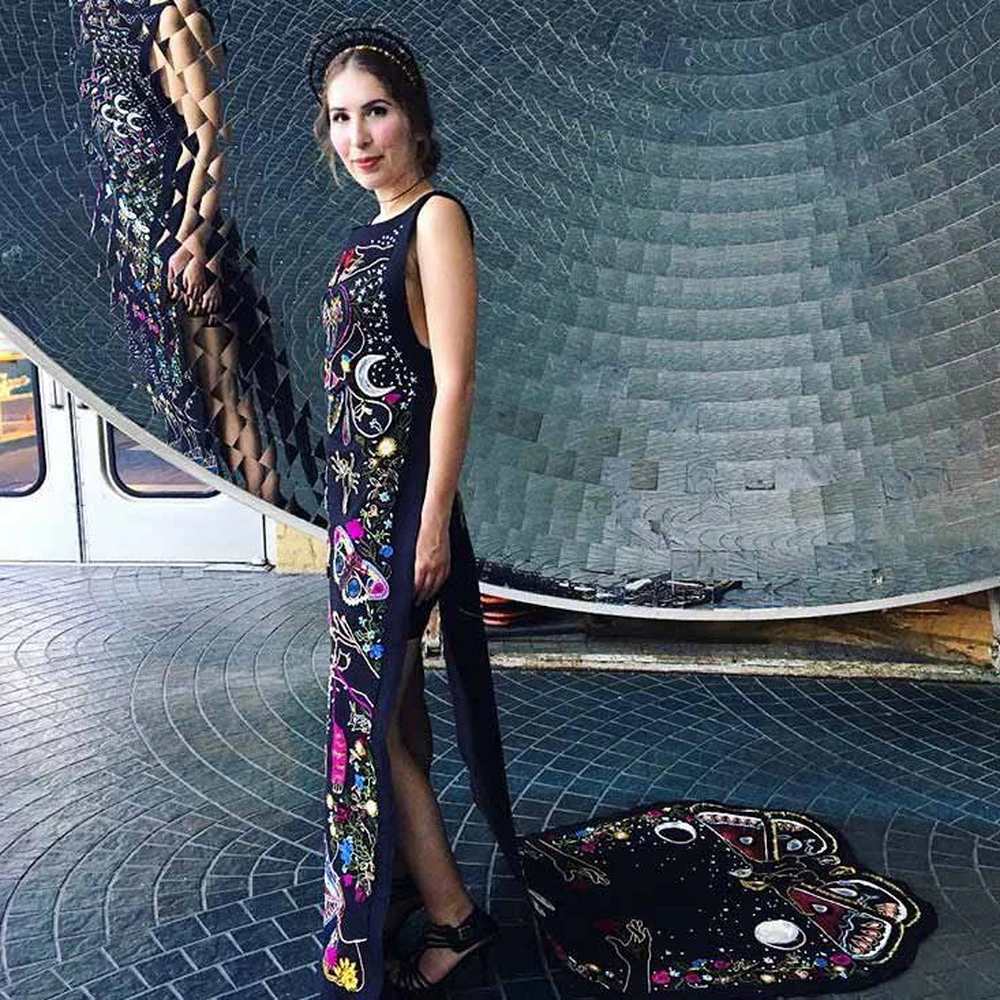
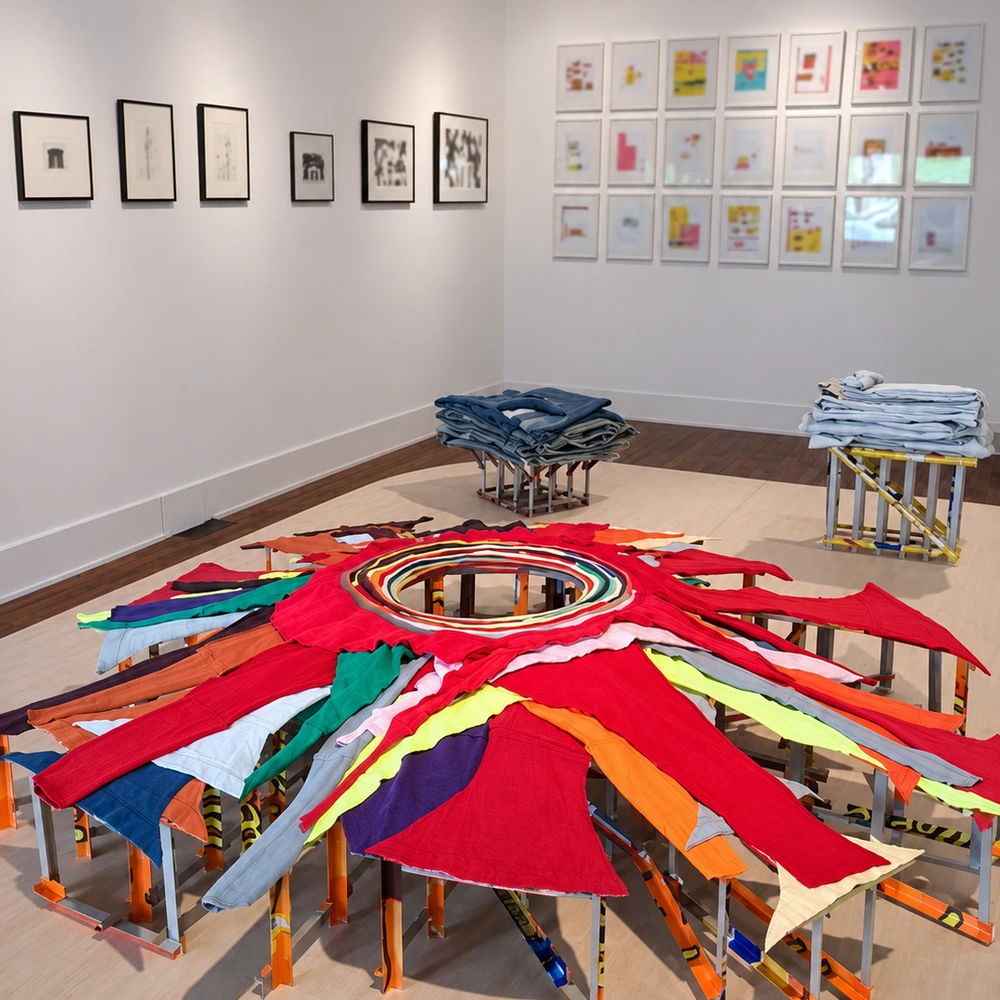
The Kentucky Museum of Art and Craft has been a part of the Louisville arts community since 1989 (formally the Art and Craft Foundation). Since its opening at its current location in 2001, the KMAC has created exhibitions, educational, and academic programming for the community in which it is sited.
The story of the founding of the Raymond Thunder Sky Gallery and Visions and Voices Gallery, both in Northside, is as compelling as the art that is featured in these spaces. Keith Banner and Bill Ross are the founders of both galleries; both of whom are visionaries, humanitarians, social workers and tireless supporters of art therapy. Their careers in social work provided the foundation and trajectory for this life work.
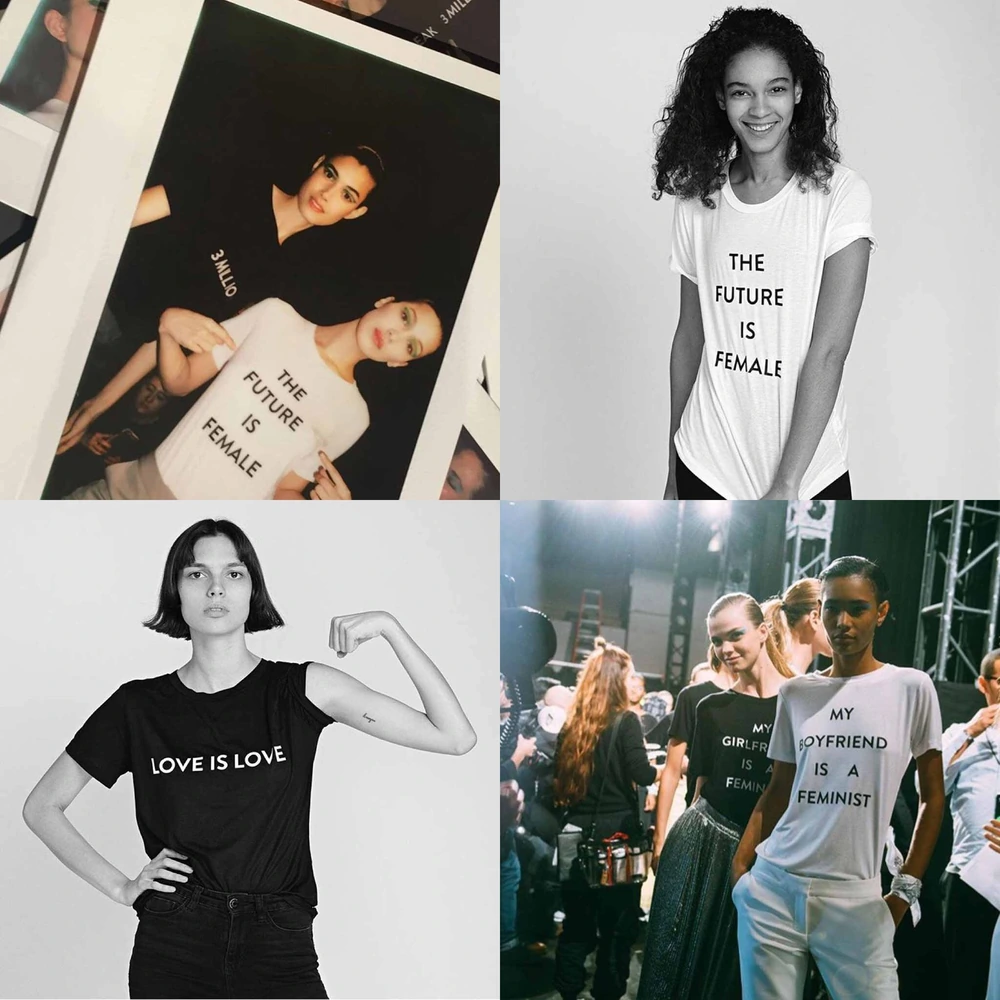
Did she know? Did designer Maria Grazia Chiuri know that in late September, 2016 she would start the modern interpretation of the protest-by-tshirt trend? (reminder: nothing in fashion is every truly new.) Probably not. However Dior’s creative director, in her debut collection for the brand, did seem to be the first to tap into the third wave of feminism that was starting to infiltrate everyday life.
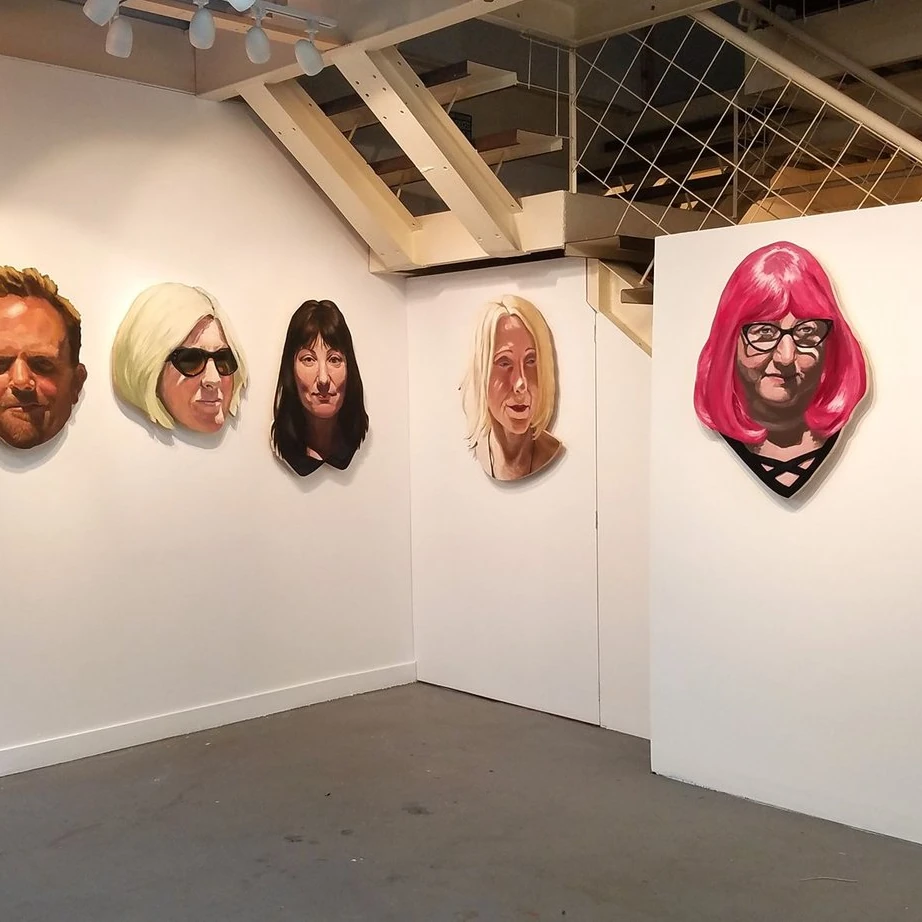
Spearheaded by Kristine Schomaker, founder of Shoebox PR and Art and Cake, Shoebox Projects is a month-long residency program for Los Angeles-based artists. Not only does Shoebox Projects give visiting artists a space to work, but it offers the support of a thriving arts community, located at the Brewery Arts Complex, one of the world’s largest artist colonies where more than 600 practicing artists reside.
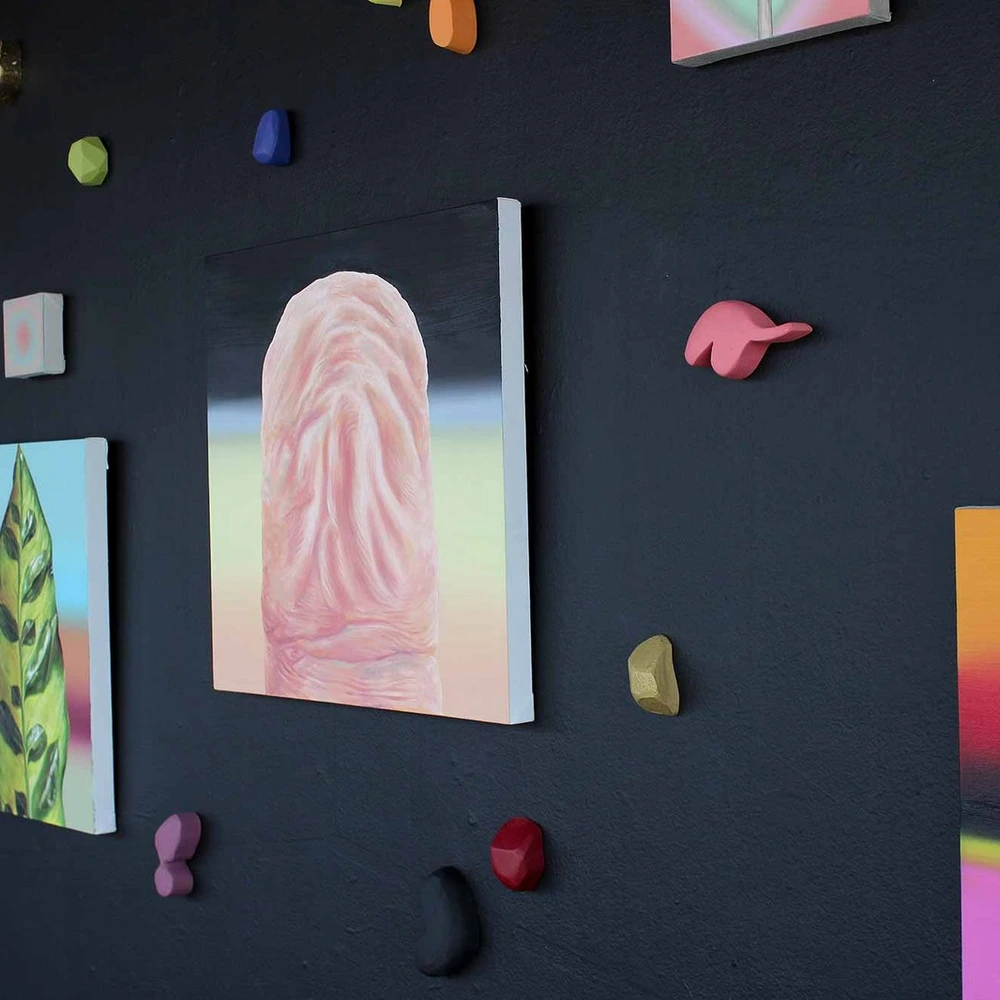
Rachel Fischer’s installation at Box 13 Art Space in Houston, in the Front Box, opened on the eighteenth of March and closed on the twenty-second of April. Oddly enough I was headed to Houston on the day of the closing reception and was somewhat dismayed to have missed it by a couple of hours. I have become familiar with Fischer’s work since then through the photographs she has sent me.
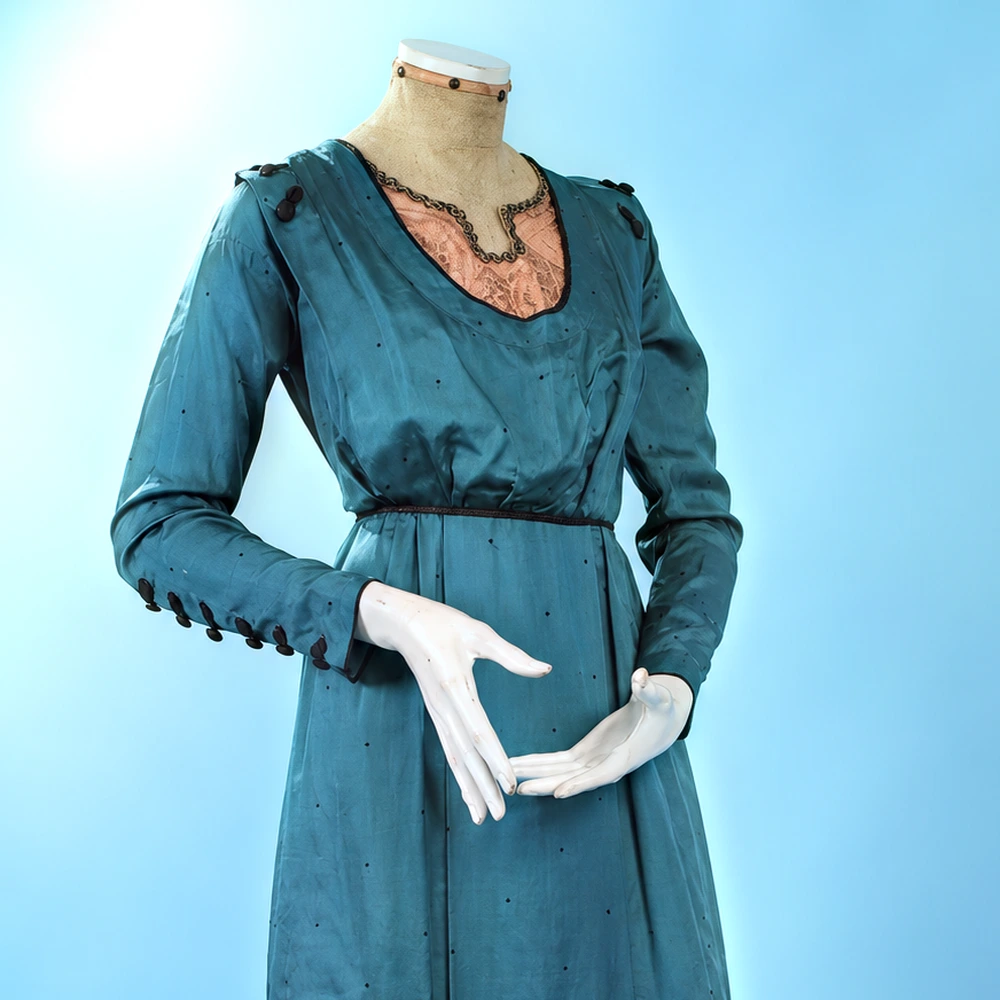
Depending on age and interest in popular culture, the term It Girl means different things to different people. To some it relates to the young starlets of today who seemingly go in and out of fashion as quickly as the release of a movie. For others though, the term brings to mind the ingénues of the 1960s with women like Jane Birkin.
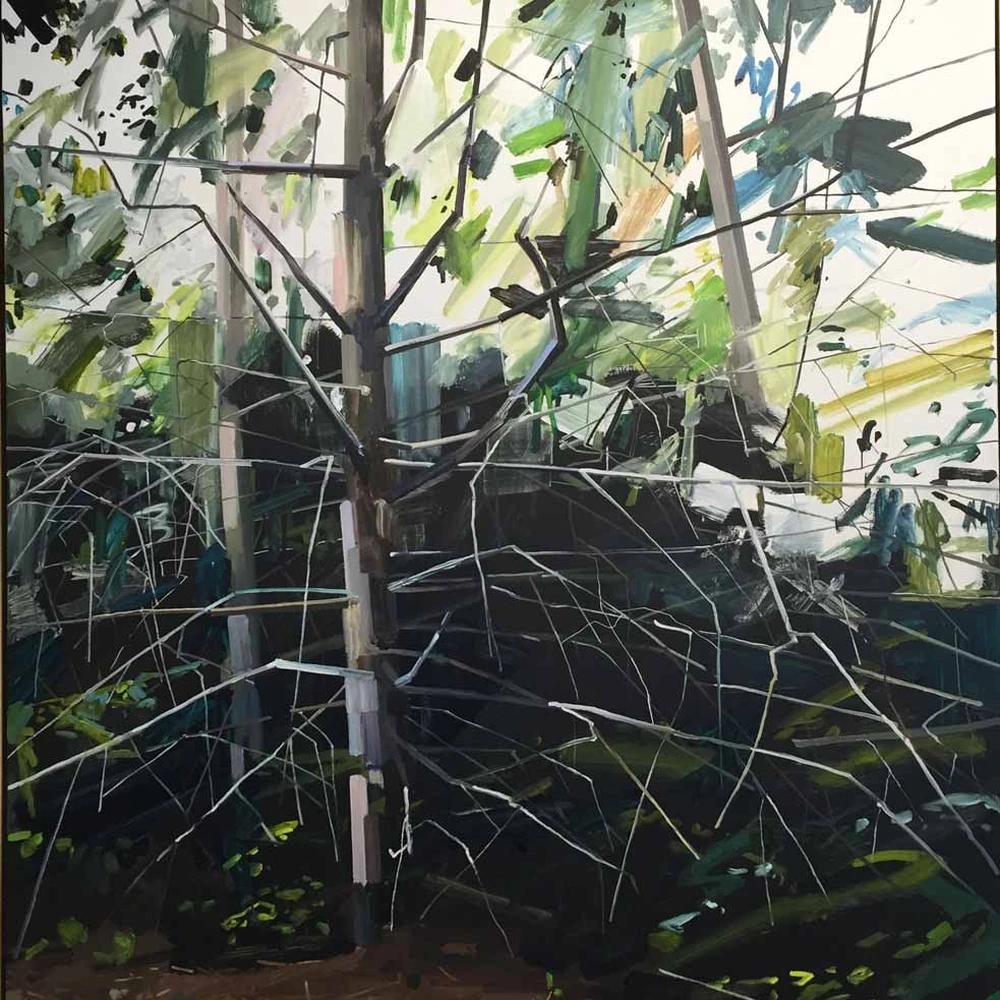
The day that I visited the Kentucky Museum of Arts and Crafts on Main Street, the sun was shining through their gigantic windows facing out onto Museum Row; and the museum was abuzz with people getting ready for the KMAC Couture Fashion Show. Claire Sherman’s work was being shown on the third floor gallery which was still filled with chairs from the artist talk that had been held several days earlier.
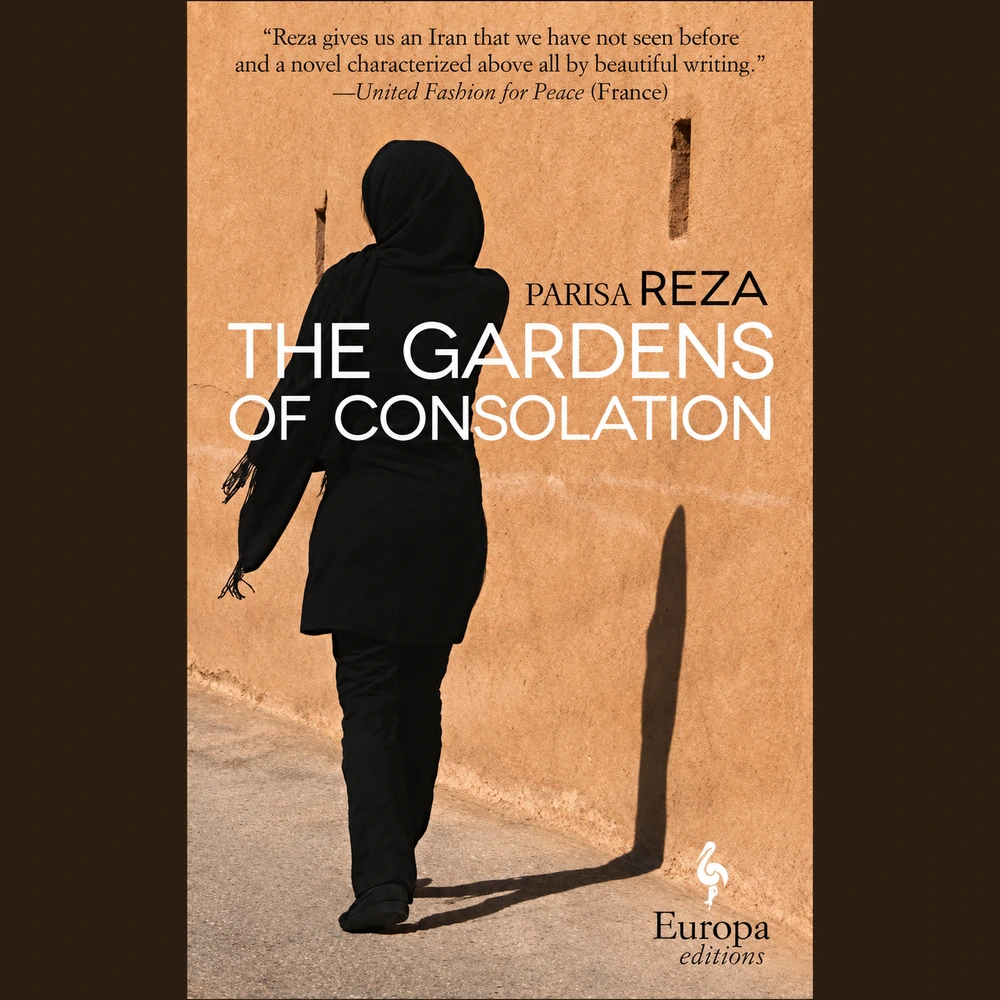
Parisa Reza’s novel The Gardens of Consolation is one of the most beautifully written of the year to date. The Iranian Reza examines the life of a young couple, newly betrothed (the woman is all of 12, the man many years her senior), living in an obscure town in the far Western part of Iran, nearly in medieval circumstances.
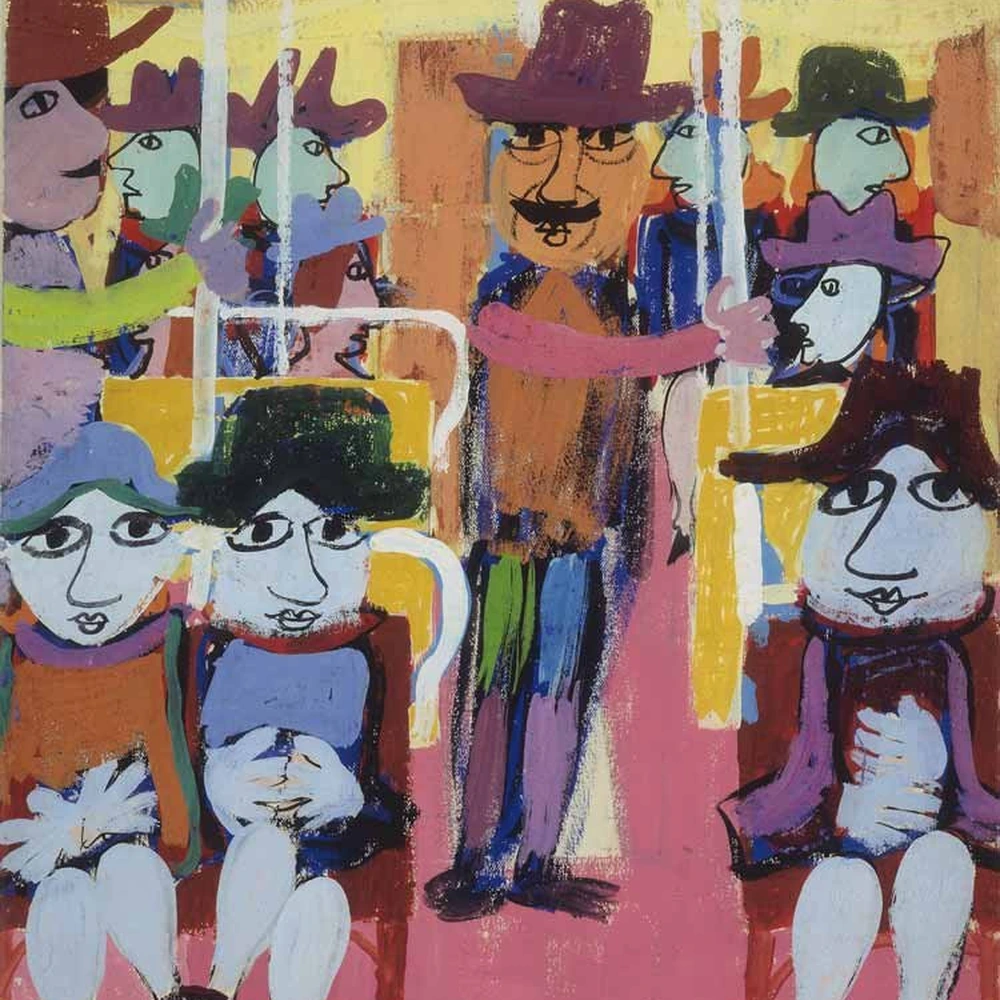
What makes Jean Dubuffet’s art so captivating? Dubuffet Drawings, 1935-1962, which closed April 30 at the Hammer Museum in Los Angeles, offered insight into elusive qualities that vivify his work. The rawness characterizing Dubuffet’s oeuvre is especially palpable in his drawings. This medium’s immediacy seems ideal for embodying his characteristic roughhewn aesthetic. “I must learn how to draw,” he wrote in 1944.
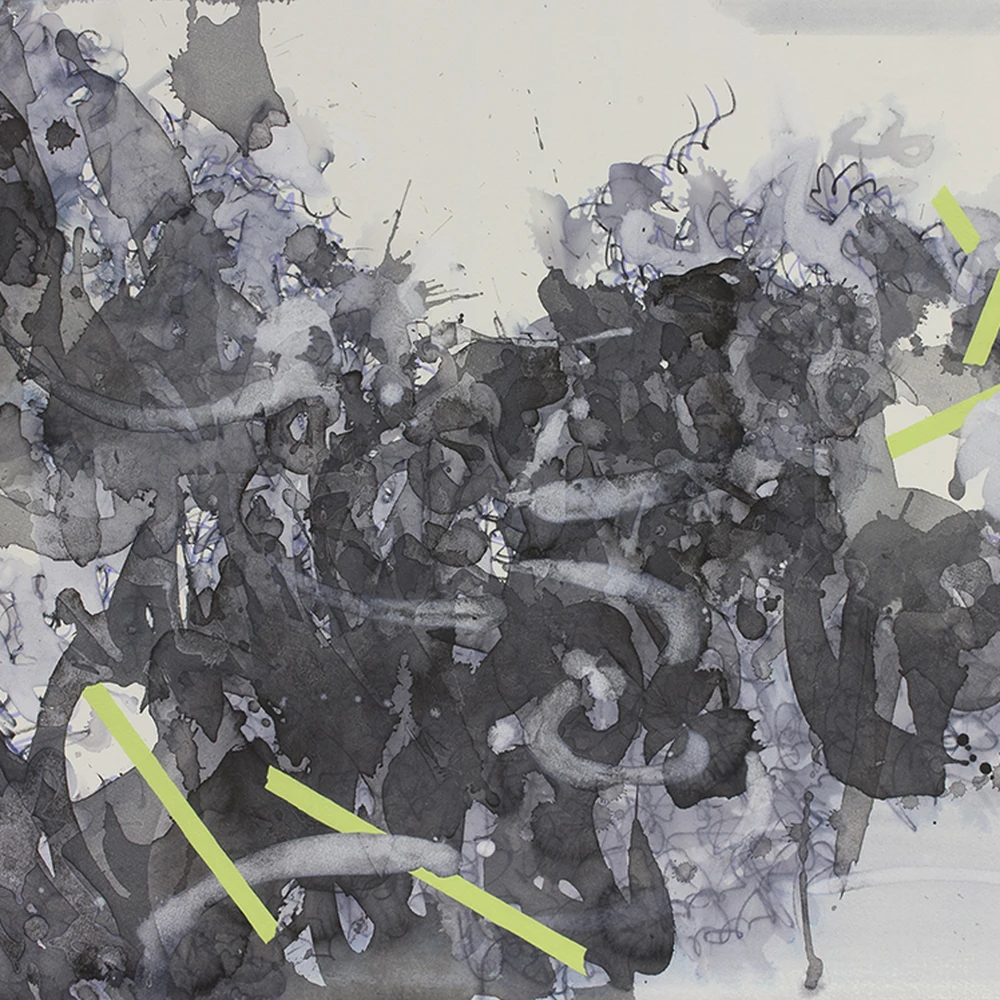
Nishiki Sugawara-Beda uses painting to cultivate the visual power of written language as she examines the linguistic complexities of meaning.
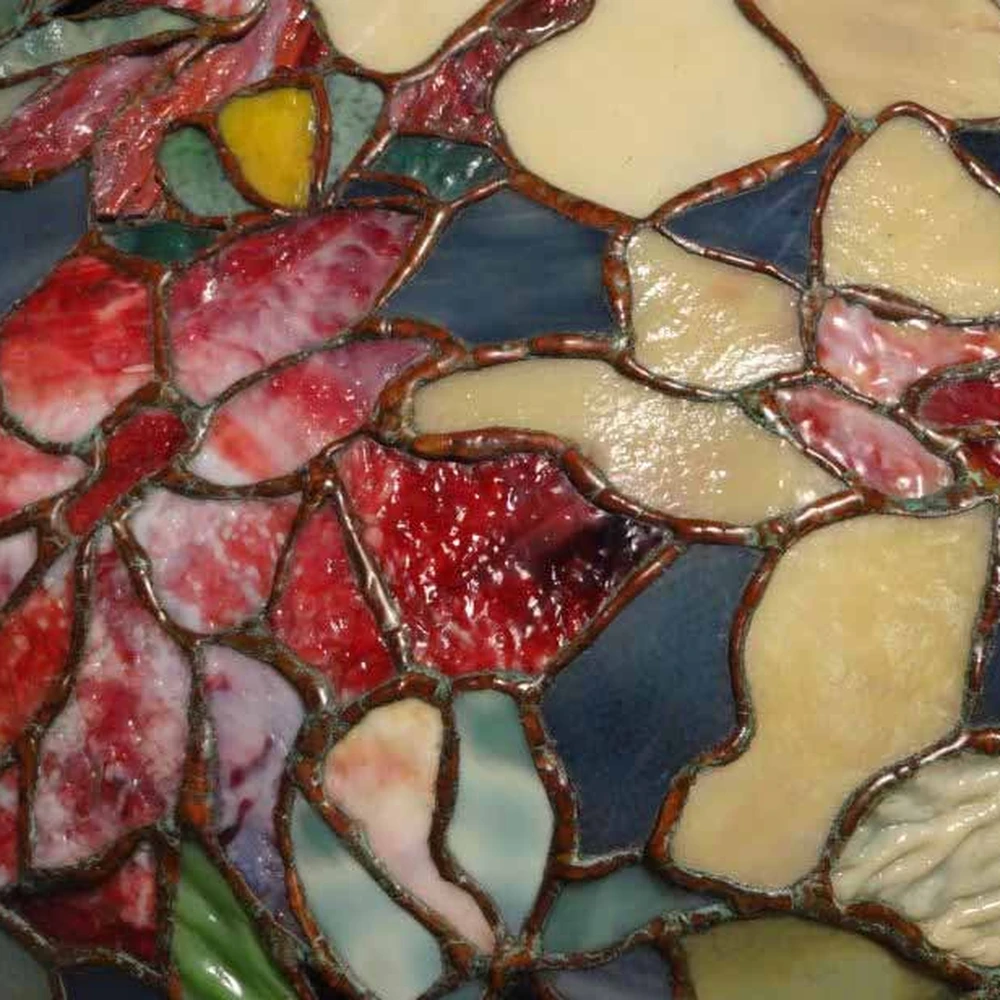
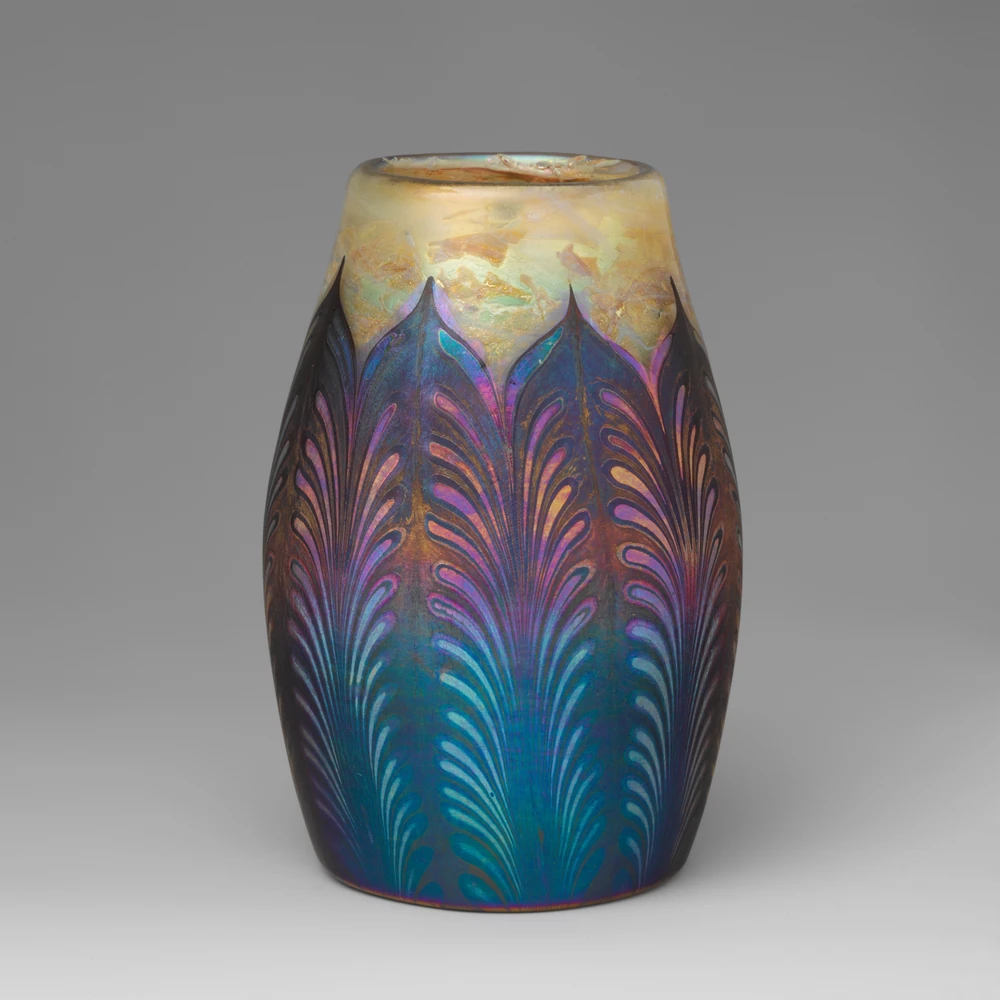
As an undergraduate studying art history in the late ’60s, I lusted after a Thonet rocker, which I pronounced “thon-it,” and a hanging Tiffany lamp. I imagined them in a book-lined room with a cat curled up on the rocker. But, as a student, I couldn’t afford even reproductions.
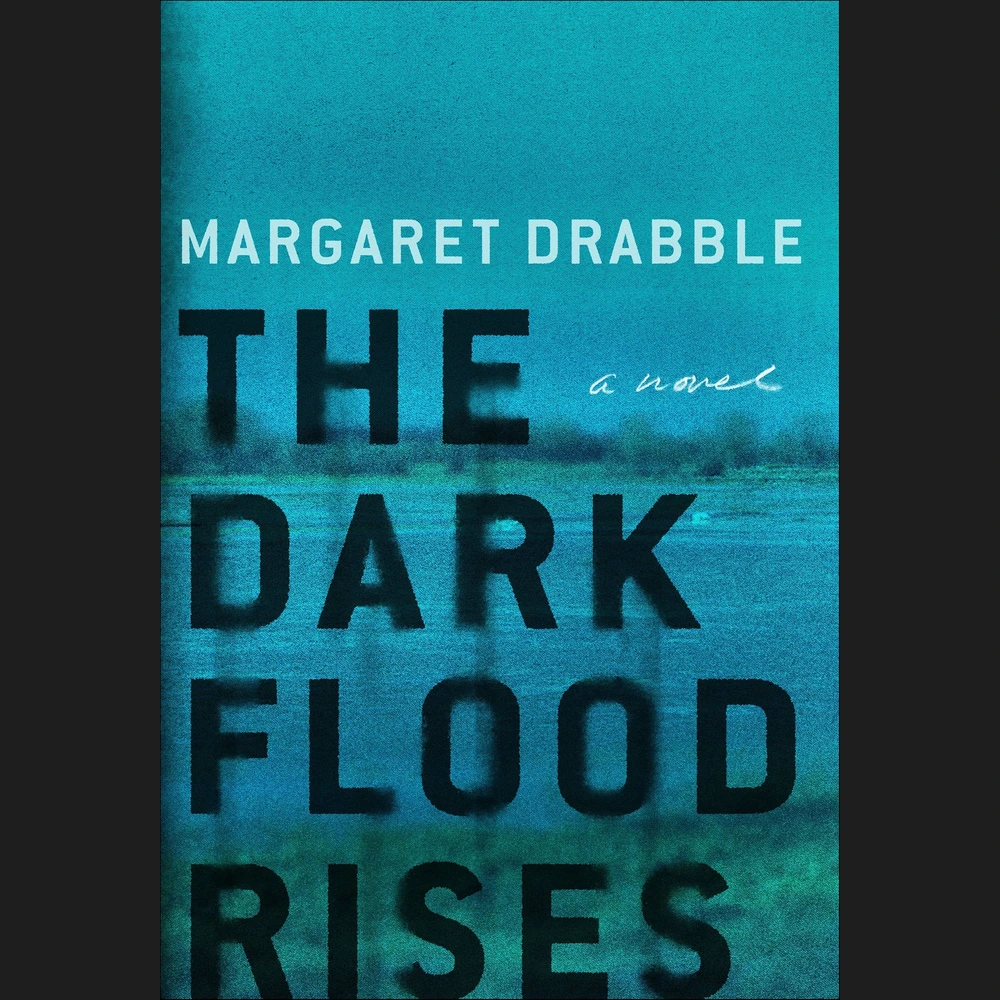
Margaret Drabble is one of England’s finest novelists, along with her equally brilliant novelist sister, A. S. Byatt, although they don’t seem to speak to one another at all. Somehow, having come to Byatt first, all of whose novels I’ve read and which astonish in their brilliance and quality, I seemed to believe it to be disloyal to read Drabble. I got over that: other peoples’ family feuds are not my problem, not my issue.
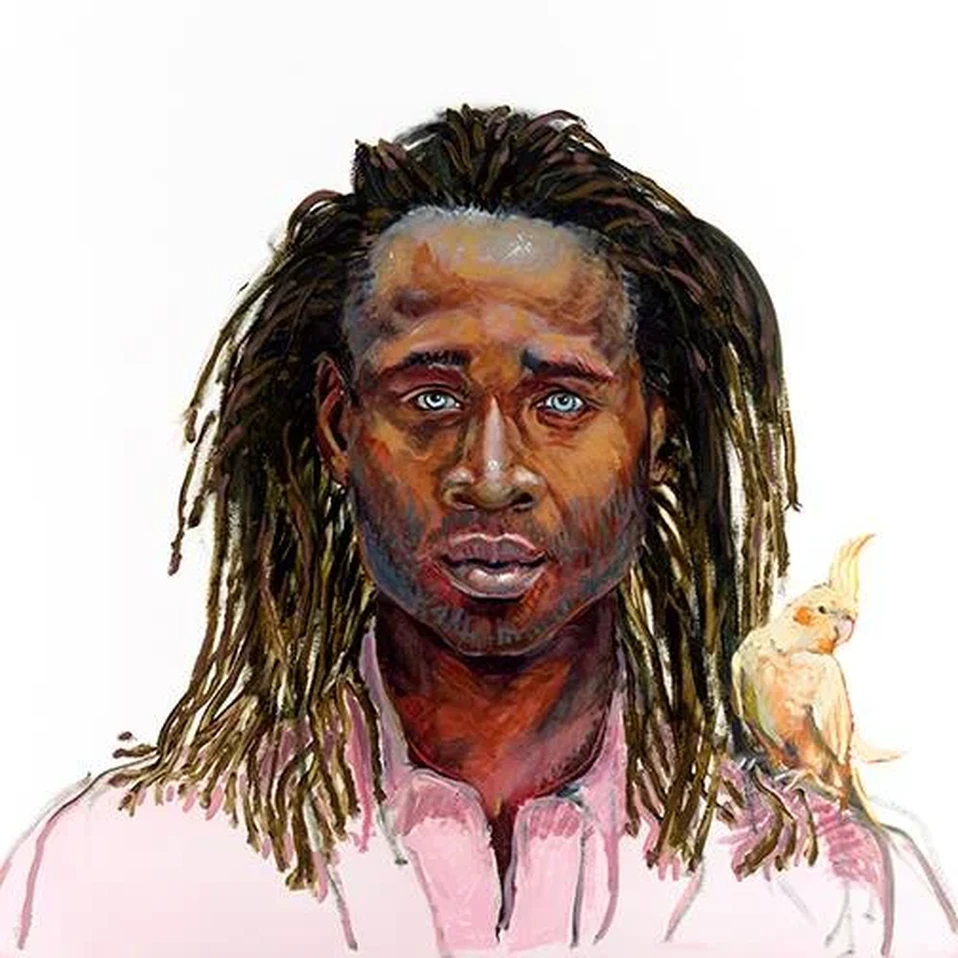
Leslie Shiels makes paintings and prints as her own response to life, to what she sees around her in solid fact and in underlying meaning. Talking with her, I had the feeling that she just can’t help it; when something interests her, bothers her, gives her an idea, she wants to make art of it. And so she does. As it happens, her interests are considerable.
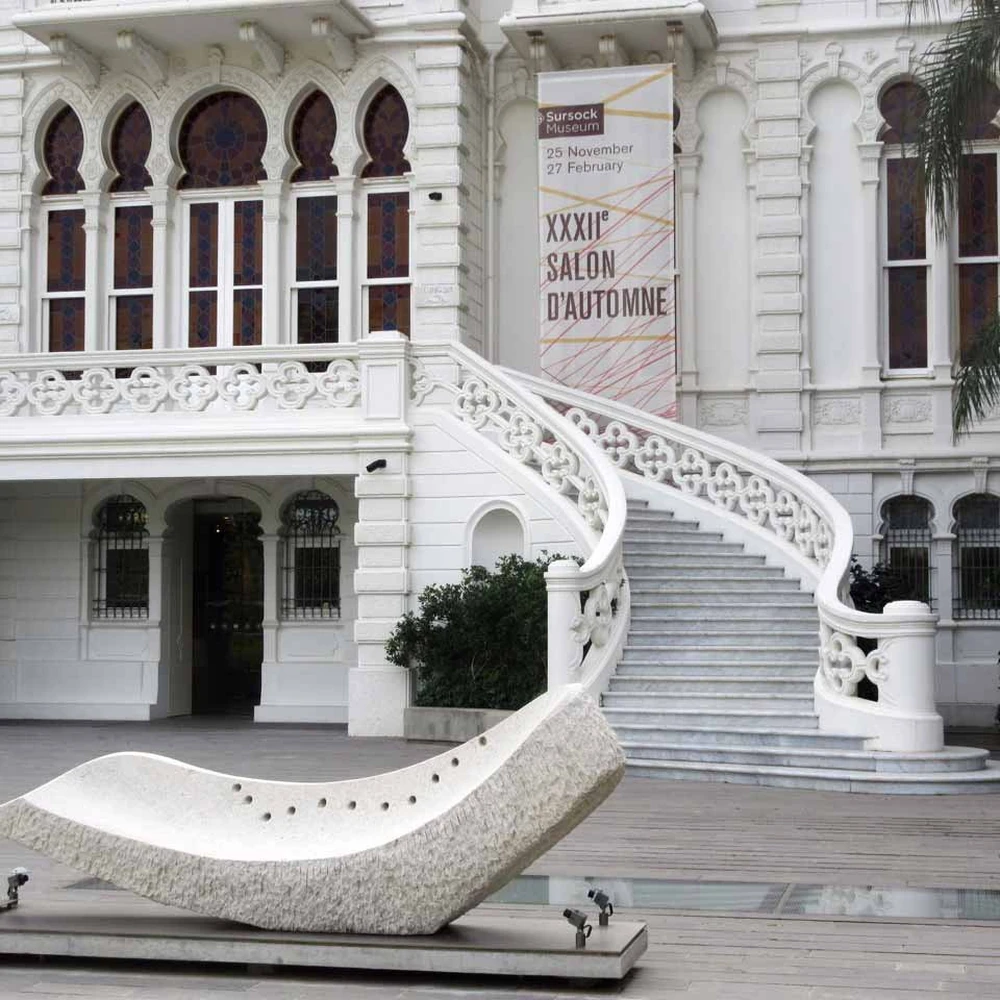
Upon my recent return from Lebanon, I wrote a letter in the March aeqai in which I spoke of the prevailing creative energy I found there, a creative energy that permeates everyday life. In it I also gave a review of the art show “Sifr” by Lebano-Senegalese artist Hady Sy whose work focuses on the “null”, yet corrupting value of money that controls all of our life.
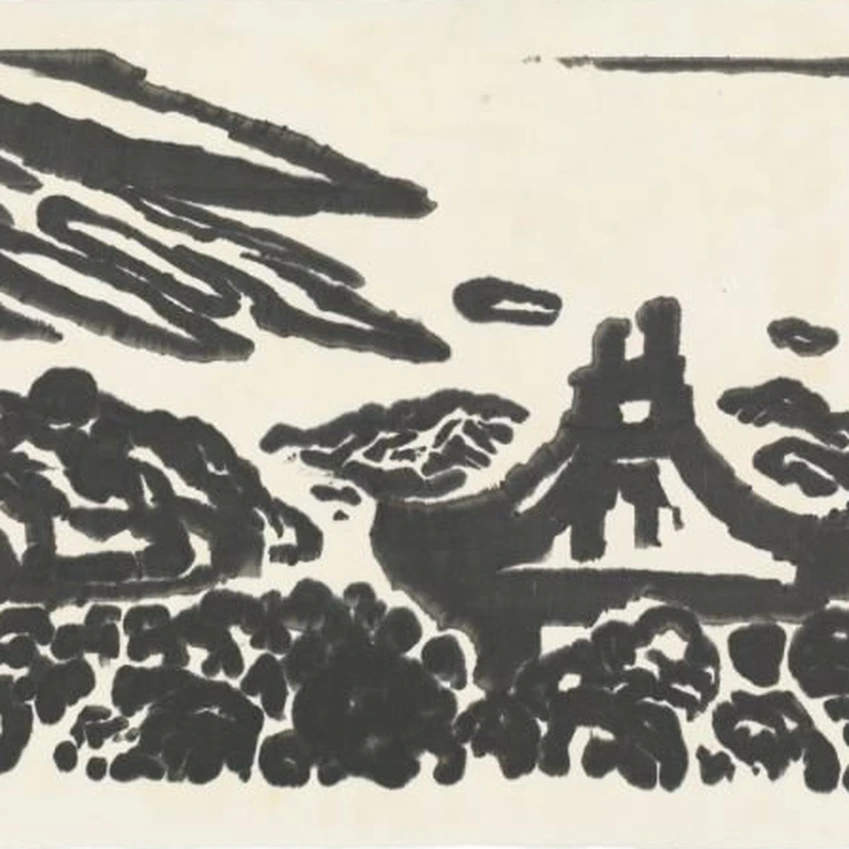
Cincinnati continues to harness the landscape lion: the Taft Museum exhibition of 2016, Daubigny, Monet, Van Gogh: Impressions of Landscape and two more stunners, the Cincinnati Art Museum’s Picturing the West: Masterworks of 19th-Century Landscape Photography and Van Gogh: Into the Undergrowth. Anyone fortunate enough to have seen all three exhibitions last year must certainly appreciate her or his good fortune.
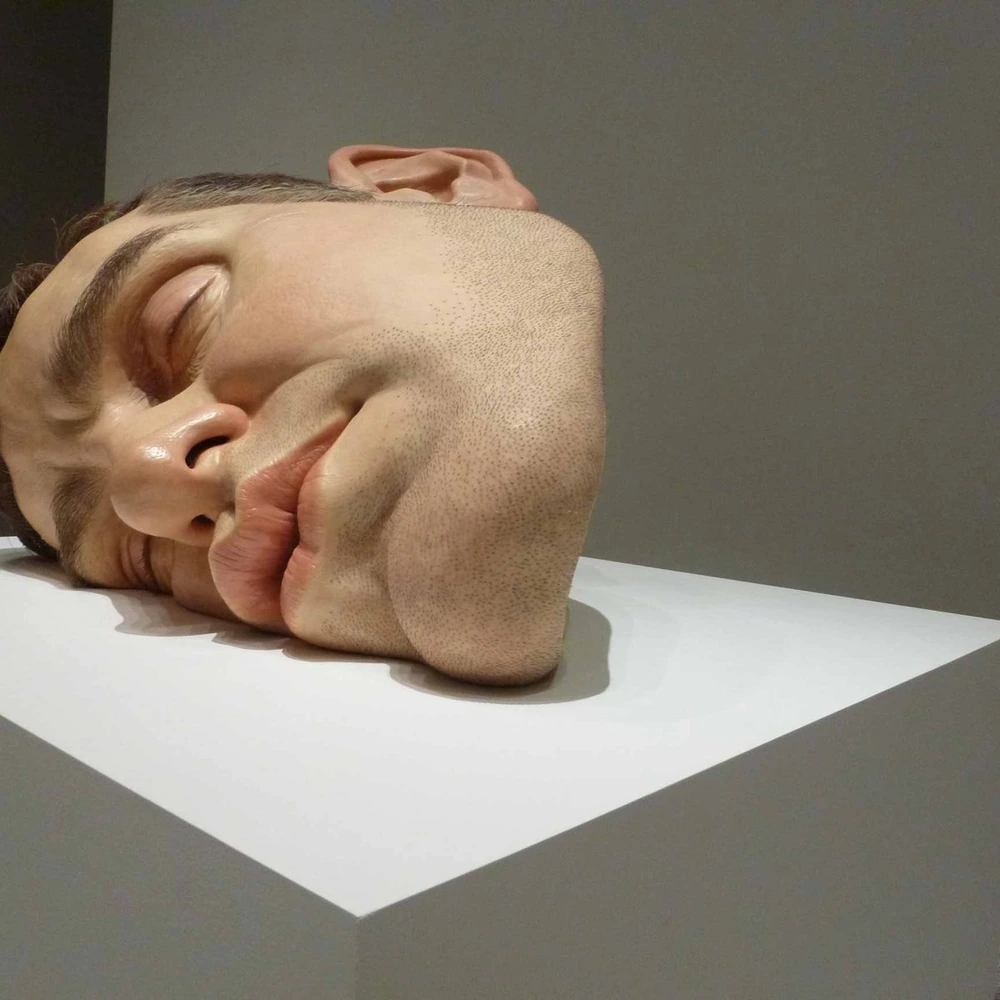
I can barely get through a day in Houston—and even international art websites—without seeing Ron Mueck’s sideways head. An alumnus of Jim Henson’s creature shop and fastidious creator, Mueck depicts his uncanny, dead-eyed figures as larger than life, whether they fill an entire room or stand two feet tall.
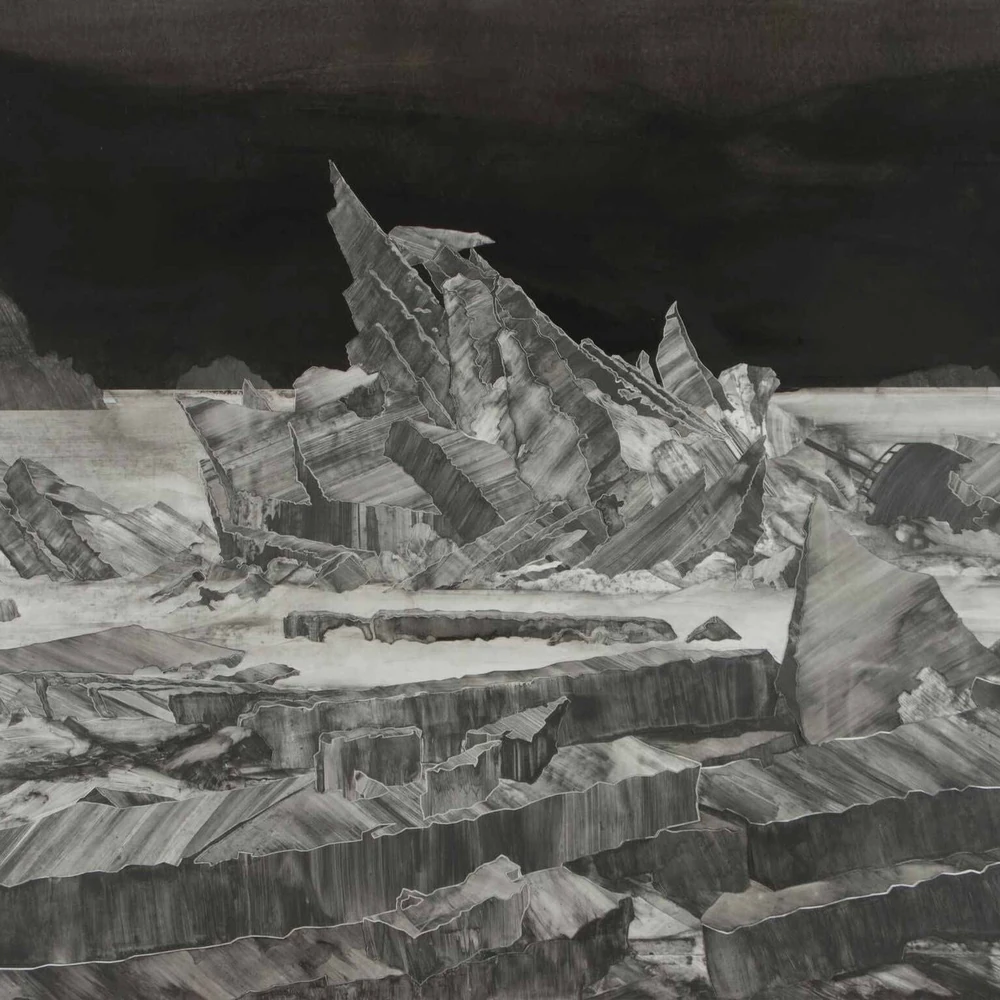
As you work your way through the drawings on view in the pleasant warren of rooms at Manifest Gallery, something wonderful happens when you reach Lucas Bianchi’s “Self Portrait in Studio” (2016). The energy of Bianchi’s drawing is everywhere in evidence, and it tells you this is a young man mad about drawing.
Aeqai’s back with its April issue, and we apologize that we’re about l0 days late. My computer broke for awhile–a few of this month’s columns were actually meant to be posted last month–and then I had to go on medical leave for about six weeks, but I’m back. I think our new issue is well worth the slight delay.
