
A slow-burning ambiguity inhabits the title of Anthony Luensman’s New Works, which now hang at the Clay Street Press Gallery in Cincinnati’s Over-the-Rhine district. Most plainly, the pieces are new in the sense of making their first public appearance, of being still fresh in an era when things age at breakneck pace.
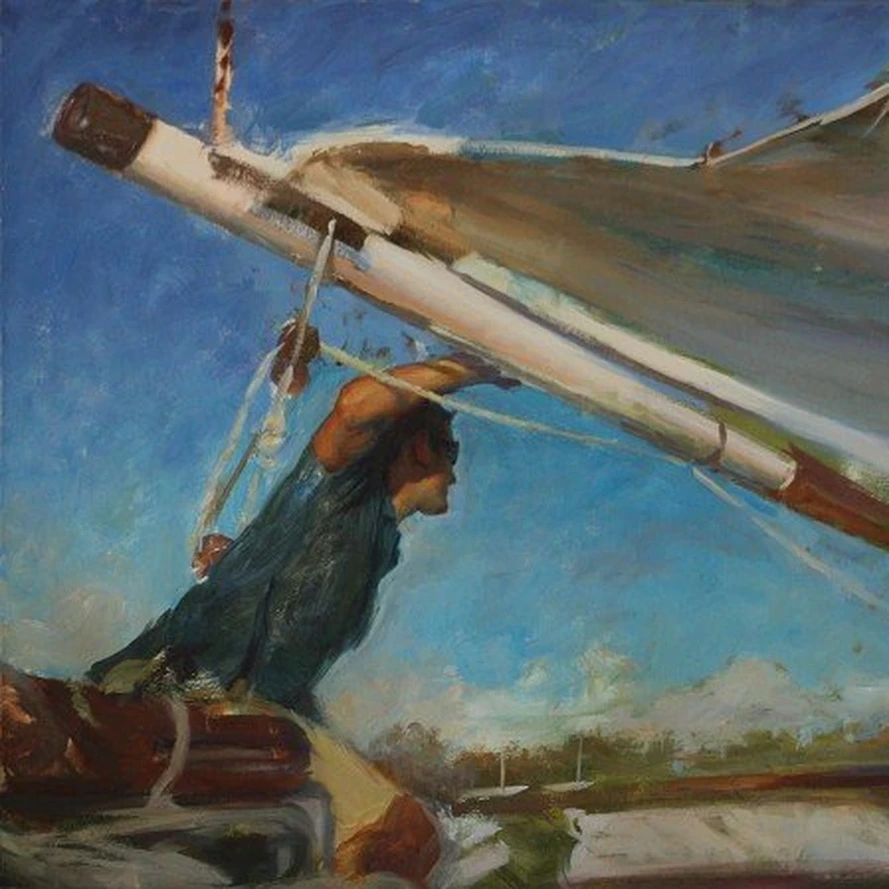
Few exhibitions in our region have been more anticipated than the joint showing of oil paintings by David Mueller and MaryBeth Karaus at Eisele Gallery in Fairfax. This exhibition showcases the romantic figurative and still life work of this couple, relying on well rendered compositions of surface refinement and harmonized color palettes.
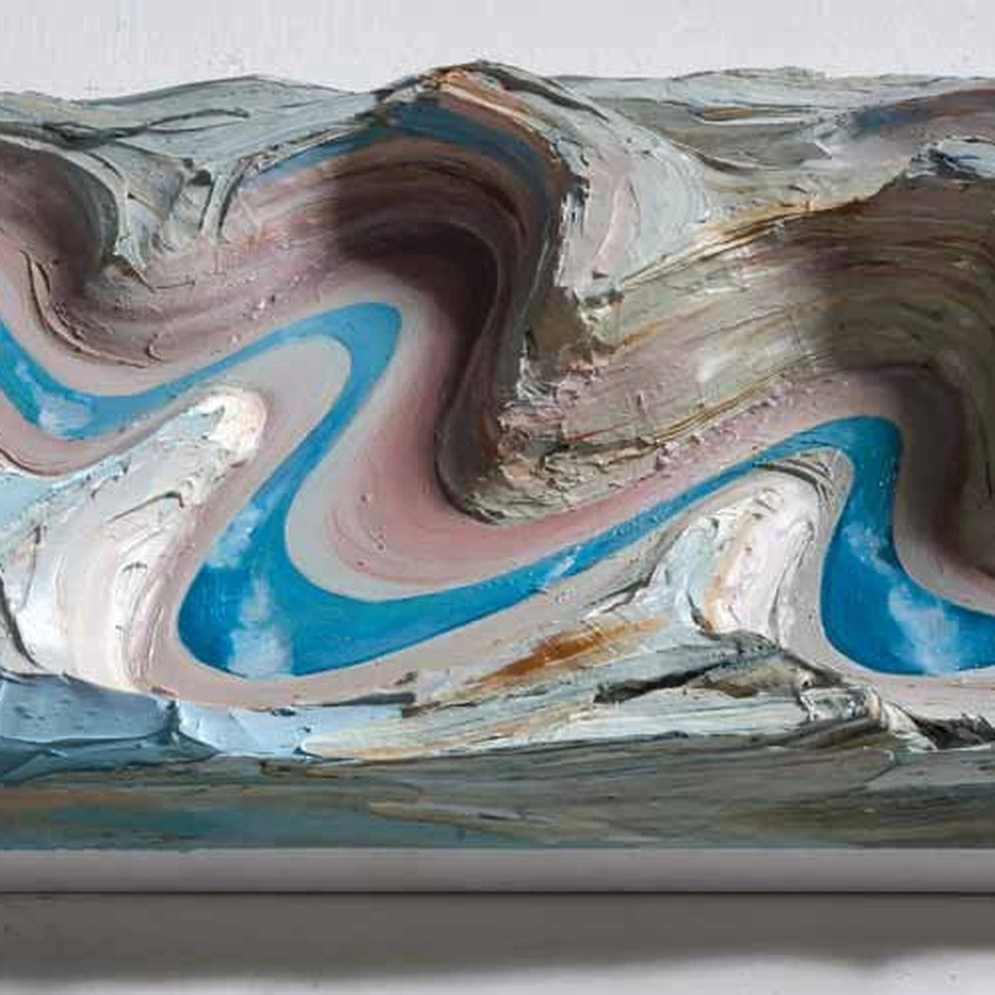
Earlier this month, Richard Glasser, the UN Secretary-General’s Special Representative for Disaster Risk Reduction expressed deep concern about the future of our planet.
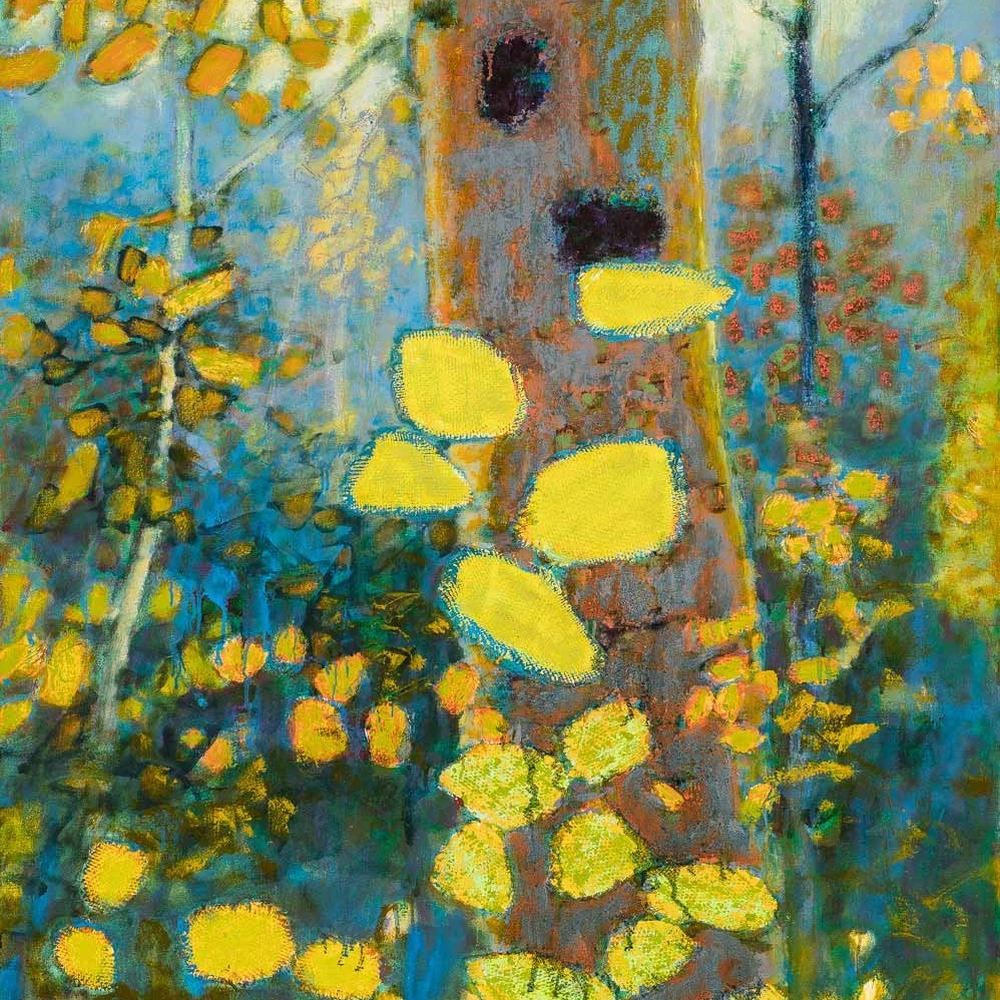
The Miller Gallery in Hyde Park closes a wonderful landscape show on September 29, 2017. The work of three artists is included in the show, though the work of Santa Fe artist Rich Stevens dominates; the other work is complementary to Stevens’, but overall, the paintings on display all have something of an Asian influence in the work.

Everyone has a family tree. Painter Njideka Akunyili Crosby’s exhibition, Predecessors, outlines her family tree poignantly. She gives us the women in her family in portraits and with important personal photographs that are photo-transferred and are featured in still life tableaux.

A show about the nude can’t help but raise issues about voyeurism any more than it can help raise questions about sexual politics. (I counted, for example, only four representations of the male nude to nearly twenty female.) This is the Manifest Gallery’s ninth show featuring the naked body, and I would have liked to see this year’s version juxtaposed against the past eight to see what they add up to.

An undercurrent of pleasure runs through the exhibition Biophilia, Standing Witness on view now through October 20 at Studio San Giuseppe Art Gallery, Mount St. Joseph University. Twelve women artists, all with roots in Cincinnati and/or Columbus, are each represented in some depth – not easy in a show including so many artists.

Wooden Hill, 3036 Harrison Ave., is a new home and garden shop in Westwood. Owned by Amanda Hogan Carlisle and her husband Kevin Carlisle, the store features all local – TriState – merchandise. The couple purchased the store on the corner of Harrison and Montana in the Ruehlmann Building. Hogan Carlisle carries cards, paintings, collages, photograph prints and framed photo prints.
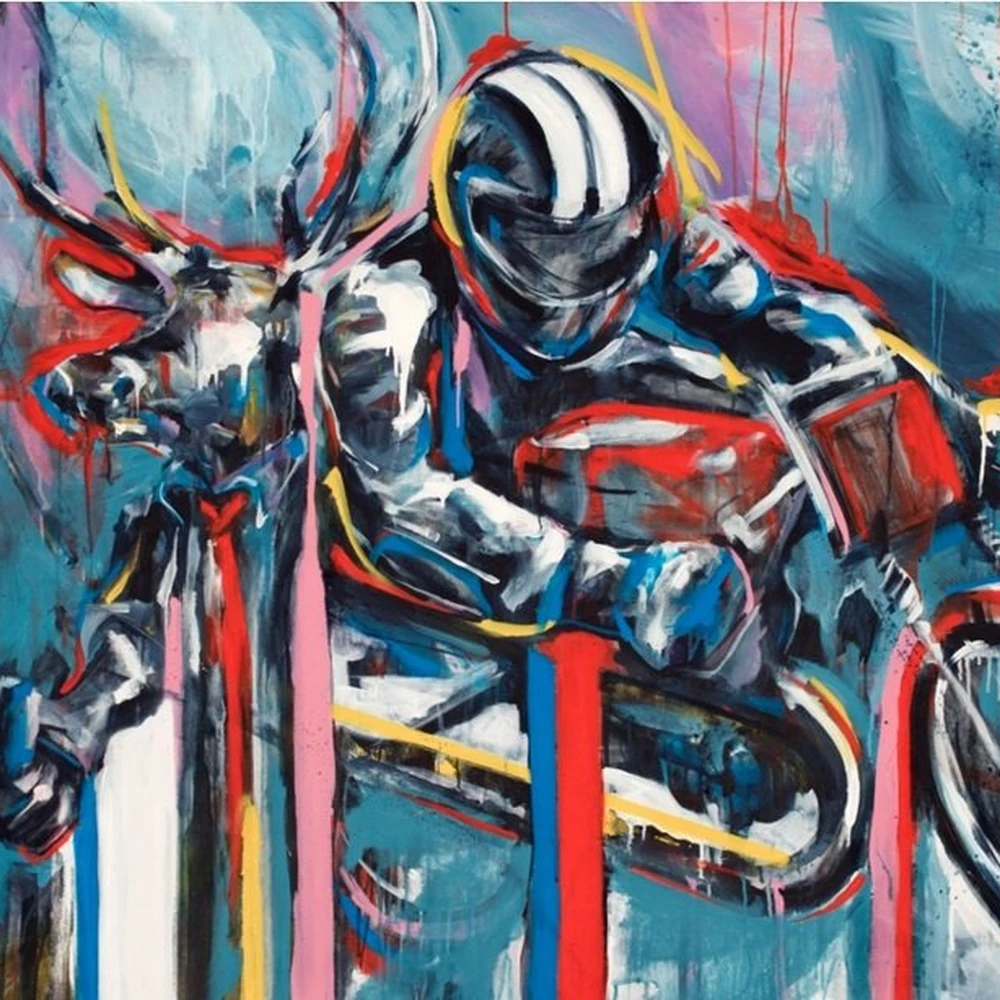
Bold, ambitious and packed with color, Tracy Boyd’s paintings indulge our sight, whether you linger on the drips in the paint or see the horses in the rain. These paintings shift in and out of their layers of meaning, shimmering with a kind of nostalgic looking-forward, a potential future once imagined. Boyd has stepped up to the challenge of filling the narrow gallery of Vermillion with its high, dark ceilings.
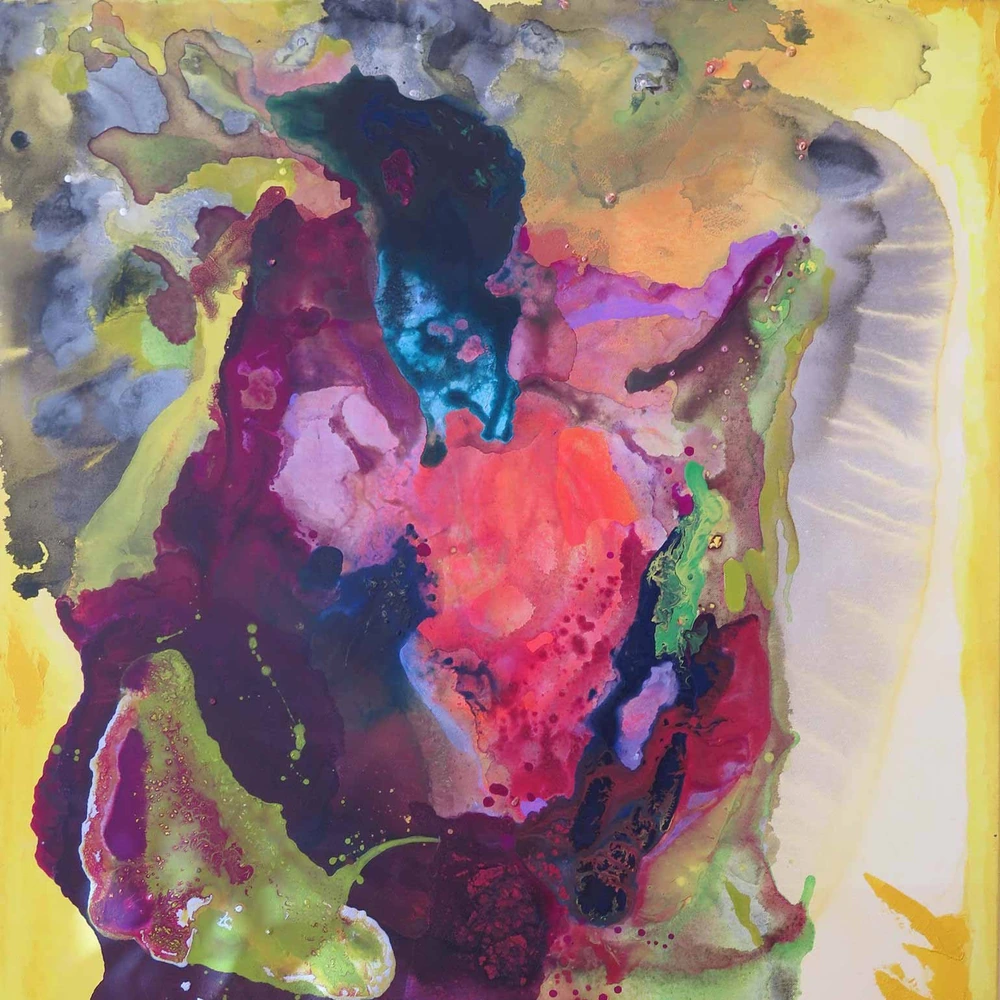
Art Beyond Boundaries, a spacious storefront gallery on Main Street in Over the Rhine, features the work of regional artists with disabilities. The current show, “Greenery,” presents paintings by Caroline M. Pyle Jr. A near fatal car accident in 2006 caused Pyle to shift from a career in public health and take up painting as a means of sharing the transformative experience of her recovery.
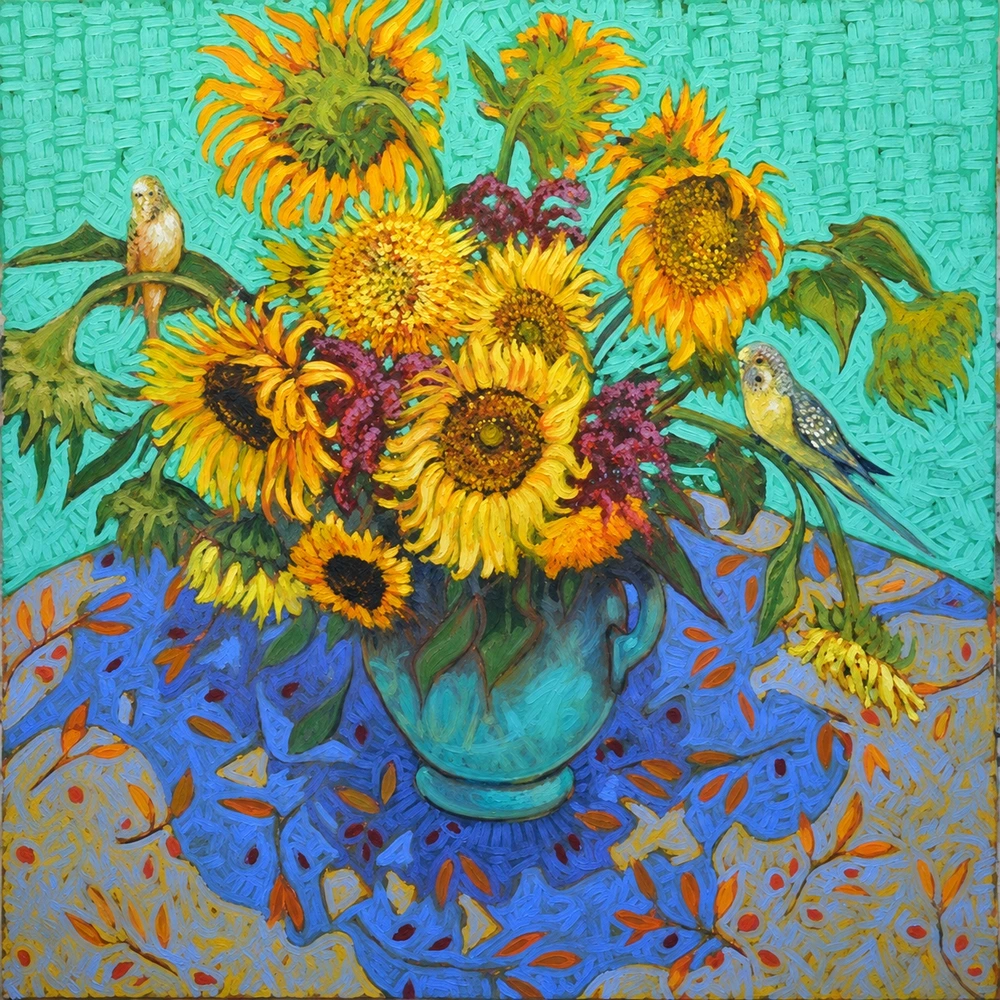
Cincinnati Art Galleries on East 6th street is presenting the contrasting work of two Cincinnati artists. Leslie Shiels invites you to enjoy her animated brushwork in a new series of paintings featuring the skull. Historically speaking, artistic statements featuring human brain depositories are construed as commentary on inevitable destiny of mankind and human fallacy.

On October 6, 2017, Music Hall, one of Cincinnati’s iconic treasures, will reopen to the public after extensive renovations for the past 18 months. Revered worldwide not only by musicians and performers but also patrons of the arts, our Queen City’s Music Hall was designed and built in 1877-1878 by locally renowned architect, Samuel Hannaford (1835-1911), in a combination of High Victorian Gothic and Romanesque styles.
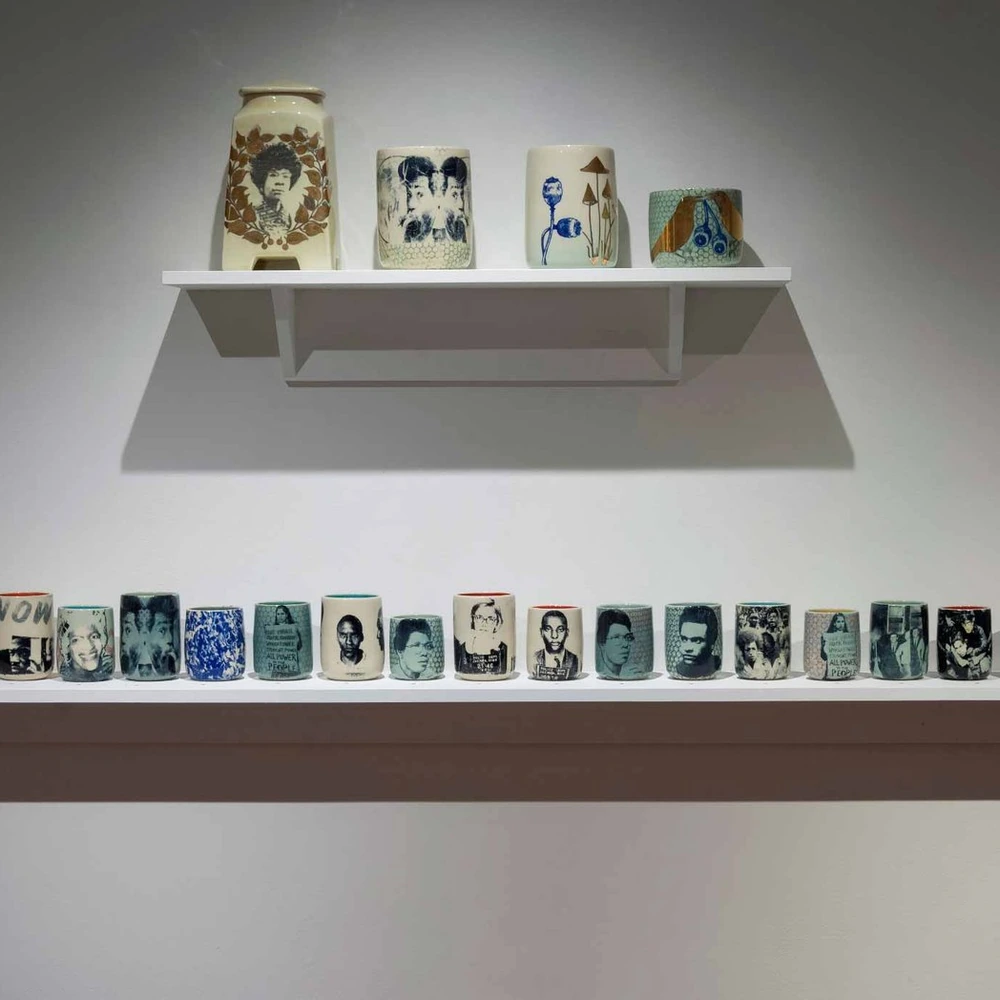
The most functional items in our lives go unnoticed. The more functional, the more indistinguishable they are from our daily routine. When the doorknob breaks, we are frozen in frustration and fury at our immobility. When the doorknob works, we pass through each frame of our day forgetting the one before. The artists of UnFunction greet us in the doorway of function and futility.
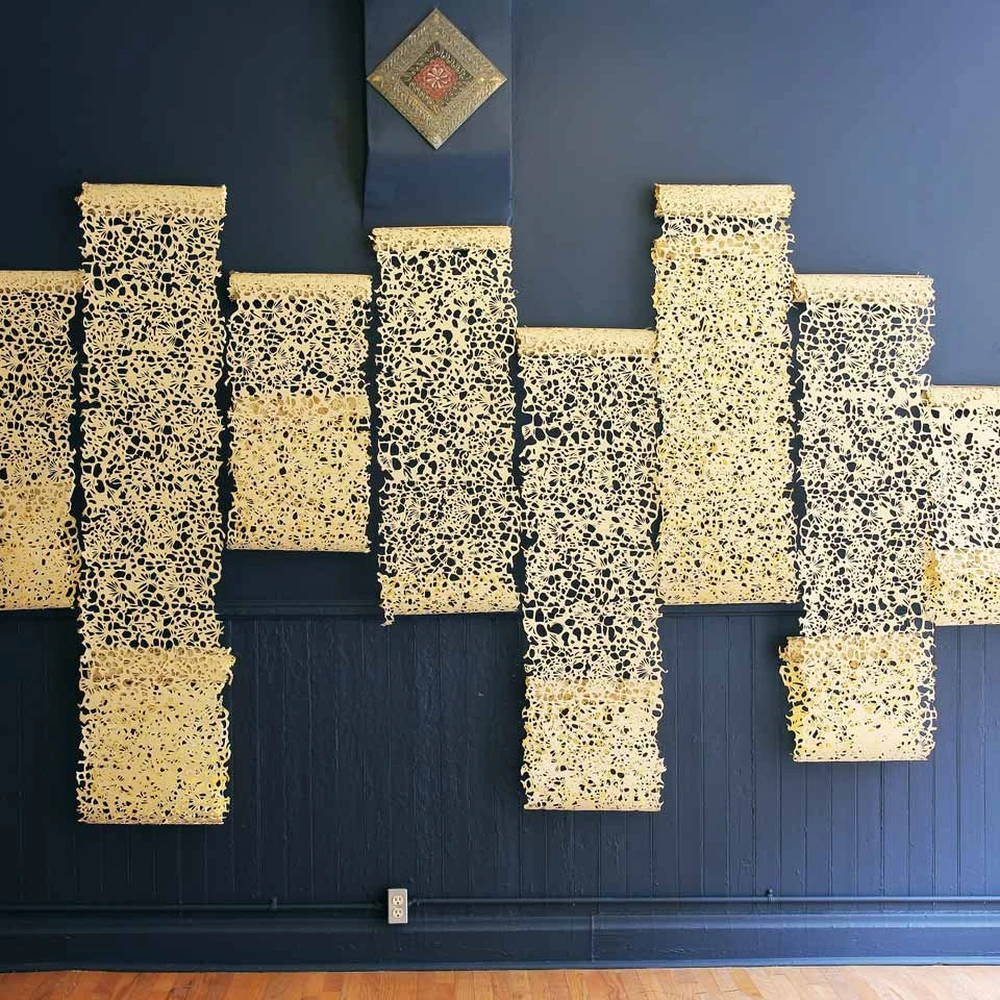
Ebb and Flow (recently closed) is a three-person exhibition at Cincinnati Art Underground, in OTR. The work of Cincinnati artists Kristine Donnelly and Erin Mahorney fill the gallery walls. A sculpture by Florida artist Noah Z. Brock occupies the center of the space. What connects these works, otherwise diverse in terms of media, is their use of transparency and opacity to define the illusory ebb and flow of visual space.

Believing that painting had become too concerned with pleasing the eye and not the mind, Marcel Duchamp had the idea to fasten a bicycle wheel to a kitchen stool and watch it turn—a move that became one of the highlighted precursors to both kinetic and conceptual art.
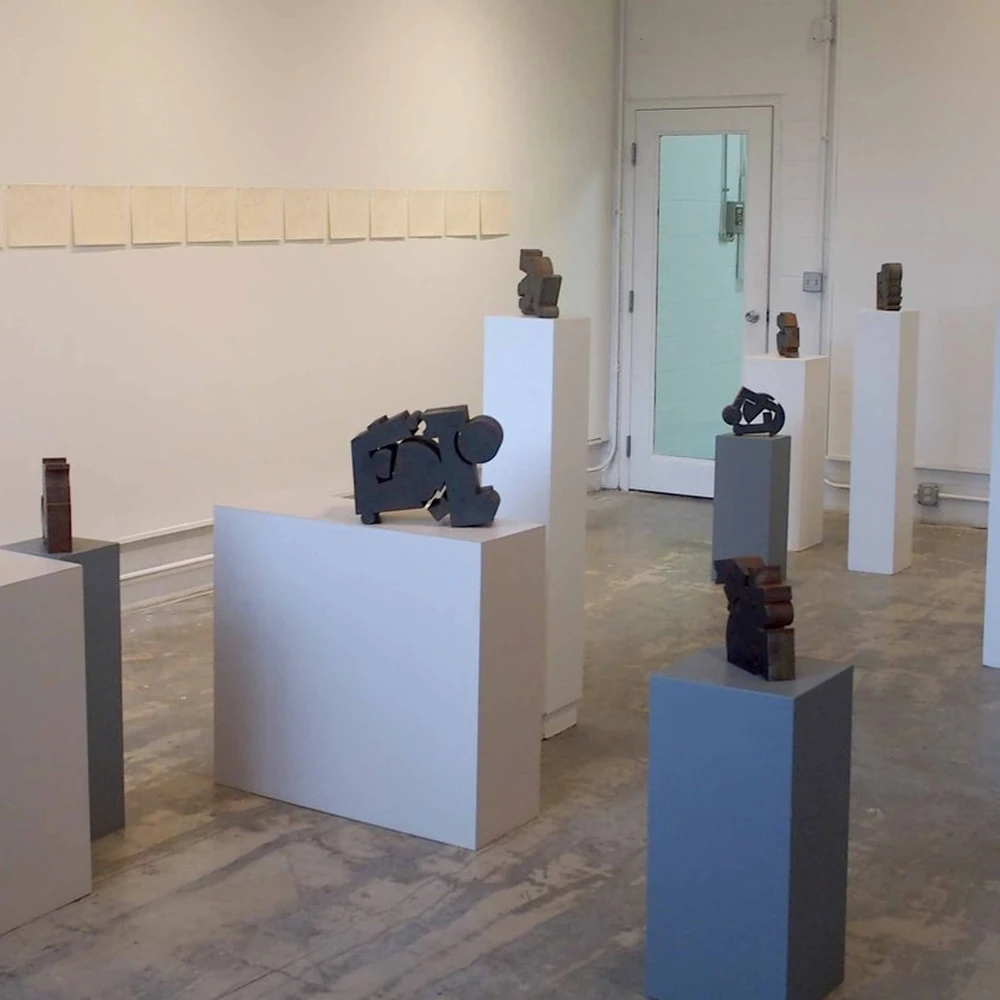
Relation, an exhibition of Stuart Fink’s intense and intricate sculpture, fills the two relatively small exhibition rooms at Brazee Gallery in Oakley with ease and assurance. It’s almost as though they’ve been there before and in a sense they have, although not these particular pieces. They have a famial relationship to earlier work Fink has shown here, but his work is always evolving.

With early hints of fall being seen around the city, these next few months are an especially exciting time for the Cincinnati Art Museum and its fashion-loving community. On October 13, the museum and its Chief Curator and Curator of Fashion Arts and Textiles Cynthia Amnéus will unveil Iris van Herpen: Transforming Fashion, an exhibition showcasing the innovative work of the Dutch fashion designer.
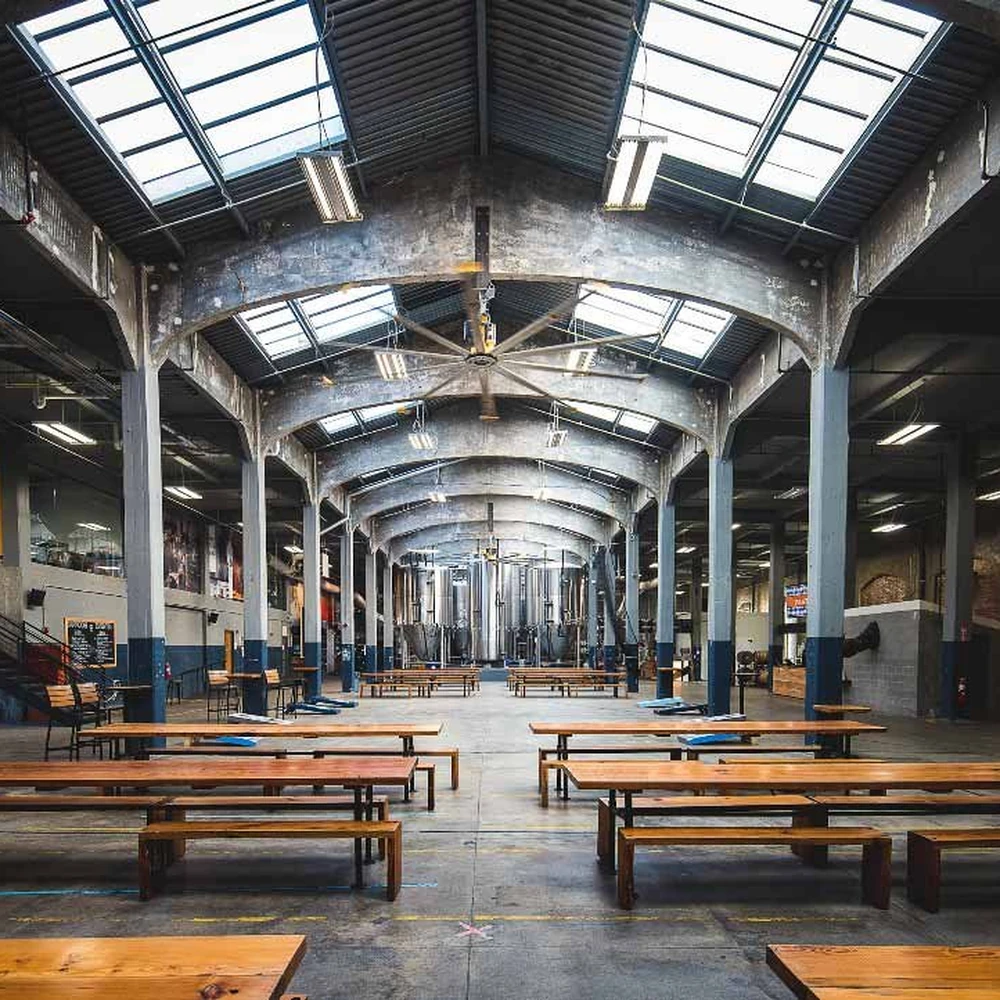
Two cathedrals have recently arisen in the Over-the-Rhine area of Cincinnati’s urban basin, one a renovation of an historic brewery, the other a fountain complex in the center of the newly redesigned and constructed Washington Park, across from Music Hall, the chief landmark of the neighborhood, which has also been renovated and restored in a major cultural campaign.
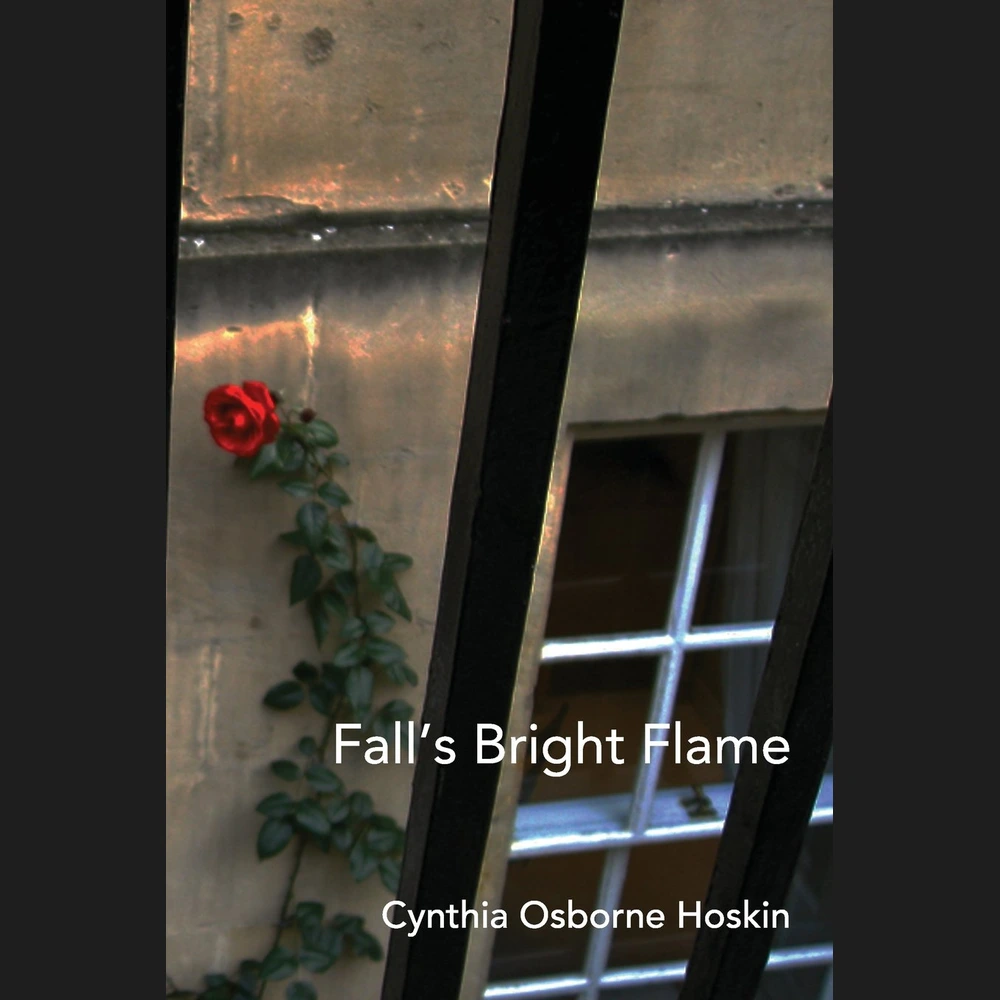
Disclaimer: Cynthia Hoskin is a good friend of mine. I read the novel “Fall Tides” this summer, in galley form, and wrote a review for it, unsolicited, at that time. The novel’s now been published, and Ms. Hoskin has used my review as the Prologue to the novel. I saw no reason ,however, not to post the review, as written. Cynthia Hoskin has written a very sophisticated novel, her first, titled “Fall’s Bright Flame”.
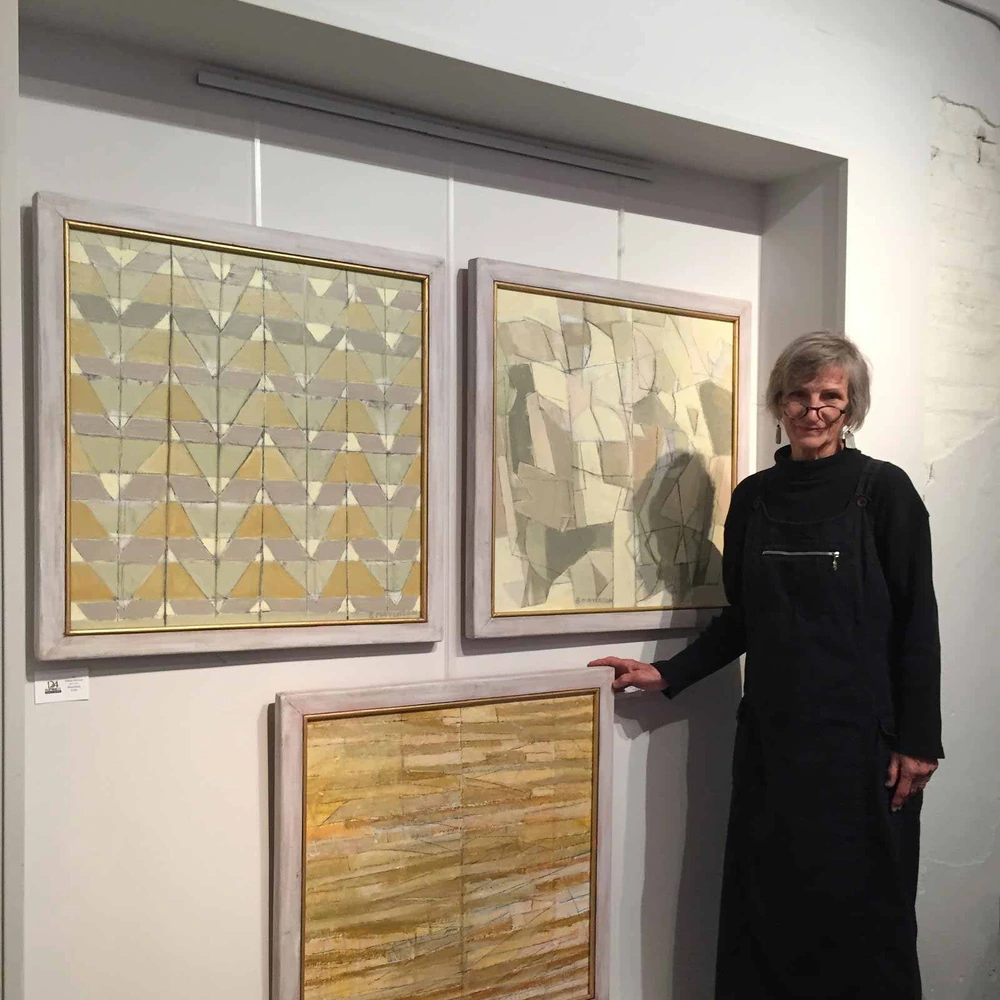
Named after its street location, a new gallery called 124 W. Pike St. opened September 15 in Covington in Duveneck Square, listed as an Historic District by the National Register. Curated by long-time artist and gallerist Suzanna Terrill, the gallery currently features abstract paintings by Barbara Mayerson, a modern artist originally from Dayton, with work by her husband, Jeff Sutherland, a sculptor.

There’s been a huge amount of positive, excited build-up towards the publication of “My Absolute Darling”, a new novel by a new writer, Gabriel Tallent (who is aptly named). One often is concerned by marketing hype these days, as there’s so much of it, and the product rarely lives up to its advance billing.
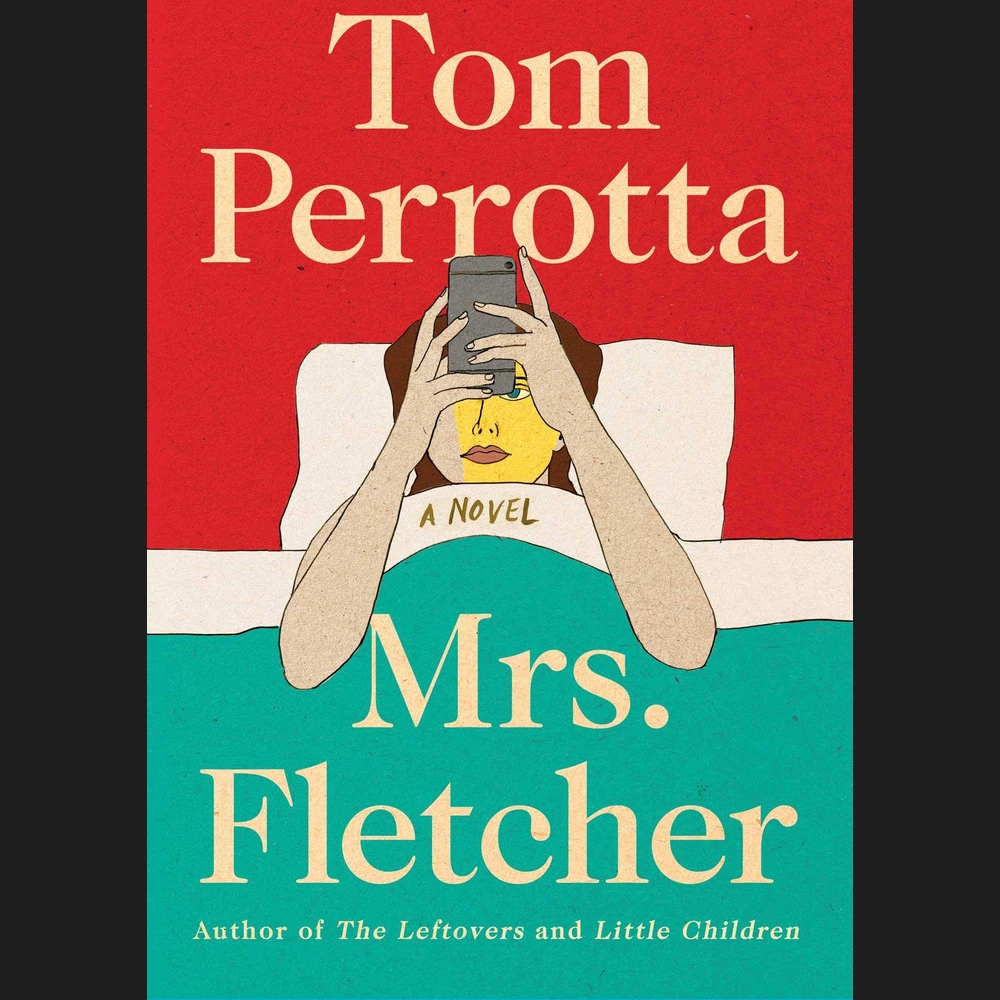
Perrotta has studied and learned Gender Studies, which is part of what makes Mrs. Fletcher, the novel in question, so successful and so very contemporary. Mrs. Fletcher, or Eve, is a woman in her mid-forties, divorced, living with her galumphing oaf of a son, the classic jock/drinking boor so familiar to Americans from the fifties to the recent past.
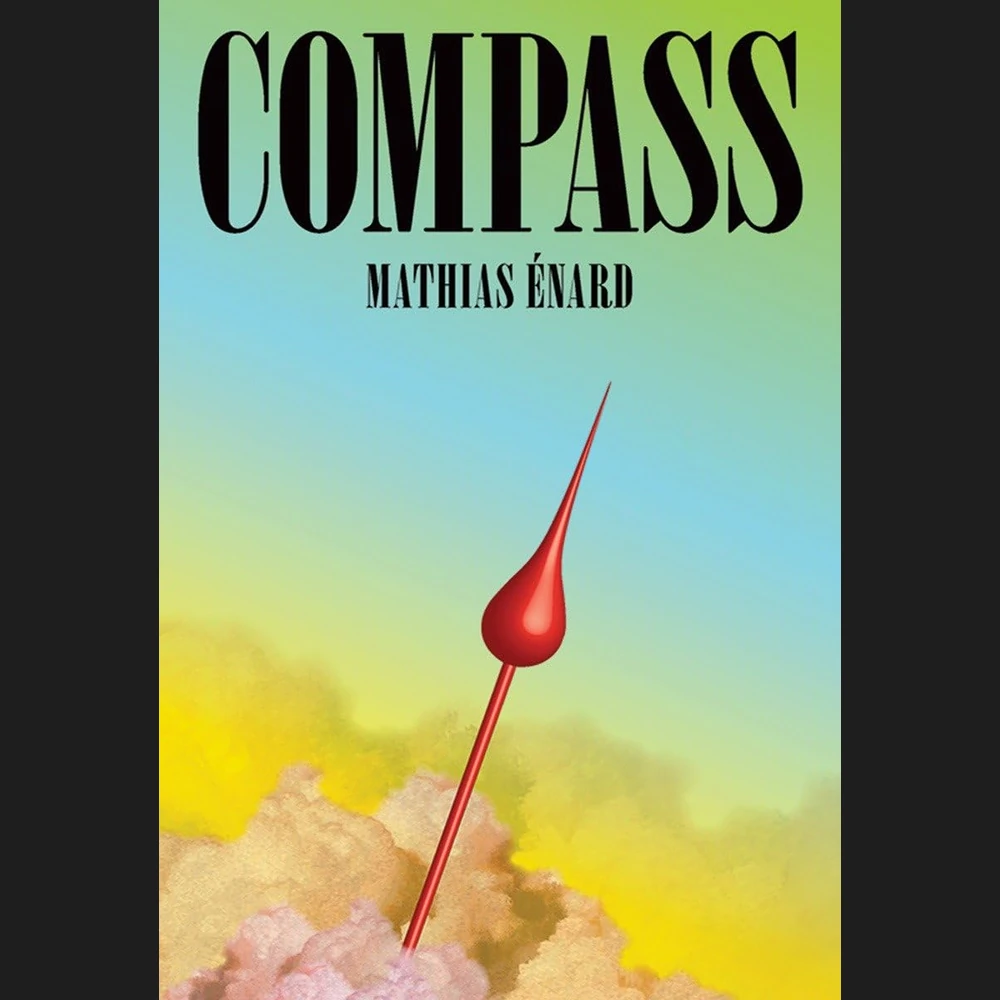
Compass, a long and erudite novel by Mathias Enard, is the surprise novel of the summer.

Laura A. Hobson, owner, Hobson Mosaic, received a first place award for best feature writing in the freelance category for a story about the Civic Garden Center in Aeqai. Hobson also received a best feature writing second place for her work in Hyde Park Living.
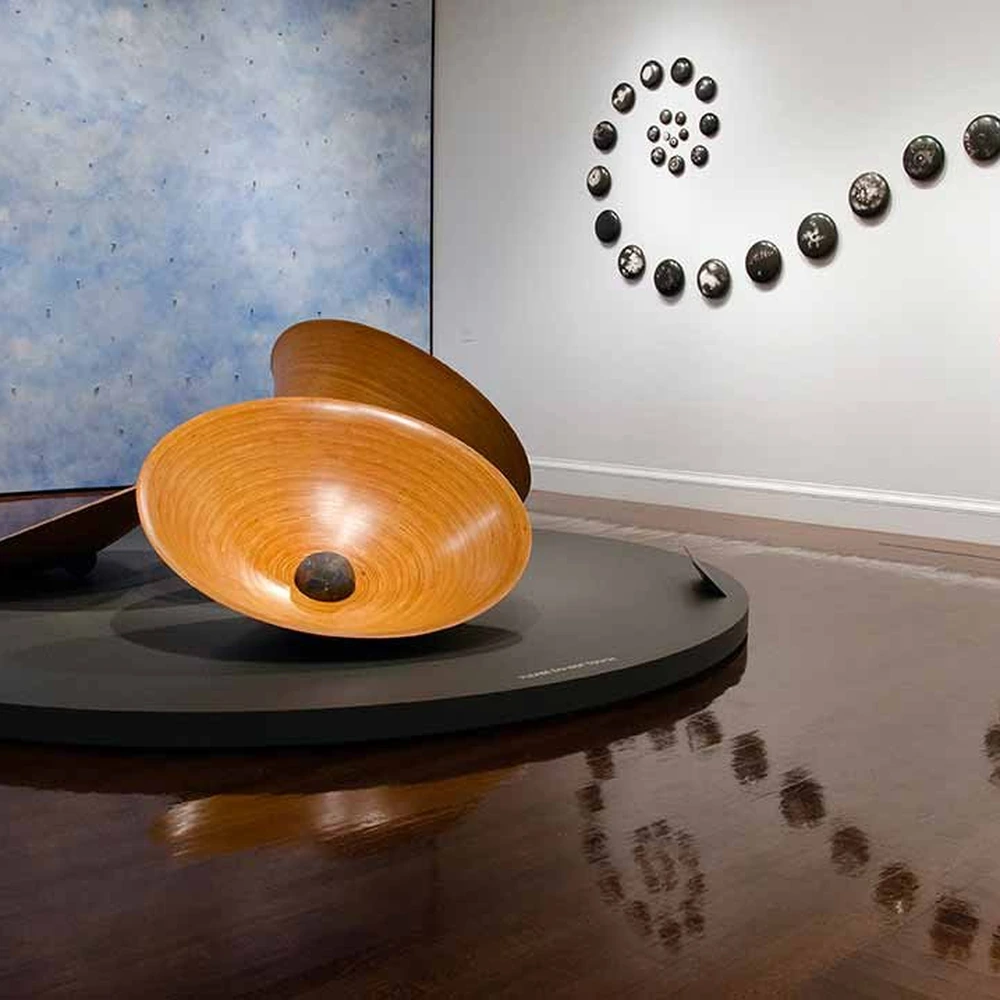
Clay is, essentially, dirt, or, to be more poetic, earth. Many artists use clay metaphorically, including Ana England. However, she takes her material to a higher level, using it to represent the cosmos as well. England is an accomplished ceramist.

Despite Southern California’s large Hispanic population, Latin American art is seldom shown. Aside from some museums’ pre-Columbian sections and paintings by well-known artists like Frida Kahlo and Diego Rivera, the Americas south of ours might as well be unconnected to our landmass, perhaps on the opposite hemisphere. As of this month, all this has changed, at least temporarily.

When you walk into HudsonJones Gallery, at first glance it might appear bare. The one room gallery is flooded with light, flanked with beautiful red brick and accented with sleek light wood. It is a beautiful space – contemporary while highlighting its industrial bones. Throughout the center of the room stand three walls and nothing else. You might ask yourself if you have caught the gallery in between shows.

Just prior to the great solar eclipse which traversed our country a few weeks ago, I attended the opening of a show at the Kennedy Heights Arts Center entitled Edge of Perception featuring the latest work by Pleasant Ridge based artists Mallory Feltz and Emily Bruns.
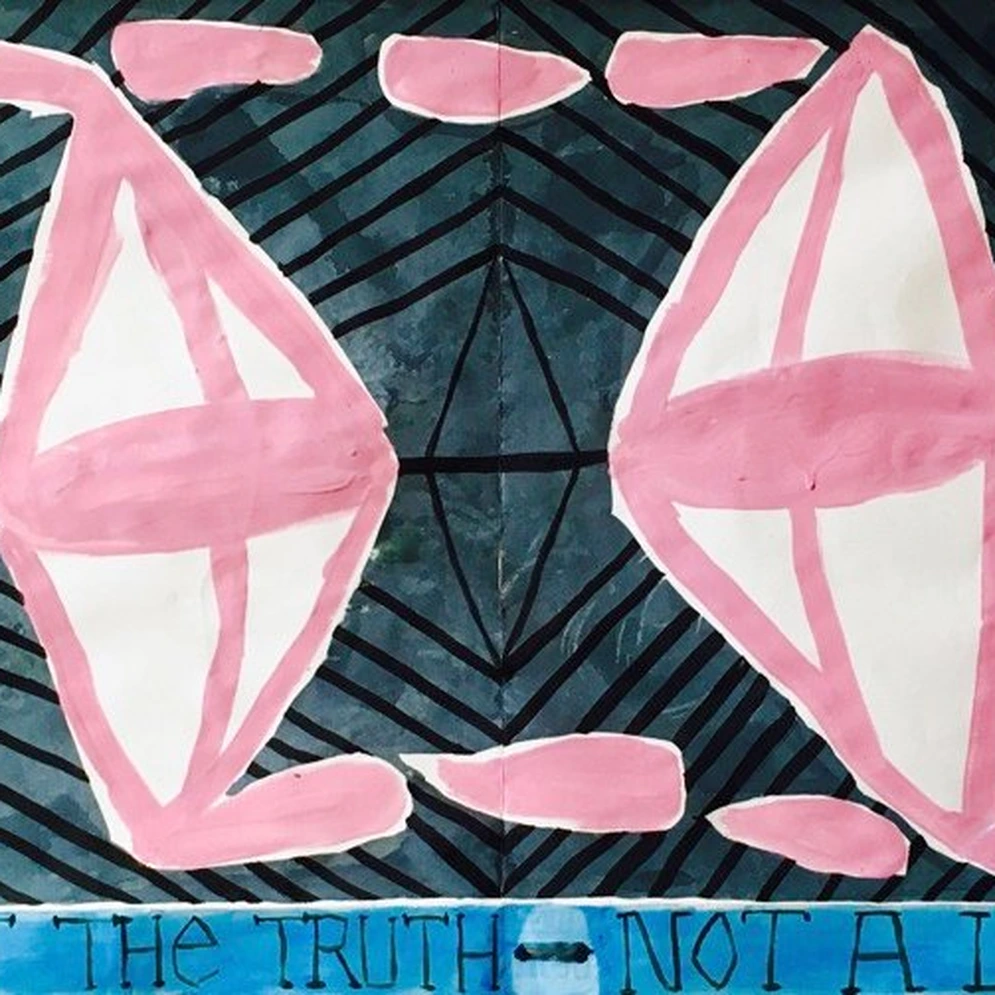
Like most of the country, I watched in shock and horror as white supremacists swarmed the city of Charlottesville in a menacing rally of racist anger and hatred. The violence they ignited ultimately reached a deadly turning point when a neo-Nazi plowed his car into a crowd of anti-white supremacist protesters, killing Heather Heyer. It was soon reported that the driver was from Ohio.

On September 12, 1940 four French boys stumbled into a complex network of caves in southwestern France. Their discovery of innumerable Paleolithic cave paintings dating to 17-15,000 BCE (Figure 1) soon led to excavations of the Lascaux cave system and in turn significantly altered scholars’ conceptions of human development.

Summer 2017 may very well be one of the most important art seasons in recent memory. In the wake of political turmoil and the record sale of a Basquiat for $110.5 million at auction, the art fairs of Europe aligned to create a Grand Tour for contemporary art devotees around the world at a moment where contemporary art is alternately as political as ever and as commodified as possible.

As the fall season really heats up, both the number of exhibitions soars, and the number of high quality ones appear as well. Aeqai’s September issue attempts to do justice to so many fine shows which have opened both regionally and nationally (and internationally, in one case) in September. We’re offering a big issue this month.

Joseph Winterhalter: Painting consists of a suite of thirteen new works by this Cincinnati artist; five paintings and eight works on paper dated 2016 and 2017. For this show, Winterhalter focuses his conceptual gaze on the life and ideas of Guy Debord and Joe Strummer, men of successive generations who were both influential political dissidents.
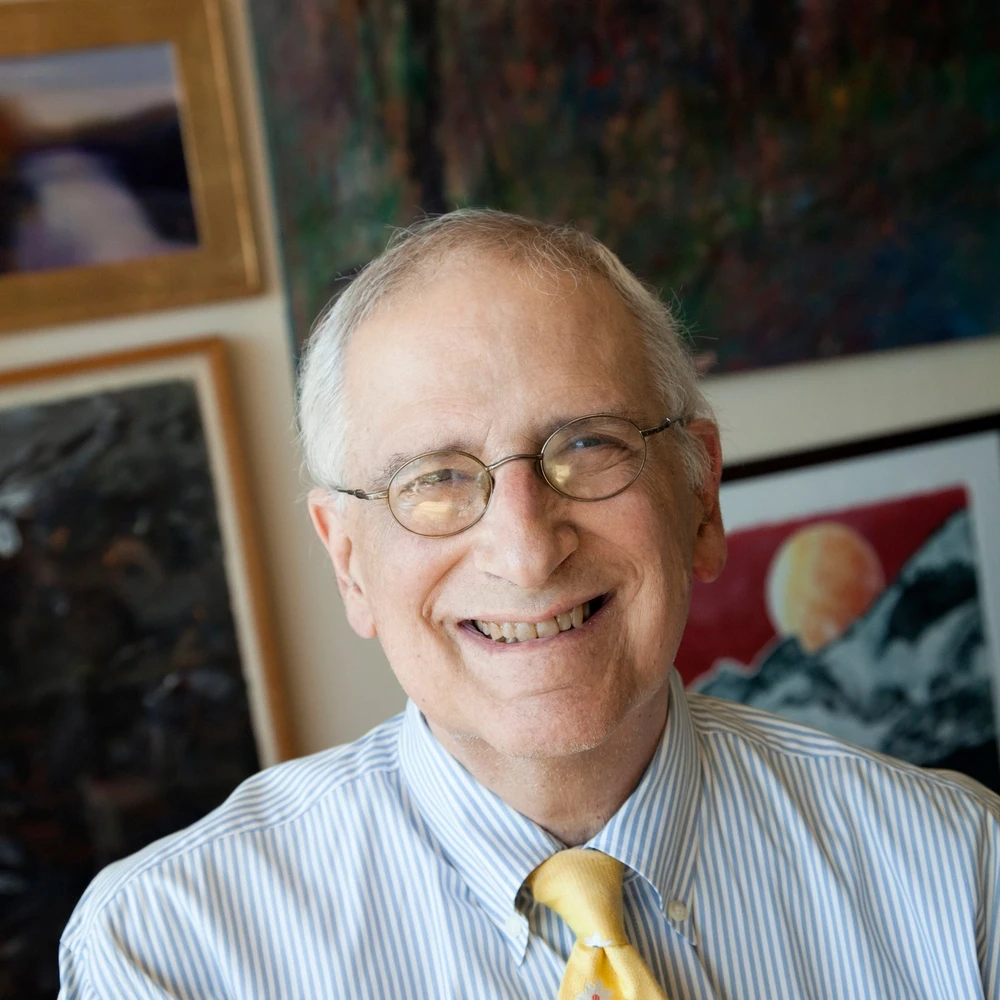
Aeqai’s Editor-in-Chief, Daniel Brown, recently received a Lifetime Achievement award from Marquis Who’s Who, which has been recognizing American accomplishments in a variety of fields since 1899. I sat down with Danny earlier this month and we talked informally about his perspective on the art world and some of the various roles he has had in relationship to it. The interview has been lightly edited for length and clarity.
