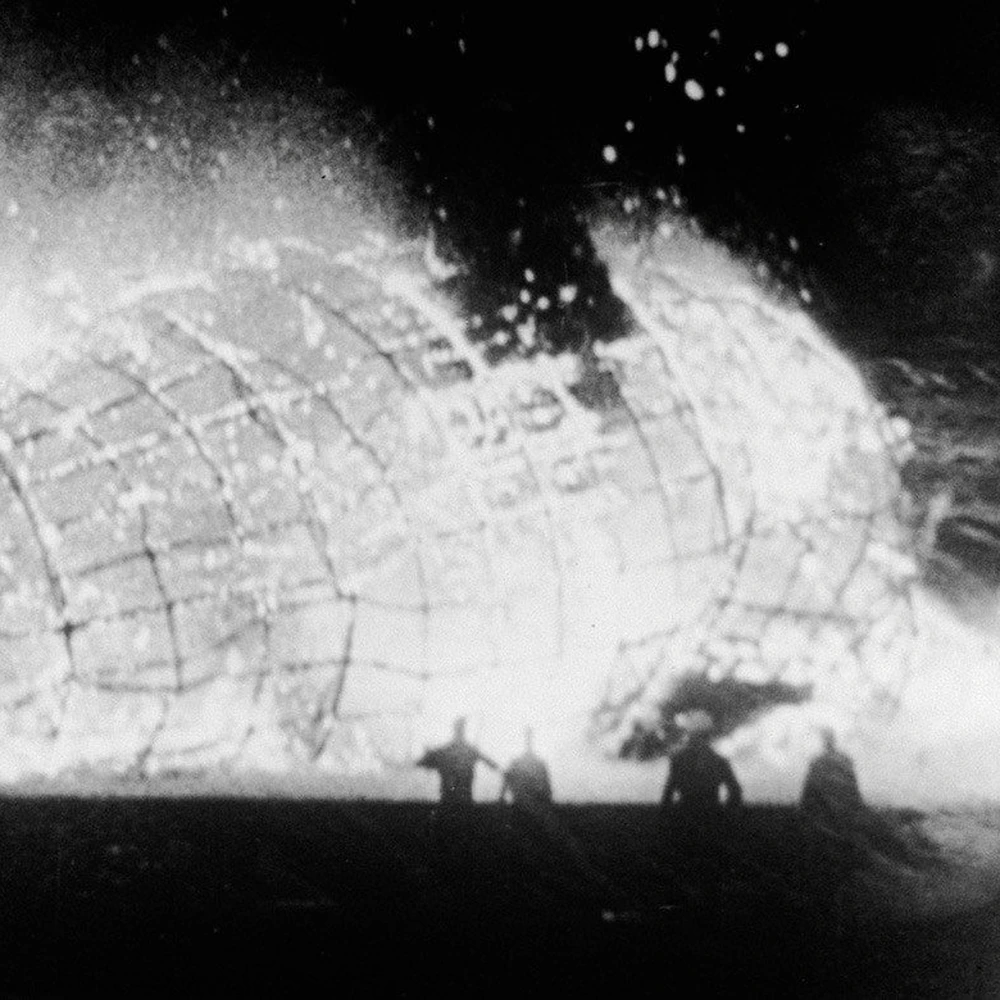
BRUCE CONNER: FOREVER AND EVER presents a selection of films and works on paper by the experimental and breakthrough artist Bruce Conner (1933-2008). The exhibition was organized after a recent gift of twenty-one lithographs was presented to the Speed Art Museum by the Conner Family Trust.
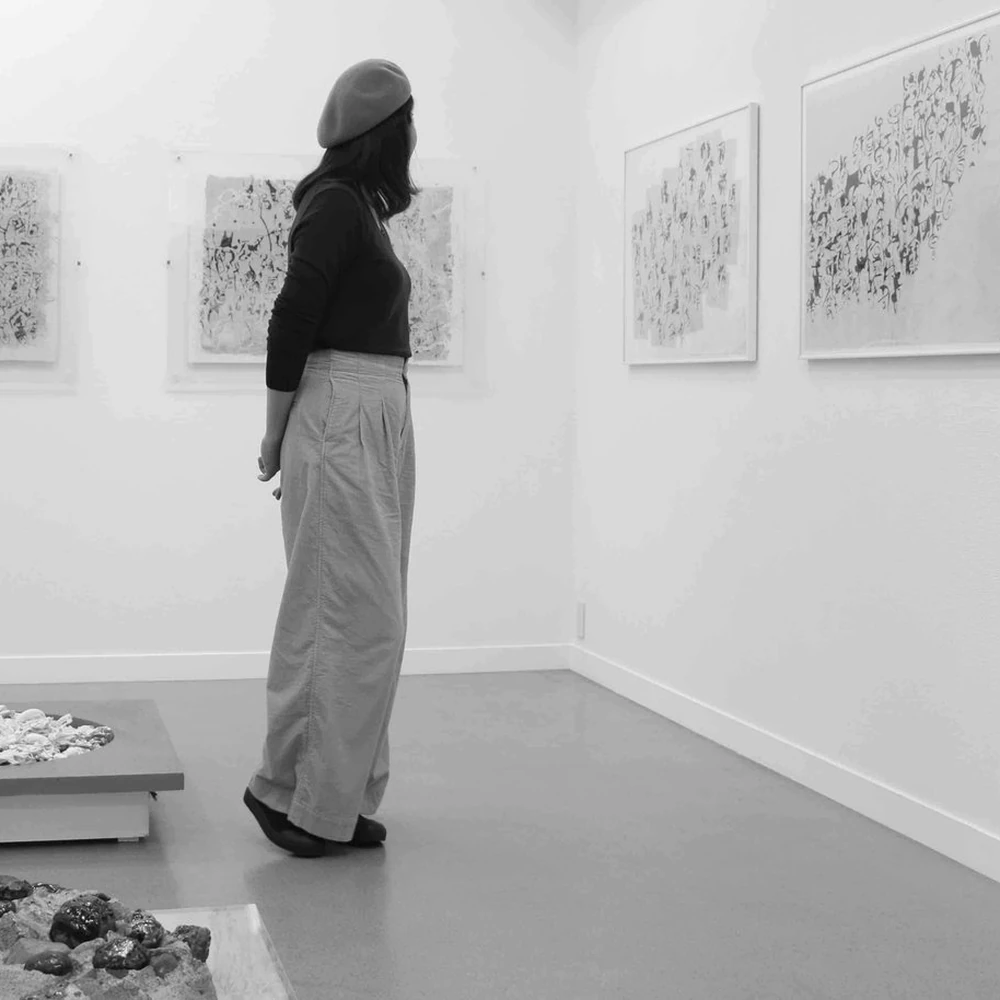
There is a strange universe. It contains everything imaginable between the limits of stone and sun—the extremities of all that has ever occurred and could again. In that universe there are forms, monads, tracks left behind of life that once existed, but no trace of that life itself. It has disappeared entirely. These forms are no more than shadows, imprints, marks, fossils, signs that may be exchanged.
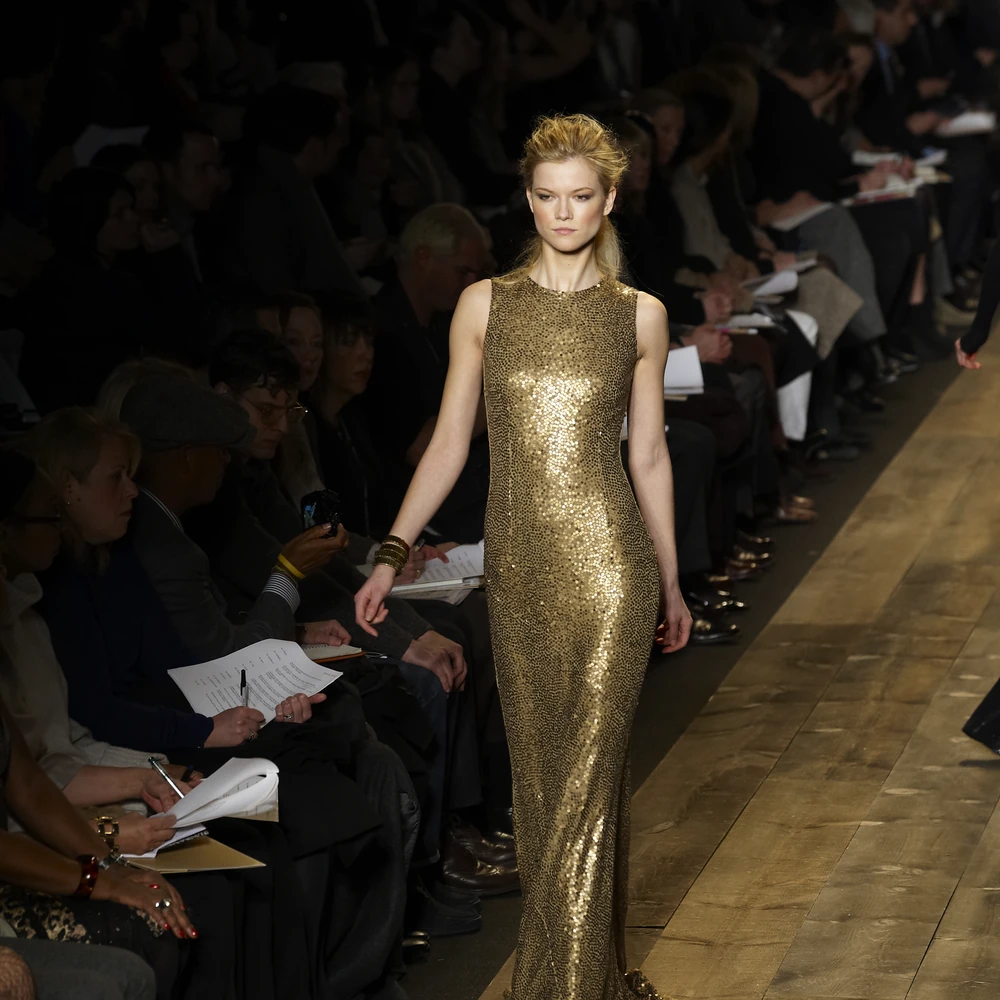
Earlier this fall, we explored in two separate articles how the face of fashion has changed. First we delved into the past while visiting the Fashion and Technology installation in Gallery 104 of the Cincinnati Art Museum. From the earliest days, advances in machinery have defined what we know as modern day fashion.
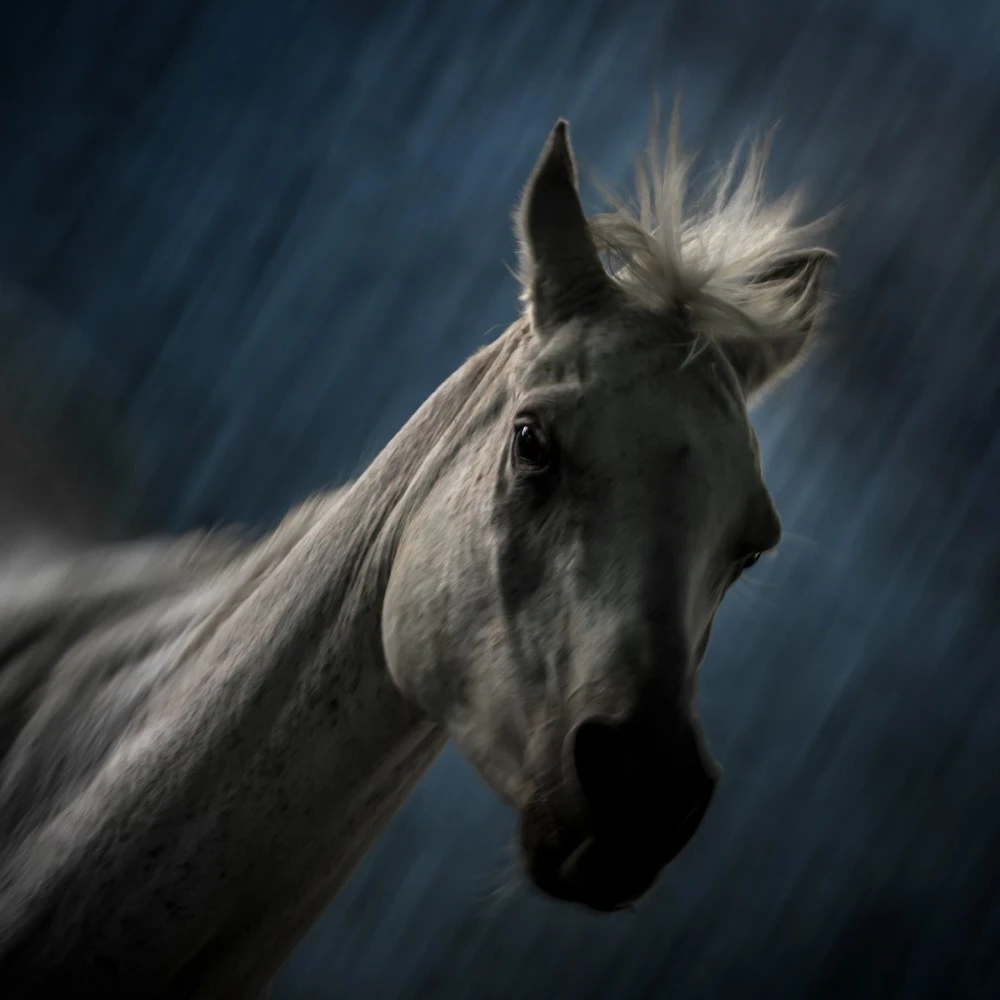
The story of the horse has a long legacy in art, mythology, war, literature and more. These images poetically express the qualities a horse embodies; wildness, freedom, wisdom, power, connection, spirituality, beauty and honor the memory of the unique mark horses have made on the hearts and lives of humans. My personal 12-year long relationship with a rescued racehorse has led me into the unique world of the horse.
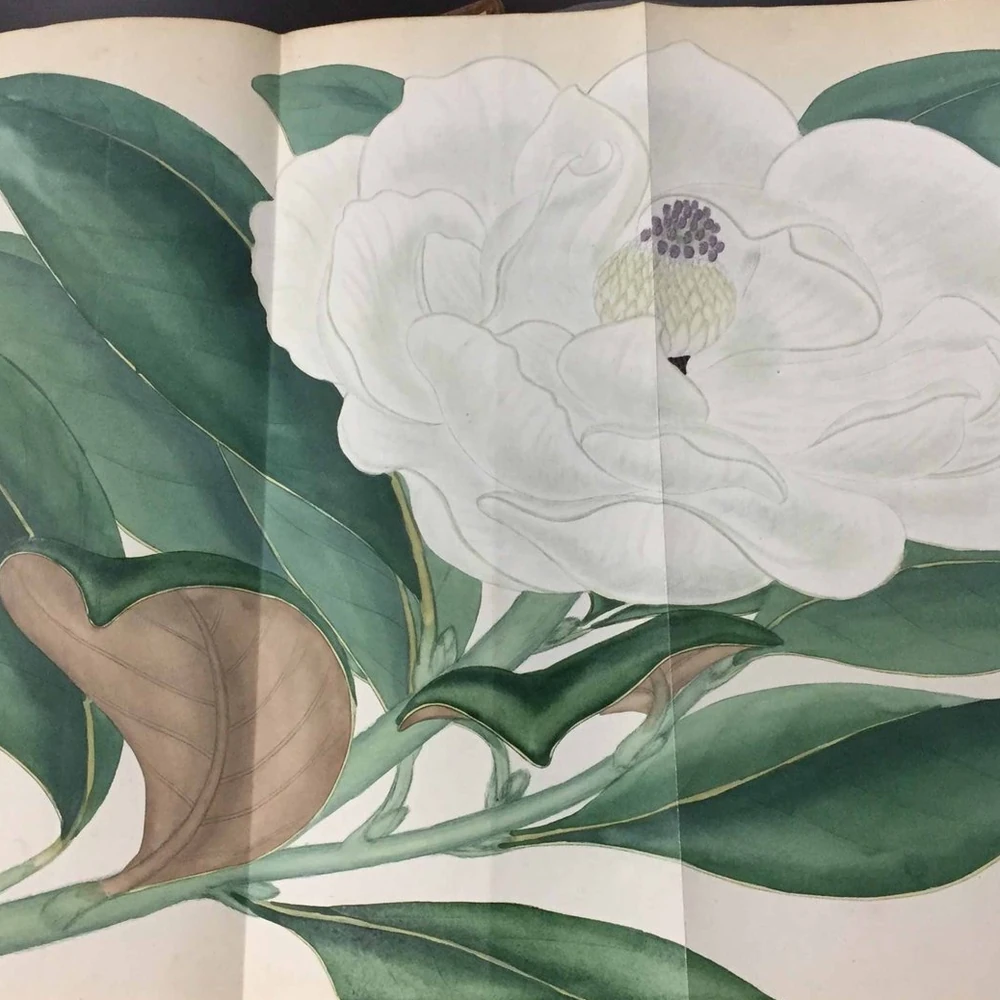
Perhaps the most seasonal exhibition in town right now is “Winter Greens: Seasonal Illustrations from the Lloyd Library.” The Library, at 917 Plum Street in downtown Cincinnati, is both a library and museum with rare books, botanical drawings and manuscripts that provide, for this exhibition, a long look back at our pleasure in the natural world in exactly the months when access to it is most restricted.
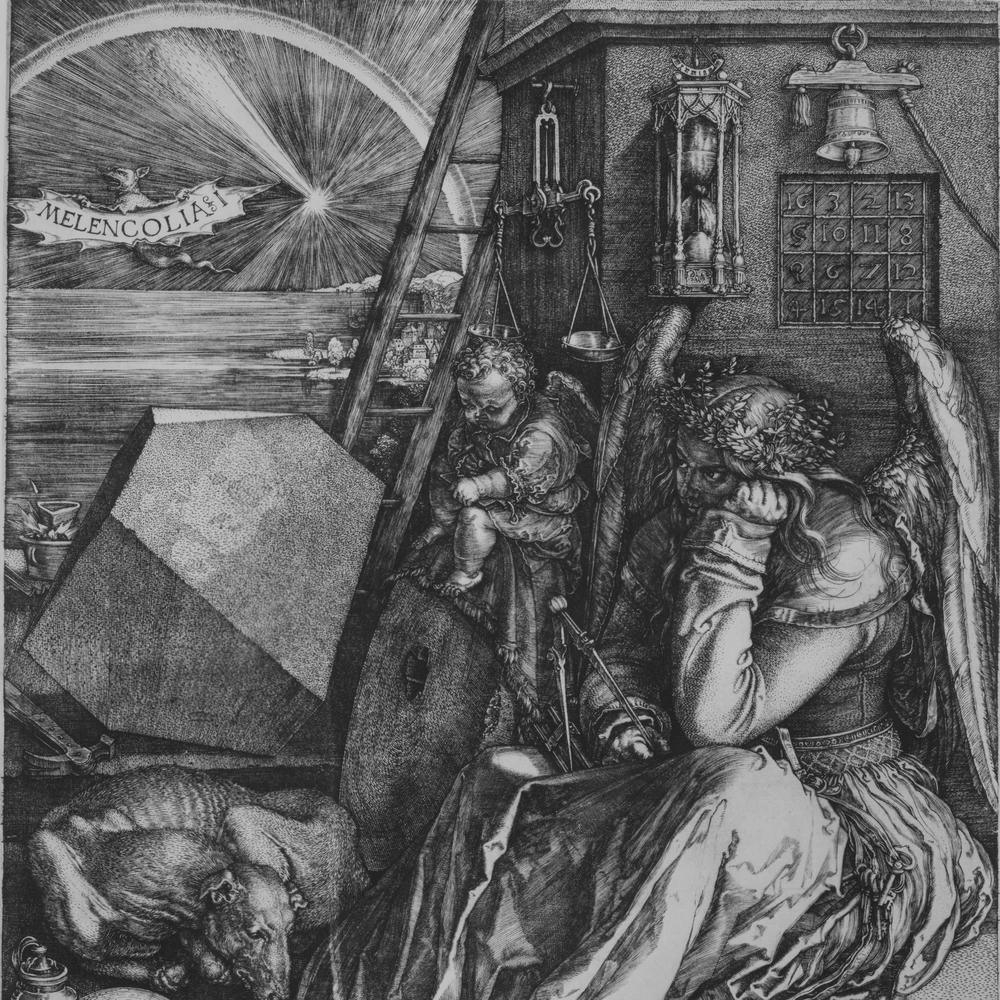
The December Aeqai has just posted. It’s full of reviews from the region, and from cities as far away as both Paris and Tokyo, New York, Los Angeles, Boston and Seattle. (Whenever Aeqai writers travel, we encourage them to review shows wherever they may be).
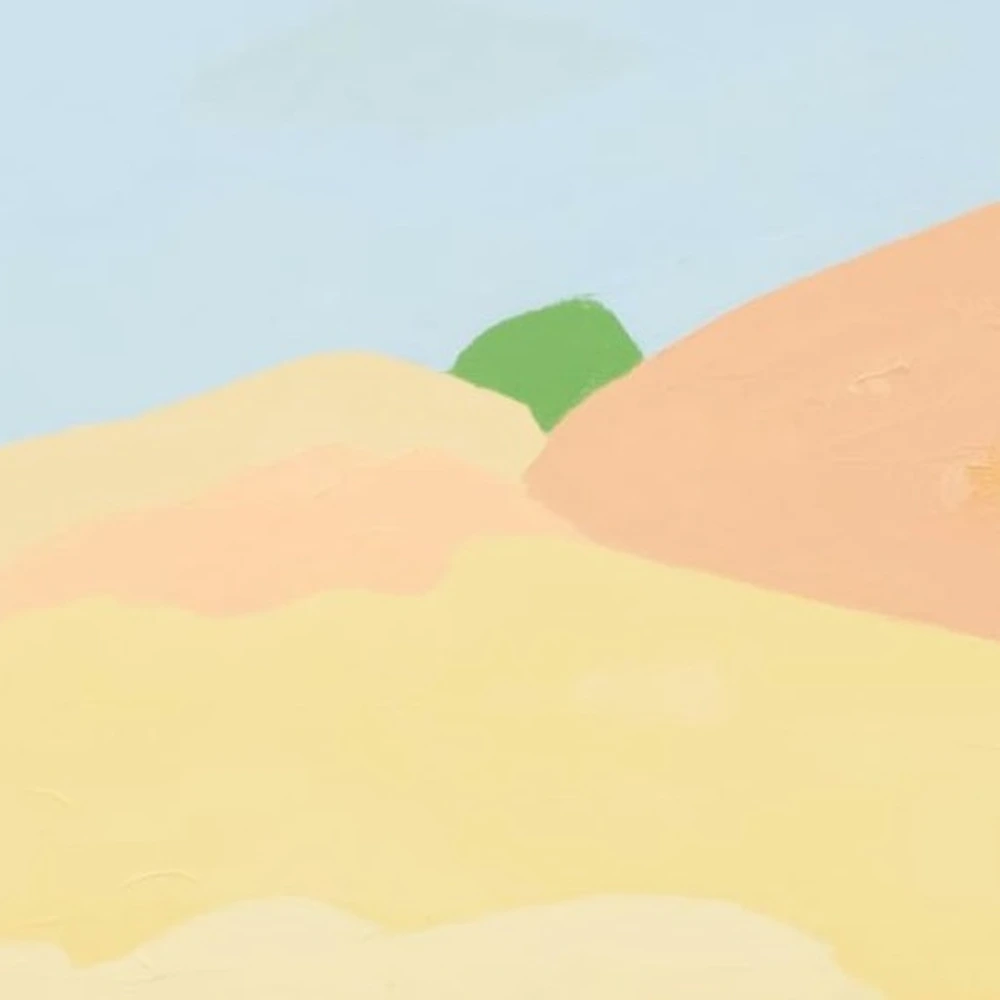
Both Miami and art fairs in general leave one feeling simultaneously elated and defeated, so an art fair in Miami is a natural choice. The Swiss figured this out about 15 years ago when they decided to bring Art Basel to Miami, but couldn’t quite muster any sort of Swiss-like efficiency to the cacophony that was Art Basel Miami Beach 2017.
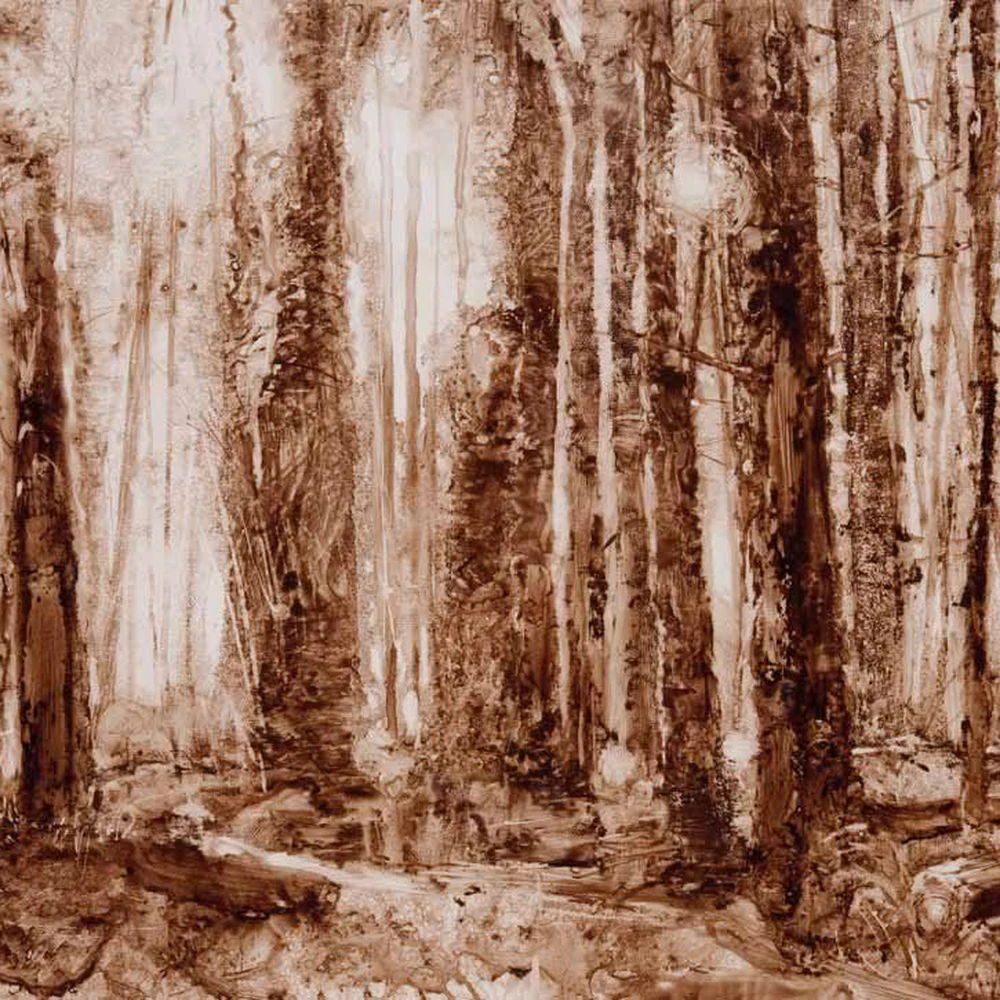
The Pacific Northwest suffers every year under rainy skies. Some locals soak up the darkness and put that energy into their art. A different energy emerges from Kathy Gore Fuss’ work at Prographica/KDR. She has distilled the forest onto surfaces that glow with the energy of slow, thoughtful growth. Her use of a synthetic paper brings her work a modernity of spirit despite the visible yearning for an untouched woodland.
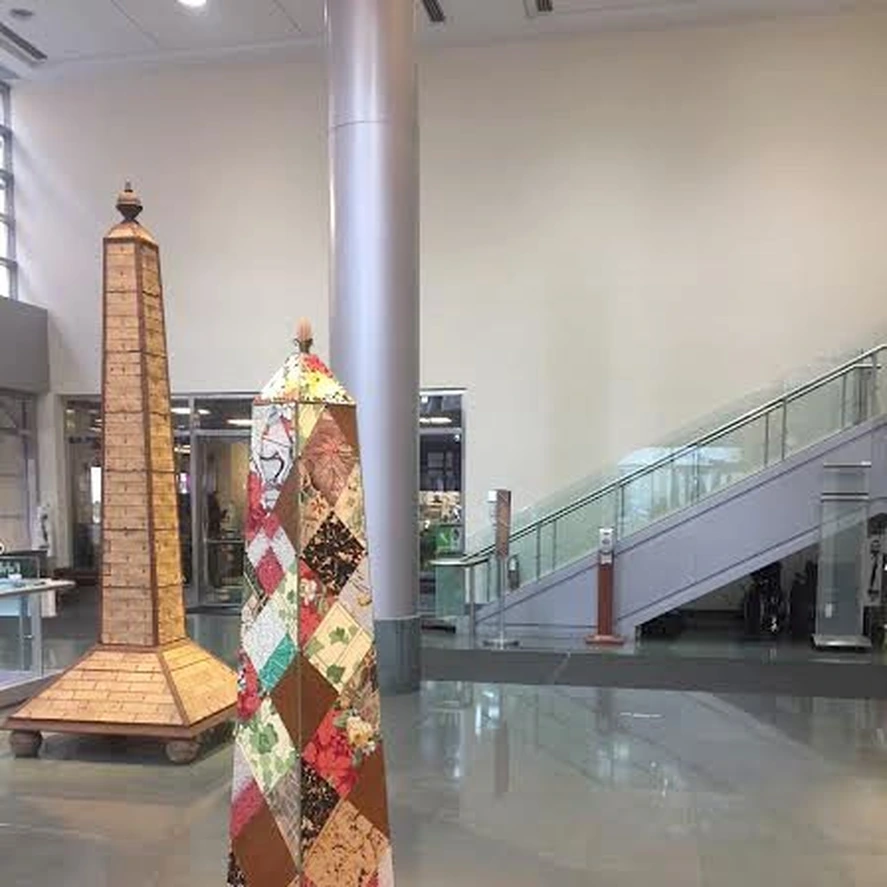
In Doug McGlumphy’s artist’s statement accompanying his exhibition now showing at the Weston Gallery in downtown Cincinnati, Ohio, he states that in this series of sculptures he seeks to “pay tribute to the ordinary worker.” McGlumphy writes, “I felt that little attention has been given to the daily contributions of the ‘regular guy’ ”. If the tone and nature of these statements ring a bit familiar, you may be on to something.
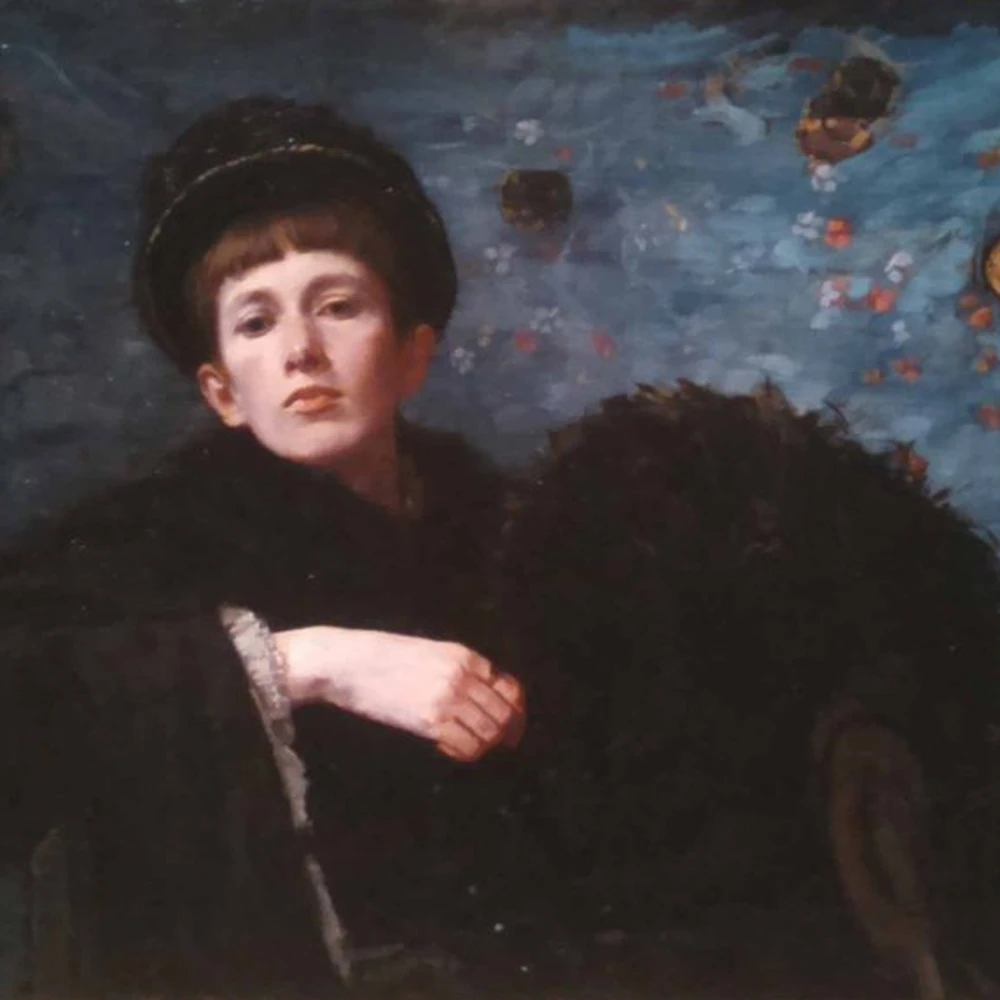
How long do you regard a singular work in a museum or gallery? Here are two different approaches: Supposing we made a pact with a painting and agreed to sit down and look at it, on our own, with no distractions, for one hour. The painting should be an original, not a reproduction, and we should start with the advantage of liking it, even if only a little.
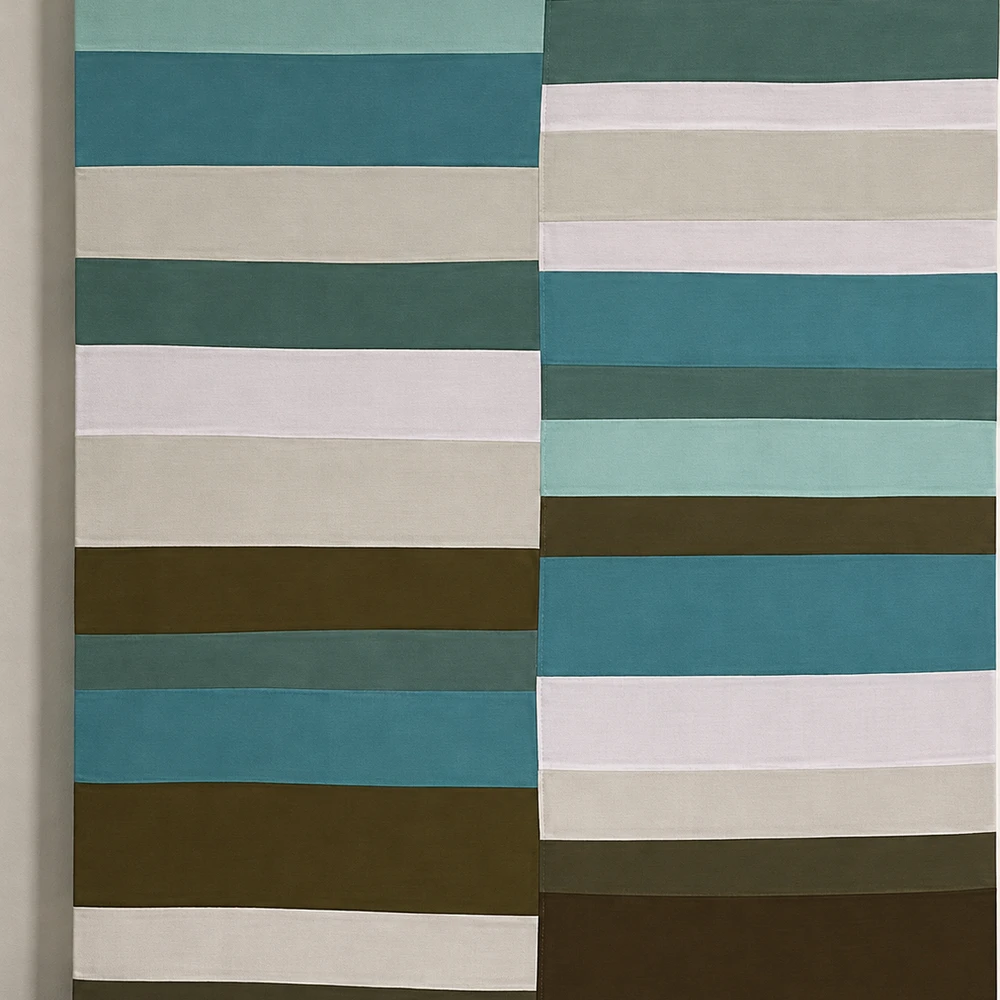
“A Sense of Home: New Quilts by Heather Jones” complements the Taft Museum of Art’s “Elegant Geometry: British and American Mosaic Patchwork Quilts” exhibition. (See aeqai.com, November 2017.) Jones sees modern quilting as “look(ing) at traditional quilting and then do(ing) its own thing.”
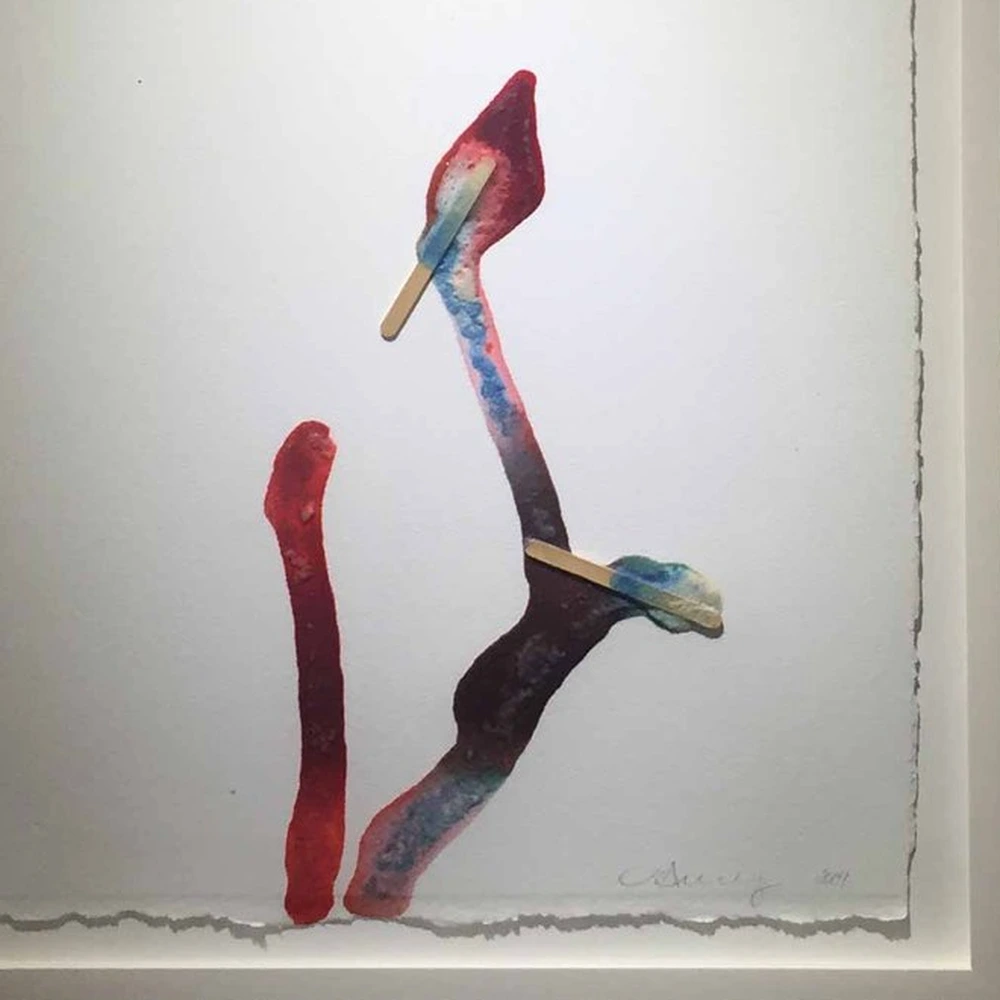
In 2014, Zephyr launched an ongoing Project series with curated proposal-based exhibitions as well as collaborations with universities, colleges, and cultural institutions. Project 20: Failure in Progress is the twentieth exhibition in this series. Failure in Progress is curated by Jessica Bennet Kincaid, currently the Coordinator of Collections and Exhibitions at the University of Louisville’s Hite Art Institute.

Painter extraordinaire Frank Herrmann means what he says. In a 2016 interview, Herrmann stated: “Never wait for the great idea or wait for the perfect moment when the work has stalled. You have to work through those moments, that may be depressing but just keep working.”
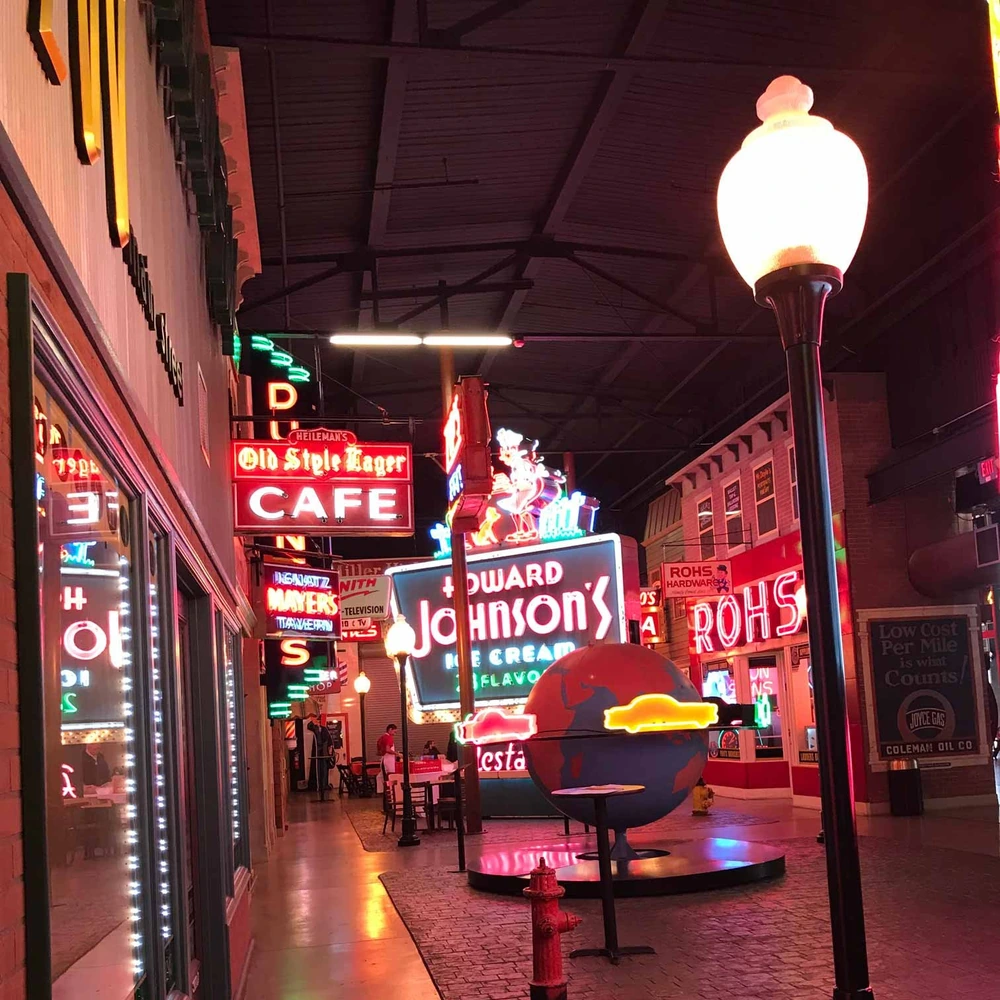
The American Sign Museum is off the beaten path. Hidden away in Camp Washington is a national museum devoted solely to signs. Located on 1330 Monmouth Ave., the museum is a one-story 20,000 square-foot building which covers over a century of signs. From hand-painted signs with gold leaf, the earliest electric signs, art deco neon signs to the modern plastic-faced signs, the museum offers a wide variety of signage.
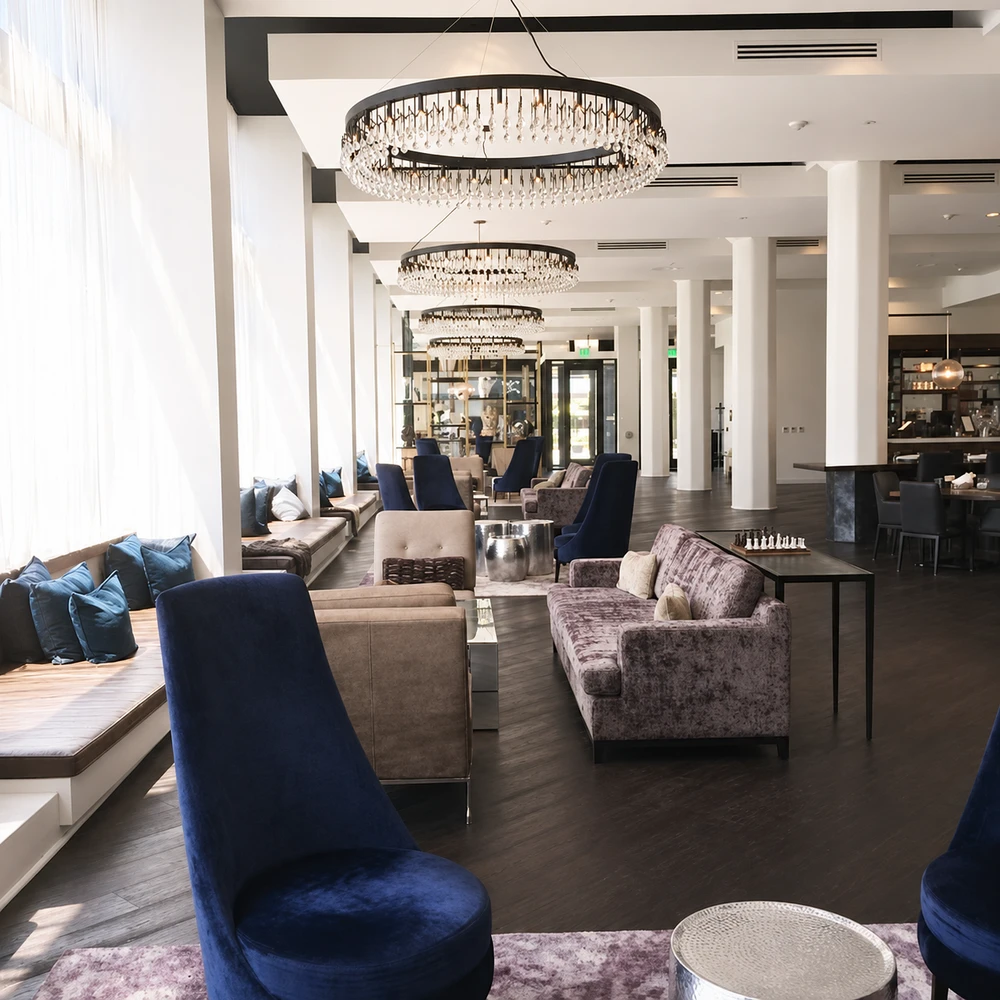
On the opposite Ohio River shore from The Queen City, Covington, Kentucky was established in 1815. Ever since its founding, Covington has lived in the shadow of earlier, larger, and more populated Cincinnati, Ohio – forever relegated, it would seem, in the supporting role as a suburb to its more sophisticated, cultural neighbor.
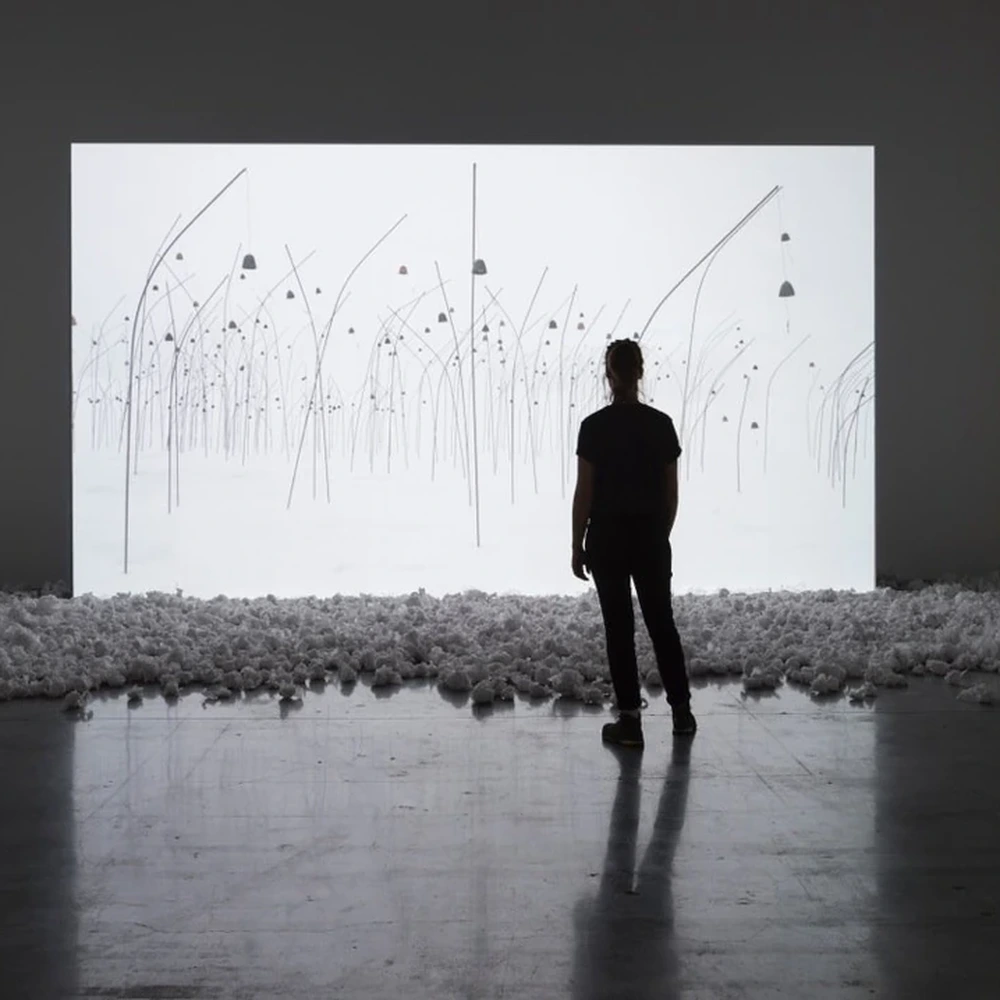
Bittersweet is a term often used to describe simultaneous positive and negative feelings. What I felt recently upon leaving the exhibition Étranger Résident: La Collection Marin Karmitz at Paris’ La mason rouge requires a stronger term, something connoting being both energized and enervated, for quite different reasons.
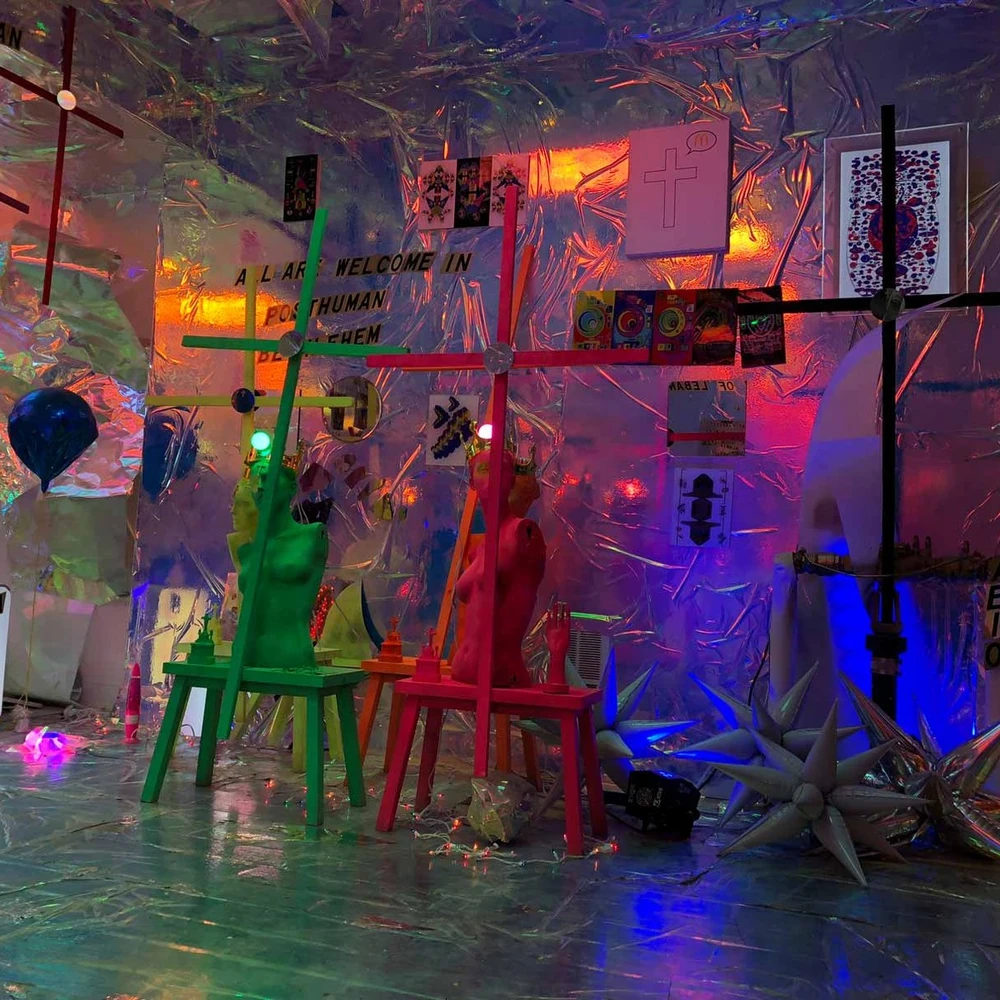
“You mean Messiah?” JJ Brine hastily corrects me when I quizzically point at the two McDonalds logos on Vector Gallery’s wall, probing him about his interest in selectively appropriating capitalist imagery.
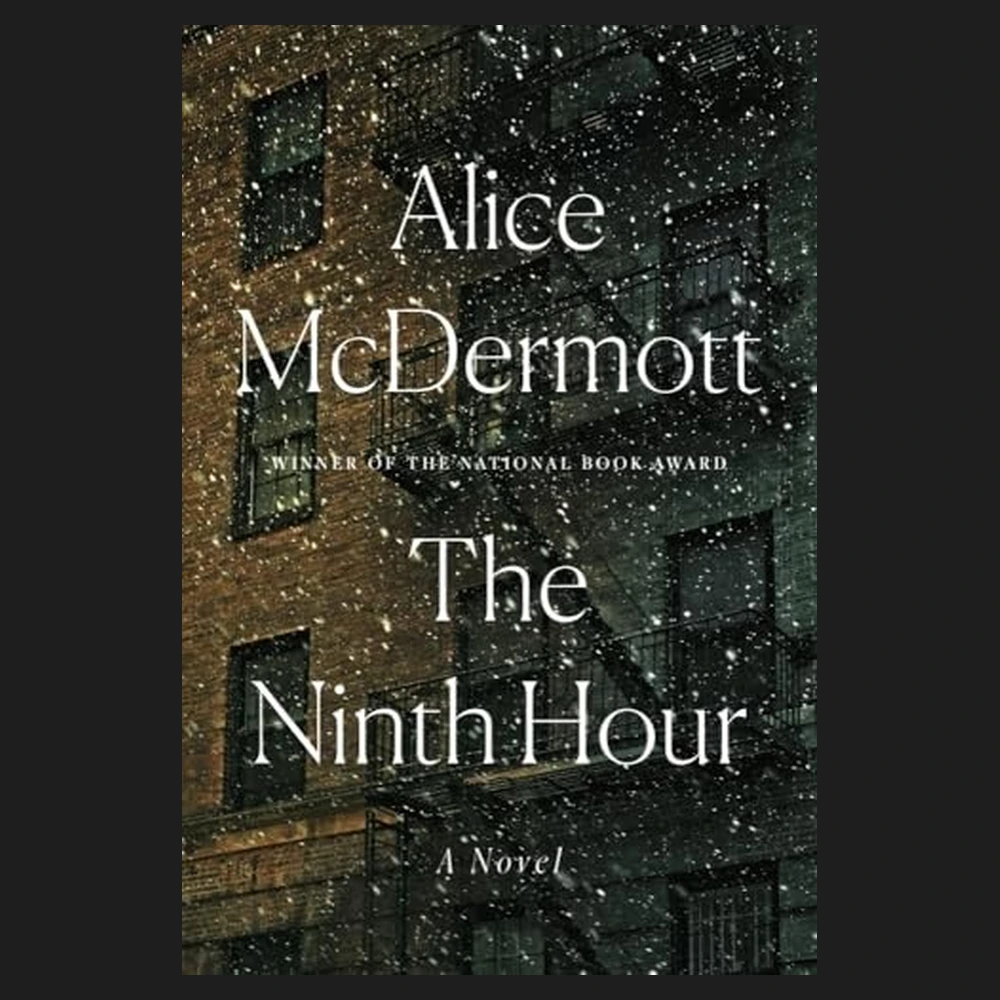
In spite of entire months going by with little fiction of note, 2017 did give serious readers some terrific fiction. Part of the problem is that publications offering book reviews have radically different ideas about what’s worth reading. And it’s an important time to be on the lookout for political correctness and other ideologies common to the more liberal publications.
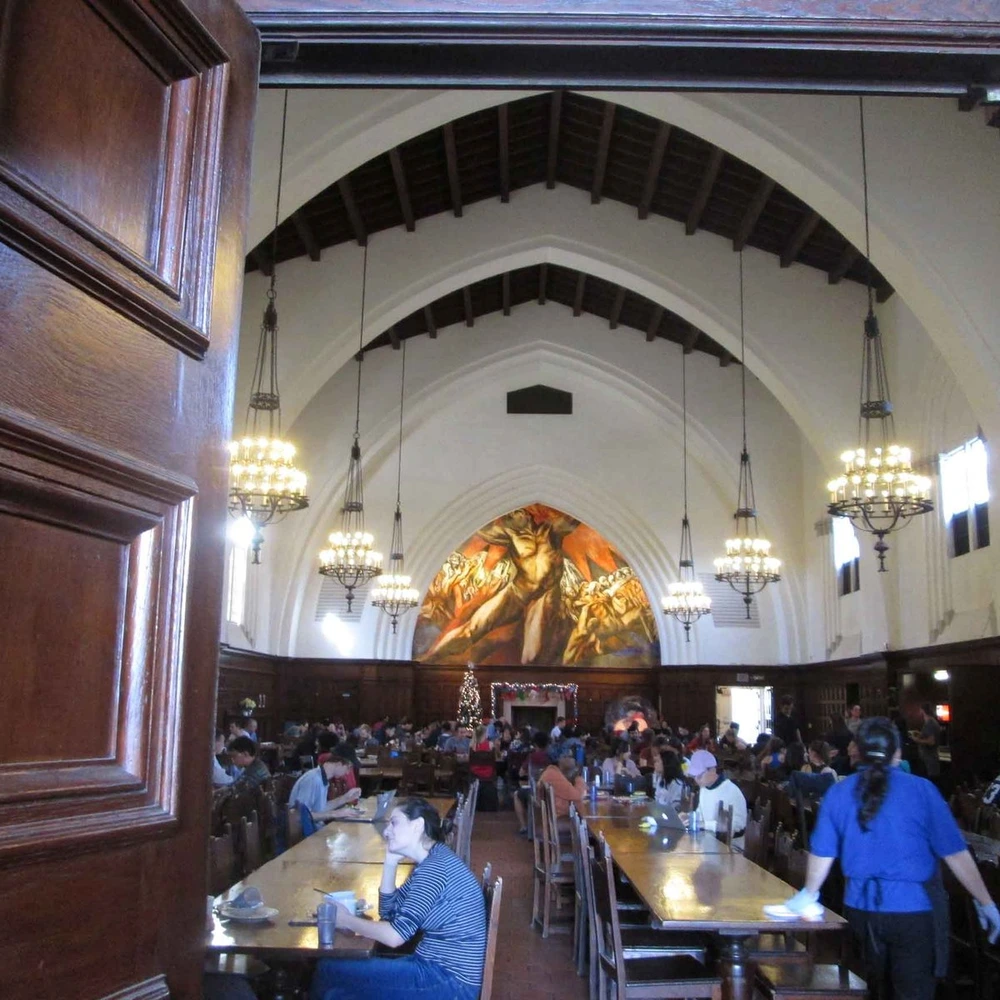
Inside Frary Dining Hall at Pomona College in Claremont, CA, beyond extensive rows of tables and chairs, one encounters a singular sight atop the arched central panel of the back wall: a large 1930 fresco by José Clemente Orozco. Designated Prometheus, this mural depicts its titular Greek titan painted in Orozco’s signature El Greco-esque style.

The Reformation had its 500 th anniversary this year. A movement that changed the ways Europeans read, worshipped, traded, and slaughtered each other, it also had the potential to change the nature of art. In part, this is because the various Protestant churches that sought to reform the Catholic hegemony tended, among other things, to take the Second of the Ten Commandments to heart, the one about having no graven images.
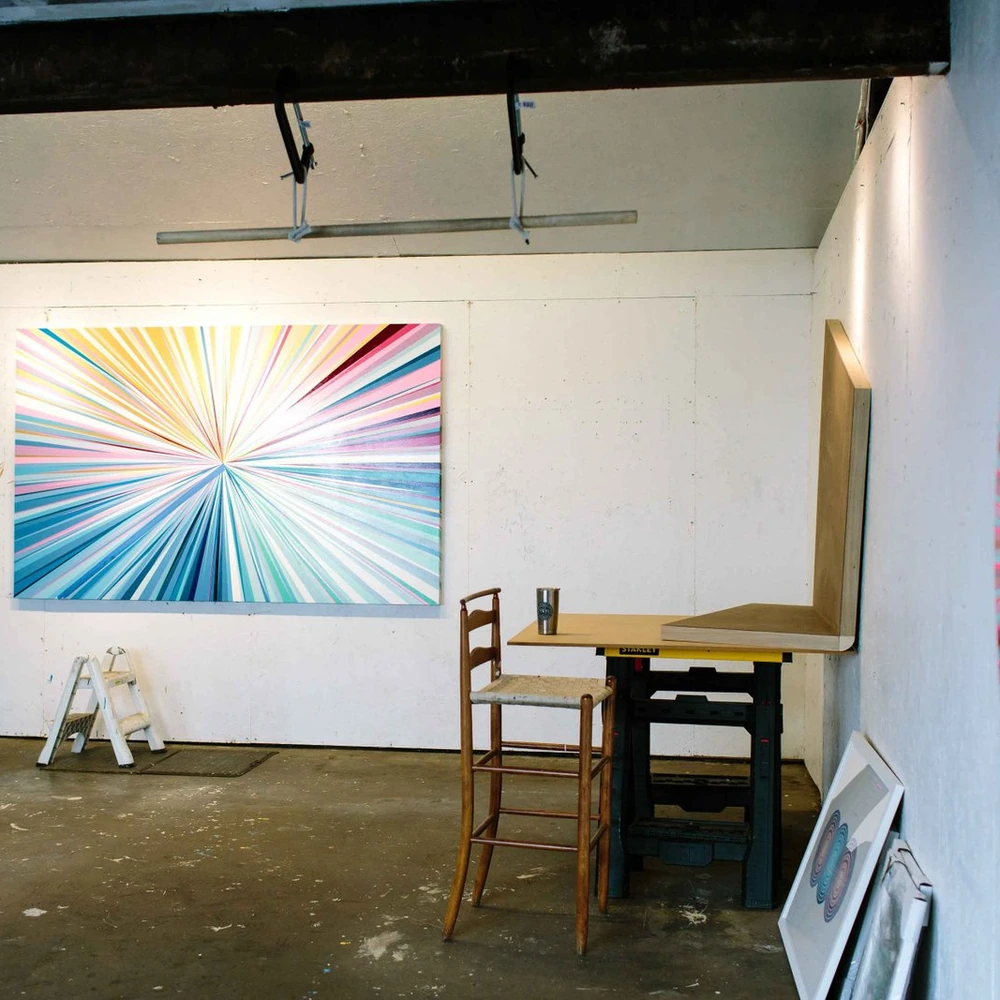
Gibbs Rounsavall compares his studio practice to that of a scientific exploration embracing the thrill of discovery. The focus of his study has primarily been on relationships between shape and color. One of his bedrock principles as an artist is that color has such strong associative powers that it can transport us through time: eliciting memories while simultaneously suspending the perception of reality.
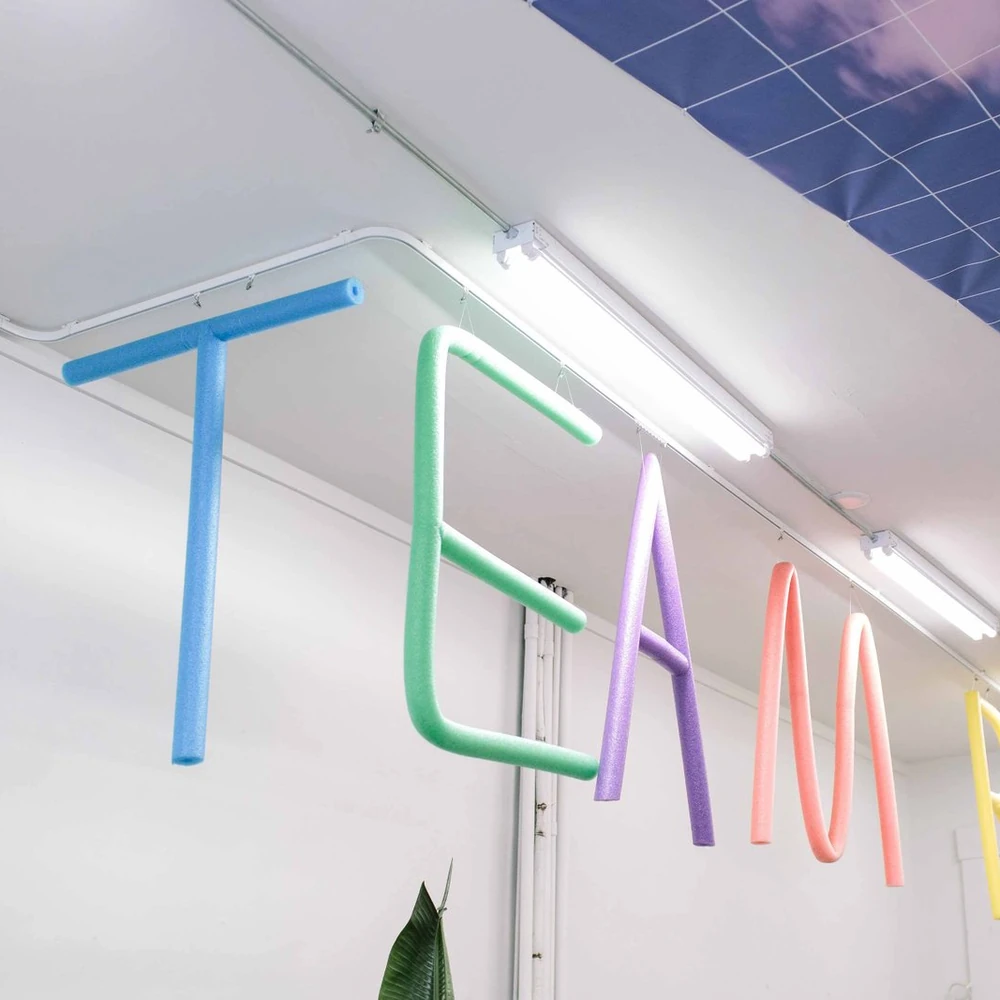
Team B Architecture & Design (made up of David Corns, Anna Kerr, Quinn Kummer, and John Stoughton) is a full-service studio located in Over-the-Rhine exploring the way in which form, space, and material can communicate with culture—designing delight at any scale.
