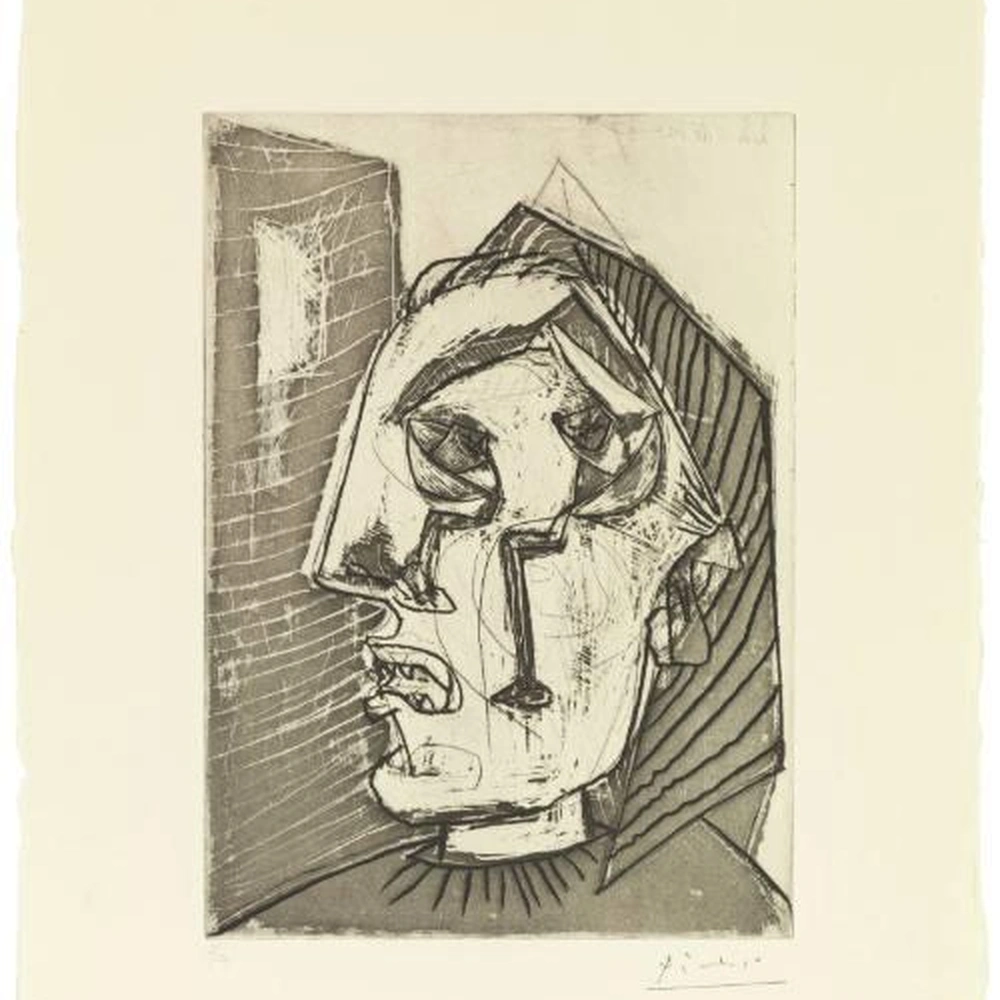
Pablo Picasso would not be the only mercurial, misogynistic, egotistic, super- salesman who chose art (or art chose him) as a means of locomotion. The type abounds in this most rarified of all careers in this equally rarified era, most notably epitomized by Duchamp and Man Ray, masters of shock art, but he is the one who shouted the loudest and longest.
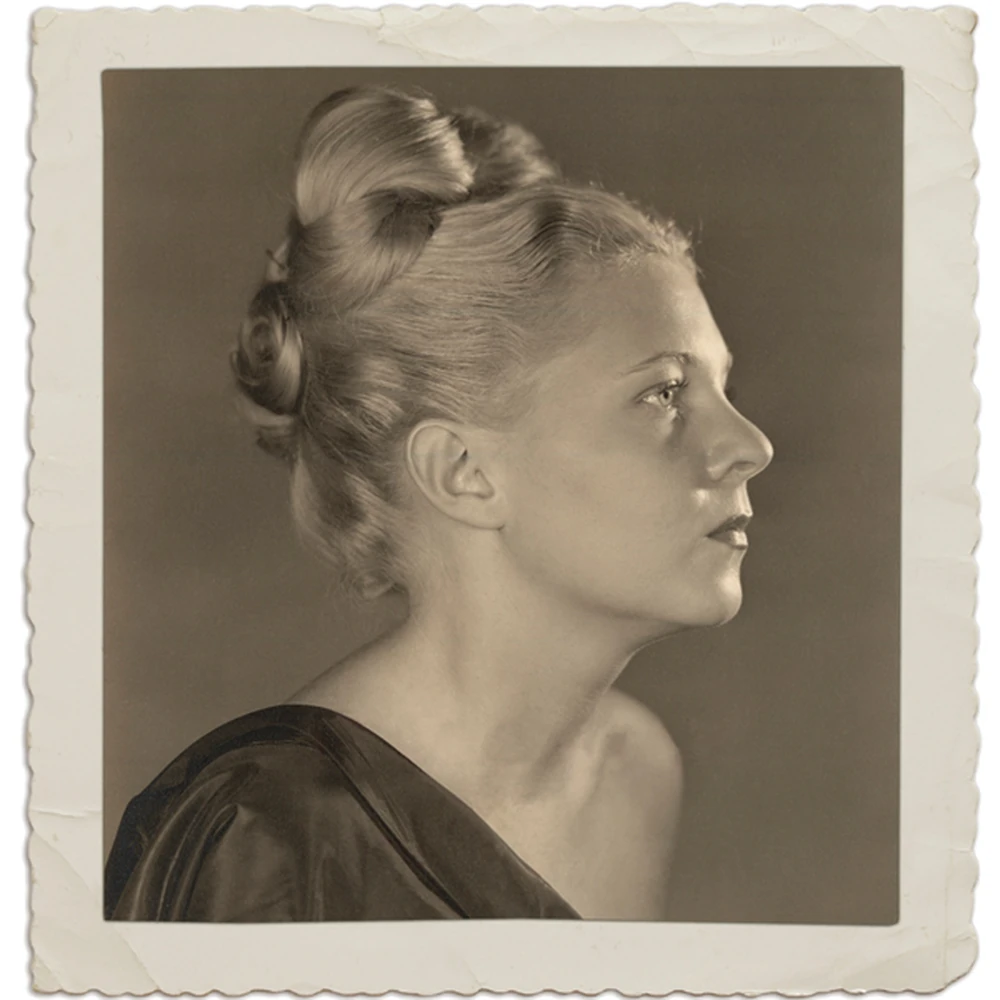
I’d been away in college and graduate school between 1964-1970, returning to Cincinnati married and seeking employment while interviewing for what became my first job here (Coordinator of Cultural Affairs at The University of Cincinnati). Two names kept surfacing as visionary arts leaders; Irma Lazarus and Phyllis Weston. I’d known various Lazari (as we called them jointly) for years, and my mother’s close friend...
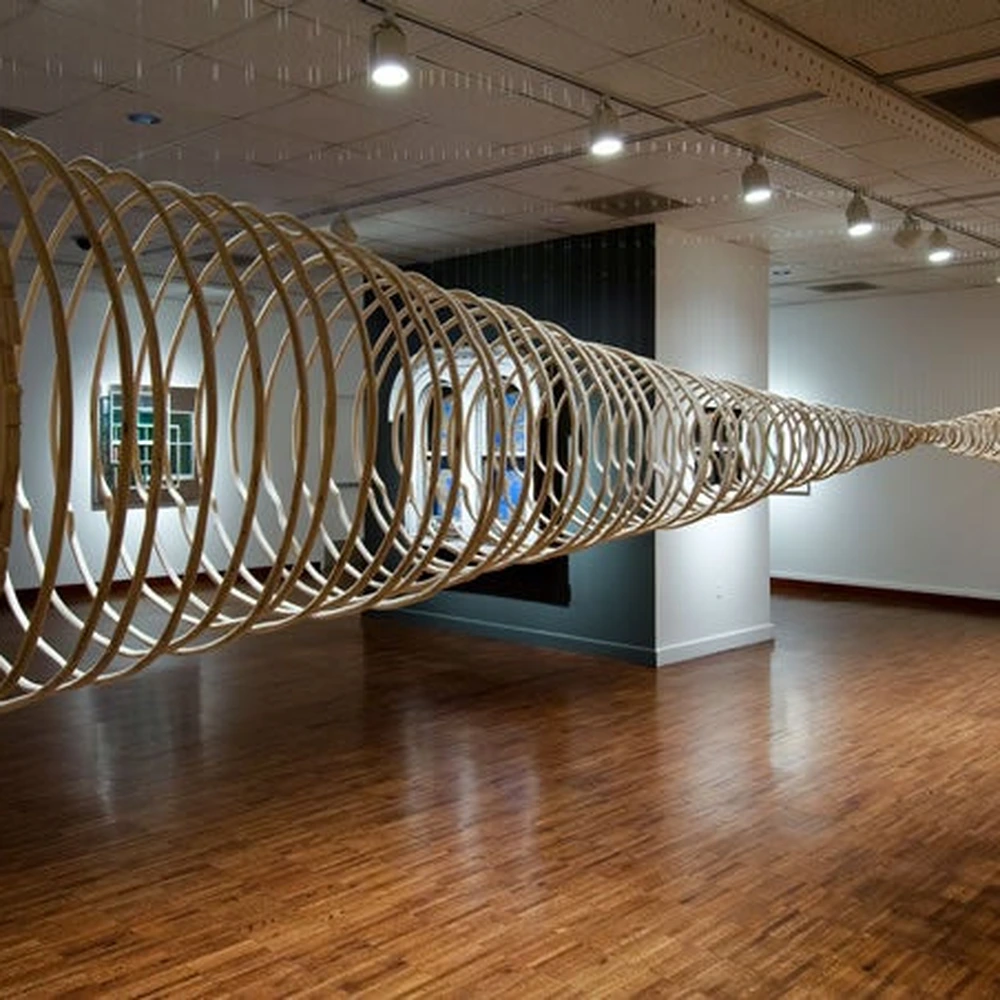
“Material Witness” at the Alice F. and Harris K. Weston Art Gallery is the thinking artist’s art exhibition. Independent curator Matt Distel’s smart grouping of multi-disciplinary artists, whose only ostensible common thread is consistent consideration of media, raises thoughtful questions about locations in space and time without providing any easy answers. Eight artists contribute to “Material Witness”...
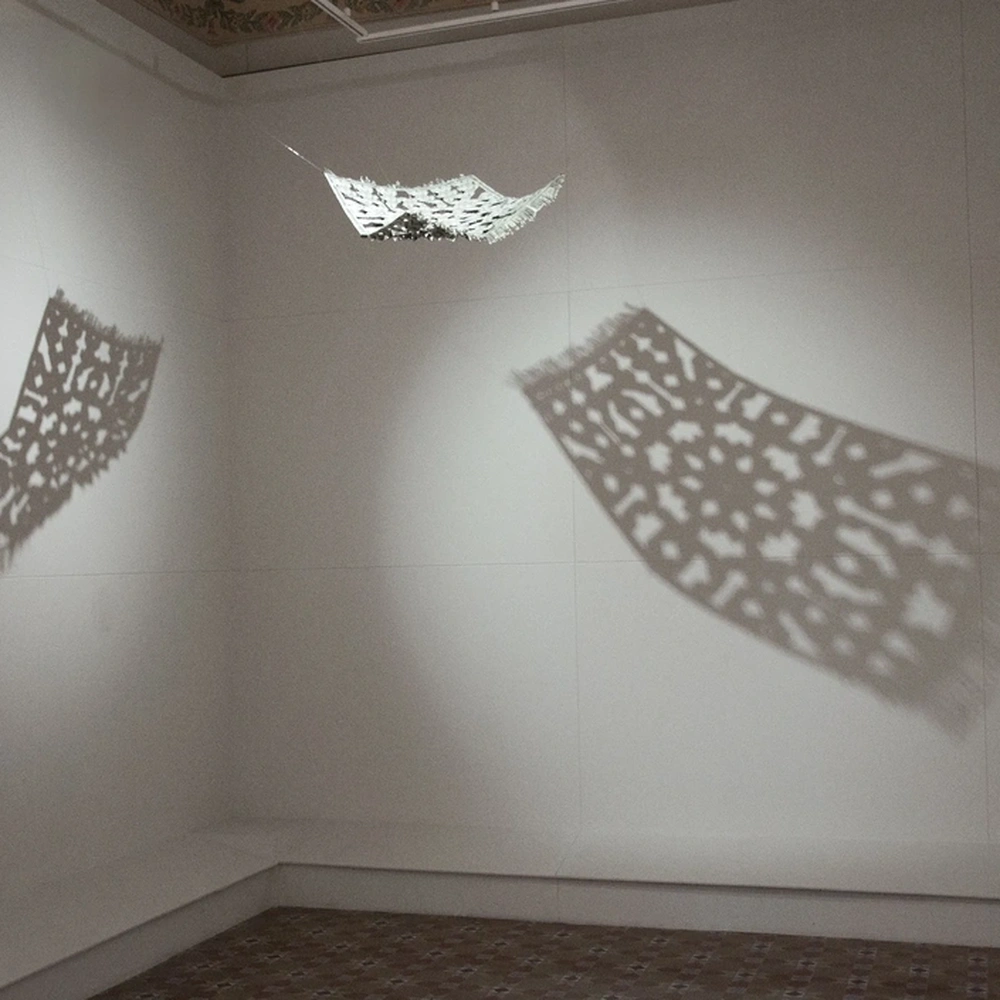
Edward Said’s “Orientalism” as a concept and a way of seeing is one of those Western-World-shattering moments in academics (and beyond) in which European literature, philosophy, politics, culture, and art are re-imagined and re-positioned all at the same time as a vast and beautiful conspiracy of dunces: imperialism in the guise of books and paintings and United Nation speeches. In one fell swoop, Said decoded and reinvented...
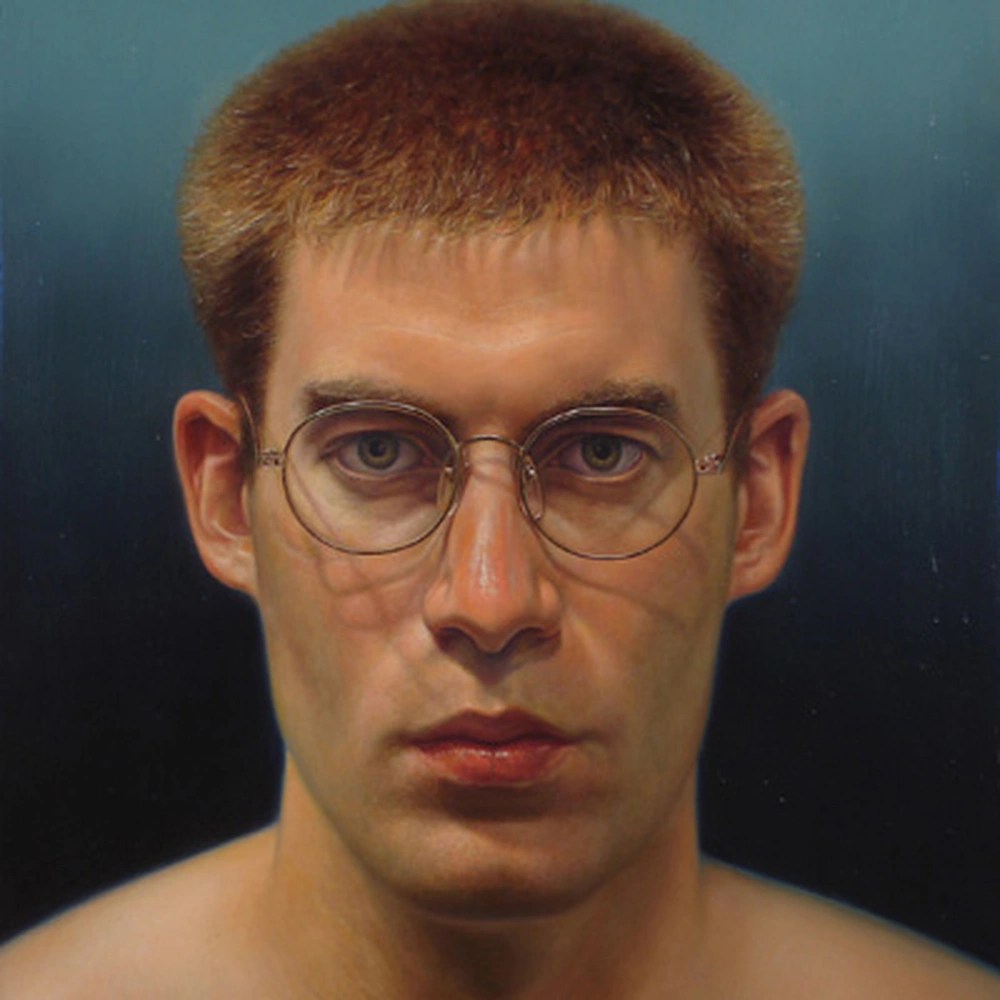
In Manifest Gallery’s current exhibition, Observed, 18 artists explore the act of seeing and working from direct observation in graphite, pastel, oil paint, digital media and video. Their subjects are seen as close as arms’ length to a distance of miles with one artist delving into animate forms drawn from the nebulous space of wavelengths outside the visible spectrum...
![Tawara Yūsaku, Untitled, [Ichi, 95], from Sora [Sky] series, 2001. Authentic square detail.](https://cdn.prod.website-files.com/68beeb7d850c44cc359bab46/6a99d1e02f0f10be921d9238_6a99d1d210ec0f4ae57c8ef3_tawara-yusaku-untitled-ichi-sora-mini-1000.webp)
I received a copy of Benjamin Hoff’s The Tao of Pooh when I was in the seventh grade. The book, an introduction to Eastern thought in general and Taoism in particular, came as a revelation to my young mind. For the first time I encountered a belief system not based on an all-knowing, omnipresent God who meted out reward and punishment at will.
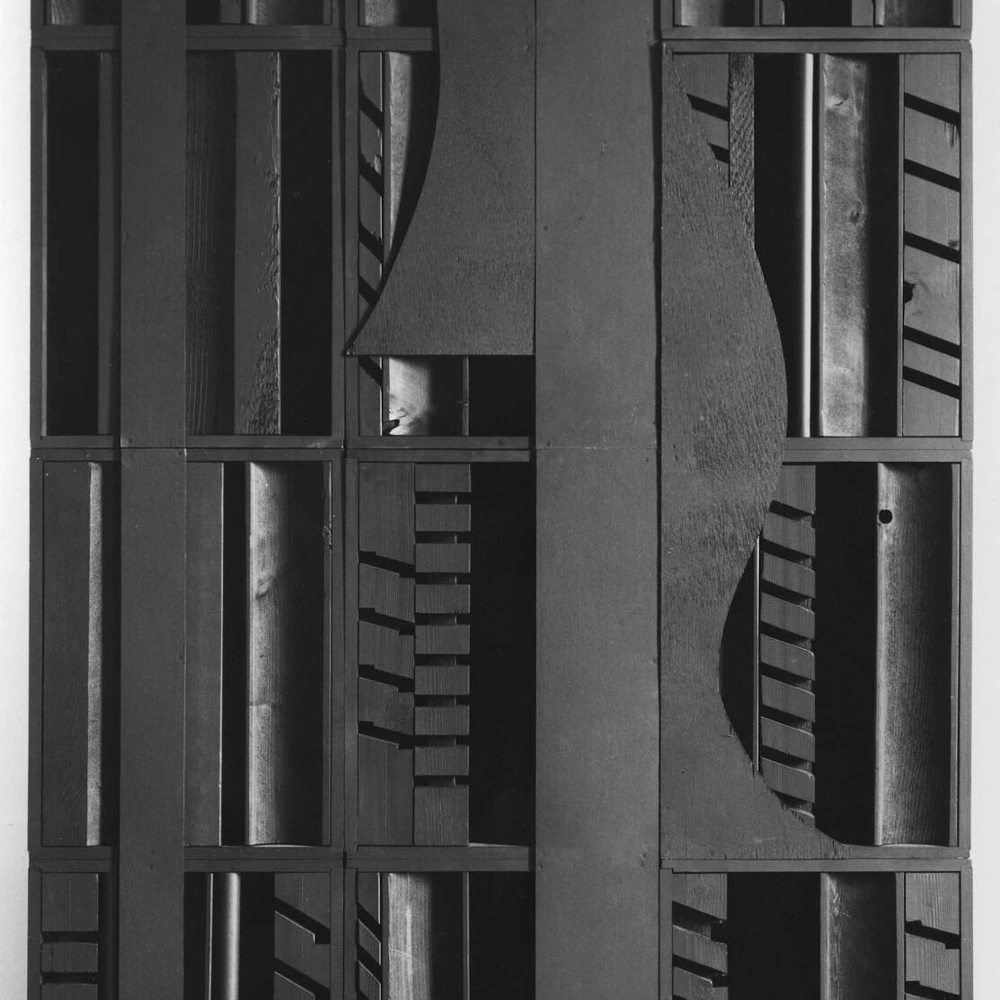
I am sure those who frequent the Cincinnati Art Museum have specific artworks or galleries they look forward to visiting. For me visiting these artworks induces a hyper-awareness of the space, forms and color that surround me and provide a sensation like no other. Several places at CAM hold this distinction for me. One of those places is the Damascus Room, a reconstructed interior room from Syria during the Ottoman Empire...
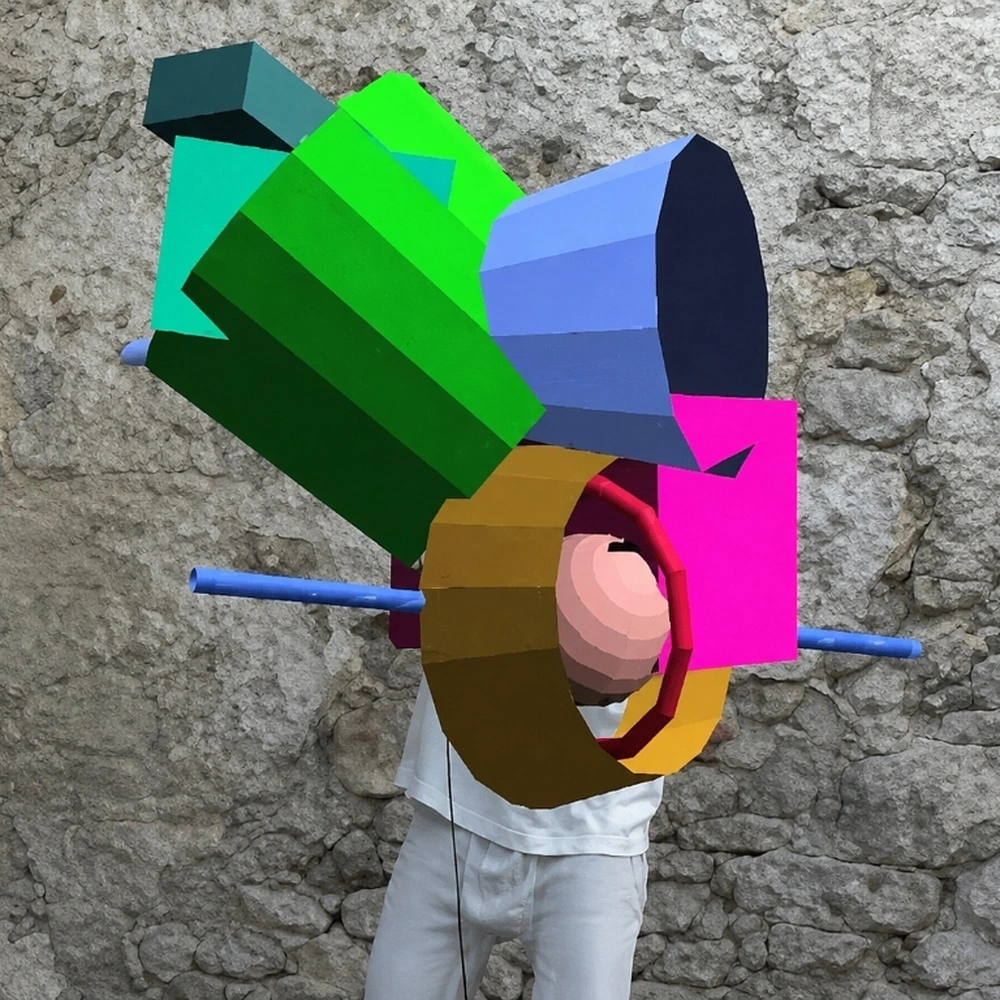
Phase One: Screen Test is the first exhibition/”phase” of an ambitious three part series entitled Is This Thing On? at the Contemporary Arts Center in Cincinnati. According to the press release, Phase One: Screen Test “traces the history of performance video, showcasing the changing role of technology and new media trends”. The exhibition consists of several components: one enormous and immersive projection of a variety...
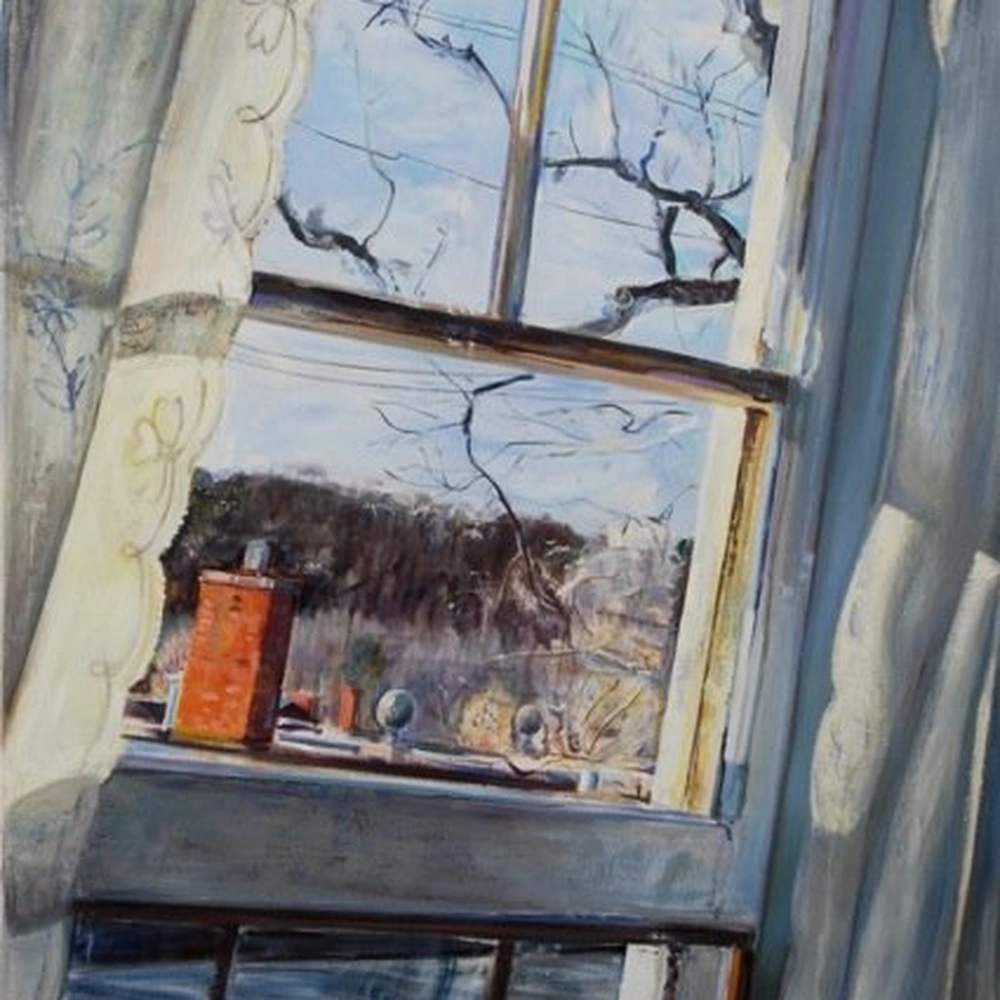
As an artist ages, he or she becomes increasingly sensitive to the world and more uncertain of how to proceed. As the artist grows wiser, he or she must make the decision to continue groping for the elusive threads of memory and the constant uncertainty of personal experience. It is important for the work that the artist must stay uncomfortable. Cole Carothers has made this choice...
