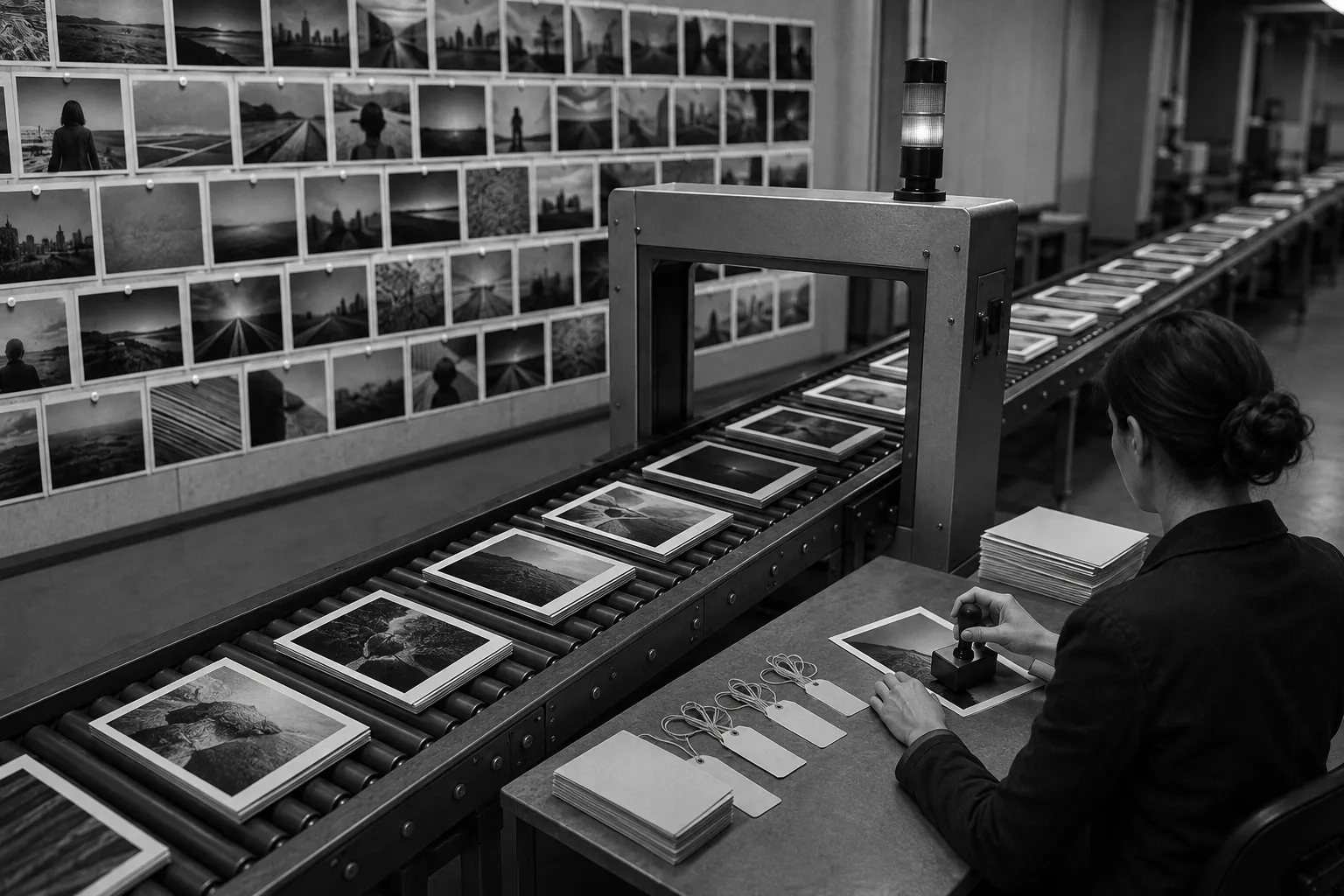
Perplexity and Getty Images announced a multiyear agreement granting the AI search company rights to display Getty images across its search and discovery tools. The companies said Getty's API would be integrated into the content workflow and that Perplexity would improve image credits and links to original sources. Financial terms were withheld. A person familiar with the agreement told TechCrunch that it was a new arrangement rather than a traditional lump-sum license, and that Getty had participated for over a year in Perplexity's publisher revenue-sharing program. The deal followed accusations from news organizations that Perplexity had scraped or reproduced their material, including a Wall Street Journal article accompanied by a Getty photograph.
A license establishes a visible border around images that search interfaces previously treated as readily available components of an answer. The announcement leaves the status of earlier displays and any compensation for them unaddressed, so permission begins at an uncertain point in the archive. Attribution also performs two jobs here. It directs a user toward the photographer or publisher while giving Perplexity evidence of a formal content relationship. Getty gains distribution and contractual control. Perplexity gains a cleaner path through a field of copyright complaints. The practical test will appear in ordinary results, where pictures often register before citations do. Each licensed photograph should arrive with a readable credit and a working source link placed beside the image.
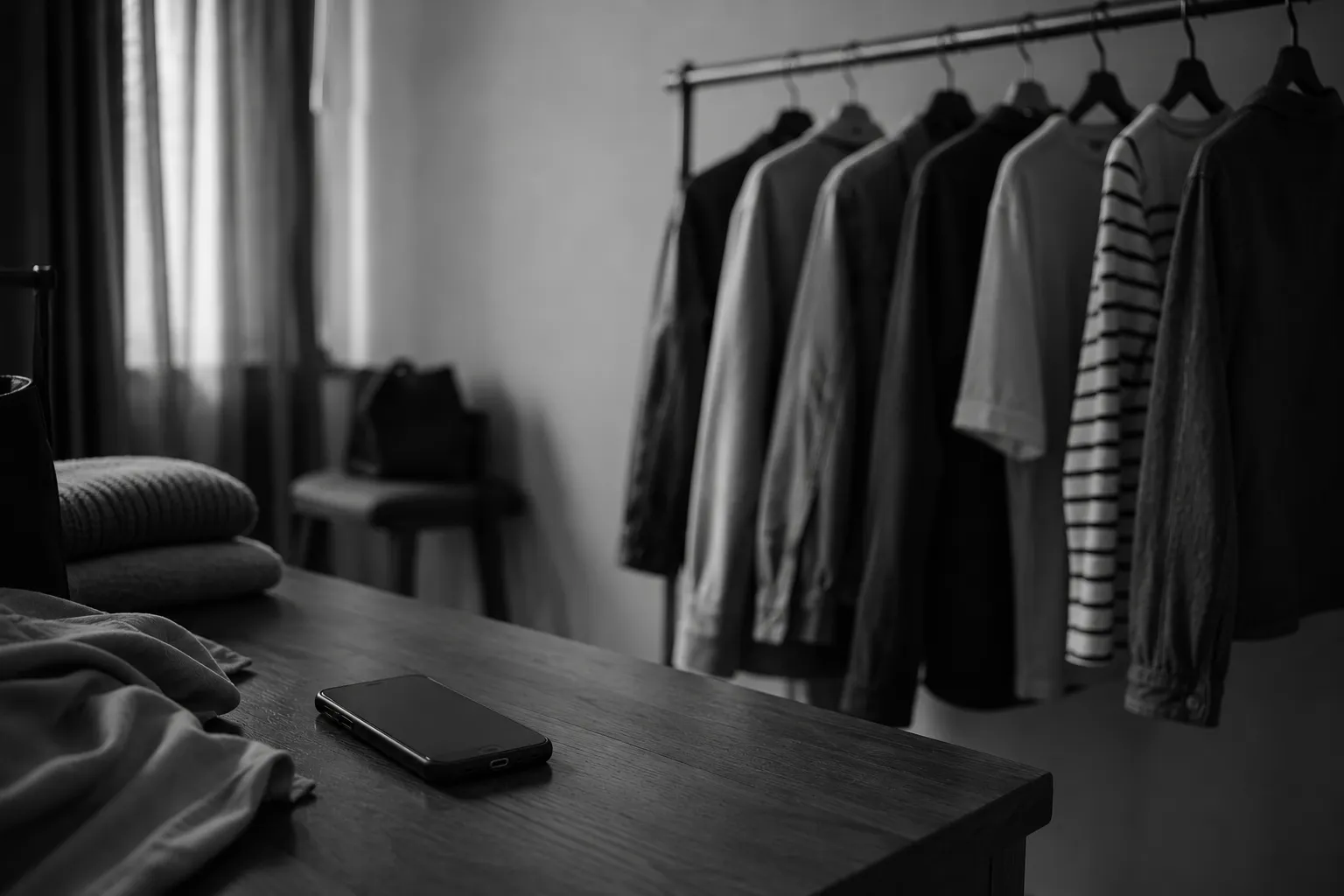
Pinterest introduced an AI shopping assistant meant to help users choose outfits and products that match their taste. According to The Verge, the feature can guide shoppers through style questions, use signals from saved pins and boards, and turn visual preference into product recommendations. Pinterest has always lived between fantasy and purchase. A board collects kitchens, jackets, weddings, rooms, hairstyles, and lives a person may never actually have. The assistant adds conversation to that archive, making taste something the platform can question, sort, and direct toward a cart.
The mirror is no longer the first judge. A user can describe an occasion, mood, budget, or body anxiety, then receive suggestions shaped by an image history already stored on the platform. That can be convenient, especially when shopping feels endless. It also changes the privacy of taste. Clothes carry class, gender, labor, climate, desire, and embarrassment. Turning that into a chat gives the system a chance to learn the hesitation before the purchase, the rejected look, the wished-for self. The assistant does not simply find a jacket. It listens to the small uncertainty that appears before someone decides what version of themselves can leave the house.
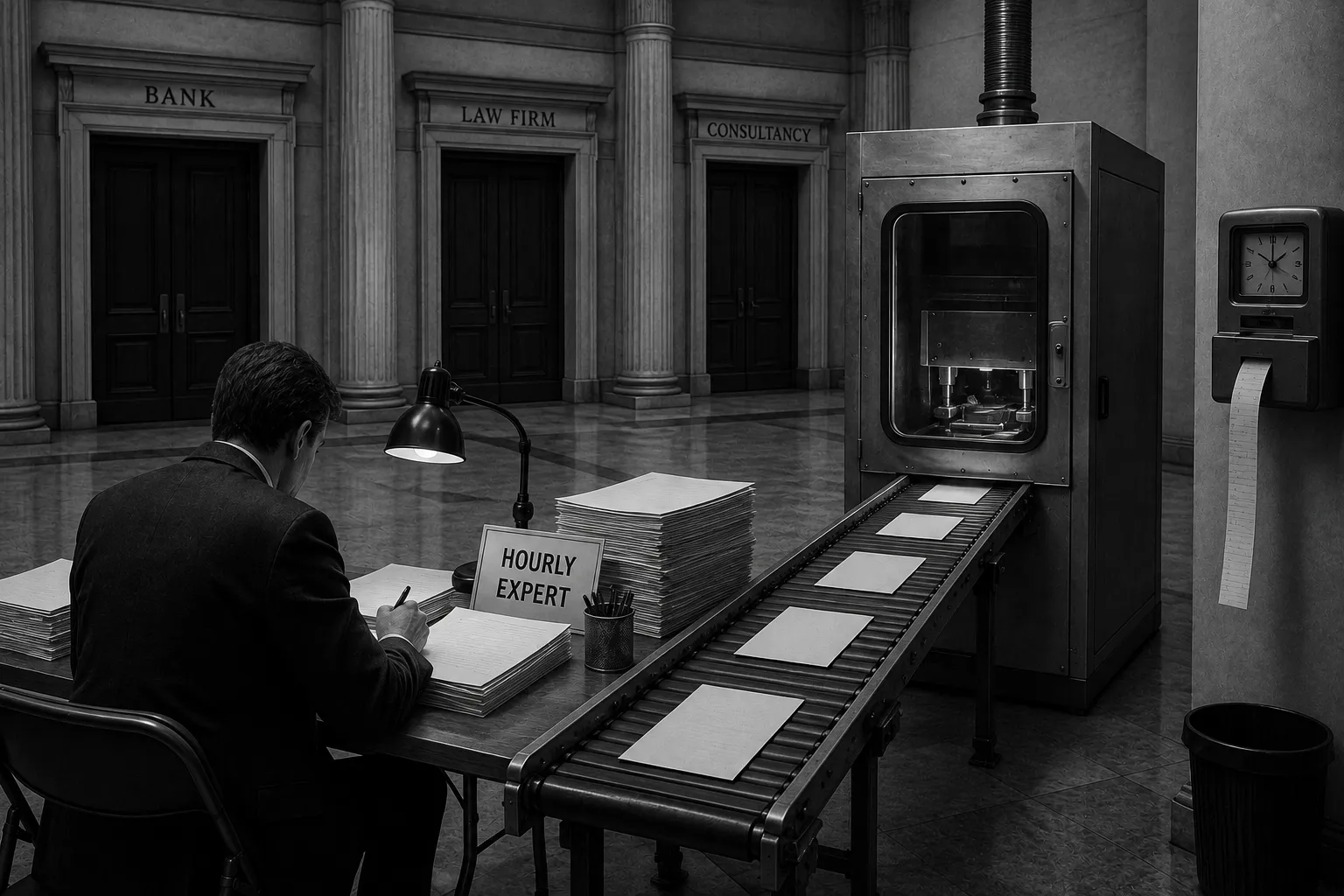
Mercor connects AI labs with professionals who reproduce workflows from investment banks, consultancies, and law firms. At TechCrunch Disrupt, CEO Brendan Foody said OpenAI, Anthropic, and Meta use the marketplace because companies often resist supplying data that could automate their work. Mercor hires former employees and some people still holding industry jobs to complete forms and write reports for model training. Foody said experts can earn up to $200 an hour, the platform has tens of thousands of contractors, and it pays them over $1.5 million daily. He said contractors are instructed against uploading workplace documents.
This arrangement turns professional judgment into commissioned examples. A bank can protect its files while a former analyst reconstructs the choices that give them value. The boundary between personal expertise and employer property is difficult to police when a prompt requests authentic forms, reports, or production code. Foody acknowledged violations may occur at Mercor's scale, while arguing that knowledge in an employee's head belongs to the worker. Skilled contractors receive unusually high gig rates, yet their answers can train systems aimed at the same occupations. Every task carries two prices, the hourly fee paid to the expert and the future value transferred to the lab. A credible contract needs provenance, required employer permission, and conflict disclosures attached to every submitted report or codebase.
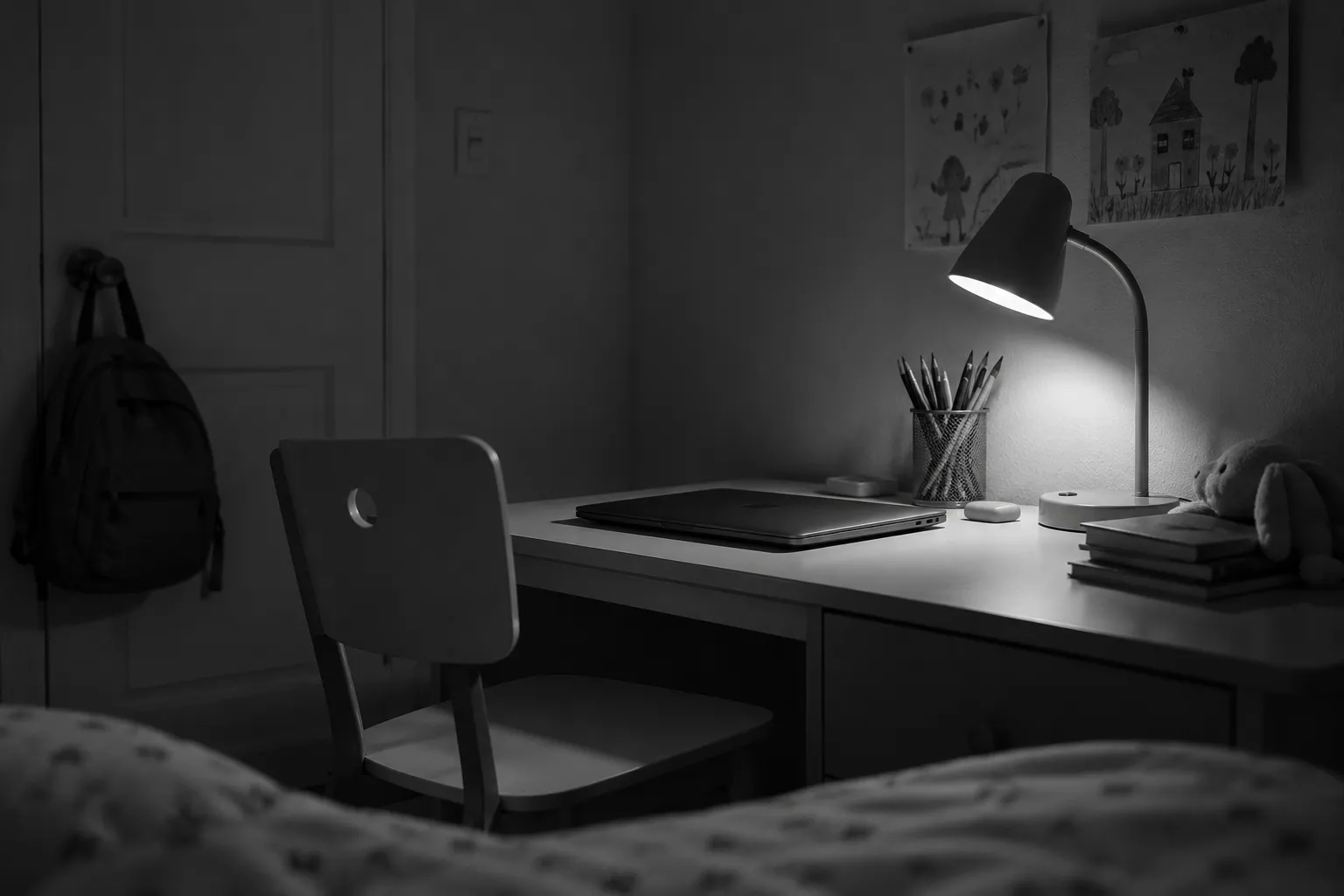
US senators proposed a bill that would bar minors from using AI companion chatbots, according to The Verge and NBC News. The proposal followed months of concern over chatbots that simulate friendship, romance, therapy, or emotional availability for young users. Supporters framed the bill as a child-safety measure, aimed at systems that can encourage dependency, blur adult boundaries, or respond badly to distress. The details still matter, including which products count as companions, how age checks would work, and whether the law would reach general assistants that develop companion-like habits through long use.
The proposal turns synthetic company into a family-policy object. A chatbot that once appeared as entertainment or productivity software is now being discussed like a presence in a child's room. Parents, platforms, lawmakers, and schools are trying to decide whether a minor should be allowed to form a private attachment to a system built for retention. The legal language will likely be dry, but the scene is intimate. A teenager types at night, the system answers with patience, and the company measures engagement. A ban would not remove loneliness, curiosity, or secrecy. It would mark the point where adults admit that an always-available voice can become a relationship before anyone else notices.

An AI app began selling vacation pictures to people who had not taken the trip. According to The Verge, the service lets users place themselves inside travel scenes through generated images, offering the appearance of a holiday without the cost, time, or movement of one. The pitch is bluntly contemporary. Travel has always produced stories, souvenirs, and proof. Social platforms then made the proof part of the journey itself. An app that sells the image without the journey recognizes where the pressure has moved. The destination is partly a place and partly a photograph that can be shown afterward.
The synthetic vacation separates memory from experience. A person can buy the beach light, the hotel balcony, the mountain view, or the city background while remaining in the bedroom where the prompt was typed. That may sound comic until it meets the economics of leisure. Many people cannot afford the trip that their feeds treat as ordinary life. The app offers an imitation of the social receipt, not rest, weather, delay, language, food, or the fatigue of moving through an unfamiliar street. The picture can travel faster than the body. What remains at home is the unpaid bill for wanting to appear elsewhere.

The next legal fight over artificial intelligence is moving toward the face. The Verge reported on the growing conflict around likeness rights as generative tools make it easier to produce images, voices, and performances that resemble real people without placing them in front of a camera. Actors, creators, athletes, and ordinary users now face a strange gap between identity and control. A face can be copied from public material, reconstructed from training data, or invoked through prompts that never name the person directly. The result may still trade on recognition, even when the original body was absent.
The face used to be evidence of presence. In the AI market, it becomes a negotiable surface. A studio, app, advertiser, fan account, or anonymous user can treat likeness as raw material while the person represented tries to prove that the resemblance is close enough to matter. Existing law was built around photographs, publicity, impersonation, and fraud. Synthetic media pressures those categories because the image may be new while the value comes from someone already known. The argument will land in contracts, takedown forms, union clauses, and court files. The person in the picture may never have posed, but the face still arrives carrying their name, labor, age, and risk.

At Kenwood High School in Baltimore County, an automated gun-detection system flagged an image of student Taki Allen holding an empty Doritos bag as a possible firearm on Monday evening after football practice. The system, operated by Omnilert, analyzes feeds from existing school security cameras and sends possible threats for human review. District security staff reviewed this alert and canceled it after determining there was no weapon. The principal reported the situation to the school resource officer, who called police. A district spokesperson said she had not realized the cancellation had occurred. Allen said officers made him kneel, handcuffed him, and searched him. Omnilert expressed regret while saying its detection and review process had functioned as intended.
The bag became consequential through a chain of institutional actions, each carrying a standard of certainty. Software marked a shape as possible. Security staff cleared it. The cancellation then failed to stop a police response. The decisive failure lay in the handoff that converted a low-confidence image into physical restraint after human reviewers had cleared the alert. Schools purchase these tools amid fear of shootings, which can make caution seem self-justifying even after human review resolves the image. Accountability sits in the notification path connecting vendor, security desk, principal, resource officer, and police. Baltimore County's review can begin by requiring the cancellation notice to reach every recipient before an officer calls for armed support.
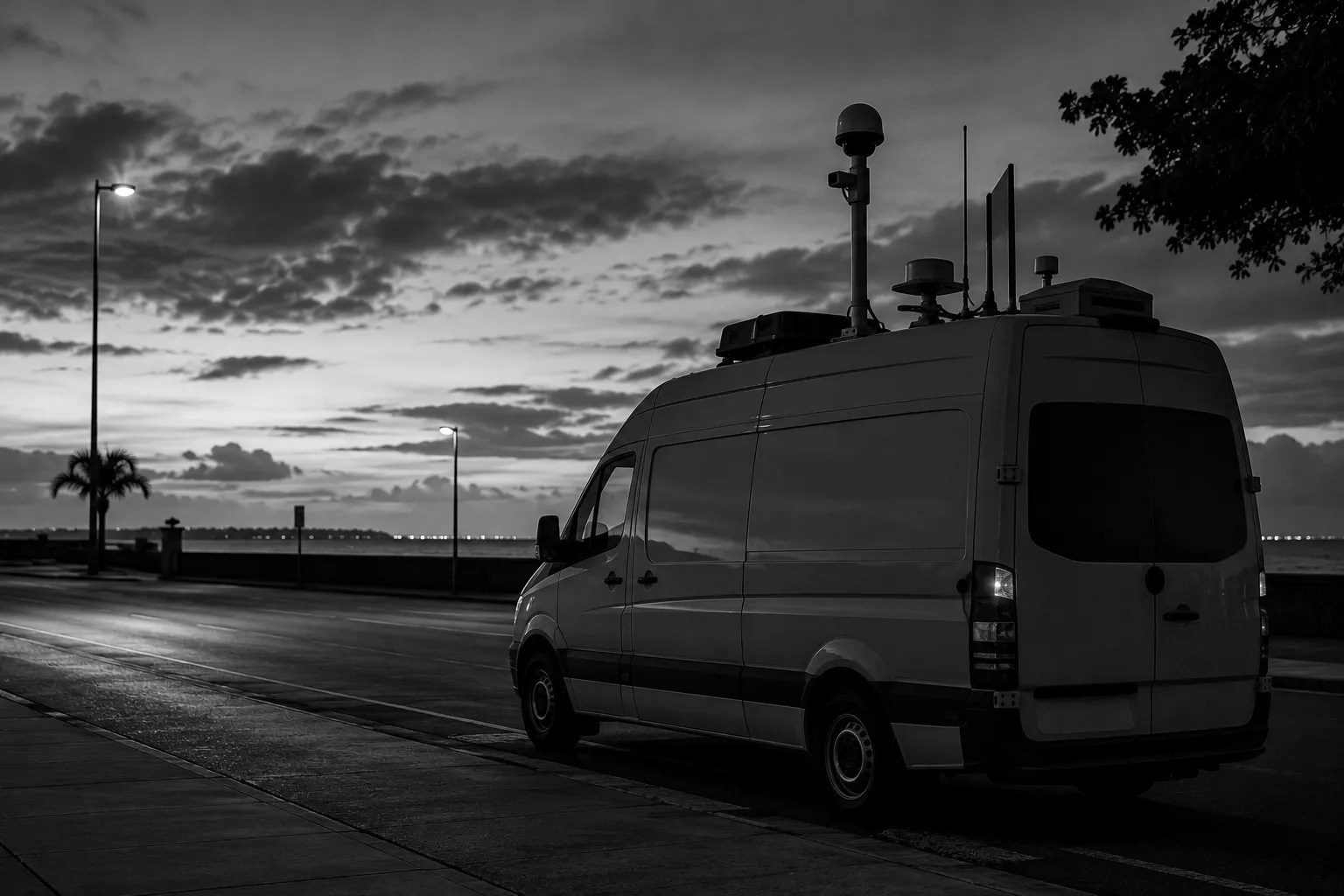
The Department of Homeland Security sought plans for a new mobile surveillance system that would mount artificial intelligence, radar, high-powered cameras, and wireless networking on 4x4 trucks. According to WIRED, Customs and Border Protection described a Modular Mobile Surveillance System that could drive into remote areas, raise a mast, detect motion miles away, classify people, animals, and vehicles, and send alerts to operators through tactical mapping tools. Some missions could run with an agent present. Others could leave the vehicle mostly unattended while onboard computer vision watches and reports.
The system matters because surveillance becomes movable. A tower fixed in the landscape announces itself through location, construction, and habit. A truck can arrive after a storm, a migration shift, a protest, or a tactical decision, then fold a camera mast into the ordinary shape of a vehicle. The documents also describe retained video, maps, sensor data, network identifiers, and possible links to other border systems. AI enters here as a classifier inside a chain of state movement. The person crossing a field may not meet an officer first. They may meet a vehicle deciding that a shape in dust and heat deserves an alert.
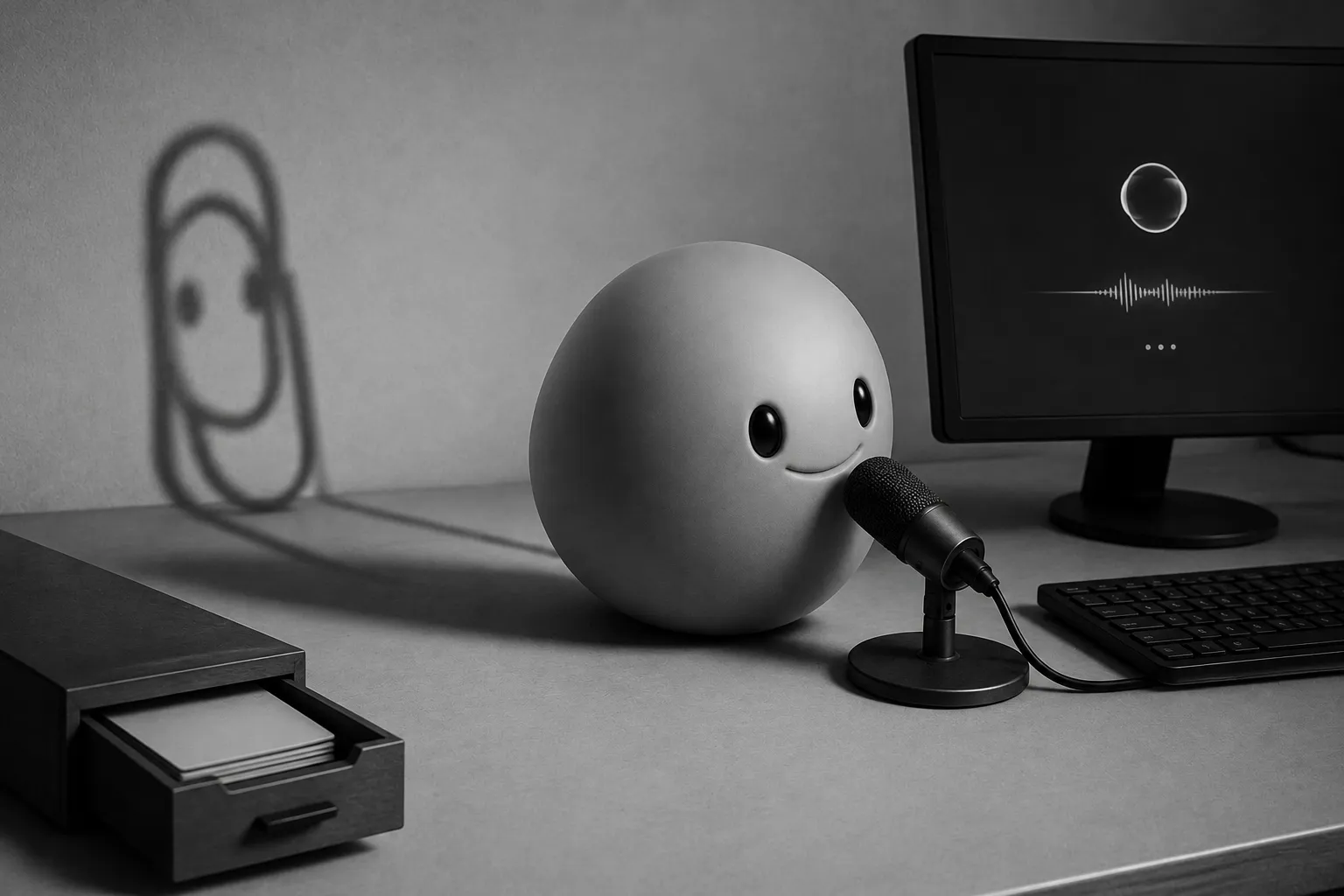
Microsoft introduced Mico on October 23 as the animated visual presence for Copilot voice conversations. The rounded character reacts through expressions and color changes, while users can customize it or turn it off. Microsoft said Copilot can save selected memories, refer to past conversations, and adapt from feedback. Users may edit or delete those memories. A separate Real Talk mode adjusts to a speaker's style and can challenge assumptions. Mico was initially available in the United States, with rollout planned in the United Kingdom and Canada. Repeated taps trigger an Easter egg that turns the figure into Clippy, Microsoft's former Office assistant.
The return of a face to office software gives abstract computation a body whose gestures can solicit patience and confidence. A wobble, blush, or sympathetic expression supplies social information before the answer itself can be judged. Clippy once interrupted work with unsolicited advice. Mico enters through voice, memory, and a tone designed to feel supportive. The assistant can retain details across sessions and mirror conversational style, allowing familiarity to accumulate with each exchange. Microsoft calls the character optional, yet it appears by default in voice mode, making personality part of the first encounter. Users who prefer an unembodied tool must open the controls and switch Mico off manually.
