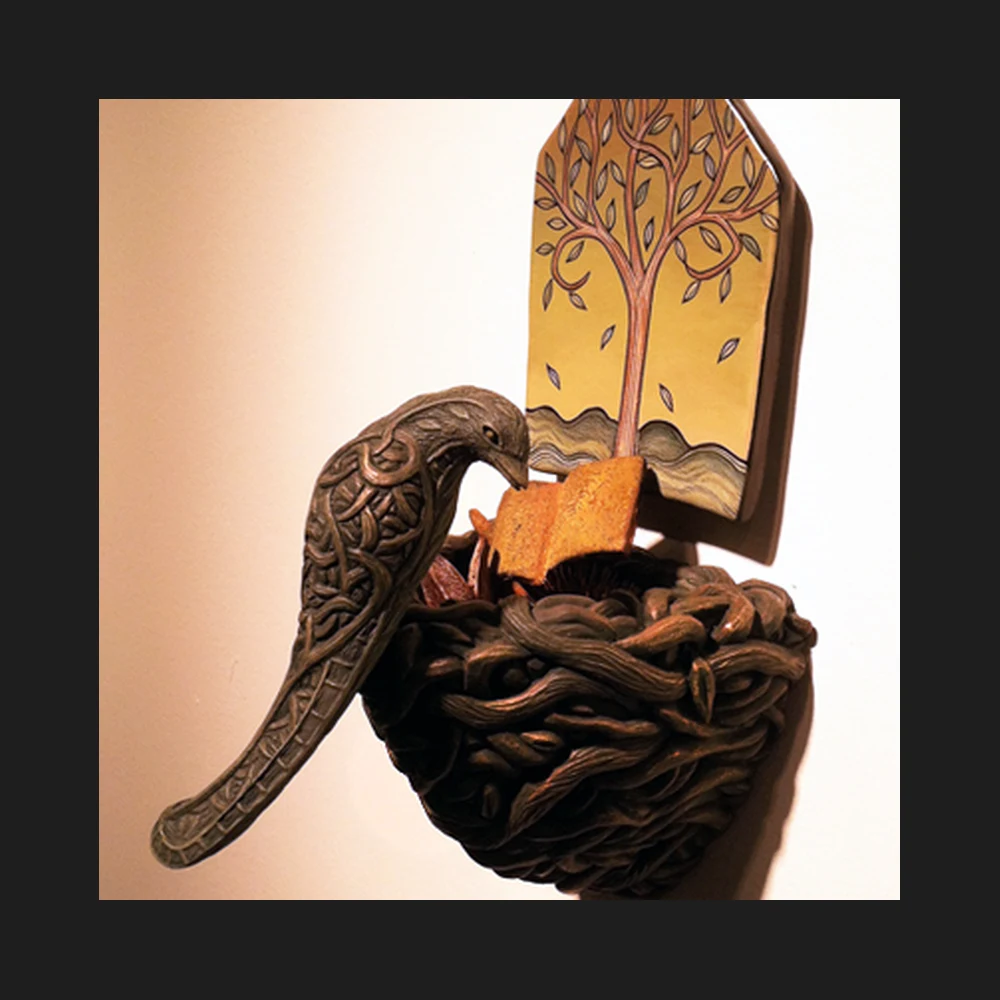
Birds face off against one another at either end of a ladder-like seesaw, perch on the edges of nests, are trapped mid-flight by ladder rungs, and barely touch down atop stacks of ladders, branches and books. There is a sense of urgency – places to go, things to do, ideas to express – in “Balance,” Terri Kern’s solo ceramic exhibition at downtown’s Humler & Nolan.
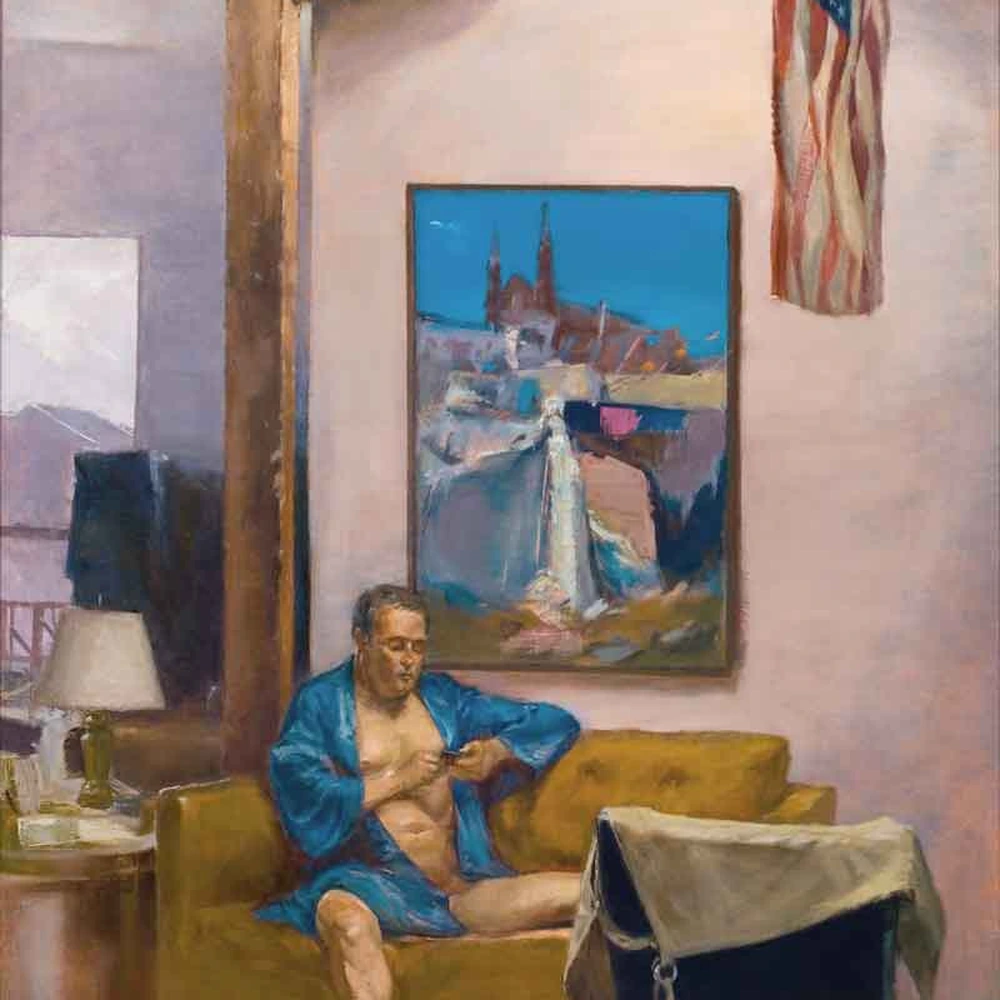
A multi-national array of artists dissect with various technological innovations the contemporary, multicultural perception of portraiture today. This artist is reporting a selection of pieces viewed in the first floor galleries of this engaging exhibition.
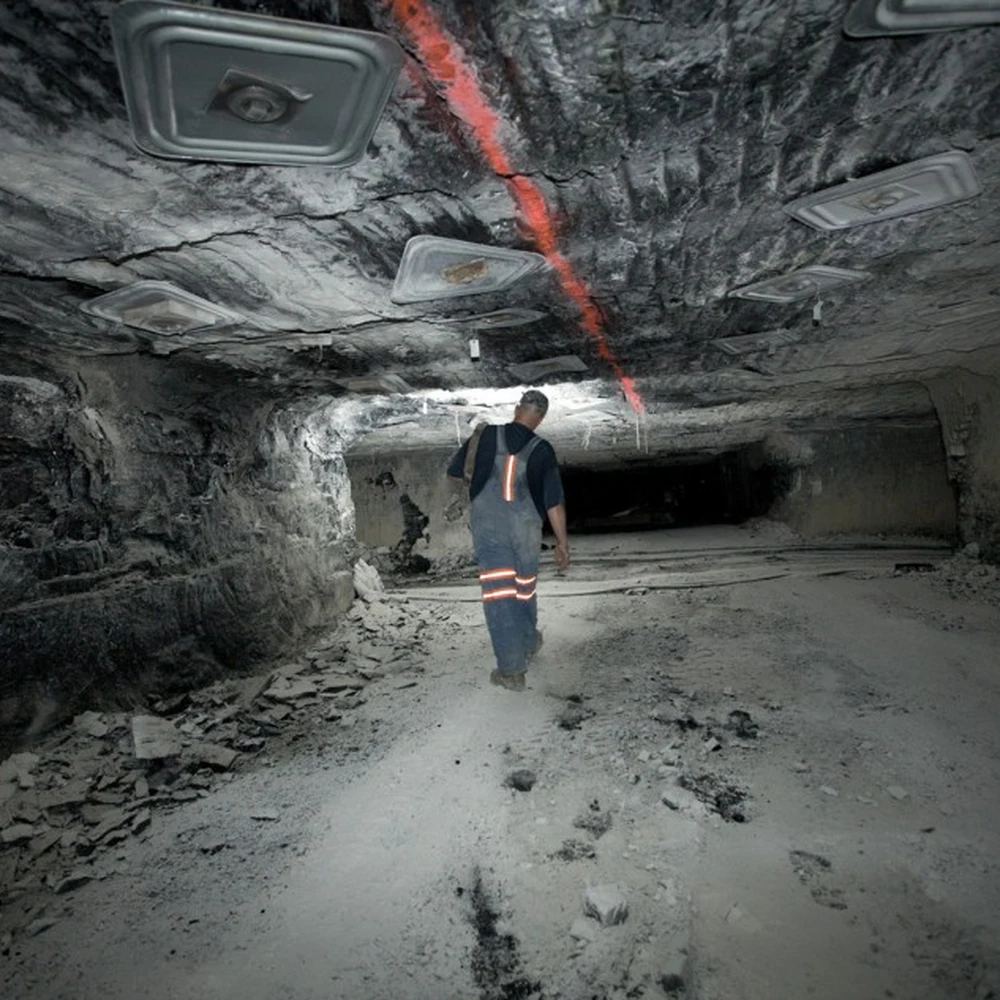
Aeqai asked Raymond Adams to create a small photo essay of his work to share with our readers, after failing to include the photographs intended to go with its review of his new photography book.
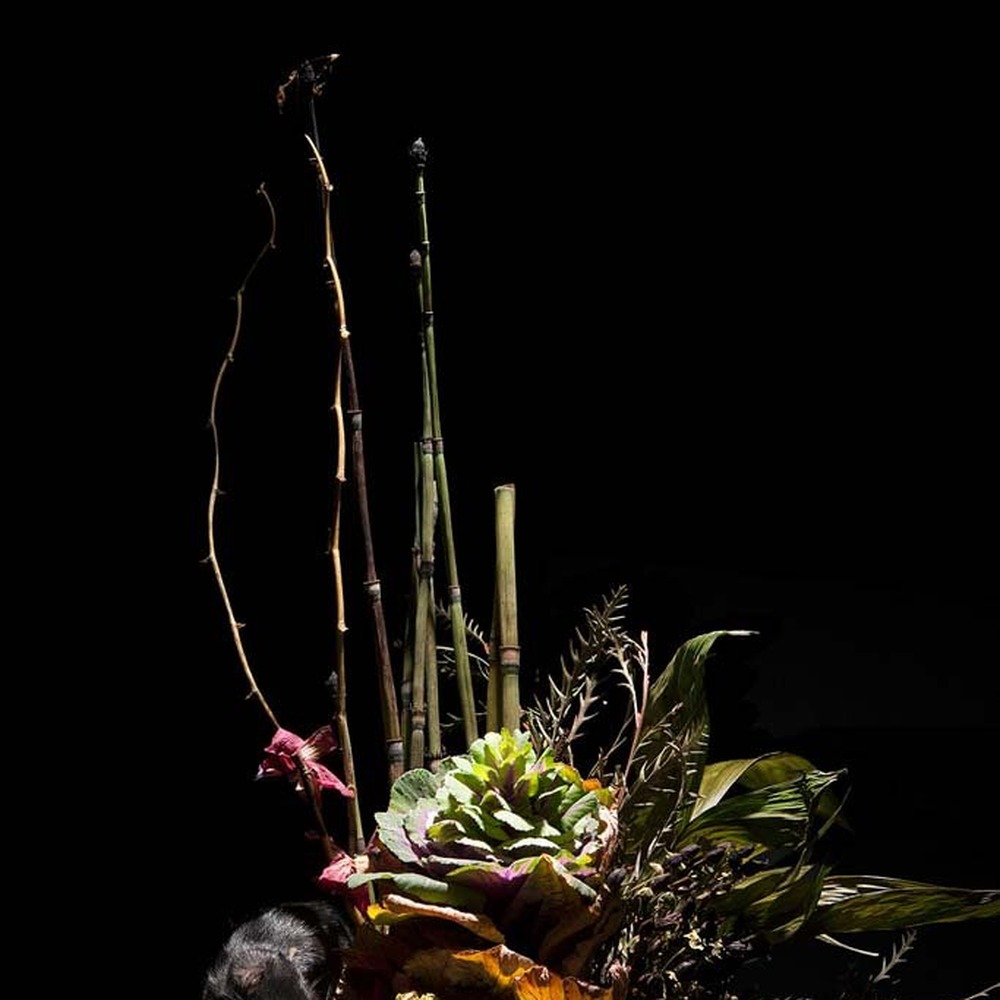
New Works, which opened on September 6th, features a group exhibition of four-experienced artist from former gallery owner (PAC Gallery) now turned not-for-profit director (The Gallery Project) Annie Bolling. Bolling selected the work of the best and brightest female artists from her former PAC Gallery stable in an exhibition revisiting her recent past as gallery director.
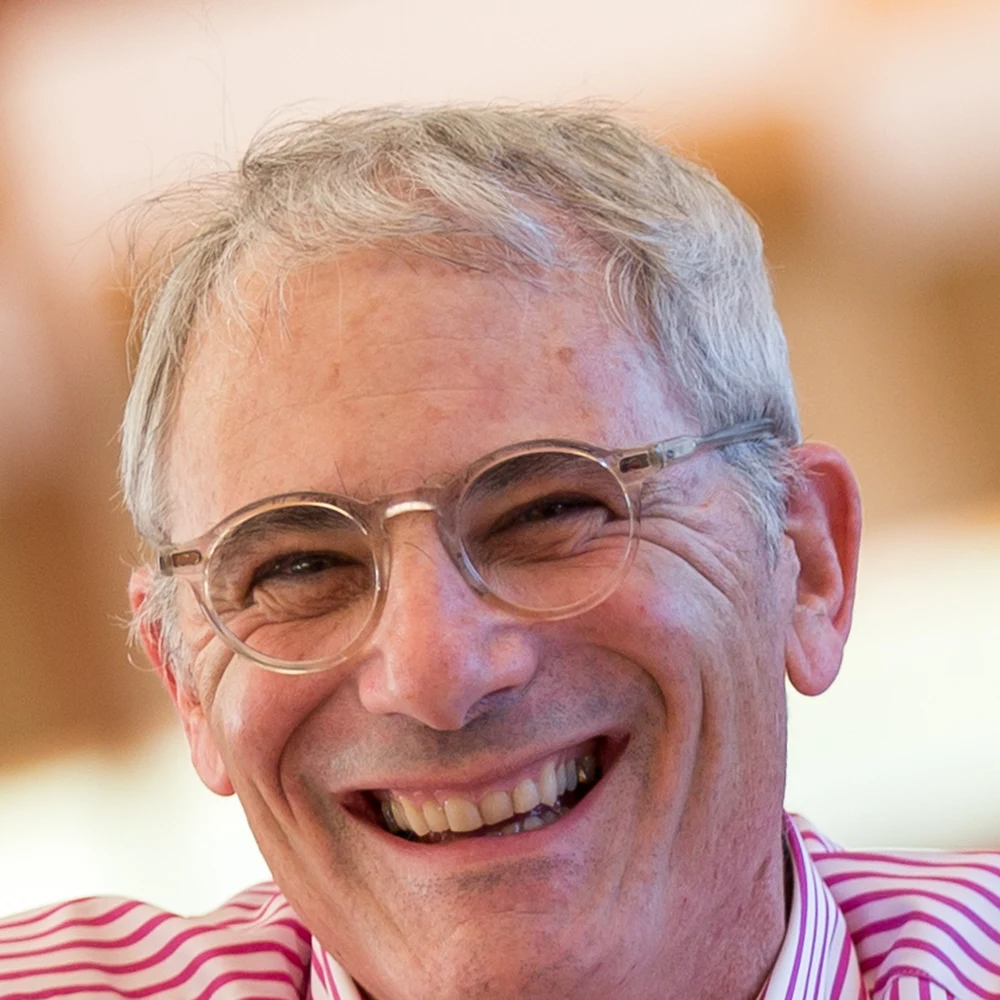
The question of what contemporary art is begs the issue of modernism. Strictly speaking, any work that is done now is contemporary; it is, in other words, modern, or our modern or current age. That in turns presumes that we are always making something new; that we live in distinct moments that we can separate out, that we are continually changing our world; and that we are making progress towards some future goal.
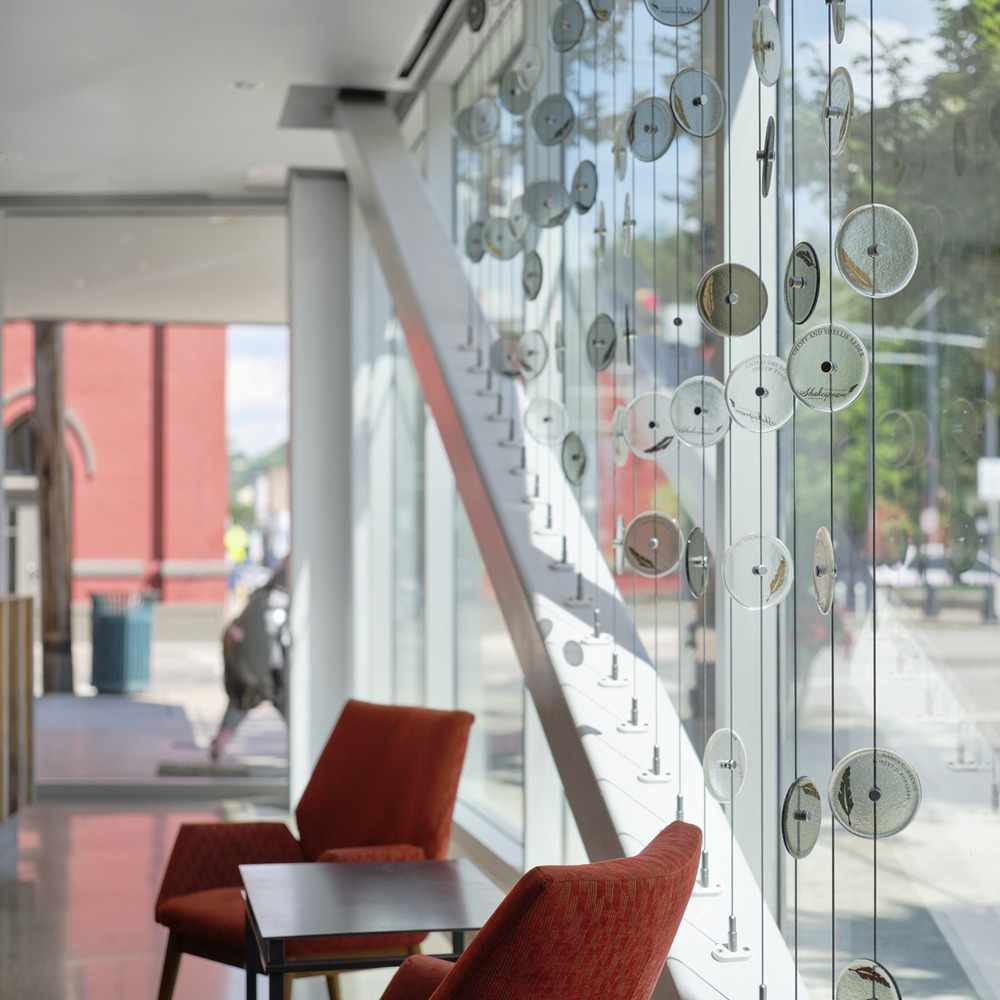
Today you are four years old. A time when you started thinking in a creative and lively way. There was no analytical thinking, no logic, just a pure unconscious mind. I suspect it is safe to say that each of you owned a box of colors. Some would call them Crayons™, but I prefer colors like a 4 year old. You probably had 12, 24, or the spoiled brat box of the 64-color assortment with the built in sharper, debuted in 1958.
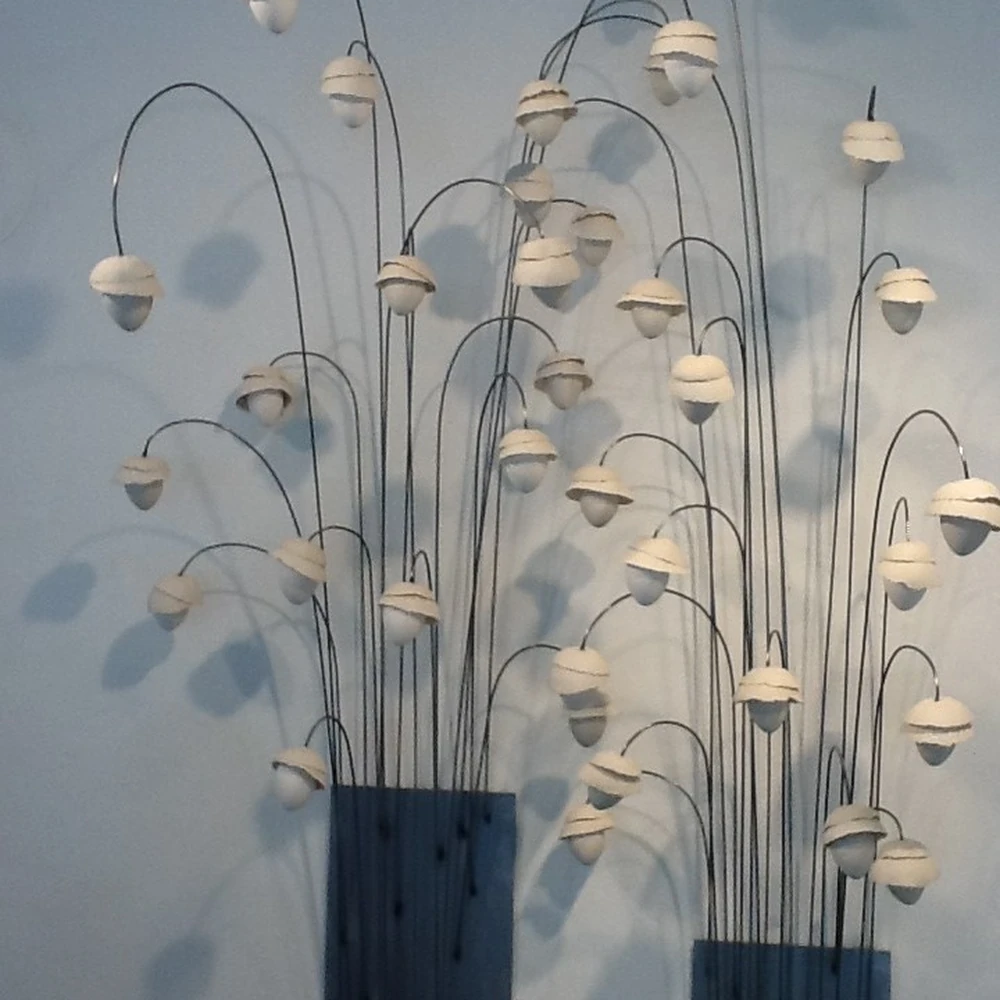
Perishable succeeds in producing a coherent symbolic experience of the human condition, at least from Shawna Gulp’s perspective. Her sense is apparently that we are fragile and perishable creatures in a natural world that is cold, hard and potentially damaging to us. While not all of us share this view, it is common enough to resonate with many.

Like pulling a tennis ball ten feet beneath the water and releasing so the molecules inside, fiercely rejecting suffocation, jet through the liquid’s surface into careless air, so does the manta ray leap with force between the waves.
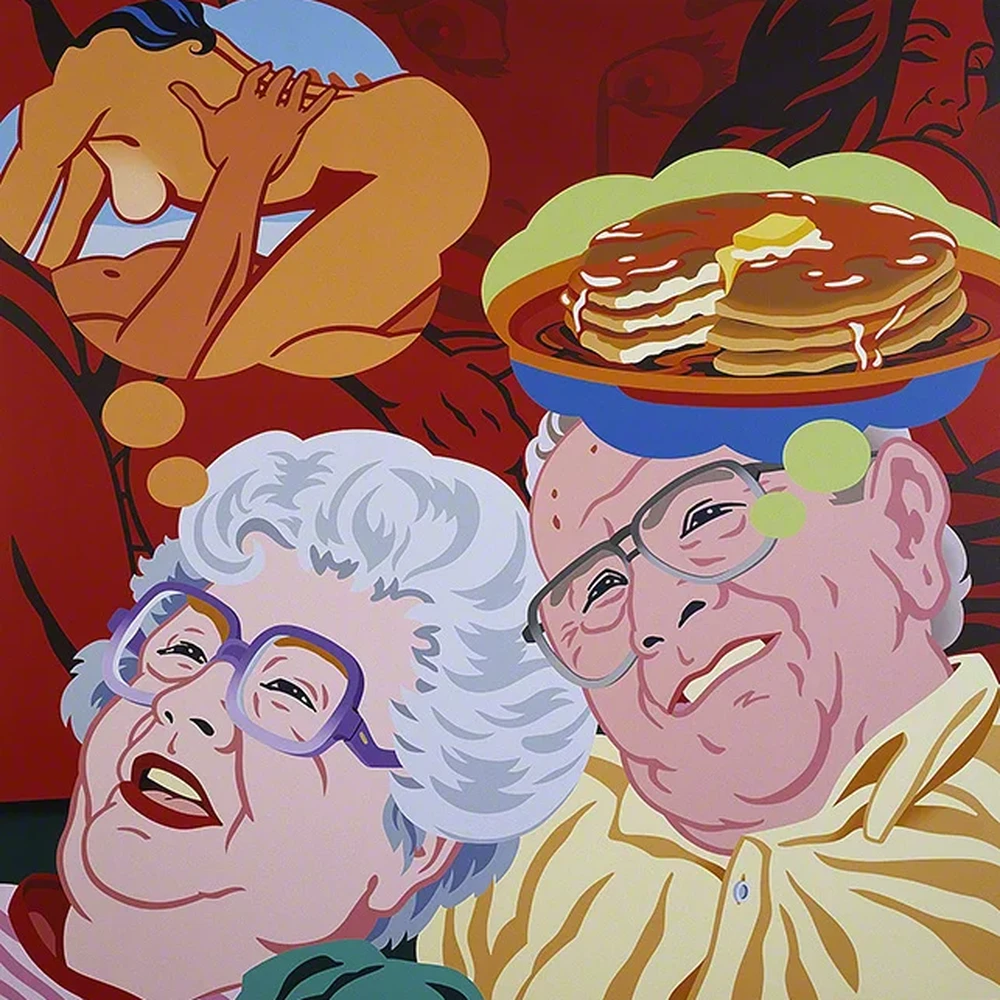
In observing the ever increasing polarization of virtually every facet of society, I’ve noticed the art world has also essentially split into two distinct camps: what I refer to, for lack of better terms, as the Conceptual and the Traditional.
