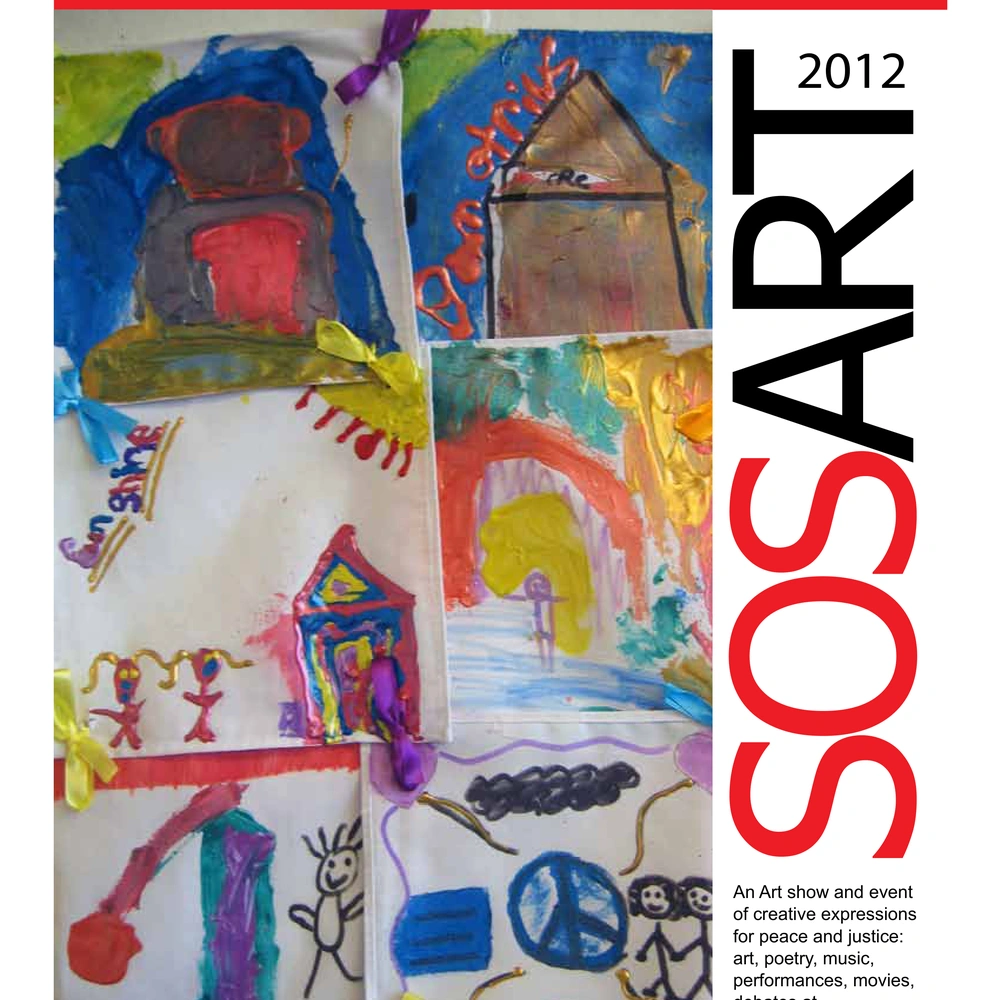
A community art show and event of creative expressions for Peace and Justice June 1 – 10 at The Art Academy of Cincinnati, 1212 Jackson St, downtown Cincinnati. Program of Events (FREE and Open to the Public).
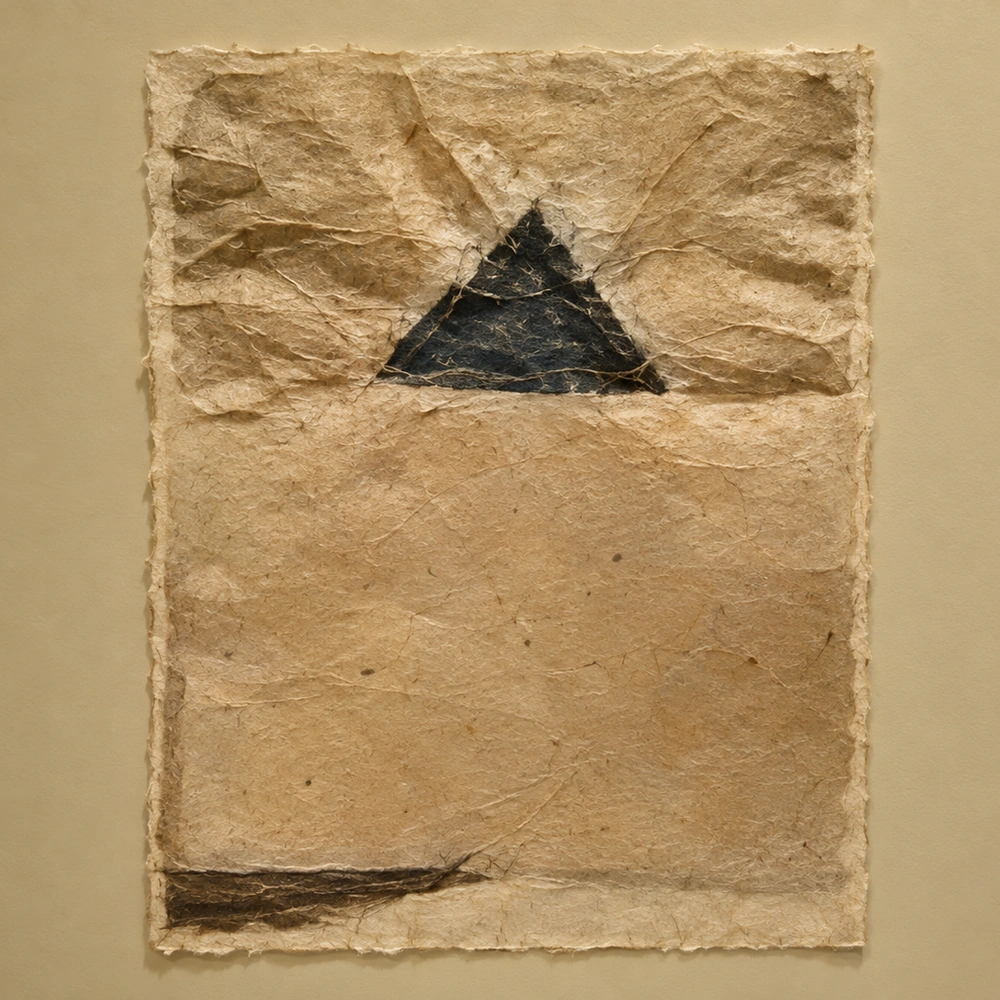
French sociologist Pierre Bordieu contended that all art functions as coded meaning for his study on art museums and their visitors in The Love of Art (1990). Differentiating between lower level of meanings – “superficial [and] fragmentary” – and higher level of meanings – which “incorporate and transform” – Bordieu maintained that both responses created some ascertainable and bodily sense of pleasure. Ultimately, he advocated...
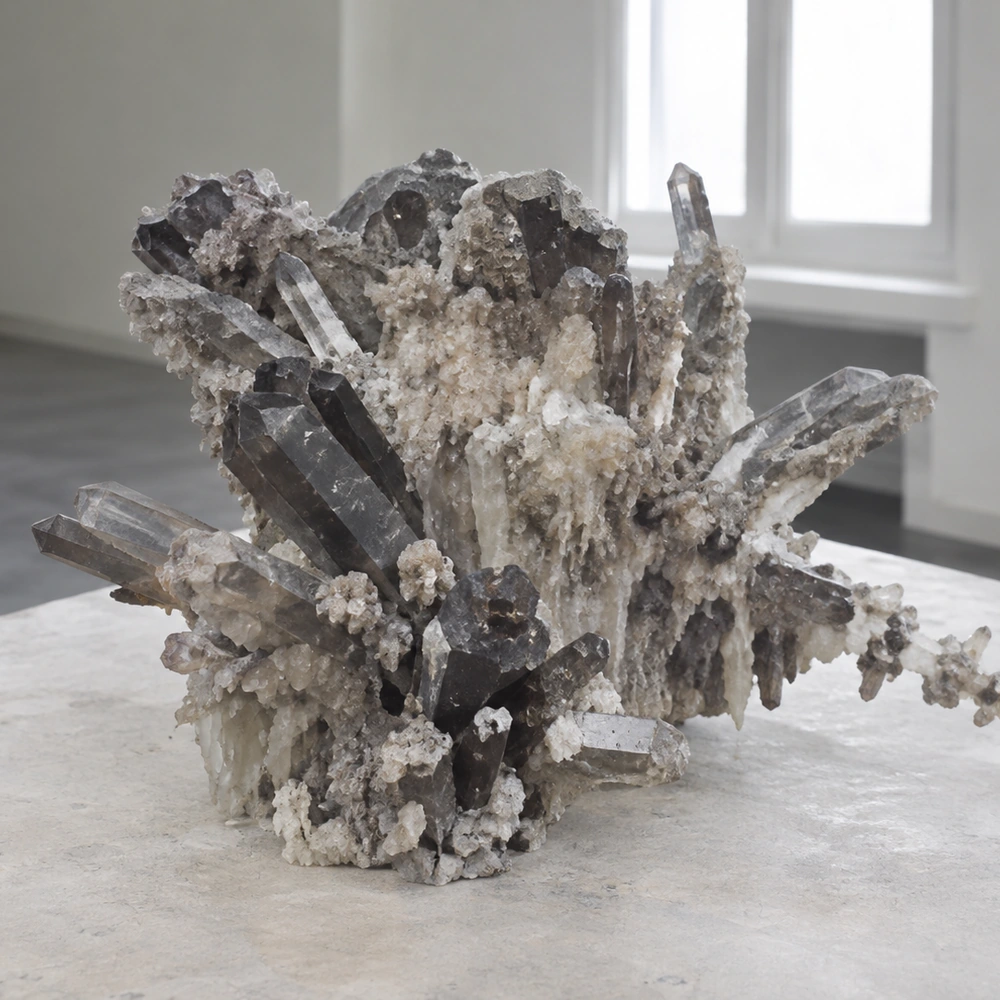
In the current exhibition of Land of Tomorrow, E.V. Day’s Pollinator Series features pink-purple grid-like projections of the flowers from Giverny onto etched glass. They were constructed using digital scans of original flower pressings. So too was Serkan Ozkaya’s David (inspired by Michelangelo), a giant gold-painted, fiberglass double-sized reproduction of Michelangelo’s David, recently acquired by 21C...
We are happy to bring you the May 2012 issue of ÆQAI, your journal of the visual arts in Greater Cincinnati. Although we are nearing the end of the art season, which runs parallel to the school calendar, there is no lessening of interesting shows or of a richness in the overall tapestry constituting the visual arts scene in our region.
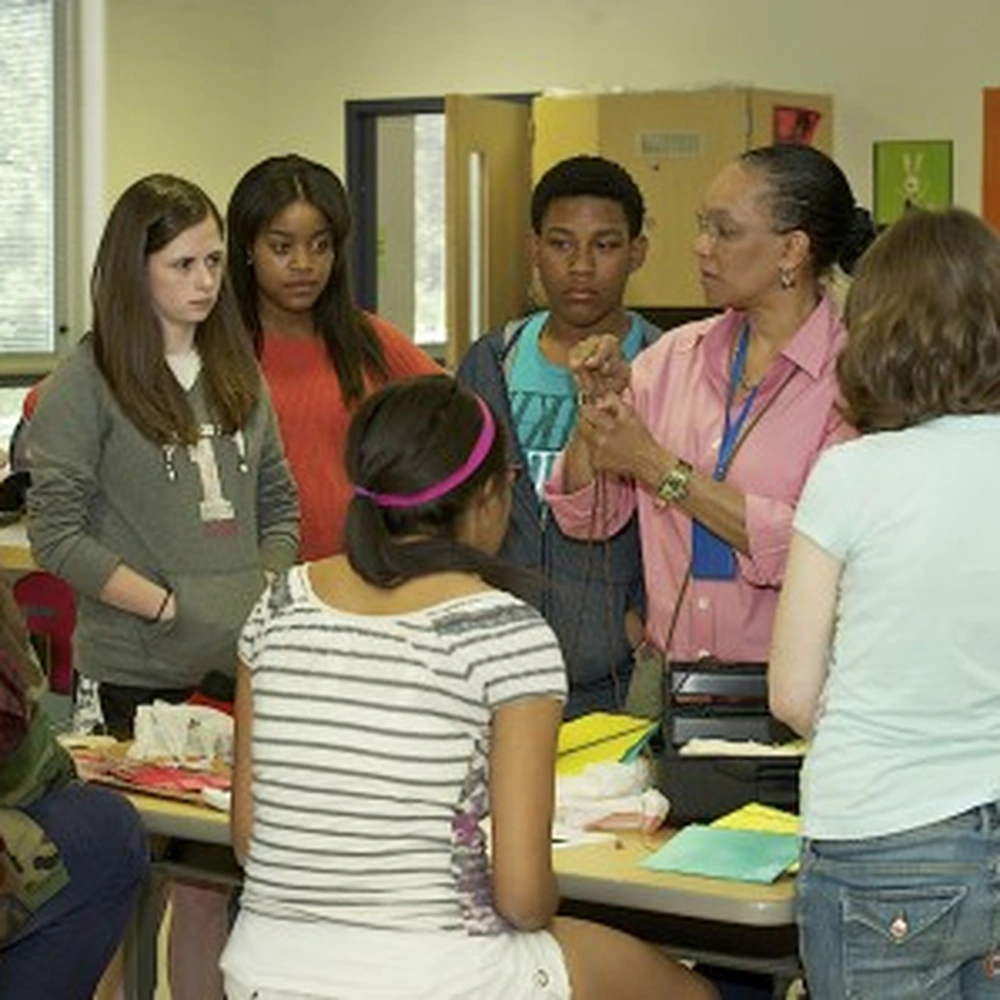
On a rainy day in Over-the-Rhine I arrive at the school. It is an odd feeling pulling over on Central Parkway alongside parents dropping off children in front of this colossal feat of modern architecture. It is not the School for the Creative and Performing Arts I grew up in and I’m nervous entering.
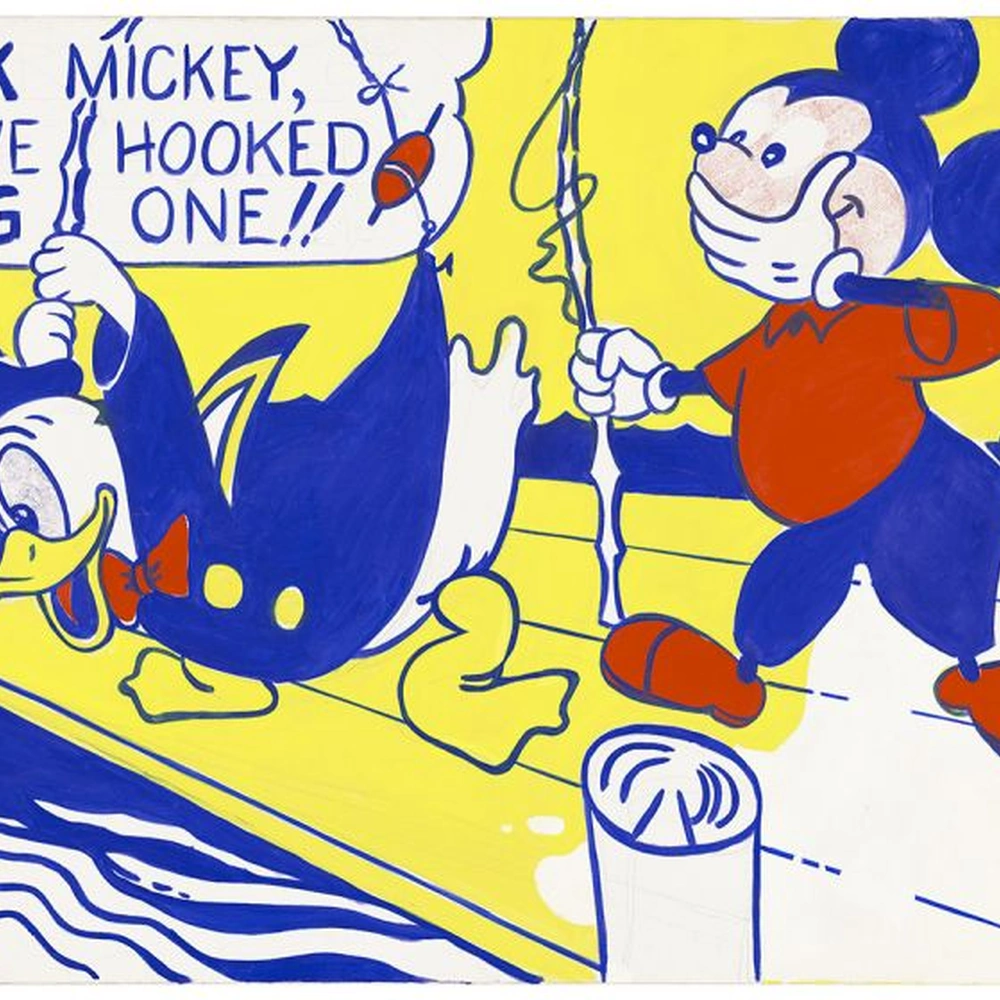
“Whaam! Bratatat! Varoom! The Art Institute of Chicago explodes this summer with the energy of Roy Lichtenstein (1923-1997) in the largest exhibition of the seminal Pop artist to date. More than 160 of Lichtenstein’s works, from the familiar to the completely unexpected, will be on view in the first of only two American venues for Roy Lichtenstein: A Retrospective.” 1 This retrospective is of such eminence, it travels...
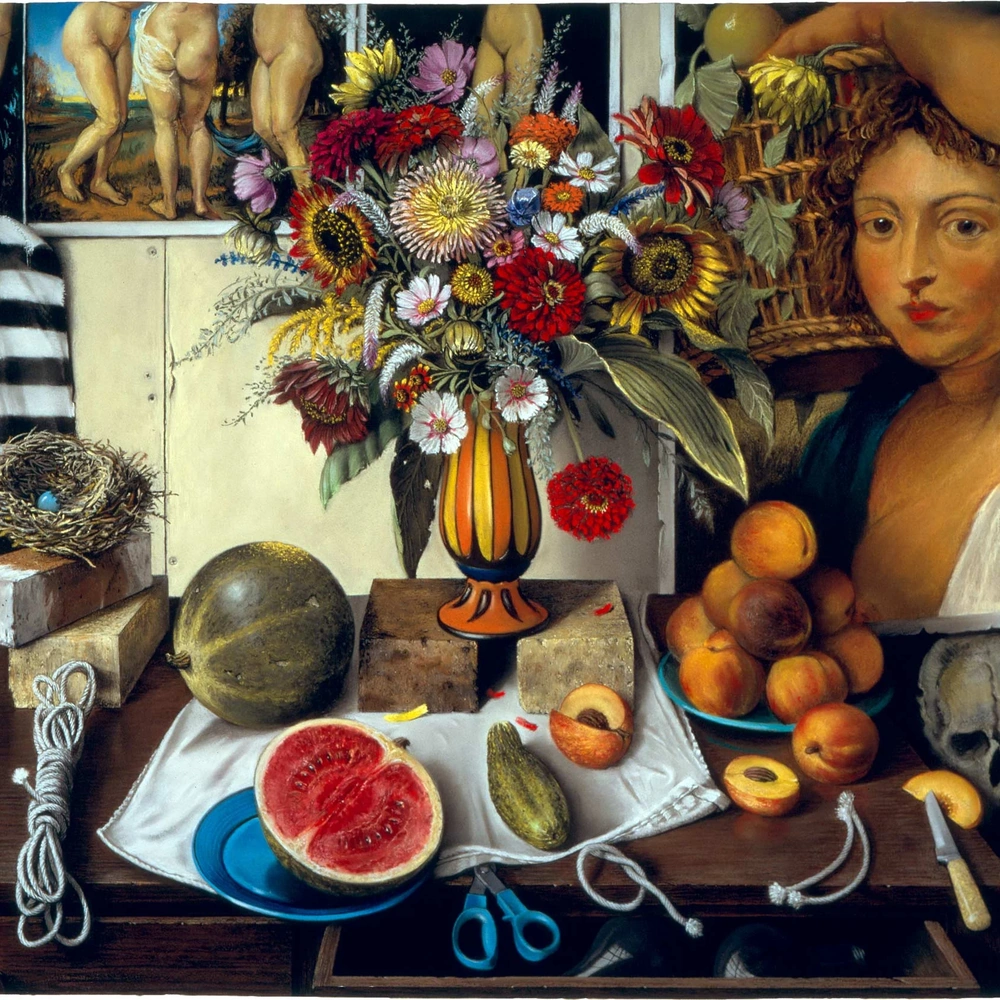
Still life is the most problematic—and most abstract—of genres, as the paintings seem to lack the grandeur associated with landscapes or with figures that can assume allegorical or mythological-religious resonance. Because the objects depicted are taken from ordinary life, however, they intimately speak to our daily existence and to our interior lives...
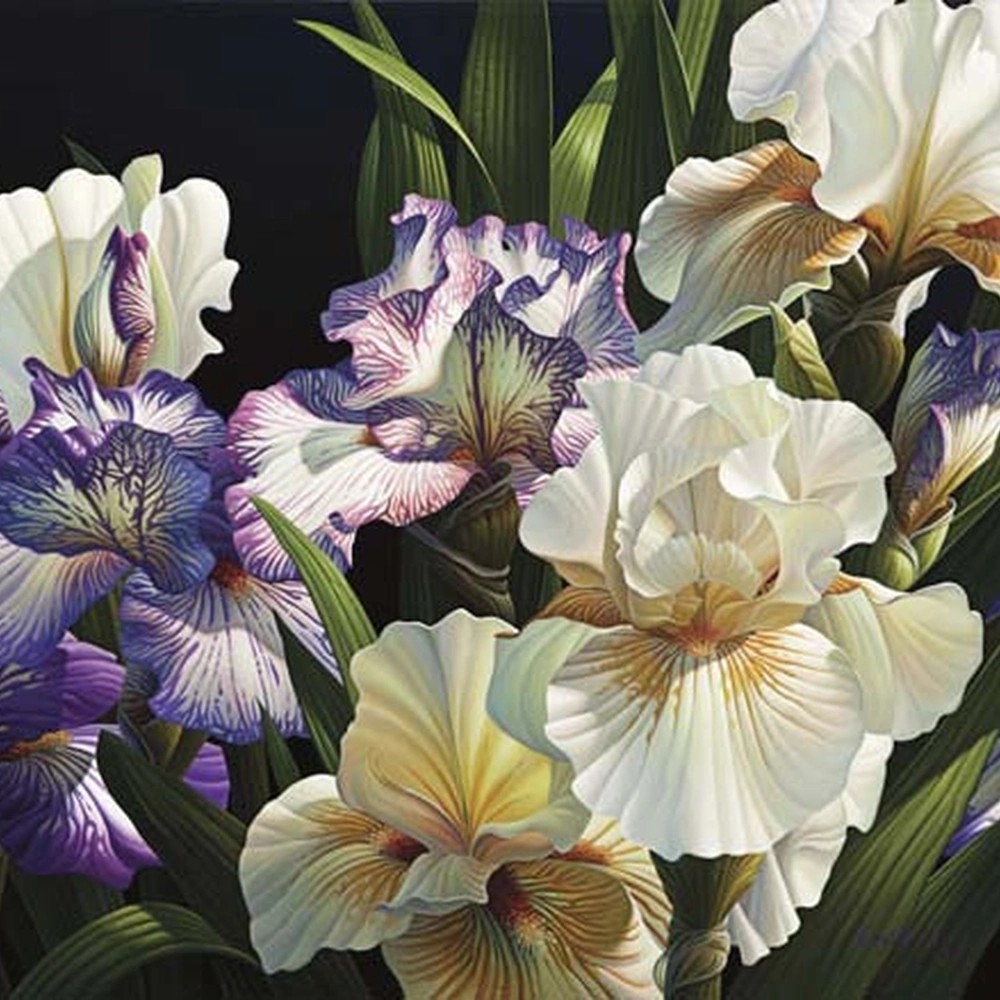
The Bible tells the story of Adam and Eve (mankind) expelled from the Garden of Eden for picking fruit from the tree of knowledge. Katie St. Clairʼs, The Hierarchy of Living Things gives us little comfort in whatever knowledge we have gleaned from that singular fruit. Here, naked as the day she was born, a young woman crawls and feeds in a flower bed like some voracious beast...
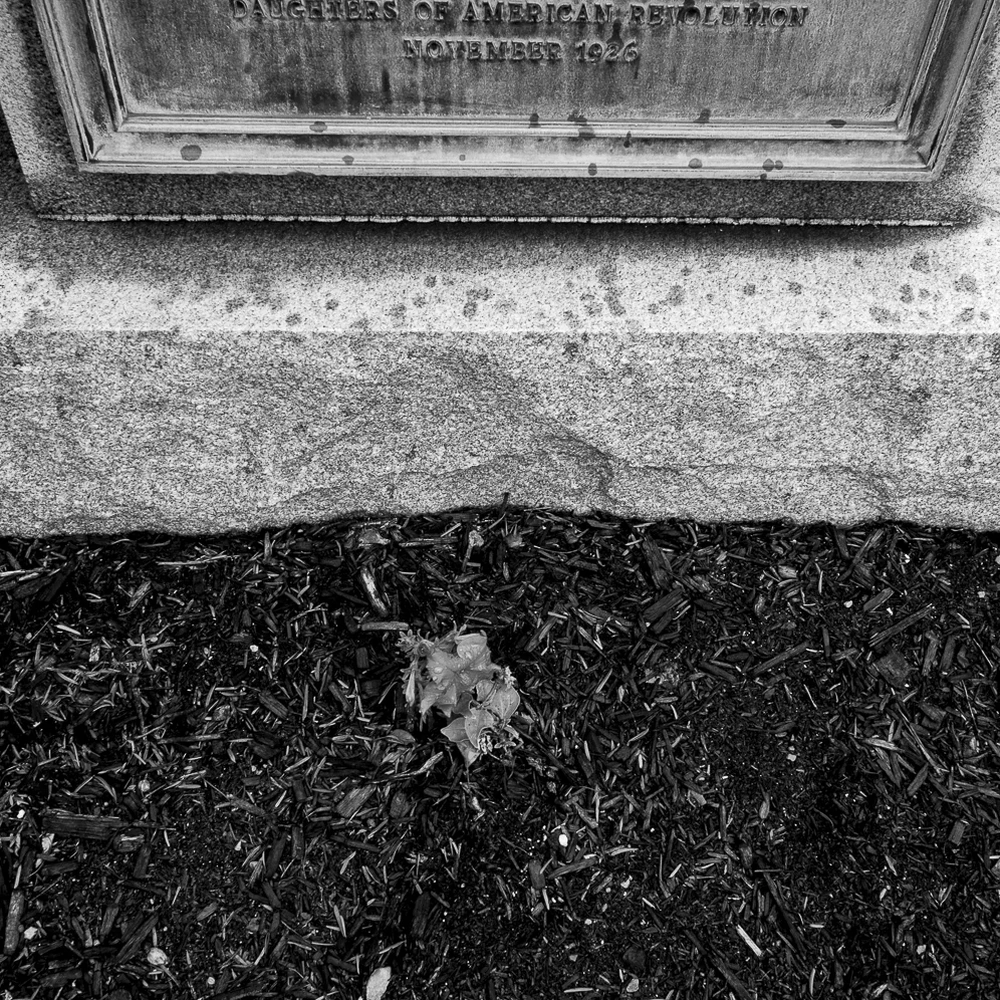
In the exhibition “Ohio to the White House,” appropriately at the Taft Museum of Art, Matthew Albritton has documented the birthplaces and boyhood homes of the seven Ohio-born presidents. Their terms account for half of presidential service between 1869 and 1923. During that time only three presidents hailed from outside the Buckeye state.
