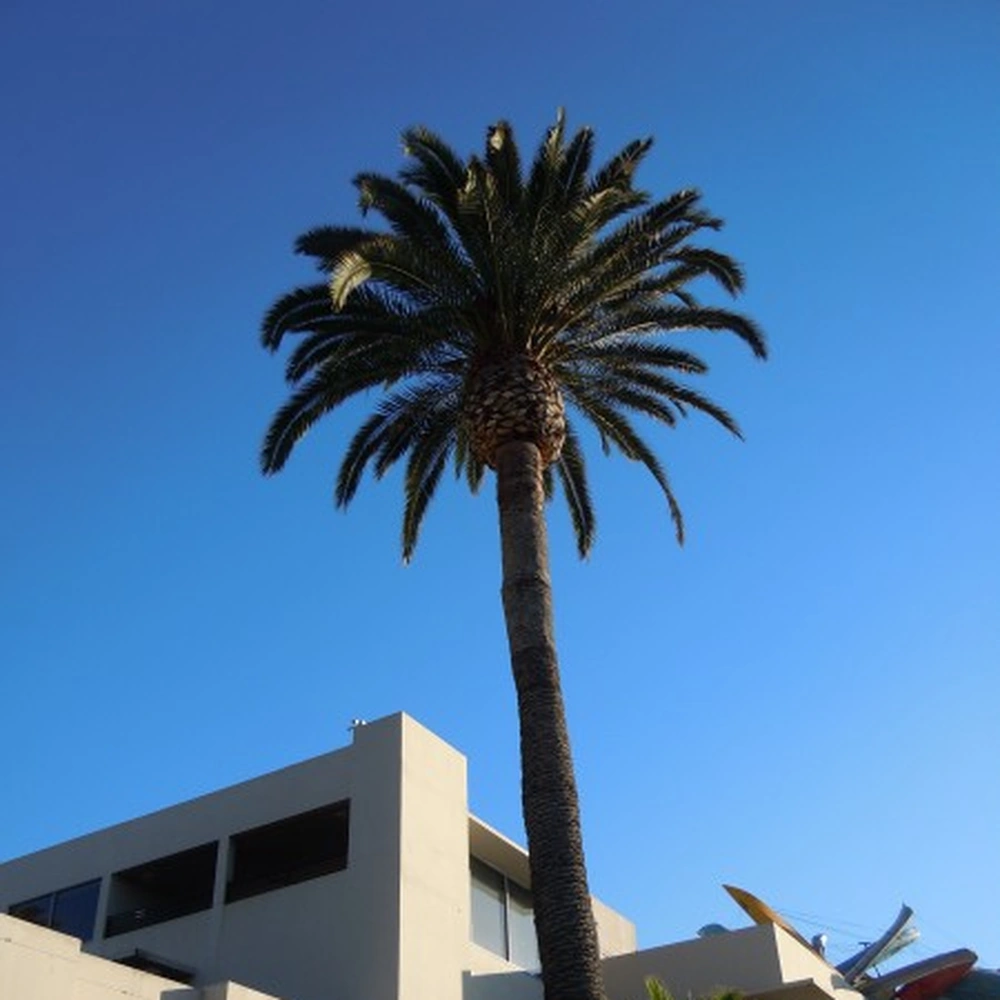
Our Debt to the West Coast:
Pacific Standard Time: 1945-1980
“An unprecedented collaboration of more than 60 cultural institutions across Southern California coming together to celebrate the birth of the L.A. art scene.”[1]
Visiting L.A. is like a review of your whole life. Driving around greater L.A. in traffic much less crazy than my hometown Chicago, mind-surfing images of hotrods and humming Beach Boys tunes, seeing...
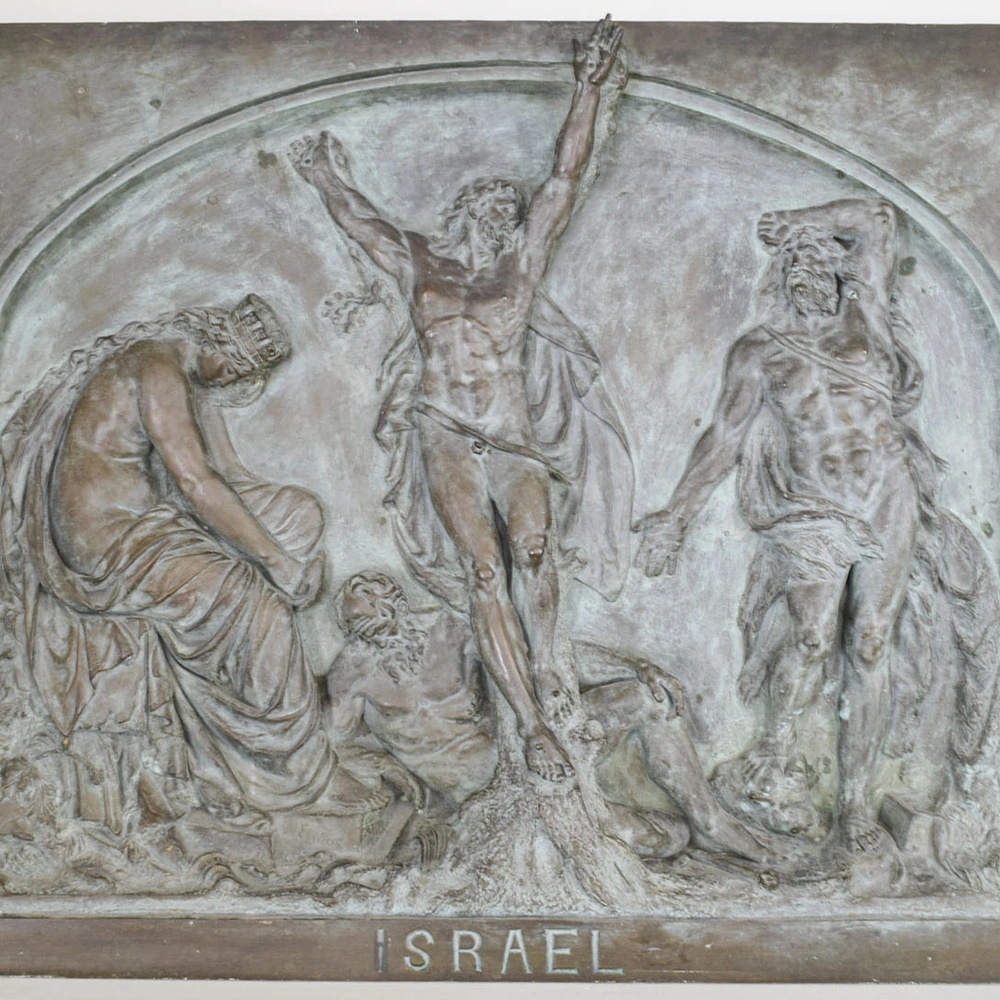
The Hebrew Union College-Jewish Institute of Religion, home of the Skirball Museum, was established in Cincinnati in 1875, due primarily to the efforts of Rabbi Isaac Mayer Wise, who was responsible for the organization of the College’s founding body, the Union of American Hebrew Congregations. In the mid-1850s Wise moved to Cincinnati—a city which already hosted a significant German-speaking population—as part of the...
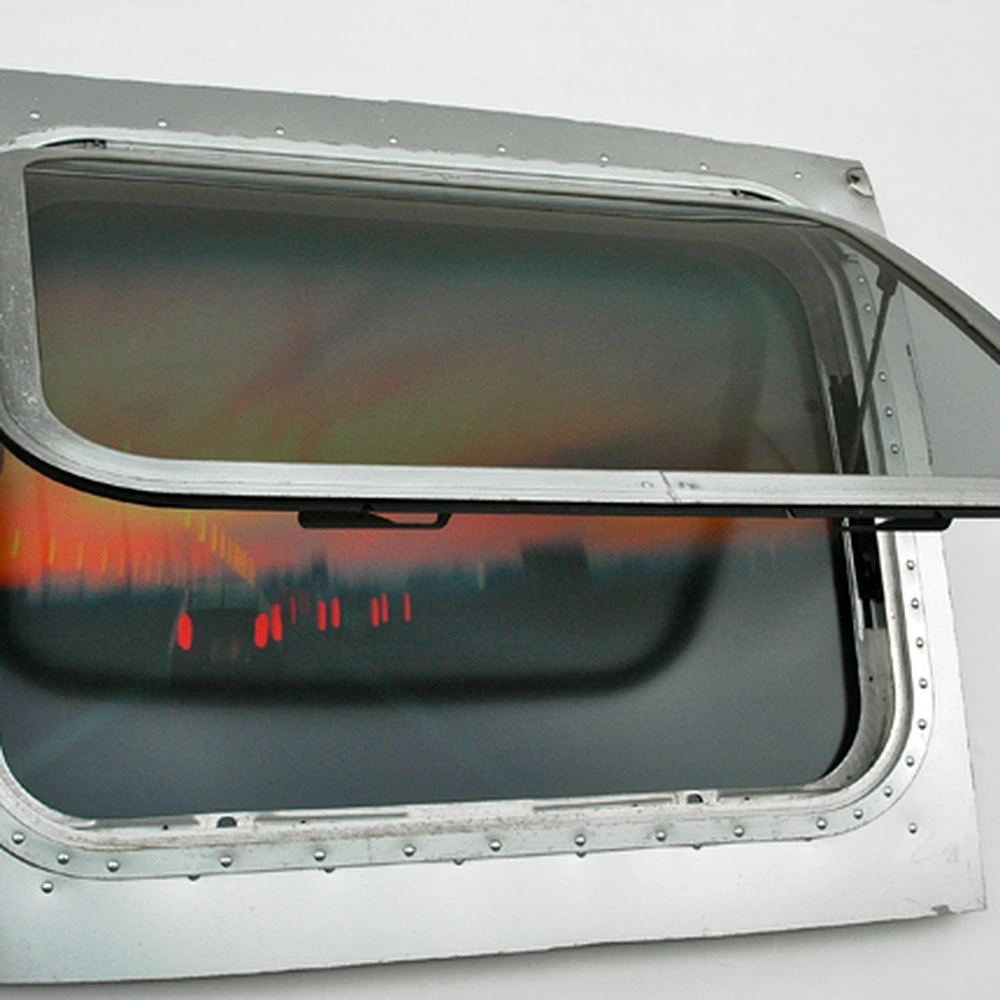
“The Bambi [Airstream model of 1960] is a machine for living and traveling, the sort of industrialized, rationalized vessel that had long been the dream object of modernist architects, from Le Corbusier to Buckminster Fuller.” – Christian Larsen, curatorial assistant, MOMA. [1]
The aluminum-clad Airstream travel trailer conjures up a virtual cavalcade of nostalgic American archetypes, like some sort of space age prairie...
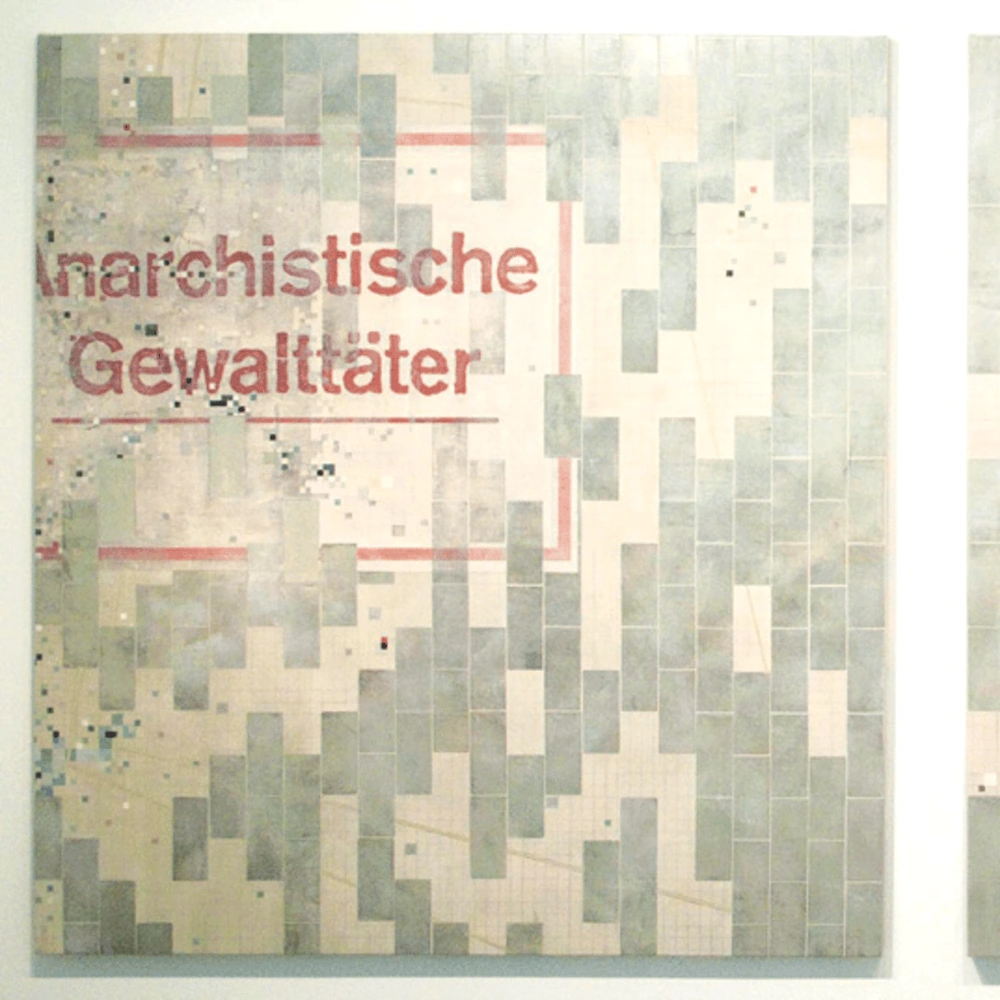
Joseph Winterhalter’s show “The Revolution Says:” at Clay Street Press, presents a portrait of a contemporary American society lacking political will and stifled by emotional inertia. He presents two large paintings on canvas, a series of small sculptural paintings, a wall sculpture of hand made tiles, and some lithographic prints. When listed this way, the work sounds formal, and one might expect a certain sensual experience...
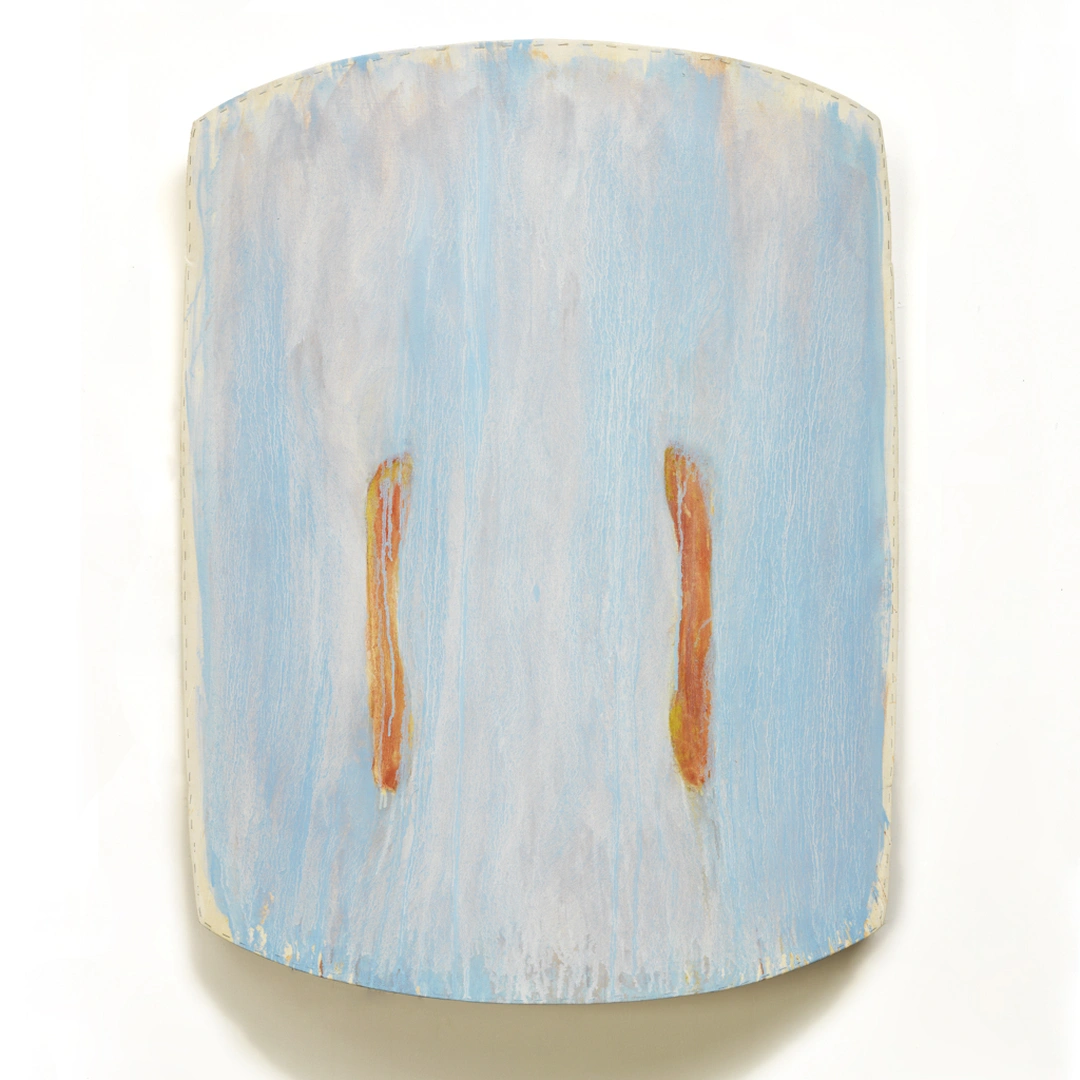
This is the third in a series of a quarterly letters, which will cover painting shows in greater New York.
Paintings shouldn’t simply be seen, they should change the viewer, suspend him or her in an altered moment. Although this is the hope each time a visitor enters a gallery, it is a rarity. A recent visit to exhibitions by Adolph Gottlieb, Ron Gorchov, and Douglas Florian proved one’s sense of time and place can, indeed, be altered...
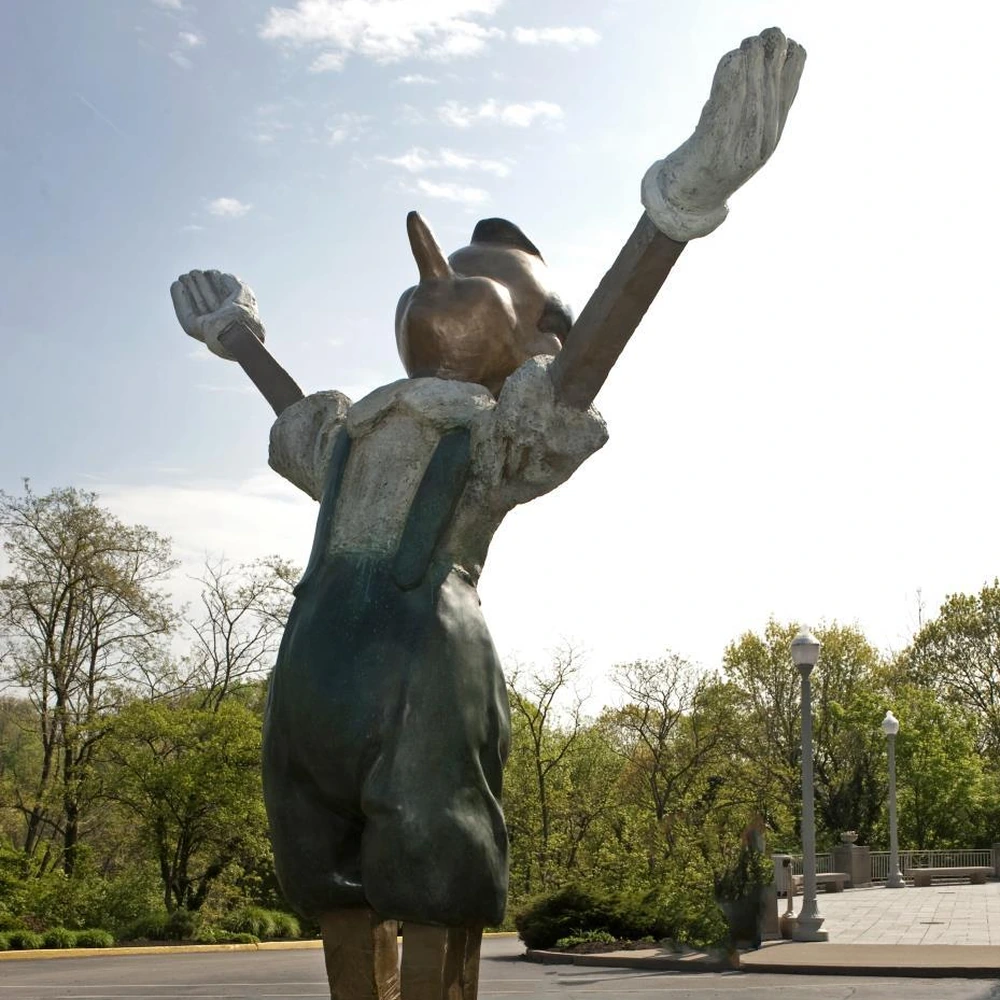
With his new bronze sculpture, “Pinocchio (Emotional),” a scary-monster/sweetie-pie welcoming people outside the Cincinnati Art Museum, Jim Dine conjures a lot of pop-culture ghosts and nightmares while also paying homage to the original 1883 children’s novel, The Adventures of Pinocchio by Carlo Collodi. The statue is imposing, and the glazed patina of it harkens back to Rodin. High art glosses low, but also an eccentric...
