THE

ANNEX

updated

aeqai archives

September | 2011

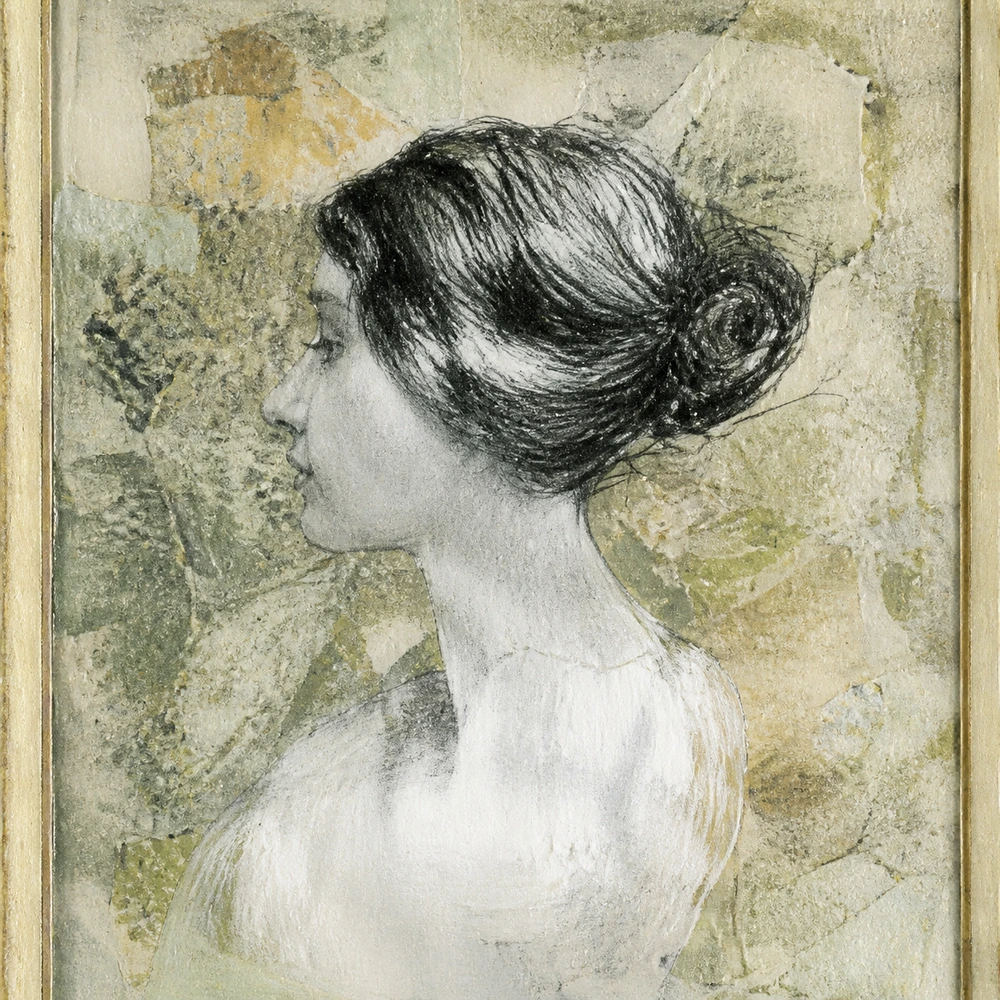
A hand writing a letter beside art postcards. Conceptual image inspired by the article; digitally generated.
September 21st, 2011 | By Victoria Harris

Letter to the Editor- Kudos from New York

I am a New York resident who counts myself fortunate to receive AEQAI. Your latest issue is truly amazing in its scope, made even more remarkable when you consider that it is produced entirely gratis. Every artistic organization in America should study AEQAI at this time of massive declines in public support when paid staffs and publications are bottom-line victims.
Painters’ Table homepage, accessed August 2026. Contextual image from painters-table.com.
September 17th, 2011

The Painter’s Table

The Painter’s Table, a blog which covers painting exhibitions nationally, has chosen four of AEQAI ‘s columns in four months: Sheldon Tapley’s review of the Weston Gallery; Cole Carothers’ essay on Gerhard Richter; Alan Pocaro’s review of a painting show at the Phyllis Weston Gallery; and most recently, Kim Krause’s essay on Philip Guston in the current issue.
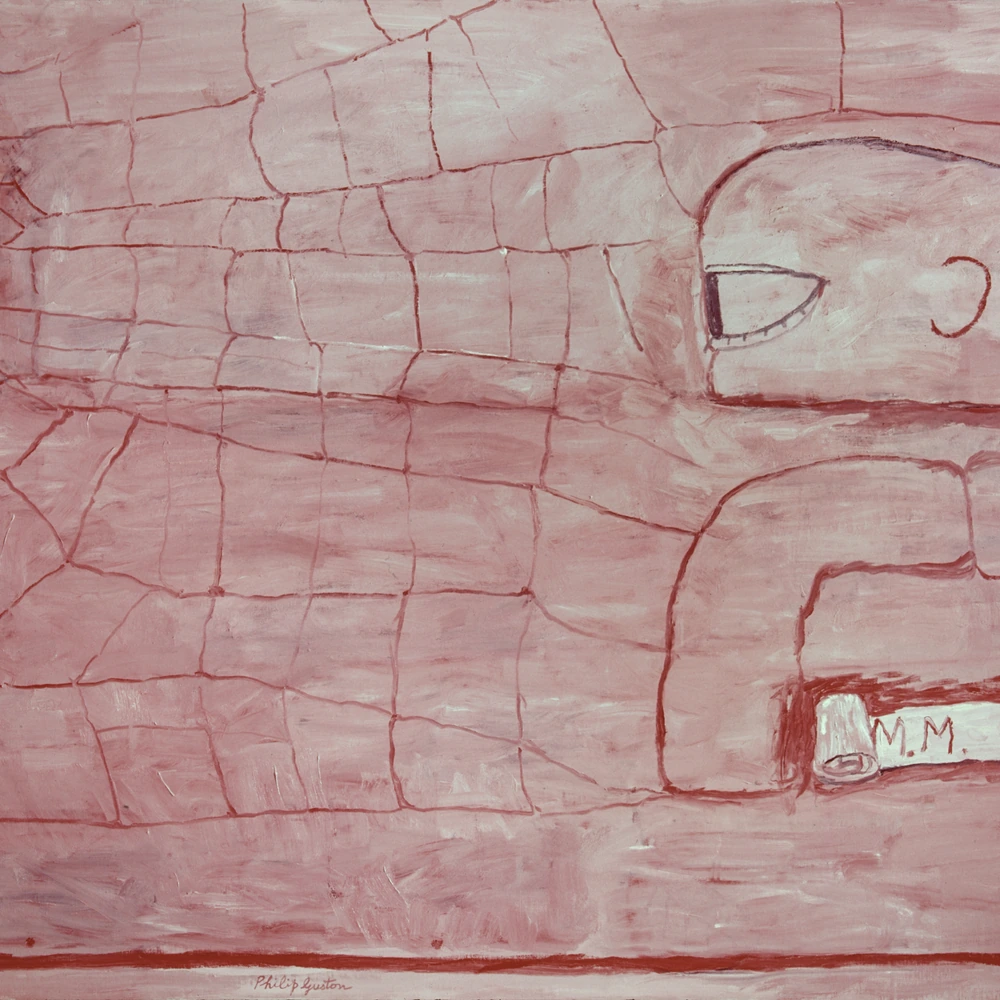
Philip Guston (American, 1913–1980), Signals , 1975, oil on canvas, 69 × 99 in. Cincinnati Art Museum, Bequest of Musa Guston, 1992.333.
September 15th, 2011 | By Kim Krause

Philip Guston’s Recklessness

“One morning, my wife, after the rain, pointed out a spider that was making a marvelous web, so I started doing a number of web pictures with my wife and myself, and a lot of paraphernalia caught in the web. . . . It’s a terrible corny idea, but what can you do? It led to a whole series of paintings with both of us caught in the web. It felt good making a web eleven feet across.
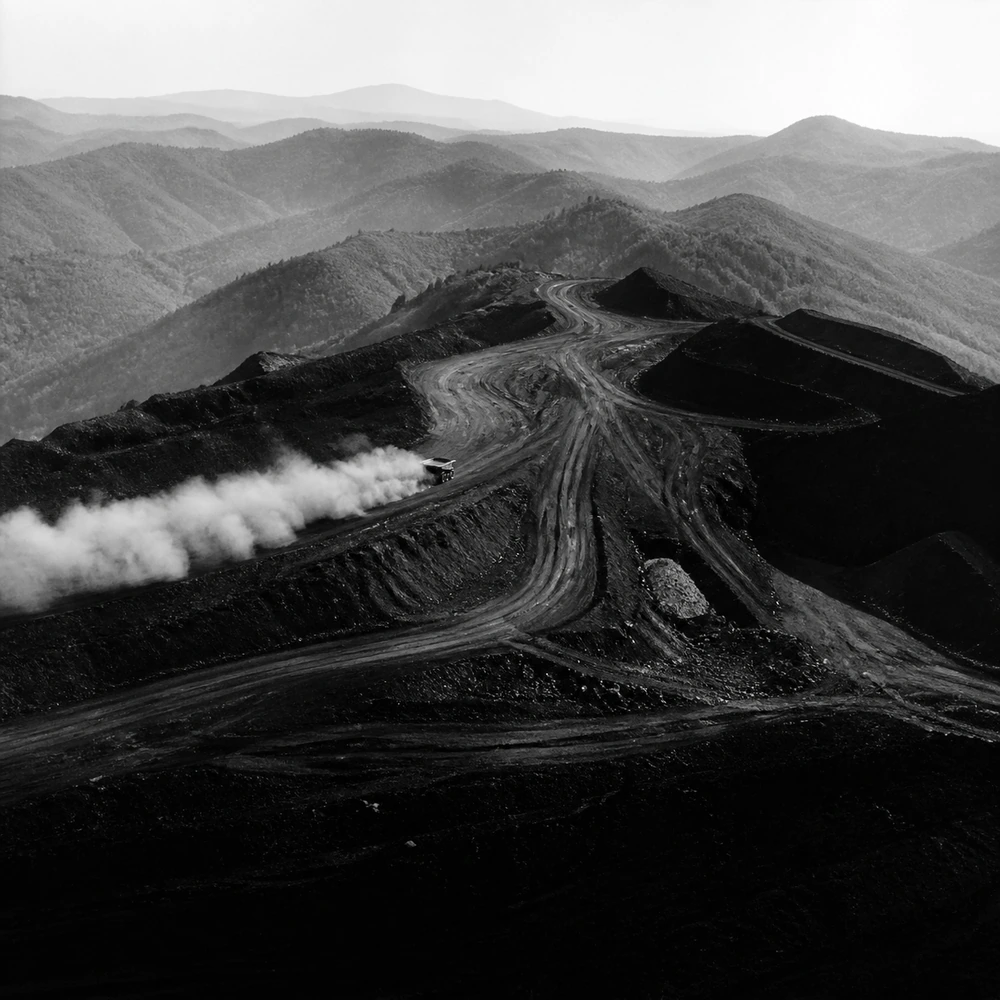
Gordon Smith, Dump Truck Dust, Perry County, c. late 1990s. Silver print, 16 × 20 in. Photo courtesy of Gordon Smith. Digitally enhanced.
September 15th, 2011 | By Karen S. Chambers

Presages: Gordon Smith’s Kentucky Coal Country Photographs

Gordon Smith’s (b. 1952) black-and-white photographs of Kentucky’s coal mining country and its people are disturbing documents of hardscrabble life. His images tell the story of the miners and their families who endure the crushing poverty that forces them to destroy their very environment to survive. A part of the photographic tradition of social commentary, Smith began this powerful series in 1994.
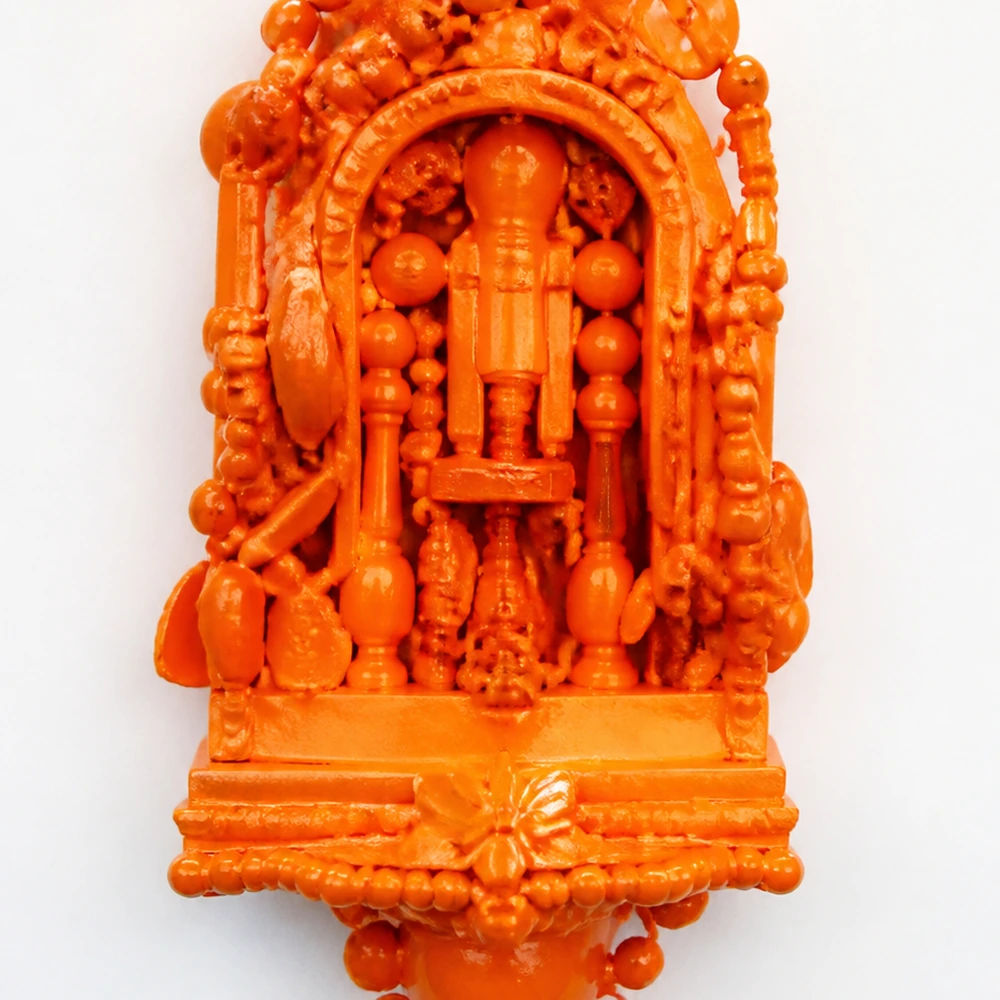
Rondle West, “Daydream of the dead”, 21 × 48 in. Digitally enhanced.
September 15th, 2011 | By Keith Banner

PLASTIC HYPERBOLE: Rondle West at the Carnegie

Rondle West’s Pop-Rococo universe is something to behold.  He is a maximalist working with miniatures, creating visual flourishes and earth-bound chandeliers out of thrift-store cast-offs, knick-knacks, dolls, action-figures, and whatever else lands in his aesthetic ballroom/landfill.  He does not seem to know when to stop and yet each of his sculptures feel perfectly edited and extremely finished, thanks to their monochrome...
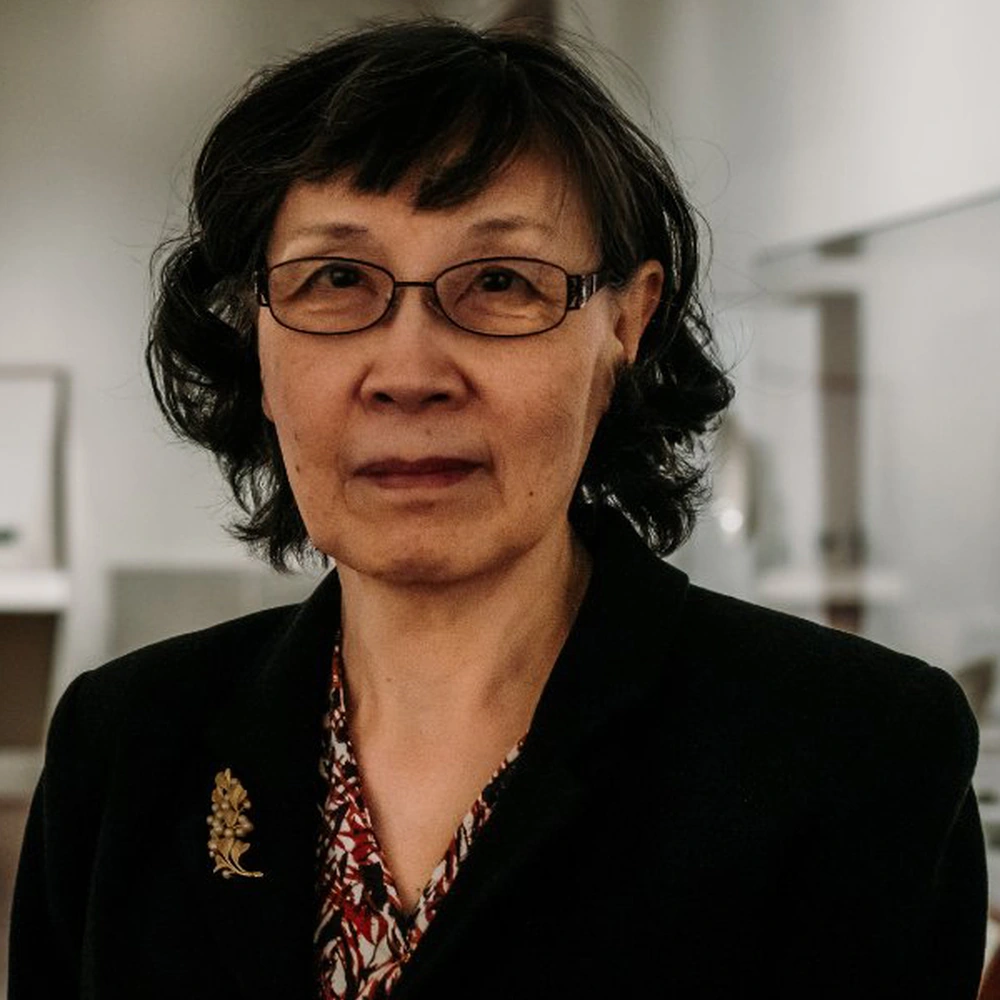
Dr. Hou-mei Sung, curator of East Asian Art at the Cincinnati Art Museum.
September 15th, 2011 | By Cynthia Osborne Hoskin

Bridge to Asian Art – Dr. Hou-mei Sung

Dr. Sung has served as the curator of Asian art at the Cincinnati Art Museum since 2002. In her 2009 show, Roaring Tigers, Leaping Carp: Decoding the Symbolic Language of Chinese Animal Painting , Dr. Sung drew on ten years of research to present more than 100 paintings that illustrated the use of animal symbolism in Chinese art. China has the longest recorded history of any culture, and even the most cursory look at the art...
Ester Wilson, After Sargent, mixed media on wood block, 10 × 10 in. Digitally enhanced.
September 15th, 2011 | By Laura Partridge

The Art of Daily Reflection

When I talk to people who don’t think they know very much about art, I say, “Just look. What do you see?” If someone can tell you what they physically see, and then stop to think about how it makes them feel—that’s really at the heart of any experience with art regardless of how much art history you know.
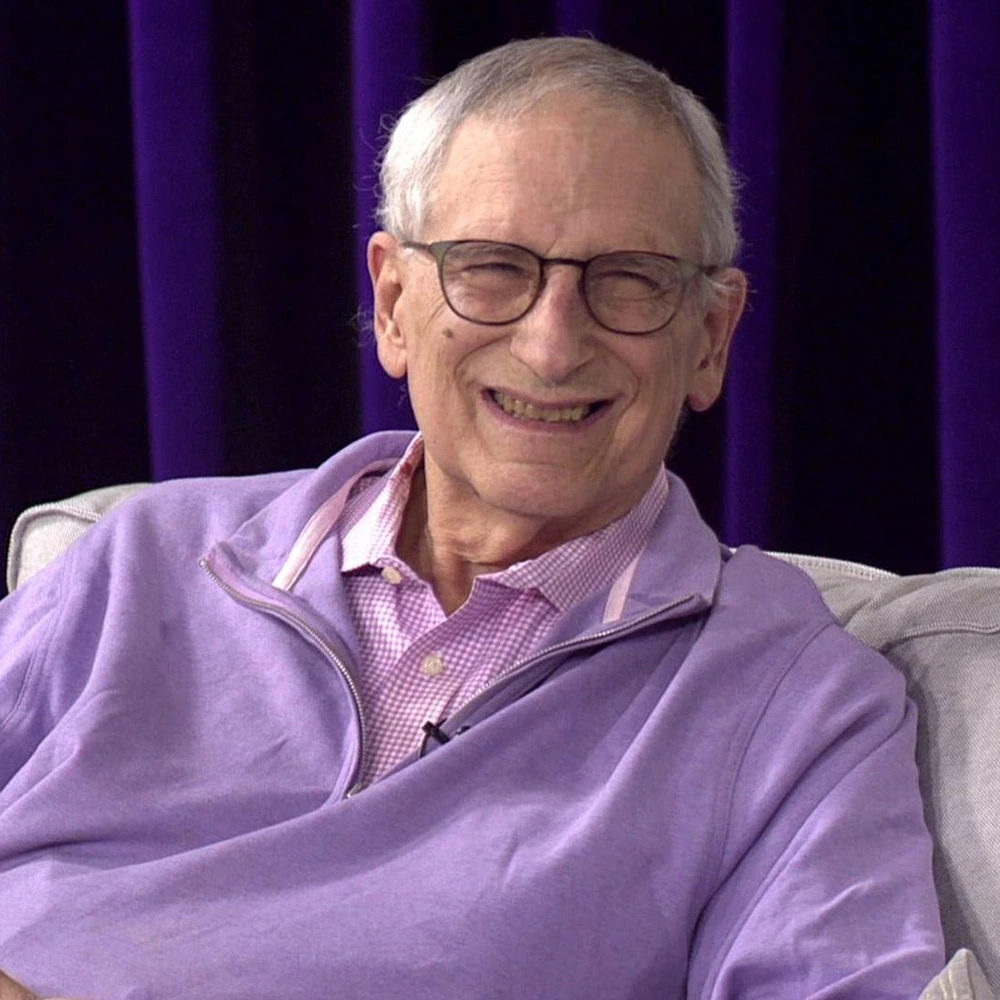
Daniel Brown, editor of AEQAI, during an interview with Barbara Kellar.
September 15th, 2011 | By Cynthia Osborne Hoskin

Second Chat With the Editor – “Self Expression is a Form of Narcissism”

Daniel Brown, AEQAI editor, is a writer, internationally known art critic, collector and curator, a positive stickler for clarity and above all, the objectivity that comes from true literacy. This is objectivity that flies in the face of what he sees as the present American preoccupation with “self”. Brown feels that this is a big issue in literacy in general. He says that somehow, starting in the 70’s the “me” generation...
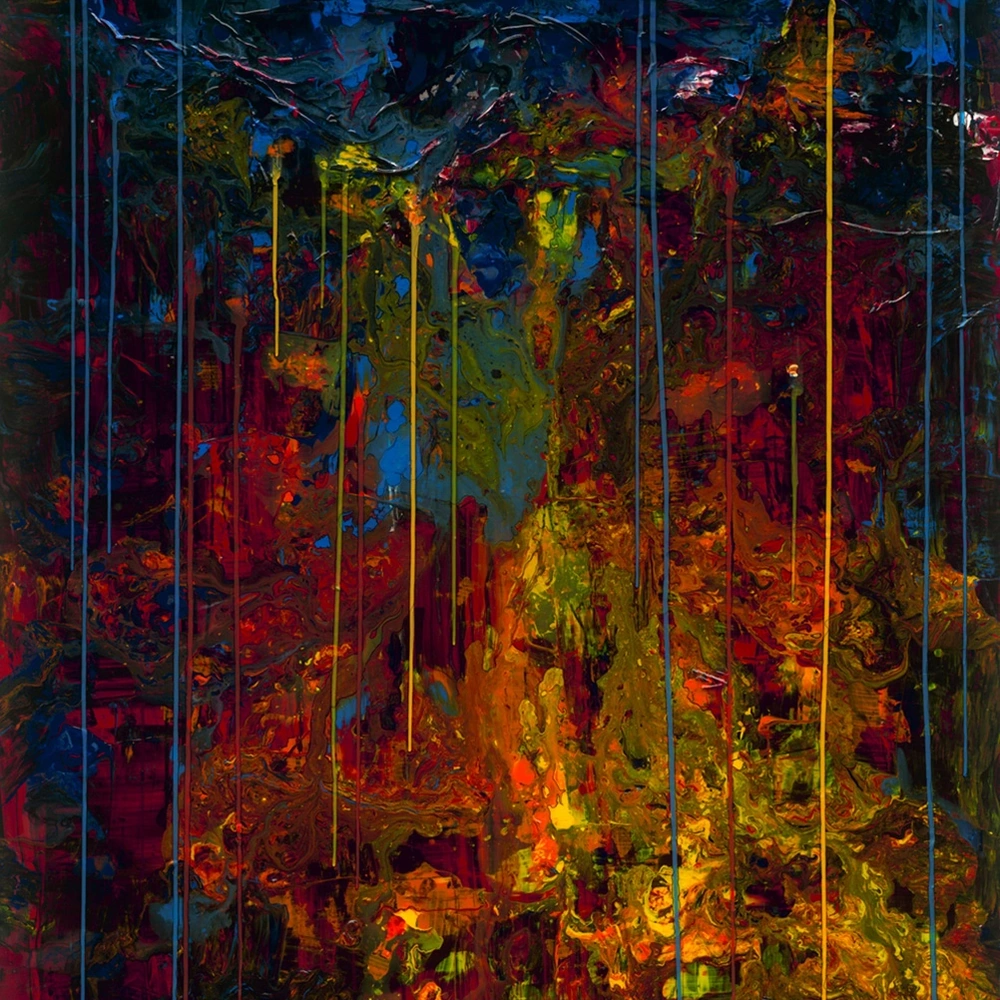
Jason Zickler, EEI (Elevated, Expansive, and Irritable).
September 15th, 2011 | By Jane Durrell

Glass Ceiling? Guess Not

The paintings that mark a gradual return to across-the-board contemporary art at Marta Hewett Gallery, where glass objects have held the floor, are themselves almost glass-like. Jason Zickler’s labor-intensive works with their dense layers of clear, cured resin and paint gleam in a celebration of colorfor its own sake but hold in their depths delineations by line as well.