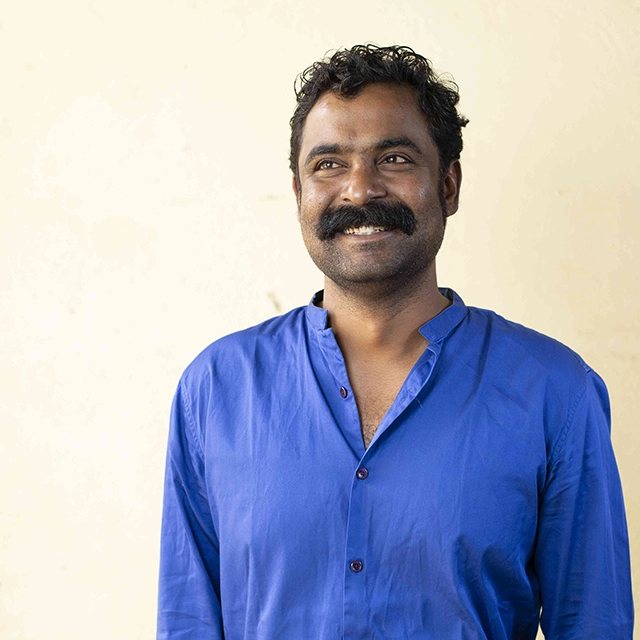
A few weeks ago, I visited Snakes and Ladders, the endearing exhibition by Sheida Soleimani at the Contemporary Arts Center in Cincinnati. What struck me most was the meticulous care with which she constructed the settings that would provide a specific frame for the subjects of her photographs. I had the impression that she did not want to leave anything to chance...
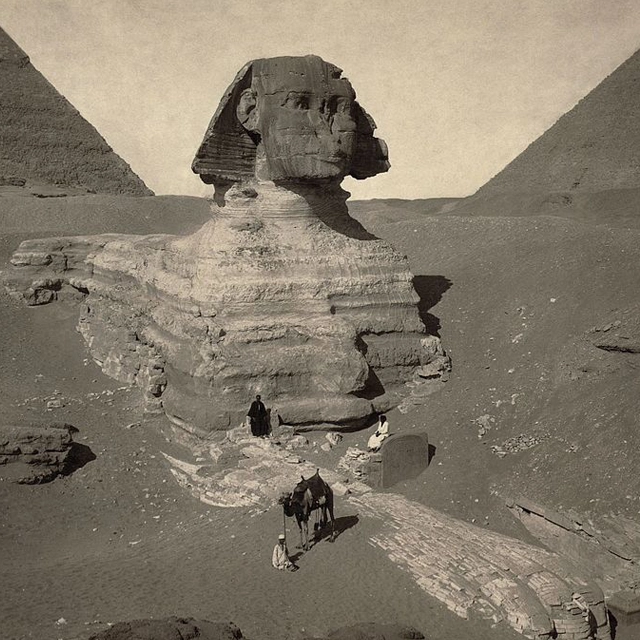
It’s not going to happen, of course, but let us imagine that, suddenly, the Egyptian people —not in an Arab spring but in an Arab autumn— decide that their past is shameful, that all its physical evidence, its traces and monuments, must be erased. They rush with torches along the western bank of the Nile —the shore of the dead: Giza, Saqqara, Luxor, Thebes, Abu Simbel— in a near-telluric frenzy of destruction, intent on rewriting history from the point of view of the oppressed, of those first laborers, bakers, and scribes
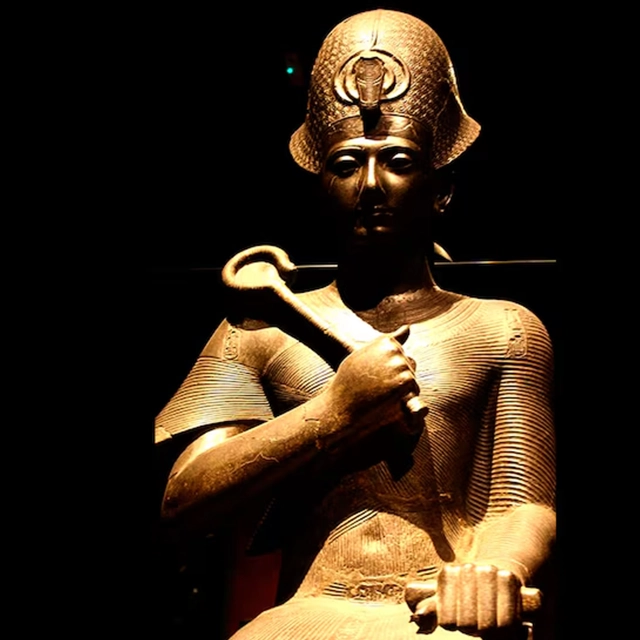
In 1992 I was very hungry. Not appetite—hunger. Cuba was enduring what was possibly the darkest year of what the government called the “Special Period in Time of Peace.” That was how President Fidel Castro named it in his televised addresses. For the weight of his words, for the absolute finality of every decision, he could be considered a pharaoh—and in some way, he was. That same year, the Egyptian government officially announced the project to build a new Grand Museum, meant to relieve and update the aging Egyptian Museum in Tahrir Square.
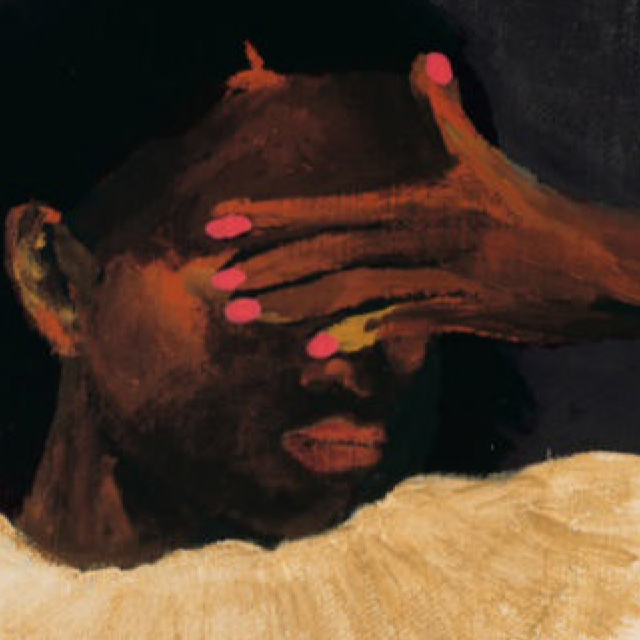
Day after day, I browse through a handful of publications that, either in their entirety or in their cultural sections, comment on the most significant events within the visual arts. They form the main source of my modest archives. At times I come across striking images that merely illustrate an article; fortunately, when the magazine is a serious one, the caption provides all the essential data. Yet beyond the excellence of the work itself, it’s worth asking, every so often, whether—as illustration—it’s truly a fitting choice.
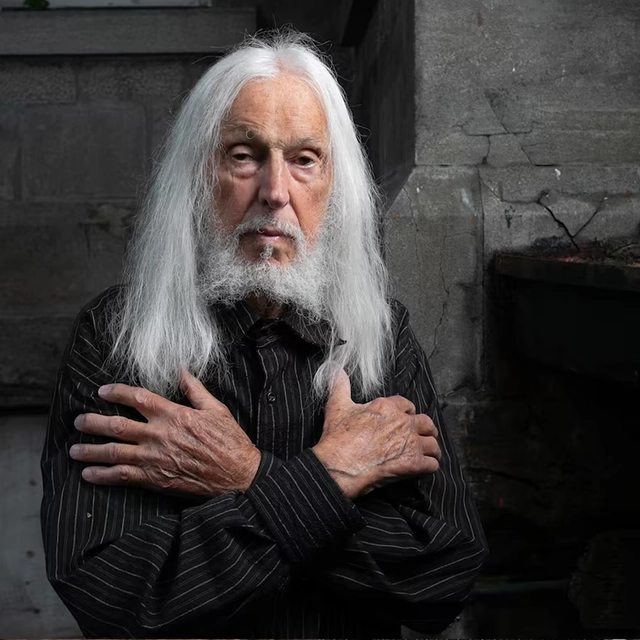
No one told me. As, in the distance, we begin to make out the white summits of sixty, and while we hurriedly weigh what still lies ahead, we also start to calibrate what we’ve left behind. We turn hypersensitive, and the weight of transience settles comfortably on our shoulders. No one will lift it off. Imagine we have passed ninety and are left only with memory—if it hasn’t been lost along the way—and the counterweight of our legacy. We watch how the most conspicuous thing, the mark we might call our trace...
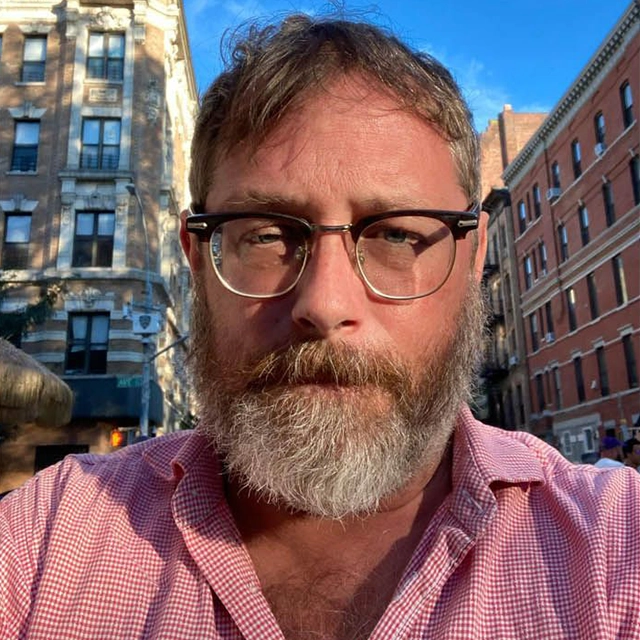
On Tuesday, November 4, at 6:30 p.m., the Liberal Arts Studio at the Art Academy of Cincinnati will host poet, teacher, editor, and independent publisher Anselm Berrigan for a free public reading. The session will be opened by student Nyla Davies (junior), and after the featured reader there will be a brief open mic for anyone who would like to share their work. The proposal is straightforward: listen to poems, read them aloud, and sustain a simple exchange, with coffee and light refreshments.

The Art Academy of Cincinnati opens its doors to a territory where, more often than not, images speak before words. From November 14 to December 12, 2025, under the title Story Art, the Pearlman and McClure Galleries will gather finished works and process materials by a remarkable group of Midwestern book illustrators. It is far more than a deftly mounted selection of framed pieces. Pages, sketches, color studies—each an artifact of decision-making—trace the paths that lead a volume toward accomplishment...

One of the fundamental aims of The Annex Updated is to project Cincinnati’s artistic scene toward new communities, extending its echo to other cities across the United States and Europe. That task—necessarily patient and persistent—allows local experiences to find resonance in places where the creative pulse of the Midwest has seldom been perceived. At that intersection between the intimate and the expansive, the 2025 edition of the annual exhibition The Golden Ticket, organized by the Clifton Cultural Arts Center (CCAC)...


