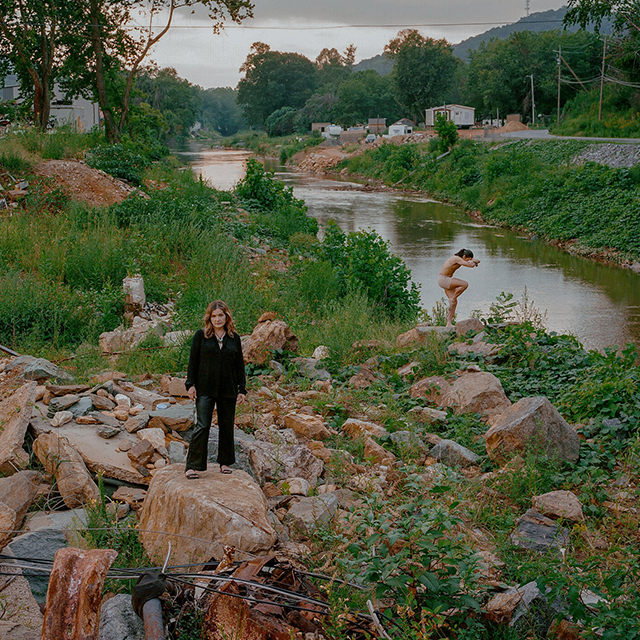
Helene has been regarded as the deadliest inland hurricane in modern U.S. history. It was impossible to foresee the magnitude of the disaster as it moved toward eastern Tennessee and western North Carolina. It was there, in the latter, that the greatest number of deaths occurred—over a hundred. Material damage is incalculable. Recovery has been slow, fueling political debates. Yet even if it had been swift and efficient, the loss of human lives is irreparable. Like everything that has borne, let us say, a proper name.

If there is something that substantially differentiates the socioliberal left from today’s woke left, it is the politics of cancellation. And if there is a figure that embodies that debate in the world of cinema, it is the German filmmaker Leni Riefenstahl, author of two highly celebrated documentaries, pioneering in many ways, which she made on commission from Adolf Hitler. It is not the first time nor will it be the last time that we talk about the way of judging the relationship between art and politics
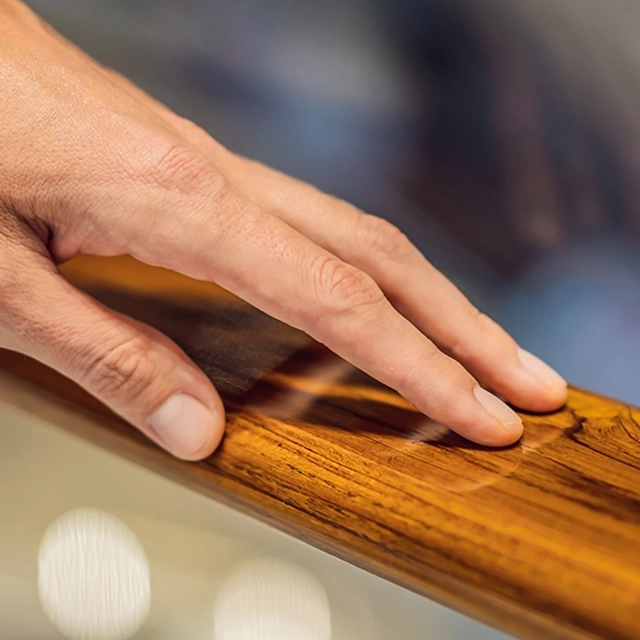
When the prospect of some impending misfortune crosses our mind, we knock on wood. When someone whispers another’s calamity, we knock again. In truth, we spend the day rapping at it. Often it isn’t even real wood. And if such a gesture could truly ward off the avoidable, every carpenter would be the luckiest man alive. Both Joseph and his son Jesus might have been. On one hand, seen through today’s eyes, their deeds would rack up staggering numbers of views, likes, and followers—Jesus the most influential influencer in history...
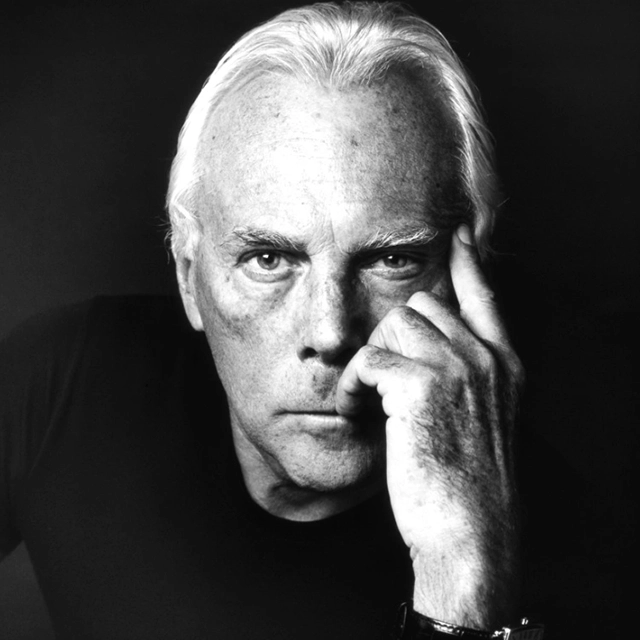
Giorgio Armani died on September 4, 2025, at the age of ninety-one, as confirmed by the Armani Group. He passed peacefully at his home in Milan, surrounded by loved ones, and remained actively bound to his work until his final days, pouring his energy into collections and projects still in motion.

Perhaps prompted by a timely confession—or by something closer to a revelation tinged with the paranormal—a journalist from El Español published today an article suggesting that sharing every moment is no longer the axis of the digital experience. It reads as if announcing a trend I cannot find anywhere. Perhaps it is simply that my generation, the people I follow and who follow me, are no longer inclined to chase trends.

American fashion designer Willy Chavarría, in collaboration with Adidas Originals, introduced the Oaxaca Slip-On, a black-molded, open-toe shoe whose aesthetic directly recalls the huaraches of Villa Hidalgo Yalálag, Oaxaca. The controversy erupted when it came to light that the shoe was being manufactured in China, and that the communities responsible for the craft had neither been consulted nor acknowledged in the creative process.

In the cloistered hush of an archive room, where light is meted out so as not to wound the paper, a witness from another world surfaces once more: a sheet written and signed by Hernán Cortés on February 20, 1527. Five centuries have passed since the ink was still wet; more than thirty years since it was wrenched from the collection safeguarded by Mexico’s National Archives and disappeared without a trace.
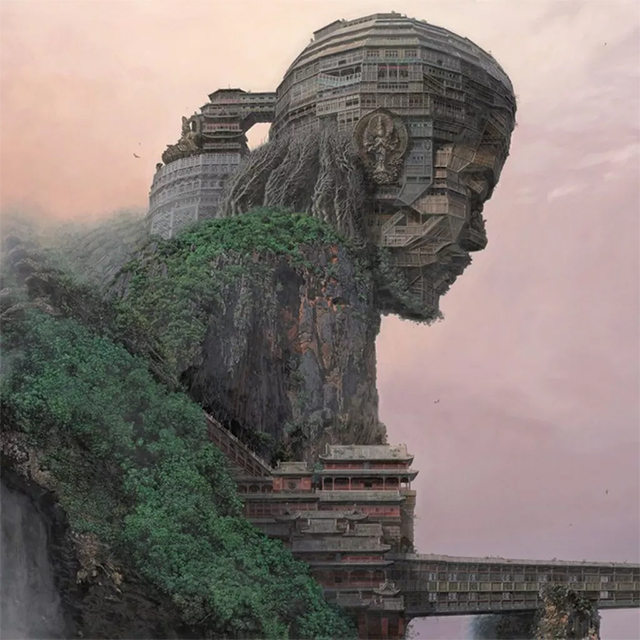
A staggering percentage of its so‑called informative content is either false or, at best, inaccurate. Today I stumble upon a post about the alleged auction—at Christie’s—of an AI‑generated work. I read and save. The note focuses more on the controversy it sparked than on the sale itself, perhaps because uproar, confrontation, and intellectual skirmishes attract far more attention than the artworks themselves.

As my enthusiasm for Artificial Intelligence grows, so does the range of readings I pursue on its likely paths and its influence on human reasoning. It is a dense undertaking: every day the media returns to the subject, and those articles, as they pile up, age with unsettling speed. AI keeps redefining itself. Yet to stop speaking about it is unthinkable.
