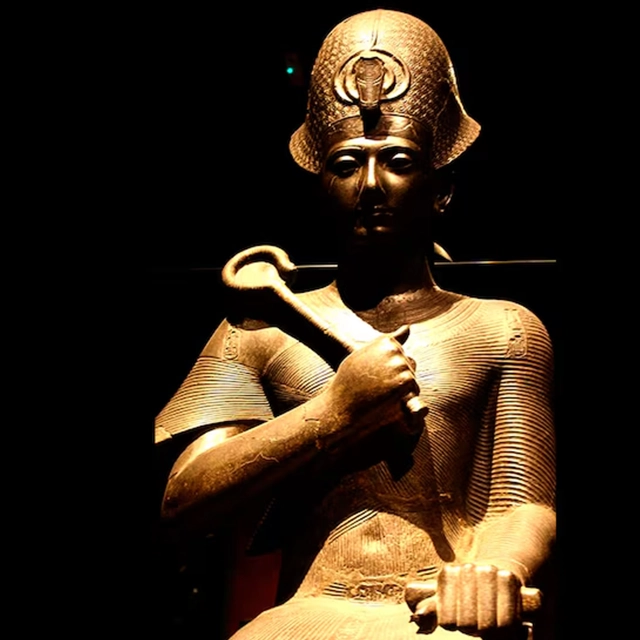
In 1992 I was very hungry. Not appetite—hunger. Cuba was enduring what was possibly the darkest year of what the government called the “Special Period in Time of Peace.” That was how President Fidel Castro named it in his televised addresses. For the weight of his words, for the absolute finality of every decision, he could be considered a pharaoh—and in some way, he was. That same year, the Egyptian government officially announced the project to build a new Grand Museum, meant to relieve and update the aging Egyptian Museum in Tahrir Square.
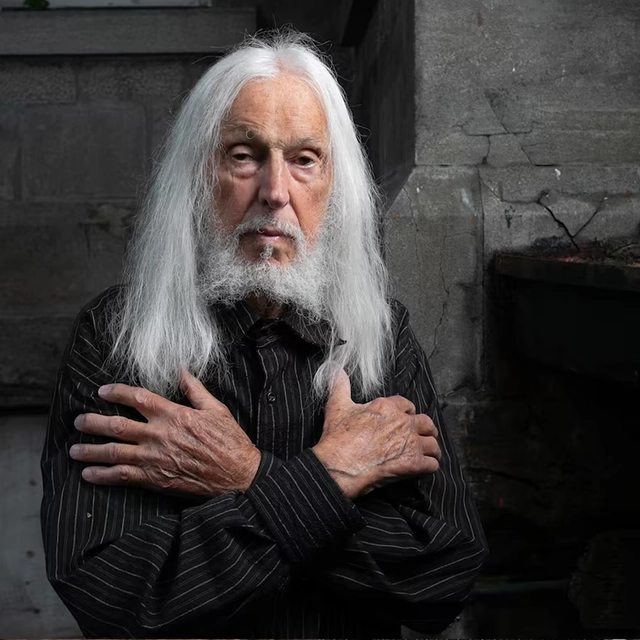
No one told me. As, in the distance, we begin to make out the white summits of sixty, and while we hurriedly weigh what still lies ahead, we also start to calibrate what we’ve left behind. We turn hypersensitive, and the weight of transience settles comfortably on our shoulders. No one will lift it off. Imagine we have passed ninety and are left only with memory—if it hasn’t been lost along the way—and the counterweight of our legacy. We watch how the most conspicuous thing, the mark we might call our trace...
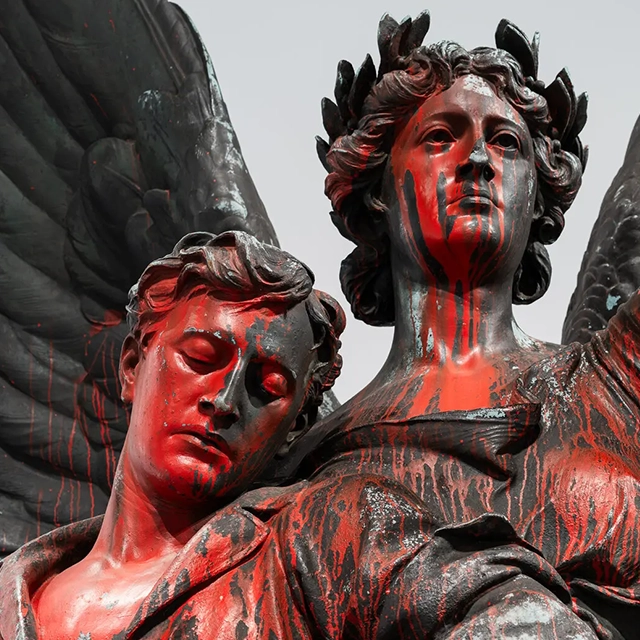
I ended the previous piece speaking about what has happened to my country after dismantling practically every vestige of its republican past. The revolutionaries abolished even the privately owned shoe-repair shops. They changed names as charming as “La Cenicienta” to Unit 256 for General Shoe Repair. They stripped them of every sign of identity, every trace of belonging. Where there had once been a prudent owner and two, three, or four cobblers, the space was taken over by a director and a deputy director...
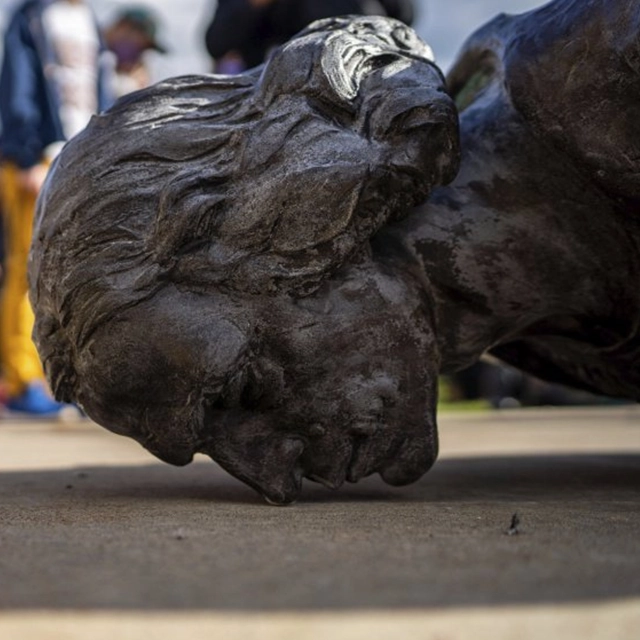
I keep in my files an article The New York Times published on June 11, 2020. You’ll recall those were particularly unsettled months. The paper updated it on the 24th, while the protests over the murder of George Floyd in Minneapolis—on May 25, 2020, at the hands of a white police officer—were still echoing. The crime—captured on video and broadcast everywhere—unleashed a global wave of outrage against systemic racism and police violence in the United States.
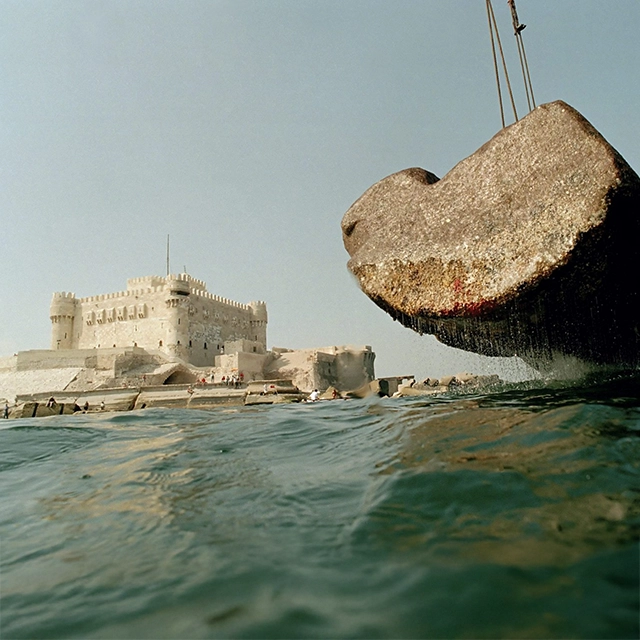
The greatest library of its age, that of Alexandria, burned intermittently over several centuries. Thousands of scrolls vanished, and with them much of antiquity’s science, philosophy, and literature. The intellectual inheritance of the ancient world was reduced to ash. We cannot rule out deliberate intent in some of those episodes. Long before, a vast portion of Phoenician-Punic art had disappeared in the wars we know as the Punic Wars. Nothing remained of Carthage, a cultural and artistic power of its time.
Not long ago I came across a Facebook post claiming that “sometimes… destroying art is art.” It offered three examples that, to my mind, have little to do with one another. Let’s take them one by one.
On the morning of November 15, 2022, two activists from Letzte Generation (Last Generation Austria) threw a black, oily liquid over Gustav Klimt’s Tod und Leben, on view at Vienna’s Leopold Museum...

A few weeks ago, a post appeared on my Facebook feed from the Beagle Freedom Project, celebrating the seventy-fifth anniversary of Snoopy — perhaps the most universal of all beagles. Since 2010, the Beagle Freedom Project (BFP) has been rescuing, rehabilitating, and rehoming animals once used in research laboratories. The initiative was born of people who, for some reason, paid special attention to this breed — probably for its docility and its good-natured temperament.

Avi Schiffmann was born in Washington State on October 26, 2002. That same month saw the release of Ghost Ship, a gothic supernatural thriller that, through its pale and diluted horror, moralizes about the sin of greed. A salvage crew discovers the ocean liner Antonia Graza, lost for forty years, drifting in the Bering Sea; on board, they find gold bars and the remnants of a massacre. They soon realize the ship is cursed: a demon has set a trap to harvest as many souls as possible, using the treasure as bait.

In these times, corporate philanthropy moves with caution. At least in the United States, it seems to be entering a period of adjustment. Federal scrutiny over diversity, equity, and inclusion policies has altered donation strategies. It is not something that keeps me awake at night. It leaves, rather, a curious sensation—like noticing, in a moment of distraction, that a cloud has drifted over the sun while a cold breeze lifts one corner of the notebook.
