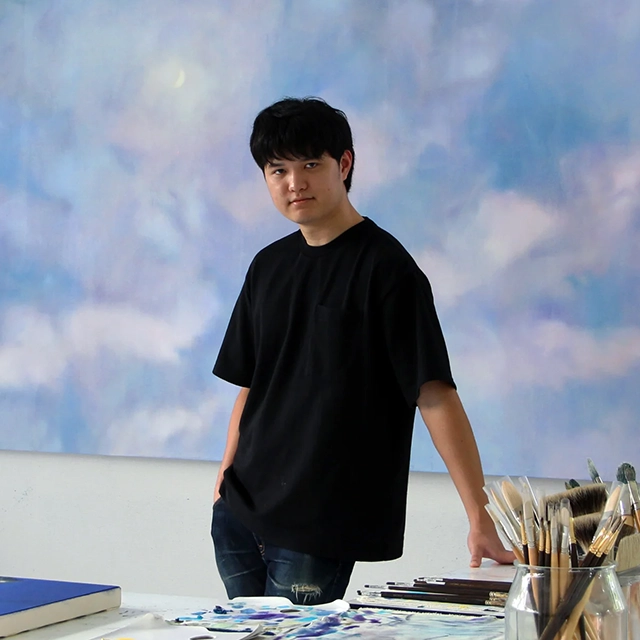
Persistently, and since the most remote antiquity, the moon has acted as a trigger for the human imagination. It has agitated artists and writers, the deranged of every kind, poets, philosophers, spiritual beings, night wanderers—but above all, lovers. Perhaps because it casts that faint light which outlines the features of the desired body: the point of light, the delicate glimmer that ignites along the maiden’s lower lip...
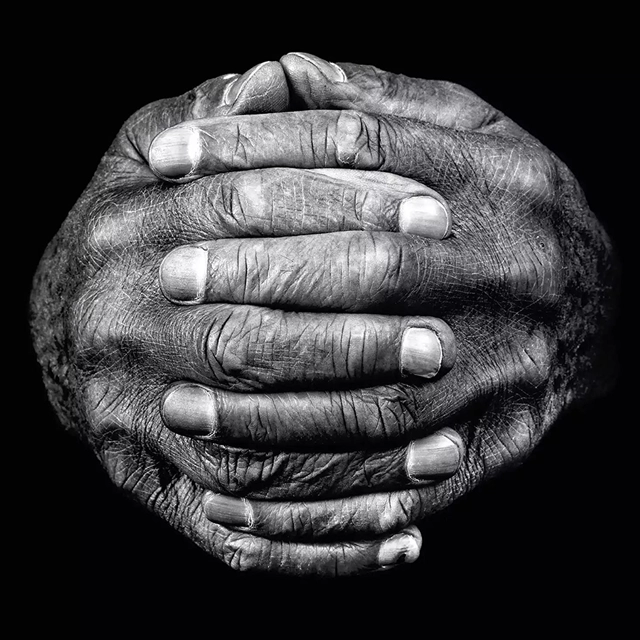
Human genius can be observed in many of its works. Nowhere is it more detectable than in the arts: music, literature, and the visual arts. As a species, seen from above, we are all fairly clever. But some are—or were—truly exceptional. What did they require to rise above the rest? What made them singular, beyond the reasoning most of us share?
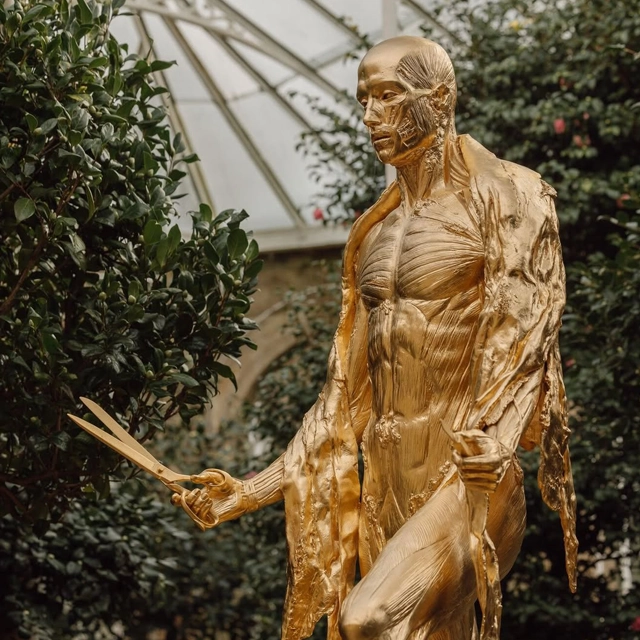
I have not the faintest idea why The Times, in its February 16 edition, informs us—by a delay so un-British—that Damien Hirst’s Saint Bartholomew, Exquisite Pain has been installed in the Camellia House at the Yorkshire Sculpture Park. Not only that work: The Watchtower, by Auke de Vries, and Muamba Posy, by Vanessa da Silva, both outdoors in the Country Park.
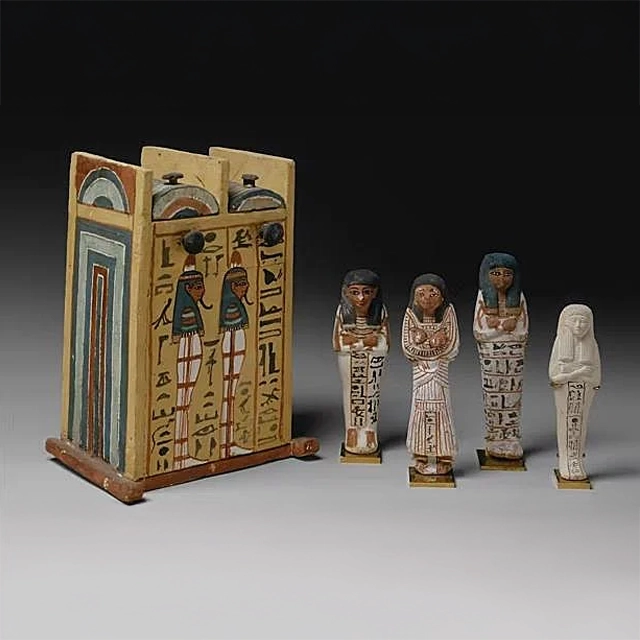
The Petrie Museum of Egyptian and Sudanese Archaeology, part of University College London (UCL), houses one of the most important collections of Egyptian artefacts in the world. It preserves more than 80,000 objects recovered from excavations conducted between the late nineteenth and early twentieth centuries. Among them are hundreds of shabti, small funerary figures that formed part of the ritual equipment of tombs in ancient Egypt...
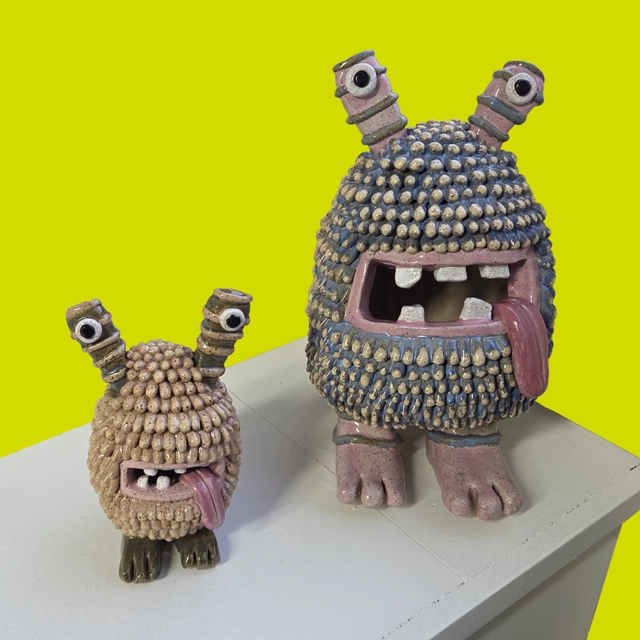
Last Friday, February 6, I attended the opening of the Scholastic Art and Writing Awards 2026 at the Art Academy of Cincinnati. Given the temperature outside, one would have expected a thin crowd, a hush, the kind of dispersal that comes with an icy wind. The opposite happened. It was a celebration. All six floors of the institution were packed with children, teenagers, and adults—an enthusiasm the visual arts rarely manage to elicit. Everyone celebrating emerging talent.
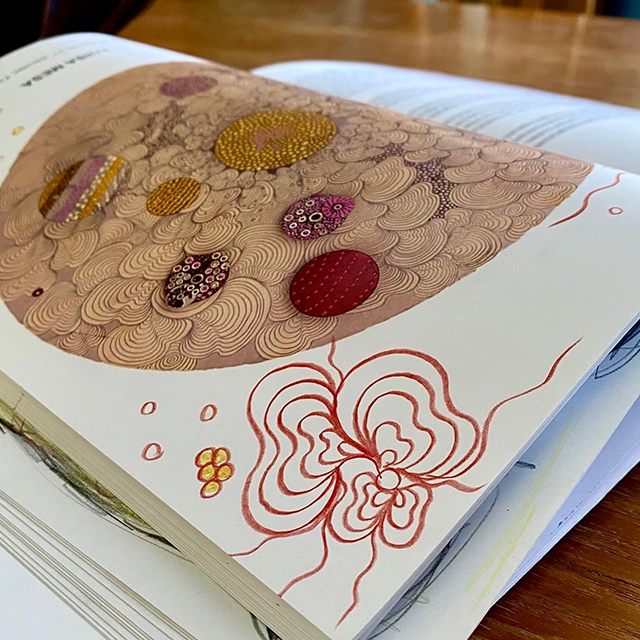
The Pattern & Decoration (P&D) movement, once dismissed for its embrace of "decorative" arts, is now celebrated for challenging traditional art hierarchies. Explore its legacy and modern-day echoes in Cincinnati, where creative hubs like the Freeport Row Art Alley are contributing to a thriving art scene, with a mural by Esteban Leyva at Liberty and Elm streets.
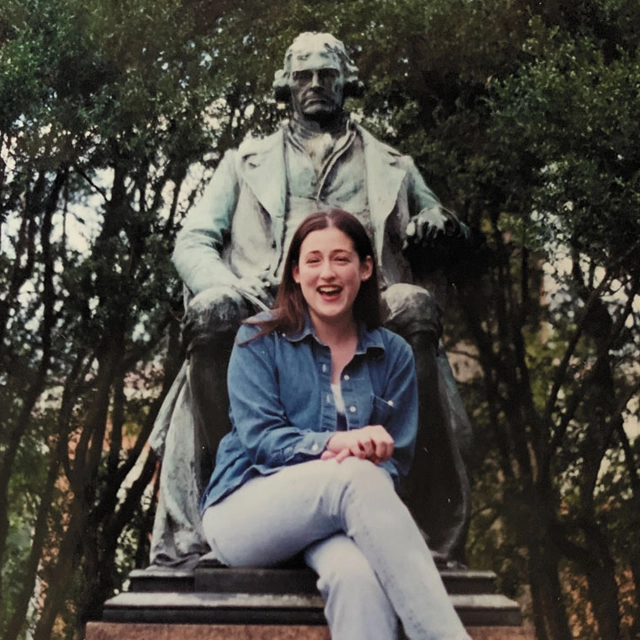
The Clark Art Institute is widely regarded as one of the most prestigious cultural institutions in the United States. Located in Williamstown, Massachusetts, it has been devoted to the study and exhibition of art since 1955. The Institute uniquely combines a museum of the highest caliber with a leading research center—the Research and Academic Program—positioning it as an international point of reference for art historians, curators, and scholars...
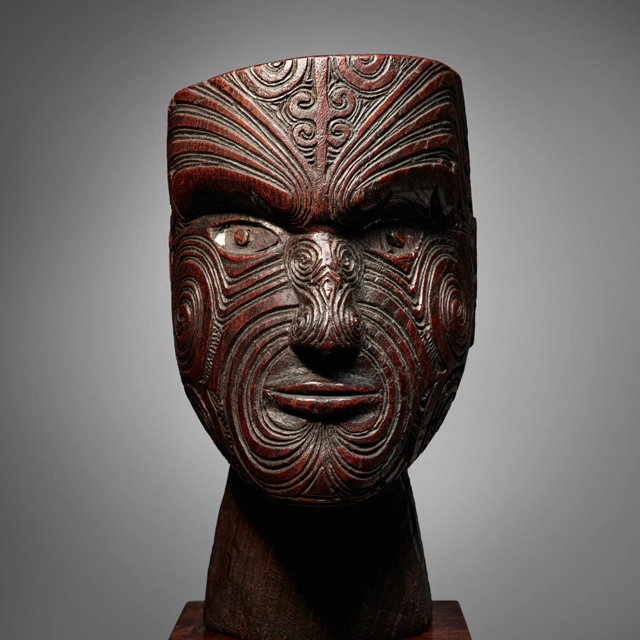
It is generally understood that national museums ought to be the natural custodians of their cultural memory.
Spaces where the history of national art is presented in an ordered and intelligible form. Where foundational images can still be contemplated. Yet, primarily for reasons of funding, an increasing number of state institutions...

My interest in Asia does not arise from fascination, but from the recognition of a cultural sediment that resists superficial readings. China and Japan have been fundamental references in this process, both in the realm of visual arts and in that of symbolic management. Their literature and philosophy have not lost their capacity to converse with contemporaneity—not as untouchable corpora, but as tools for living thought, applicable to politics, ethics, cultural architecture, and aesthetics.
