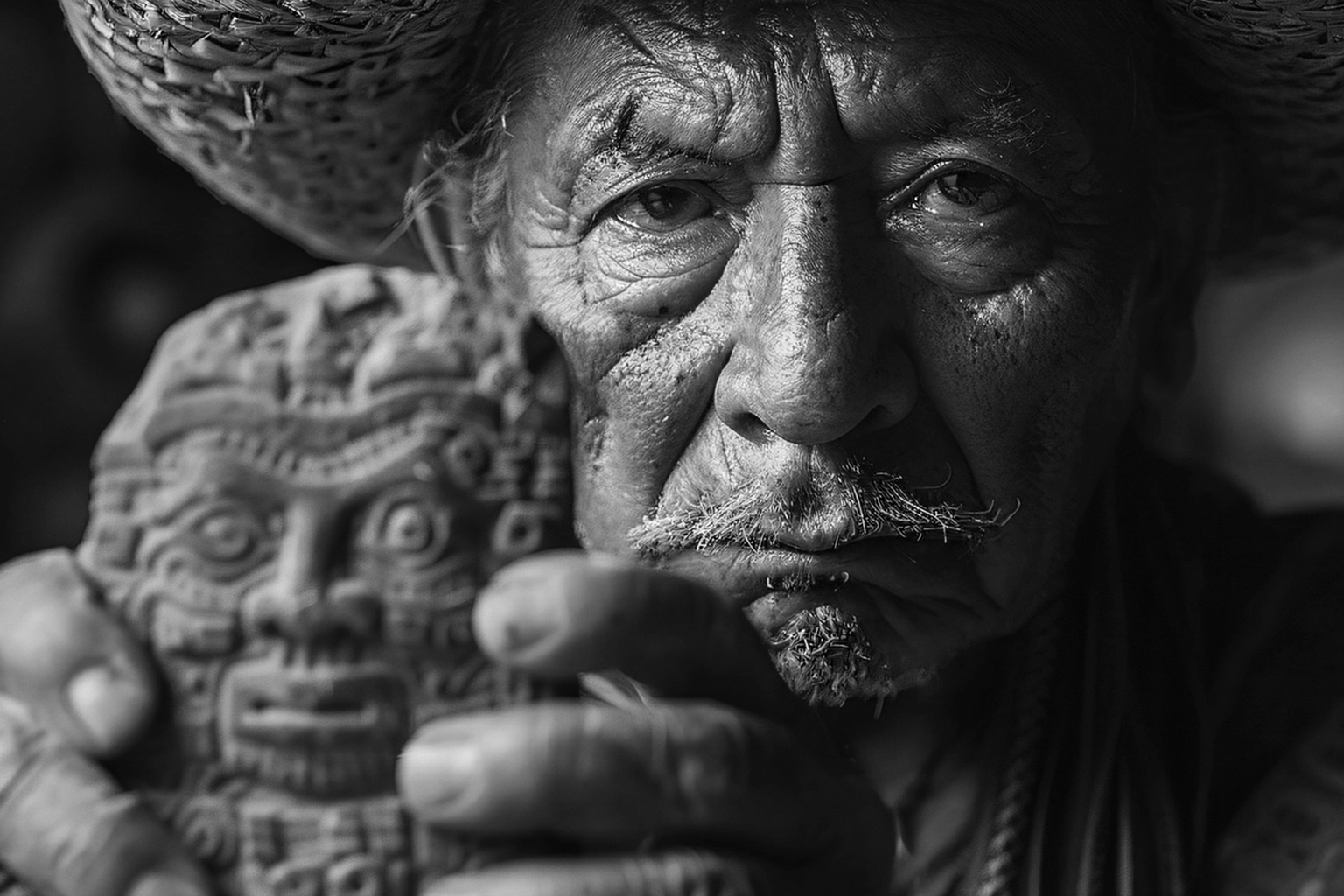
In the highlands of Chiapas, a young teacher undertook what neither governments nor academies had attempted: to teach Tzotzil to an artificial intelligence. Andrés ta Chikinib, a communicator and poet from Zinacantán, transformed ChatGPT into a diligent pupil—one that, beyond repeating phrases, asks questions and seeks coherence in a language long relegated from the public sphere. The initial impulse was practical—to create teaching materials without spending nights copying manuals—yet the outcome proved to be an uncommon experiment. The machine “sat down to listen” to an ancestral tongue with the intent of mastering it. Uncanny: how much knowledge can be made available for such an apprenticeship?
Let us enter the polemic. Some linguists caution against introducing Indigenous languages into the machinery of global technology. What may appear as an act of preservation can also take the shape of domestication. Who decides which words are granted entry into the algorithm, and which vanish in the attempt? The reality is less philosophical and more pressing. According to UNESCO, sixty percent of Mexico’s Indigenous languages are at risk of extinction. If speakers do not transmit their language or use it in public spaces, how can they expect institutions to recognize or respect it? Its survival will depend less on congresses than on a grandmother—or, in this case, on the algorithm itself.






