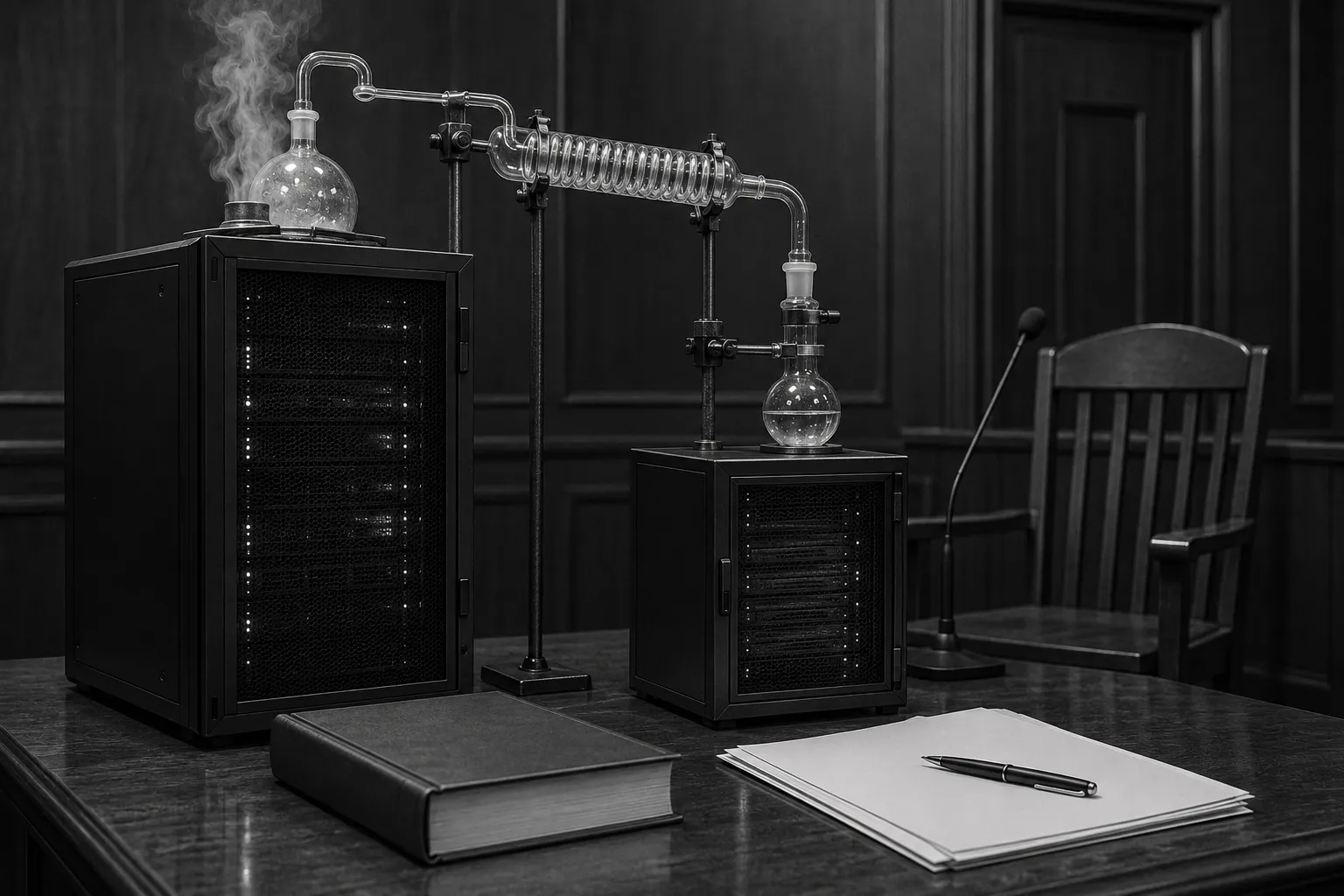
Elon Musk testified in a California federal court that xAI partly used OpenAI models to train Grok through distillation. Asked whether the company had used the technique, he first called it a general practice among AI companies and then answered, "Partly." Distillation can involve systematically querying an accessible chatbot or API and using its outputs to train another model. Musk was on the stand in his lawsuit against OpenAI, Sam Altman, and Greg Brockman over the organization's shift toward a for-profit structure. The legal status of distillation remains unclear, although the practice may violate providers' terms of service. OpenAI did not comment on Musk's admission before publication.
The testimony places imitation inside the history of a laboratory founded years after its rival. Training data has produced disputes over books, images, news archives, and code. Model outputs now become another contested resource. A leading system can supply training examples to a competitor that sends enough carefully designed queries. At the same time, OpenAI, Anthropic, and Google reportedly share information through the Frontier Model Forum to combat distillation attempts associated with Chinese firms. Their defense operates through access rules and detection of suspicious mass queries. Musk's answer turns that boundary into a practical question for every lab seeking protection. Providers must decide which pattern of prompts resembles ordinary use and which account should be blocked as a rival's training operation.

Google Photos announced a feature that will identify clothes and accessories across a user's photo library and assemble them into a digital wardrobe. People will be able to filter items by categories such as tops, bottoms, and jewelry, combine pieces into outfits, save ideas to moodboards, share them with friends, and preview looks through virtual try-on. Google plans to release the feature on Android later this summer, followed by iOS, under Collections. The company gave no technical account of how recognition works. Its reference point is the computerized closet used by Cher in the 1995 film Clueless, an image of effortless dressing built around a wealthy teenager's extensive wardrobe.
The feature assigns a second purpose to photographs made for birthdays, trips, mirrors, and ordinary days. A coat at the edge of an old picture becomes an item in a current inventory. Repeated appearances can supply material for combinations and purchasing decisions. The family archive thereby acquires the organization of a shop, with categories, previews, and moodboards laid over remembered scenes. Google's version also changes the fantasy borrowed from Clueless. Cher had to catalogue garments for her dedicated computer. Google Photos proposes to construct the catalogue from images people have already stored. Its usefulness will depend on the visible clothes in those files, and the company suggests no method for recovering an item the camera never clearly recorded.

Snapchat is rolling out AI Sponsored Snaps, ads in the app's Chat tab that let users converse with a brand's AI agent. People will be able to ask questions and receive product recommendations, while brands can bring their own agents to the platform. Snap says Snapchat has nearly one billion monthly active users, 85 percent of whom regularly use the Chat feed. Users sent over 950 billion chats during the first quarter of 2026, and over half a billion people have messaged the My AI chatbot since its 2023 launch. The company says existing Sponsored Snaps produce 22 percent more conversions at almost 20 percent lower cost per action.
Placing a sales agent among personal conversations changes the social grammar of an advertisement. A display ad waits for a glance or click, while a conversational ad asks the user to formulate a need, describe a preference, and continue speaking until a recommendation seems usable. The brand occupies the visual position of a contact while retaining the commercial aim of an advertiser. That proximity can make persuasion feel like service when the reply adapts to the question. Snap's figures explain the choice of location. The Chat feed already holds immense volumes of behavior and repeated attention. Brands will judge the exchange through the same concrete measures attached to Sponsored Snaps, counting conversions and the cost of each action generated inside conversation.
European governments are moving selected public software and data contracts away from American suppliers. France chose domestic provider Scaleway to host its Health Data Hub and is reducing reliance on Windows, while the European Commission awarded a €180 million sovereign-cloud tender to Scaleway, Clever Cloud, OVHcloud, and Germany's STACKIT. The shift responds partly to the 2018 CLOUD Act, which can compel United States companies to provide law-enforcement access to data stored abroad. Yet dependence survives inside some European offerings. One tender winner uses S3NS, a venture between France's Thales and Google Cloud, and French search engine Qwant previously relied on Microsoft's Bing.
Digital sovereignty takes material form in procurement files. A ministry can move records to servers on European soil and still inherit a foreign company's legal exposure, software layer, or search index. Open-source replacements such as Linux and LibreOffice reduce certain vendor ties, while in-house public tools create their own costs and criticism. The political task lies in tracing each service through its owners, subcontractors, licenses, data requests, and update channels. Public contracts can give smaller regional providers revenue and reach, though dividing work among several firms may limit the scale any one of them gains. Independence will be measured clause by clause, including which company receives an official's file and which jurisdiction can order that company to surrender it.

Investment banker Storm Duncan offered a 13-acre property in Mill Valley, north of San Francisco, in exchange for private Anthropic equity. Duncan bought the property in 2019 for $4.75 million and later moved to Miami during the pandemic. He described the proposed trade as a diversification play, pairing his heavy exposure to real estate with an Anthropic employee whose wealth may be concentrated in company shares. Deal terms remain private. Duncan said the buyer would avoid selling the stock outright and retain 20 percent of its upside during the lockup period. He invited interested parties to contact him by email.
The offer makes two Bay Area stores of wealth directly exchangeable. A house normally enters a sale through a listed price, financing, appraisal, and cash settlement. Here, an illiquid stake in an AI company becomes the unit by which land and residence are valued. The arrangement also describes a narrow social circuit. One owner has a large property and wants AI exposure, while a startup employee may have paper wealth and want a house. Each asset carries a different restriction, from a stock lockup to the practical costs of holding thirteen acres. The proposed contract would settle their relative value privately, before either Anthropic shares or the property meet an open market.

Anthropic built Project Deal, a classified marketplace where agents represented buyers and sellers in transactions involving real goods and money. The pilot involved 69 self-selected Anthropic employees, each given a $100 gift-card budget, and produced 186 deals worth over $4,000. The company ran four marketplaces using different models. One used its most advanced model for every participant and honored the resulting deals, while three served research purposes. Anthropic reported that participants represented by stronger models obtained objectively better results. People generally failed to perceive that disparity, and initial instructions to agents did not appear to change the likelihood or price of a sale.
Delegated shopping can conceal inequality behind a completed purchase. When two agents negotiate, the human principal may see the item, price, and delivery while lacking the exchange needed to judge whether a better model secured an advantage. Project Deal places model quality inside the bargaining position, alongside money and information. If such systems enter ordinary commerce, access to a stronger agent could function like access to a skilled broker, except its failures may remain illegible to the person paying. The pilot's small employee pool limits broad conclusions, yet the mechanism is plain. One buyer opens a package obtained within budget, while another receives a worse bargain and gives the agent equal credit.
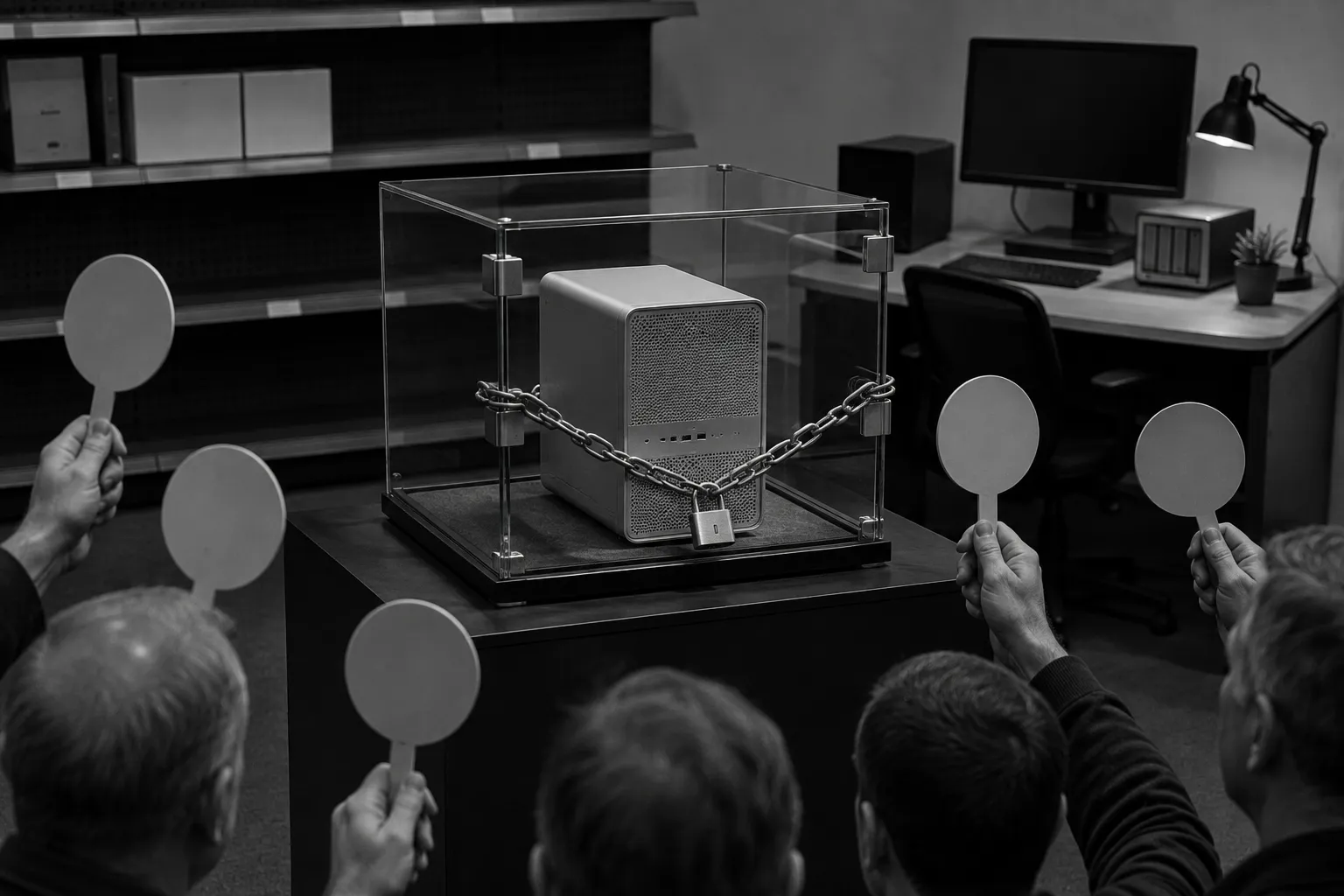
Apple's $599 M4 Mac mini with 16GB of memory and 256GB of storage sold out online in April, with shortages spreading across other base configurations. Models with larger drives were listed for June delivery. The compact desktop has become popular for running local AI software, including OpenClaw and related tools, while the computer industry faces constrained memory supplies. On eBay, new open-box base models were listed around $715 to $795, lightly used units around $700, and one refurbished machine at $979. Several Mac Studio configurations also sold out, while some high-memory MacBook Pros remained available within weeks.
The markup gives a price to a specific desire for private, continuous computation at home. A local model can run on a machine the owner controls rather than depending entirely on a remote service, but that arrangement requires memory, electricity, physical space, and hardware available at retail. Scarcity has turned a modest aluminum box into a speculative object whose resale value reflects both supply pressure and impatience. The episode also corrects the weightless language surrounding personal AI. Every supposedly local assistant occupies chips assembled through a strained supply chain and purchased against other buyers seeking the same components. For now, the choice between waiting for Apple and paying a reseller appears in an eBay listing above the original $599 price.

Noscroll offers a bot that browses social feeds, news sites, blogs, Reddit, Hacker News, Substack, and other sources, then sends selected links and short summaries by text. Users connect an X account, giving the service information about likes, bookmarks, followed accounts, and posts, and can specify subjects or sources they want covered. Digests can arrive weekly or several times a day, while breaking items may trigger immediate messages. Founder Nadav Hollander says the bot uses existing models on the company's own infrastructure. After a free sample and seven-day trial, the service costs $9.99 a month.
The product sells distance from the feed while preserving the fear of missing it. Relief therefore depends on delegating two judgments that scrolling once kept together, which events deserve attention and how they should be framed. Noscroll's text message feels quieter than an endless timeline, yet its selection still grows from account history, stated preferences, prompted models, and a company's choices about sources. That can save hours for people required to monitor a subject, including journalists and job seekers. It also makes omission harder to inspect because the discarded material never reaches the screen. The user receives a compact bundle of links and must decide whether its calm reflects good editing or an absent story.

Elon Musk said millions of Tesla owners will need new computers and cameras before their cars can run a future version of Full Self-Driving without human supervision. The affected Hardware 3 vehicles were sold from 2019 through 2023, during years when Tesla promoted autonomy as a capability that could arrive through software. On the company's quarterly earnings call, Musk said Hardware 3 lacks the capacity for unsupervised driving. Tesla still plans somewhat improved supervised software for those cars. Because the retrofit would overwhelm service centers, Musk said the company is considering small production lines in major cities. Tesla has yet to release or prove the unsupervised system.
A software promise encouraged buyers to imagine the car as an unfinished object that would mature after purchase. The admission returns that future to metal, cameras, workshop hours, and urban repair capacity. Owners who paid for Full Self-Driving now occupy an awkward position between customer and early infrastructure provider, having supplied years of road use while the required machine changed beneath the sales claim. The proposed production lines expose the physical debt hidden by update culture. Each retrofit will require parts, appointments, technicians, and a decision about who receives priority. Autonomy arrives here first as a queue of Hardware 3 cars outside a service facility.
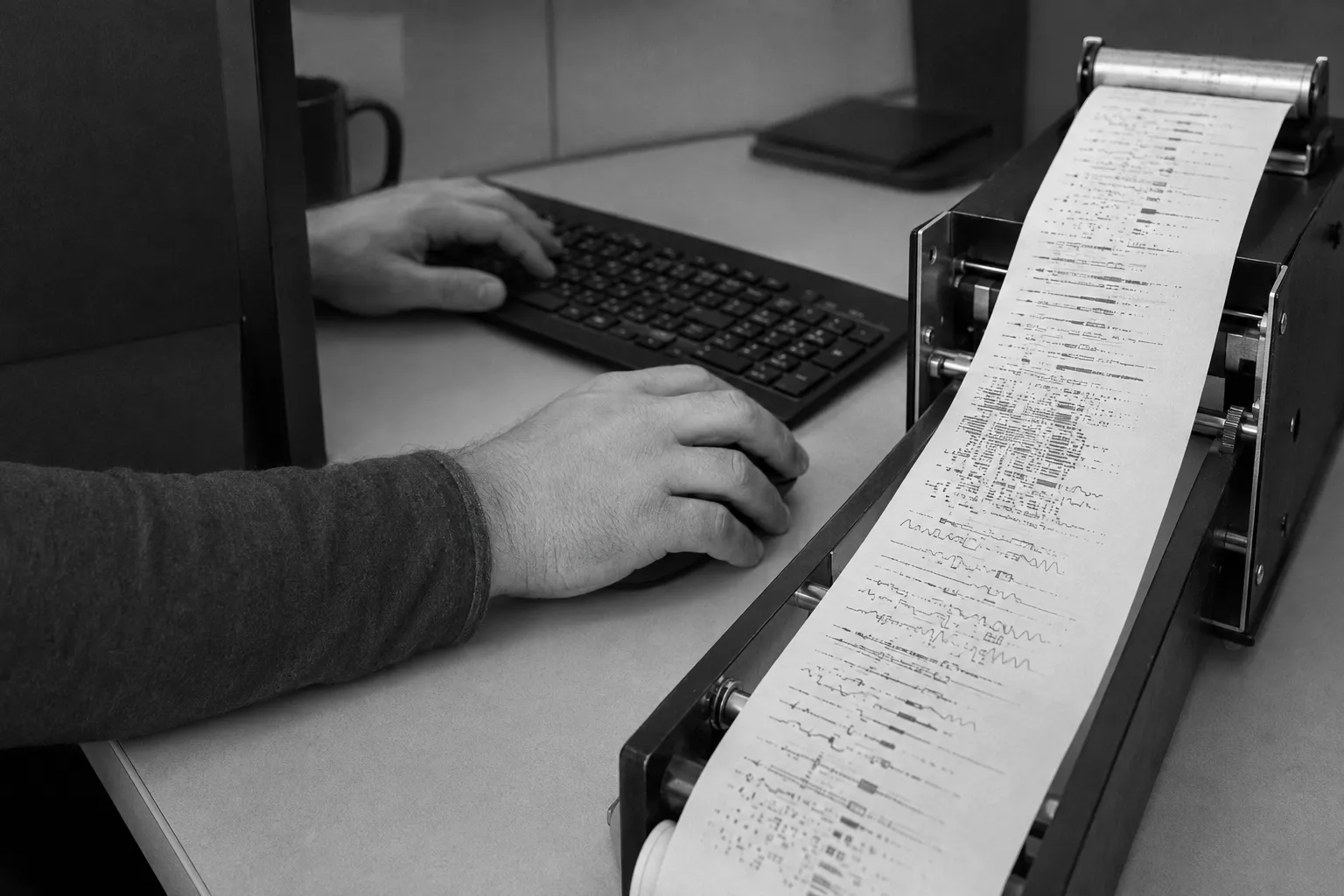
Meta plans to capture some employees' mouse movements, keystrokes, button clicks, and dropdown navigation as training data for computer-using agents. The company told TechCrunch that an internal tool will record these inputs on certain applications because agents need examples of how people use computers in everyday tasks. Meta said safeguards will protect sensitive content and that the material will serve no other purpose. The plan follows reports that defunct startups' Slack archives and Jira tickets are also being repurposed as model-training material, extending the industry's search for data into records produced during ordinary work. The source is labor performed inside Meta itself.
The employee's gesture now has a second corporate life. A click made to finish an assignment can become an example from which software is taught to perform similar labor. This arrangement concentrates interpretive power with the employer, which chooses the applications, defines sensitive content, and decides which traces become useful. Even careful redaction leaves a political question inside the tool. Paid activity generates a reusable asset whose future value may exceed the immediate task, while the worker sees neither the resulting dataset nor the agent shaped by it. The office interface thus doubles as a collection instrument, and routine competence is extracted at the keyboard, one recorded action at a time.
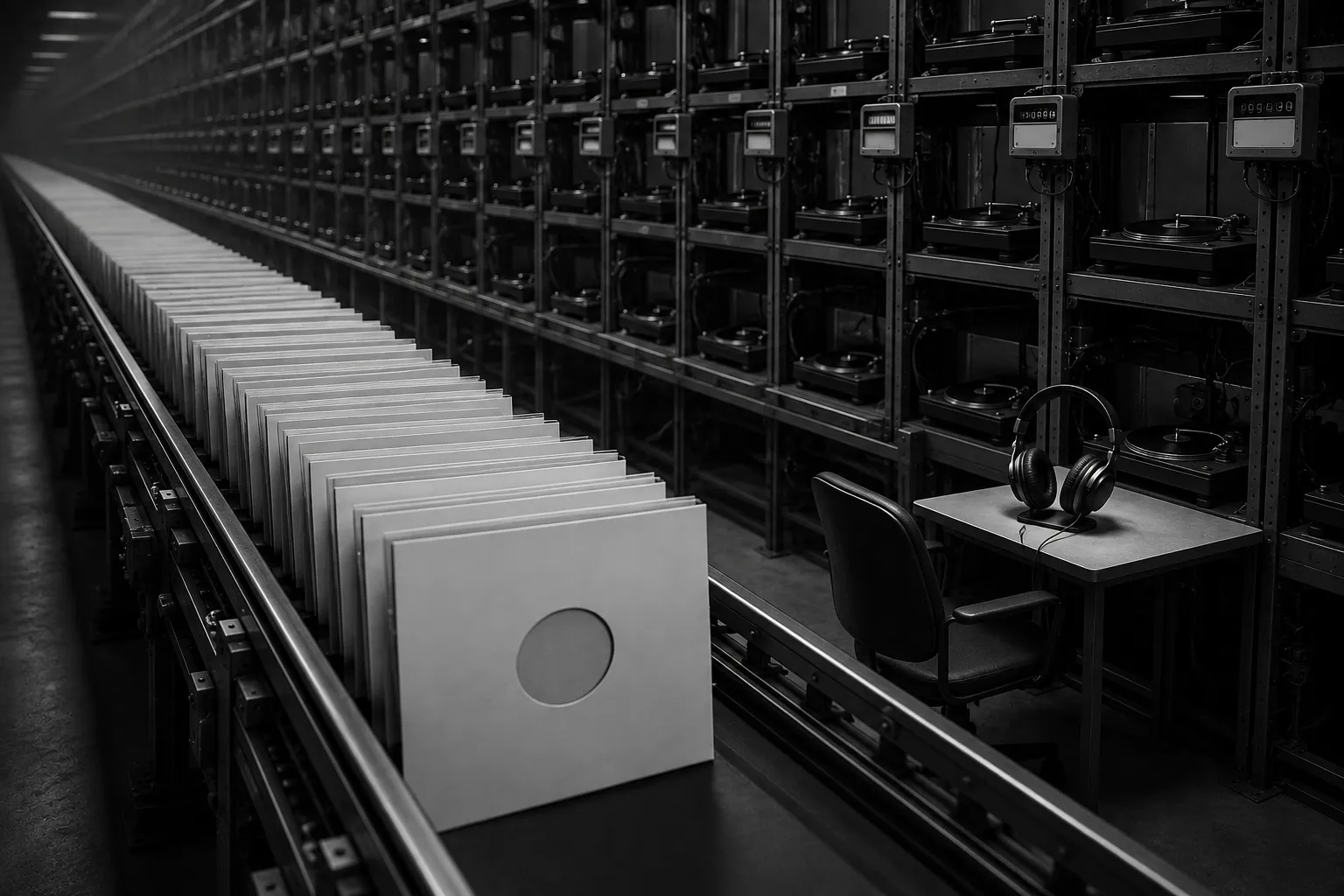
Deezer says fully AI-generated tracks now account for 44 percent of the music uploaded to its service each day, nearly 75,000 tracks daily and over two million each month. Listening remains between 1 and 3 percent of total streams, and the company detects 85 percent of those streams as fraudulent and demonetizes them. Daily AI uploads had risen from 10,000 in January 2025 to 60,000 in January 2026. Deezer labels detected AI music, excludes it from algorithmic recommendations and editorial playlists, and says it will cease storing high-resolution versions. During 2025, the platform tagged over 13.4 million AI tracks.
The figures separate the size of a catalog from the presence of an audience. Generative systems can supply files at industrial speed, while fraudulent streaming can manufacture a residue of apparent demand around them. This volume burdens detection, storage, royalty allocation, and the ordinary act of finding a song. Deezer's response creates a divided shelf inside the same service. One class of track receives a label, loses recommendation and playlist access, and now loses high-resolution storage. Human-made recordings continue through the usual channels. That arrangement gives the platform's detector substantial cultural and financial authority because classification affects visibility and payment. Each day, almost 75,000 new files enter that sorting process, while genuine listening reaches only a small fraction of their streams.

Investor Elad Gil argues that most companies pass through a roughly 12-month period of peak value before declining, and that founders often miss it by expecting stronger terms later. Speaking on the No Priors podcast, he cited Lotus, AOL, and Broadcast.com as companies sold at or near their high points. His practical recommendation is to schedule a board meeting once or twice each year specifically to discuss exits, making the decision a recurring governance question. Gil applied the warning to AI startups whose products occupy categories that foundation-model companies have yet to enter. A change in differentiation or defensibility, he said, should prompt founders to ask whether the next six months represent their most valuable period.
This advice compresses the corporate future into a sale calendar. For an AI startup, technical achievement may produce a temporary bargaining position because a larger model provider can add a similar function, bundle it with an existing service, or alter the terms on which the smaller company operates. Investors then read independence through timing. Employees may hear a mission, customers may buy a durable service, and the board may privately measure the remaining months before an acquisition looks preferable to competition. Gil's scheduled meeting makes that divergence procedural. Once or twice a year, directors would place the company's product, payroll, contracts, and prospective buyers beside a question already waiting on the agenda.
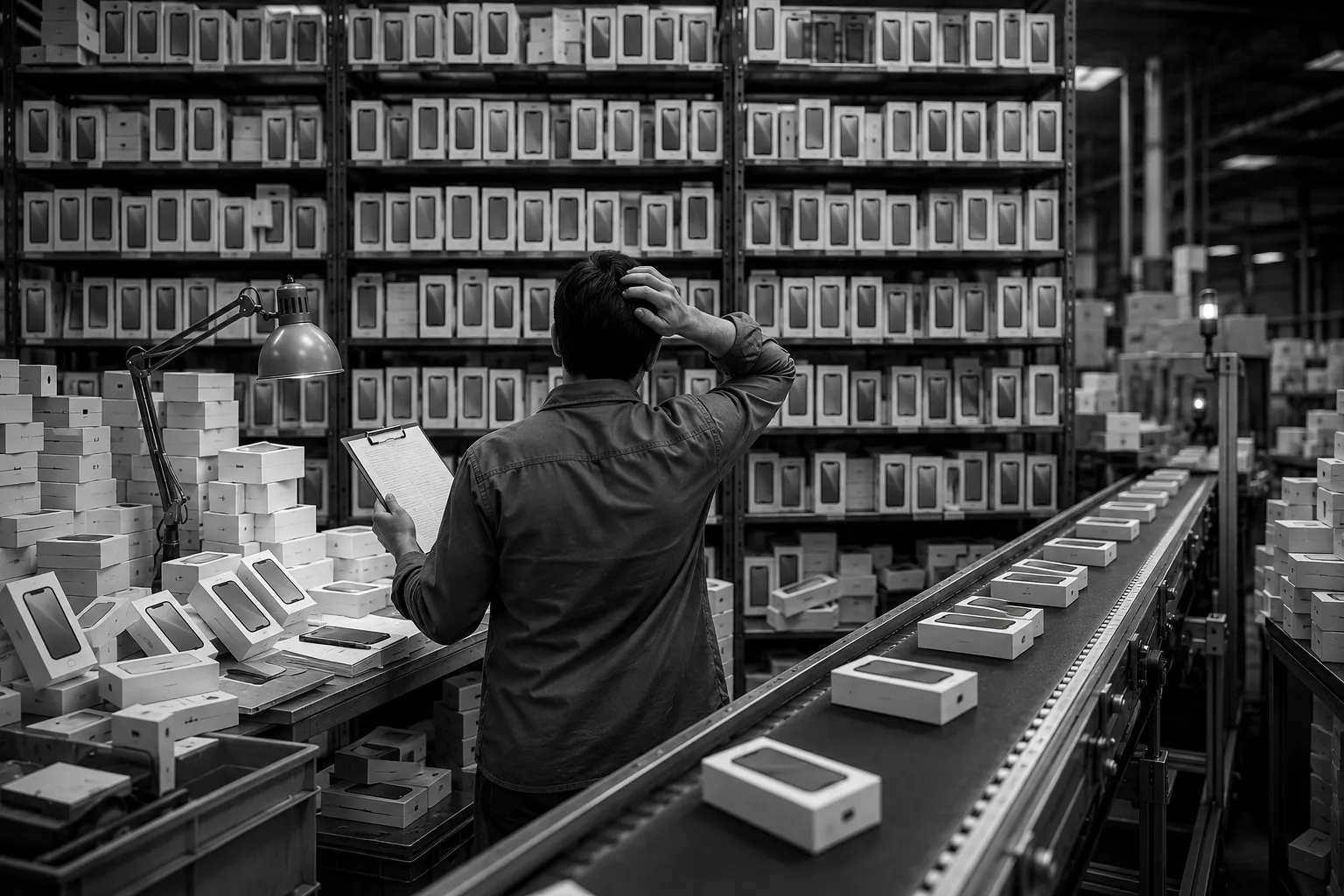
Worldwide app releases rose 60 percent year over year in the first quarter of 2026 across Apple's App Store and Google Play, according to Appfigures. Releases on iOS alone increased 80 percent. For April through the date of the analysis, launches were up 104 percent across both stores and 89 percent on iOS compared with the same period in 2025. Appfigures and TechCrunch present AI coding tools such as Claude Code and Replit as a possible cause, since they can help people build software with fewer technical skills, though the data cannot establish causation. Games still led new releases, while utilities ranked second and lifestyle third.
Lowering the cost of making an app transfers scarcity from production to judgment. A person with an idea can reach a store faster, while reviewers and customers face a denser shelf of utilities, imitations, experiments, and fraud. Recent failures give that pressure a price. Apple removed Freecash for rule violations after it had spent months near the top of its charts, and a counterfeit Ledger Live app drained $9.5 million in cryptocurrency from victims. Apple reported rejecting over 320,000 submissions for spam, copying, or misleading conduct in 2024. If AI-assisted coding contributes to the current volume, wider creative access arrives alongside a larger inspection bill, paid in review labor and in the accounts of customers who install the wrong icon.

World, the verification project backed by Sam Altman and developed by Tools for Humanity, announced integrations spanning Tinder, ticketing, Zoom, Docusign, email, and business services. Its strongest credential comes from the Orb, a spherical device that scans an iris and converts it into a unique cryptographic identifier called a verified World ID. After a pilot in Japan, World announced that Tinder would place a World ID emblem on verified profiles in global markets including the United States. World also introduced lower tiers based on an NFC scan of government identification or a selfie. Developers can choose a tier according to their security needs, while the company acknowledges that selfie checks have limits.
A dating profile once asked viewers to judge a face, a biography, and a handful of photographs. The verification emblem adds an institution to that encounter, certifying that a living person completed one of World's procedures. Trust then acquires a technical ladder. An iris scan carries higher standing than a selfie, and access to the strongest badge requires submitting a distinctive feature of the body to a privately designed identity system. The same credential can enter concert queues, signatures, meetings, and delegated software agents, giving one provider influence over many ordinary proofs of presence. On Tinder, the immediate consequence is plain. Two people approaching a date may begin by comparing badges issued through an Orb, an ID chip, or a phone camera.

Google has added Nano Banana image generation to Gemini's Personal Intelligence, allowing the service to draw on connected Google account data when making a picture. A user can ask Gemini to "Design my dream home" while the system derives relevant interests from Gmail and Google Photos, with those details absent from the request. Photo labels can also supply names or group descriptions such as "Family." Google says a Sources button will indicate where the context came from, and users can correct mistaken inferences or add reference photos. The feature was announced for Plus, Pro, and Ultra subscribers in the United States, with rollout expected within days and expansion to Chrome desktop and other users planned later.
The written prompt now occupies only the visible edge of the instruction. Years of messages, photographs, labels, and account connections can shape an image before the user names a preference. Personalization therefore changes creative authorship at the level of selection. The system chooses which traces of a life count as relevant, then turns those traces into furniture, hobbies, faces, or scenery. A dream house generated this way may express yesterday's inbox and Google's classification of the family album as much as today's desire. The Sources button offers a partial audit trail, yet the burden remains with the subscriber to inspect the derivation, notice a false association, and correct it after the picture appears.

Objection launched with seed funding from Peter Thiel, Balaji Srinivasan and two venture firms, offering a paid system for challenging factual claims in published work. A user pays $2,000 per objection. Freelance investigators collect material, and large language models from OpenAI, Anthropic, xAI, Mistral and Google assess the evidence claim by claim. The company says its Honor Index scores a reporter's integrity, accuracy and record. Official documents and emails receive high weight, while claims from anonymous whistleblowers rank near the bottom. Founder Aron D'Souza says protected source information can be submitted through a cryptographic hash. Media lawyers interviewed by TechCrunch warned that the system could discourage sources and pressure reporters.
The fee determines who can readily summon this private tribunal. A corporation or wealthy subject can turn displeasure with an article into an investigation, a score and an online label, while the reporter must choose whether to participate. Objection's Fire Blanket feature can flag a disputed claim on X while review is underway. That sequence gives accusation an immediate public interface before the company reaches a result. Confidential reporting also creates a structural difficulty for the scoring method. Evidence may be credible precisely because a newsroom has verified it while protecting the person who supplied it from dismissal or retaliation. A model jury receives only the material submitted to the platform, so absence can lower a score or yield an indeterminate finding. The journalist then confronts a $2,000 objection with a source's identity still sealed in a newsroom file.
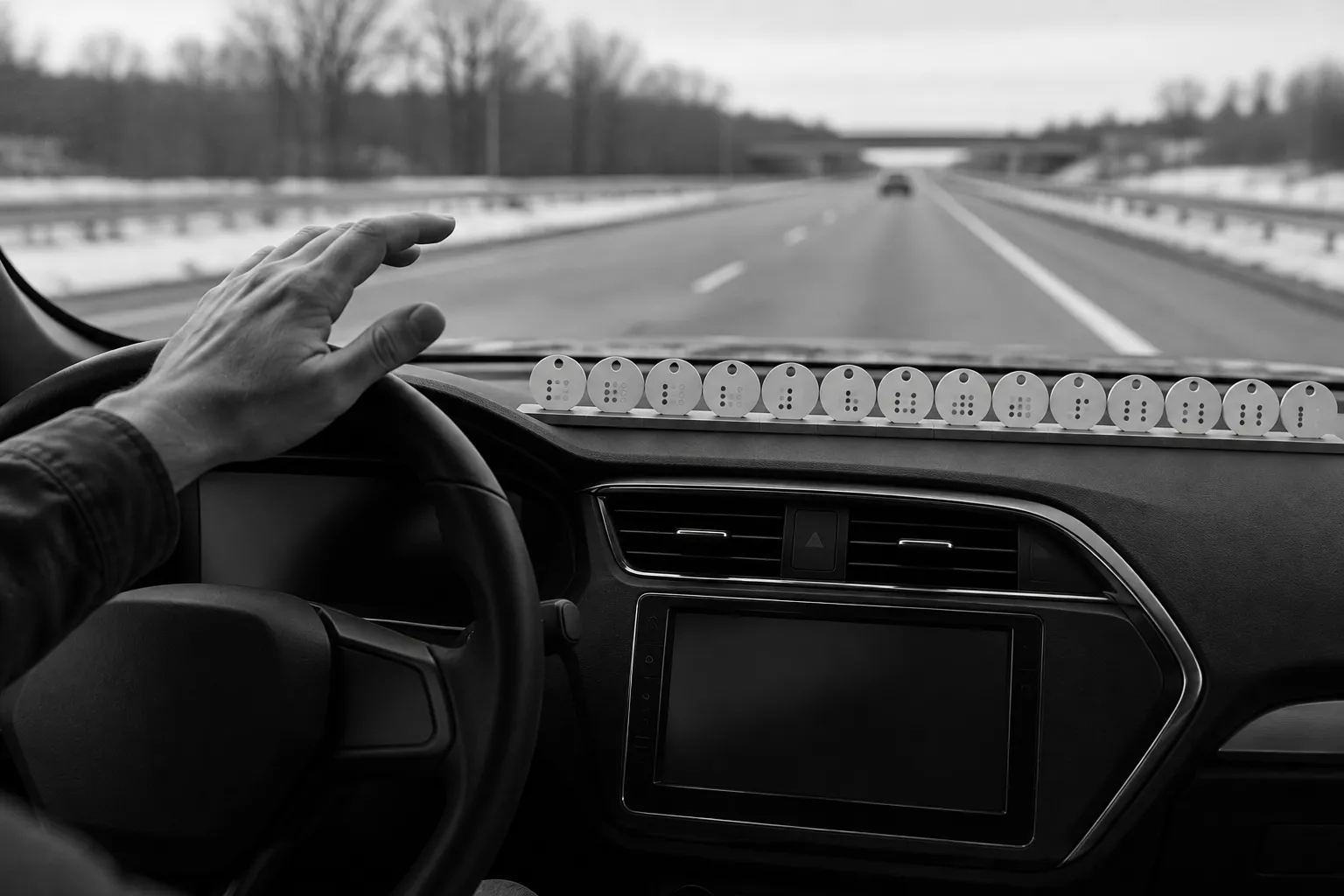
Tesla is adding a redesigned self-driving app that lets eligible owners subscribe to Full Self-Driving in one tap and review how often they use it. The display includes a usage bar chart and streaks counting consecutive days with FSD engaged. Access requires Tesla's A14 chip, also called FSD Hardware 4.0, which began shipping in January 2023. The supervised system can steer, change lanes and park, yet drivers must remain attentive because the vehicles are not autonomous. A subscription costs $99 a month. Tesla also has a corporate incentive to expand adoption. Reaching 10 million active FSD subscriptions by 2035 is one product target tied to Elon Musk's compensation package.
A streak converts supervised driving into a habit that can be won, maintained and broken. Consumer apps use such counters to pull a person back toward language lessons, exercise or shopping. Inside a car, the same device meets an activity where divided attention carries physical consequences. The interface rewards activation frequency while the product instructions assign continuing responsibility to the driver. That pairing produces an awkward behavioral contract. Tesla benefits when owners subscribe and engage the software repeatedly. Each owner must still watch the road and intervene. Statistics can also change the meaning of a trip. A commute becomes evidence of loyalty to a feature, and an unused day becomes a gap in a sequence. The concrete reward is a longer number on the dashboard, earned while the driver keeps both hands ready for the wheel.
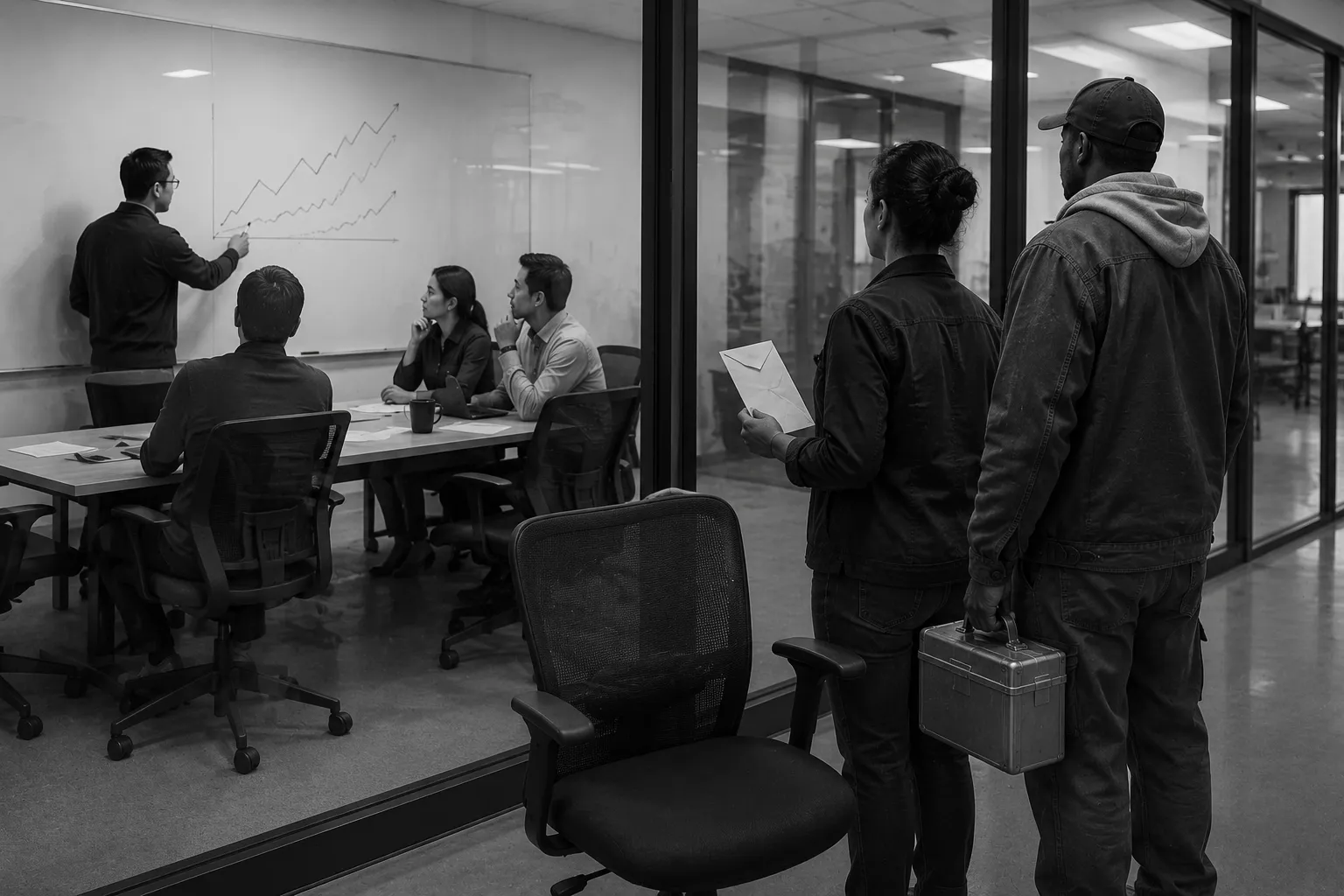
Stanford's 2026 AI Index assembled surveys showing a wide gap between AI experts and the American public. Pew data cited in the report found that 56 percent of experts expected AI to have a positive effect on the United States over twenty years. Eighty-four percent foresaw a largely positive effect on medical care, compared with 44 percent of the public. For work, the split was 73 percent against 23 percent. For the economy, 69 percent of experts were positive while 21 percent of the public agreed. Nearly two-thirds of Americans expected fewer jobs, and only 31 percent trusted the US government to regulate AI responsibly.
These figures describe people answering from different positions in the same economy. Researchers and industry specialists encounter models through laboratories, products and investment plans. Households encounter them through hiring decisions, medical institutions, electricity bills and public agencies. Expertise can estimate technical capability while leaving the distribution of costs outside its frame. Public anxiety becomes rational when promised gains arrive as forecasts and immediate exposure arrives through a workplace or monthly bill. The 50-point gap over jobs also creates a democratic problem for policy. A government that commands little trust cannot settle the dispute by repeating expert confidence. It has to specify who receives protection, who pays for infrastructure and how workers contest an automated decision. Until then, optimism will remain a professional survey response beside a household calculating its next utility payment.
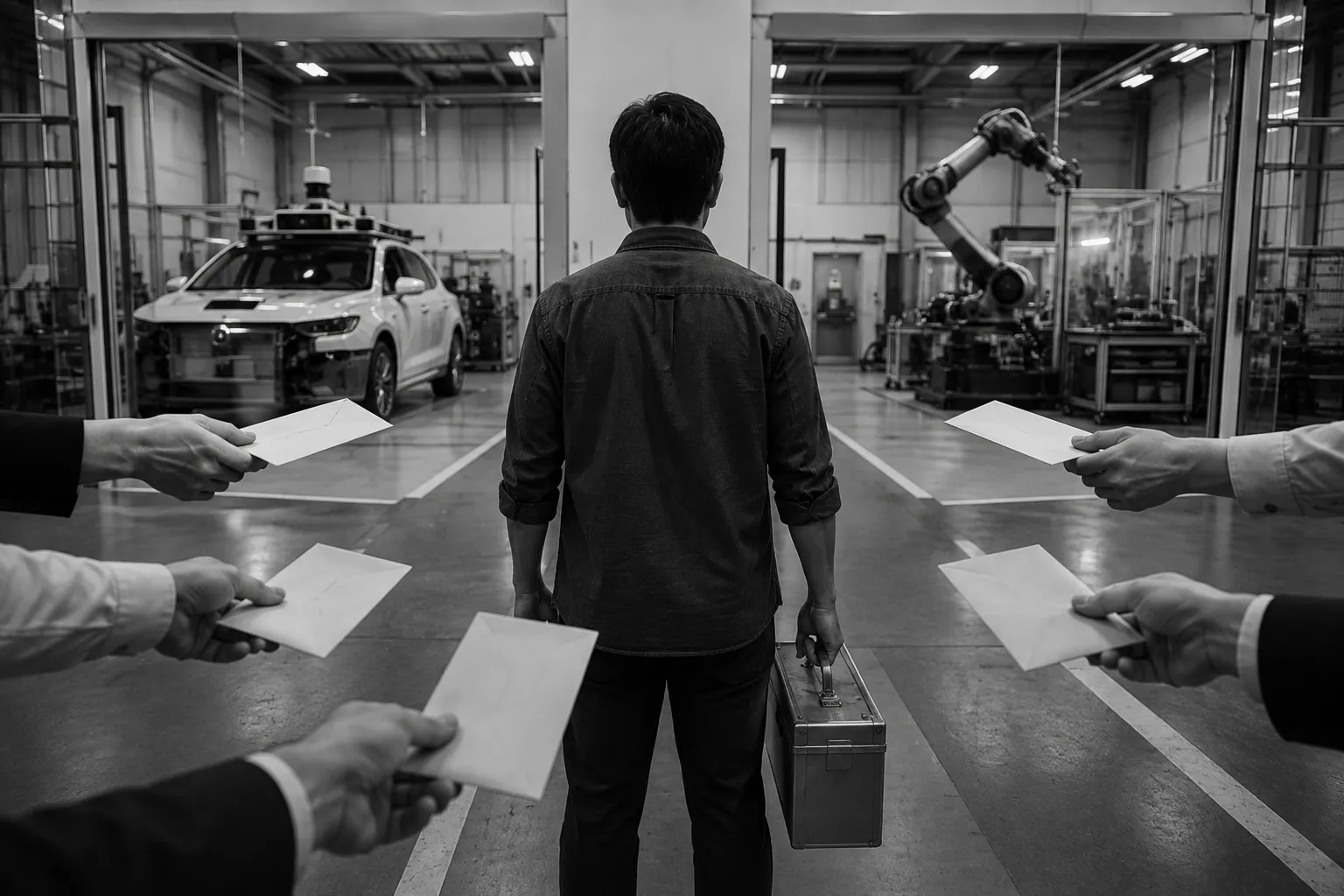
Robotics and defense companies are recruiting engineers from self-driving truck and robotaxi teams, according to industry sources who spoke with TechCrunch. Those sources put base salaries for some sought-after roles between $300,000 and $500,000, before equity and benefits. The desired workers combine classical robotics with AI and know how to integrate software into physical equipment. Their experience can transfer from autonomous vehicles to humanoid and industrial robots, forklifts, construction machinery, mining systems and agricultural equipment. Founders told the publication that defense technology startups are offering especially generous compensation, while automotive companies and smaller autonomous-vehicle firms face pressure to raise pay or lose staff.
The bidding war gives a price to knowledge acquired through years of making machines perceive streets, predict movement and act through hardware. That price also directs technical labor toward the institutions with the deepest budgets. Defense employers can turn public procurement into salaries that many transport startups cannot match, while automakers risk losing people after investing heavily in automated driving. The migration carries a political choice inside an employment offer. Skills developed around civilian mobility can be reassigned to industrial systems or defense projects without changing the engineer's core craft. A larger base salary for one worker can leave a startup with a longer hiring cycle and a thinner runway. The next autonomous-vehicle budget may therefore contain fewer test miles and a much larger line for retaining one engineer.
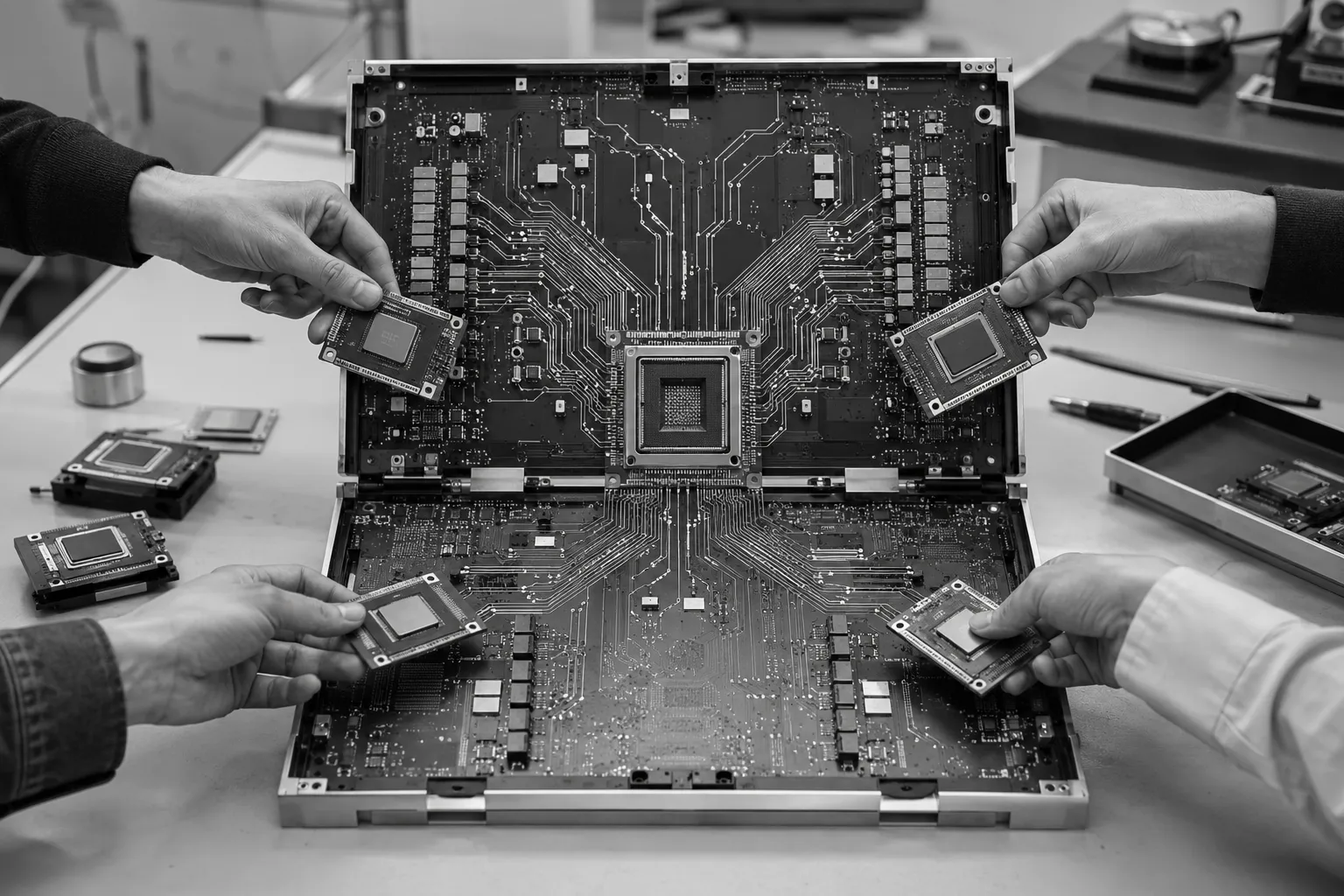
SiFive raised $400 million in an oversubscribed round that valued the chip-design company at $3.65 billion. Nvidia joined a group of investors led by Atreides Management. Founded in 2015 by UC Berkeley engineers who created RISC-V, SiFive licenses processor designs that customers can adapt and sells no finished chips. Its architecture offers an alternative to the x86 and Arm CPUs commonly paired with Nvidia GPUs. SiFive is now moving further into AI data centers, and its designs are set to work with Nvidia CUDA software and NVLink Fusion, a rack system designed to connect different CPUs to Nvidia infrastructure.
An open instruction set gains political force only when factories, software and customers can use it. Nvidia's investment places RISC-V inside an arrangement still organized around CUDA and Nvidia's rack technology. That combination gives hardware makers another CPU design while preserving the gravitational pull of the dominant GPU supplier. Openness here works as a negotiated layer of industrial power, available for modification yet entering data centers through interfaces controlled by a much larger company. The deal also exposes how standards travel. An architecture associated with embedded devices can reach expensive AI servers once capital and compatibility arrive together. Engineers may alter SiFive's licensed designs for particular workloads, but those processors will meet Nvidia's software and interconnect at the rack.

Instagram can notify friends when someone joins the Meta AI app, turning an experiment with a chatbot into an announcement across linked accounts. TechCrunch reported that these alerts continued nearly a year after the writer installed the app for work. Interest has risen since Meta released Muse Spark, moving Meta AI from number 57 to number 5 in the U.S. App Store. Access requires a Meta account connected to services such as Instagram and Facebook.
The notification treats private curiosity as material for social distribution. Someone may open a chatbot to test a feature, ask an awkward question, or discuss a concern they would avoid posting publicly. Meta can convert the act of joining into a prompt for friends to download the product, without asking for a separate decision at the moment of disclosure. The company also uses activity across its services, including Meta AI interactions, to target advertising. Earlier design failures made the risk plainer when users accidentally published intimate chat logs to a Discover feed that Meta later removed. The current alert exposes less information, but it preserves the same assumption that movement between Meta products is available for circulation. A person logs into one app with an old account and discovers the audience only when a friend sends a screenshot of Instagram’s announcement.
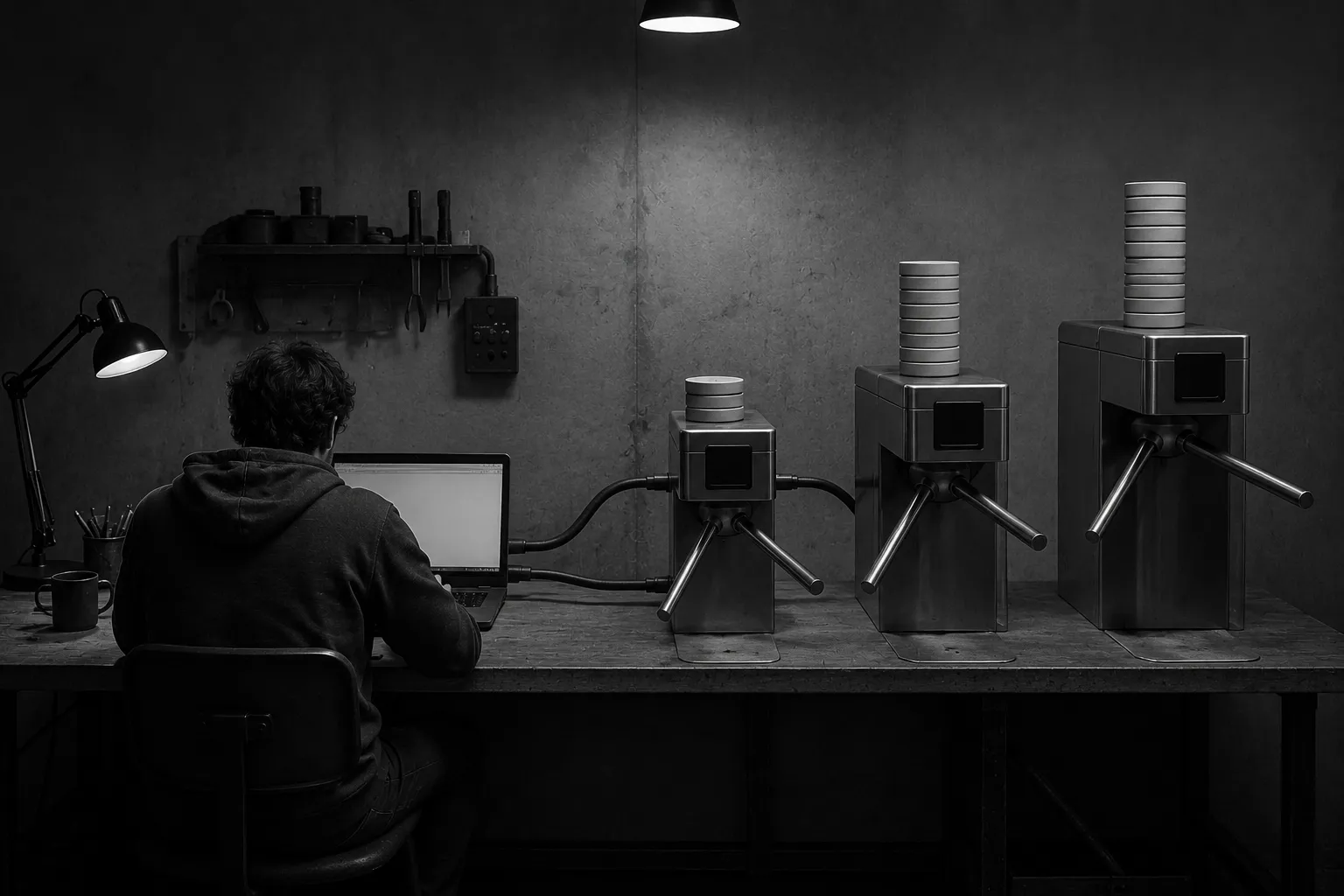
OpenAI introduced a $100 monthly ChatGPT Pro plan aimed at developers who use Codex every day. It provides five times the coding capacity of the $20 Plus tier, while a continuing $200 plan provides twenty times the Plus limits. None is unlimited. OpenAI says over 3 million people use Codex each week and reported monthly usage growth above 70 percent. Customers trying the new tier receive temporarily elevated limits through May 31, after which rate warnings may arrive sooner.
The price ladder turns coding assistance into a rationed workplace utility. Developers buy access to the same core features, then pay according to how long and intensely they can work before the interface interrupts them. Capacity becomes part of professional status, like faster hardware or a larger cloud budget, except the constraint can appear in the middle of a debugging session and is set remotely by the vendor. The temporary promotional allowance further obscures what the $100 plan will feel like during ordinary use. OpenAI explicitly compares its offer with Claude Code, making rate limits a competitive claim rather than a minor condition. A freelancer and a funded team can ask similar questions while receiving different amounts of productive time. The subscription page therefore prices a new unit of labor, measured in how much machine-assisted coding a worker can complete before the account asks for a higher tier.

Tubi became the first major streaming service to place a native app inside ChatGPT. Users install it from the chatbot’s app store, address requests to Tubi in natural language, and receive recommendations linked to a catalog of over 300,000 films and television episodes. The Fox-owned service brings over 100 million monthly users to the arrangement, while ChatGPT reported 900 million weekly users in February. Tubi had discontinued an earlier in-app recommendation experiment called Rabbit AI.
The integration moves the entrance to the cinema outside the streamer’s own walls. A viewer can describe a mood or social occasion before seeing Tubi’s shelves, and ChatGPT converts that request into a short route through the catalog. Discovery has always been a struggle over placement, thumbnails, genres, and home-page rows. Here the decisive layer is conversational language controlled by another company. Tubi gains access to an immense audience and avoids maintaining its own assistant. OpenAI gains another reason for people to begin entertainment inside its interface. The film still plays on Tubi, but the first act of selection belongs to the chatbot that interprets the request and determines which titles deserve mention. For viewers, a catalog of 300,000 works can arrive as a handful of links chosen before they open the streaming service.
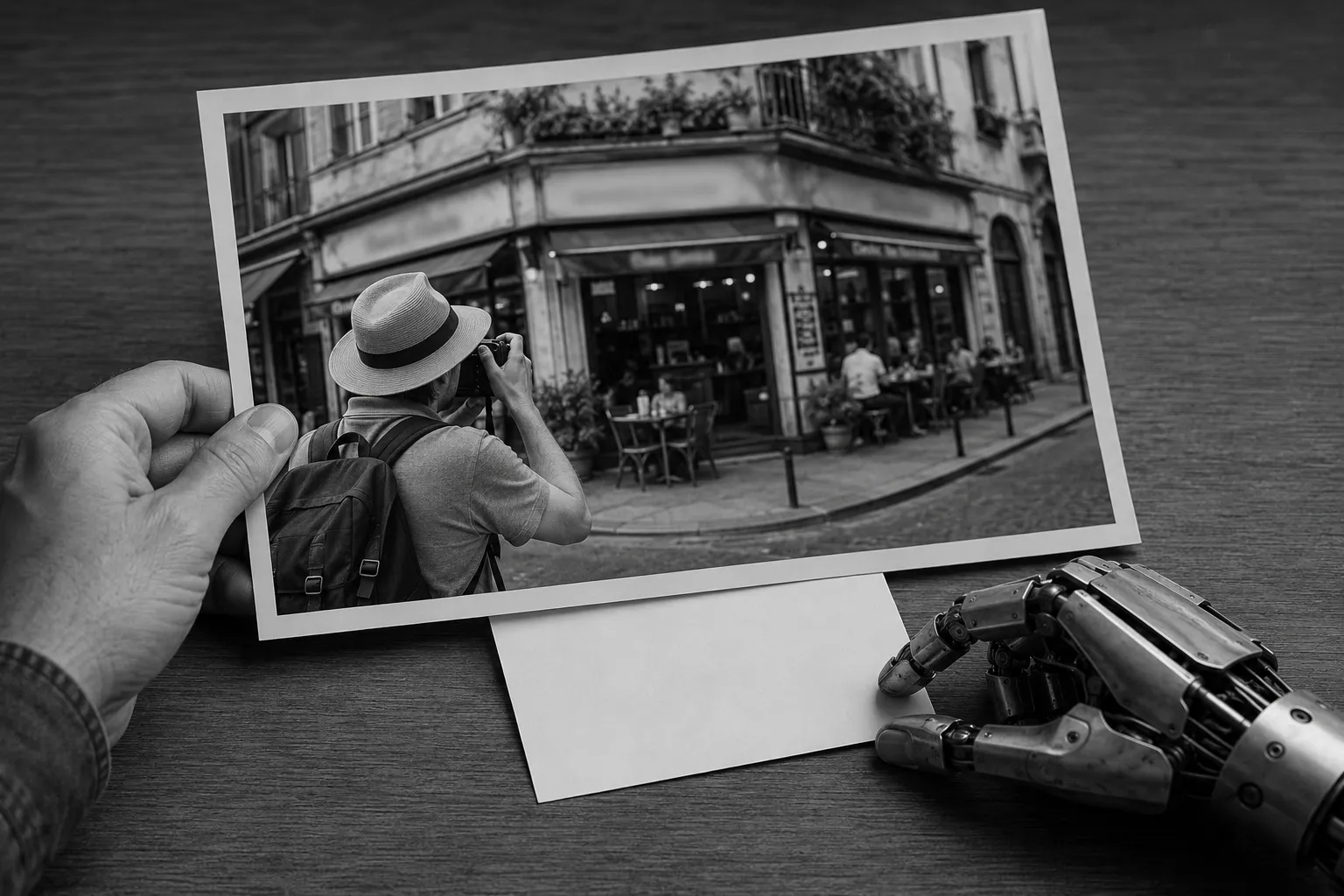
Google Maps now lets Gemini write captions for photographs and videos contributed by users. After a person selects an image, the model analyzes it and proposes language that can be edited or deleted. The feature launched in English on iOS in the United States, with wider geographic and Android availability planned. Google is also surfacing recent media in the Contribute tab and displaying points, badges, and Local Guide levels for a community the company says exceeds 500 million contributors.
A caption seems like a small convenience, yet it determines what strangers are told to notice in a place. The photograph comes from a visit, while the first description can now come from a model trained to produce fluent, recognizable summaries. A peculiar cafe, damaged sidewalk, crowded room, or quiet park may acquire language that smooths the detail into familiar categories. The contributor retains an edit button, though convenience works by reducing the likelihood of revision. Google gains fresh local material with less effort from the person supplying it, and the public record begins to combine human evidence with generated phrasing whose origin may be easy to overlook. Points and badges further reward the completed upload. The result will appear beside directions and reviews, shaping where people go through a caption that began as a suggestion beneath someone else’s photograph.
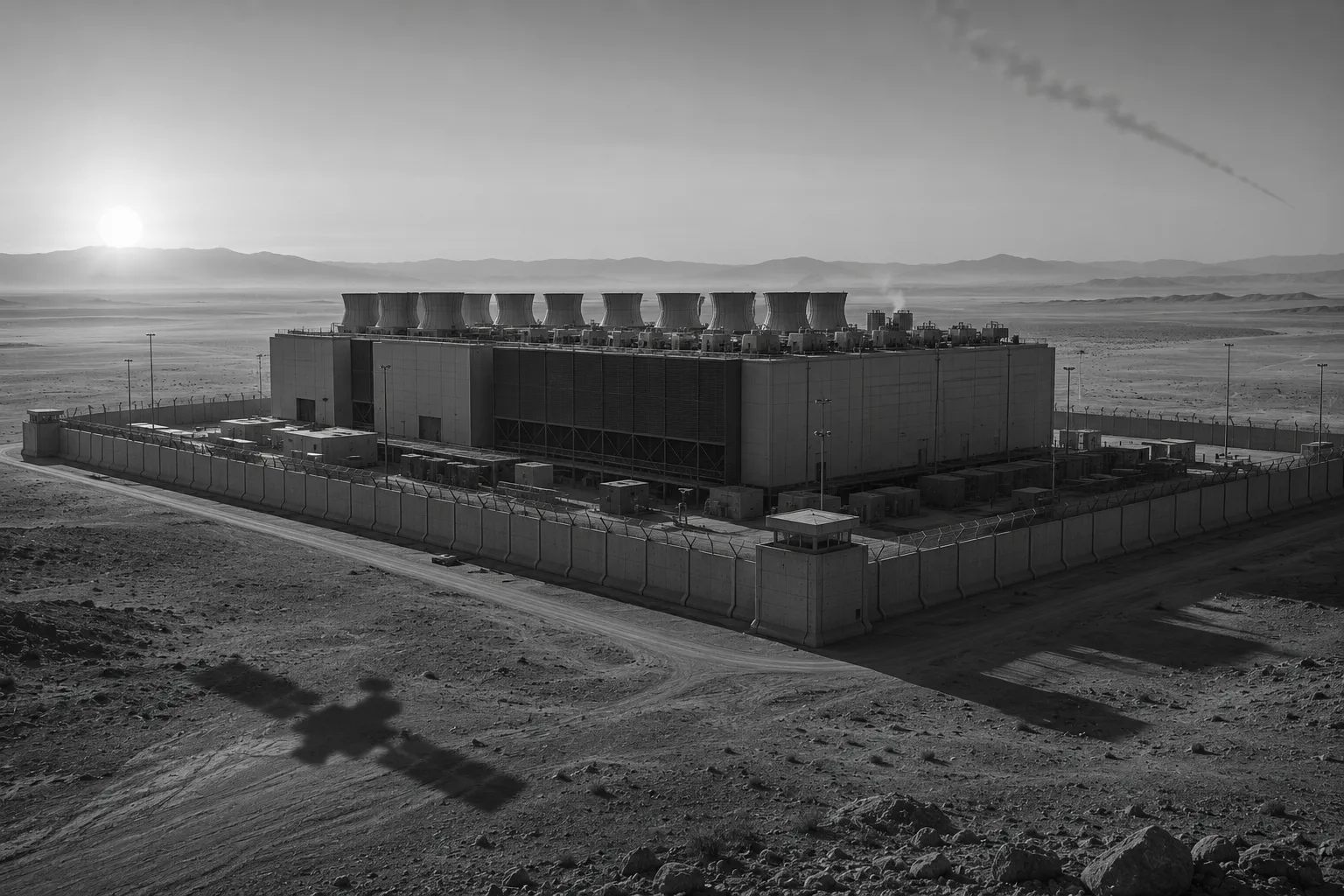
Iran threatened U.S.-linked data centers across the Middle East as the war with the United States escalated. Military spokesperson Ebrahim Zolfaghari warned that strikes on Iranian civilian infrastructure would bring retaliation against American energy and technology facilities. A video singled out the Stargate site in the United Arab Emirates, part of the $500 billion venture announced by OpenAI, SoftBank, and Oracle. Missiles had already hit AWS facilities in Bahrain and an Oracle data center in Dubai.
The threat gives physical coordinates to computing sold through the language of remote access. Stargate depends on buildings, power systems, cooling machinery, cables, workers, and host governments. Each site concentrates enormous investment in a structure visible to satellites and vulnerable to the politics of its location. The cloud metaphor encouraged customers to imagine processing without territory, yet military planners encounter a fixed facility that supports commercial services and national ambitions. AI capacity now enters calculations once reserved for ports, refineries, and power plants. This changes the price of expansion in regions chosen for capital, energy, or political alliances. Redundancy can move workloads when a building fails, but it cannot erase damaged equipment or danger to staff and nearby residents. Every new campus requires security plans that account for the state relationships surrounding its walls, along with the missiles capable of reaching them.

Microsoft has marketed Copilot as a workplace assistant while its consumer terms described the product as being for entertainment purposes and warned against relying on it for important advice. The language, last updated in October 2025, circulated widely as the company pursued corporate subscriptions. Microsoft called it a legacy clause that no longer reflected current use and promised to revise it. OpenAI and xAI carry similar warnings against treating model output as factual truth.
The clause exposes the distance between the demonstration and the contract. Advertising invites workers to draft, analyze, search, and make decisions with Copilot. Legal language imagines a user amusing themselves with an unreliable system at their own risk. Both texts belong to the same product, but liability settles on the person who acts on an answer. Calling the disclaimer outdated does little for anyone who used the tool under those terms, and replacing the sentence cannot remove model errors from office work. The comic label is useful precisely where the stakes are serious. It allows a company to sell competence in the foreground and reserve uncertainty in a document few customers read. Employers who install Copilot across a business still need rules for checking its work, identifying accountable staff, and handling damage when an entertaining suggestion enters a spreadsheet, a client message, or a consequential decision.
Anthropic stopped letting Claude subscribers use their included limits through OpenClaw and began charging separately for that traffic at noon on April 4. The company said the pay-as-you-go rule would soon extend to other third-party harnesses. Claude Code chief Boris Cherny argued that subscriptions were designed for different usage patterns and that the change would make growth sustainable. OpenClaw creator Peter Steinberger, who recently joined OpenAI, accused Anthropic of restricting open source after copying popular features. Anthropic offered full refunds.
The separate bill redraws a boundary that users discovered only after building workflows across it. A subscription appeared to buy access to Claude’s capacity, while Anthropic now distinguishes between requests sent through its own interface and requests sent through outside software. The same model and customer acquire a different price when an open-source tool controls the route. Engineering constraints may be real because persistent agents can consume capacity at an unusual rate. Yet metering also gives the model provider leverage over the independent applications growing around it, especially when those applications compete with the provider’s own harness. OpenClaw remains open source, but its usefulness depends on paid access to systems owned elsewhere. Developers can accept the new meter, change providers, or dismantle routines that had treated a subscription as portable. The refund covers the plan, while the work of rebuilding stays with the subscriber.

Americans are growing wary of the data centers arriving near their homes. A Harvard and MIT poll of 1,000 people found 40 percent supported a local facility and 32 percent opposed one, with an e-commerce warehouse drawing greater acceptance. Two-thirds worried that a data center would raise regional electricity prices. A separate Quinnipiac survey of 1,397 adults found a harsher result, with 65 percent opposing an AI data center in their community and 24 percent supporting it.
The warehouse comparison strips away the polished language surrounding AI infrastructure. A fulfillment center brings trucks, traffic, and difficult jobs, but residents can see the exchange being proposed. Data centers occupy enormous buildings, consume electricity and water, and employ relatively few people after construction. Their product leaves through cables, while neighbors remain with cooling equipment, transmission demands, tax agreements, and possible pressure on utility bills. Promises of innovation have little force at a zoning meeting when the permanent payroll is small and households suspect they will subsidize industrial power use. The backlash turns cloud computing into a local argument over land and rates. Companies seeking new sites will have to persuade elected officials and utility customers who can identify the building behind the service and calculate what it adds to the monthly bill.
OpenAI acquired TBPN, the daily three-hour business talk show hosted by former founders John Coogan and Jordi Hays. It is the company’s first media acquisition. The program, which airs on YouTube and X, has built a Silicon Valley following by interviewing executives including Mark Zuckerberg, Satya Nadella, and Sam Altman. OpenAI says TBPN will keep its brand, choose its guests, and retain editorial independence, while the show joins OpenAI’s strategy team under chief political operative Chris Lehane.
The arrangement places ownership inside the conversation it seeks to influence. TBPN covers OpenAI and its rivals, and its appeal rests on insiders speaking candidly among peers. After the sale, every criticism of the parent company will carry an extra fact beside it, even when no executive intervenes. Editorial independence can govern decisions in the studio, yet ownership determines salaries, expansion, reporting lines, and the conditions under which the studio continues. OpenAI also plans to use the hosts’ communications and marketing instincts outside the show. A media outlet valued for access thus becomes part of the subject’s communications apparatus. Sam Altman says he expects no gentler treatment, but audiences must now judge each interview through a corporate structure that reports to the political strategist charged with defending OpenAI.

Anthropic accidentally triggered the removal of thousands of GitHub repositories while trying to take down copies of leaked source code from Claude Code. The company’s notice reached around 8,100 repositories, including legitimate forks of Anthropic’s own public repository. Anthropic later said the error came from a fork network and retracted most of the notices. GitHub restored access to the affected projects.
The incident gives open software an uncomfortable legal shape. A repository can be public, copied, modified, and still remain connected to a private claim over one accidental release. The takedown system does not need to understand the code to interrupt its circulation. It needs a notice, an automated route, and a platform willing to act before the dispute has been examined. Anthropic’s mistake was corrected, but the temporary disappearance was already a kind of power. Developers who had done nothing wrong became collateral inside a company’s attempt to protect its product. Public code survives through forks, mirrors, and trust in shared infrastructure. One mistaken notice can turn that infrastructure into a switch controlled by the owner of the source code.
