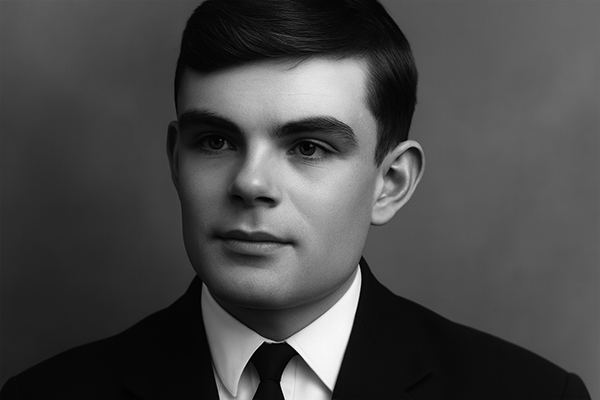
Although it feels as if it hasn’t even finished happening, artificial intelligence is not as recent as it seems. Back in the 1950s, Alan Turing, regarded as the father of modern computing, wondered whether a machine could think. He devised a test to see if one could hold a conversation without the other person noticing its lack of humanity. From that moment on, machines began to learn from data—much in the same way people learn from their own experiences.
Artificial intelligence has now become one of those topics that finds its way into conversations everywhere. Because it’s not only about software programs, but about a field where economic, cultural, and social powers are being reshaped on a global scale. Every system mirrors the vision and the values of those who program it, making AI something far more than just a technological tool. At times I see it like one of those people who pretend to be foolish, yet the way they look at us—from that feigned foolishness—is strikingly lucid.
Aunque parezca que ni siquiera ha terminado de suceder la inteligencia artificial no es tan reciente como parece. En los años cincuenta, Alan Turing, considerado el padre de la computación, se preguntó si una máquina podía pensar. Diseñó una prueba para ver si una de ellas podía conversar sin que el interlocutor notara su falta de humanidad. A partir de ahí, las máquinas empezaron a aprender de los datos, algo parecido a cuando las personas aprenden de sus experiencias.
la inteligencia artificial se ha convertido en unos de los temas de todas las sobremesas del mundo. Porque No se trata solo de los programas informáticos, sino de un terreno en el que se van a redistribuir los poderes económicos, culturales y sociales a nivel global. Cada sistema refleja la visión y los valores de quienes lo programan, y eso convierte a la IA en algo más que una herramienta tecnológica. A veces la veo como una de estas personas que parecen a quieren parecer tontas, pero la manera en que nos miran —desde la tontería— es bastante lúcida.






