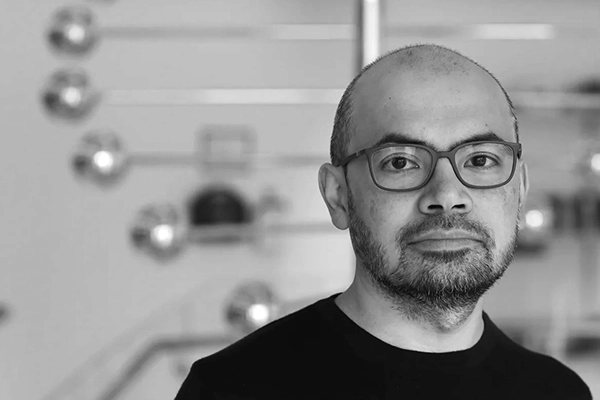
In Athens, cradle of Western philosophy, Demis Hassabis, head of DeepMind and recent Nobel laureate in Chemistry for his protein-folding prediction systems, reminded that the future belongs to those who know how to “learn to learn.” At the foot of the Acropolis he warned that artificial intelligence is advancing so fast that traditional educational frameworks are no longer sufficient. What matters will not be the accumulation of data but the cultivation of meta-skills, the ability to understand learning processes, adjust strategies, and keep curiosity alive throughout working life. What AI has achieved in just a decade makes it possible to consider the prospect of an abundance directed toward collective well-being, though also of social transformations that are difficult to foresee.
Hassabis’s message goes beyond technological fascination. It is also a cultural and political warning. Greek Prime Minister Kyriakos Mitsotakis joined him to stress that this revolution will only be ethically acceptable if it distributes tangible benefits and prevents wealth from concentrating in a few hands. Otherwise, it will be seen as a threat and generate a diffuse unease across many sectors of society. Ordinary citizens will need to stay in motion, alert, always learning, because changes are unfolding faster than the ability to absorb them. It is essential not to invest effort in what machines will do better, faster, and for longer.






