The Dutch Data Protection Authority has fined Uber €824.99 million after finding that driver accounts had been temporarily or permanently deactivated through automated decisions without human intervention. The case began with a collective complaint representing over 170 drivers. According to France’s CNIL, which cooperated in the investigation, suspected fraud and low customer ratings could trigger account blocks that stopped drivers from accepting rides and earning income. Uber disputes the regulator’s account, says permanent deactivations receive human review and drivers can appeal, and plans to challenge the decision.
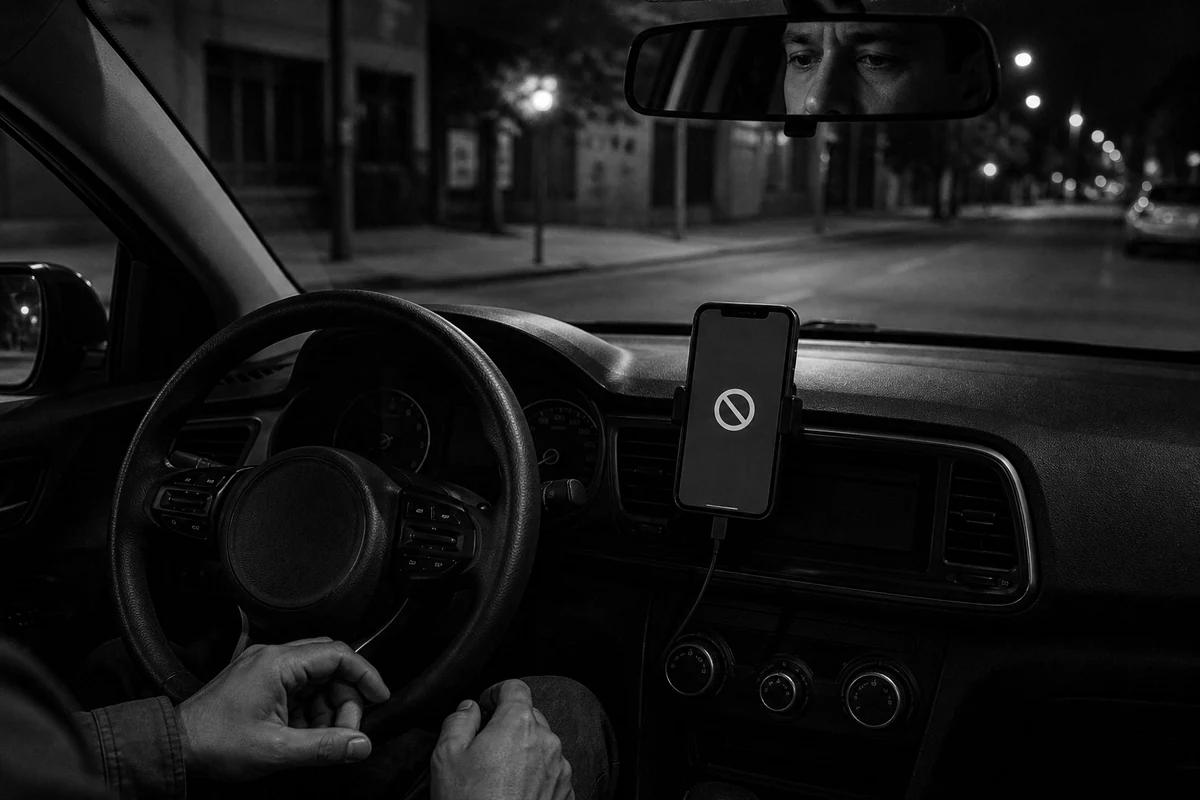
The fine makes algorithmic management visible at the exact point where software becomes a boss. A platform may describe a driver as independent, yet its interface can still decide when work begins, how conduct is measured and whether tomorrow’s income exists. Fraud detection and rating systems promise speed, but speed changes meaning when the person affected must prove an error to a process they cannot see. Europe’s rule against consequential automated decisions asks for something ordinary: a human who can explain, listen and take responsibility. The most revealing image is not a courtroom or a server room. It is a parked car, a darkened app and a worker waiting for the system to let work resume.






