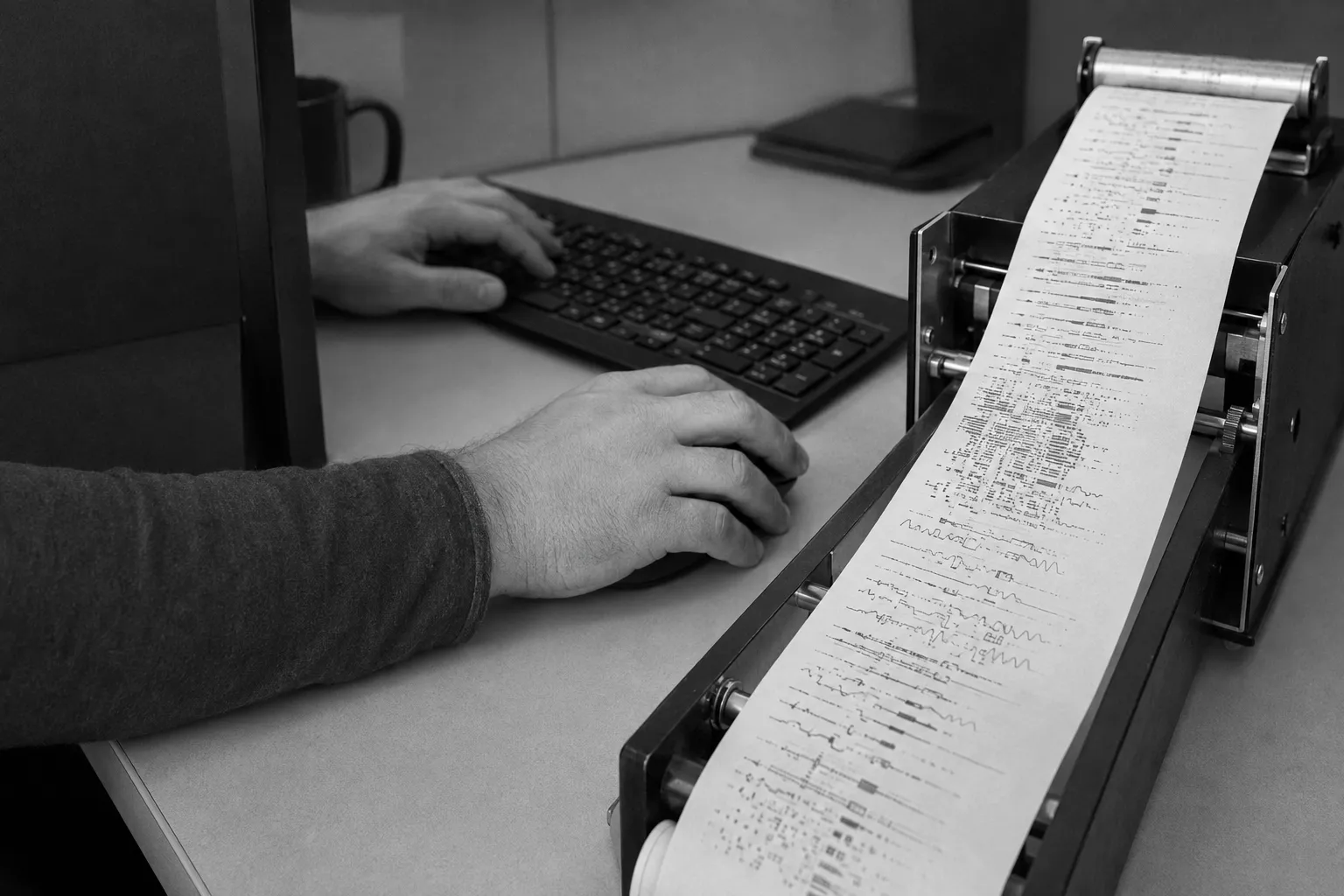
Meta plans to capture some employees' mouse movements, keystrokes, button clicks, and dropdown navigation as training data for computer-using agents. The company told TechCrunch that an internal tool will record these inputs on certain applications because agents need examples of how people use computers in everyday tasks. Meta said safeguards will protect sensitive content and that the material will serve no other purpose. The plan follows reports that defunct startups' Slack archives and Jira tickets are also being repurposed as model-training material, extending the industry's search for data into records produced during ordinary work. The source is labor performed inside Meta itself.
The employee's gesture now has a second corporate life. A click made to finish an assignment can become an example from which software is taught to perform similar labor. This arrangement concentrates interpretive power with the employer, which chooses the applications, defines sensitive content, and decides which traces become useful. Even careful redaction leaves a political question inside the tool. Paid activity generates a reusable asset whose future value may exceed the immediate task, while the worker sees neither the resulting dataset nor the agent shaped by it. The office interface thus doubles as a collection instrument, and routine competence is extracted at the keyboard, one recorded action at a time.






