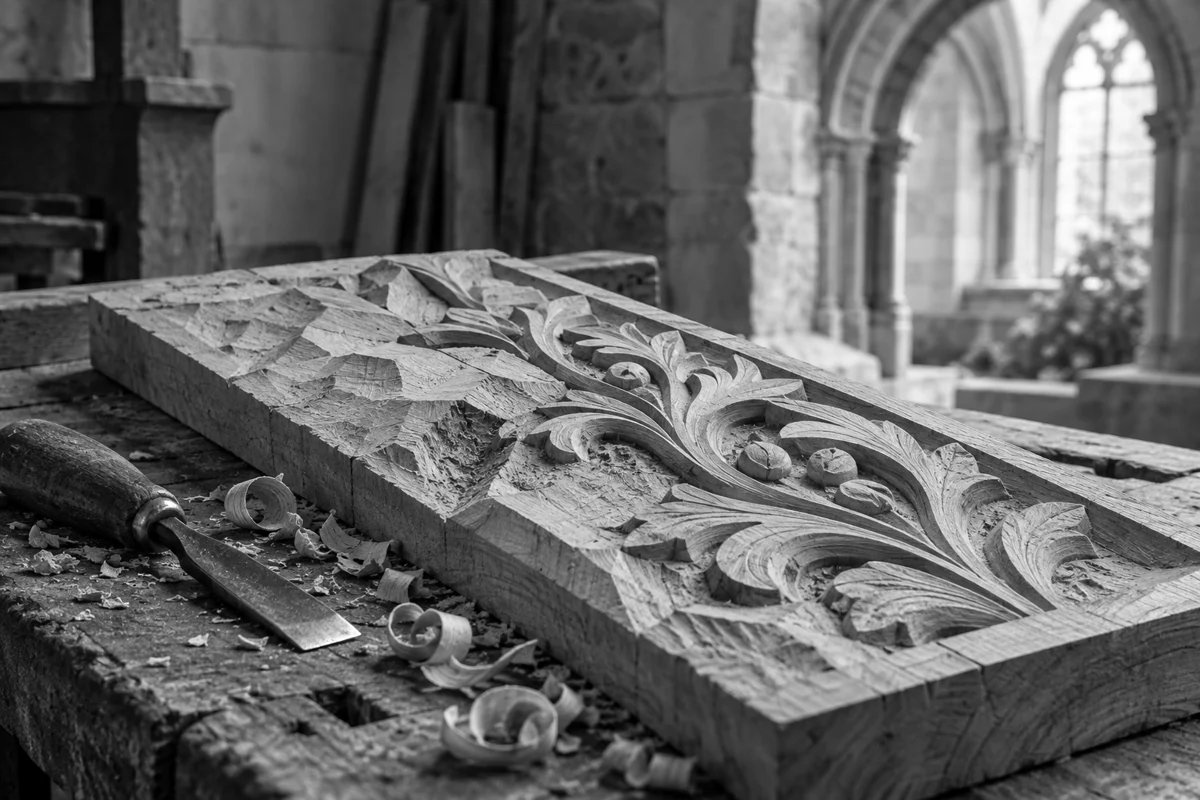
Pope Leo XIV called on October 2 for the Church to renew its alliance with artists and cultural institutions, arguing that the spread of artificial intelligence makes it urgent to distinguish human art from machine-generated production. Speaking to participants in a meeting organized by the Vatican’s Dicastery for Culture and Education, he described a difference that precedes judgments of beauty, contrasting art with statistical calculation based on images made by others. He also warned about cultural homogenization. His intervention gives artists institutional support in a dispute often framed around speed and cost. It expresses a philosophical position without establishing a ban on artistic uses of AI.
For institutions that commission art, this position raises practical questions about their next contracts. A parish choosing an image for a new chapel can buy a generated illustration or pay an artist to develop a work with the congregation. That choice affects who earns a living and who answers for the finished image. The Pope’s call leaves the practical terms of the renewed alliance unspecified. Artists can use digital tools while still negotiating payment, attribution and control over how their work is reused. If Church patrons follow his appeal, their purchasing decisions will need to give human authors a place in the budget. A commissioned artist should be able to see that commitment in the contract and the agreed fee.






