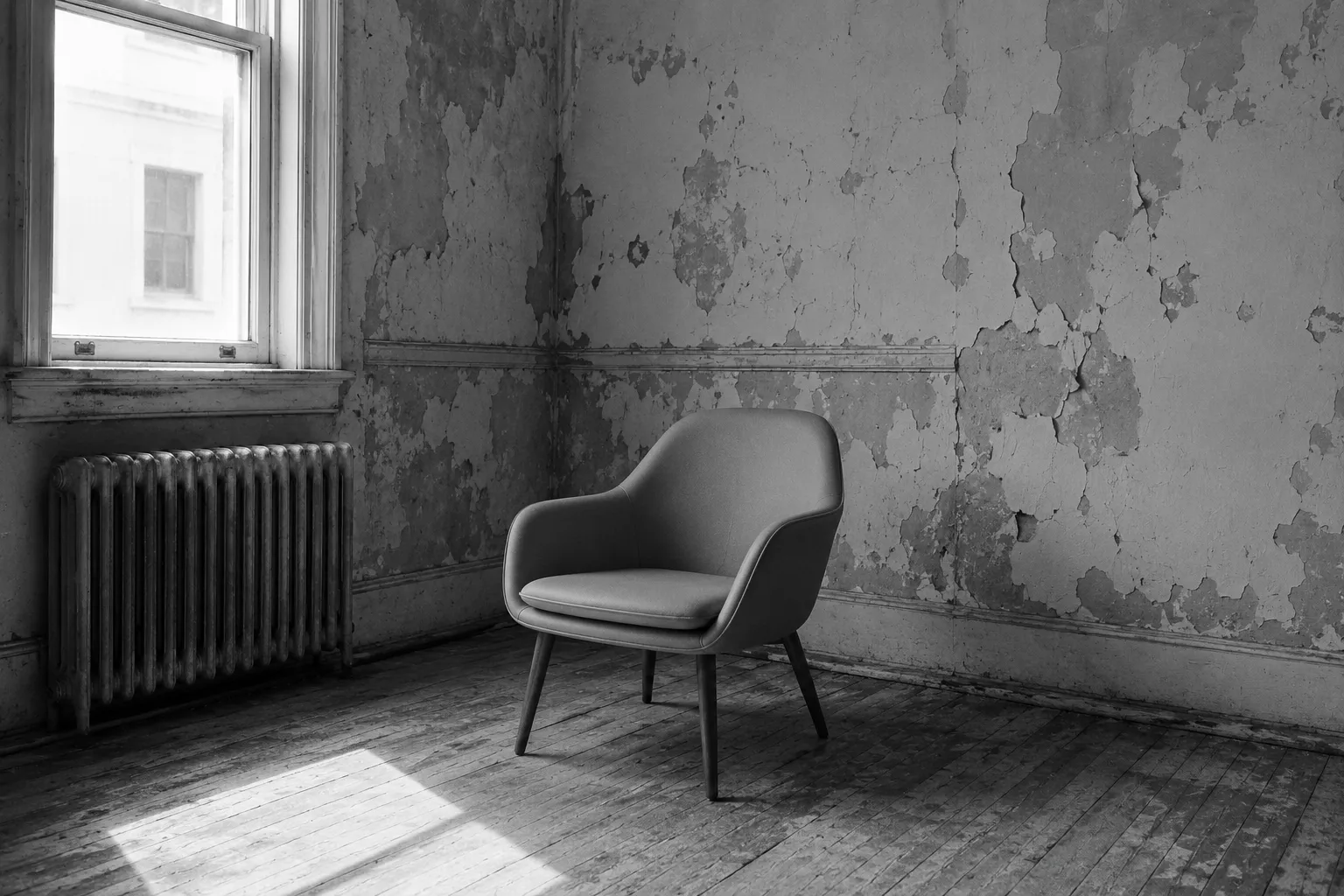
Landlords have been using AI tools to make rough apartments look clean, bright, and modern in rental listings, according to Futurism. The edits can smooth walls, replace furniture, improve lighting, and make neglected rooms appear closer to the aspirational style of real-estate platforms. Property photography has always staged desire. A wide lens, a vase, and a clean counter can make a small room feel larger than it is. Generative editing goes further because it can repair the visible evidence before the visitor arrives. The listing becomes a version of the apartment that rent has not actually bought.
The body still discovers the truth at the showing. It smells dampness, sees chipped paint, hears the neighbor, measures the hallway, and notices the window that the image made generous. AI enters the housing market as cosmetic leverage at the moment when tenants already face high prices, low availability, and rushed decisions. A picture can make decay look negotiable, or hide the work a landlord has avoided. The prospective renter is asked to trust a room through a photograph whose honesty may have been renovated faster than the room itself.






