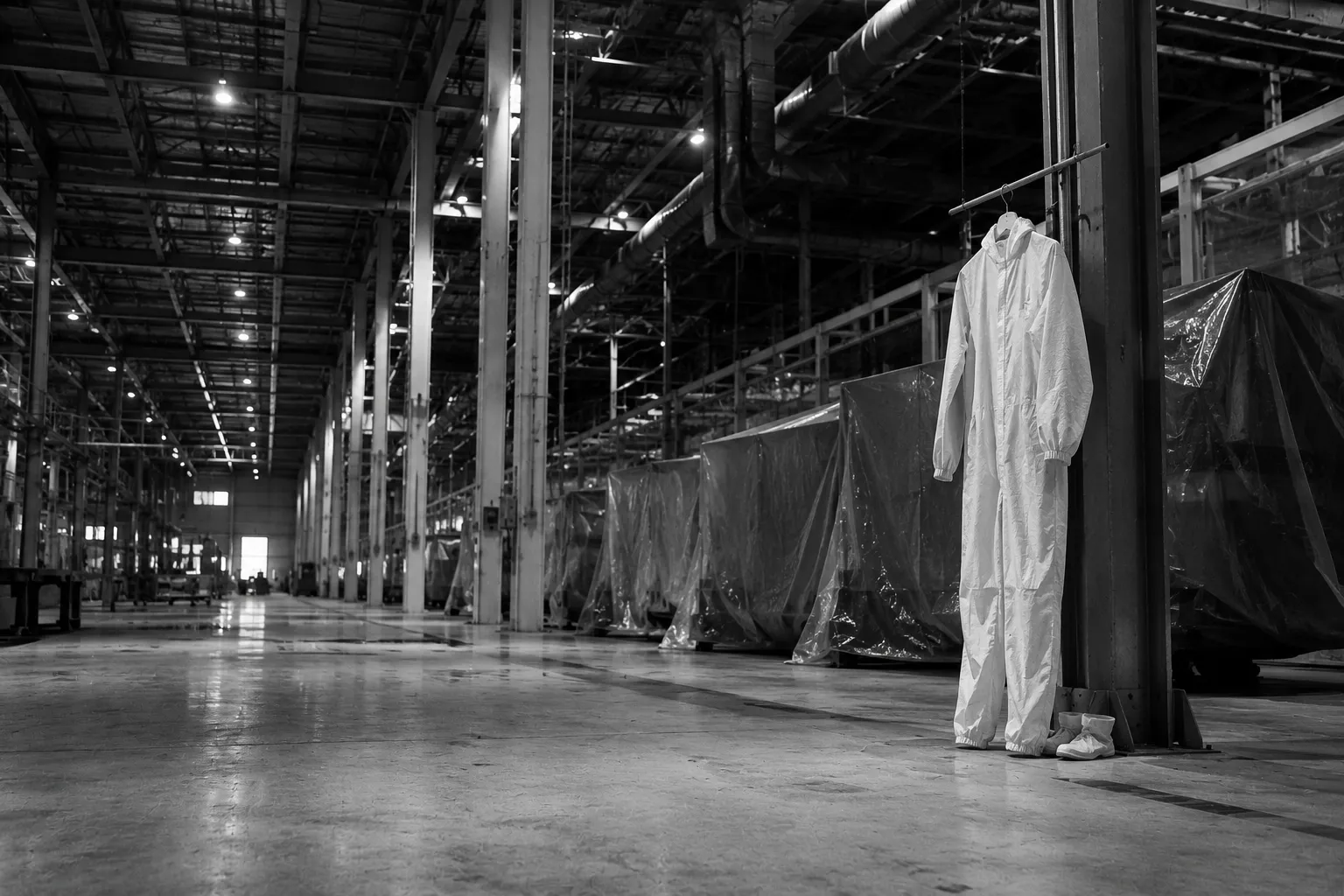
SpaceX may spend up to $119 billion on a Texas chip factory called Terafab, TechCrunch reported on May 6, citing filings connected to the project. The plant would be aimed at AI chips, placing another Elon Musk company inside the race to secure compute beyond cloud rental and supplier contracts. The proposed scale is difficult to treat as a normal factory plan. It reads as an industrial wager on who gets to own the physical base of machine intelligence.
The factory proposal shows how AI ambition keeps moving backward through the supply chain. A chatbot needs chips; chips need fabs; fabs need land, power, water, skilled labor, chemical systems, and political permission. Control of the answer box begins in construction permits and fabrication lines. SpaceX built its identity around rockets and launch cadence, but Terafab would bind that culture to semiconductor sovereignty. The name itself sounds like acceleration dressed as infrastructure. What matters is the dependency it exposes. The company that wants models, robots, satellites, vehicles, and military contracts cannot rely forever on someone else's silicon. The future is being imagined as software, then budgeted as concrete.






