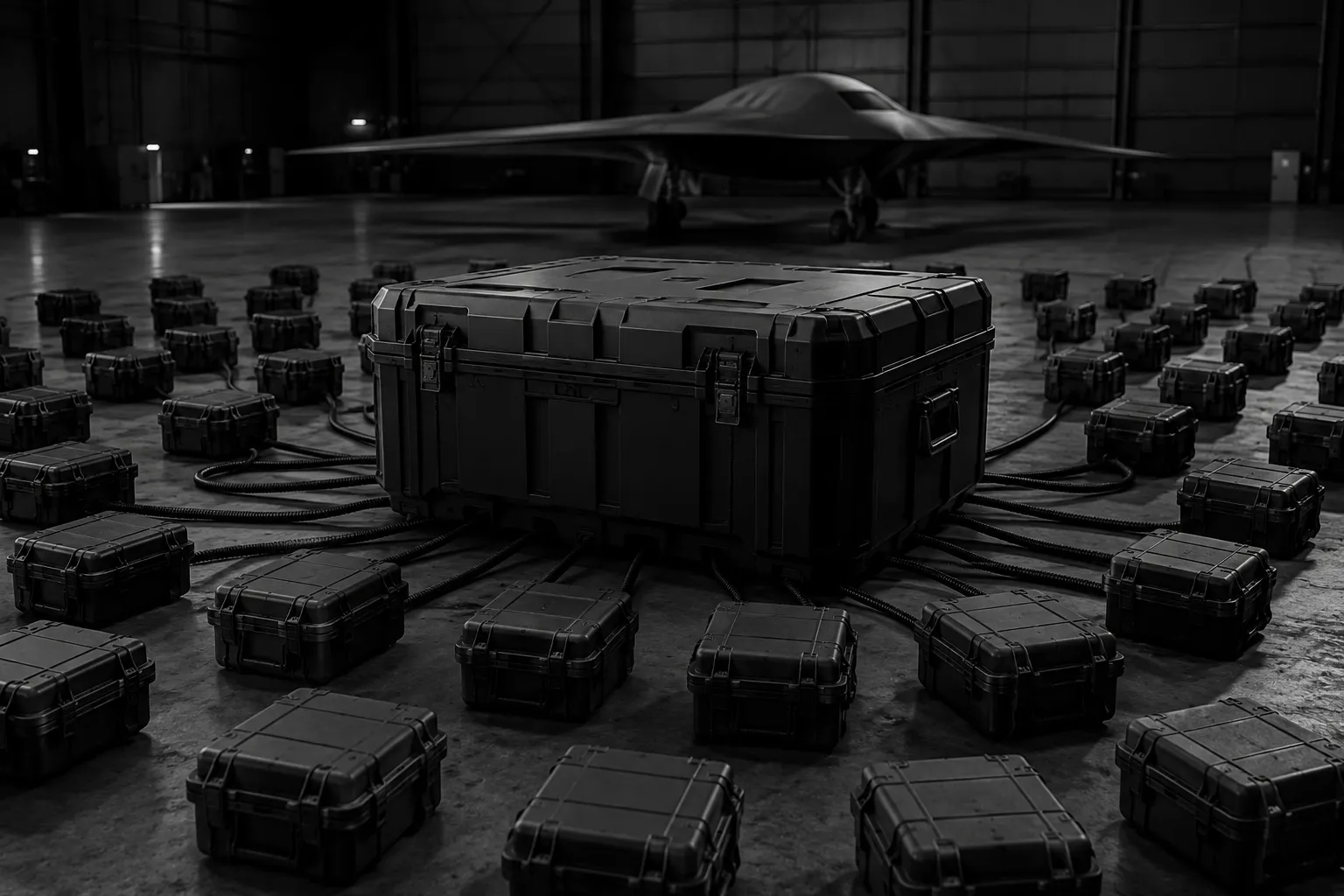
The U.S. Army signed a ten-year contract with Anduril worth up to $20 billion, consolidating more than 120 procurement actions into one enterprise agreement. The package includes hardware, software, infrastructure, and services. The language of the deal is administrative, but its object is a military whose battlefield is increasingly organized through commercial code and autonomous machines.
Consolidation changes the political shape of technological power. A company that once sold a few systems now receives a broad channel into the institution that defines security priorities, while the state gains speed by reducing the number of separate purchases it must manage. The contract joins the culture of venture-backed disruption to the older rituals of defense procurement. Palmer Luckey’s consumer-electronics past, Anduril’s theatrical brand, and the Army’s need for deployable software meet inside one long commitment. A future fighter, drone, or surveillance tool may arrive as a product update rather than a public decision. The contract does not merely buy equipment. It gives one company room to define what military readiness looks like in code.






