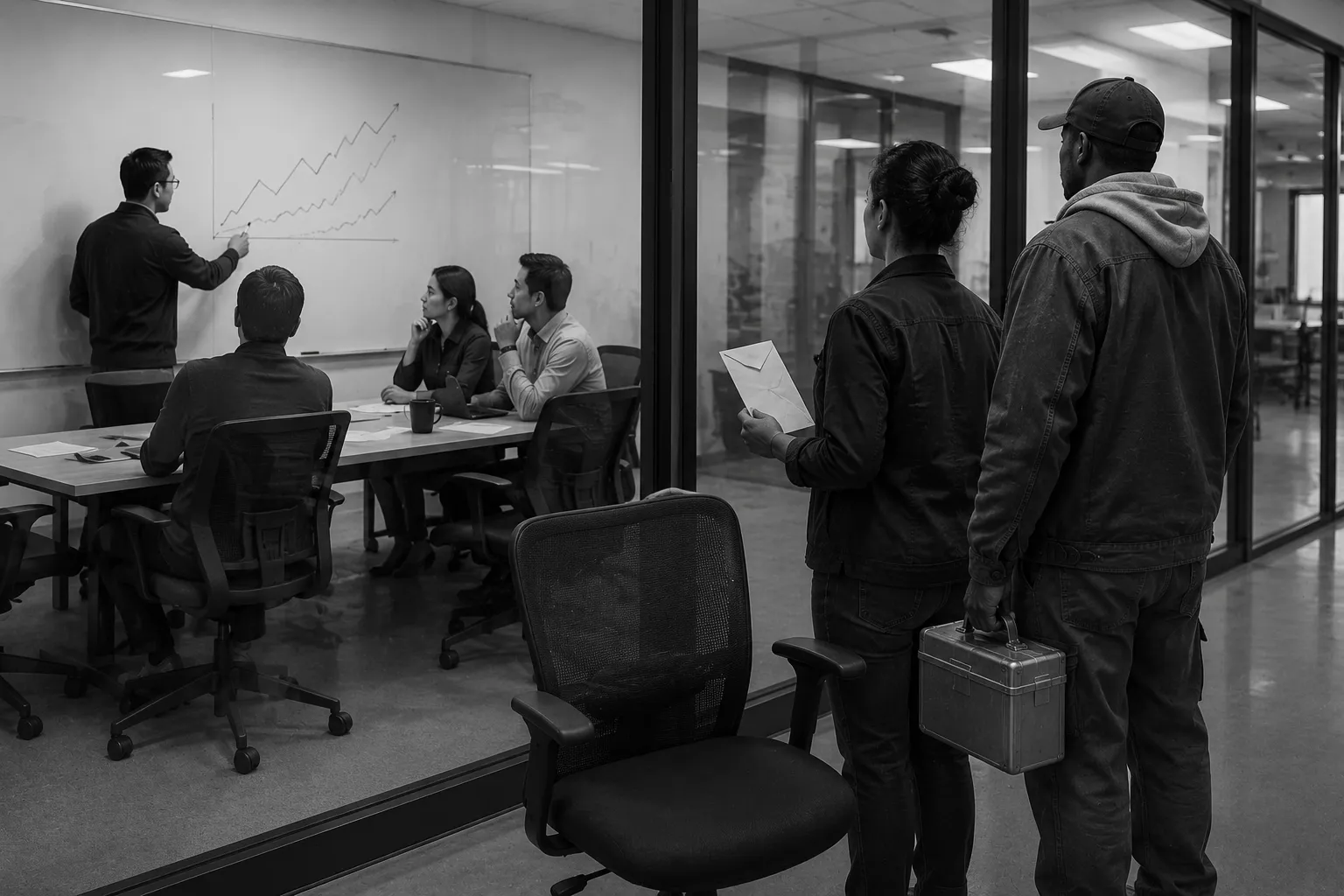
Stanford's 2026 AI Index assembled surveys showing a wide gap between AI experts and the American public. Pew data cited in the report found that 56 percent of experts expected AI to have a positive effect on the United States over twenty years. Eighty-four percent foresaw a largely positive effect on medical care, compared with 44 percent of the public. For work, the split was 73 percent against 23 percent. For the economy, 69 percent of experts were positive while 21 percent of the public agreed. Nearly two-thirds of Americans expected fewer jobs, and only 31 percent trusted the US government to regulate AI responsibly.
These figures describe people answering from different positions in the same economy. Researchers and industry specialists encounter models through laboratories, products and investment plans. Households encounter them through hiring decisions, medical institutions, electricity bills and public agencies. Expertise can estimate technical capability while leaving the distribution of costs outside its frame. Public anxiety becomes rational when promised gains arrive as forecasts and immediate exposure arrives through a workplace or monthly bill. The 50-point gap over jobs also creates a democratic problem for policy. A government that commands little trust cannot settle the dispute by repeating expert confidence. It has to specify who receives protection, who pays for infrastructure and how workers contest an automated decision. Until then, optimism will remain a professional survey response beside a household calculating its next utility payment.






