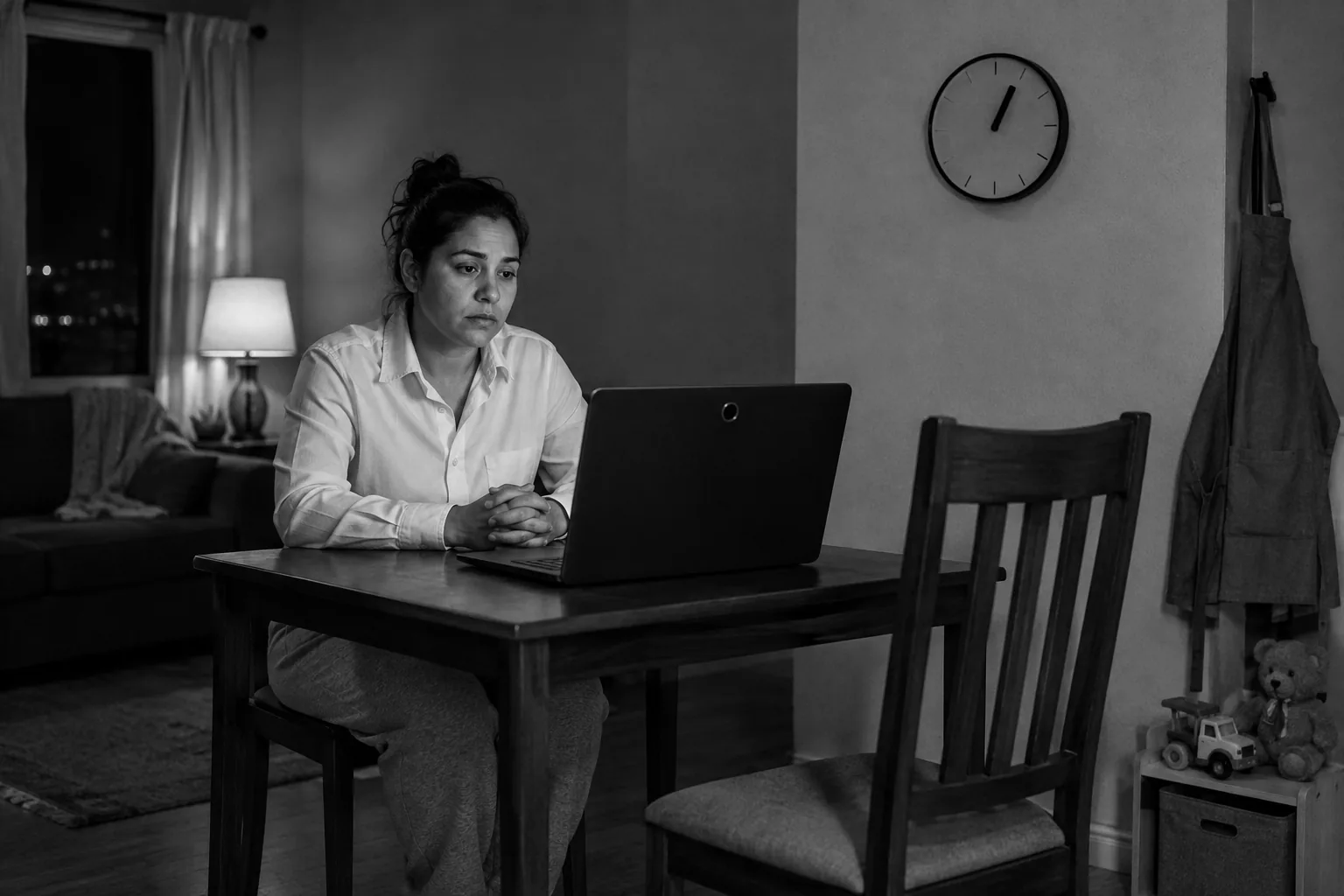
In January, Atlanta publicist Tim Millard expected a human interview for a media relations job. Instead, an email sent him to a recorded interview. At 9:30 p.m., he tidied his living room, opened his laptop and answered onscreen questions. He had 30 seconds to prepare and two minutes to respond. An automated rejection arrived in March. WIRED reports growing use of automated late-night interviews. Ribbon says 24 percent of interviews occur between 10 p.m. and 2 a.m., rising to 35 percent among manufacturing clients. Greenhouse places its nighttime share around 15 to 20 percent. The availability can help parents, hourly workers and employees unable to interview during the day.
The convenience transfers the interview into the applicant's private hours. An employer defines a rubric, software analyzes the recorded answers, assigns a score and sends the result with the footage to a recruiter. Many recordings may never be watched. Criteria can include technical qualifications or a sales applicant's enthusiasm. The candidate performs professional attention for a listener who is absent and may remain so. A Greenhouse survey found that 38 percent of American candidates had withdrawn rather than complete an AI interview; another 12 percent said they would withdraw if one were required. Millard turned his job search into a one-man stage show and remains unemployed. His first encounter with that employer ended with a score and an automated email.






