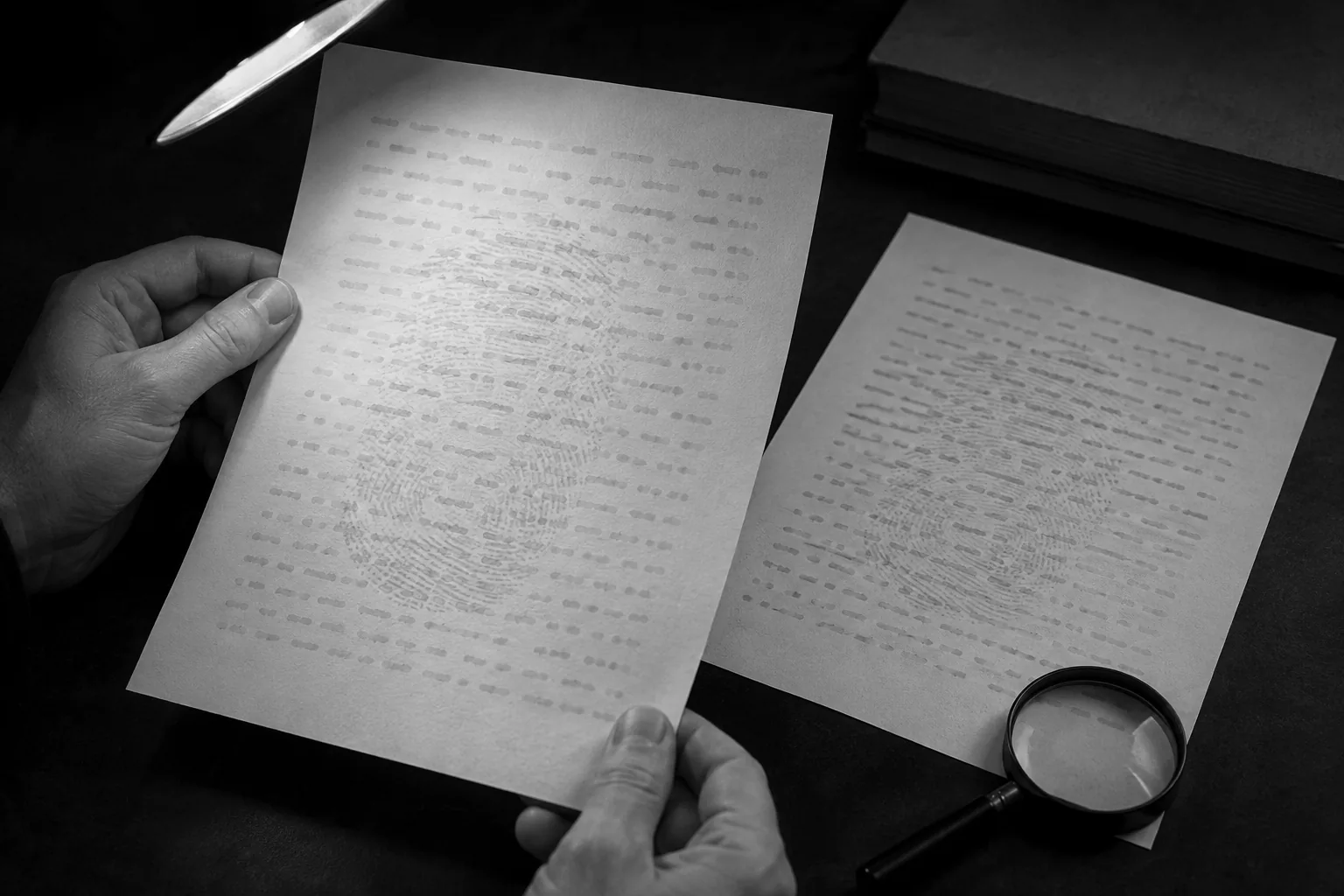
Anthropic says future Claude models will place an invisible, machine-readable watermark directly into generated text. The commitment responds to European transparency rules effective August 2. New models will carry the mark from release, while existing models will follow. Anthropic says it will operate at model level across Claude, Claude Code, its API and access through outside cloud providers. The watermark is woven into the wording without changing its visible meaning or readability. It should travel through copying and may survive some editing. Supported generated files will instead carry digitally signed provenance metadata, including the C2PA standard where applicable.
The reader will see ordinary prose while a compatible detector examines its statistical construction. This creates a record of origin that can follow a paragraph beyond Claude's interface, but Anthropic has not disclosed the method, the amount of editing that removes the mark or a public detection tool. Those details are promised in future technical documentation. File metadata presents another weakness because platforms can strip it during ordinary uploads. Anthropic also warns that missing evidence proves little. A text without a detectable mark could still come from an AI system, an older Claude model or an edited response. Before a school, publisher or platform treats detection as evidence, it will need the detector version, its error rate, the model covered and the threshold used on the disputed passage.






